
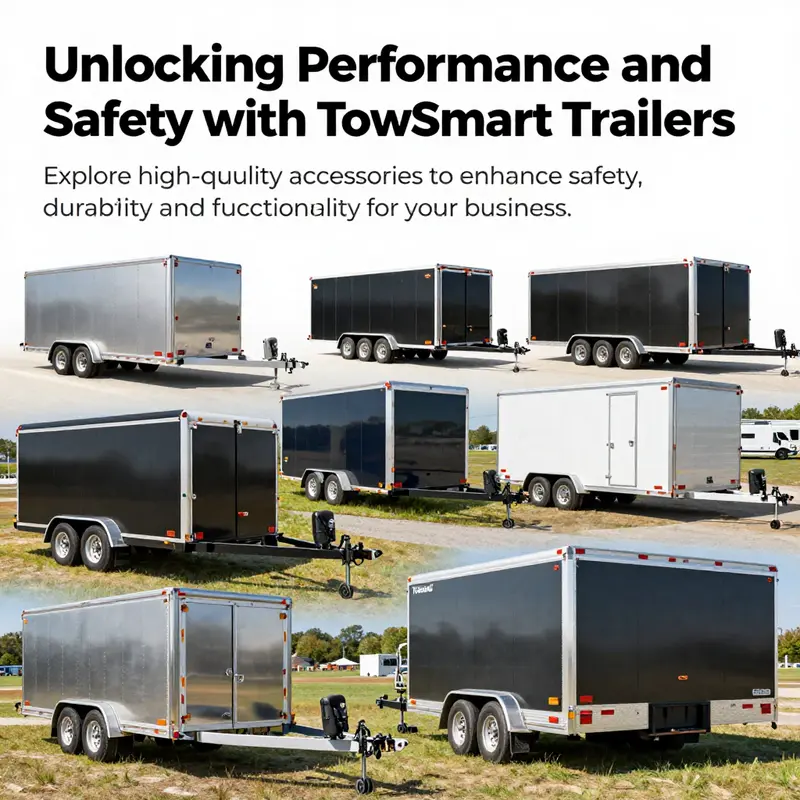
In a competitive marketplace, ensuring the safety and reliability of your trailers is crucial for business success. TowSmart offers a range of high-quality trailer accessories specifically designed for various applications, including boat, multi-purpose, snowmobile, and RV trailers. This article delves into the key offerings from TowSmart, including their wheel bearing kits, hitch ball capabilities, safety features, and overall brand support, providing business owners with the insights needed to make informed purchasing decisions and enhance their trailer operations.
Locking Hitch Pins and Practical Tow Solutions: What to Expect from a Robust Trailer Lock
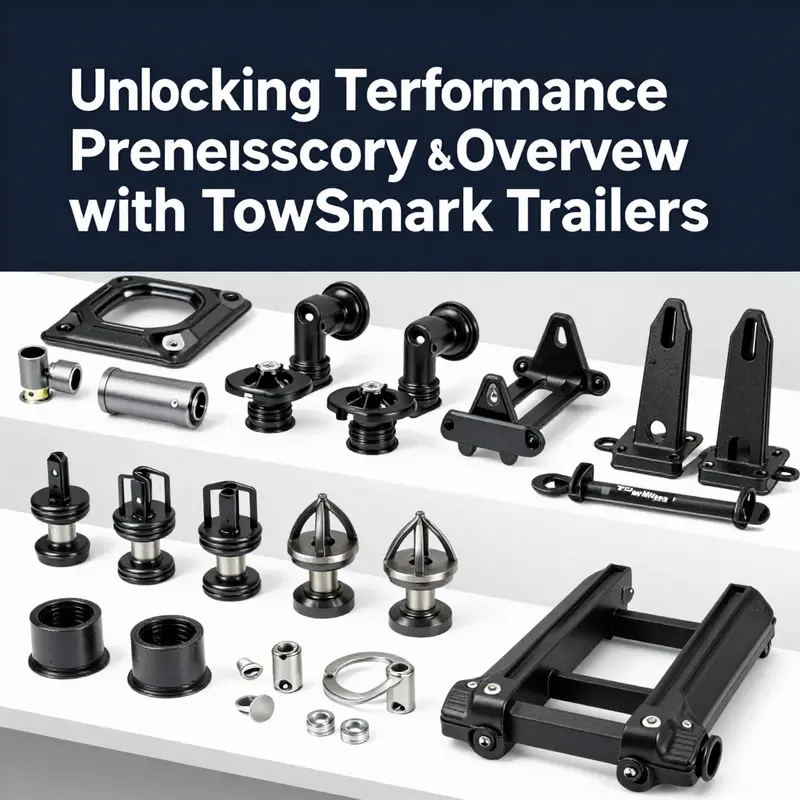
Secure Attachment and Practical Use of a Locking Hitch Pin
A reliable locking hitch pin does more than hold an accessory in place; it protects your investment, prevents theft, and preserves the integrity of your vehicle’s hitch system. When selecting a locking pin for trailer-mounted accessories, look for a balance of strength, corrosion resistance, and compatibility. A well-designed unit fastens securely to a receiver, resists the elements, and offers a locking mechanism simple enough for daily use yet robust enough to deter opportunistic thieves. The discussion that follows examines the features and real-world use of a modern stainless-steel locking hitch pin, framed around common needs owners face when towing and hauling.
The first expectation is secure fastening. A locking pin should eliminate play between the hitch receiver and the inserted accessory. Tight mechanical fit prevents wobble that can accelerate wear on the receiver and on the carried accessory. A 2.75-inch span, for example, offers ample clearance in most receiver setups while still keeping the pin engagement deep enough to resist bending forces. Materials matter: high-strength stainless steel combines yield strength with good tensile capacity, ensuring the pin resists deformation from everyday loads and road-induced shocks.
Corrosion resistance is the second cornerstone. Tow gear lives outdoors and spends time under salt spray, mud, and the UV exposure of long-haul travel. Stainless steel and durable finishes prevent pitting and seizing. Look for units treated or finished to minimize crevice corrosion around the locking mechanism. A weather-ready design ensures the key mechanism remains operable across seasons and reduces the chance of the pin freezing in place or being compromised by rust.
Security features must balance convenience and protection. A twin-key locking assembly is a common and effective solution. It gives the user redundancy—one key for the truck, one for the house, or a spare in the glove box. The locking head should be easy to manipulate with gloved hands and provide positive tactile feedback when engaged. Internally, a reliable tumbler or lock cylinder resists picking and provides confidence that bike racks, cargo carriers, and other accessories remain attached when left unattended.
Compatibility matters for real-world fit. Many accessories and receivers use either 1/2-inch or 5/8-inch pin diameters. A locking pin that accommodates both sizes, or is available in the required dimension, reduces confusion and ensures safe installation. When combined with an appropriate span, the pin becomes universally useful across a fleet of vehicles and carriers. Always verify the specific diameter and span before purchase to match the hardware used on your hitch and accessory.
Durability extends beyond the pin body. The shear strength of the locking pin must withstand shear and bending forces encountered at highway speeds or on rough roads. A properly specified stainless-steel pin resists bending at the shank and sustains the integrity of the locking head under load. The design should prevent stress concentration points where cracks can initiate. This is especially important for heavier accessories or when towing near the upper limits of the hitch rating.
On a contemporary electric crossover with a towing kit, additional considerations apply. The vehicle manufacturer sets vertical load limits and specifies acceptable accessory mounting distances. When adding an accessory behind such a vehicle, ensure the vertical tongue load is within permitted ranges—often quoted in kilograms—and that the accessory’s center of gravity does not extend too far rearward. Exceeding these limits can change handling characteristics, stress the hitch ball and receiver, and even affect regenerative braking or suspension calibration. The locking pin is part of that system; it must secure an accessory that sits within the vehicle’s recommended envelope.
Installation should be intuitive. The user inserts the pin, aligns the holes, and seats the lock with a simple turn and click. The locking mechanism should not require excessive force. A well-engineered design minimizes the chance of cross-threading or jamming. Routine maintenance is light: a quick wipe and the occasional application of a corrosion-inhibiting lubricant keep the lock working over years. Avoid heavy greases that attract dirt; a light oil that repels moisture is ideal.
Practical theft-deterrence is both about the hardware and behavior. A durable locking pin increases the effort required to remove a carrier, but pairing it with visible secure installation, good illumination, and removal of small valuables from unsecured carriers reduces risk further. For long stops, supplemental measures such as cable locks or removing the accessory entirely remain best practices. The locking pin is a first line of defense—effective, low-friction, and always ready.
Cost-effectiveness is often decisive. A reasonable price for a stainless-steel locking pin that includes two keys delivers high utility relative to replacement costs of a stolen bike rack or cargo carrier. Given the long service life of quality pins, the initial expense amortizes quickly. For fleet operations, standardizing on one locking pin dimension simplifies maintenance and reduces stocking complexity.
Real-world testing reveals what specifications alone cannot. A locking pin that resists rust but has a poor key profile invites frustration. Conversely, a slightly heavier unit with a positive lock feel encourages proper use. The best units achieve a quiet balance: they are heavy enough to feel substantial, precise enough to install quickly, and durable enough to stay functional for years.
Finally, consider the accessory ecosystem. A single locking pin that fits multiple receiver sizes and offers a practical span reduces compatibility concerns when switching carriers or vehicles. Documentation and labeling help ensure users verify load limits and mounting geometry. Clear guidance on permitted vertical loads and center-of-gravity constraints reduces the risk of improper use, which no locking pin alone can correct.
For a closer look at manufacturer details, installation notes, and the product listing referenced in this chapter, consult the original product page at the external source below.
External reference: https://www.towsmart.com/products/towsmart-locking-hitch-pin-1-2-in-and-5-8-in-pin-stainless-steel-7276-2-75-in-span-includes-2-keys
For broader coverage of trailer accessories and related commentary, see the dedicated blog on the topic: TowSmart blog.
Wheel Bearing Kit Details and What They Mean for Your Tow Trailer
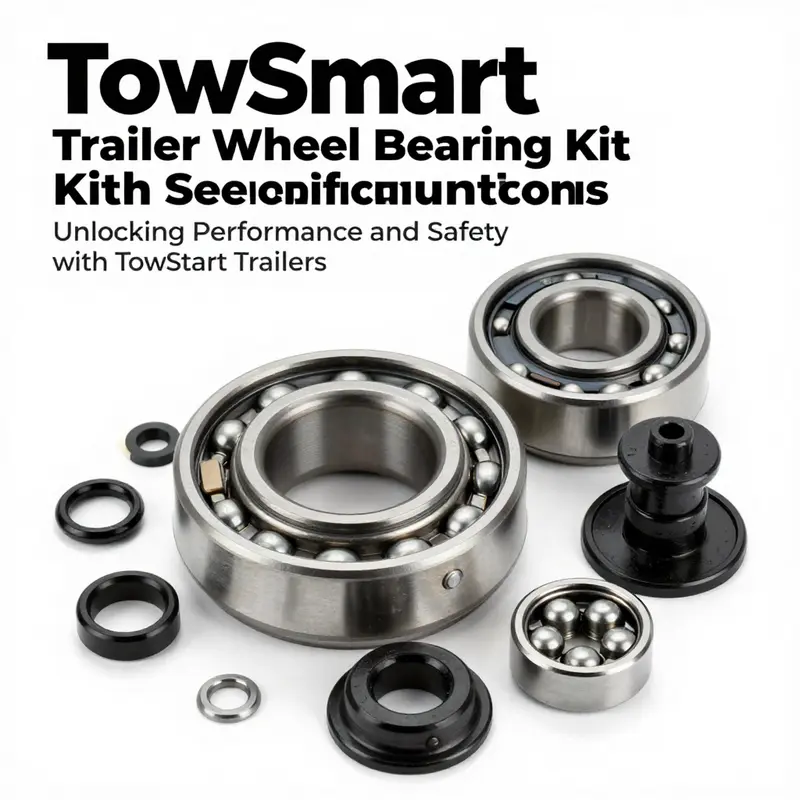
Wheel Bearing Kit Details and What They Mean for Your Tow Trailer
A trailer’s wheel bearings are a quiet workhorse. They take the load, absorb road stresses, and keep wheels turning smoothly over miles and seasons. Understanding the specifications of a wheel bearing kit helps you choose the right replacement, perform a reliable installation, and plan maintenance that prevents roadside failures. This chapter walks through the technical details you’ll encounter, explains why each spec matters on the road, and shows how a properly matched kit supports safe towing under varied conditions.
The kit in focus is designed for common one-inch hub applications and includes the core components required for a full hub rebuild: two tapered roller bearings, a hub seal, and appropriate lubricant. The bearings themselves are sized at 30 mm inner diameter, 52 mm outer diameter, and 10 mm width. These dimensions matter because they must match the hub and spindle tolerances precisely; even a small mismatch can create premature wear, vibration, or overheating. The inner diameter determines the fit on the spindle shoulder. The outer diameter must seat correctly in the hub bore. The width affects axial load distribution and seating depth inside the hub.
Compatibility notes go beyond raw measurements. This kit is intended to pair with most hubs that accept one-inch spindle diameters and axles with approximately 25 mm shaft sections. That broad compatibility makes the kit a practical choice for many trailer owners, while the inclusion of bearings and a seal in a single package eliminates the need to source matched parts separately. When bearings and seals are sold as matched sets, they reduce the risk of mixing bearing types or tolerances that can undermine performance.
Material and construction play a central role in real-world durability. High-quality bearing steel, properly heat-treated, provides the fatigue resistance needed for long service life under repeated loading. Seals designed for trailer hubs often use a rubber lip with reinforcement or a molded polymer that resists abrasion and keeps contaminants out. Many kits employ light oil-shedding coatings or rust inhibitors on bearing surfaces; combined with a robust seal, these measures significantly increase tolerance to moisture and road salt. The included lubricant is usually a high-performance grease formulated for wheel-end applications, offering resistance to water washout, high-load film strength, and thermal stability. Using the supplied lubricant during installation is crucial—improper grease type or insufficient packing will shorten bearing life.
Performance characteristics are tied to both design and upkeep. Tapered roller bearings, as used here, handle radial and axial loads simultaneously, which is advantageous for trailers where cornering and side loads occur. Proper preload and adjustment during installation ensure the bearings run cool and maintain contact geometry. Over-tightening the bearing nut creates excessive preload, which raises friction and heat; under-tightening allows endplay that leads to brinelling and uneven wear. The hub seal must seat flush to keep grease contained and contaminants out; a damaged or improperly installed seal defeats this protection quickly.
Environmental resilience is a major consideration for trailers that see coastal salt, gravel roads, or winter plowing routes. Seals that resist water intrusion and bearings with protective coatings extend service life in these environments. The light oil-seal treatment in some kits adds a thin film that helps prevent surface corrosion during storage or intermittent exposure. Regular inspection of the seal lip, the condition of grease, and the absence of play are the simplest and most effective periodic checks for harsh-weather use.
From a logistics perspective, buying a matched kit can be a cost-effective approach. The kit provides the parts needed for a single hub assembly, and pricing typically reflects the value of having matched components and the convenience of a one-box solution. For fleet owners or those maintaining multiple trailers, purchasing kits in pairs for axle sets further streamlines maintenance. Keep a spare seal and the correct grease on hand for quick roadside service.
Installation tips that improve longevity are straightforward but important. Start by cleaning the hub cavity and spindle thoroughly. Inspect the spindle shoulder and bearing surfaces for pitting, scoring, or corrosion; if damage is present, replace the affected components rather than installing new bearings on a compromised spindle. When pressing bearings into a hub, apply force only to the appropriate bearing race to avoid ring damage. Pack the bearings with grease so that the grease works through the rollers and cage; for tapered rollers, packing by hand or using a grease gun is acceptable when done completely. Install the seal with even pressure so it seats squarely—an uneven install will cause early leakage. Finally, set endplay according to manufacturer recommendations, then torque the fastener to the proper value and secure any locking mechanisms.
Maintenance intervals depend on use and environment. For trailers used seasonally or stored outdoors, an annual inspection and repack or replacement is reasonable. Heavy-use or heavy-load trailers should see shorter intervals. Signs that bearings or seals need attention include noise, vibration, hot hubs after operation, or visible grease loss. When repacking bearings, always inspect rollers and races for discoloration, scoring, or spalling; discoloration indicates overheating and calls for replacement.
Safety implications are direct: wheel-end failures can lead to loss of wheel retention or bearing seizure, both of which present immediate hazards while towing. A matched bearing kit reduces one source of risk by ensuring components fit and function together. Moreover, following correct installation and maintenance practices minimizes failure modes that lead to accidents.
When selecting a bearing kit, consider three practical factors: dimensional fit, component quality, and environmental suitability. Confirm the inner and outer diameters and width against your hub and spindle specifications. Choose kits with seals rated for the water exposure you expect. Opt for greases formulated for wheel-end temperatures and loads. For owners who want a quick reference or to compare options, a brand-specific product overview can help clarify fitment and contents; consult resources that catalog trailer accessories and specifications to cross-check compatibility and user experiences. For a focused overview of the range and applications from the same manufacturer, see this product overview.
Finally, integrating this technical knowledge into routine maintenance keeps tow trailers reliable. Use a matched wheel bearing kit when rebuilding hubs, maintain proper lubrication, inspect seals and bearing surfaces, and adjust preload correctly. These steps reduce downtime, improve towing safety, and stretch the service life of the wheel-end components. For more detailed official specifications and technical documentation on the kit referenced here, visit the manufacturer’s product page: https://www.towsmart.com/product/towsmart-7281-wheel-bearing-kit/.
For additional practical advice and community-driven installation tips related to trailer accessories, consult the in-depth resource on TowSmart and related components at https://trucksdiy.com/blog/towsmart/.
Powerful Anchors for the Road: Decoding Hitch Ball Capabilities for Heavy-Duty Towing
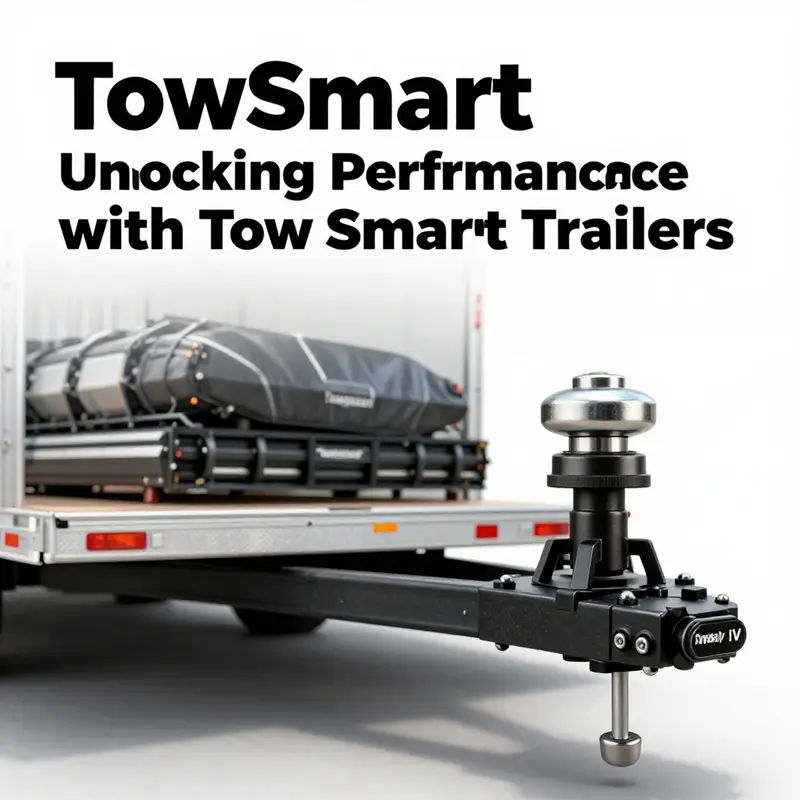
The hitch ball stands as the quiet keystone of any towing setup, the small, often overlooked interface that translates a vehicle’s power into controlled movement of a trailer. In heavy-duty applications, where momentum, wind, and road irregularities magnify stress, the capabilities of this single component dictate safety, stability, and performance. A well-chosen hitch ball does more than join tow bar and coupler; it acts as a robust, predictable connection that can absorb shock, maintain alignment, and preserve the integrity of the entire rig over thousands of miles. When evaluating the capabilities of hitch balls in the context of a tow system, a few core realities emerge: load capacity, dimensional compatibility, material resilience, and proper integration with the vehicle’s receiver and the trailer’s coupler. Together, these factors determine whether a setup can handle 12,000 pounds of gross trailer weight on the open highway or endure long days of salt-laden coastal roads, steep grades, and sudden braking events without compromise. In practical terms, the most capable Class IV hitch balls are designed to support high-load towing with reliable performance, provided that every other element of the towing train—trailer braking, wheel bearings, and hitch hardware—is equally capable and well maintained. The 12,000-pound rating attributed to some high-capacity hitch balls is not merely a number; it is a reflection of engineering that anticipates dynamic loads during acceleration, deceleration, and cornering. When paired with a compatible coupler and a vehicle that operates within its towing envelope, that rating translates into a margin of safety that can prevent failure in demanding conditions. The real-world implication is straightforward: choose a ball diameter that matches the coupler size, select an appropriate shank and length for your receiver, and ensure the surface and finish of the ball provide enduring resistance to corrosion and wear. The ball diameters commonly seen in heavy-duty sets—2-5/16 inches, 2 inches, and 1-7/8 inches—cover a broad range of trailer couplers. Each size has a corresponding practical use. The larger 2-5/16-inch option is the go-to for many large enclosed or high-capacity trailers, where robust coupling and positive engagement reduce the risk of uncoupling under load. The 2-inch variant addresses a wide spectrum of mid-sized trailers, boats, and campers, balancing ease of handling with dependable engagement. The 1-7/8-inch option remains essential for smaller, lighter trailers or specialized applications where the vehicle’s own capacity and the trailer’s suspension demand lighter contact and weight. Alongside diameter, the shank that threads into the receiver also matters. Shank diameters typically range from 1 inch to 1-1/4 inch, while overall lengths span roughly 2 to 2-1/2 inches. The shank dimension must match the hitch receiver’s inner diameter and the mounting configuration on the ball mount. A shank that is too small risks deformation or loosening under load, whereas a shank that is too large can prevent the nut from seating fully or introduce binding. The length of the shank governs how far the ball projects into the coupler and, by extension, how snugly the ball aligns with the coupler’s contact point. In practice, a well-proportioned setup yields a clean, square engagement between the ball and the coupler, with the ball’s centerline aligned with the hitch ball mount to minimize side-to-side movement. The physical composition of the ball also matters for longevity. Chrome-plated steel is the standard bearer in this space, offering a compelling combination of strength, hardness, and corrosion resistance. The chrome layer forms a barrier against rust and pitting, which is particularly valuable in salt air, winter road salt, and damp environments. The surface finish becomes more than cosmetics; it is a functional shield that helps maintain smooth operation and reduces the likelihood of galling or seizing when the ball is swept by road grime and moisture. Some models employ a black finish, which appeals to a rugged aesthetic as well as a different layer of surface treatment that can contribute to concealment of wear. When selecting a hitch ball for heavy-duty work, bite-sized considerations accumulate into meaningful distinctions: the ball must match the coupler size, the shank must fit the receiver without forcing or binding, and the overall assembly must stay within the vehicle’s rated towing capacity. Compatibility is not a one-ball proposition. The system’s integrity depends on the coupling hardware, the existence of secure deterring measures for unauthorized use, and the vehicle’s braking and suspension capabilities. For instance, heavy loads demand a reputable hitch ball paired with a locking mechanism that guards against tampering or accidental disengagement. The security accessory is an often overlooked layer of safety that complements the strength of the ball itself. A secure connection reduces the risk that vibration or a stray tug on the trailer could loosen the coupling, especially during long highway descents. From a user’s perspective, the selection process resembles assembling a precise toolkit: you need the right diameter to fit the coupler, the correct shank size to fit the receiver, and a receiver class rating that supports the overall towing package. Modern practice also considers the practical realities of common vehicles and trailers. Vehicles equipped with robust four-wheel-drive systems, heavy-duty suspensions, and reliable braking networks benefit from higher-capacity hitch balls, particularly when the trailers are subject to wind loads, road adhesions, or frequent trailer-on-trailer backing maneuvers. On the trailer side, the coupler geometry must be compatible with the selected ball diameter, and the hitch mounting surfaces must be clean, free of corrosion, and properly lubricated at service points to permit smooth pivoting without binding. The maintenance philosophy for these hardware components is straightforward: inspect regularly for wear, pitting, or galling; replace any component showing deformation or significant damage; keep mating surfaces clean of dirt and debris; and avoid over-torquing the mounting hardware, which could distort the ball or mount. In a practical maintenance routine, a quick visual check before every long trip, combined with periodic removal and cleaning of the ball, can reveal early signs of trouble before they escalate. The maintenance mindset extends to the era of accessories that secure the hitch system. For enhanced security and theft deterrence, add a locking strategy that complements the heavy-duty ball and mount. While the ball’s strength and finish guard against physical failure, the security layer guards against human interference, a factor that is increasingly relevant in shared or remote towing scenarios. There is a natural link between the ball’s capabilities and the broader ecosystem of towing components. A thoughtful choice of ball diameter and shank length should dovetail with the trailer’s coupler design and the vehicle’s hitch receiver class to form a coherent, dependable system. For readers who want deeper context on installation considerations and related components, there is a helpful resource in the towing accessories guide. towsmart blog. External references can further illuminate the practical implications of selecting high-capacity hitch balls and maintaining them under challenging conditions. External resource: https://www.towsmart.com/products/towsmart-trailer-hitch-ball-class-iv-2-5-16in-ball-1-1-4in-x-2-1-2in-shank-12000lb-724-chrome
Locking the Road: TowSmart Trailer Safety Features and Locks That Stand Up to Real-World Tows
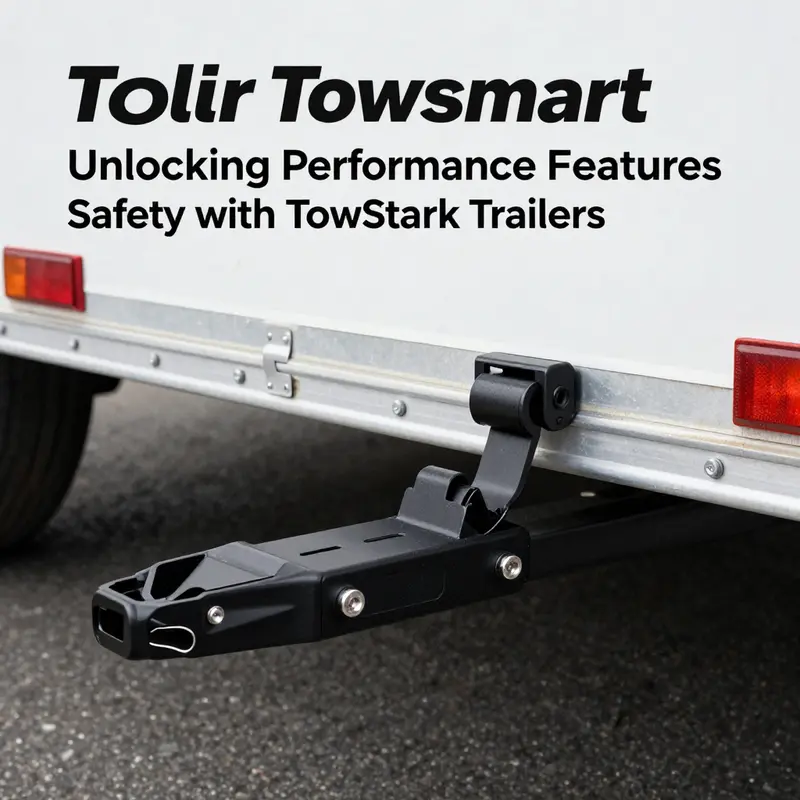
Trailer safety isn’t a single feature but a system of dependable parts that work together to keep your load secure and your journey smooth. Among these parts, the locking mechanism that guards the coupling between trailer and tow vehicle sits at a crucial intersection of security and usability. A well-designed coupler lock does more than deter theft; it also guards against an unplanned decoupling caused by sudden braking, rough roads, or bumpy weather. In the realm of trailer accessories, a brass-bodied, adjustable coupler lock with a two-key system represents a practical synthesis of simplicity and protection. It embodies a philosophy that values straightforward installation, robust materials, and compatibility with the most common hitch configurations. When you consider a trailer’s safety profile, the lock is the anchor that threads together several safety practices into one reliable habit of towing.
The first thing to appreciate is how an adjustable fit expands the lock’s usefulness across different setups. Common tow rigs use couplers sized at 1 7/8 inches, 2 inches, or 2 5/16 inches. A lock that can accommodate all three without tools or alterations reduces the guesswork that often accompanies safety upgrades. This flexibility matters when you borrow a trailer, rent gear, or switch between a compact utility trailer and a larger travel trailer. Rather than stocking multiple locks for each coupler, an adjustable model simplifies the decision and minimizes the chance of leaving safety gear behind. In practice, that means fewer moments of hesitation at the edge of a campground driveway and more confidence on the highway.
Security, of course, is the primary job of any lock. The core function is to secure the trailer coupler so that unauthorized individuals cannot easily connect or disconnect the trailer while it is unattended. A well-engineered lock locks in the coupler’s latch, creating a physical barrier that disrupts attempts at theft and tampering. The design also helps in preventing accidental disconnection during travel. Even small road-induced movements—an abrupt lane change, a short dip in the road, or a gust of wind—can test a system if the coupler is not properly secured. A sturdy lock reduces the risk of such incidents by maintaining a stable connection and adding a clear, user-friendly cue that the trailer remains firmly attached until you’re ready to unhitch.
Two keys are more than a convenience; they are a practical safeguard for daily use. Having a spare key available in a separate location—such as a locked cabinet or a trusted vehicle—ensures you aren’t stranded if one key is misplaced or damaged. A dual-key system also invites good habits around key management. It makes it easier for family members or traveling partners to operate the trailer without sharing one key, which reduces the temptation to leave a spare in a risky spot. In the everyday rhythm of towing, those small conveniences translate into fewer stressful moments and more predictable trips.
Material choice matters as much as the mechanism. Brass, chosen for the lock body, delivers a combination of corrosion resistance and a professional, clean look. Brass holds up well in marine-tinged, salty, or humid environments where some other metals might crown under pressure. The brass construction also presents a consistent, forgiving surface that resists the buildup of grime and makes routine inspection straightforward. A lock that resists rust and corrosion extends its life, which in turn preserves the integrity of the coupling—an outcome that benefits both the trailer and the vehicle pulling it.
Ease of installation is another virtue of a practical trailer lock. The best designs require no permanent modifications to the trailer or hitch. They should slide into place with minimal effort and provide a clear sign that the lock is engaged. A straightforward installation means you can secure your trailer quickly in a crowded marina parking lot, at a remote campsite, or during a quick pit stop on a longer road trip. This kind of simplicity is especially valuable for weekend warriors who need a reliable safety upgrade without diving into a manual that reads like a mechanical textbook.
To those who manage a fleet or frequent renters, the value of a well-made coupler lock extends beyond personal use. It contributes to a broader confidence in the trailer ecosystem, where components from the same family of accessories share a common language of durability and reliability. A robust lock complements other essential pieces—such as wheel-bearing kits and hitching hardware—by upholding the overall integrity of the trailer’s life cycle. When a couple of trustworthy, compatible components work in concert, the result is not just safer towing but fewer unexpected maintenance moments that disrupt travel plans. The sense that everything is aligned—from the safety hardware to the basic physics of weight transfer on the hitch—lets a driver focus more on the road and less on equipment concerns.
In practical terms, the choice of a lock should reflect a balance of fit, security, and upkeep. An adjustable model that spans the most frequently used coupler sizes reduces the cognitive load of shopping and the risk of choosing an incompatible device. The brass construction is not merely about appearance; it is a distinct durability advantage in many towing environments. And the two-key system reinforces responsible use while supporting convenience with a built-in redundancy. Installed correctly, such a lock acts as a reliable gatekeeper, a one-step guarantee that the trailer remains as secure when you walk away as it was when you left home.
This approach to safety—prioritizing adaptable fit, solid materials, dual-access control, and noninvasive installation—fits naturally into a broader view of trailer preparedness. It reflects a philosophy that values long-term performance and practical, day-to-day usability. In a world where trailers are used for everything from hauling kayaks to carting camping gear, a dependable lock is a quiet workhorse. It performs its job without demanding attention, and it does so in the rough and tumble realities of road travel. When you combine such a lock with other time-tested components, you create a safety profile that can withstand the unexpected: weather that moves the air, roads that test the chassis, and a schedule that never seems forgiving.
For readers exploring the wider universe of trailer accessories and how they come together, there is a relevant resource that discusses TowSmart’s broader range of trailer solutions. It offers context on how a focused security feature sits within a portfolio built for durability and practical performance. towsmart provides a gateway to related equipment and user experiences, illustrating how owners layer protection across the trailer’s most vulnerable points while keeping everyday use straightforward.
In the end, the most effective trailer safety strategy blends a few reliable components into a coherent system. A well-designed adjustable coupler lock with a brass body and a two-key system embodies that approach. It is a small, purposeful device that respects the realities of towing life—where quick actions, predictable maintenance, and clear signals of security matter just as much as raw horsepower or a high-capacity hitch. The result is a trailer that feels less like a fragile appendage and more like a trusted partner on the road. This is the practical edge of trailer safety, where thoughtful design reduces risk, enhances peace of mind, and helps every journey begin with confidence and end with a safe, secure return.
External resources can further illuminate the nuanced choices behind lock design and user experience. For a closer look at a specific locking solution and its customer feedback, you can consult an external product page: https://www.amazon.com/dp/B07Z1XQ9JL. This resource offers a detailed snapshot of fit, durability, and user reviews that can complement the general principles discussed here.
null
null
Final thoughts
Understanding the value of TowSmart trailer accessories can significantly elevate your business operations, ensuring safety, durability, and performance. From reliable wheel bearing kits to robust hitch balls and sophisticated safety locks, TowSmart provides a comprehensive array of products tailored to meet the diverse needs of trailer owners. By integrating these high-quality accessories into your fleet, you not only enhance the safety and functionality of your trailers but also reinforce your commitment to quality in your business. Make the smart choice for your trailer needs with TowSmart.