
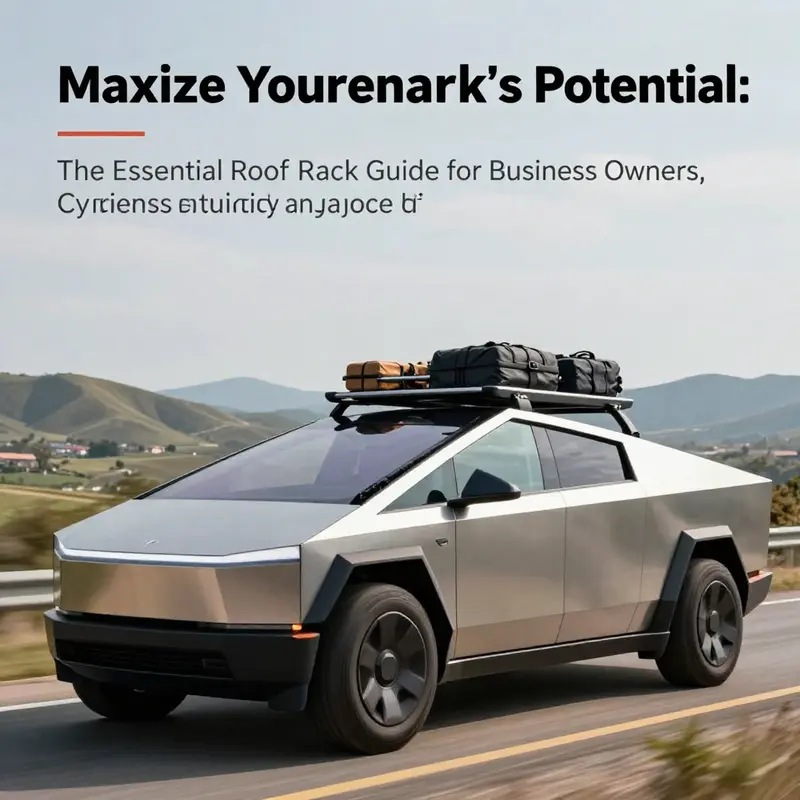
As a business owner, ensuring optimal functionality and utility within your commercial vehicle is paramount. The Tesla Cybertruck, with its futuristic design and robust capabilities, offers a unique solution for transporting goods efficiently, especially with the addition of a well-constructed roof rack. This article delves deep into the various features and specifications of Cybertruck roof racks, installation methods and compatibility options, materials and durability considerations, as well as recommendations for purchasing the best options available. Whether you’re looking to extend your Cybertruck’s cargo capacity or simply enhance its utility for daily operations, understanding these aspects is crucial for making an informed investment.
Rugged Peaks, Refined Fit: Expanding the Cybertruck’s Horizon with a Purpose-Built Roof Rack
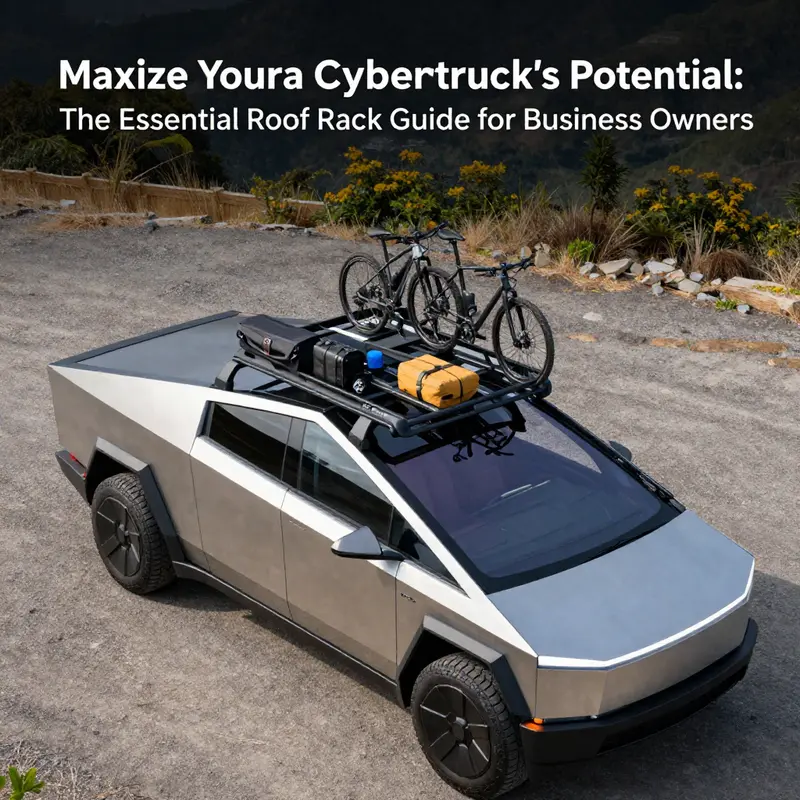
The Cybertruck’s silhouette reads as a statement of both durability and minimalism. Any accessory added to its roof must honor that language while delivering real utility. A purpose-built roof rack achieves this balance by combining robust load capacity with a design that preserves the vehicle’s aerodynamics, safety margins, and interior versatility. The result is not merely a cargo add-on but a thoughtfully integrated system that respects the truck’s geometry, mid-frame stiffness, and the way the roof interacts with airflow and weight distribution at speed. Central to this concept is the choice of materials and geometry that deliver strength without unnecessary bulk. A high-strength aluminum alloy crossbar framework provides a lightweight yet rigid backbone. The goal is to keep a low profile that looks deliberately integrated rather than tacked on, so the rails and uprights align with the Cybertruck’s sharp angles and flat planes. The emphasis on a low, clean silhouette matters—because even small deviations in wind resistance can translate to measurable efficiency losses over long drives. Beyond appearance, the material choice speaks to durability. Aluminum offers excellent resistance to rust and corrosion while maintaining the ability to shed snow, rain, and road spray. This is particularly important for owners who plan to use the system across varied climates and terrains, from coastal damp to desert grit. Yet aluminum alone isn’t enough. A crossbar system that prioritizes stiffness must resist flex under heavy loads, which keeps equipment stable and reduces noise through the roof at highway speeds. The loading surface needs to distribute weight evenly across the mounting points, so that a user’s gear—camping tents, bikes, or boards—can be secured without creating high-stress patches on the truck’s skin or compromising the frame beneath. The engineering intent is straightforward: maximize payload while preserving the vehicle’s structural integrity and the driver’s comfort. When talking about payload, the practical limit is determined not just by the rack’s own mass, but by how weight is shared between crossbars and the mounting points. The system we refer to supports substantial loads, with a maximum capacity that modern designs can approach when properly installed and judiciously loaded. This capacity is not just a number on a spec sheet; it translates into real-world possibilities. A family venturing into the backcountry can carry extra sleeping gear, cooking equipment, or a compact generator without crowding the cabin. A weekend cyclist can secure multiple bicycles with confidence, while a snowboard or surfboard rack can keep wet gear away from the interior and dry-out afterward. The capacity figure should always be treated as a ceiling that assumes even load distribution and correct tie-down practices. The installation approach is as important as the materials themselves. These racks are designed to mount to factory mounting points—those factory-specific anchors that the automaker provides for accessories. The no-drill requirement keeps the finish intact and preserves the vehicle’s warranty protections where applicable. It also simplifies the process for owners who want to upgrade their cargo-carrying ability without committing to permanent modifications. In practice, the installation involves aligning the crossbars with the designated mounting points, securing hardware with proper torque values, and then calibrating any tensioning straps or adaptive fasteners for your gear. This approach minimizes risk to paintwork and preserves the integrity of the roof assembly, which is especially important given the Cybertruck’s glass-integrated roof design. The compatibility narrative extends beyond a single year. For the 2024–2026 models, crossbars and mounting hardware are engineered to account for the exact geometry of the roof, the edge radii of the panels, and the interaction with the vehicle’s underbody airflow management. The result is a system that not only looks like part of the truck but behaves like a natural extension of it. Regular maintenance is a small but meaningful part of owning a roof rack. It starts with periodic inspections of bolts and clamps, verifying that all fasteners remain within their specified torque ranges. A quick check after off-road trips or after exposure to severe weather helps prevent loosening and unnecessary wear. Cleaning the rails and mounting surfaces reduces the risk of corrosion at contact points and preserves the finish. If you regularly transport heavy or uneven loads, consider a simple field routine: inspect, re-torque, and re-tie components as needed before long trips or when gear is swapped out. The goal is not only to move heavier items but also to keep the vehicle steady and predictable when braking, turning, or accelerating. The practical use cases are varied and meaningful. For daily life, the rack expands cargo capability without encroaching on interior space or comfort. Weekend expeditions become more practical, as tents, chairs, and cooking gear can ride above the cabin, keeping the interior free of clutter. For families who juggle sports equipment, the rack provides a stable home for bikes, kayaks, or boards, enabling spontaneous trips without rearranging seating or cramming gear into trunk space. The design philosophy leans toward modularity as well—an important consideration as needs evolve. A rack that offers modular mounting options can adapt to different load patterns. Additional crossbars, or positions to spread weight, can be introduced as gear changes. This adaptability matters when planning long road trips, winter sports adventures, or weekend camping where the gear mix shifts frequently. Importantly, the relationship between the roof rack and the vehicle’s glass roof, if present, is a key safety constraint. While glass-roof configurations are relatively rare on this platform, any accessory system must avoid undue stress on the surrounding frame and ensure that the mounting strategy distributes forces evenly rather than concentrating them in a few spots. The upshot is a cargo platform that does not merely sit atop the Cybertruck but engages with its engineering ethos: strength, straightforward function, and restraint in design. There is also a decision framework to consider for potential buyers. Official ecosystem options, built to be precision-fitted to the frame and tested for long-term reliability, offer assurance of compatibility and a coherent support structure. Independent manufacturers may offer modular or alternative geometries, often with customizable rails and different aesthetic cues. The trade-offs involve fit precision, load distribution, and warranty coverage. For many owners, the choice hinges on how the rack aligns with their typical loads, the climate where they operate, and the willingness to preserve the vehicle’s original warranty through careful installation. To connect these ideas with practical research and user resources, explore general guides on roof rack configurations to gain perspective on how different designs approach load distribution, aerodynamics, and ease of use. For a broader overview of rack configurations, see Roof Racks for Trucks. This reference offers insights into crossbar spacing, mounting strategies, and the balance between capacity and drag. As you weigh options, remember that the weight capacity is a ceiling rather than a target to exceed carelessly. Plan your gear inventory with distribution in mind. Heavier items should ride closer to the vehicle’s centerline and near the crossbars’ midpoints to minimize yaw and roll during turns. Secure tie-downs should be snug but not over-tightened, and straps should be checked for wear or sun damage at regular service intervals. The pursuit of a functional roof rack is ultimately about extending the Cybertruck’s versatility without compromising its distinctive character. It is about translating the vehicle’s design language into a practical system that serves as a platform for outdoor adventure, daily errands, and long-haul reliability alike. For readers who crave a deeper dive into official accessory catalogs and compatibility specifics, reference materials from the automaker’s accessory ecosystem provide the most up-to-date guidance. External resource: https://www.tesla.com/cybertruck/accessories
Rugged Roofs, Seamless Fits: Installing and Verifying Roof Racks on the Cybertruck Across Model Years
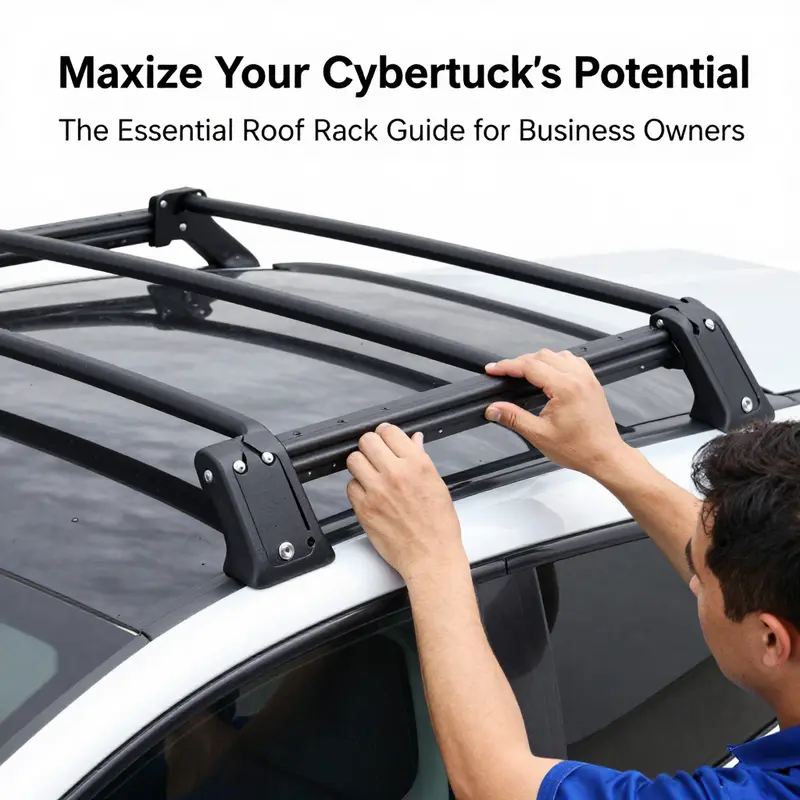
The roof of a modern electric pickup is more than a surface to haul gear; it is a carefully engineered platform that can dramatically expand the vehicle’s utility when paired with a purpose-built roof rack. For owners who want camping gear, bikes, or snow equipment ready at a moment’s notice, the right rack must align with the vehicle’s distinctive roof geometry, the mounting points provided by the factory, and the realities of year-to-year changes. The cybertruck’s bold, functional silhouette does not exist in isolation; it exists as a system, and the roof rack is the interface between cargo needs and the vehicle’s core engineering. In practice, the best options for 2024 to 2026 models emphasize three pillars: installation that respects factory mounting points, durable construction that withstands diverse climates, and compatibility that remains reliable across the life of the vehicle. A thoughtful approach begins with recognizing that many crossbar systems are designed to bolt onto the existing anchor points, avoiding drilling and preserving paint integrity while keeping the warranty intact. The result is a clean, no-surprise installation that doesn’t demand special tools beyond what most DIY enthusiasts already keep in a toolbox. The market now hosts a range of bolt-on configurations that forgo modifications to the structure below the roof, offering a direct path to additional cargo capacity without compromising the truck’s chrome-like durability or its aerodynamics. The practical upshot is simple: you gain headroom for gear, while your daily drive and outdoor adventures remain as efficient and quiet as possible, provided the system is properly matched to the year and trim of the truck.
Installation methods for roof racks on this vehicle fall into a few clear patterns, yet all share a common objective: to connect the rack to the factory mounting points in a way that is secure, repeatable, and reversible. A straightforward bolt-on approach centers on brackets that align with the predetermined points along the roof. From there, crossbeams are added to form a rigid platform. Some designs emphasize a front-to-mid configuration, which can optimize weight distribution and preserve interior clearance for taller gear. Others use a mid-to-rear emphasis to stabilize loads that extend toward the rear of the cab. In every case, the installation avoids drilling or tapping into structural members, a practice that protects the vehicle’s finish and safeguards warranty terms. The bracket set and crossbars must be torqued to specification, following an orderly sequence so that the load path remains uniform. The narrative of installation is as much about precision as it is about endurance: misaligned brackets can create wind noise, unwanted vibration, and uneven load sharing that over time leads to wear and potential loosening. A robust system accommodates a staged approach—start by verifying alignment with an empty rack, then gradually introduce payload to confirm the fitment holds under real-world conditions.
The architecture of load-carrying surfaces is another axis of thoughtful design. A modern rack system often employs modular surfaces with attachment points that enable flexible positioning of gear. MOLLE panels, for instance, transform the roof into a configurable cargo area, allowing straps and mounts to be placed where the user actually needs them. This is not merely a convenience feature; it is a practical means of organizing gear for quick access and balanced weight distribution. The material choice further guards against the elements and the rigors of outdoor travel. High-strength steel offers resilience and a high duty cycle, while aerospace-grade aluminum emphasizes lightness without compromising stiffness. In a climate where exposure to road salt, grime, and sand is routine, a durable powder-coated finish or an anodized layer helps the rack resist corrosion and maintain its appearance through seasons of use. The decision between steel and aluminum hinges on payload expectations, anticipated miles, and the desire to minimize overall weight on the roof—an important consideration for handling, braking, and efficiency.
The installation sequence, while technical, becomes intuitive with careful preparation. The roof should be clean and dry, with no abrasive particles that could scratch paint during bracket installation. Brackets are first affixed to the vehicle’s mounting points, with particular attention to the orientation that aligns with the crossbars. Next, the system’s rear or spoiler-adjacent components, if present, should be connected in accordance with the manufacturer’s guidance; this step often reinforces rigidity and reduces flex at highway speeds. Finally, the crossbeams are slid into place and secured with the prescribed fasteners. Once assembled, a torque-check across all fasteners ensures there is no loose hardware that could rattle or shift, particularly on rough terrain. A practical validation follows: simulate driving with a light, empty load to verify that everything remains solid under vibration and that there’s no unusual creak or wind-induced movement. If the rack passes this rehearsal, it is ready for payload testing with a modest load, followed by a full payload once the first few trips have proven the installation’s reliability.
Compatibility, however, is the quiet thread that ensures this whole enterprise remains functional long after the initial bolt-tightening. Model years often bring subtle changes in roof trim, antenna configurations, or spoiler geometry that influence how a rack sits and how weight is transmitted to the mounting points. For 2024 through 2026 configurations, the market tends to favor systems explicitly designed for those years, or at least brands that publish a fit guide aligned with the year range. The safest route is to confirm that the kit uses the vehicle’s factory mounting points and to verify the compatibility claim against your exact year and trim. When official options are not fully cataloged, direct confirmation from the manufacturer’s support or the automaker’s official shop helps prevent misfits and warranty concerns. The official path has its merits: it tends to deliver guaranteed compatibility and a well-defined maintenance path. But a robust aftermarket option can also deliver excellent compatibility if the product documentation anchors every step to the year-specific geometry and to the vehicle’s mounting architecture.
Beyond mere fit, the safety and long-term viability of a roof rack revolve around how it handles real-world use. The rack’s rated load capacity is a guide, but real-world practice requires disciplined load management. A high-capacity system should not encourage reckless loading; instead, it should allow you to distribute weight across the crossbeams, mount items securely with tie-downs or straps, and avoid sharp loads that could deform brackets or crossbars. The weight rating becomes most meaningful when combined with an even distribution of payload and a modest kinetic load during cornering, braking, or crosswinds. In practice, thoughtful user behavior—such as pre-arranging gear on MOLLE panels, iterating attachment points, and checking strap tightness after a few miles—translates into a durable, vibration-free experience. The rack should complement the vehicle’s aerodynamic profile rather than aggressively disrupt it. A well-engineered system minimizes wind noise, uses streamlined crossbars, and keeps protruding items within safe overhang limits, preserving handling characteristics and fuel efficiency, especially on longer highway journeys.
As the market evolves, the choice between official and aftermarket options becomes a conversation about ecosystem, support, and the cadence of updates. Official options typically promise alignment with factory tolerances, clearer warranty implications, and a more predictable installation experience. Aftermarket routes can offer broader fit guarantees, sometimes with more modular or aggressively engineered mounting solutions, but they require diligence: confirm year-specific fit, review the installation guide for bracket routing, and ensure that the manufacturer acknowledges the vehicle’s warranty implications. The installation guide itself is an essential companion, often providing torque sequences, step-by-step bracket mounting, and crossbeam alignment diagrams that translate into a smooth, dependable build. In practice, many owners rely on a mixture of official guidance and a well-documented aftermarket approach, selecting the combination that best matches their anticipated loads and travel plans. The result is a Cybertruck equipped for exploration and work alike, with a roof rack that feels both integrated and purposeful rather than aftermarket and adversarial to aesthetics or function.
For readers seeking a concise direction on exploration and decision-making, a useful rule of thumb is to prioritize models and configurations that explicitly advertise year compatibility and integration with factory mounting points, and to favor those that present clear torque requirements and alignment diagrams. This approach reduces surprises during installation and helps maintain the vehicle’s finish and warranty protections. The result is a roof rack that not only expands cargo capacity but also preserves the vehicle’s distinctive engineering integrity. When loaded and secured correctly, the system becomes a reliable extension of the Cybertruck’s utility, ready for camping trips, outdoor adventures, or practical daily use without demanding compromises in handling or reliability. If you want to dive deeper into the practicalities of roof rack options and how they relate to your everyday driving, you can explore a dedicated resource on roof racks for trucks and similar platforms, which offers practical mounting strategies, compatibility checks, and gear organization guidance that can sharpen your evaluation before a purchase.
To connect theory with a concrete reference, consider this accessible entry: roof racks. This page is a useful touchpoint for readers who want to compare different crossbar layouts, bracket approaches, and load-management options within a cohesive system. It helps translate the principles discussed here into actionable shopping decisions and installation steps, while keeping the focus on compatibility with a specific year and model. For those who want a broader external perspective and to cross-check a product page in the wild, a retailer’s catalog page that explains mounting points, weight limits, and fit guidance can be an invaluable resource. External reference: https://www.amazon.com/dp/B0CXWQJLZG
Endurance Above the Line: Materials and Durability Insights for the Cybertruck Roof Rack
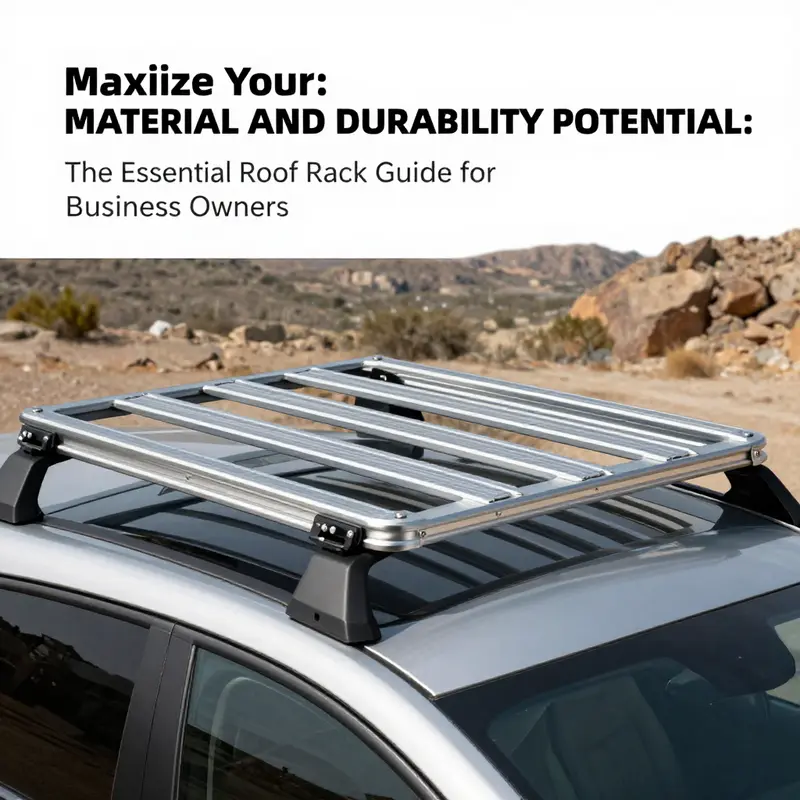
The Cybertruck’s roof rack ecosystem is built around a paradox: it must be light enough to preserve range and dynamic handling, yet capable enough to carry heavy, awkward loads in demanding conditions. In a vehicle whose silhouette embodies industrial futurism, the roof rack becomes a test of engineering pragmatism. The structural logic hinges on two material pathways that share a single purpose—safely supporting high loads while resisting the wear and tear of real-world use. One path leans into the brutal strength of high‑tensile steel, the other toward the corrosion resistance and lighter footprint of aluminum alloy. Between them, the choice is not simply about weight versus strength; it is about how the rack behaves over time under strain, how it interacts with the Cybertruck’s factory mounting points, and how easily owners can maintain it through seasons of road salt, mud, dust, and sun.
In practical terms, the crossbars that span the roof are designed around dimensions that balance space with stability. Typical configurations measure roughly 135 centimeters in length and 57 centimeters in width. Those proportions provide a generous surface area for bulky gear—camping setups, bicycles, snow sports equipment—without creating an unwieldy wind signature that would sap range or introduce excessive noise at highway speeds. The size also matters when adapters or add-ons are considered; a squarely proportioned rack reduces the need for aggressive overhangs that could catch on branches, garage doors, or low-clearance passages while driving off the beaten path. In the hands of users who push their setups into heavy travel, those dimensions become a living metric of reliability and predictability.
The material options begin with steel that earns its reputation through deformation resistance and an extraordinary ability to hold shape under load. A high-strength steel such as Q235A is often cited as a backbone for robust crossbars. Its strength translates into a high load-bearing capacity, and its stiffness translates into predictable behavior as weight is distributed along the bar. When people mount tens or hundreds of pounds of cargo—luggage, camping gear, even a rooftop platform—the steel option tends to minimize flex that could otherwise lead to fatigue at mounting points or unsettling vibrations along long stretches of highway. The benefit is particularly evident when consideration is given to the long term: steel sustains its geometry under repeated exposure to dynamic loads, potentially reducing the risk of micro-movement that could loosen fasteners or degrade wind sealings over time.
Yet steel is not without its considerations. Even with protective coatings, corrosion risk remains a factor, especially in salty environments or where road spray and winter grits are common. This is where protective strategies matter: a robust coating system—whether galvanization, powder coating, or a combination of sealants—extends the life of the rack’s crossbars and keeps the finishing layer from failing. The result is a system that tolerates rain, snow, mud, and the abrasive grit of off-road travel without surrendering integrity. Users who rack up frequent off-road miles or coastal trips often report that annual inspection and light maintenance—checking for nicks, reapplying protective coatings where needed, and tightening fasteners—preserve the rack’s bite and bite angle on the vehicle. In this regard, steel is a durable workhorse whose advantage lies in its raw ability to bear weight and retain form across cycles of loading and unloading.
On the other hand, aluminum alloy crossbars offer a different calculus. Aluminum’s lightness reduces the rack’s overall mass, trimming unsprung weight and, for electric-vehicle users, contributing to a marginal gain in efficiency and range by lowering drag and mass. Aluminum alloys are engineered to resist corrosion effectively, particularly when modern coatings are applied or when anodizing provides an extra layer of defense against the elements. While aluminum may not match the raw load-handling capacity of steel, it compensates with a favorable strength-to-weight ratio and excellent corrosion resistance, which translates into long-term maintenance ease. For commuters who carry lighter but still bulky items, or for those who prefer a more streamlined silhouette on top of a Cybertruck, aluminum becomes an attractive choice. The durability story here is not about maximum pound-for-pound strength but about resilience against rust, bending fatigue under typical road conditions, and the confidence that, after many highway miles or rural explorations, the rack remains a stable platform rather than a source of squeaks or misalignment.
The decision between steel and aluminum is ultimately a question of priorities. If the mission profile involves frequent heavy loads—camping gear for extended trips, multiple bicycles, or even a rooftop platform for modular camping setups—the steel route emphasizes maximum payload with predictable, high-stiffness performance. If the priority is a lighter footprint, better corrosion resistance, and a consistent, low-maintenance profile for mixed-use days that blend city commuting with weekend adventures, aluminum offers a compelling balance. Both materials are designed to be compatible with the Cybertruck’s factory mounting points, a critical factor for preserving warranty and ensuring safe, straightforward installation without drilling or permanent modifications. In this regard, the installation philosophy remains consistent across materials: leverage the vehicle’s existing mounting points, distribute load evenly, and rely on robust clamps and brackets that resist loosening under vibration and dynamic gusts.
From a design perspective, the durability of a roof rack is not just about the bar itself but about the entire system’s interaction with the vehicle. The crossbar profile, the number and placement of bracing members, and the integrity of the mounting hardware all contribute to how the rack behaves in real trips. Anti-corrosion coatings for steel help, but so does the selection of corrosion-resistant fasteners and the use of sealed o-rings to shield joints from water intrusion. For aluminum setups, attention shifts to minimizing galvanic reactions with other metals, ensuring that clamps and end caps are compatible with alloy finishes, and using protective films or edge guards to prevent wear at contact zones with the vehicle roof. These subtleties matter because, in the real world, a rack endures more than just static load; it faces wind shear, road spray, temperature cycling, and abrasion from bags, boards, or frames rubbing against edges or fasteners.
Real-world feedback from mid-2025 underscores how different users interpret these material choices. Some owners highlight how steel bars give a sense of rugged certainty when stacking heavy items for a multi-day camping expedition; others praise aluminum for the ease of handling and reduced wind noise while traveling with lighter cargo loads. The consensus across experiences is that durability is a multi-faceted attribute. It involves long-term fatigue resistance, resistance to corrosion, and the rack’s ability to retain alignment with the vehicle’s body geometry after repeated opening and closing of the sunroof or rear hatch, if present. In other words, durability is not a single metric but an integrated performance profile that includes resistance to deformation under load, resilience to environmental factors, ease of maintenance, and compatibility with the vehicle’s preservation of warranty and safety assurances.
The practical implications for owners are clear. If one anticipates carrying large volumes of equipment on a regular basis, investing in a crossbar system with steel construction and thorough protective coatings can yield a more predictable load distribution and a longer service life under heavy use. If the goal is more modest cargo with a focus on longevity in corrosive climates and easier handling, a high-grade aluminum option can deliver a favorable balance of weight, resistance to rust, and simplified upkeep. Either path needs a careful installation plan that respects the Cybertruck’s mounting geometry and maximizes the usable surface area without creating excess overhang that could compromise aerodynamics or ground clearance. Regular inspection becomes a routine part of ownership, with particular attention to fastener torque, coating integrity, and any signs of edge wear where bags and boards might rub against the crossbar. The result is a roof rack that stays quiet, remains robust, and continues to serve as an expandable gateway to transport beyond the cabin’s capacity.
For readers who want to explore more about the broader ecosystem of roof-mounted storage and its practical integration with trucks and utility-focused builds, the topic of roof racks is a gateway to understanding how a vehicle like the Cybertruck can be reimagined for everyday life and weekend adventures. See how various configurations align with your own needs by exploring related content in the roof racks discussions and guides on the site. Roof racks provide a useful starting point to gauge compatibility, mounting points, and accessory ecosystems, helping you map a path from initial interest to a confident, long-term setup. When you consider your climate, typical cargo, and how much weight you expect to haul, you can translate those factors into a material strategy—steel for maximum payload and rugged resilience, aluminum for lighter, corrosion-resistant efficiency.
In sum, the durability of a Cybertruck roof rack rests on a thoughtful synthesis of material science, mechanical design, and practical maintenance. The steel pathway offers towering load capacity and stiff performance under heavy use, with coatings and hardware that can weather years of exposure. The aluminum pathway offers corrosion resistance, lighter weight, and a maintenance-friendly profile for mixed-use scenarios. Both routes share a common commitment: they are designed to live with the Cybertruck, not simply to adorn it. They are built to sustain the vehicle’s futuristic aesthetic while delivering reliable functionality in the rough-and-tumble conditions of modern travel. As owners weigh their plans for trips, sports gear, or daily cargo, the decision becomes less about choosing a “best material” and more about aligning material properties with anticipated loads, environments, and long-term care routines. The result is a roof rack that feels less like an add-on and more like an integrated extension of the Cybertruck’s mission: to carry more, go farther, and endure with the quiet confidence of a purpose-built platform.
External reference for further technical context on material performance and user feedback on roof-rack setups: https://www.amazon.com/dp/B0CQY8XZ9D
Toward a Practical Cybertruck Roof Rack: OEM vs Aftermarket in a Growing Market
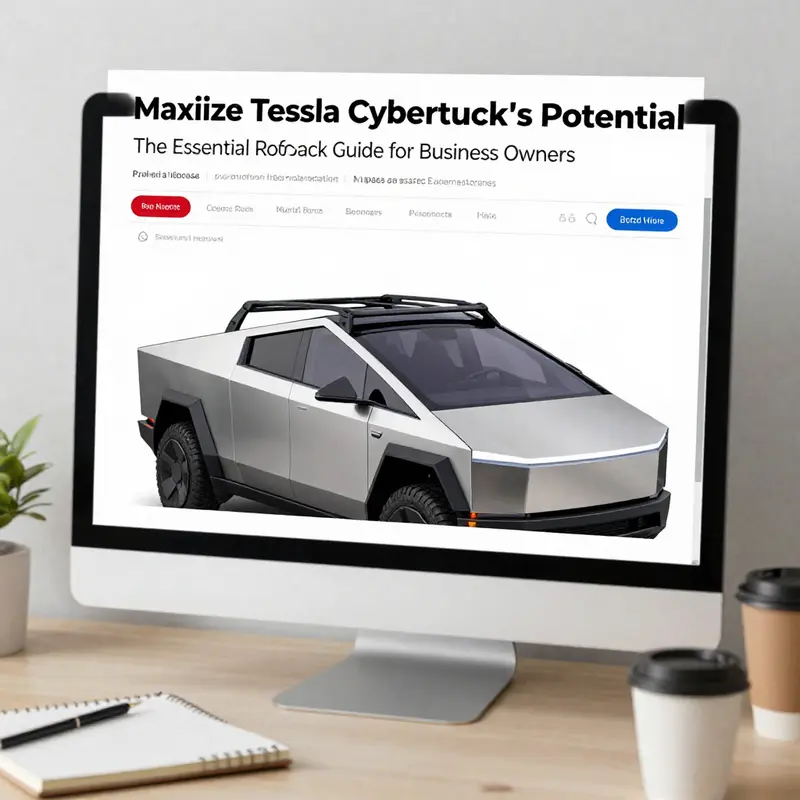
Since the Cybertruck’s introduction, roof rack options have expanded from basic rails to purpose built systems that fit the truck’s aggressive silhouette. Official accessory lines promise integration, while third party racks push payload ratings and configurability. By early 2026, buyers can choose between OEM style bolt on interfaces and modular crossbars that adapt from light daily use to extended expedition setups.
Durability and corrosion resistance top the shopping list. High strength steel or aerospace grade aluminum, weather sealed foot pads, and soft contact surfaces to protect the painted surfaces are common. Real world load handling depends on how the weight is distributed across rails and how the rack attaches to the body. Expect that the maximum advertised payload is a ceiling, not a guarantee for every configuration. Plan for the items you carry most often and test the system with a representative load before long trips.
Installation usually relies on factory mounting points to prevent body drilling and preserve warranty coverage. Many systems clamp to existing points or use bolt on interfaces, offering a low profile when empty and a solid platform when loaded. A modular approach lets you swap between short spans for lighter gear and extended rails for larger cargo. Think about future needs and whether you prefer a compact cargo surface or a wide base for bulky gear.
Before buying, confirm three things: model year compatibility and rail spacing; the highest safe load in real world conditions including wind and dynamic loading; and how the rack interfaces with vehicle electronics for weight sensing or safety systems. Official lines may lag behind demand but offer seamless integration and warranty protection. Reputable third party options provide rapid availability and broad accessory ecosystems. If you need a rack today for a weekend trip, a well reviewed aftermarket system can be a solid choice. If long term integration and warranty alignment are paramount, ongoing OEM developments may be worth waiting for.
For more context, the Roof Racks for Trucks guide offers mounting pointers, accessory compatibility, and selection criteria that translate well to the Cybertruck. As the market evolves, expect more standardized interfaces and smarter load management, keeping the truck’s distinctive profile intact while expanding what you can carry.
Final thoughts
Equipping your Tesla Cybertruck with an efficient and durable roof rack can significantly enhance your business operations by expanding your vehicle’s cargo capabilities. Understanding the various features, installation methods, material durability, and market availability allows you to make informed decisions that align with your operational needs. With the right roof rack, the Cybertruck becomes not just a vehicle, but an important tool in your business arsenal. Embrace this upgrade to improve your transportation efficiency and enjoy the benefits it brings.