

Vacuum excavation is becoming an increasingly popular technique for safely uncovering underground utilities and conducting repairs. However, many business owners find themselves exploring the potential of using their septic vacuum trucks for this purpose. While septic vacuum trucks may seem like a practical option for DIY vacuum excavation, the reality is more complex. In this guide, we will delve into the feasibility of using septic vacuum trucks for basic vacuum excavation tasks, uncover the limitations and risks involved, and highlight why specialized equipment is superior. Each chapter will build upon the last, providing you with a comprehensive understanding of the challenges and best practices associated with DIY vacuum excavation using septic equipment.
Rethinking DIY Vacuum Excavation: The Real Limits of a Septic Vacuum Truck for Subsurface Exposure
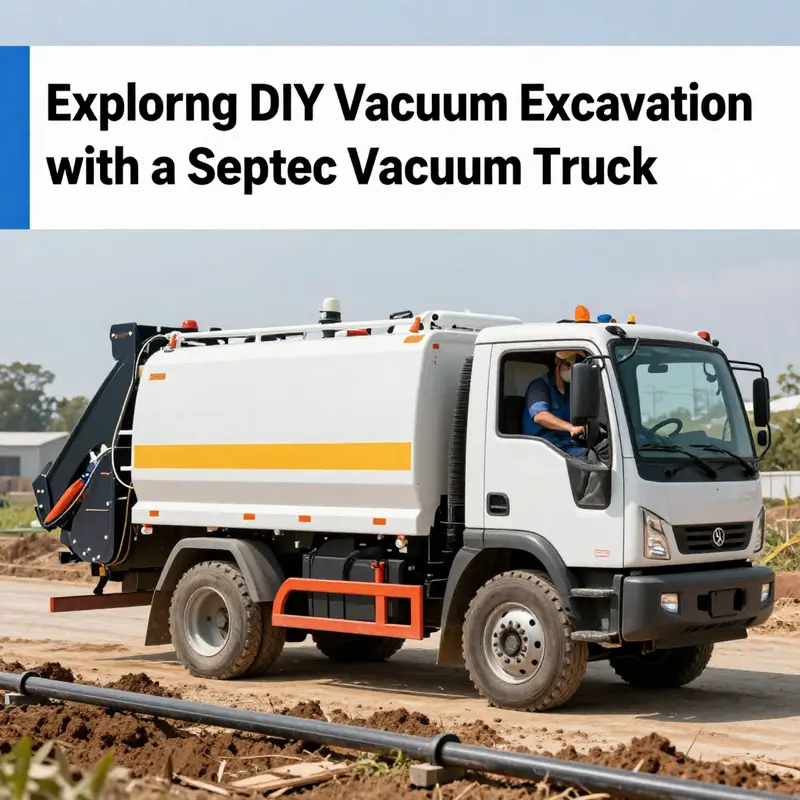
The lure of a septic vacuum truck for DIY vacuum excavation is understandable. A large, powerful machine parked in the yard promises speed, visibility, and a sense of control over a project that can otherwise feel uncertain. Yet the reality of repurposing a septic service vehicle for subsurface exposure tasks is more nuanced than it first appears. Vacuum excavation is a careful blend of loosening, separating, and removing earth without harming buried utilities or the surrounding soil. In professional practice it is a specialized operation that relies on purpose built equipment, calibrated controls, and a precise workflow. For a homeowner wondering if a septic vacuum truck can be adapted for simple, non destructive digging, the answer must be framed by constraints that are both technical and safety related. The conclusion after weighing the physics, the hardware, and the operational realities, is clear: a septic vacuum truck is not a turnkey solution for DIY vacuum excavation, except for the most rudimentary and tightly controlled tasks. It can, in a pinch, perform very small scale tasks in a limited fashion, but it demands a disciplined approach, an understanding of the risks, and a readiness to walk away when conditions exceed the equipment capabilities.
To grasp why, it helps to outline what vacuum excavation really does. The technique is described as a controlled form of non destructive digging. It uses either high pressure water or high velocity air to break apart compacted soil, rock, or debris, followed by a vacuum that removes the loosened material and the slurry produced by the water. The aim is twofold: to uncover or expose buried utilities with minimal disturbance to surrounding soils, and to create a working trench or void without sending rocks and soil into sensitive underground infrastructure. In a typical hydro vac or air vac setup, you have a properly sized vacuum system matched to the generator capacity, a robust and cleanable intake hose, a dependable high pressure water source if hydro or jet assisted excavation is used, and filtration or separation means to keep the system from clogging and to protect the environment and the worker. The job is not simply about suction; it is about a measured, repeatable sequence that allows the operator to see what lies beneath the surface and to stop before anything unintended happens.
A septic vacuum truck, by contrast, is engineered around a very different mission. Its vacuum pumps are optimized for liquid and semi solid waste. They thrive on sludge, slurry, and wastewater, not on the lighter, drier, or more abrasive soils you encounter in typical excavation tasks. The pumps themselves, often positive displacement or rotary vane types, are excellent at moving viscous material and maintaining steady flow under high loads. But when the job requires lifting and removing dry soil, particularly in the presence of rocks, roots, or compacted strata, the same pump can struggle. The volumetric efficiency becomes inconsistent, the intake can clog, and the overall system experiences stress as it tries to process material it wasnt designed to handle in a typical excavation context. What seems like a straightforward move, hook up a hose, set the vacuum, and start pulling, unfolds into a cascade of practical limitations. Speed drops, material handling becomes awkward, and the risk of motor or pump overheating rises. In a hands on setting, this is not just an inconvenience; it is a recipe for unnecessary wear, cost, and downtime.
The physical realities affect more than performance. Safety and environmental concerns sit at the center of any excavation activity. Vacuum excavation creates an airflow or water assisted slurry that, if not controlled, can spread contaminants, obscure hazards, or disturb adjacent utilities. A septic truck s filtration and contamination control are oriented toward waste management, not soil segregation or protection of aquifers and clean surfaces. When soil and rock are introduced into a system designed for sewage, there is a real risk of cross contamination and of compromising the integrity of the truck s internal components. The potential for spills on site and within the vehicle s own plumbing network exists, and without proper filtration and containment, what begins as a simple exposure job can become a hazardous cleanup with environmental consequences. In short, the safety architecture of a septic vacuum unit does not align with the standards expected for excavation work, including the need to control dust, manage splash and runoff, and prevent soil and moisture from entering areas of the machine that are not designed to handle them.
Even if you proceed with a cautious, small scale attempt, there are practical guardrails to consider. First, you must recognize the machine s power and capacity limits. The vacuum range is not constant; it can degrade as the system is loaded with heavy soil or when the intake becomes clogged. Since the job involves discontinuous, often choppy material, the pump may operate in pulsating modes that reduce efficiency and increase wear. Hoses and fittings are another concern. The intake lines on waste focused vacuum trucks are built to handle fluids and solid waste in a sanitary system; they can be more prone to kinking or tearing when pulled through rough ground or when subject to sharp rocks. The risk of punctures, leaks, or hose collapse is not negligible. Debris and abrasive particles can find their way into the filter media in ways the truck s original design did not anticipate, reducing suction performance and escalating repair costs.
Operation requires a measured approach that few DIY projects can sustain without specialized training. A successful vacuum excavation operation demands careful site assessment, strategic planning, and a clear sequence of steps. It means choosing a manageable scope, marking utilities, and implementing a plan that allows you to pause if the equipment shows signs of strain. It also means providing a stable work platform, controlling the movement of hoses, and maintaining a clear zone for both the truck and the operators. And it means adhering to safety practices that extend beyond personal protective equipment. Protective gear is essential, but it s not enough if the work area is crowded, if utilities have not been precisely located, or if the vehicle is used in a way that creates a risk of collapse or rollover. The guidance from established manuals emphasizes that non professional operators should seek smaller, purpose built vacuum excavation units that are engineered with the user in mind. These units are configured to handle the unique demands of soil loosening and removal while maintaining predictable suction, easier filtration, and safer overall operation.
The practical takeaway is not simply use this other machine. It is a broader awareness that DIY vacuum excavation with a septic truck is a compromise, and one that should be bounded by clear limits. For shallow exposure tasks such as locating a pipe in a known trench or uncovering a utility that is already partially exposed, the effort may fit within what a septic unit can tolerate, provided the operator uses rigorous precautions, reduces the scope, and remains ready to stop before performance declines. Beyond that, however, the risks rapidly outweigh the potential benefits. In many cases, the safer and more economical path is to engage a specialized hydro vac or air vac unit designed for excavation work. These machines incorporate tuned vacuum systems, water or air loosening capabilities, and integrated safety measures that are aligned with the standards for underground utility exposure. For non professionals seeking practical guidance and a clearer sense of best practices, there is value in consulting established resources on vacuum excavation and utility exposure. The basics of vacuum excavation, for example, provide a comprehensive primer on the principles, the equipment, and the safety steps that underpin responsible practice. You ll find a thorough overview of the setup, the protective measures, and the decision points that help determine when a DIY approach remains within safe bounds, and when it is time to step back and call in a professional crew.
If you are exploring this topic as part of a broader project, one that includes outfitting a truck for a range of tasks or understanding how to pair a vehicle with modular tools, you might find it useful to review the available resources on truck related accessories that can support safer, more organized work. For instance, the accessories page offers ideas on how to manage hoses, fittings, and containment in a way that reduces the chance of accidental mixing of materials and protects the vehicle s core systems. While those components cannot turn a septic truck into a hydro vac, they can improve safety and efficiency for related tasks. See the accessories page for more on what to consider when expanding a truck s capabilities, and how to keep equipment organized and accessible during challenging jobs. Accessory page: https://trucksdiy.com/blog/accessories/
Ultimately, the decision to use a septic vacuum truck for vacuum excavation should be guided by a cautious assessment of the task, the equipment, and the environment. Seek professional advice when in doubt, especially for projects that involve deep exposure, complex soils, or a dense network of buried utilities. For deeper learning and a structured approach to vacuum excavation principles, consult reliable external resources that detail the method, its safety considerations, and the workflow that makes non destructive digging possible. The Basics of Vacuum Excavation a Beginner’s Guide offers a clear, practitioner oriented entry point into the field, outlining the core concepts and the steps that enable safe, effective exposure work. External resource: https://www.ditchwitch.com/learn/vacuum-excavation-basics/
Why a Septic Vacuum Truck Isn’t a DIY Vacuum Excavation Solution

DIY vacuum excavation with a septic vacuum truck is appealing for some because you already own a truck and want to save money. But the gap between a septic service vehicle and a professional vacuum excavation rig is substantial, especially when exposing underground utilities safely requires controlled soil loosening, precise suction, and strict safety protocols.
Suction power and capacity are the first bottleneck. Septic trucks are designed to move liquids and sludge, not dry soil and rock fragments. They may lose momentum as the trench deepens, leading to slow progress and shallow trenches.
The hose and piping on a septic truck are optimized for liquids and solids, not continuous bulk soil transport. Clogs, wear, and line ruptures become frequent as the ground becomes more cohesive.
Because hydro-vac and air-vac systems use soft-dig nozzles and calibrated flows, a dedicated vacuum excavation system can expose utilities with minimal disturbance. Without these tools, a septic truck often fights the ground, increasing the risk of utility damage.
Safety, environmental, and regulatory considerations amplify the caution. Spill risks, cross-contamination, permit requirements, and the need for trained observers and rescue plans all point toward professional equipment and procedures.
In most cases, the prudent choice is to rely on purpose-built equipment and trained professionals who bring a tested process, safety culture, and regulatory knowledge to protect people and buried infrastructure. If you still want to explore the topic, focus on learning about protective excavation standards and the role of hydro-vac and air-vac technology rather than improvising with non-specialized trucks.
For practical reference on protective excavation standards, consider industry resources that codify best practices and compliance.
Grounded Caution: The Dangers and Delicate Trade-offs of DIY Vacuum Excavation with Septic Vacuum Trucks
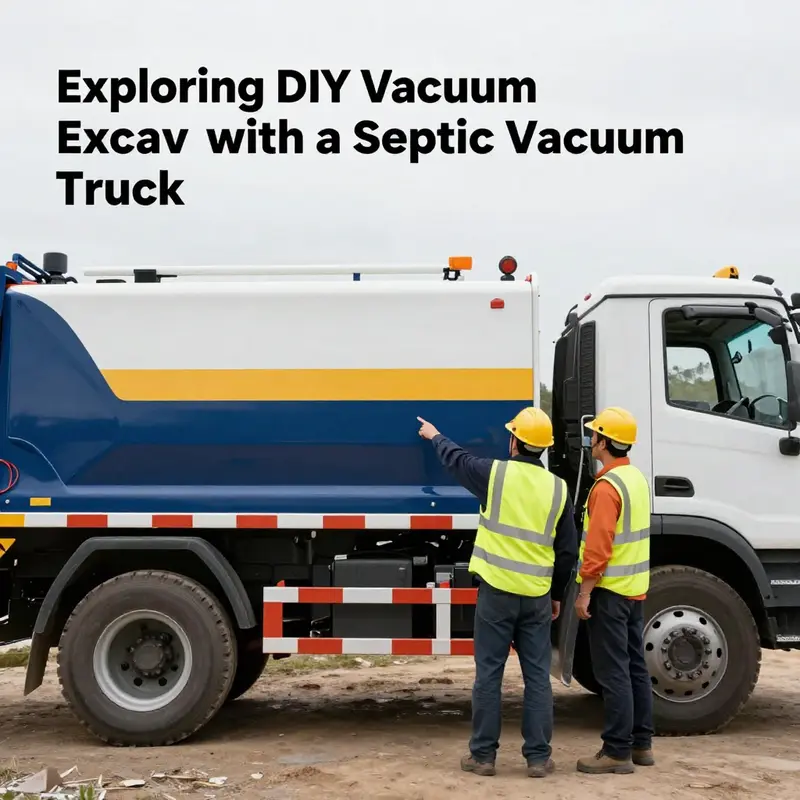
Curiosity often travels faster than caution when people see a truck with a powerful vacuum and imagine it pulling a trenching solution out of a box. The idea of repurposing a septic vacuum truck for lightweight, non-destructive digging sounds appealing to hands-on builders who want to save time and money. Yet the research and the lived experience of industrial safety point to a grim truth: using a septic vacuum truck for vacuum excavation is a risky, low-margin endeavor that can escalate from a simple task to a major hazard in minutes. The temptation to improvise with equipment that was never designed for excavation should be met with a steady understanding of what can go wrong and why professional-grade solutions exist for a reason. This chapter is not a pep talk about avoiding work. It is a practical, unflinching examination of the safety landscape that surrounds DIY vacuum excavation with septic trucks, and how that landscape shapes what a responsible operator can and cannot do on a job site.
One of the most important realities is that a septic vacuum truck is engineered to manage sewage, sludge, and liquid wastes. Its vacuum system is optimized for pulling liquids and semi-solid material through long runs of hoses that are designed to resist clogging from viscous matter. When the same system is pressed to lift dry soil, rocks, and mixed earth, the results are unpredictable at best. Dry earth behaves differently in a vacuum than sludge does. It can crumble unpredictably, form dry clumps that resist suction, or, in the worst case, cause sudden, violent blockages that surge back toward the pump. The pumps themselves—often positive displacement, rotary vane, or similar types—are calibrated for a certain regime of flow and pressure. They can deliver high suction, but not in a steady, controlled way when faced with hard ground, stones, or the abrupt density contrast between soil and moisture. The consequence isn’t just slower progress; it is a heightened risk of overheating, wear, or even catastrophic failure of seals, diaphragms, and valves. In turn, that risk translates into unpredictable shutdowns in the middle of a dig and a situation where the operator is forced to improvise under pressure.
The practical implications go beyond the pump. Septic trucks are built with a flow path and filtration logic tailored to waste streams. The hoses, valves, and filtration elements, while excellent for managing sludge, are not built to handle the abrasiveness of sand, gravel, or rocky subsoil. Abrasive particles abrade seals and interior surfaces, increasing the likelihood of leaks and loss of suction. A small breach can rapidly convert a controlled dig into a fog of material and potentially hazardous aerosols. That kind of escalation is precisely the kind of scenario that safety protocols exist to prevent. When a DIY operator pushes beyond the truck’s designed envelope, the system’s integrity is compromised. The machine becomes both a tool and a risk vector, capable of spraying debris, releasing fumes, or failing in a way that traps the operator or bystanders.
Another dimension of risk concerns training and competency. The body of safety guidance around vacuum work emphasizes that operators must be trained in procedure, hazard recognition, and emergency response. In a professional setting, there are formal programs, permits, and oversight to ensure workers understand what subsurface hazards look like, how to read a site, and how to respond when conditions deteriorate. In a DIY context, that training is absent or incomplete. Even a well-intended operator may not appreciate the subtle cues—the way ground can suddenly give way, the onset of fumes in a confined space, or the way a valve handle can stick under load. The lack of formal training also extends to risk assessment and job planning. A professional crew will establish exclusion zones, establish a dedicated point of egress, and ensure the presence of a trained observer to halt operations if air quality changes, if equipment shows signs of distress, or if terrain becomes unstable. Without those safeguards, the risk of a ground collapse, a lines rupture, or an uncontrolled release increases dramatically.
The hazards of confined spaces loom large in vacuum excavation, and the Liaoyang incident from China is a stark reminder of what can happen when those spaces are approached without proper identification and protection. A tank, a trench, or a manhole carries the potential of toxic atmospheres. Hydrogen sulfide can accumulate in confined spaces and ignite or incapacitate within seconds. In such settings, a DIY operator may be unaware of the need for gas detection, ventilation, and continuous atmospheric monitoring. The dangers are not abstract: high concentrations of H2S and sulfur-based gases can render a worker unconscious, with little time for retreat. The safer path in any professional operation is to treat every space as potentially hazardous until proven otherwise. That means gas detectors, proper ventilation, continuous monitoring, and a well-rehearsed rescue plan. When those elements are missing, the risk profile moves from concerning to intolerable. The consequence of a misstep here is not merely a minor injury; it can be life-ending when a person enters a space without respiratory protection or a clear egress route.
Maintenance and pre-use inspections form the heartbeat of safe vacuum work. In a professional setting, crews perform a meticulous check of hoses, seals, couplings, and the integrity of the pump before any material is moved. DIY operators often underestimate the importance of this routine. A cracked hose or a clogged filter can create a cascade of problems: loss of suction, unexpected pressure surges, or the release of stray materials into the cab or environment. A damaged seal can lead to leaks that contaminate not only the truck’s interior but also the job site and nearby soils. Blockages and wear shorten the effective life of the equipment, escalate maintenance costs, and increase the likelihood of an unscheduled shutdown at a critical moment. These are not theoretical concerns; they are the everyday realities that safety programs are designed to prevent. If a DIY approach cannot guarantee reliable inspection, maintenance, and component replacement, the operator is trading predictable risk for random, potentially catastrophic events.
A critical but sometimes overlooked factor is atmospheric risk and ventilation. Vacuum excavation in the field often occurs near trenching, pipe installations, or underground utilities. Even when a dig is intended to be shallow, pockets of gas can accumulate and create dangerous conditions. DIY operators may not have the equipment to detect, monitor, or ventilate those atmospheres, and they may lack a plan for retreat or rescue. The risk is compounded when the work is performed on uneven ground or near the edge of a trench, where a sudden shift in soil stability can threaten both the operator and nearby workers. The stakes rise quickly in such environments, turning a routine digging task into a crisis that requires immediate response—response that a DIY operator is unlikely prepared to deliver.
The operational dynamics of DIY digging also carry a practical danger: overloading and unstable loads. Septic trucks are built to carry liquids and semi-solids, with a balance that takes into account the vehicle’s center of gravity and the dynamics of the suction system. When used for excavation, especially with uneven ground, the weight distribution can shift in ways the vehicle was never designed to accommodate. An unbalanced load or a sudden surge of material can cause the vehicle to tilt or roll, endangering the operator and nearby workers. Even if the truck does not tip, the process of forcing soil through a suction line can cause the ground to crumble beneath a trench edge, weakening the surrounding soil and increasing the likelihood of a collapse. These are not minor risks; they are fundamental safety considerations that underscore why professional vacuum excavation equipment is designed with stability and controlled digging parameters in mind.
Beyond the technical and physical hazards lies the regulatory and procedural reality. Vacuum excavation is governed by standards, permits, and safety protocols that are designed to ensure that work is performed under controlled conditions. DIY efforts bypass or ignore these safeguards, which leaves workers exposed to unverified conditions and untested methods. The absence of a formal safe-work zone, a documented emergency plan, and a qualified person overseeing operations is not merely a procedural gap; it is a fundamental safety deficiency. It removes the external checks that can prevent accidents, and it places the worker in a position where they must improvise under pressure, often with incomplete information about what lies beneath the surface.
From a broader perspective, the core safety lessons are clear. Vacuum excavation, while seemingly simple in concept—the idea of vacuuming up earth to reveal what lies below—actually sits at the intersection of fluid dynamics, soil mechanics, gas science, and human factors. The equipment designed for septic waste handling is not a substitute for purpose-built excavation technology. A hydro-vac or air-vac system, engineered specifically for soil and excavation tasks, is capable of delivering the controlled, high-volume suction, filtration, and redundancy necessary for safe operations. These systems come with pipelines, nozzles, and monitoring that are tuned for the kind of delicate, precise digging that underground utilities demand. The cost of this mismatch is measured not just in dollars but in time lost to repairs, in potential fines for regulatory non-compliance, and most tragically in injuries or fatalities that could have been prevented with proper equipment and procedures.
For readers who want a pragmatic path forward, the recommended approach is to treat DIY vacuum excavation with septic trucks as a last resort for very small, noncritical tasks and only after a rigorous, safety-first assessment confirms that the task sits within the truck’s operational envelope. When a job requires any depth, any proximity to utilities, or any encounter with confined spaces, professional equipment and trained personnel should be engaged. If a reader is intent on pursuing this line of work in any capacity, it is essential to incorporate robust safety measures: a formal risk assessment, a written permit-to-work, a trained supervisor, continuous gas monitoring, a ventilated work area, a clearly marked exclusion zone, a reliable means of communication, and a rescue plan that is rehearsed. It is equally important to insist on pre-use equipment checks and immediate shutdown procedures in response to equipment signs of distress. The pursuit of economy should never trump the imperative of safety when life and environmental harms are at stake.
In reflecting on what this means for the DIY community, it helps to keep a single, memorable point in mind: the choice between convenience and safety is not a binary one. It is a continuum where cutting corners on training, equipment, or procedures can push a project from feasible to dangerous in a matter of moments. On that continuum, the sensible position is to err on the side of caution, to favor specialized equipment designed for excavation, and to rely on professionals who operate within the framework of established standards and regulations. When the question arises—can I do vacuum excavation with a septic truck in a DIY setting—the answer, frankly, is rarely yes, and almost never without unacceptable risk. For those who still seek deeper understanding and practical guidance, the broader body of safety literature and industry standards remains the go-to resource. It emphasizes hazard identification, controlled environments, and the critical role of training and supervision in reducing the likelihood and severity of incidents. In short, the safer, smarter path is to recognize the limits of DIY capabilities in this domain and to pursue professional solutions for anything beyond the smallest, simplest tasks.
For readers seeking additional context on equipment safety and the practicalities of safer, compliant options, explore the Accessories page for an overview of safety accessories and gear that support responsible operation and site safety. Accessories can provide insights into how proper attachments and safety enhancements complement safer work practices, even if they cannot turn a septic truck into a substitute for a purpose-built vacuum excavator.
External guidance on handling hazardous atmospheres and confined spaces remains essential. For authoritative standards and procedures, refer to the U.S. Occupational Safety and Health Administration’s guidelines on confined spaces and hazardous materials handling: https://www.osha.gov/.
Beyond the Back of the Truck: Why Specialized Vacuum Excavation Gear Outperforms a Septic Vehicle for DIY Projects
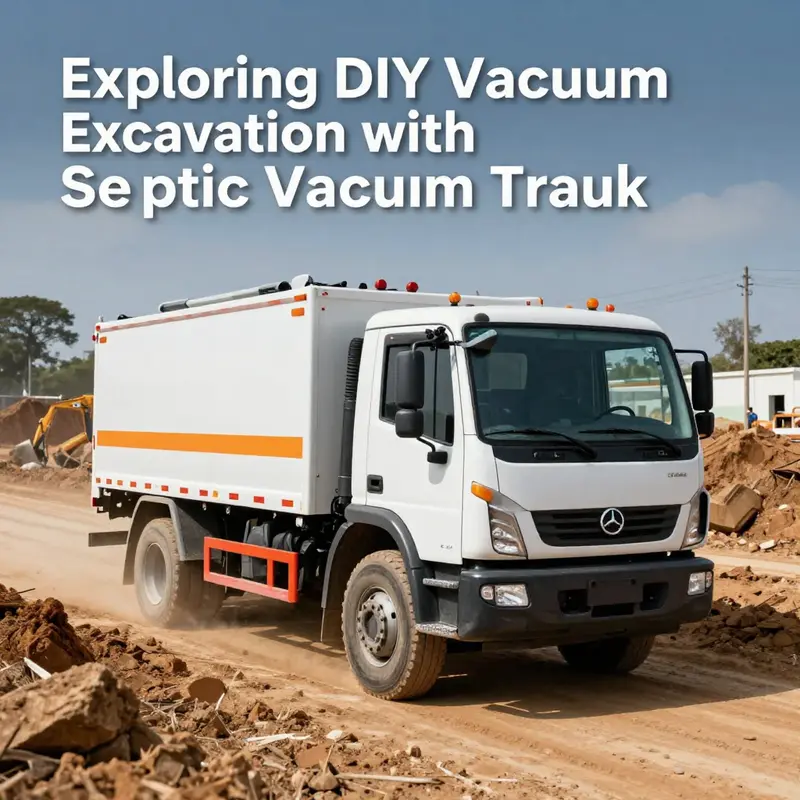
When a homeowner eyes a septic vacuum truck and imagines turning it into a do‑it‑yourself vacuum excavation tool, the image is appealing and seductive. A vehicle with a powerful suction system seems to promise fast uncovering of buried lines, unearthing a pipe, or preparing a trench without the expense of renting a dedicated machine. Yet that impulse often overlooks how these machines are engineered and the real demands of excavation work. A septic vacuum truck is built and tuned for a single line of work: removing liquids, sludges, and semi‑solid waste from waste-water systems. Its pump, intake, and filtration are selected for managing sewage and dirty liquids, not for lifting dry earth, stones, or mixed soil of varying moisture. The difference in design translates into practical limitations that become painfully evident the moment digging begins. If you visualize the task as a simple gravity-based scoop of soil, you quickly learn that soil is not a forgiving medium. It resists the suction of a waste-oriented system, which is optimized to pull liquids through narrow hoses and through a filter designed to capture solids without compromising flow. Dry soil and rock, especially when compacted or layered with clay, behave very differently. They create friction, abrasion, and sudden clogs that the truck’s pump and valves were never intended to handle, especially when the equipment runs for extended periods. The moment you try to translate a waste‑removal design into earthmoving, the gaps between expectation and capability widen, and the consequences accumulate.
Beyond the fundamental mismatch of purpose, the practical realities of vacuum excavation with a septic unit raise concerns about power, efficiency, and reliability. Most septic systems rely on positive displacement or rotary vane pumps that generate suction in bursts suited to gathering liquids and sludge. Those systems are not balanced for sustained, high‑volume suction through a hose that must pull up dry soil, gravel, and debris while maintaining a stable line of sight to any sudden changes in depth. In the field, that translates to slower progress, frequent stops to clear clogs, and a growing risk that the pump or hoses suffer wear from abrasive material. The problem is compounded by the need to maintain consistent excavation depth and to control the trench walls, both of which demand a level of precision and steadiness that a waste‑focused truck is not equipped to provide.
Safety and environmental considerations grow from the same root cause: the equipment’s original protection systems, filtration, and operator controls are designed around waste handling, not around excavation risk management. When you push a septic system to the limits of digging, you invite both material and environmental hazards. Spills can ripple through the truck’s fluid pathways, contaminating the suction network and requiring time‑consuming decontamination. The risk of dust and aerosolization increases when soil is aggressively manipulated by a machine not designed to suppress it. And because these trucks are not configured for the delicate, stepwise process of locating underground utilities through non‑destructive digging, the chance of accidentally disturbing or damaging lines, conduits, or cables grows. The consequences are not merely material; they can affect public safety, drainage, and the integrity of the site for weeks to come.
Practical excavation tasks—like digging foundation trenches, laying drainage, or preparing a site for a shed—demand a very different set of capabilities. That is where specialized vacuum excavation gear shines. Hydro‑vac trucks, for example, combine high‑pressure water jets with powerful vacuum suction to loosen soil before removal. The water jeting reduces resistance, helps reveal buried utilities, and keeps soil in a slurry that is easier to manage within a dedicated system. The combination of water assistance and a purpose‑built vacuum path lowers the risk of utility strikes, minimizes trench collapse hazards, and improves overall efficiency. Importantly, these systems are designed with the right balance of suction capacity, hose diameter, and filtration to handle the grit, moisture, and occasional rock fragments that often occur in real projects. This is not an endorsement of one‑size‑fits‑all; it is a recognition that the job requires the correct tool for the task, not merely a tool with a large pump on wheels.
Another critical distinction is maneuverability and control. A ranging bed of safety features and precision controls characterizes specialized excavation gear. Modern compact excavation units come with features that matter to homeowners and professionals working on tight properties: stable platforms, visible operator lines of sight, and attachments that adapt to different tasks while preserving soil integrity. These machines can be maneuvered into narrow driveways, along uneven ground, or into backyards without marring lawns or pavement. In contrast, a septic vacuum truck, with its bulk, weight, and limited turning radius, can become a liability in confined spaces. The risk of property damage, especially on soft lawns or fragile surfaces, is not hypothetical; it is a routine concern for anyone who has attempted to use an oversized vehicle to perform sensitive earthwork.
The question of cost and efficiency also tilts in favor of specialized equipment for any project beyond the smallest, shallow tasks. While the upfront rental or purchase price of a hydro‑vac or a comparable dedicated unit may seem higher than simply running the septic truck, the total cost of ownership tells a different story over the course of a project. Time saved on digging, the reduction in the likelihood of rework due to utility strikes or trench instability, and the fewer disruptions to nearby structures make the specialized option more economical in many scenarios. Likewise, the reliability of these machines translates to less downtime and fewer emergency repairs. The benefits accrue not only in dollars but in the confidence of the contractor or homeowner who relies on predictable performance and safer operation.
For readers weighing their options, there is a useful benchmark in the comparative literature that weighs specialized excavators against septic trucks for many DIY excavation tasks. The core insight from that discussion is that specialized equipment offers greater versatility, precision, and control. A compact excavator, for instance, can dig, lift, and move soil with a level of finesse that a septic vehicle cannot match. It can accept a wide range of attachments—buckets for earthmoving, grapples for handling debris, or breakers for light demolition—making it a multi‑purpose asset on a project site. And while a septic vehicle is excellent at extracting liquids, a small excavator is built to ride over challenging terrain and to navigate confined spaces with lower risk to the surrounding property. The comparison helps to crystallize a simple reality: for most DIY excavation tasks, the tool that matches the task’s requirements delivers faster, safer, and more reliable results. For those curious to explore this comparison in depth, consider reading an in‑depth discussion that contrasts the two approaches: mini-excavator-vs-septic-truck-which-is-better-for-your-project.
Despite the appeal of improvisation, responsible practice begins with a clear plan. Before any digging, utility owners must be located and verified. The non‑destructive digging approach, when conducted with the right gear, includes careful monitoring of depth, trench walls, and backfill requirements. Even with the most capable equipment, the operator must maintain a disciplined workflow—starting with a thorough site survey, then proceeding to shallow testing, and finally advancing with continuous utility clearance and soil stabilization measures as needed. The goal is not to force a single vehicle to perform tasks for which it is ill suited but to choose the right tool and deploy it with appropriate skill. This mindset aligns with professional practice standards that emphasize safety, efficiency, and respect for the ground itself.
In the end, the decision to DIY with a septic vacuum truck hinges on recognizing its limits and staying within safe boundaries. Small, simple tasks—such as uncovering a shallow pipe with minimal disturbance, or performing a quick, non‑critical clearing—might be technically possible, but they should be approached with caution, a clear plan, and a conservative scope. Projects that require consistent depth control, precise trenching, or utility-safe excavation deserve the reliability of purpose‑built equipment and the expertise of operators trained for non‑destructive digging. The difference between a workaround and a reliable solution often comes down to choosing the right tool for the job and respecting the constraints that separate waste‑handling equipment from earth‑moving gear. For longer or more complex projects, the path of prudent practice is to engage the appropriate equipment and, when in doubt, to consult professionals who can translate the site realities into a safe, efficient plan. A broader view of these considerations—along with deeper guidelines for vacuum excavation equipment and techniques—can be found in industry resources that set the standards for safe and effective practice. As you plan your next project, keep in mind that the value of specialized equipment lies not only in its power but in its design to protect people, property, and the subsurface itself.
For further reading on how professional equipment stacks up against improvised solutions, you can explore the comparative discussion linked earlier: mini-excavator-vs-septic-truck-which-is-better-for-your-project. And for a broader reference on standards guiding vacuum excavation practices, consult the American Society of Civil Engineers at https://www.asce.org.
Vacuum Excavation with Septic Trucks: Limits, Risks, and Safer Alternatives

Turning a septic vacuum truck into a DIY vacuum excavator is risky and not recommended. Septic units are designed to move liquids and slurries and to contain waste; their pumps, hoses, and filtration are not optimized for dry soil, sharp rock, or precise trenching. In vacuum excavation, professionals use hydro-vac or air-vac systems with water jetting or air assist, accurate locating, dust control, and containment. Using a septic truck increases the risk of hose kinks, clogs, pump overload, and uncontained spills; it also heights safety hazards for operators and nearby workers and can violate local regulations. DIY digging can damage utilities, cause soil collapse, and trigger environmental issues. If you need non-destructive exploration, start with maps, non-destructive sensing (GPR, line locators), and utility owners’ approvals. For actual excavation, hire trained contractors with proper equipment and safety programs. If you want to learn more, see industry resources like https://www.hinovacuum.com/understanding-jetting-and-vacuum-trucks/
Final thoughts
Using a septic vacuum truck for DIY vacuum excavation tasks may initially appear tempting but is fraught with limitations, risks, and inefficiencies. As a business owner, it’s crucial to weigh these factors against the benefits of investing in specialized equipment designed for such tasks. Understanding the operational boundaries of septic vacuum trucks will empower you to make informed decisions when navigating excavation jobs. While septic vacuum trucks may have their use in certain scenarios, recognizing when to hire or acquire dedicated vacuum excavation technology will not only enhance safety and efficiency but also protect your investment in equipment.