
For business owners planning a move, understanding the cost dynamics of DIY moving truck rentals is crucial. With options ranging from well-known national companies to local service providers, finding the most cost-effective choice can be daunting. This article provides a thorough exploration of the cheapest DIY moving truck rentals available while identifying hidden costs and user insights. We delve into the comparative analysis between local and national rental options, providing clarity on why certain providers might offer better deals. Furthermore, we discuss often-overlooked additional expenses associated with truck rentals that can significantly impact the overall cost. By examining user experiences, we gather valuable insights into the cheapest services available, ensuring you make an informed decision for your business move.
The Thrifty Haul: Decoding the Cheapest DIY Moving Truck Rentals
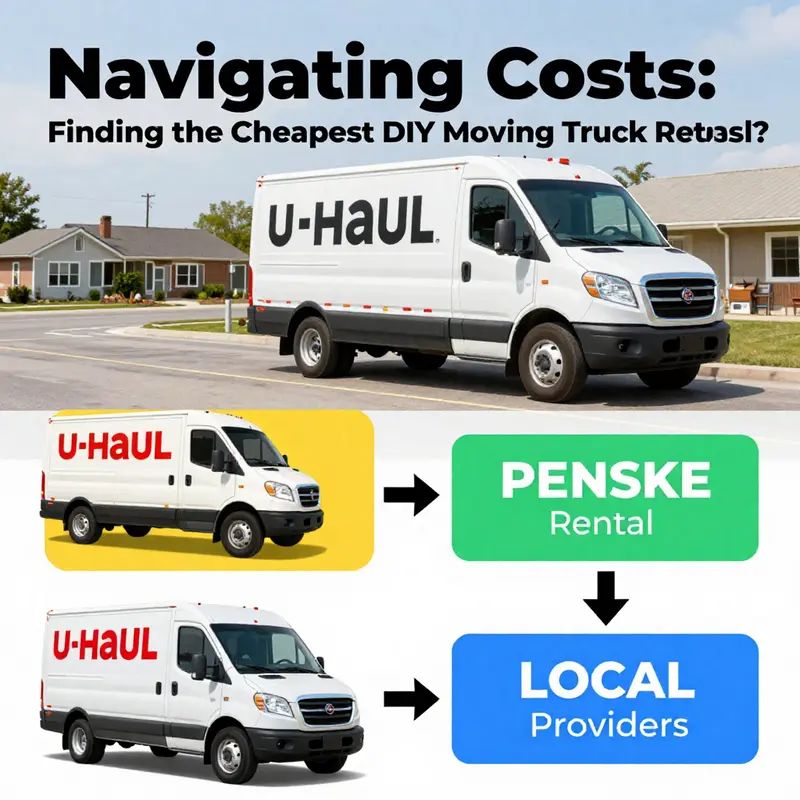
Every move is a budget decision, and the math can feel like a moving puzzle. The cheapest solution isn’t found in a single rule but in how well you align size, distance, timing, and terms with the realities of the rental market. In practice, the most affordable option often comes from the nation-wide networks that maintain large fleets and frequent promotions. They can cover a wide range of moves, from a compact cargo van to a full-sized box truck, and they tend to offer the most predictable access to vehicles in many areas. That reliability makes them a natural baseline for anyone trying to minimize costs. Yet price pressure is not identical from city to city or week to week. A move in a market with high demand and limited trucks can push rates up, even for the same size vehicle you’d get cheaper elsewhere. The bottom line is that travelers who want the cheapest route must watch for timing, fleet size, and the total cost of ownership across the rental period, not just the headline daily rate.
To understand the logic behind the pricing, start with the building blocks of a rental: the base daily rate, the mileage policy, fuel coverage, and any one-way or location fees. Then layer on the extras that often swing the final tally—insurance or waivers, tolls, environmental charges, taxes, and the cost of moving aids like dollies, blankets, and straps. The base rate is a starting point; what matters most is the all-in cost for the days you actually need the vehicle. If you’re moving locally, mileage can be modest, but fuel policy and return requirements still shape the total. If you’re moving cross-country, mileage becomes a bigger variable, and one-way charges can either help by reducing the number of trips or hurt if the second drop-off location carries a premium. The best setups consistently find a balance between a competitive daily rate and predictable, inclusive terms that minimize surprises at checkout.
Sizing your load correctly is perhaps the most underappreciated lever in the price equation. Trucks span from cargo vans to 26-foot behemoths, with the middle sizes serving the majority of apartment and small-house moves. The aim is to match the container to the actual cargo, not to assume the largest truck is the wisest choice. A too-small vehicle forces extra trips and extra fuel, while an oversized truck racks up higher daily fees and often more miles. The ideal move uses just enough space to move efficiently in one or two trips, plus a buffer if unplanned items creep in as the packing plan settles in. A thoughtful packing strategy often reduces the required truck size by a meaningful margin, which translates directly into savings on the daily rate and fuel.
In some regions, regional operators compete aggressively for short moves. These local players can produce surprisingly low prices on cargo vans and mid-sized trucks, especially when demand is calm and inventory is steady. The upside is straightforward: lower base rates and sometimes simpler terms. The caveat is that availability and fleet age can fluctuate with demand. When a regional deal aligns with your move window, it becomes a strong bargain, but you should treat it as part of a broader comparison rather than the sole plan. The smart approach is to gather quotes from both national networks with broad coverage and regional operators with strong daily deals. This puts you in a position to capture the best mix of price, accessibility, and reliability.
For practical, real-world cost evaluation, plan to compare the total cost of ownership rather than fixating on the quoted daily rate alone. Start with a baseline from a national network that offers broad fleet options, then layer in regional offers for the same truck size and rental days. Run scenarios that reflect your actual move window, distance, and the number of days you’ll need the vehicle. Don’t forget to factor in insurance choices. If you carry personal auto coverage, some renters can decline rental-specific coverage, while others benefit from waivers or discounts tied to memberships or affiliations. Those policy differences can tilt the overall price by a noticeable margin when multiplied across several days. A clean, all-in quote that includes essential items—such as basic moving blankets or dollies—often yields a more accurate apples-to-apples comparison than separate line items that get added later at checkout.
Delivering a move within a fair budget also means maximizing the value of add-ons without drifting into unnecessary costs. Essentials like moving blankets, straps, and dollies are sometimes bundled or discounted when purchased together with the rental. A well-equipped crew can finish a job faster, reducing days on the road and, by extension, daily rates and fuel use. Yet some providers charge separately for these tools, and those charges can subtly inflate the unit price if you don’t account for them upfront. The prudent tactic is to request a single quote that encompasses the core items you know you’ll need and to verify whether the quote includes tax, fees, and a reasonable fuel policy. That upfront integrity in the quote saves time and prevents disagreements at the counter.
A concrete example helps crystallize the concept without tying you to any single brand. In cities with a strong regional presence and dense truck coverage, you may find a local operator offering notably low rates on compact moving vans for short moves. If your move involves tight timelines and a modest load, this can outperform a larger nationwide option that carries higher base rates for the same vehicle type. The real magic happens when you treat the decision as a portfolio choice: weigh the reliability and coverage of the national network against the price flexibility and regional promotions of local operators. It’s not just about the lowest price on one day, but about the most predictable total cost across your specific move window, including the possibility of last-minute adjustments in pickup time or drop-off location.
The decision framework should also reflect how you’ll actually navigate the booking process. Start by collecting quotes from a handful of reputable providers for the exact truck size you’ve identified as appropriate for your load. Use that as a baseline to explore regional deals with comparable capacity. Remember to simulate both local and one-way scenarios, because a one-way trip can be cheaper or more expensive depending on the distance and the fees charged at the destination. As you compare, keep the following questions in mind: What is included in the base rate? Are there mileage allowances, and how are miles charged beyond that allowance? Is there a one-way fee or a location surcharge? What is the fuel policy—do you return with a full tank or pay for the fuel you used? Are there mandatory insurance options, and what do they cost? What about taxes and environmental or other surcharges? By constructing a single, consistent model across providers, you’ll reveal the true cheapest option for your move rather than the option with the lowest sticker price.
To bring a practical point into the discussion, consider resources that speak to the broader equipment ecosystem that makes a DIY move feasible. A well-planned packing and loading strategy helps you secure a truck size that is appropriate rather than oversized. For instance, a dedicated page on moving boxes and related gear can guide you toward the right combination of boxes, blankets, and other tools that help you pack efficiently and maximize the load in the vehicle you select. See the detailed guide here: Truck Box. This internal resource can support your planning by giving you a clear sense of how to map your belongings into the truck you rent, which in turn affects both the required truck size and the total cost of the move.
In the context of regional dynamics, a practical note about local markets matters. A city with a high volume of short moves often fosters fierce competition among neighborhood rental outlets. The result is a sharper price-to-service ratio for cargo vans and mid-sized trucks during off-peak times. Because these deals surface with regional operators, you should treat them as a core part of your price-checking routine rather than a fallback option. The ultimate aim is to incorporate every credible offer into a transparent, apples-to-apples comparison so you can decide with confidence whether the cheapest path runs through a broad, well-served national network or through a nimble local operator offering high-value terms for your dates.
If you’re assembling a decision framework for a specific move, a disciplined approach to pricing is essential. Start with the date range of your move and the truck size you’ve selected based on your load. Run the numbers on the largest possible three- to four-day window, then tighten the window to reflect your actual schedule to observe how sensitive the total cost is to small shifts in pickup or return times. Track the total daily rate, the mileage charges, and any hidden costs—fuel, environmental fees, disposal fees, tolls, and highway charges. A final tally should present a clear total that you can compare across providers. It is this bottom-line cost—the sum of all charges—that determines which option truly represents the cheapest path for your move, not just the most alluring headline rate.
In sum, there is no single cheapest truck rental for every move, but there is a reliable, repeatable path to it. The cheapest option tends to be the one that marries vehicle size to actual need, aligns pickup and return with off-peak timing, and wraps the price into a transparent, all-in quote. The broad, real-world pattern is price discipline achieved through network breadth, clear terms, and a well-structured packing plan that avoids over-purchasing capacity or paying for unneeded extras. By combining a careful load assessment, a comprehensive price comparison across national networks and regional operators, and smart packing practices, you can reach a moving budget that respects both your finances and your schedule. This approach yields not only the cheapest option for the moment but also a smoother, more predictable move experience overall.
External resource for benchmarking: https://www.uhaul.com
Size, Distance, and Deals: Decoding the Cheapest DIY Moving Truck Rentals Across Local and National Networks
Prices for DIY moving truck rentals rarely sit still. They move with your plans as surely as the weather does with a relocation day. The cheapest option is rarely a simple label you can slap on a single choice; it is a moving puzzle assembled from vehicle size, pickup and drop-off locations, timing, distance, and the fees hidden in the fine print. To understand how to minimize the cost, you must first map out how these factors interact, then look at two broad categories of suppliers: local operations with intimate knowledge of a neighborhood’s rhythms, and national networks that promise consistent policies and broad availability. The final answer—what saves the most money for your particular move—depends on the details, not a generic rule. Still, the underlying logic remains steady: price plus practicality must be balanced.
Local DIY moving truck rentals operate on a leaner economics model. Local firms tend to have lower base rates because they manage smaller fleets and avoid the logistics costs tied to cross-city or cross-state operations. They are often more flexible with rental windows, allowing you to stretch a pickup hour into more time if a small delay arises. In many cases, this flexibility translates into real savings for short moves or weekend shifts when demand spikes at larger outlets. On the surface, a reduced base rate can seem like a direct path to lower total cost, but the story does not end there. Local providers may also apply fees in ways that surprise the unprepared renter: higher per-hour rates for late returns, stricter mileage caps, or a la carte charges for basic equipment like dollies, blankets, or ramps. The upside is a potential for more personalized service—an attentive staffer who understands the quirks of a block-long street, a building with limited loading zones, or a resident who needs extra time on a tight move. For some households, this local touch matters as much as the price tag.
National DIY moving truck rental networks, by contrast, operate with a different calculus. Their pricing strategies grow out of scale. They deploy standardized policies across numerous locations and rely on widespread fleet availability to keep a move moving, even when the calendar is crowded. A nationwide footprint often translates into more predictable pricing, a smoother checkout process, and a greater likelihood to find a truck near your starting point and destination. Seasonal promotions are a familiar feature, sometimes coupled with loyalty programs designed to reward repeat customers. The trade-off is that these programs, while helpful, sometimes mask a more complex pricing structure. There can be mandatory insurance options, mileage surcharges, fuel charges, and convenience fees that appear only at the end of the quote. Yet, for people who move frequently or who value consistency—especially cross-state moves or scenarios where the pick-up and drop-off locations are far apart—national networks can offer a price floor that gives confidence during a budget planning phase.
Comparing these options requires a careful accounting of several moving parts. The base rental rate is only the opening line of a two- or three-act play. The distance you must travel with the vehicle matters, but so do the size of the truck, the availability of the location you choose, and the time you need to complete the move. A larger truck may seem like a bargain if it halves the number of trips you have to make, but it will cost more per hour and often carries a higher fuel footprint. Conversely, a smaller truck reduces the daily rate but may require multiple trips, each incurring mileage charges and tolls. Then there are the add-ons: moving blankets to protect furniture, straps to secure boxes, ramps for loading, and dollies to move heavy items. Depending on the operator, these items may come standard with the rental or may be billed as separate line items after the fact. The shape of the final bill is a mosaic composed of base rate, distance, time, fuel, insurance, taxes, and incidentals. Your job as a careful planner is to predict as many of these tiles as possible before you confirm the booking.
The timing of your rental often proves decisive. Weekdays can present lower demand, especially outside of peak moving seasons, which tend to cluster in late spring and early summer. When a truck is in higher demand, even two or three hours can swing a rental price by a noticeable margin. If your schedule allows, planning around a midweek pickup can save dollars that accumulate quickly when a move stretches across a full weekend. For local moves, a single long day might be sufficient, but a longer window can avoid rushing, which ultimately reduces the chance of damage to your belongings and the risk of extra charges. For longer hauls, you’ll want to know whether the rental charges are capped by a daily limit or if the clock starts anew at a certain hour. Some renters price by the hour for local moves and by the day for longer journeys, with additional mileage fees layered in. The math becomes a careful forecast: how many hours will you realistically need, how many miles will you cover, and what penalties lurk in the rules if you stretch the clock beyond your plan?
Distance is a crucial variable that interacts with all the other factors. On a local move, the distance is modest but the time pressure is often the fiercest. The cost per mile may be low, yet the per-hour charge can be high, because the vehicle sits in use for an extended portion of the day. In a cross-regional move, the per-mile price can look large in the abstract, but the rental often comes with a far shorter time in the vehicle if you can lock in a smooth handoff at two points along the route. In this space, the choice between a local and a national option hinges on whether you value a predictable price for the entire journey or a potentially lower, itemized bill that is sensitive to the exact miles traveled. For some, a local operator who understands a city’s one-way streets and loading zones offers non-monetary savings in the form of reduced stress and fewer delays. For others, the assurance of a national network’s consistent policies and the possibility of a promotional discount makes them feel they are buying a safer bet against scoping out every minor fee.
The overall cheapest approach, however, emerges not from a single policy but from the process you use to collect and compare quotes. The most cost-effective plan begins with a precise assessment of your actual needs. First, establish the exact truck size that can handle your load without forcing you into a second trip. A common misstep is to assume more space is better and end up paying extra for a larger vehicle that you don’t fully utilize. Conversely, undersizing the truck can force additional trips, inflating both time and money. Next, forecast the exact number of days you will need the vehicle. If you can compress your move into a single rental window, you may minimize daily fees and reduce the probability of late return charges. Always verify whether the quote includes the necessary equipment you will rely on, and clarify whether there are optional add-ons that can be bundled as a single package at a lower rate. Then search across multiple channels: the local operators closest to your pick-up point, the larger national networks with broad coverage, and the aggregator platforms that pull together live-rate data from many sources. The global function of such platforms is to surface the best options at any given moment, reflecting promotions, inventory shortages, or changes in fuel surcharges that a static price sheet could miss.
A practical way to proceed is to build a total-cost model. Start with the base rate for the truck you believe will fit your load. Add the estimated mileage and the expected fuel burden based on your route. Include any insurance premiums you might elect to purchase and add possible taxes or surcharges that are known to be part of the pricing structure for your pickup location. Consider the value of flexible return times against the potential penalties for delays. When you run a few iterations with different scenarios—local move with a small truck and a midweek pickup, versus a longer cross-area move with a mid-sized truck—you begin to see which combination yields the smallest total. The differences can be meaningful. A few dollars saved on the base rate can vanish when surcharges are added in the final bill. Conversely, a slightly higher upfront price might accompany a policy that eliminates surprise fees at the end.
To make this process smoother, use the tools at hand. A real-time pricing platform can surface current rates from multiple providers in your area. It also helps you avoid the trap of relying on a single quote obtained days in advance, when prices may have shifted due to demand or inventory changes. It is worth noting that the cheapest option in one city or one week might not be the cheapest choice in another. The locality of the move, the day of week, and even the weather can tilt the scales. When you have a solid sense of the total you are willing to pay, you can browse the offerings with a sharper eye, ignoring the bells and whistles that do not apply to your plan. If you value simplicity and predictability, a national network’s standardized pricing might be the right fit. If you prize personal attention and the possibility of negotiating a package that seems tailor-made for your timetable, a local operator could prove more economical.
In keeping with a disciplined approach, you should also be aware of potential hidden costs. Some renters require a deposit or hold a card on file, even for basic coverage. There may be penalties for not returning the vehicle with the same level of fuel, or for returning it to a non-primary location. Some outfits charge for late returns or for exceeding a capped mileage plan, and the combinations of these fees vary across providers. The best defense is thorough due diligence: read the rental agreement carefully, ask explicit questions about every line item, and request a combined, all-inclusive quote that shows every charge before you sign. The more transparent the quote, the easier it is to compare options on a like-for-like basis and avoid “gotchas” at checkout.
As you navigate the decision, keep the long view in mind. A move is only partly about the price tag; it is also about the pace and the care you can bring to your belongings. The cheapest option is not always the one with the lowest daily rate; it is the one that minimizes the total stress on your schedule and protects your possessions from damage, all while staying within your budget. It pays to be systematic, to collect quotes from both local and national providers, and to cross-check these against a reliable aggregator that reflects live promotions and inventory. Real-time data can be your ally, but so can the quiet knowledge that sometimes the smallest local operator, with their neighborly understanding of the streets and gates, can offer a smooth experience at a price that feels almost incidental in the moment but adds up to meaningful savings by the time you close the moving van doors and begin the next chapter in your life.
To support this approach, consider the broader landscape of moving resources. While the price is the central concern, the experience can be shaped by the practicalities of the equipment and the logistics around loading and unloading. A thoughtful renter will explore options for protective gear and load management accessories, ensuring that you are not paying for damage control later. If you are curious about how moving accessories and storage solutions can complement the rental, you can explore focused insights on truck boxes that help organize a clutter-free load while maximizing space inside the vehicle. The right gear can smooth the ride from door to door, keeping your belongings shielded and making unloading less of a scramble. For a concise primer on these practical aids, you can visit a resource that discusses truck boxes and related equipment in depth and see how the right setup supports the overall cost and efficiency of a move. This kind of knowledge helps translate price savings into real-world benefits.
In the end, the cheapest DIY moving truck rental is less about chasing a single discount and more about aligning your needs with the right supplier’s strengths at the right moment. Local operators shine when flexibility and personal attention are valuable; national networks excel when predictability and broad availability matter most. By combining careful planning, transparent quotes, and a disciplined comparison approach, you can identify a solution that delivers the best balance of price, convenience, and peace of mind for your move. And if you are tackling frequent moves or anticipate future relocations, building a simple, repeatable process now will pay dividends when the calendar obliges you to move again. A well-chosen rental option becomes less of a gamble and more of a dependable tool in your relocation toolkit, helping you move forward with confidence rather than cost alone driving your decisions. External resources can offer broader context on pricing trends and consumer experiences, helping you calibrate expectations against real-world outcomes. For a broader perspective on moving truck rental costs and techniques to keep expenses in check, see the New York Times guide on moving truck rentals.
Internal link: For practical gear that helps you maximize your load efficiency and keep costs in check, see this overview of truck boxes and related equipment: truck boxes.
External resource: https://www.nytimes.com/2023/10/15/your-money/moving-truck-rentals-cheap.html
The Hidden Toll of a Low DIY Moving Truck Rate
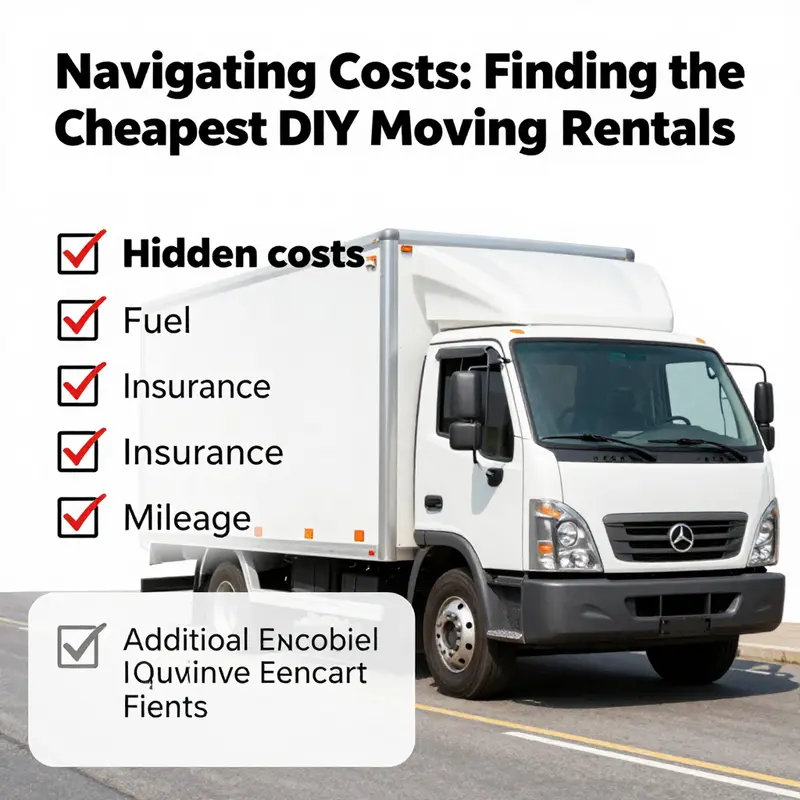
When you set out to move on a budget, the first price you notice in a rental agreement often looks promising—the base daily rate. Yet the real total rarely ends with that number. Hidden costs such as mileage overages, fuel surcharges, insurance add-ons, and drop-off fees can quickly raise the bill. The key is to request a detailed, itemized quote that lists the daily rate, included miles, per-mile charges for excess distance, fuel policy, taxes, and any miscellaneous fees. Compare quotes not only across platforms but also across depots, and confirm there are no location-specific surcharges. Choose the vehicle size that fits your load to avoid paying for unused space or extra trips. Plan your move to minimize driving, and limit optional add-ons to what you truly need. By reading the fine print and balancing base cost with likely extras, you can reach the cheapest feasible option without sacrificing reliability. For further guidance, see related resources on the topic: https://trucksdiy.com/blog/accessories/
null

null
Final thoughts
Selecting the best DIY moving truck rental option is not merely about finding the lowest upfront price; it requires a comprehensive understanding of the entire cost structure involved. By conducting a comparative analysis, recognizing the advantages of local versus national services, and being aware of hidden costs, business owners can navigate the landscape more effectively. User experiences further enrich this understanding, shining a light on the best choices available. Ultimately, making an informed decision can result in significant savings and a smoother moving process for your business.