
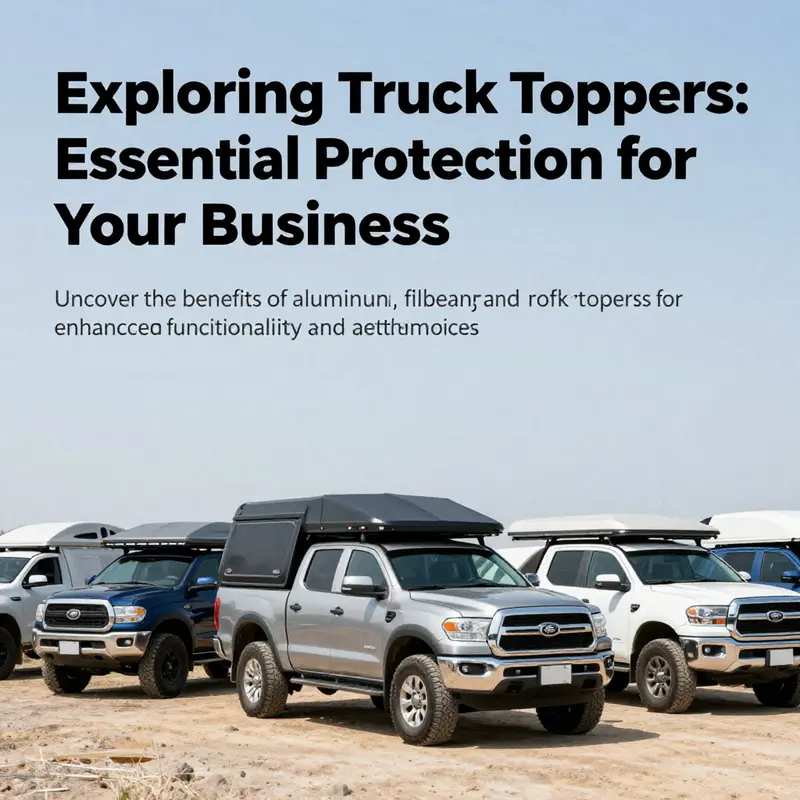
Truck toppers serve as invaluable tools for business owners managing cargo in pickup trucks. These coverings not only protect goods from weather elements but also deter theft, enhancing safety and security for businesses. This article delves into the features and benefits of three primary types of truck toppers: aluminum, fiberglass, and soft models. Each chapter will provide insights into the specific advantages that contribute to the overall effectiveness and utility of truck toppers, empowering you to make informed decisions for your vehicle and company needs.
null
null
Fiberglass Truck Toppers: Durability and Aesthetic Appeal of Truck Toppers
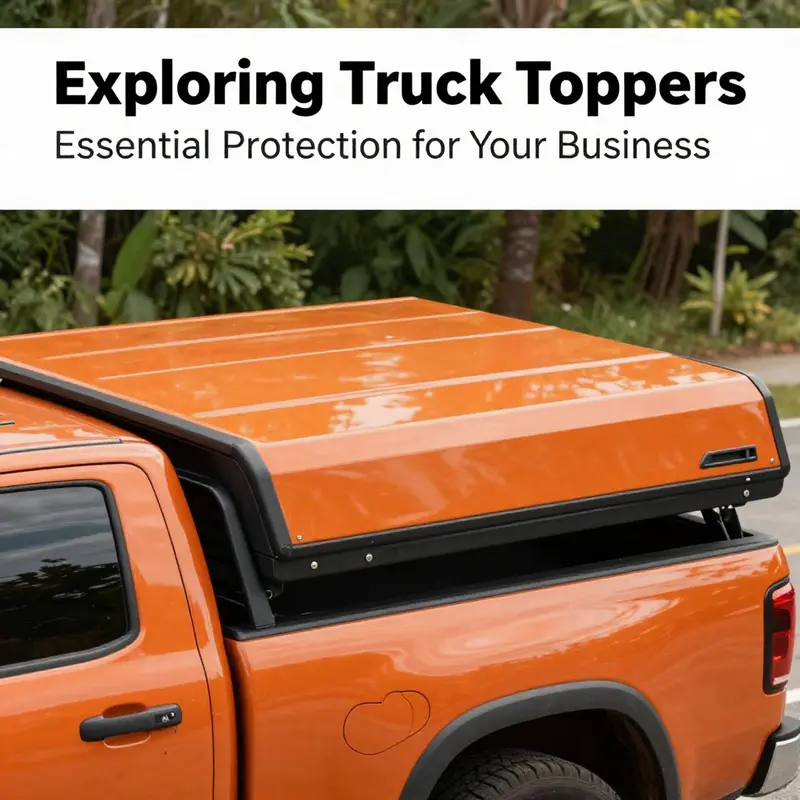
Fiberglass truck toppers sit at a compelling junction of utility and style, offering a compelling blend of protection, durability, and visual refinement for drivers who view the truck bed as more than a simple cargo space. They are not just bulky enclosures; they are integrated, weatherproof extensions of the vehicle, designed to enhance cargo security while preserving or even elevating the truck’s overall silhouette. In the broad conversation about what a topper should do, fiberglass toppers distinguish themselves through a combination of resilience and finish that can closely resemble a factory look. They offer a finishing touch that feels purposeful and well-considered, as if the bed was always meant to be capped in a seamless, purpose-built way rather than retrofitted after the fact. This marriage of form and function makes fiberglass toppers particularly attractive to owners who want a credible, long-lasting solution that does not sacrifice their truck’s aesthetic integrity for the sake of practicality.
Durability is the most immediate and durable language fiberglass toppers speak. The material itself—glass fibers bound with a resin system—delivers a high strength-to-weight ratio that translates into robust resistance to the kinds of wear that accompany daily use. In practical terms, a fiberglass topper resists denting from incidental impacts, a common concern for anyone parking in tight urban lots or hauling tools across rough terrain. The resistance to deformation is complemented by natural resistance to corrosion. Unlike metal toppers that can succumb to rust in wet climates or in road-salt environments, fiberglass maintains its surface integrity with less maintenance overhead. UV exposure, which can degrade weaker plastics over time, is typically mitigated through gel coats and protective finishes that can be either factory-applied or professionally applied to match the color and texture of the truck’s body. Those finishes aren’t merely cosmetic; they are part of a system that guards against chalking and color fading, extending the topper’s life and preserving its handsome appearance for years.
From a structural standpoint, fiberglass toppers tend to hold their shape better than soft-top alternatives while remaining far stiffer than canvas or basic fabric covers. The rigid shell resists warping under load and weather, which matters when the topper is carrying ladders, workbenches, or other equipment that might otherwise flex a softer cover and introduce gaps where water could seep in. This rigidity also contributes to a quiet ride on the highway. While some drivers worry that a hard shell adds wind resistance and noise, a well-designed fiberglass topper often presents an aerodynamically tuned profile that minimizes drag and reduces wind buffeting. When the surface is contoured to align with the truck’s lines, air flows more smoothly along the top, producing a calmer cabin experience at speed and helping to keep fuel consumption nearer to the baseline expectations for the truck on long trips.
The aesthetic appeal of fiberglass toppers is not incidental. They can be molded to achieve sleek, low-profile lines that sit flush with the cab and bed, creating a coherent, factory-like look. This is especially true when the topper is painted to match the truck’s color precisely or finished in a gel coat that mirrors the body’s texture but remains distinct enough to read as an add-on without appearing bulky. The customizability extends to texture options as well. For some owners, a smooth finish communicates elegance and restraint; for others, a lightly textured surface conveys durability with a touch of rugged character. Either approach can complement a wide range of truck styles, from sportier builds to work-ready configurations. The result is a topper that does not merely cover the cargo area; it visually completes the truck’s exterior, turning the bed into a purposeful, integrated part of the vehicle’s overall design language.
Customization is a defining trait of fiberglass toppers. Modern manufacturing methods enable precise molds that mirror the contours of specific truck models while allowing for practical enhancements. A topper can be molded to fit the exact bed geometry of a given pickup, ensuring that gaps are minimized and mounting points align with factory hardware or purpose-built brackets. Beyond fit, customization encompasses functional additions that elevate the topper’s utility. Integrated lighting, for instance, can be added in a way that illuminates the tailgate area and the surrounding workspace without creating glare for the driver. Ladder racks and workbenches are popular choices that transform the topper into a portable mobile workshop, while secure locking systems stitched into the design give owners peace of mind regarding the contents of the cargo area. These features are not merely add-ons; they are part of a cohesive system that aligns with a user’s workflow, whether in construction, farming, or outdoor recreation.
For buyers who view their topper as an extension of their professional identity, fiberglass offers a path to personalization without compromising the vehicle’s integrity. The color-matching process can produce a seamless finish that makes the topper look like a factory option rather than a retrofit. The same surface that supports a chosen paint or gel coat can be protected with a clear coat that resists chalking and scratches, preserving the topper’s luster with minimal upkeep. And because fiberglass responds well to spray applications, a customer can experiment with finishes that echo their branding, from subdued metallics to bold, high-contrast tones. The result is a topper that is not only a protective shell but a visual statement—an extension of the truck’s personality that communicates reliability, professionalism, and a commitment to quality.
The integration of features within fiberglass toppers often reflects a careful balancing act between form and function. Lightweight yet strong, the toppers can accommodate accessories that expand their usefulness without pushing the overall weight beyond practical limits. For contractors who haul heavy tools in urban environments, the ability to add a compact lighting system or a fold-out workbench without sacrificing road manners is highly valuable. For outdoor enthusiasts, the option of mounting a small rack or adding a weather-tight power port can transform the topper into a temporary base camp, ready to support cooking, charging, or equipment storage during weekend adventures. The ability to weave these practical elements into a single, cohesive enclosure is what elevates fiberglass toppers from mere cargo covers to integral components of a truck’s operating ecosystem.
In terms of maintenance, fiberglass toppers demand a disciplined approach, but one that pays dividends in longevity. Regular washing to remove dirt and salt is standard, with a periodic wax or polymer seal to maintain the surface’s gloss and protective barrier. If the gel coat or paint layer is damaged, careful color-matched repair work can restore the topper to its original appearance without requiring a complete repaint. Unlike metal toppers that may require anti-corrosion coatings after chips or scratches, fiberglass repairs are typically localized and manageable, allowing owners to address minor defects without expensive downtime. The repair process itself is relatively straightforward for a professional, but even at-home owners can perform small repairs with the right materials and patience, preserving both the topper’s look and its structural integrity.
From a pragmatic angle, the choice of fiberglass as a topper material is influenced by the kinds of environments and use cases most owners face. In wet climates or areas with high road salt exposure, the corrosion resistance of fiberglass is a meaningful advantage. For rural or industrial settings where equipment is frequently loaded and unloaded in abrasive or dusty conditions, the surface durability of a fiberglass shell paired with a robust sealant system helps keep the interior dry and dust-free. The topper’s rigidity supports larger loads and reduces the risk of shifting contents during transit, a feature that improves safety for drivers and protects inventory when stops are brief or roads are rough. These benefits do not come at the expense of convenience. A fiberglass topper remains accessible and user-friendly, with doors and hatches designed for smooth operation and keyed or electronic locking configurations that deter theft without complicating routine access.
A key consideration centers on payload and performance. The added weight of a fiberglass topper inevitably influences the vehicle’s payload capacity and, to some extent, its dynamic behavior. While the weight penalty is a trade-off many owners accept for increased protection and security, it is prudent to factor it into total cost of ownership. Vehicle dynamics may shift slightly with the topper installed, affecting braking distance and ride feel, particularly on older trucks or those with marginal suspension systems. In practice, these changes are manageable when the topper is properly mounted with attention to weight distribution and alignment with mounting points. A well-designed installation preserves the truck’s original geometry as much as possible, reducing the risk of squeaks, gaps, or misalignment that could compromise weather sealing or lock integrity.
The decision to adopt a fiberglass topper also interacts with other elements of the vehicle and its usage profile. For someone who uses the bed as a workspace, the topper can be configured with a tie-down system, a built-in bench or work surface, and a power source that keeps tools charged and accessible without opening the tailgate. For someone who simply needs weather protection and security on longer trips, the same shell can be paired with weatherstripping and a streamlined interior to maintain climate control and minimize condensation. The topper thus becomes a versatile partner in daily routines, not just a protective box in the back of the truck. In contexts like construction sites, rural farms, or expedition travel, fiberglass toppers can be integrated with a broader ecosystem of equipment, racks, and storage solutions, all designed to bolt onto the topper and work in concert with the truck’s existing payload and capabilities.
The narrative surrounding fiberglass toppers would be incomplete without acknowledging the practical realities of model compatibility and installation. Each topper is typically designed to fit a family of bed geometries rather than a single exact model year. This means installers and buyers must confirm bed width, tailgate design, and the presence of any factory features that might influence mounting points. When the fit is right, installation is straightforward, and the topper sits flush with the cab, creating a uniform line that reduces wind noise and streamlines maintenance. In cases where a bed has aftermarket components such as sensor systems or specialized cargo rails, a custom mounting solution may be required to preserve all protective features. The goal is a secure, weather-tight seal that remains reliable in changing climates and long-term exposure to sun and rain. The process preserves not only the topper’s function but the truck’s resale appeal; a topper that looks like a natural extension of the vehicle is often more attractive to buyers who value a cohesive, well-kept appearance.
This is where the broader question—are truck toppers worth the investment—gets a nuanced answer when the topper is fiberglass. For many owners, the value proposition lies in resilience, finish, and functional versatility. The topper’s ability to keep tools, equipment, and gear dry and secure contributes to a lower risk of loss and damage, which translates into tangible savings over time. The enhanced aesthetics, meanwhile, can preserve or even improve the truck’s perceived value. When one pairs these benefits with the capability to add integrated features that support a given workflow, fiberglass toppers emerge as a mature, sophisticated option that aligns with professional standards and personal expectations alike.
To connect this discussion to the broader ecosystem of vehicle accessories and to help readers navigate the landscape of enhancements, consider exploring the general accessories guide for trucks. It offers context on how toppers can complement other improvements, from lighting to power systems to mounting solutions. truck accessories provides a portal into the wider world of truck enhancements and can help readers place fiberglass toppers within a holistic approach to vehicle customization.
In sum, fiberglass toppers fuse durability with elegance in a package that respects the truck’s lines while delivering practical advantages for protection, security, and daily use. They are not merely protective shells; they are extensions of the truck’s capability, designed to endure the elements and still look sharp while supporting a range of professional and recreational activities. The decision to choose fiberglass rests on a thoughtful assessment of environment, workload, and aesthetic preference. When these factors align, fiberglass toppers offer a compelling blend of lasting performance and refined appearance that reinforces the sense that the truck is purpose-built for the road ahead. For readers weighing their options, the enduring question is not simply whether a topper is useful, but whether fiberglass as a material choice best captures their balance of grit and polish, utility and form. As the discussion evolves in later chapters, the conversation will broaden to consider the other materials and configurations available, but the unique resonance of fiberglass remains a powerful argument for drivers seeking a durable, stylish, and integrated solution for their truck bed.
External perspective can deepen this understanding. For a more granular technical analysis of fiberglass topper performance, researchers and practitioners point to specialized overviews that examine material properties, structural behavior under load, and long-term durability benchmarks. See a detailed external resource for a technical deep dive into fiberglass topper standards and performance analysis: https://www.truckaccessoriestoday.com/fiberglass-truck-topper-standards-and-performance-analysis.
Soft Truck Toppers: Flexible, Budget-Friendly Coverage for Everyday Hauls
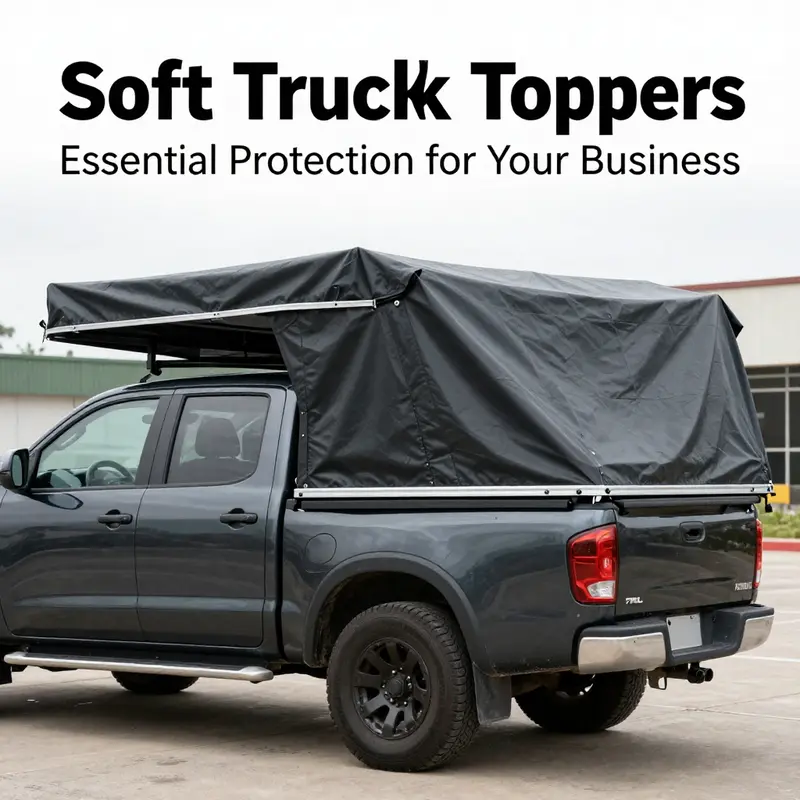
Soft truck toppers present a practical philosophy within the broader world of truck toppers. They champion a lightweight approach to cargo protection without demanding the higher price tag or heavier installation of rigid shells. For many truck owners, the soft top is not just a protective cover; it is a modular mindset that adapts to changing needs, seasons, and budgets. This chapter weaves together the material realities, design decisions, and everyday tradeoffs that shape the appeal of soft toppers. It reveals why, in a marketplace crowded with hard-shell options, the soft variant remains a lasting choice for those who value flexibility, speed, and cost efficiency as they navigate the demands of daily use and occasional adventures.
At the core of soft toppers is a straightforward idea: fabric, not metal, shields cargo. The primary materials are weather-resistant vinyl fabrics, which provide resistance to rain, snow, and sun while remaining relatively light. This fabric is typically stretched over a frame that can be aluminum or steel. The frame gives structure so that the tarp-like material stays taut and secure along the bed rails and tailgate. The choice between aluminum and steel for the frame matters in practice. Aluminum frames tend to stay lighter and resist corrosion, a feature that matters in misty coastal climates or places where road salt is common. Steel frames, while heavier, can offer robust rigidity that some users appreciate in rugged environments. The balance between weight, strength, and resilience informs how easy it is to install, remove, or reconfigure the topper for different loads or storage situations. The end result is a cover that provides shelter without turning the bed into a rigid, wind-blown space that restricts quick access to tools, gear, or supplies.
Weather resistance is a defining attribute of soft toppers. The vinyl fabric is designed to repel water and to shed wind-driven rain rather than create a bulky seal. Even when fully deployed, the soft topper leaves gaps and vents that are inevitable with flexible systems. Yet those gaps rarely translate into leakage when the system is properly tensioned and installed. The fabric can be treated with waterproof coatings that extend the water-repellent lifespan and help shed sleet or light snow in shoulder seasons. The result is a cover that keeps most weather at bay while preserving the bed’s open versatility. A key nuance here is maintenance: vinyl surfaces tend to accumulate dust, sap, pollen, and street grime. Regular cleaning with mild soap and water helps maintain both the fabric’s appearance and its protective performance. Unlike rigid shells, soft toppers also demand attention to the integrity of seams, zippers, and frame joints, which can wear with repeated use or exposure to UV light.
The design philosophy of soft toppers emphasizes ease of use. Installation and removal are guided by a logic of quick access and minimal fuss. The framework is often designed to latch onto the bed rails without specialized tools. Some systems rely on clamps or simple strap mechanisms that can be engaged or released in minutes. The human factor—how a person actually handles the topper in driveway, field, or campsite—drives a lot of the product design. A flexible, forgiving frame makes it easier to fit uneven bed surfaces, accommodating a range of truck models without requiring exacting measurements. The ease of operation is a critical part of the value proposition. It means a truck owner can deploy the topper for a weekend trip, and revert to an open bed for hauling bulky items on a weekday, all without a trip to a workshop.
Durability is a layered consideration with soft toppers. Modern vinyl fabrics are reinforced with coatings that resist abrasion and tearing. Some models incorporate polyurethane coatings on the fabric to improve weather resistance and reduce UV degradation. Reinforced seams and sturdy zippers are common upgrades that extend long-term use. Tear resistance is particularly important in environments where loading involves sharp-edged or heavy items. The zipper systems used to enclose panels or access doors are designed to tolerate repeated operation. Still, like any fabric system, soft toppers are susceptible to wear from repeated folding, stretching, and exposure to harsh elements. Prospective buyers often weigh the tradeoff between peak durability and price, recognizing that the soft topper’s fabric-centric construction can be a practical compromise in return for lower upfront costs and easier maintenance.
Affordability is the most tangible advantage of soft toppers. They typically cost far less than rigid toppers and can be installed by the vehicle owner with minimal tools. This accessibility broadens their audience: budget-conscious buyers, seasonal users, and those who value lightness and portability over maximum insulation or security. The budget-friendly aspect does not erase value, however. A soft topper can dramatically improve protection from precipitation and sun exposure, reduce dust intrusion, and add a layer of security against casual theft. It also enables a broader group of people to experiment with cargo protection without committing to a long-term, high-cost solution. The affordability often increases the likelihood that a truck owner can adopt a protective solution for part of the year, then reassess as needs shift.
If you pause to compare soft toppers with hard-shell variants, the differences become clearer through practical lenses. Hard shells offer superior insulation and a more rigid, often more secure enclosure, which matters for security against determined theft and for climate control in extreme weather. Soft toppers, by contrast, trade some of that warmth and rigidity for lighter weight, easier handling, and lower costs. The insulation gap is real; soft toppers are generally not as effective at keeping interior temperatures steady in extreme heat or cold. That has practical implications when owners use the bed as a workspace or living area in adverse conditions. Some users compensate with reflective coatings on the fabric, additional insulation layers, or complementary systems that cover exposed areas. These adjustments reflect a recurring theme in the soft topper story: maximal flexibility comes with the need for thoughtful, adaptive use cases.
From a design perspective, soft toppers are often modular. They can be configured to accommodate different cab heights, tailgate styles, and bed lengths. The modularity benefits seasonal usage: in milder months, owners may opt for a lighter configuration that preserves bed openness; in wetter seasons, they may tighten the system for a snugger fit. This adaptability makes soft toppers appealing for individuals who cycle through varied weather patterns or who need a single solution that spans multiple tasks, from daily commutes to weekend adventures. The same modular spirit also supports occasional customization. Panels can be added or removed, and the fabric can be replaced if wear becomes noticeable—an option that keeps ongoing ownership costs reasonable and predictable.
Maintenance practice, while straightforward, matters in the day-to-day reliability of soft toppers. The vinyl fabric benefits from relatively simple upkeep. A routine wipe-down helps prevent staining and reduces the accumulation of grime that can degrade the fabric over time. While the frame tends to require less frequent attention, it still benefits from periodic inspection. Check points include frame joints for looseness, fastening straps for fraying, and zippers for smooth operation. The annual or semi-annual check becomes a form of preventive care that keeps the topper performing as intended. For frequent seasonal storage, owners often remove the topper, clean both fabric and frame, and store components in a dry, ventilated space. Proper storage is a quiet but meaningful investment in longevity, ensuring that the next deployment is as efficient and effective as the first.
The decision to choose a soft topper is as much about lifestyle as it is about technical specification. For urban dwellers or people with limited garage space, a light and easily removable cover is a practical dream. It lets the truck remain usable for a wide range of tasks, from moving furniture to carrying gear to daily errands. For rural or outdoor-oriented users, the topper offers quick shelter for tools, spare parts, or camping gear while remaining simple to roll back when needed. The upbeat promise of soft toppers is not that they conquer every possible scenario; it is that they empower a broad set of everyday tasks with a ready-made protective layer that is not onerous to deploy or maintain. This balance of function and form is at the heart of why soft toppers endure as a core option in the truck-topper market.
From a procurement standpoint, the soft topper story aligns with accessibility and flexibility. The initial investment is modest enough to fit within varied budgets, yet the system is robust enough to handle routine protection across multiple seasons. The materials, while not as impervious to weather as rigid shells, provide sufficient protection for most everyday uses. This is particularly true when users pair a soft topper with prudent driving and loading practices. The topper’s lightweight nature reduces wear on the truck’s tailgate and bed rails, which can translate into lower maintenance needs in the long run. In addition, soft toppers often come with a broad set of mounting options designed to accommodate common bed configurations. Compatibility considerations—such as bed width, rail style, and tailgate design—shape the final fit, but the general approach remains forgiving enough to suit a wide spectrum of models.
Another practical dimension concerns the security profile of soft toppers. While no fabric system can match the deterrence of a rigid shell, soft toppers can still provide meaningful protection against weather-driven damage and opportunistic theft. Zippers are a common point of vulnerability, so manufacturers reinforce them with heavy-duty designs and seal features. Straps and fasteners are typically weather-sealed to minimize rust and degradation. Owners may add extra layers of security, such as lockable tailgates or auxiliary locks on the topper’s frame connectors. These measures reflect a layered approach to protection: a combination of weather resistance, physical security, and practical accessibility. In daily life, soft toppers strike a balance that often aligns with practical routines rather than optimizing for a single, extreme scenario.
The soft topper conversation also intersects with broader trends in the pickup-truck ecosystem. Many owners aim to maximize payload versatility—the ability to transport everything from groceries to equipment to camping gear without committing to a more permanent or elaborate solution. The soft topper supports this goal by preserving bed usability when the need is minimal and by offering a shield when rain or sun threatens items left in the bed. This kind of flexibility is increasingly valued by owners who want to optimize their vehicle for a mix of work and leisure. It also dovetails with the broader ecosystem of accessories that enhance cargo management. Accessories around the topper—like side panels, rear curtains, or removable dividers—can extend functionality further while staying faithful to the lightweight, adaptable ethos that defines soft toppers. For readers who want to explore broader options for truck bed accessories, the Accessories archive provides a broad catalog of related ideas and possibilities. The archive can help readers situate the soft topper within a wider toolkit for cargo protection, organization, and efficiency.
In considering the full spectrum of truck toppers, it helps to imagine how soft toppers relate to the practical realities of ownership. The decision to go soft hinges on several questions: How often will the bed be fully enclosed? Do weather patterns favor quick setups and takedowns? Is budget a primary constraint, or is long-term durability the central concern? Will the user need to store or relocate the topper seasonally? Answering these questions often leads owners to a straightforward conclusion: for many daily users, the soft topper delivers a compelling combination of protection, ease, and value. It is a solution that respects the realities of urban garages and rural driveways alike, acknowledging that the best choice is the one that aligns with actual use rather than theoretical perfection.
Ultimately, the soft topper story is one of practical pragmatism. It stands as a reminder that the most effective cargo protection does not always equal the most expensive or the most rigid. The fabric might wear sooner than a metal shell, but the savings in weight, cost, and flexibility can far outweigh the downsides for a large swath of truck owners. The soft topper is not a one-size-fits-all answer; it is a concrete option that, when chosen with attention to materials, climate, and use case, offers a reliable, efficient way to shield cargo without turning the truck bed into a rigid, purpose-built chamber. It invites readers to weigh their own needs against the realities of daily life and to choose a solution that fits both the truck and the tasks it is asked to perform.
For readers who want to explore wider options in the truck-accessories space, the broader category of options under the accessories umbrella can yield ideas that complement a soft topper. A good starting point is the Accessories archive, which gathers a range of add-ons designed to optimize cargo handling, securement, and protection. This resource can help readers imagine how a soft topper might work in concert with other tools, such as rack systems, tool storage solutions, or cover-enhancement accessories. The goal is not to lock in any single configuration but to enable thoughtful experimentation with what actually gets loaded, stored, and protected on a regular basis.
Externally, a growing body of industry guidance underscores the practical value of soft toppers for many owners. The literature highlights that flexible covers can be deployed rapidly, adapted to seasonal weather, and repaired without specialized equipment. While the specifics of climate and load must be weighed against the design, the overarching message remains clear: soft toppers are a viable, economical path to enhanced cargo protection and vehicle utility. This perspective aligns with the lived experiences of many truck users who value speed, simplicity, and cost efficiency as much as durability. For a broader sense of how soft toppers fit into the evolving landscape of truck cargo protection, readers may consult external resources that discuss the selection process and performance considerations in depth. As with any decision about a vehicle accessory, the best choice is rooted in real-world needs and practical outcomes rather than marketing promises.
External reading: For a detailed discussion of soft toppers and how users evaluate them against hard-shell alternatives, see the Car and Driver soft topper selection guide. It provides additional context about insulation, headroom, and performance tradeoffs in real-world usage: https://www.caranddriver.com/truck-toppers/soft-top-selection-guide
Final thoughts
Selecting the right truck topper is crucial for business owners aiming to protect their investments and enhance the functionality of their trucks. Aluminum toppers offer unparalleled durability and resistance to outdoor elements, fiberglass models fuse durability with aesthetic appeal, and soft toppers provide a flexible and affordable option for varying needs. Each type presents unique advantages that can significantly enhance a business’s operations and security. An investment in the right truck topper pays off by providing reliable protection and expanded capabilities, ensuring that goods are transported safely and efficiently.