
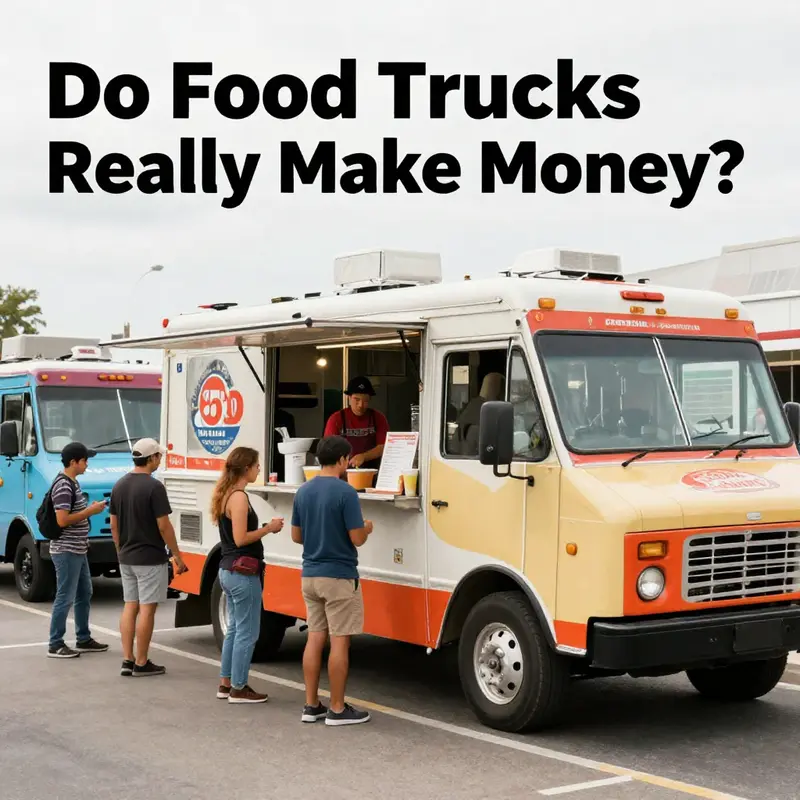
The allure of food trucks continues to grow, drawing entrepreneurs eager to tap into its vibrant food scene. However, as business owners dive into this culinary venture, the question arises: do food trucks really make money? This exploration reveals that profitability is possible but hinges on various factors including revenue models, operating costs, the significance of location, and successful marketing strategies. Each aspect contributes to understanding the broader narrative of financial viability for food trucks, guiding aspiring truck owners to make informed decisions.
Revenue on the Run: How Food Trucks Make Money Through Pricing, Costs, and Smart Growth
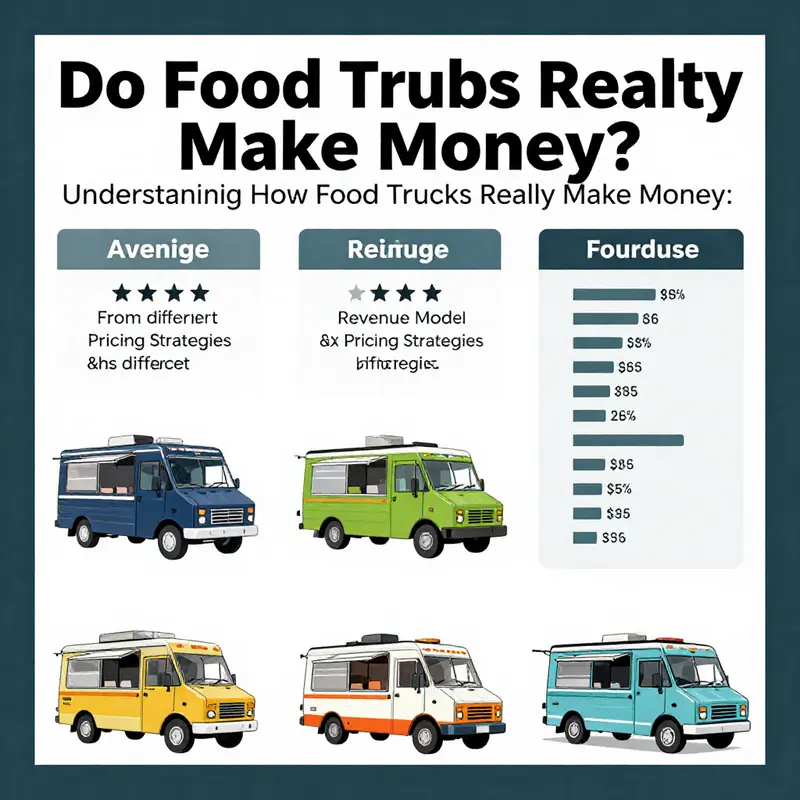
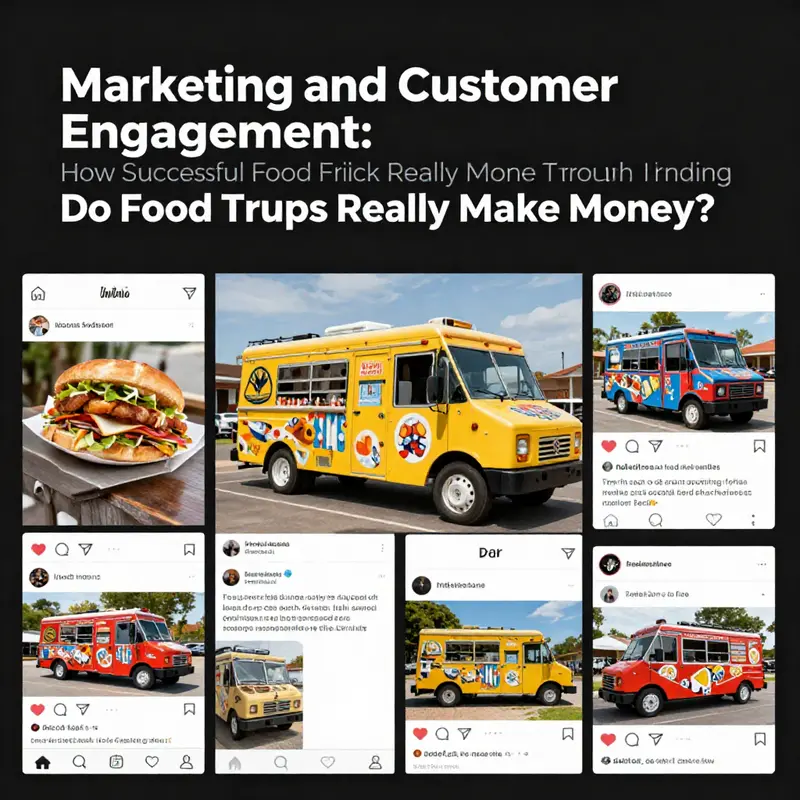
A food truck saga hinges on more than a single menu or a clever recipe. It unfolds as a system where location, pricing, costs, branding, and rapid adaptation all intersect. The question do food trucks really make money has a practical answer: yes, they can, but only when the business model is kept honest, costs are controlled, and revenue streams are broadened beyond daily sales. Across the industry, a consistent pattern emerges. Trucks that optimize where they operate, what they charge, how they manage inputs, and how they connect with customers tend to move toward solid profitability even in markets that feel crowded. In recent years, the financial picture has become clearer. A well-managed truck in the United States often lands somewhere in the range of substantial annual revenue, and when the operation leverages a strong online presence and targeted marketing, margins can widen. The possibility isn’t a fluke; it’s a function of disciplined planning and disciplined execution. \n\nThe starting point is location and demand. High-traffic zones—city centers, business districts, and venues that attract large crowds—create the impulse for quick, repeat purchases. The real pressure point isn’t just foot traffic; it is the ability to convert that traffic into reliable daily revenue. Within that dynamic, the cost structure of the operation matters as much as the price tag on the menu. Fuel, insurance, permits, maintenance, and inventory all chip away at bottom-line results. Even so, when a truck blends efficiency with a compelling concept and a steady stream of customers, profitability grows. A credible frame of reference from industry research shows that the average annual revenue for a well-managed truck sits in the six-figure ballpark, and for trucks that scale well, revenue can push higher when they expand to events, catering, or multiple locations. This is not a tale of overnight riches; it is a story of cumulative, measured gains built on repeatable processes. \n\nA core element of profitability is the food cost, which establishes the baseline for margin. Operators typically target food costs in a band between roughly 28 percent and 35 percent of sales. Staying within that band requires vigilant supplier relationships, precise recipe control, and disciplined portioning. When the food cost percentage drifts toward the upper end, pricing, yield management, or portion adjustments become pressing priorities. Conversely, keeping costs lean opens room to invest in marketing, better equipment, or more favorable locations. In practice, price is not simply a sticker value; it is a lever that reflects perceived value and market demand. The most successful trucks learn to align price with what customers believe they are getting, not just what the menu items cost to prepare. \n\nPricing strategies lie at the heart of the revenue engine. Value-based pricing anchors prices to the customer’s perceived worth, which means building a menu that clearly communicates quality, portion size, and unique flavor. If a dish earns enthusiastic word-of-mouth and a repeat purchase, its price can reflect that value without losing price-sensitive customers. Dynamic pricing takes this a step further by adjusting prices according to location, time, and demand. Think of raising prices during peak lunch rushes or at festival days when the crowd size spikes. The key is to maintain a sensible relationship between price and value while monitoring how customers respond in real time. Bundling is another effective tactic. A well-constructed combo—the popular items joined at a slightly lower price than purchasing items separately—can lift average order value without eroding margins. Bundles also help streamline kitchen operations, which can reduce waste and shorten service times, further supporting profitability. \n\nBeyond price psychology, the financial planning backbone for a food truck is a robust, multi-year model. A forward-looking forecast helps operators map revenue against fixed and variable costs, plan for inventory and staffing cycles, and test different growth scenarios. In some analytical scenarios, a Year 1 revenue forecast of around six hundred ninety thousand dollars has been explored, paired with an internal rate of return of about six percent and a minimum cash requirement just over three hundred thousand dollars. This kind of model isn’t a guarantee but a disciplined forecast that informs decisions about inventory levels, staffing, and marketing budgets. When operations use such financial planning tools, they can anticipate cash flow gaps, schedule capital expenditures, and protect against seasonal lulls. The practical takeaway is that a truck is not just a vehicle; it is a small, dynamic business ledger that travels. \n\nRevenue diversification is where many successful operators find resilience. Daily sales form the core, but events and catering create substantial lift. Participating in special events can introduce new customer segments and higher-ticket orders, while dedicated catering services open doors to corporate functions, private parties, and weddings. Merchandise—branded items such as apparel or accessories—adds another revenue line that supports brand loyalty and provides a margin buffer during slower periods. Each revenue stream has its own cost and operational considerations, so integration requires careful planning. A cohesive approach to revenue recognizes that the truck’s value proposition extends beyond the day’s menu. It becomes a brand experience that travels with the team. \n\nOperational discipline matters just as much as creative cooking. The initial investment to launch a truck commonly falls in a broad range, often cited as fifty thousand to one hundred thousand dollars. This envelope covers the vehicle, essential kitchen equipment, permits, and initial inventory. It is not the end of the line; ongoing expenses—fuel, insurance, maintenance, and food ingredients—continue to shape profitability. The ongoing cost structure should be managed with the same rigor applied to pricing. When a truck optimizes fuel efficiency, minimizes waste, and leverages reliable suppliers, margins improve. A lean operation can redirect more dollars toward marketing and customer experience, which in turn boosts repeat business and organic growth. \n\nBranding and marketing emerge as critical multipliers in this story. A strong brand helps customers recognize and remember the truck, which reduces marketing friction and increases price tolerance. Digital channels, especially social media, can amplify word-of-mouth momentum at a relatively low cost. The best operators treat marketing as an ongoing investment, not a one-off expense. They measure engagement, test campaigns, and use data to refine menus and positioning. In a market where choices are plentiful and competition is intense, the ability to communicate consistent value quickly translates into faster sales and higher margins. \n\nThe journey from a single truck to a scalable business is often paved by a willingness to adapt. The most enduring success stories in this space involve brands that have evolved beyond the street corner, expanding into additional locations or leveraging their concept into a stationary restaurant format. The underlying lesson is simple: profitability compounds when you keep adjusting to consumer trends, manage overhead prudently, and select sites that maximize demand while containing operating friction. This is not a destiny shared by every operator, but it becomes more likely for those who treat the truck as a vehicle for growth rather than a short-term venture. \n\nTo connect the tangible with the practical, consider how equipment decisions and layout choices feed into the bottom line. A well-planned kitchen and service area can reduce labor hours, enable faster service, and improve order accuracy—all of which lift customer satisfaction and repeat business. Even seemingly small choices, such as where to locate the service window or how to stage prep tasks, can influence throughput during peak periods. For operators looking to optimize, a practical touchpoint is the broader ecosystem around the truck, including accessories and upgrades that support efficiency and reliability. An overview of gear options and layouts can be found in the Accessories section of industry resources. Accessories \n\nAs operators consider these elements, the question of profitability becomes clearer: money flows where value, cost control, and demand converge. The math is not mystic; it is a disciplined application of pricing strategy, cost management, and revenue diversification. When a truck aligns its cost structure with customer willingness to pay, and when it leverages events, catering, and merchandising to broaden revenue horizons, it creates a durable margin that can sustain growth. It is not merely about selling more tacos or bowls; it is about selling a consistent, repeatable experience that people seek out and recommend. This is where the science of pricing meets the art of hospitality, and where a mobile kitchen earns its keep by delivering value wherever the crowd gathers. \n\nFor readers seeking a more analytical treatment of pricing that translates to real-world results, there are data-driven guides and case studies that illustrate how pricing strategies translate into measurable gains. While the exact numbers will vary by market, the principle remains: deliberate pricing, tight cost control, and diversified revenue streams create resilience and upside. By combining a thoughtful cost base with value-based and dynamic pricing, supported by a clear marketing plan and a reliable supply chain, a food truck can transform from a seasonal curiosity into a dependable, year-round business. \n\nExternal resource: for a deeper, practitioner-oriented look at pricing strategies and their impact on sales in the food truck sector, see the article on boosting truck sales with effective pricing strategies at https://www.linkedin.com/pulse/boost-food-truck-sales-effective-pricing-strategies-james-martin
null
null
Geography as a Profit Engine: Location, Velocity, and the Food Truck
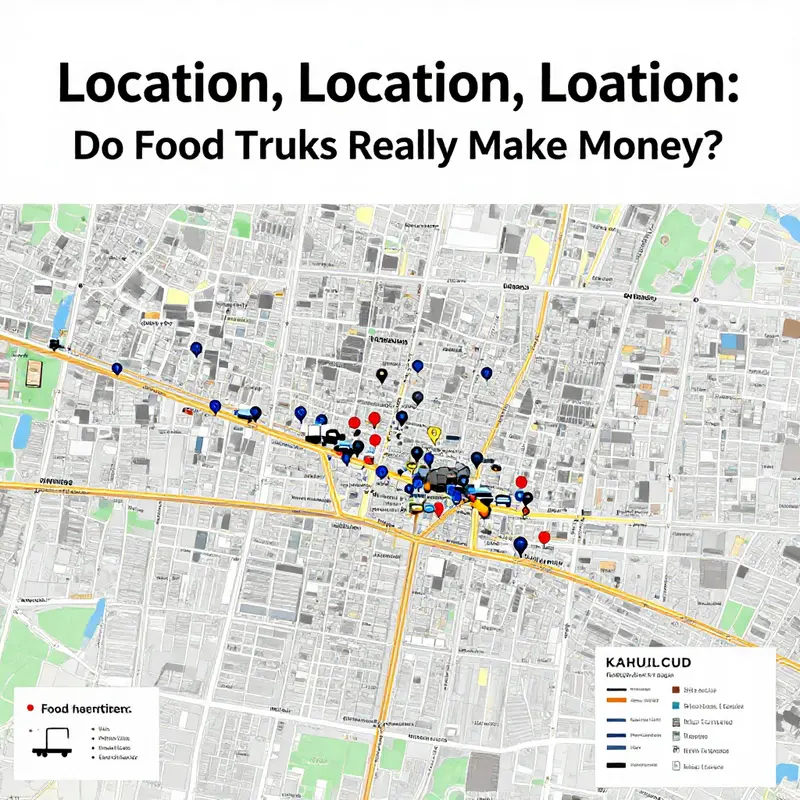
Location is not just backdrop for a food truck; it is the engine that powers revenue. By aligning routes with daily rhythms, events, and regional tastes, operators turn foot traffic into predictable sales. This chapter explains how density, timing, and local context shape demand, and how data-driven routing helps trucks chase peak moments while controlling costs. From office corridors to campus clusters and festival avenues, the right spot magnifies quality, speed, and margins. Practical steps include mapping high-traffic corridors, testing adjacent zones, and using real-time sales heat maps to reallocate miles and menus without sacrificing consistency.
null
null
Final thoughts
In summary, while food trucks do have the potential to generate significant profits, their success hinges on several interconnected elements. A thorough understanding of revenue models, diligent financial management, strategic location choice, and compelling marketing are crucial. Business owners entering this industry must be prepared to navigate these complexities to maximize their chances of success. The path can be rewarding for those equipped with knowledge and adaptability, illustrating that profitability in the food truck business is achievable.