

Understanding the Importance of Concrete Yards in a Cement Truck
For business owners, whether you’re running a construction company, managing roadwork projects, or even overseeing landscaping, knowing how many yards of concrete a cement truck can hold is crucial to your operational efficiency. Understanding concrete quantities aids in precise project planning, accurate cost estimation, and timely execution, all of which can significantly impact your bottom line. If you’re underestimating or overestimating the amount needed, you risk either wasting resources or delaying your project due to inadequate supply. Cement trucks typically carry 8 to 10 yards of concrete, but varying truck sizes and local regulations can affect this figure. Therefore, familiarizing yourself with this vital information not only streamlines your project logistics but also ensures customer satisfaction. For more insights on maximizing your equipment’s efficiency, you might find it useful to check out our article on truck accessories or learn how proper tools can help manage your project better with options like liftgates.
Whether you’re planning a single-family home build or expansive urban development, understanding how to calculate concrete needs accurately starts with knowing your truck’s specifications. Armed with this knowledge, you can confidently approach any project with the right resources, ensuring that you get the job done efficiently and successfully.
Understanding Concrete Quantities in Cement Trucks
When it comes to construction projects, particularly those involving concrete, knowing how many yards of concrete are typically found in a cement truck is essential for efficient planning and execution. On average, standard concrete trucks carry between 8 to 10 cubic yards of concrete, though the actual capacity can vary significantly depending on the truck model and its intended use. This volume range translates to approximately 6 to 7.6 cubic meters.
Typical Truck Capacities
The capacity of a concrete truck can vary based on several factors:
- Standard Models: Most commonly, you’ll see trucks with capacities of 8 to 10 cubic yards, which are prevalent in residential and commercial construction projects.
- Specialized Trucks: Larger concrete trucks can hold up to 14 cubic yards of concrete, which are often used for larger construction jobs where significant amounts of concrete must be poured quickly.
Below is a bar chart illustrating the distribution of concrete capacities found in typical cement trucks:

| Capacity (Cubic Yards) | Frequency/Description |
|---|---|
| 2 | Rare, specialized use |
| 4 | Less common |
| 6 | Uncommon |
| 8 | Most common |
| 9 | Most common |
| 10 | Most common |
| 12 | Common |
| 14 | Less common, large jobs |
Note: The most typical capacities for standard cement trucks fall within the 8 to 10 cubic yard range, with a broad operational range from 2 to 14 cubic yards depending on truck size and job requirements.
Relevance to Businesses
Understanding the capacity of a cement truck is crucial for business owners in the construction sector. Accurately estimating the quantity of concrete needed helps in:
- Budgeting: Knowing how many yards you’ll require ensures you don’t over-order and waste money.
- Scheduling: Concrete trucks can be scheduled according to project requirements, minimizing downtime and ensuring projects are completed on time.
- Project Scalability: If a project demands more concrete than initially planned due to changes in design, knowing the truck capacities allows for quick adjustments to be made.
In summary, for business owners in construction, familiarizing yourself with the concrete quantities per truck helps streamline operations and improve efficiency. For further insights on equipment that can aid in concrete transportation, check out this resource for the latest in truck accessories.

This graphic illustrates a cement truck with labeled sections, indicating its concrete capacity in yards. It’s aimed at helping business owners understand how much concrete they can transport in one load. For further insights on truck accessories related to cement trucks and more, be sure to check additional resources.
Factors Affecting Concrete Yield in Cement Trucks
When it comes to the yield of concrete from a cement truck, several factors come into play that can affect the amount of concrete delivered. Here is a summary of key factors:
-
Truck Size and Capacity: The design and capacity of the truck dictate how many cubic yards of concrete it can hold. Most standard concrete trucks can carry between 8 to 12 cubic yards of concrete, but larger models can sometimes hold up to 14 cubic yards.
-
Mix Design: The specific mix design, which includes the proportions of cement, aggregates, water, and additives, significantly influences the yield. Changes in the mix can lead to either increased or decreased effective volume.
-
Water Content: Excess water in the mix can dilute concrete, resulting in a lower yield. The water-cement ratio is critical for ensuring the final volume is maximized without compromising strength.
-
Air Content: Higher air content can also reduce the volume of solid concrete delivered. Proper air entrainment is essential to maintaining the desired properties without sacrificing yield.
-
Type and Grading of Aggregates: The characteristics of the aggregates, such as size and shape, play a role. Coarser or poorly graded aggregates may require more cement paste, diminishing the yield.
-
Transport Conditions: Factors such as haul time and ambient temperature can impact the concrete’s consistency and yield. For instance, longer transport time in hot conditions can lead to evaporation and slump loss.
-
Equipment and Maintenance: Proper functioning equipment (drum condition, rotation speed) affects yield. Leaks or mechanical failures can result in slurry loss, which directly decreases the amount delivered.
-
Batching Errors: Inaccuracies during the batching process can lead to inconsistent yields. Ensuring proper measurement and mixing is critical.
For a detailed understanding of these factors and their implications, you can explore the following resources and technical reports.
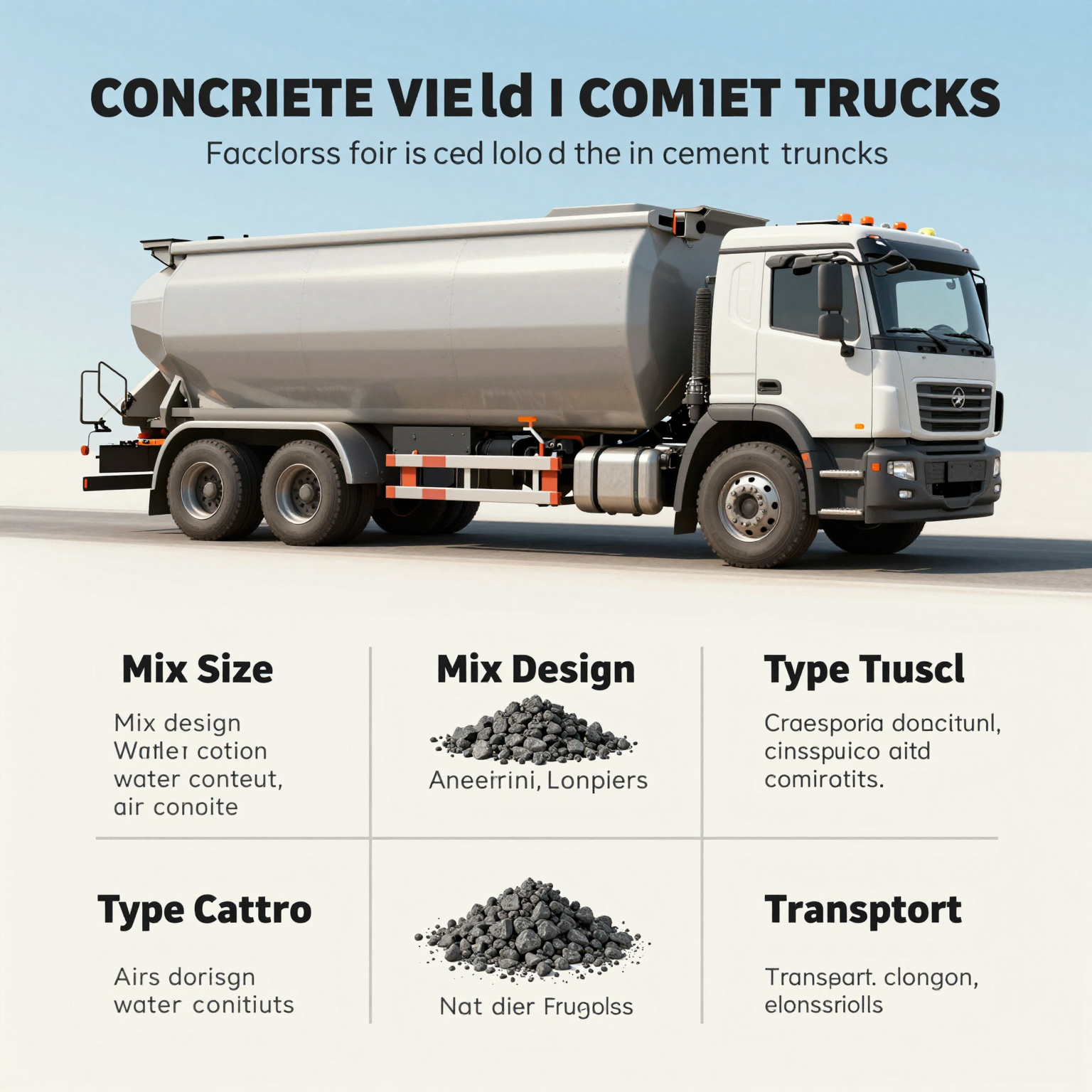
Understanding these factors can help business owners ensure that they optimize concrete yield, reduce waste, and ensure successful project completions.
User Testimonials on Concrete Delivery
The experience of concrete delivery can make a significant impact on project timelines and overall costs. Here are a few testimonials from users who have shared their experiences:
“We faced significant delays due to late concrete deliveries. A single day’s delay increased our labor costs by $15,000 because crews were left idle.”
- General Contractor, Construction Network (source)
Many users highlight the importance of reliable deliveries to keep projects on schedule. A recent compilation of customer reviews on Trustpilot revealed that while some found providers dependable:
- “Our concrete arrived on time, allowing us to stay within budget and finish ahead of schedule.”
- “However, others reported that concrete delays caused costly work stoppages, even leading to additional rush charges.”
“Late deliveries led to unforeseen increases in overall project costs, which impacted our budgets significantly.”
- Project Manager, Residential Construction (source)
Moreover, a case study from Construction Dive emphasized the financial ramifications of delivery delays:
“One delayed delivery halted our project for five days and resulted in over $11,000 in unnecessary expenses from labor and equipment rentals.”
- Residential Builder (source)
The testimonials underline the need for dependable concrete delivery services to maintain operational efficiency and cost-effectiveness. As these experiences show, timely delivery is not just a matter of convenience, but a critical component for business success in construction.

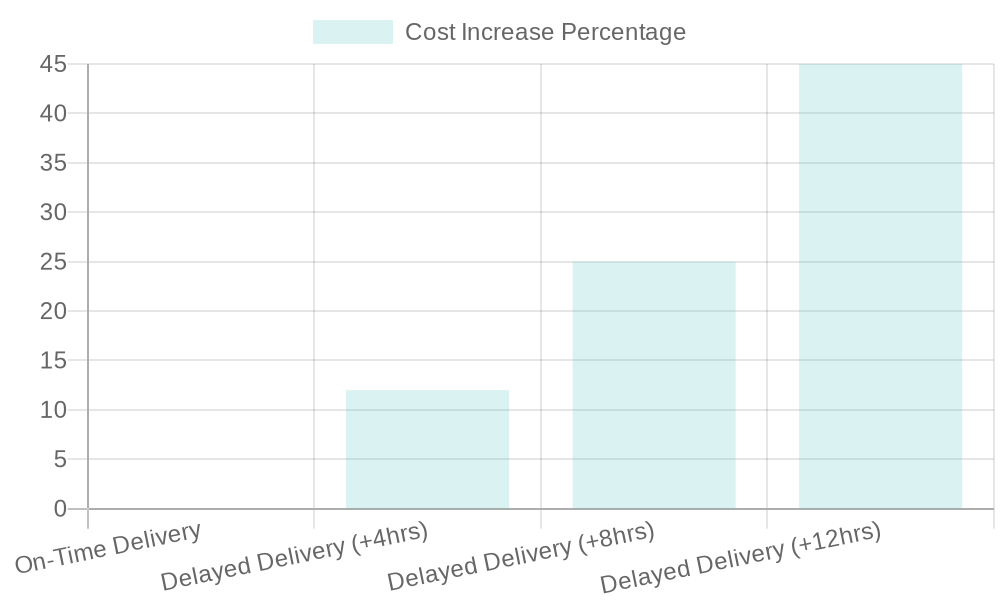
Here’s a graph illustrating the increasing costs associated with delayed concrete deliveries, accentuating the importance of maintaining a reliable delivery schedule:
Table showing the cost impact of concrete delivery:
| Project Delay Impact | Cost Increase ($) |
|---|---|
| No Delay | $0 |
| Delay of 1 Day | +$800 |
| Delay of 2-3 Days | +$1,600 |
| Delay of 5 Days or More | +$3,000+ |
By growing awareness of these testimonials, business owners can better assess the implications of concrete delivery for their projects and make informed decisions to enhance efficiency.
For more insights on truck accessories that could improve your delivery service, you can learn more here.
Effective concrete delivery logistics are crucial for ensuring the success of any construction project. From transportation processes to timing considerations, several factors influence how concrete is delivered, impacting project timelines and budgets.
Transportation Process
The journey of concrete begins at the batching plant, where it is mixed to meet specific project requirements. Once ready, the concrete is loaded into specialized trucks known as mixer trucks, which keep the concrete in a highly mobile state. This involves a rotating drum that continues to mix the concrete during transportation to prevent it from hardening.
As the concrete truck arrives at the job site, there are critical aspects to consider:
- Preventing Segregation: It is essential for the concrete to be transported without experiencing segregation (the separation of aggregates). Proper loading techniques and timely dispatch can help maintain consistency.
- Maintaining Consistency: The concrete’s slump measurement-essentially its workability-needs to be checked upon arrival. The driver must ensure that the concrete remains workable and does not set prematurely during transit.
Timing
Timeliness in concrete delivery is vital for maintaining the workability of the material. The ideal timeframe for pouring concrete is within 90 to 120 minutes after mixing. This ensures that the concrete retains its intended properties during placement. Here are several timing factors that business owners should be aware of:
- Just-in-Time Delivery: This approach minimizes waste and optimizes resources. It entails planning deliveries to arrive precisely when needed on-site, preventing delays caused by premature setting.
- Weather considerations: Weather can impact delivery timing and concrete performance. During hot weather, measures must be taken to keep the concrete cool, while in cold conditions, insulation techniques may be required to prevent premature setting.
Project Considerations
For business owners, the logistics of concrete delivery involve strategic decision-making to ensure efficiency and cost-effectiveness. Key considerations include:
- Route Planning: Selecting the optimal routes to the job site can reduce transportation delays caused by traffic congestion, road conditions, or urban infrastructure limitations.
- Scheduling and Coordination: Coordinating with construction timelines and other trades is essential. Business owners must ensure that there is a seamless flow of operations, allowing for uninterrupted placement and finishing of concrete.
- Quality Control: Monitoring concrete quality throughout the transportation and delivery process is paramount. Reliable suppliers adhere to high quality-control standards to ensure that the concrete delivered meets specifications.
By focusing on effective logistics management, including understanding the transportation process, timing, and project considerations, business owners can reduce costs, improve efficiency, and enhance customer satisfaction. For further insights on enhancing your project’s logistics, you can explore logistics management strategies.
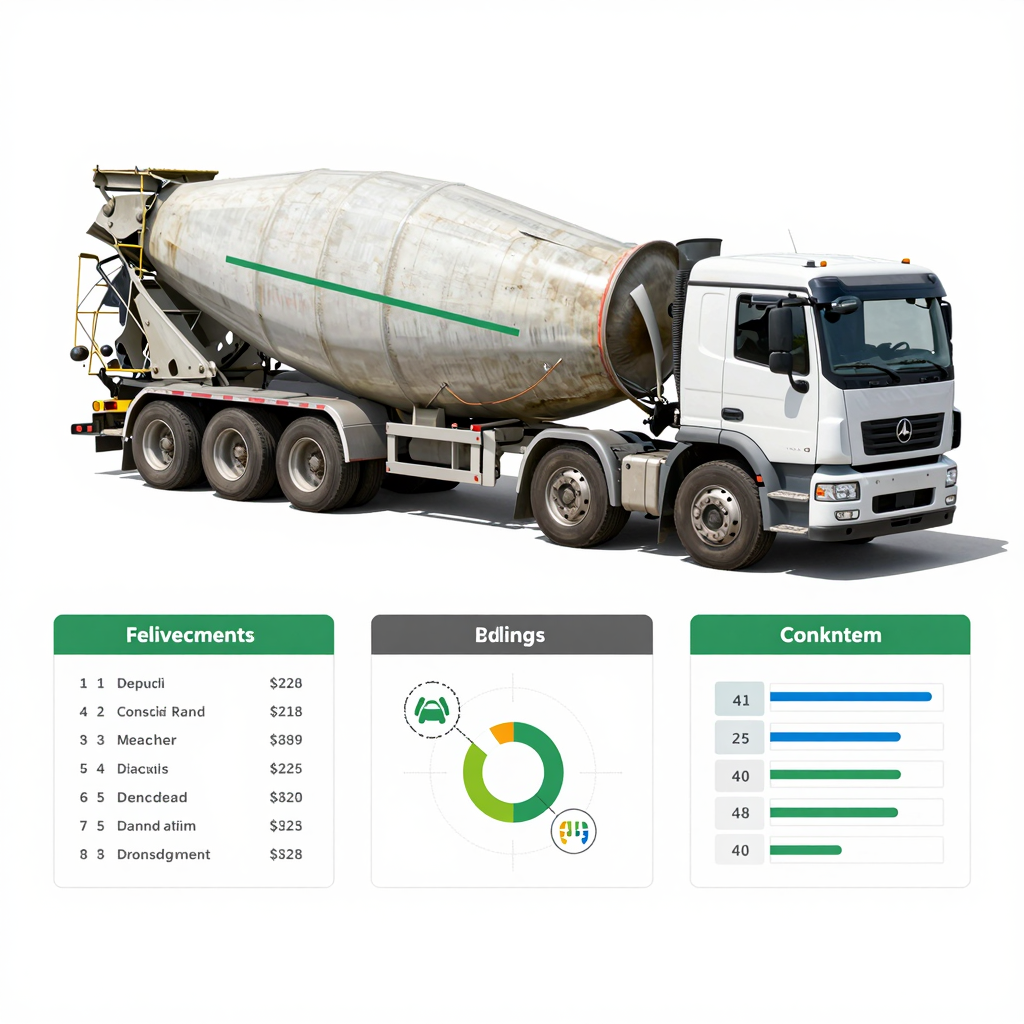
This section outlines the logistics involved in delivering concrete, crucial for any construction business aiming to optimize their operations and maximize efficiency.
Comparing Different Cement Truck Sizes
Cement trucks come in various sizes, each suited for different types of construction projects. Below is a comparison of the capacities of common cement truck sizes, highlighting their yard capacities and typical uses in the industry.
| Truck Size (m³) | Equivalent Capacity (cubic yards) | Common Uses |
|---|---|---|
| 3 m³ | ~3.9 cubic yards | Small-scale construction, residential projects, minor repairs |
| 8 m³ | ~10.5 cubic yards | Medium-sized construction, road paving, commercial building foundations |
| 10 m³ | ~13.1 cubic yards | Large infrastructure projects, highway paving, bridge construction |
| 20 m³ | ~26.2 cubic yards | Major infrastructure projects (e.g., dams, large highways), high-volume concrete delivery |
Note:
- 1 cubic meter ≈ 1.308 cubic yards
- Capacities are based on typical industrial cement and concrete mixer truck specifications from verified suppliers.
For more detailed information on cement truck accessories, you can learn more here or check out specific lift gates for trucks.
Concrete Project Planning Checklist for Business Owners
When planning a concrete project, business owners must consider numerous factors to ensure the successful execution of the project. Below is a comprehensive checklist that can help organize your concrete needs effectively.
1. Project Overview
- [ ] Define the scope and purpose of the concrete project.
- [ ] Outline the project timeline.
2. Site Preparation
- [ ] Conduct land surveys to assess soil type and stability.
- [ ] Prepare the site for concrete pouring, including clearing and leveling the ground.
- [ ] Ensure access for concrete trucks and other machinery.
3. Materials
- [ ] Determine the type of concrete required (e.g., residential, commercial).
- [ ] Calculate the amount of concrete needed: Most cement trucks hold between 8 to 10 cubic yards, with larger models carrying up to 12 cubic yards (source).
- [ ] Plan for additional materials such as reinforcements, forms, and finishing supplies.
4. Permitting and Regulations
- [ ] Check local building codes and regulations.
- [ ] Obtain necessary permits for the project (learn more about project permits).
5. Budget Planning
- [ ] Estimate costs for materials, labor, and machinery.
- [ ] Set aside a contingency fund for unexpected expenses.
- [ ] Finalize the total budget before proceeding with the order.
6. Project Execution Timeline
- [ ] Outline the project schedule, including key milestones.
- [ ] Plan for adverse weather conditions that may impact the project.
7. Quality Control Measures
- [ ] Implement a quality control plan to ensure the concrete meets required standards.
- [ ] Schedule regular inspections during and after the pouring process.
Image of Concrete Project Planning Checklist

This checklist serves as a foundational guide for business owners, helping to ensure that all necessary factors are considered before ordering concrete. Proper planning will minimize risks and contribute to the overall efficiency of your project management.
Common Concrete Mixing Ratios for Various Projects
When it comes to concrete mixing, knowing the right ratios is essential for achieving the desired strength and durability. Here’s a breakdown of common mixing ratios used in concrete depending on the type of project:
| Project Type | Concrete Mixing Ratio (Cement : Sand : Aggregate) | Typical Compressive Strength (psi) | Notes |
|---|---|---|---|
| Sidewalks and Patios | 1 : 2 : 3 | 2,500 – 3,000 | Standard mix for light-duty outdoor surfaces. |
| Driveways and Garage Floors | 1 : 1.5 : 3 | 3,000 – 4,000 | Higher strength required for vehicle loads. |
| Foundations and Beams | 1 : 1 : 2 | 4,000 – 5,000+ | High-strength mix for structural support elements. |
For more insights on materials and accessories relevant to these projects, check out this guide on accessories for concrete projects.
 .
.
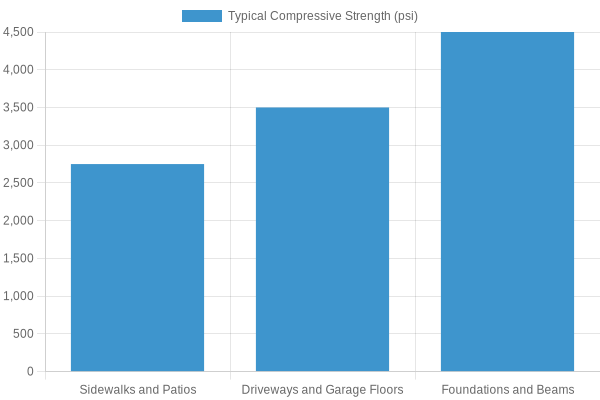
This chart illustrates the typical compressive strength for various project types, emphasizing the importance of selecting the right mix to ensure durability and performance.
Understanding these ratios can help business owners maintain quality control while ensuring the success of their projects.
For additional tips on optimizing your concrete projects, feel free to look into relevant accessories.
Conclusion: Empower Your Business with the Right Equipment
In conclusion, understanding how many yards of concrete a standard cement truck holds is crucial for business owners in the construction industry. Typically, these trucks can carry between 8 and 10 cubic yards of concrete, which is ideal for most projects. This knowledge not only helps in planning your concrete needs effectively but also allows you to streamline your operations and ensure timely deliveries. As you continue to explore the myriad tools and resources available, consider expanding your offerings with unforgettable culinary experiences.
Take a moment to explore the exciting world of mobile cuisine by visiting Truck Pizza, where you can discover a variety of pizza truck options. Offering delicious, freshly made pizzas on the go can set you apart in the competitive food truck market. Don’t miss out on this opportunity to enhance your business portfolio and delight your customers with delectable food. Start your journey into the pizza truck business today!