
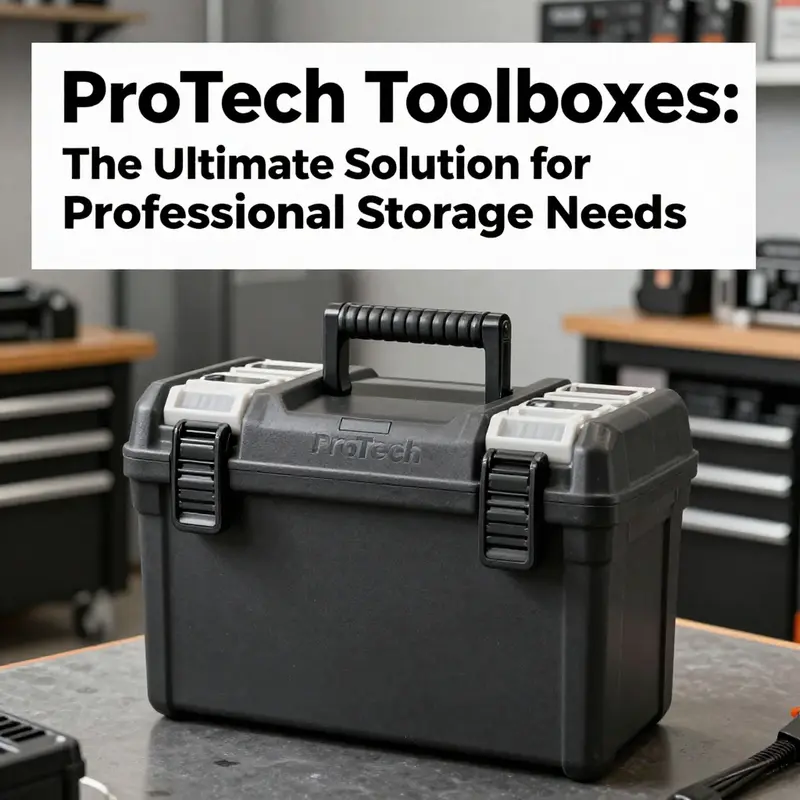
In today’s competitive environment, efficient tool storage solutions play a crucial role in driving productivity and ensuring safety in workspaces. ProTech toolboxes stand out as a top choice for business owners looking to invest in durable, reliable designs that enhance workflow and organization. This article explores the specifications and features of ProTech toolboxes, their professional applications, how they compare to other storage options, evolving market trends, and tips for maintenance and longevity. Each section serves to empower business owners in making informed decisions for their storage needs.
Enduring Compartments: Specifications and Features of Professional-Grade Tool Storage
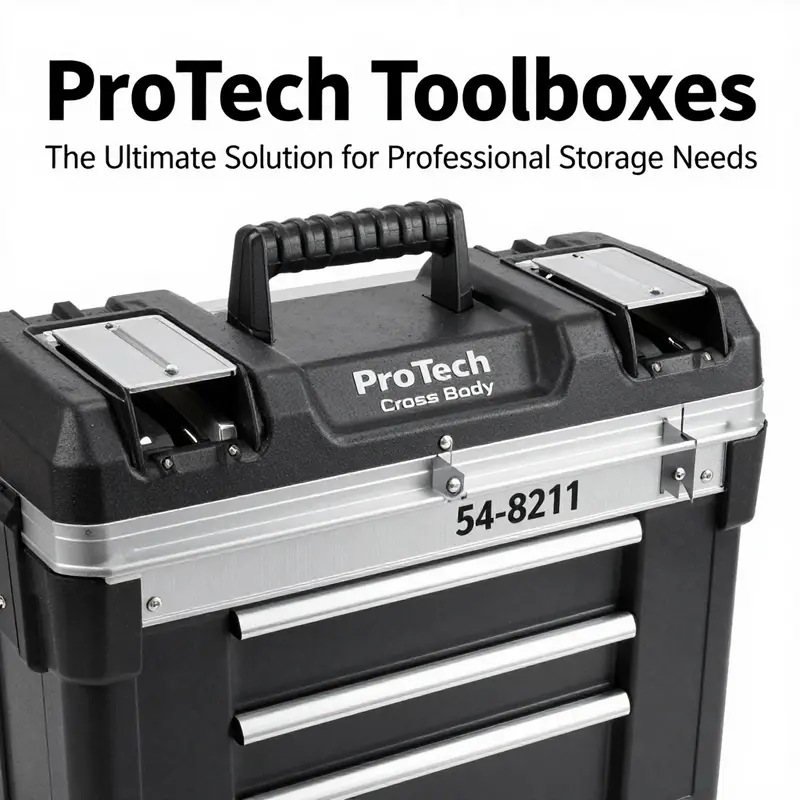
Professional-grade tool storage combines durability, accessibility, and organization to keep essential tools secure and within easy reach. A robust cabinet uses a steel frame, reinforced corners, and powder-coated surfaces to resist wear and corrosion. Drawers with full-extension ball-bearing slides provide smooth, predictable operation under load, while sensible layouts keep frequently used items near the front. Six or more drawers help segment tools by function, but the key is a thoughtful workflow: heavier items low in the cabinet, smaller items toward the top, and predictable weight distribution to prevent tipping or sag. Security features such as locking main compartments add protection without complicating daily use. When transporting between sites, consider size and vehicle compatibility to ensure drawers can open fully and the cabinet remains stable. The best designs balance mass and rigidity with practical mobility, resulting in a system that supports fast tool retrieval, reduces search time, and lasts for years in a busy workshop. Readers seeking deeper insight can use an overview guide that translates general principles into concrete evaluation criteria for construction, capacity, security, and compatibility.
Field-Grade Toolboxes: Durable Organization as the Backbone of Professional Workflows
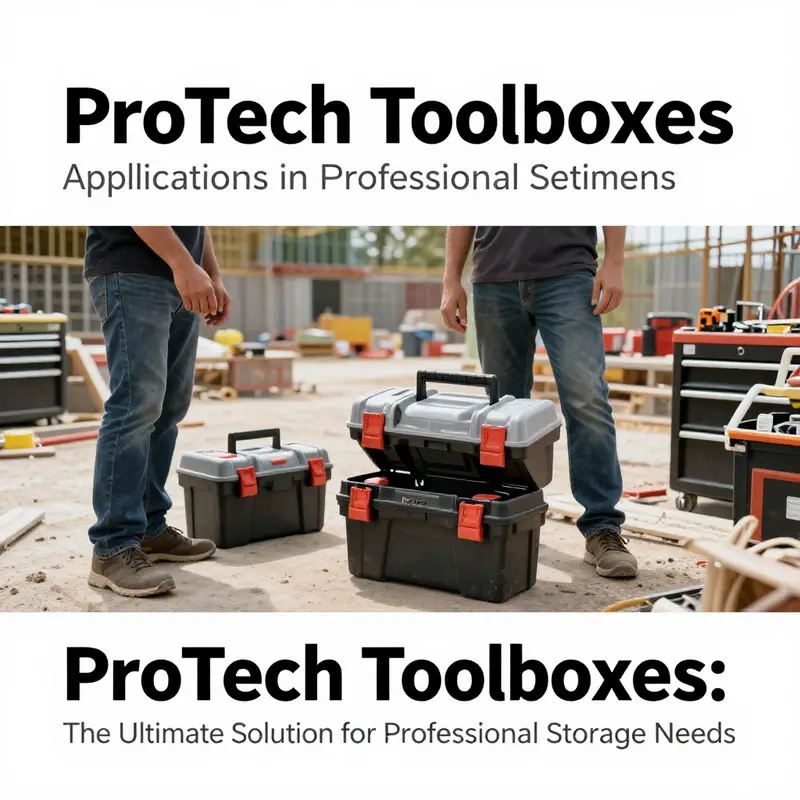
Field-grade toolboxes are more than containers; they are portable workstations that shape how professionals move, act, and complete tasks on demanding job sites. In trades, maintenance routines, and industrial settings, the box you choose defines the rhythm of your day. It sets the tempo for tool access, organization, and security, turning chaotic pockets of hardware into a predictable, manageable system. When crews arrive at a site, the toolbox is the first responder to the day’s needs, offering a familiar map of what is available and where to find it. A well-designed toolbox reduces dwell time—the moment when workers pause to locate a tool or recover misplaced items—and it constrains the spread of clutter that can slow progress in cramped or hazardous environments. The most effective designs become an adaptive component of the crew, not merely a storage cabinet tucked away in the truck bed or shop corner. They are engineered to travel, endure, and accommodate the evolving demands of professional work, from the smallest fastener to the largest power tool, all within a frame that respects the user’s body and their workflow.
Material choice is the first fork in the road, and it matters precisely because the toolbox exists to endure. In the field, steel boxes are recognized for their hardness and security. They stand up to rough handling, heavy use, and environments where tools are at risk from impact, moisture, or tampering. In a construction zone or a fleet yard where every tool has a role in keeping operations moving, that robustness translates into fewer replacements and less downtime. Aluminum boxes, by contrast, prioritize mobility. They offer a lightweight profile that reduces fatigue during long drives, helps maintain better loading balance in vehicles, and supports teams that must shuttle boxes between sites with regularity. Aluminum’s resistance to corrosion makes it a practical choice for operations exposed to moisture, dust, or weather changes. The choice between steel and aluminum is rarely about one being superior to the other; it is about aligning tool transport with the realities of the user’s daily routes, the weight people can bear, and the kinds of environments they must endure.
Beyond the material, the architecture of a professional toolbox centers on how it organizes, protects, and reveals tools at the moment of need. The interior is a micro-workbench within a larger system. Dividers, removable trays, foam liners, and modular inserts convert a single box into a tailored inventory map. Properly designed partitions transform a jumble of wrenches, pliers, and testers into clearly defined zones. When a mechanic reaches for a specific bit or a certain gauge, the organization should cue memory and reduce decision fatigue, enabling precise, swift actions. Locking mechanisms, reinforced latches, and weatherproof seals bolster security and resilience. In high-traffic environments, the difference between a box that merely stores and one that safeguards is not cosmetic; it is a liability or liability mitigator. The gasketed lids, reinforced corners, and tamper-resistant closures are not frills but essential features that sustain tool life and protect investment over time.
The professional applications of such toolboxes span a spectrum of trades and responsibilities. Electricians, plumbers, carpenters, and HVAC technicians rely on tools to be available, organized, and portable enough to move from cabinet to truck bed to job site without missing a beat. In these cases, the toolbox serves as a mobile extension of the workshop: a compact, secure base from which skilled hands deploy their craft. For maintenance crews in facilities, a toolbox that travels with the repair cart or service vehicle can shorten repair cycles and reduce the time staff spend hunting for spares. The ability to quickly access the right tool at the right height is not a luxury; it is a safety and productivity imperative, especially when tasks are performed in tight spaces or under time pressure.
Industrial technicians operate in environments where the reliability of equipment is closely tied to production schedules. Here, toolboxes evolve from mere storage into a protective cradle for valuable tools and fragile instruments. In manufacturing plants, warehouses, or large-scale fabrication facilities, durable tool storage acts as a safeguard against damage and loss. The risk calculus shifts when thousands of dollars of tooling can disappear in minutes or be damaged by exposure to dust, humidity, or harsh chemicals. A sturdy, well-sealed toolbox reduces that risk by providing a stable, secure home for instruments that are both essential and often irreplaceable. In such settings, the toolbox becomes part of a broader security and asset-management strategy, integrating with lockable cabinets and controlled access points to deter theft and ensure accountability.
The mobility of these boxes is a defining feature in the modern workflow. For mobile teams, the design philosophy emphasizes ergonomic handling, balanced weight distribution, and effective transport between truck and site. Handles, latches, and, when appropriate, wheels or caster assemblies, influence the ease with which personnel can maneuver a box through doorways, over uneven ground, or up a short flight of stairs. The cross-body or side-mount configurations, common in field deployments, liberate both hands during tool retrieval and transfer. Such design choices relate directly to outcomes: less physical strain, fewer drop incidents, and faster tool handoffs between crew members who must coordinate quickly in dynamic environments. When a toolbox is easily maneuvered, the crew can reallocate time previously spent wrestling with a bulky case toward actual work, improving throughput and morale alike.
Effective tool storage also reflects a philosophy of lifecycle value. A toolbox is not a one-off purchase but a long-term partner in a professional’s career. The initial investment, while tangible, should be weighed against durability, serviceability, and the potential to reduce other costs—tool replacement, transport wear, and downtime caused by disorganization. In this light, steel variants may carry a higher upfront cost but offer long-term savings in rugged environments. Aluminum variants may require periodic reinforcement in extreme use scenarios but can deliver superior mileage for fleets that value weight savings and ease of handling. Maintenance routines, such as routine lubrication of hinges, periodic replacement of weather seals, and careful cleaning to prevent corrosion, extend life and preserve aesthetics. The best boxes are those that age gracefully, with their interiors retaining their geometry and their exteriors resisting the sorts of dents that could compromise lid alignment or seal performance.
The interdependence of toolbox design with the broader ecosystem of vehicle and shop organization becomes evident when teams consider how tools move through the day. In many professional settings, toolboxes are not solitary artifacts but nodes in a network: a toolbox sits in a vehicle, a cabinet in the shop, and a wall-mounted rack in a service bay. Such networks create a predictable, scalable system for parts, fasteners, and accessories. When teams can standardize on a common sizing vocabulary and a consistent approach to labeling and inventory, they reduce cognitive load and speed up maintenance cycles. The synergistic value lies in predictable, repeatable routines: grab the right box, know exactly where the essential items live, and move with the confidence that comes from a familiar order.
For readers seeking a concise glimpse into how these tool-storage systems fit into the broader ecosystem of mobile organization, a dedicated article provides a focused overview of the toolbox family and its integration with truck and workshop environments. See ProTech Toolbox overview for a concise look at how these systems are positioned within the field. This reference illustrates how a single, purpose-built storage solution can anchor a broader approach to on-site efficiency and asset protection, showing how the toolbox complements vehicle accessories, racks, and modular organizers in a cohesive workflow.
In parallel with these practical considerations, the cultural shift toward durable, modular storage signals a broader trend in professional practice. The modern field worker expects reliability not only from tools and machines but from the containers that carry them. The toolbox becomes a trusted partner—one that travels through rain, dust, and vibration yet returns home with all contents intact and ready for the next assignment. That reliability depends on thoughtful engineering: the choice of materials aligned with anticipated conditions; interior configurations tuned to the usual toolsets of the trade; and hardware that resists wear while remaining accessible under load. It also depends on a philosophy that values ease of use, safety, and resilience as core performance criteria rather than afterthought features. When those criteria are met, the toolbox does more than store tools; it sustains a disciplined workflow, enabling workers to focus on the craft rather than the logistics of getting it done.
The practical implications extend beyond individual crews. Managers who specify tool storage solutions for fleets must balance upfront costs with life-cycle performance. The most effective selections provide a stable percentage of their value back through lower replacement rates, reduced tool loss, faster response times on service calls, and improved on-site safety. The integration of secure latching, robust seals, and modular interiors supports not only day-to-day operations but also compliance with safety and asset-management standards that govern large-scale operations. In environments where time equals money, the impact of a well-designed toolbox reverberates through maintenance planning, job-site readiness, and overall productivity.
As the profession continues to evolve, the expectations surrounding tool storage will grow more nuanced. Weight, mobility, and security will remain central, but designers will also be asked to accommodate more diverse tool sets, digital accessories like small-scale testers, and increasingly modular interiors that can be reconfigured for different trades without sacrificing durability. A toolbox that can be retooled for a new project, repurposed for a different team, or easily upgraded with new liners and dividers will prove itself as a foundational asset in the shop, the truck, and the field. In the end, the value of field-grade toolboxes rests not merely in their ability to hold tools but in their capacity to enable professional performance under real-world conditions: to cut setup time, protect assets, and sustain momentum on the most pressing jobs.
External resource: https://www.protechtoolboxes.com/ (Pro Tech Tool Boxes – Versatile and Durable Solutions)
Integrated Bed-Box: The New Standard in Tool Storage on Work Trucks
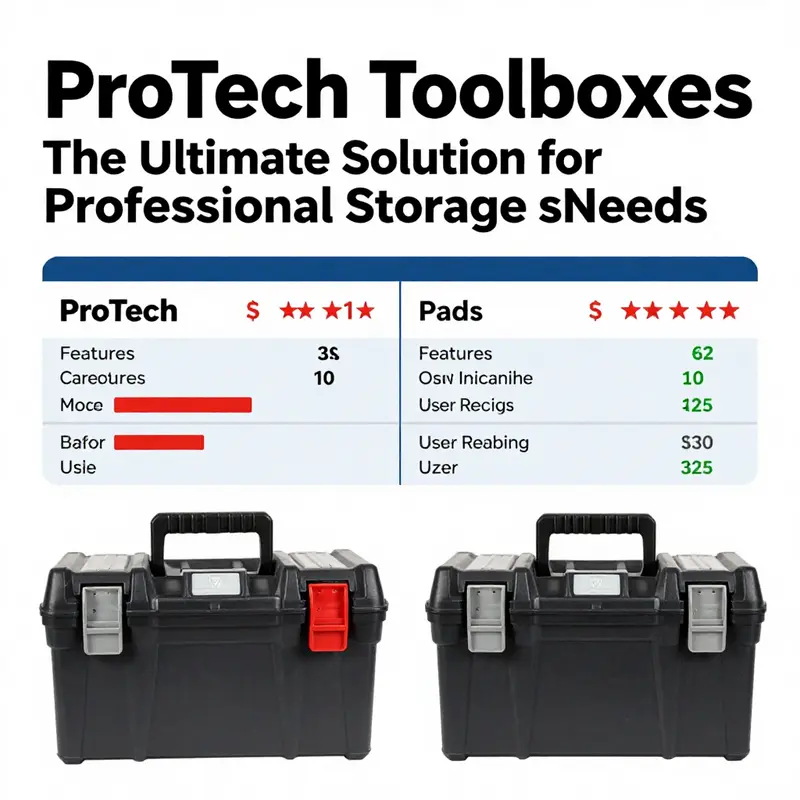
A bed-integrated toolbox turns the truck into a compact mobile workshop. By matching the box height, width, and mounting points to the bed, it minimizes intrusion into cargo space while maximizing tool accessibility. A long, low-profile aluminum shell delivers rigidity under load and lighter weight for installation and repositioning. Durable latches, weather seals, and reinforced corners protect tools from rain, dust, and vibration, while a well-designed interior with removable trays and dividers keeps sockets, drivers, and power tools organized for quick access. Security is built into the system with robust locking and weatherproofing that deter theft and preserve contents between jobs. The integration with bed rails reduces rattling and simplifies alignment, so the lid can be opened with a single deliberate motion and the crew can reach what they need without climbing into the truck. Maintenance is straightforward thanks to smooth interior surfaces and accessible drainage points, which help tools stay dry and ready for use. In practice, crews save time every day because they spend less time hunting for misplaced items and more time moving from site to site with a ready-to-work toolbox in tow. The market trend favors durable, ship-ready bed boxes that offer quick installation, predictable total cost of ownership, and a path to fleet-wide outfitting. For readers seeking deeper context, industry overviews and manufacturer pages provide broader perspectives on mounting options, compatibility with various bed widths, and the tradeoffs between capacity, weight, and security.
null
null
Built to Last: Maintenance and Longevity Principles for High-Performance Toolboxes
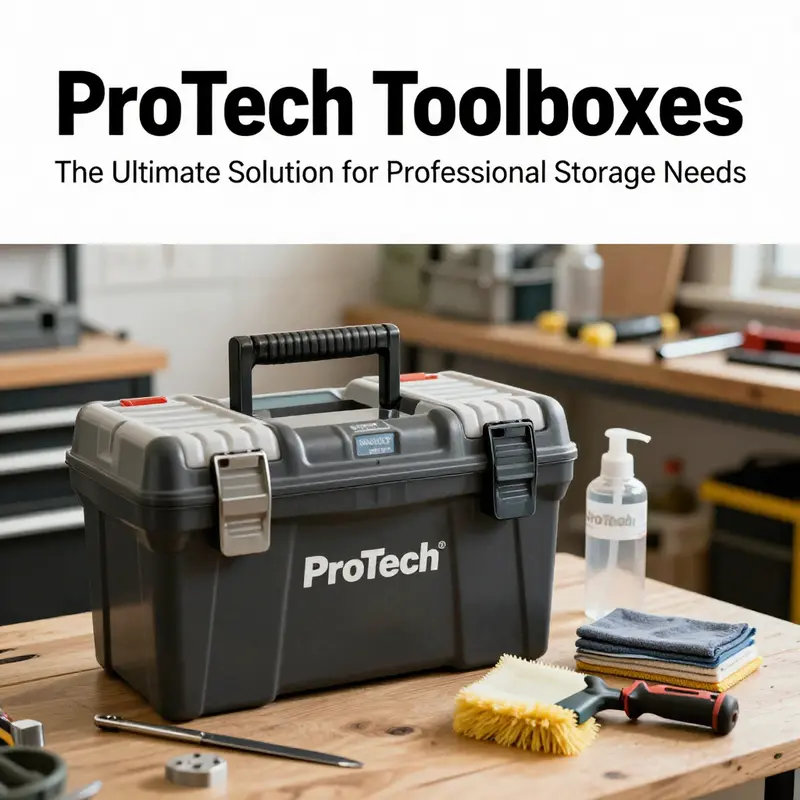
A toolbox that remains dependable year after year is more than a container; it is a quiet ally in the workshop, a portable workstation that protects both the tools it shields and the hands that rely on them. When we think about cross-body and portable tool storage, the focus often lands on capacity and interior organization. Yet the true test of durability lives outside the toolbox’s metal shell: in how well it resists moisture, how thoughtfully it bears the bumps of daily use, and how easily it remains a faithful partner through countless jobs. The contemporary toolbox, typically crafted from lightweight aluminum, blends portability with rugged strength. It is designed not merely to hold tools but to support a workflow—to travel with a crew, to endure the jostle of a truck bed, and to reveal its resilience in every seam and latch. The goal, then, is not a single fix but a reliable routine that preserves surface finishes, preserves contents, and preserves the investment itself over time.
Maintenance begins with a simple, everyday discipline: cleaning after use. Dirt, grease, and moisture cling to surfaces and corners, where they can harbor corrosion or invite micro-scratches that accumulate with each bump along the way. A wipe-down with a mild detergent and a soft cloth is usually all that’s needed to lift grime without dulling the finish. Harsh chemicals may seem like quick shortcuts, but they can compromise coatings and seals over time. After a hard day, a light wipe with a damp cloth to remove dust, followed by thorough drying, helps prevent it from taking root in corners where even the smallest moisture intrusion can become a problem later on. In climates where humidity lingers, those damp pockets can become the quiet rust agents for metal tools and the shell alike. A small, practical trick is to use silica gel packs inside the toolbox or in adjacent compartments. They are not a cure-all, but they create a modest buffer against routine humidity, particularly during long storage periods or in spaces where temperature swings are common.
Dryness is a close ally to longevity. Moisture is the toolbox’s most frequent adversary, not only for metal tools but also for its internal components. Before you close the lid, ensure every tool is completely dry. A quick check for condensation in corners, hinges, and gasket lines can save later frustration. If moisture has crept in, a second pass with a dry microfiber and a few minutes of air drier time can make the difference between a tool that functions smoothly and one that sticks or siezes. The emphasis on dryness echoes a broader principle: moisture management isn’t a one-time step but a consistent habit. It is why many professionals maintain a habit of opening, inspecting, and ventilating their storage between shifts or at the end of a project.
Organization follows cleanliness in importance. A toolbox that keeps tools in designated slots or hooked on padded panels not only protects tool surfaces from surface-to-surface contact but also sharpens efficiency. A well-organized interior helps prevent tools from clanging into each other, which over time can chip finishes or nick edges. The right inserts, liners, or foam dividers can cushion delicate tools and define precise locations for frequently used items. When tools slide around, they are more prone to micro-abrasions that accumulate into visible wear. A clean, organized interior reduces the risk of accidental misplacement and shortens the time spent hunting for the right driver or socket, which in turn reduces the temptation to improvise with unsuitable tools—an all-too-common path to damage.
Choosing the correct tool for the task is a companion principle to proper storage. This is not simply a matter of using the right instrument; it is about avoiding misuses that can damage both tools and the enclosure. A screwdriver should never be treated as a pry bar, and a charged battery should not be stored with metal tools that could short the terminals. When the right tool remains in its proper place, the risk of accidental impact, bending, or chipping drops significantly. This mindset extends to how the toolbox itself is treated during transport. A well-balanced load reduces stress on latches and hinges and minimizes the chance of the lid slamming against curious edges or aggressive bumps in transit. The way you load, close, and lock a toolbox can be a subtle but powerful sentence about its expected lifespan.
Beyond routine care, attention to hardware matters makes a tangible difference. The hinges, latches, and gaskets are the interface between the interior and the outside world. Periodic inspection should become a standard practice: check for loose screws, worn pins, or play in the hinges. A light application of a non-detergent, penetrating oil to hinge pivots can prevent stiffness that leads to stripping or misalignment. Worn gaskets and seals, if present, can permit moisture to creep in despite a spotless interior; replacing them when they show signs of wear extends the toolbox’s protective envelope. The finish itself deserves a cautious touch—abrasions from frequent handling can expose aluminum to the elements more quickly. When polishing, choose gentle compounds and a soft cloth to preserve the protective coating and the aesthetic of a tool chest that looks as capable as it performs.
Even cores and interiors benefit from a mindful approach to environmental conditions. Aluminum, while resistant to corrosion relative to many metals, is not immune to the effects of salt spray, road grime, or acidic cleaners found on some job sites. Storage areas matter. A cool, dry place away from direct sun and heat sources reduces expansion and contraction cycles that can stress seals and edge metals. In backyards, garages, or shop bays, consistent climate control helps keep lids aligned and latches functioning without snagging. A practical tip is to avoid storing the toolbox near harsh cleaning chemicals or solvents that might outgas or degrade finishes over time. The maintenance philosophy, distilled, is simple: keep the toolbox as close to its original tolerances as possible and minimize exposure to processes that accelerate wear.
The interplay between transport and protection is another axis of longevity. A cross-body or portable design thrives when the strap system is resilient, the handle curves are comfortable, and the box sits steady against shoulders or hips without tipping. Regularly test the strap attachments for fraying or stitching wear. If the strap shows signs of fatigue, replace it before a long job or a trip where a sudden snag could cause a fall or a load shift. When the toolbox travels, its smooth exterior should remain unmarred by the daily grind of doors, truck steps, and pallet jacks. A thoughtful approach to transport reduces the likelihood of dents or misalignments that could create leaks or mis-seated lids—the kind of issues that accumulate over time and demand more invasive repairs later.
Even with durable construction, no storage solution is immune to the kind of wear that comes with practical use. A key to longevity is adopting a maintenance rhythm that is as routine as opening the lid—an after-action ritual that reads as care rather than compliance. A reliable routine can be summarized as: wipe, dry, inspect, lubricate, and reorganize. The sequence has a logic that mirrors how craftspeople approach a task: prepare, protect, perform, and preserve. The preparation—the cleaning—sets the stage for protection: dryness, proper fit of inserts, secure latches, and intact gaskets. The performance—the ongoing use of the toolbox in real-world work—benefits from a well-organized interior and correctly matched tools, which in turn reduces friction and wear. Preservation follows from the attention given to the hardware; it is the quiet discipline of re-sealing and re-lubricating that keeps wear at bay and ensures the toolbox remains a reliable anchor in the workflow.
In the broader ecosystem of its use, a toolbox is part of a larger system of storage and transport. When you look beyond the box itself, a complementary approach to organization can further extend its usefulness. For example, pairing the main toolbox with a dedicated truck-box can provide modular storage that keeps components sorted and protected during transport. This pairing can reduce the likelihood of small items rattling free, which can scratch finishes or damage hinges over time. See how this setup works in practice with a practical guide on truck-box organization: truck-box.
Across the life of the toolbox, a habit of proactive checks pays off. A monthly or project-based review—wiping surfaces, confirming gasket integrity, confirming all fasteners remain snug, and testing the seal of the lid—becomes less a chore and more a safeguard. The goal is to catch minor issues before they escalate into costly repairs or full replacements. Aluminum toolboxes are designed to endure, but even durable materials demand a thoughtful, regular touch. When maintained with consistent care, a high-strength, portable storage solution can support countless projects, protect a wide range of hand and power tools, and remain a dependable, efficient hub in a busy workspace.
For those who want a deeper, more structured approach to tool maintenance, following a detailed guide from trusted sources can complement hands-on discipline. The core idea is to translate broad principles into practical steps tailored to the specific storage system you own. For a broader, dependable framework on tool maintenance techniques, consider the guidance offered by widely recognized authorities in home and workshop care. You will find there a structured set of best practices that aligns with the rhythm of daily use and long-term maintenance. As you integrate these lessons into your routine, your toolbox becomes not just a container but a reliable partner that helps you complete more work with less friction and fewer interruptions. For a deeper dive into tool maintenance techniques, see Popular Mechanics’ guide on maximizing longevity: https://www.popularmechanics.com/home/tools/a29867055/tool-maintenance-tips/.
Final thoughts
Investing in ProTech toolboxes equips business owners with a dependable storage solution that meets the demands of professional environments. With a combination of durability, functionality, and modern design, ProTech toolboxes not only enhance productivity but also align with current market trends emphasizing reliability and quality. Whichever industry you operate in, understanding the features and benefits of ProTech toolboxes ensures you make an informed decision to streamline your tool storage needs.