
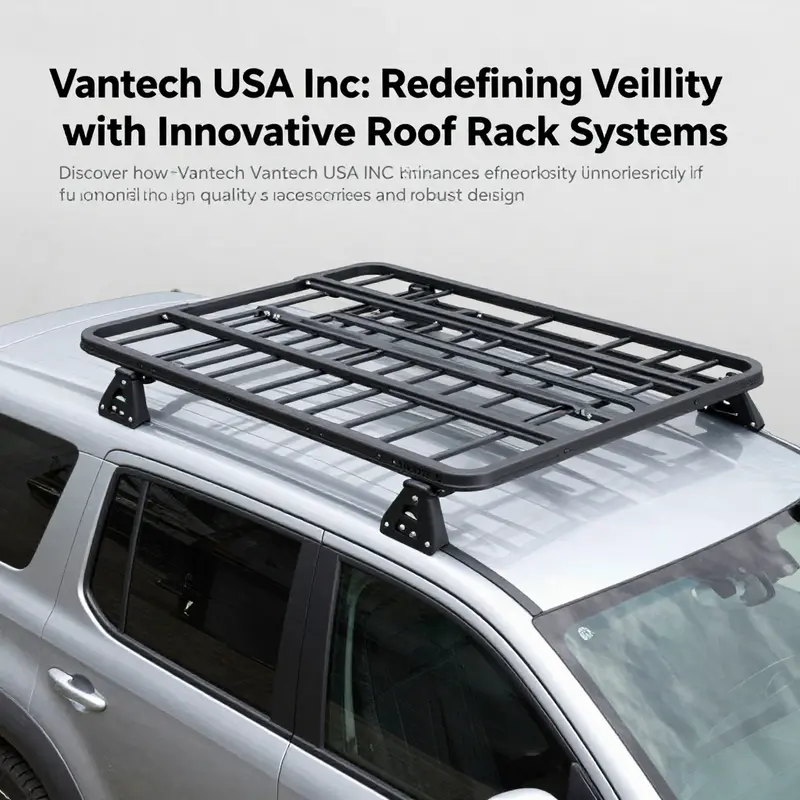
Vantech USA Inc stands as a beacon of innovation in the vehicle accessory market, particularly with its roof rack systems and vehicle enhancements. Business owners seeking to maximize vehicle utility and operational efficiency will find Vantech’s offerings pivotal. This article delves into Vantech’s groundbreaking roof rack systems, explores the extensive range of accessories aimed at enhancing vehicle functionality, and highlights the company’s deep-rooted commitment to quality and durability in manufacturing. Together, these elements illustrate how Vantech USA Inc is redefining vehicle utility and supporting businesses in achieving operational excellence.
Elevating Fleet Efficiency: The Craft of Vantech USA’s Modular Roof Rack Systems
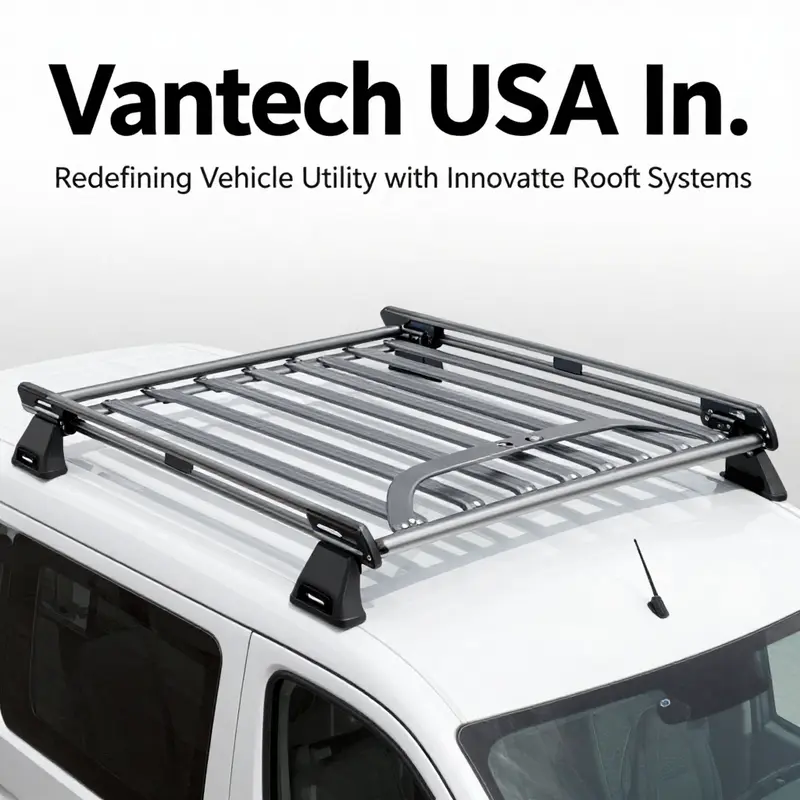
Brooklyn isn’t just a borough for Vantech USA; it anchors a philosophy. The company, rooted in a neighborhood known for grit and hands-on energy, translates that ethos into cargo solutions built for worksites, service calls, and daily operations that demand reliability as a given. The brand’s DNA centers on two intertwined commitments: rugged functionality that endures daily wear, and modular design that adapts to a fleet’s changing weather, terrains, and tool inventories. In an era when fleets must balance payload, accessibility, and maintenance costs, Vantech’s approach to roof rack systems emerges as a practical synthesis of durability and adaptability. The company’s offerings speak to a broad spectrum of industries—from construction crews that navigate tight urban loading zones to utility teams that must stash ladders, cables, and hardware without sacrificing fuel efficiency or vehicle performance. What sets Vantech apart is less about a single breakthrough and more about a coherent design language that treats the roof as a functional extension of the vehicle’s chassis, not as an afterthought to be bolted on when needed. The result is a line of cargo solutions that feel engineered for business, not just for travel. The Brooklyn workshop, the prototype testing, the feedback loops with fleet operators—all of these elements converge into products that prioritize steadiness under load, predictable handling, and installation that minimizes downtime. In short, Vantech’s roof rack systems are not merely add-ons; they are an integrated response to the modern fleet’s demand for higher cargo capacity, quicker access to tools, and easier maintenance over the long haul.
The design philosophy is deliberately holistic. A roof rack system is a careful balance of weight, strength, and practical usability. Weight matters because every kilogram carried aloft translates into fuel consumption and vehicle dynamics. Strength matters because a rack must hold ladders, pipes, and bags of hardware during bumpy rides, sudden stops, or emergency deployments. Usability matters because fleet managers need a system that technicians can install, adjust, and reconfigure without specialized training or invasive modifications. Vantech’s answer to this triad is a modular architecture that emphasizes smart material choices, precise load-path management, and an unusually patient approach to assembly and testing. The result is a family of carrier platforms that can be configured in multiple ways to anticipate real-world tasks. Whether it’s adding or removing crossbars to fit a particular tool set or repositioning anchor points to avoid solar panels or roof vents, the system is designed to accommodate obstacles rather than force operators to adapt to a rigid framework. In this sense, Vantech does not merely sell a product; it offers a method for expanding a vehicle’s utility without compromising its everyday reliability.
A close look at the practical implications reveals how a modular system translates into tangible gains for fleet managers. One of the core advantages is the ability to install without drilling or making permanent alterations to the vehicle. This non-invasive installation approach is a key selling point for fleet operations that rotate vehicles between drivers, work sites, or seasonal tasks. Drilling, once a routine step in retrofitting, is replaced by pre-aligned mounting points and factory-tested fasteners that can be tightened with standard hand tools. The absence of drilling reduces labor time and avoids weathering issues around holes that could become corrosion sites. For a manager coordinating multiple vehicles, this ease of installation translates into lower downtime and faster turnarounds between shifts. It also means that vehicles can be returned to service more quickly when a rack is swapped out, upgraded, or repurposed for a different job. In the field, technicians appreciate the intuitive layout of the crossbars and the way they accommodate taller items like ladders, scaffolding, or bulky equipment. The system’s thoughtful geometry minimizes interference with roof panels and vents, which matters when vehicles need to maintain ventilation for onboard cargo or when drivers require access to rooftop utilities such as solar panels on specialized vans. The modular design also invites operators to tailor their cargo footprint to the day’s tasks. If a crew needs more crossbar positions for extra hooks or support points, the architecture supports a denser grid that preserves the same overall footprint. If, on the other hand, the job calls for fewer, larger items, the system can be reconfigured to maintain clean, organized storage without sacrificing stability.
At the heart of this philosophy is a clear commitment to durability. The engineers and technicians behind Vantech’s offerings emphasize materials that stand up to corrosive urban environments and the rugged realities of job sites. Alloy steel frames, for example, are chosen for their combination of strength and resilience. This is not about making a product with the lightest possible weight at the expense of stiffness during windy highway runs or jarring off-road routes. Instead, the emphasis is on a carefully engineered balance: the racks carry substantial loads—enough to secure ladders, pipes, and heavy tool boxes—while maintaining robust torsional rigidity and predictable flex under stress. The aim is to keep the rack from bending or resonating at highway speeds, which protects both the load and the vehicle’s aerodynamics. The attention to structural integrity also extends to the critical load paths. Engineers reinforce the places where the rack experiences peak forces, ensuring there is a continuous, predictable channel for energy transfer between the rack and the vehicle’s roof. This approach reduces localized stress concentrations that could lead to fatigue or premature wear of mounting points. In practice, users gain a system that behaves consistently, year after year, even when confronted with rough roads, sudden braking, or frequent tool changes.
Another defining attribute is the way the design embraces real-world constraints. The modular framework means the system can be configured to avoid conflicts with existing rooftop features. Solar panels, roof vents, or antenna systems are common obstacles in modern fleets, and accommodating them is not a luxury but a necessity for efficiency. The ability to alter crossbar spacing and anchor locations enables operators to place supports precisely where they are needed and to keep access pathways clear. This flexibility becomes especially valuable for multi-vehicle fleets that serve a variety of tasks; a single rack family can be adapted across different vans, trucks, and service bodies without triggering a separate tooling or fabrication process for each configuration. In the long run, this translates into lower total cost of ownership. Fewer bespoke modifications mean less specialized labor, fewer parts to manage, and a more uniform maintenance regime. The result is a fleet that can pivot quickly between tasks without the burden of costly reconfigurations.
Pricing and capacity considerations further illuminate the system’s practicality for professional buyers. A spectrum of capacity options exists to meet the needs of diverse operations. High-capacity racks provide substantial load support for heavy equipment and bulk materials. For fleets dealing with tools, hardware, and ladders, even heavy-duty configurations are designed with weight distribution in mind, so the overall center of gravity remains stable during cornering and braking. Pricing for these configurations reflects their utility: while base configurations offer a compelling value proposition for mid-range needs, the heavier-duty setups are positioned to appeal to fleets with high utilization, longer service lives, and a preference for fewer replacement cycles. Volume discounts further enhance the proposition for bulk purchases, making it feasible for regional contractors or municipal fleets to outfit multiple vehicles with a consistent system. The pricing strategy is not arbitrary; it’s anchored in a recognition that a well-chosen roof rack system reduces loading times, minimizes vehicle downtime, and lowers the risk of manual handling injuries. Each dollar invested upfront is realized later in safer, faster tool deployments and more efficient routes between jobsites.
Beyond the tangible benefits of installation speed, load management, and durability, the broader story of Vantech speaks to a conscious manufacturing and distribution approach. The Brooklyn base is more than a point of origin; it’s a statement about the ability to blend domestic craftsmanship with a responsive, global supply chain. A modular product line requires a development ecosystem where feedback from fleet operators informs revisions and new configurations. This feedback loop helps ensure that the products stay aligned with evolving worksite realities, such as stricter safety regulations, new tool shapes, or changes in vehicle design. The result is a portfolio that grows in a stepwise, thoughtful manner, each iteration addressing a distinct operational challenge while preserving the core values of strength, simplicity, and modularity. Fleet operators benefit because they can anticipate the kinds of changes that might occur on the job and select a rack system that can adapt in place, rather than moving to an entirely new platform as needs shift.
From a user’s perspective, the real-world impact of such a design mindset is evident in the daily rhythm of the job. A tool-laden roof rack is more than a storage solution; it is a disruptor of the workflow, enabling crews to reach emergency sites, set up workspaces efficiently, and maintain tight schedules. The rack’s presence changes how a driver plans a day, how equipment is staged on a site, and how quickly access to essential gear can be achieved. This translates into tangible time savings on the clock, lower risk of equipment misplacement, and better inventory control. For managers, it means a simpler, more predictable maintenance profile. The modular system reduces the need for bespoke fittings, which often complicate service routines and require specialized inventory. Instead, the same modular components can be swapped or reconfigured to respond to new work demands, keeping the fleet agile without sacrificing reliability. In the end, the story is not just about a clever mechanism for carrying gear; it’s about a philosophy that sees the vehicle as a flexible platform—a moving workspace capable of expanding its capabilities through well-designed, durable, and responsive hardware.
To readers who think of roof racks as mere add-ons, the Vantech approach invites a broader perspective. It suggests that the roof is a second engine room for a vehicle, where equipment, tools, and devices are not simply stored but organized for rapid deployment. The modular design acts as a daily enabler of efficiency, creating a predictable pattern for how gear is mounted, accessed, and protected during transit. This is particularly meaningful for fleets that operate under tight delivery windows or in environments where the risk of gear loss or damage is real. When a rack system becomes part of the standard operating procedure, it stops being a question of whether to carry more gear and becomes a question of how best to carry it in a way that preserves the vehicle’s ergonomics, reduces manual handling, and minimizes the chance of load shift while on the road. In this sense, Vantech’s solution aligns with a broader shift in fleet management: equipment that is robust by design, easy to configure, and capable of evolving with the job rather than forcing operators to adopt a new toolset every few years.
For readers seeking a deeper sense of the product ecosystem and how these principles play out in practice, the broader content landscape around roof racks offers useful context. An accessible entry point is the catalog of installation guides, case studies, and performance insights that describe how modern rack systems integrate with a fleet’s workflow. As you plan how to outfit a group of vehicles, you’ll find that the most compelling choices are those that harmonize with existing routines rather than demand radical changes. The emphasis should be on predictable performance, straightforward maintenance, and the flexibility to adapt to a wide array of tasks without escalating total cost of ownership. In that sense, the Vantech approach serves as a practical blueprint for thoughtful equipment design—one that recognizes the vehicle as a dynamic tool in a larger operational system, and it treats every bolt, crossbar, and mounting point as an opportunity to save time, reduce risk, and extend the useful life of a fleet.
For a broader look at how these systems fit into fleet operations and a more expansive catalog of related solutions, readers can explore the roof racks guide, which provides a complementary perspective on how modular racks are commonly deployed across industries. This resource helps connect the design ethos of Vantech with real-world deployment scenarios, from urban service routes to rural utility sites, illustrating how a single modular framework can support a diverse set of tasks without forcing fleets to adopt a new configuration with every job change.
External reference: https://www.vantechus.com
Internal resource: For a broader discussion on how roof-mounted storage integrates with fleet operations, see the roof racks guide. It sheds light on how modular configurations align with maintenance cycles, tool organization, and quick-access workflows that are essential for service-oriented fleets.
Vantech USA Inc: Building Durable, Modular Roof Systems that Transform Vehicle Utility
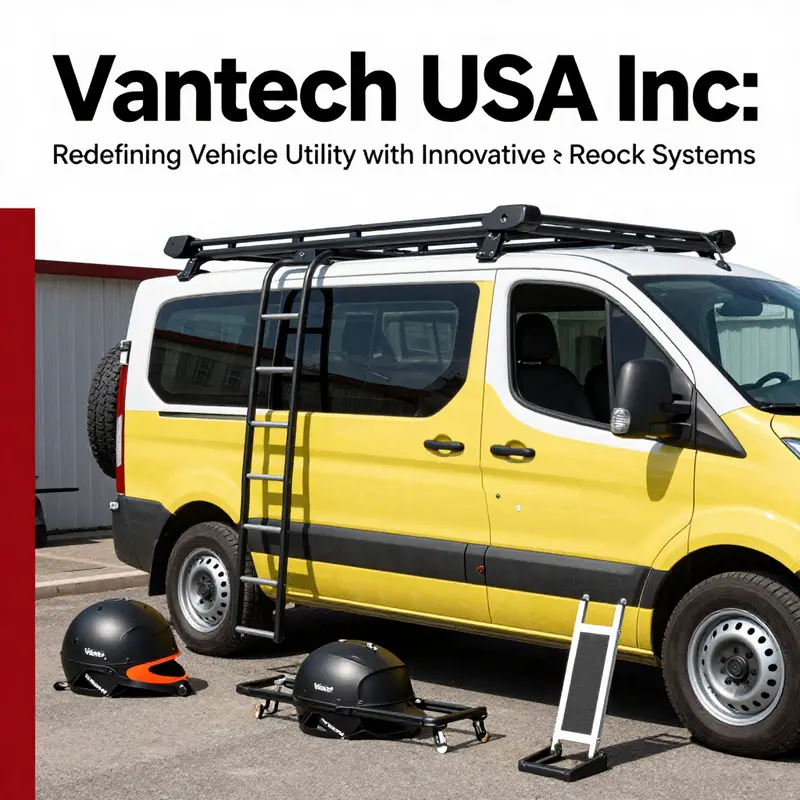
Vantech USA Inc stands at the intersection of rugged practicality and modular design, a Brooklyn rooted company that takes pride in giving vehicles a higher degree of capability without sacrificing reliability. The story of Vantech is not just about hardware in isolation; it is about an approach to outfitting that treats a vehicle as a platform for flexible work, everyday life, and adventures. In the crowded space of cargo and vehicle accessories, the brand has earned a reputation for products that endure under real world strain, where every bolt, rail, and joint is chosen with an eye toward long service life and meaningful performance. The heart of this narrative is a commitment to durable construction, ease of use, and a coherent ecosystem that allows users to replace, reconfigure, or expand as their needs shift. Across fleets and individual operators alike, the philosophy translates into equipment that remains stable and predictable even when roads get rough or the workday stretches into long hours. The result is a lineage of components designed not merely to fill a gap, but to create a reliable backbone for a vessel that must carry tools, gear, and sometimes a crew as they pursue a job or a journey. The Brooklyn origins bring a particular lens to this effort: urban engineering that prioritizes compact, robust fabrication, straightforward installation, and a clear path from assembly to everyday use. When you move from the drawing board to the job site, the value of Vantech becomes tangible through how a system integrates with the vehicle and the user who operates it. It is this synthesis of sturdy capability and user friendly customization that positions Vantech as more than a product line. It is a study in how a modular approach can extend a vehicle’s life, broaden its utility, and reduce the friction involved in adapting a standard chassis to a range of tasks, from delivery runs and service calls to remote site work and weekend expeditions.
The flagship direction in this portfolio centers on roof based solutions that redefine how cargo and equipment are carried. The upgraded roof rack family embodies a careful balance between strength and lean design. Weight reduction is not pursued as an end in itself but as a means to free payload capacity and improve handling. In practice, this philosophy translates into structural improvements at the most stressed points and a deliberate thinning of material in areas that do not contribute to load bearing. The effect is a notable improvement in weight while preserving the rigidity that users expect in high load configurations. This is especially important when one considers the kinds of demands posed by roof mounted solar arrays, ventilation accessories, or other rooftop equipment that families or work crews may want to add. Each crossbar or mounting point is conceived with the next step in mind, so that a user can install, remove, or reposition components without needing a reengineering mindset. The result is a platform that remains approachable for a wide range of vehicles and a variety of tasks, yet retains a level of performance that professionals require when it matters most.
A key element of this approach is enhanced modularity. The upgraded system offers more mounting options at shorter intervals, a design choice that is especially meaningful for anyone who plans to deploy solar panels, roof vents, or other rooftop equipment with specific spatial constraints. The extra holes are not a cosmetic detail; they enable precise placement, reduce the need for adapters, and make it easier to keep gear aligned and secure. This expanded flexibility matters most when the user is balancing weight, wind resistance, and energy needs on longer trips or when a fleet must respond quickly to changing site conditions. With more configuration latitude, the roof rack system becomes less a fixed scaffold and more a responsive platform that can be reshaped as the mission dictates. In an era when energy independence and off grid capability are increasingly valued, the ability to adapt quickly without sacrificing performance is a central advantage. The modular design also helps the system stay relevant as new types of rooftop equipment emerge. Rather than tying customers to a single specification, the architecture invites iteration and future proofing, which reduces the total cost of ownership and supports a longer lifecycle for the vehicle outfitting. The result is a system that remains useful as needs evolve, rather than a one season solution that requires a major upgrade when the next gadget arrives.
Beyond the core rack, the Vantech ecosystem extends into a broad array of accessories designed to work in harmony with the roof based platform. The goals are consistent: durability, seamless integration, and a user experience that feels natural from first installation through years of use. The integrated tie down solution, for example, is engineered to be among the best in its class and to work seamlessly with the roof rack. It is designed to secure cargo with reliability that the user can count on, even when the load is irregular or the vehicle faces uneven terrain. The emphasis on cohesion means that these securing systems are not add ons that must be coaxed to cooperate; they are part of a unified system that behaves consistently when a driver tightens a strap, slides a latch, or repositions a load. This attention to a cohesive user experience matters because it reduces setup time, improves safety, and makes routine tasks less stressful on busy work days.
Complementing the roof based solutions are specialized access points that improve the ease of use and the overall aesthetics of the setup. A notable example is a side ladder designed for a popular cargo van, a unit crafted to provide safe access to the roof while maintaining a clean, integrated appearance. The ladder is not just a tool for climbing; it is part of the visual language of the system, signaling a commitment to practical design and thoughtful engineering. The ladder integrates with the rails and crossbars in a way that minimizes clutter and reduces the risk of interference with other components. Users appreciate the way such an accessory reduces the friction of working at height, especially when they need to reach solar panels, vents, or other rooftop devices. This kind of thoughtful detail reflects a broader philosophy: accessories should extend the functionality of the base platform without introducing new headaches, and they should be engineered in a way that makes the overall configuration feel purposeful rather than makeshift.
The manufacturing and design ethos behind these offerings is built around durability, ease of installation, and a clear alignment with real world use. Brooklyn based design teams bring a blend of hands on experience and a respect for the constraints of the work site. Materials are chosen not only for strength but for long term behavior in varied climates and mounting environments. The objective is to create products that resist wear while still enabling straightforward maintenance and adjustments by the user. This translates into components that can be reconfigured, expanded, or repaired with relative ease, an important consideration for customers who rely on their vehicles as mobile workplaces or essential transport. The testing regime mirrors the demands of everyday life, with assessments that replicate the stresses of highway speeds, wind loads, weather exposure, and the repeated cycles of loading and unloading that define the rhythm of work days. When a system passes through these tests and still feels predictable and straightforward to use, it earns trust through reliability rather than claims alone. In the end, the customer benefits through a platform that remains stable across seasons and across job types, a factor that contributes to lower maintenance costs and higher uptime for fleets and individual operators alike.
From a user experience perspective, installation is a core part of the value proposition. A good roof rack system should not demand specialized tools or complicated instructions. The upgraded family is designed to be straightforward to mount, align, and secure, with clear tactile feedback at each stage of the process. The modular holes, the close fit of crossbars, and the carefully engineered mounting hardware all contribute to a sense of confidence during setup. The design anticipates the realities of field work: a driver may need to add gear at a remote site, reposition equipment after an initial assessment, or remove components when space is at a premium for a specific shipment. In each case, the system should respond with predictability, offering secure attachment points without requiring extensive rework. The emphasis on universal compatibility means that users can interchange parts across configurations, and even across different vehicle models within a family, without sacrificing performance. This compatibility reduces the barrier to customization and widens the range of people who can benefit from a tailored, mission oriented setup.
The market context for Vantech products reflects a broad audience that values durable, adaptable solutions. Fleet operators, outdoor enthusiasts, and tradespeople share a common need: equipment that can withstand rough handling, weather exposure, and the daily rhythm of loading and unloading. A modular roof rack system that reduces overall weight while increasing capacity addresses several practical pain points for these users. Weight reduction improves fuel efficiency, handling, and the ability to add more payload without exceeding weight limits. Enhanced modularity supports a wider range of configurations, enabling customers to adapt to new tools, technologies, or work flows without replacing the entire system. This flexibility also has a sustainability aspect. Fewer complete replacements mean less material waste over time, and the ability to upgrade or repurpose an existing rack helps customers get more value from their initial investment. The result is a compelling value proposition that resonates with a shift in how people think about vehicle outfitting: from fixed add ons to integrated platforms that grow and shift with the user.
Promotions and purchase incentives reflect a practical approach to supporting customers as they consider upgrading their vehicle with a new ecosystem of accessories. While specific terms may evolve, the core idea remains to make it easier to obtain durable, modular roof based solutions and to enjoy favorable terms such as shipping concessions on eligible orders. These incentives are not just about lowering the price; they also reduce the friction of the purchasing process, encouraging customers to evaluate and adopt a cohesive system rather than piecing together disparate components. The emphasis on a smooth buying experience aligns with the overall ethos of the brand, where clarity, reliability, and a well integrated product family come together to deliver a compelling total package. The result is a customer journey that begins with a thoughtful design and ends with a straightforward installation process and long term satisfaction on the road or at the work site.
Integrating these ideas into a broader context, the Vantech approach illustrates a broader shift in how manufacturers think about vehicle outfitting. Instead of a scattered assortment of add ons, the company promotes a platform that is modular, durable, and designed to scale. There is coherence in the way the components speak to one another, from the roof rack to the securing systems to the side access points. This coherence not only improves performance but also reduces the cognitive load on the user. A driver or technician does not have to map out a bespoke configuration for every new task; the system provides a set of compatible pieces that can be combined in a practical and predictable way. The broader implications touch on trends in mobility and the way people assemble capabilities for their vehicles. The modular philosophy favors longevity, upgradability, and a reduction in total ownership costs. In an economy where the value of a vehicle is tied closely to its usefulness across multiple contexts, a well designed, cohesive accessory ecosystem becomes an important asset. The approach also has implications for service fleets and rental markets, where standardization paired with customization can streamline maintenance cycles, improve safety, and reduce downtime. Across this spectrum, Vantech positions itself as a partner that helps customers reimagine what a vehicle can do by rather than simply what it is now.
For readers seeking a closer look into the practical habits and philosophy that inform these decisions, there is an online hub that collects stories, tips, and detailed explanations about how the Vantech ecosystem works in practice. This resource offers a convenient way to see how a well conceived modular system translates into real world benefits, from simpler installations to more effective cargo management. The hub serves as a bridge between the engineering mindset and the everyday experiences of customers who rely on these solutions to get the job done and to pursue personal projects with confidence. It is through this kind of shared knowledge that the broader community of users can learn, adapt, and contribute to the evolution of vehicle outfitting in constructive ways. If you would like to explore that deeper narrative, you can visit the dedicated hub at trucksdiy.com/blog/vantech/.
As this chapter follows the arc of a durable, modular roof system from Brooklyn design labs to the demands of the road, it also connects to the broader arc of the article itself. The goal is to show how a single brand can influence the way people think about vehicle utility, not only through the hardware itself but through an ecosystem built around durability, modularity, and a clear, usable experience. The story is not merely about a product lineup but about a design philosophy that treats the vehicle as a versatile platform capable of growing with the user, responding to new tasks with minimal friction, and delivering reliable performance across a range of environments. The chapter closes with the sense that this kind of modular, durable, one ecosystem approach is becoming a defining characteristic of modern vehicle outfitting. It is a trend that will likely shape how customers choose, configure, and upgrade in years to come, a trend that Vantech has positioned itself to lead through thoughtful engineering, strategic partnerships, and a consistent commitment to quality.
External resource: https://www.vantechusa.com
Internal reference: trucksdiy.com/blog/vantech/
Brooklyn-Born Ruggedness: How Vantech USA Inc Builds Quality and Durability into Every Bolt
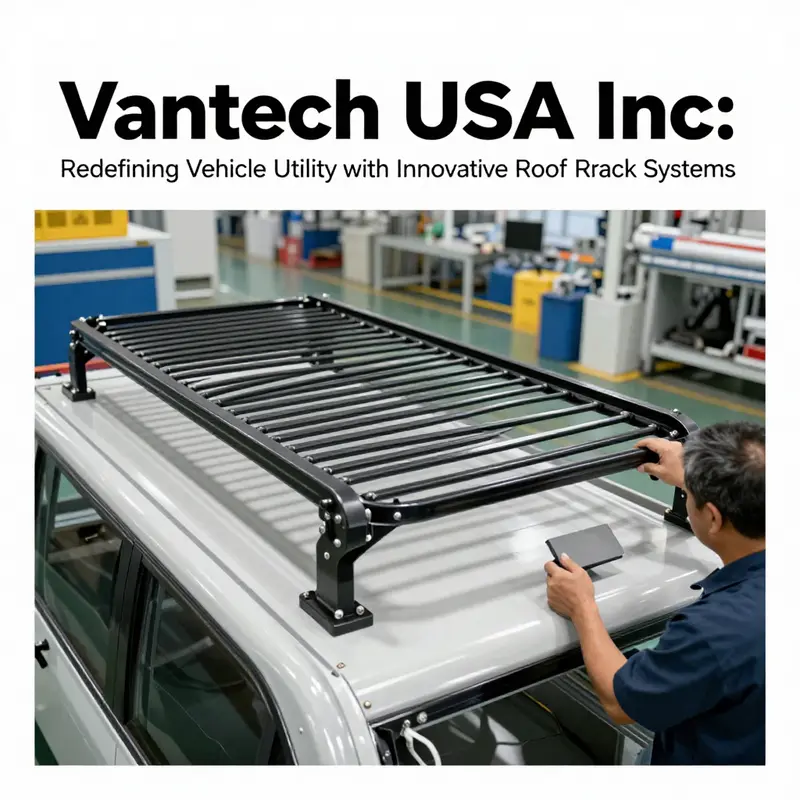
Vantech USA Inc. builds quality into every bolt by following a deliberate, end-to-end approach that starts with material selection and ends with field-ready documentation. From its Brooklyn roots, the company treats durability as a central design objective, guiding decisions about coatings, fasteners, and load paths to ensure reliable performance across climates and applications. A modular design ethos lets customers tailor configurations to specific routes, loads, and installation constraints without adding unnecessary weight. Rigorous testing, traceability, and supplier oversight ensure consistency from batch to batch, while clear installation guidance reduces downtime and simplifies maintenance. In practice, this means fleets, contractors, and individual operators can deploy gear with confidence, knowing it will hold up under repeated use and varied conditions. The Brooklyn-born mindset—practical, thorough, and relentlessly focused on user outcomes—shapes every interaction with customers and every product decision.
Final thoughts
Vantech USA Inc has not only established itself as a leader in providing high-quality vehicle accessories but has also set a standard for innovation and durability that can significantly benefit business owners. The combination of Vantech’s advanced roof rack systems and practical accessories supports improved operational efficiency while reinforcing the company’s unwavering commitment to quality. By integrating these innovative solutions into their fleets, business owners can enhance vehicle functionality, making cargo transportation smoother and more effective. Ultimately, investing in Vantech products translates to more versatile and reliable vehicles that can meet the demands of various business operations.