
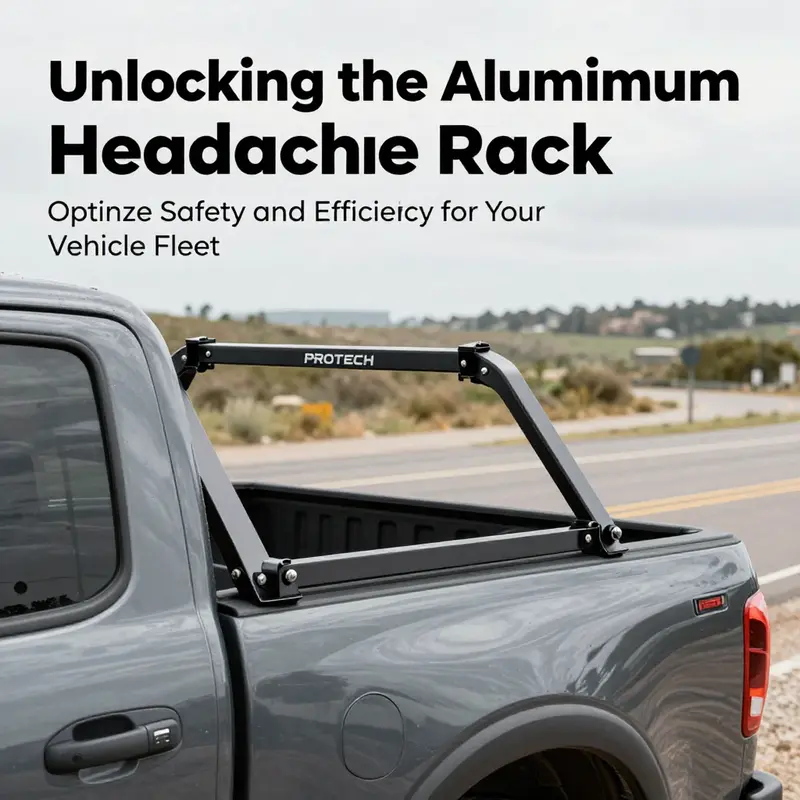
For business owners operating vehicles, protecting your assets and ensuring the safety of your crew is paramount. The PROTECH Aluminum Headache Rack is designed to provide essential protection to your vehicle’s rear glass and cab while enhancing functionality. This article delves deep into its key features, installation processes, safety benefits, and customer feedback, enabling you to make an informed decision. We’ll commence with a detailed look at the remarkable specifications of the PROTECH Aluminum Headache Rack, followed by guidance on installation and compatibility with various truck models. Next, we will explore the crucial safety benefits it offers and conduct a comparative analysis with other brands on the market. We will wrap up by sharing invaluable customer insights and performance reviews, equipping you with comprehensive knowledge about this essential truck accessory.
null
null
Fitting and Mounting the PROTECH Headache Rack: Practical Compatibility and Installation Guidance
Fitting and Mounting the PROTECH Headache Rack: Practical Compatibility and Installation Guidance
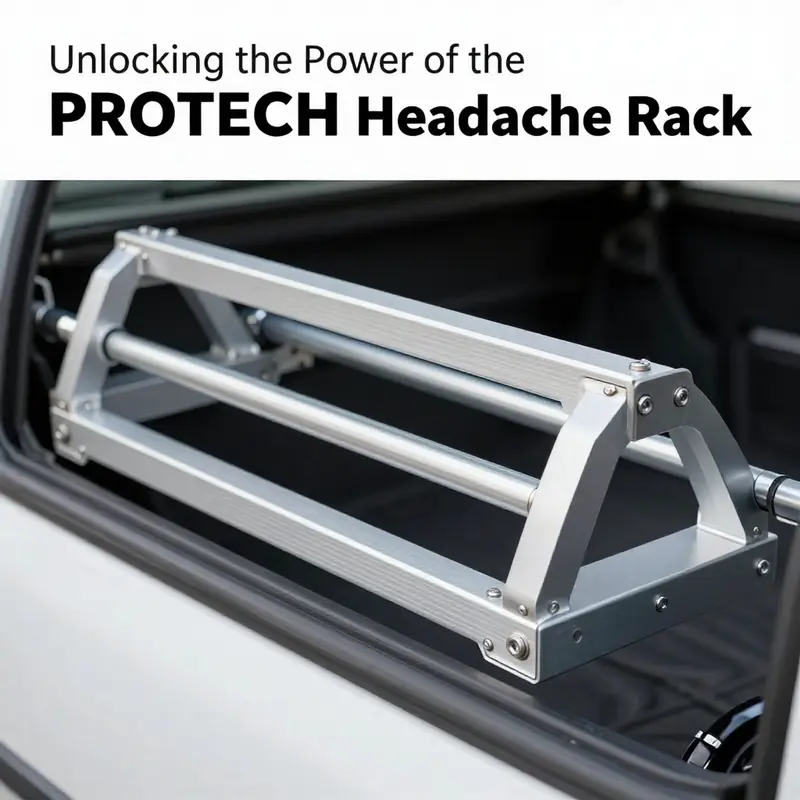
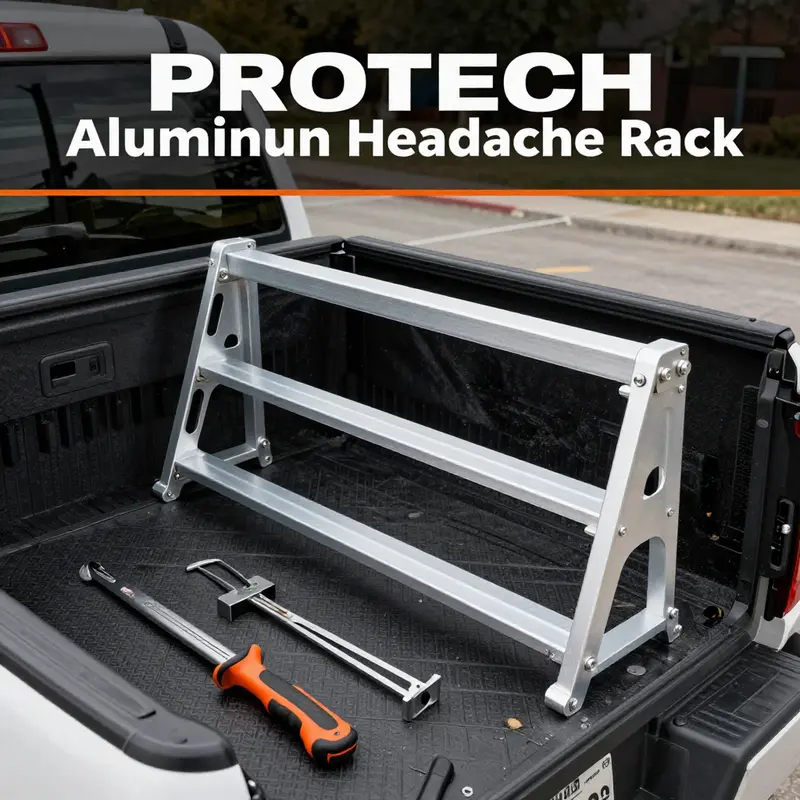
Choosing a headache rack is as much about fit and function as it is about strength. The PROTECH headache rack was developed to protect the cab and rear window from shifting cargo, and understanding how it mates with different trucks and how it installs will save time and prevent fitment headaches. This chapter walks through the core compatibility considerations and the step-by-step mounting approach, while offering practical tips for common variants and accessory integrations.
Compatibility begins with dimensions and attachment points. Many PROTECH racks are vehicle-specific or engineered to match common pickup bed geometries. Key variables are cab configuration, bed length, and the presence of bed rail or stake pocket systems. Small differences in headboard height, curve of the bed rail, or the angle of the cab can mean a perfect bolt-on fit for one year and a gap or misalignment for another. Measure the distance from the rear cab glass to the bed rail, the depth of the rail, and the distance between existing stake pockets if present. When exact vehicle-year fitment information is unclear, check hole centers on the rack base plates against your truck’s stake pocket spacing or factory bracket locations; even a few millimeters of variation can require shims or washers to achieve a secure, flush mount.
Material and structure affect compatibility too. Aluminum racks are lighter and resist corrosion, which helps where bed rails have limited attachment strength or on trucks used in salty climates. Steel versions offer higher load capacity for ladder or heavy-tool mounts but may need more robust bed or frame anchors. Inspect the rack’s mounting plates: are they designed for stake pocket bolts, clamp-to-rail hardware, or direct-frame mounts? Each method dictates a slightly different installation approach and may change how the rack interacts with tonneau covers, bed rails, or other accessories.
The installation process itself is straightforward for bolt-on designs but demands methodical preparation. Start by clearing the bed and cleaning the rail area. Remove any bed caps, rubber pads, or debris that could interfere with seating the rack. If the rack uses stake pocket mounts, verify the pocket covers are removed and that the pockets are free of rust or paint flakes which could prevent proper torqueing of hardware.
Positioning is the next critical step. Place the rack in the bed and align it with the cab window and side rails. An assistant helps here; hold the rack while checking symmetry from both sides. Use a tape measure to confirm equal offset from the cab corners and ensure the top of the rack sits parallel to the cab roofline to maintain the intended aesthetic and clearances for accessories like light bars.
Securing the rack uses the supplied hardware or recommended fasteners. Hand-thread bolts to prevent cross-threading, then tighten progressively in an alternating pattern to draw the rack flush to the rails. Use a torque wrench to the specified values if the rack manufacturer provides them; even torque distribution prevents stress points and keeps the rack stable under load. For steel racks, consider using anti-seize on bolt threads to aid future removal, while aluminum racks generally benefit from nylon lock nuts or thread-locking compound to prevent vibration loosening.
Testing stability is not optional. Once tightened, apply lateral and vertical pressure to the rack. It should not wobble, flex excessively, or produce creaks that indicate movement. Drive the truck on a short route and re-check torque after 50–100 miles, as settling can occur. For racks carrying ladders, tools, or heavy gear, load the rack to typical working weight and re-check fasteners again; this ensures the rack remains secure under operational loads.
Electrical integrations and accessory mounts add complexity. Many PROTECH racks come with optional light bar mounts or open areas for LED pods. Plan wiring runs before final mounting: route wires into the cab through grommeted ports or factory access points and secure them with zip ties to prevent chafing. If drilling into the bed or rack is necessary, use corrosion-resistant fasteners and sealers to protect cut edges. For ladder racks or upper crossbars, confirm the combined center of gravity and wind profile; tall loads increase stress on mounting points and can necessitate additional tie-downs or reinforcement.
Dealing with non-standard beds or older trucks requires customization. Some trucks have bed caps, aftermarket bed liners, or altered rails that prevent a direct bolt-on installation. In these cases, bed-rail clamps or custom-fabricated mounting plates can bridge the difference. When welding is considered, weigh the trade-offs: welded mounts offer permanence and strength but reduce adjustability and complicate resale. For many, a professionally installed bolt-on adapter strikes the right balance of strength and serviceability.
Clearance issues are another common concern. Confirm the rack does not obstruct rearview visibility more than your local regulations allow and that it provides enough clearance for cab tilts, if applicable. If the truck will be used to carry long materials, check that the rack geometry allows adequate rearward extension without contacting the cab glass. Integrated designs that taper inward toward the cab often maintain good sightlines while offering robust protection.
Finally, maintenance and legal considerations deserve attention. Regularly inspect fasteners for corrosion and re-torque as part of routine vehicle checks. If your rack includes reflective surfaces or lights, confirm they comply with local vehicle codes. In many jurisdictions, any permanent modification that affects vehicle dimensions or lighting must meet safety standards; ensure accessories are wired to industry-standard power and fused circuits.
For owners considering broader bed management systems, a headache rack is often the anchor point for toolboxes, ladder racks, and lighting solutions. Integrating these components increases usefulness but also requires careful planning around weight distribution and mounting strategy. If you plan to pair the rack with complementary bed gear, review compatibility guides or consult installation experts who can align mounting patterns and load ratings.
For a deeper dive into fitment charts and a model-specific installation guide, consult the manufacturer’s product page which lists dimensional specs and customer feedback on vehicle fitment. This resource helps confirm whether a particular rack variant matches your truck’s bed geometry and lists any model-year nuances to watch for.
For additional reading on headache rack options and guidance tailored to owners of similar truck accessories, see the Pro-Tech headache racks guide.
External reference: https://www.offroadwarehouse.com/protech-aluminum-headache-rack-and-ladder-rack-rear
How a Heavy-Duty Headache Rack Keeps Your Cab and Crew Safer on Every Run
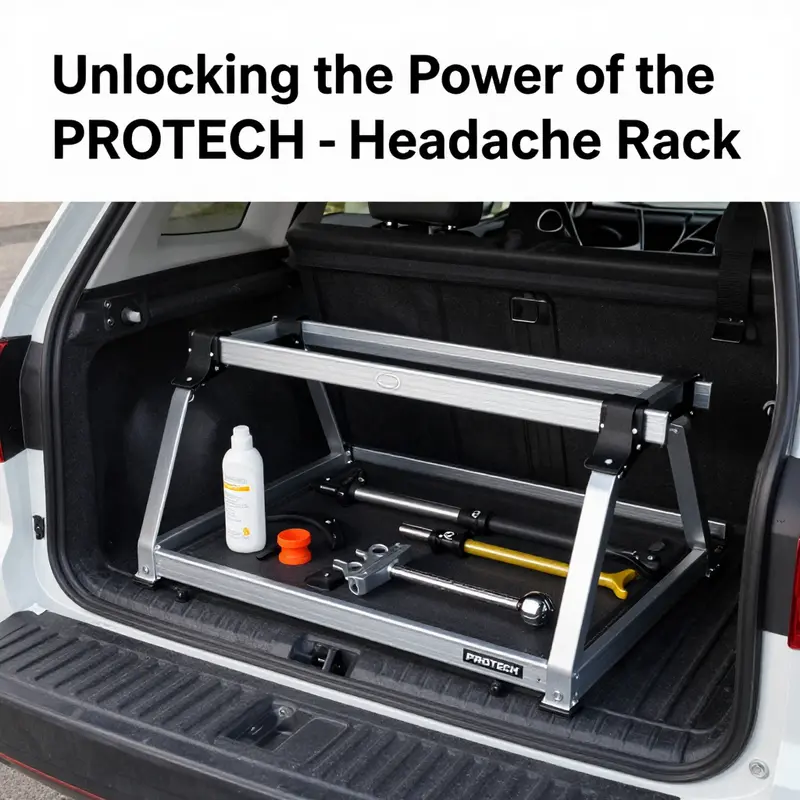
Strength that works where it matters most. A heavy-duty headache rack is more than a piece of metal behind a truck cab; it is the first line of defense between cargo and people. When loads shift, tools bounce, or debris flies in off-road ruts, a properly designed rack prevents damage that can blind a driver, injure passengers, or render a vehicle inoperative. This chapter examines how a well-built headache rack improves protection, enhances visibility, and supports safer operation across the wide range of conditions tradespeople, first responders, and outdoor enthusiasts routinely face.
A headache rack’s core function is to shield the rear of the cab and the back window. In everyday hauling and rugged jobsites, unseen forces can become immediate hazards: a loose tool sliding forward during braking, a pallet shifting under sudden maneuvers, or small rocks and branches kicked up at highway speeds. A sturdy rack provides a rigid barrier that absorbs impacts and deflects flying debris. This reduces the likelihood of glass shattering and protects occupants from penetrating objects. For crews who carry hand tools, ladders, or unsecured materials, that barrier can be the difference between a near miss and a hospital trip.
Beyond blunt protection, the rack preserves driver visibility. A shattered or cracked rear window compromises situational awareness and can force unsafe lane changes or stops. By preventing direct strikes to the glass, the rack maintains an unobstructed view to the rear and reduces the chance of secondary accidents caused by sudden, unexpected repairs. In short, the rack not only shields the cabin physically but also protects the driver’s ability to navigate safely.
Lighting integration is another safety advantage that elevates a headache rack from passive protection to an active safety system. Mounting LED light bars, spotlights, or work lights directly to the rack places powerful illumination close to the vehicle’s centerline. This arrangement increases usable light without adding clutter to the roof or bumper. Better illumination improves depth perception and reveals obstacles that standard headlights miss. On unlit job sites, rural roads, or during emergency response, the extra light helps drivers and crews spot hazards earlier and work with greater confidence.
An integrated mount also streamlines wiring and installation. A clean, secure light setup reduces the risk of loose fixtures or dangling cables that could fail at critical moments. With a solid frame behind the cab, lights stay aligned and focused where they are needed, supporting safer night operations and safer work around the truck.
Design choices influence safety in subtle but important ways. An aerodynamic profile, for instance, lowers wind drag compared with bulky roof racks or improvised mounts. Reduced drag improves vehicle stability at higher speeds and minimizes buffeting that can distract drivers. It also means fewer wind-related surprises when changing lanes or negotiating crosswinds. For fleets and solo operators alike, retaining predictable handling under load is a practical safety benefit.
Material and construction matter as well. Lightweight alloys and aluminum racks deliver strength without excessive weight, preserving payload capacity and managing fuel use. Heavier steel designs may offer exceptional impact resistance, but they also add mass that affects braking distance and cornering. Selecting the right balance for the intended use—durability where impacts are likely, lighter builds where payload and efficiency matter most—ensures safety gains are not offset by negative effects on vehicle dynamics.
No safety device is without trade-offs. Some rack designs, particularly those that extend high and close behind the cab, can obstruct the rear glass view. That potential blind spot calls for complementary solutions: a calibrated backup camera, side cameras, or sensors that restore situational awareness. For drivers who frequently reverse in tight spaces or work in congested sites, pairing the rack with visual aids mitigates the visibility trade-off and preserves a safe operating envelope.
Installation quality also determines outcome. A professionally mounted rack ties securely into the truck frame or bed, preventing movement under load. Loose or improperly bolted racks can shift, damage the vehicle, or fail under impact. Properly installed, the rack channels forces safely into the chassis. Poorly installed, it becomes a secondary hazard. Regular inspections—checking fasteners, welds, and mounting points—ensure the rack continues to perform over time.
For professional users the rack delivers functional utility that intersects with safety. Tradespeople carrying ladders, conduit, or long materials benefit from an anchored point to secure long loads. Emergency responders often need equipment racks that support scene lighting and tool storage without obstructing access. Off-road drivers rely on the rack to block stray branches and rocks that would otherwise ding glass and create hazards. In each case, the rack’s protective role extends beyond the cab: it secures cargo, supports mounted accessories, and creates safer workflows around the truck.
Maintenance considerations reinforce safety. Corrosion-resistant finishes, quality welds, and replaceable components prolong the rack’s protective life. A rusted or cracked rack not only looks neglected but may fail at the worst moment. Choosing a model with durable materials and accessible parts means less downtime and more reliable protection on the road or jobsite.
Operational procedures matter as much as hardware. Drivers should secure loads to avoid concentrated impacts against the rack and routinely verify that lights and mounts remain intact. When a rack partially blocks rearward sightlines, crews must adopt compensating habits—using mirrors, cameras, and spotters during complex maneuvers. Safety is a system: hardware, installation, and user behavior together determine how effective that system will be.
Investment in a headache rack is an investment in risk reduction. For businesses, the economic case is clear: fewer repairs to windows and cabs, lower liability exposure when cargo comes loose, and improved crew safety translate to reduced downtime and cost. For individual users, the reassurance that comes with a robust barrier and integrated lighting supports safer, more confident operation in diverse conditions.
For more insights into accessory choices that complement a headache rack and help build a safer vehicle setup, explore practical installation guides and accessory overviews available in industry resources such as the article on pro-tech headache racks. Additional product details and specifications can be found from manufacturers and retailers to help match a rack design to your vehicle and mission (https://www.protechracks.com/products/headache-rack).
Securing the Horizon: The Real-World Role of Aluminum Headache Racks in Truck Safety and Cargo Protection
In the realm of pickup-truck gear, a simple aluminum panel mounted behind the cab quietly plays a critical job. Headache racks, as they are commonly called, combine practical function with rugged design. An aluminum variation made in the United States stands out for its balance of strength, lightness, and corrosion resistance. These racks aim not to dazzle with chrome or showy curves, but to shield what matters most when the road gets rough: the rear glass, the cab interior, and anything the truck carries. When cargo shifts at speed, tools and debris can strike the glass and trim, causing costly damage or dangerous visual blind spots. A rack acts as a barrier, absorbing impact and giving the driver a margin for error on bumpy trails or busy work sites.
Public listings describe such a rack as a US-made aluminum unit designed specifically for pickup or commercial trucks. It is pitched as a protective accessory that safeguards the tailgate area and the cab from the worst-case contact with freight. The material choice matters: aluminum resists corrosion, keeps weight relatively low, and holds up under vibration without the heft of steel that can tax a truck’s suspension. The construction typically involves a powder-coated finish to fend off rust and a wake of airflow that reduces wind resistance at speed, though the rack’s profile still matters in how it interacts with cab height and rear visibility. In real-world terms, this means a straightforward installation that does not demand heavy fabrication, with bolts or clamps that fasten to the truck’s frame or bed rails. For buyers eyeing a US-made option, the marketing stories often emphasize domestic fabrication, regional sourcing of components, and a warranty that mirrors the confidence of American manufacturing.
From a design standpoint, the aluminum rack must serve several masters at once. It needs to be strong enough to resist a sudden debt of force from shifting ladders, pipes, or totes; it should not obstruct the rear window or the bed’s tailgate when unloaded; and it must avoid creating a visual silhouette that defeats a truck’s own lines. A common approach is a lattice or panel-style framework with crossbars that deter the intrusion of items while leaving the glass largely protected. The mounting system is a focal point: some racks clamp to existing stake pockets or bed rails, others bolt directly to the frame. Each method has tradeoffs in terms of vibration, ease of removal, and potential access to spare tires or bed storage. Weight is a quiet consideration too. Even with aluminum, a rack adds inches and pounds, so buyers gauge payload capacity and center of gravity. The result is a balance between rigidity, ease of use, and acceptance by the truck’s owners who use their rigs on long hauls or rugged sites.
Readers looking for direct data on how this category stacks up against competing brands will not find a neat, published comparison in most knowledge bases. The landscape is fragmented, with many makers offering similar configurations, yet few sources publish side-by-side metrics. Still, practical criteria exist for evaluating options. Material thickness and weld quality matter because they translate to longevity under vibration. Finishes that resist road salt and spray are not merely cosmetic but essential for year-round use in harsh climates. Mounting hardware matters too: whether the rack relies on through-bolts, clamps, or a dedicated mounting kit can influence installation time and the need for professional assistance. Compatibility with a specific truck model, or with aftermarket features such as bed liners and tonneau covers, becomes a filter before buyers even roll the dice on price. Finally, protection should not come at the expense of visibility. Some racks are so tall that they intrude on rear mirrors or hamper the effect of a backup camera; others are designed with cutouts or lower profiles to maintain line of sight.
In practice, a buyer may weigh a US-made aluminum option against other materials like steel or composite. Aluminum wins on weight and corrosion resistance, which helps fuel economy and long-term maintenance, but steel can offer maximum stiffness at a lower cost. Some buyers prefer powder-coated finishes in colors that blend with the truck’s paint, while others opt for bare aluminum for a utilitarian look. The installation narrative tends to converge on a common rhythm: measure mounting points, verify clearance with a full load, and check that the rack does not interfere with tailgate operation or bed access. Maintenance is straightforward: rinse off road grime, inspect bolts for any loosening, and touch up any chips in the finish before corrosion sets in. A good install also means checking the rack after the first few highway miles and after heavy-cargo days, because vibration can loosen fasteners over time.
Beyond the individual decision, the tracker of racks sits within a broader ecosystem of truck-bed gear. For some owners, the setup includes roof racks and ladder racks that complement the tail-end protection with roof-mounted or bed-mounted solutions. In researching options, one practical path is to explore related accessories like roof racks for trucks, which can expand the vehicle’s cargo-carrying capability while preserving interior space. roof-racks-for-trucks. This cross-category thinking helps builders plan a modular workspace on a single work vehicle, blending weatherproof storage with the daily demands of transporting tools, hardware, and heavy equipment. The goal is not to chase a single gadget, but to design a coherent system that keeps cargo secure and the driver confident.
As with any on-vehicle accessory, expectations meet reality in the field. A rack that protects glass and cab when you haul long ladders, pipes, or bulky equipment will likely also shield the interior from stray metal shards and sagging plastics that can rattle loose during transit. That protective promise becomes more credible when you see a product grounded in robust manufacturing standards, attention to corrosion resistance, and a mounting philosophy that respects the truck’s frame and existing accessories. The attention to detail matters: how the rack integrates with lighting, the potential need for extra sealant against water intrusion at joints, and the ease of cleaning around the mounting brackets after muddy jobs. In short, a well-conceived aluminum headache rack offers a quiet but meaningful upgrade to a truck’s reliability, not an add-on that looks good in a showroom photo.
What remains crucial is the buyer’s approach to due diligence. Since publicly available comparisons are sparse, prospective shoppers should rely on indicators like warranty coverage, production origin, and the clarity of the mounting instructions. They should also consider how the rack interfaces with other gear and whether the design respects user ergonomics—how easy it is to reach tools stored behind the cab and whether the rack creates any blind spots for drivers. These are practical concerns that shape real-world outcomes as soon as the truck rolls out to a job site. The experience of people who use their rigs daily becomes a form of validation, even when a single spec sheet cannot capture every scenario.
In the evolving marketplace for truck-bed gear, aluminum headache racks occupy a niche that reflects broader shifts toward modular, durable, and serviceable components. They speak to a larger philosophy: protect the critical points—the glass, cab, and cargo—without compromising the truck’s flexibility or the driver’s comfort. Where a rack slots into a larger system of accessories, the benefits multiply: easier access to tools, safer transport of heavy materials, and a more confident ride. As readers consider their own fleets, the narrative becomes less about a single piece of metal and more about how a well-chosen barrier helps preserve equipment, reduce downtime, and extend the life of expensive trucks and the jobs they enable.
External resource: https://www.nhtsa.gov/road-safety/secure-loads
Guardians of the Glass: Real-World Performance and Feedback on a US-Made Aluminum Headache Rack
A headache rack is more than a mere steel frame bolted above a truck cab. It is a deliberate guardian, a shield that keeps glass intact and crews safe as the landscape of work traffic, weather, and cargo jostles the ride. In this chapter, we explore how a US-made aluminum headache rack has translated design intent into real-world reliability, backed by broad customer feedback and rigorous field performance. The sheer scale of user engagement around this type of equipment—tens of thousands of movements, dozens of job sites, and countless miles logged—offers a living case study in how a well-engineered protective accessory can redefine how professionals transport gear, tools, and the occasional fragile item that stands between a productive day and costly downtime. The emphasis is on practical outcomes: fewer cracked rear windows, steadier cargo, easier handling for crews in motion, and a sense that the vehicle itself is better protected when the job demands long hauls through variable conditions.
What customers say, in aggregate, matters as a kind of behavior map. When a product earns thousands of seller ratings and the trend tilts strongly toward positive feedback, you begin to see not just satisfaction with a feature list, but a confirmation of core performance under pressure. In the case of this aluminum rack, the feedback signals reliability across multiple dimensions: robustness, ease of installation, and effective environmental protection. In practice, professionals report that the rack’s solid construction stands up to the daily grind of transport work where trucks carry valuable equipment and tools, often in demanding outdoor settings. The absence of recurring complaints about looseness, rattling, or misalignment is telling; it points to a system that remains stable under vibration, wind, and road debris. A long sequence of trips with heavy or bulky loads becomes a practical endorsement rather than a theoretical claim.
At the heart of the rack’s appeal is its design and structure. The front and rear mounting tracks—steel components integrated into an aluminum framework—offer a defined, dependable load path. The depth range of 450 to 480 millimeters provides versatility for mounting equipment on both sides of the rack, which translates into a balance between reach and stability. Operators who move between gigs or contract jobs frequently need a setup that can accommodate a variety of configurations without needing a fresh solution each time. What makes this feature set meaningful is not simply the ability to place gear on both sides, but the way it preserves the rack’s rigidity when the vehicle is in motion. In field terms, that rigidity reduces the likelihood of shifting equipment, which in turn lowers the risk of vibration-induced wear and accidental damage to sensitive items.
The user experience is further enhanced by a heavy-duty flush handle, designed to endure frequent handling in busy loading zones. The emphasis on a flush design is more than cosmetic; it minimizes snag hazards as crews step around the truck, reaches are limited, and the workflow emphasizes speed and safety. Alongside this are interlocking rib structures that guide stacking and securing multiple cases. In practice, this means technicians, musicians, technicians, and stage crews who often manage a fleet of cases can rely on a predictable, repeatable process to secure gear during transit. The interlocking principle reduces the cognitive load required to assemble and align equipment, which is especially valuable on mornings when teams are tired but deadlines are tight.
Durability under extreme conditions is a recurring theme in user feedback. A high-performance waterproof sealing system stands out as a crucial feature, meeting IP67 standards. This means the interior of the rack remains protected from dust ingress and water immersion to a depth that matters when trucks pass through rainstorms, drive through splash zones, or operate in humid, dusty environments. The practical effect is the preservation of internal equipment against moisture-related corrosion and accidental liquid exposure, a scenario that would otherwise merit concerns about long-term reliability. The combination of aluminum construction with a defensive sealing strategy makes the rack particularly attractive for outdoor work, live-event logistics, and field service operations where weather exposure is the norm rather than the exception.
Material quality rounds out the practical strengths reported by users. The rack is built with 100% new materials and backed by patented technology, signaling a deliberate commitment to engineering excellence and quality control. That choice of materials matters in everyday use: aluminum contributes to a favorable strength-to-weight ratio, which keeps overall payload manageable while still providing substantial protection. Patented design elements often translate into refined fit and finish, thoughtful tolerances, and features that simply feel more robust during routine handling. For professionals who will repeatedly install and remove the rack, that sense of precision translates into time saved, fewer misalignments, and less frustration over hardware that seems to wear out faster than expected.
From a tacit worker perspective, the rack’s practicality extends beyond its primary protective function. It integrates into a broader ecosystem of truck equipment designed to support reliable field performance. In this sense, the engineering choices—steel mounting rails, the 450–480 mm depth range, the flush handle, the ribbed interlock system, and IP67 sealing—are not isolated improvements but part of a coherent philosophy: when you invest in gear meant to endure the road, you want every component to contribute to a smoother, safer, and more predictable workday. The positive customer feedback reinforces this philosophy, suggesting that the product meets a real need for rugged, repeatable protection that doesn’t require special care or constant adjustments.
For readers curious about the broader implications of these findings, consider how such a rack situates within professional workflows where gear protection and transport efficiency are of equal importance. The rack’s design supports faster loading cycles, which can be a boon on tight schedules. It reduces the time technicians spend staging equipment, aligning with the demands of live events, mobile studios, and on-site service calls where every minute counts. Moreover, the protected environment reduces the risk of cargo damage during transit, which can translate into lower insurance costs, fewer replacement orders, and improved client confidence. In short, the rack acts not only as a shield but as a facilitator of workflow, enabling teams to focus more on their craft and less on the logistics of transport.
As this chapter threads together feedback, design rationale, and practical outcomes, one thread remains clear: the value of a well-conceived protective accessory lies in how it performs when it matters most—on the road, in mixed weather, with varying cargo profiles, and under the scrutiny of professional use. The positive pulse of consumer sentiment across thousands of transactions speaks to a durable truth: a thoughtfully engineered aluminum headache rack can become a trusted partner in daily operations, a dependable constant in an environment where change is the only constant. For anyone building out a truck setup that prioritizes safety, durability, and ease of use, the takeaway is straightforward. Look for systems that offer robust mounting options, clear handling cues, reliable interlocking features, and proven environmental sealing—features that, in combination, deliver the consistent, long-term performance that professionals rely on.
Internal resources offer a closer look at how these components fit into broader protective equipment ecosystems. For a deeper dive into related racks and tool storage solutions, see the protech-headache-racks guide. This resource helps situate the aluminum headache rack within a family of protective truck accessories that emphasize modularity, reliable fit, and field-tested durability. Internal link: protech-headache-racks.
External resource: a product listing that provides additional context on the manufacturing and material choices behind this class of rack design can be found here: https://www.alibaba.com/product-detail/PROTECH-Aluminum-Headache-Rack-Made-in-USA1600527993437.html?src=productdetail
Final thoughts
The PROTECH Aluminum Headache Rack stands out as a vital accessory for any business owner seeking to bolster safety and functionality in their vehicle fleets. With its robust design, easy installation, safety features, and strong customer satisfaction, it is an investment that pays dividends in operational efficiency. As you consider enhancing your vehicle’s safety and utility, the PROTECH Aluminum Headache Rack deserves a prominent place in your list of options.