

The need for reliable and efficient storage solutions in the transportation industry has never been more critical. A Protech Truck Box offers business owners the durability, usability, and reliability required for safe transport and storage. This article delves into the specific features and specifications that make Protech Truck Boxes stand out, the diverse applications they encompass within the transportation sector, and provides a comparative analysis with alternative truck storage solutions. Additionally, we will examine current market trends related to heavy-duty vehicles and share user testimonials that highlight real-world performance. By the end of this article, business owners will have a comprehensive understanding of the value that Protech Truck Boxes bring to their operations, enabling informed purchasing decisions.
Gull-Wing Access, IP67 Protection, and Built-To-Last Logic: Redefining the Heavy-Duty Aluminum Truck Box
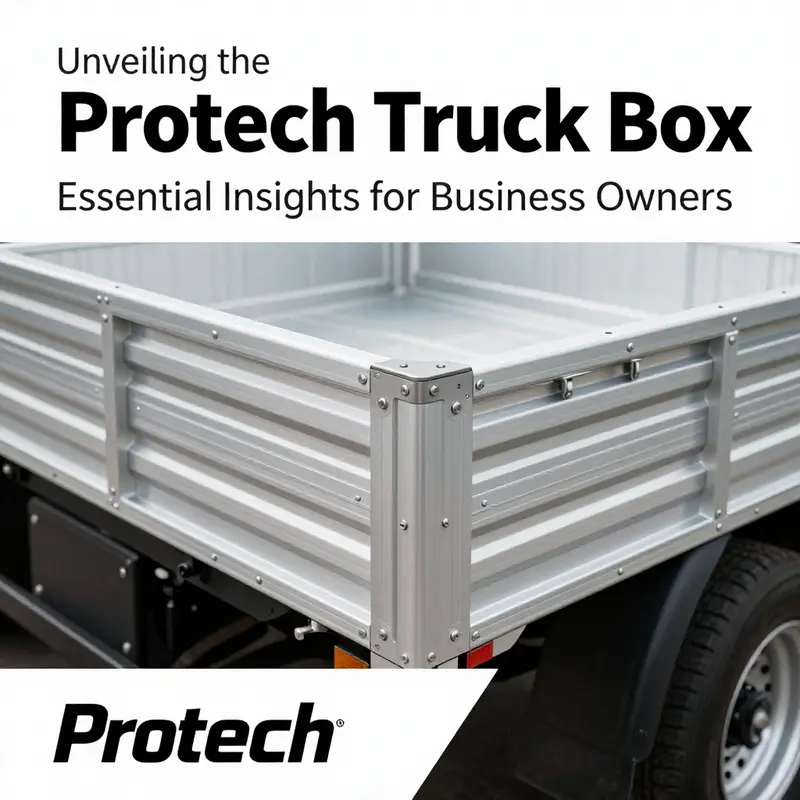
In the day-to-day grind of field service, construction, or mobile workshops, the truck becomes a moving extension of the shop. Tools, fasteners, spare parts, and diagnostic gear all ride along, sometimes in rain, mud, or dust, sometimes under shifting loads and rough terrain. A storage solution worthy of the work must do more than hold items; it must protect them, be accessible on demand, and fit into a disciplined workflow. That is where the heavy-duty aluminum truck box, with its gull wing canopy and weather-worthy seals, steps in as more than a container. It becomes a portable workbench companion, a reliable ally that helps crews locate the right tool at the right moment and keep the operation moving without repeated trips back to the shop. The core idea centers on a simple principle: protect, access, and modularize. A box that can be opened quickly, remains watertight in a downpour, and stacks securely with other boxes is a small but critical enabler of productivity on the road or at a job site.
From the outset, the material choice matters. A box built from thick aluminum, typically in the range of 2 to 4 millimeters, combines a light enough heft to avoid excessive payload penalties with a rigidity that resists flex when banged by a ladder, a tool bag, or a dropped socket. Aluminum also brings natural corrosion resistance, a crucial factor when equipment sits in damp truck beds or outdoor storage. The design then adds practical hardware to translate that material strength into real-world reliability. A T-handle, for instance, is more than a grip point. It’s a tactile cue that a user can operate with one hand in gloves, even when the other hand is occupied with a tool, a cable, or a curbside note. The T-handle gives a sense of confident control, a small but meaningful ergonomic detail that lowers the cognitive load during morning toolbox setup or after a long day of service calls.
A standout feature in this category is the gull wing canopy, a canopy style that swings upward rather than opening upward and forward like a traditional lid. This approach has tangible benefits on the job. When the user arrives at a site, the box can be opened and items can be retrieved without kneeling or contorting in awkward angles, which is especially valuable when the area around a vehicle is cluttered with hoses, cables, or other equipment. The swing-up action also facilitates quick reorganization. If a technician needs to swap a wrench for a ratchet and a spare battery in rapid succession, the gull wing design reduces motion time and keeps the hands free for other tasks. It is a design language that favors solvent efficiency: less wrestling with hardware, less wasted time, fewer dropped items, and fewer near-misses as items slide or bounce from a half-open lid.
Beyond access, weatherproofing sits at the heart of how these boxes sustain tool integrity over time. The seals, engineered to IP67 standards, protect against water ingress and the intrusion of dust—two adversaries that can corrode metal surfaces, ruin electronics, and dull the performance of precision tools. An IP67-rated seal holds firm when rain pounds the lid and when a spray from a water truck or a muddy field wash streams over the canopy. With such protection, crews can leave the box in the open bed of a pickup or on a trailer without fear that rain will creep through hinges, gaskets, or the perimeter seal. The result is a reliable refuge for sensitive items: power tools that demand clean motors, batteries that shouldn’t drain from exposure, and fasteners that lose grip if exposed to moisture over days and weeks.
The box’s resilience extends to how it withstands the rough rhythm of field work. Impact and drop resistance are not abstract specs; they translate into confidence when a box is bumped against a gate, slid across a trailer lip, or set down with gear still inside. In practical terms, this means reinforced corners, robust mounting points, and interior layouts that minimize rattling. When a box survives a drop from a truck bed at a loading zone, it preserves the contents without the need for additional protective liners or interior dividers that might complicate the daily routine. The design therefore emphasizes not just one moment of impact protection but a broader envelope of durability across the lifetime of daily use.
Another attribute that often goes unheralded is stackability. In many fleets, space is a scarce commodity. A design that can stack securely with other similar boxes unlocks a modular storage strategy. Stacking helps to organize tools and spare parts by category, by job site, or by project phase, while also enabling more efficient transport. When the sequence of work requires a quick swap of entire tool kits, stackable boxes reduce the friction of unloading and reloading, turning a potentially tedious routine into a predictable, repeatable process. The result is a work surface that feels almost modular in practice: a toolbox system that can scale with the team’s needs without forcing a wholesale reorganization of the vehicle or the worksite.
Turning to the practical footprint, the box’s dimensions—1750 millimeters in length, 550 millimeters in width, and 850 millimeters in height—translate into a usable volume that can accommodate a broad range of tools without becoming unwieldy. The length supports long-handled items, cases, and multi-drawer organizers; the width helps fit across a pickup bed or a trailer’s floor plan; and the height provides enough vertical room for stacked cases or large power tools, while still offering enough headroom to reach inside without crouching. These numbers matter not as abstract data points but as tangible planning inputs when a fleet manager designs the storage layout for a new vehicle or iterates on an existing one. The ability to anticipate how a box sits alongside a spare fuel container, a generator, or a set of cable reels can reduce the risk of obstructed access or shifting loads during transit.
Forging a practical workflow around such a box also means considering how it is used day to day. While the gull wing canopy opens with a smooth swing, the ease of use is amplified when the interior layout is straightforward. A well-thought interior can include vertical dividers, small pockets for fasteners, or modular trays. The aim is to support fast, accurate retrieval rather than a rummaging pursuit through a cluttered cavity. In this sense, the box becomes more than a storage vessel; it is a conduit for an organized process. When a technician arrives at a site, they can, from memory, reach for the right set of wrenches, used spare parts, or diagnostic adapters without delay. Even the smaller ergonomic and tactile details—such as the ease of lifting the lid, the stiffness of the hinges, or the resistance of the T-handle—contribute to reducing fatigue during a long shift and increasing the reliability of the operation as a whole.
Of course, integration with the broader vehicle ecosystem deserves attention. The box is not a standalone object; it must work in harmony with mounting hardware, weather shields, and the vehicle’s payload balance. The aluminum construction helps keep the weight manageable, which matters when the box is mounted on a pickup or trailer where weight distribution can influence handling and fuel efficiency. In fleets that aim to minimize downtime, a predictable, repeatable installation process becomes part of the operating standard. A well-designed box reduces the need for custom brackets, prevents uneven loading, and aligns with common mounting patterns used across different vehicle models. In this way, the box supports a scalable approach to fleet upgrades, letting managers replicate a proven configuration across multiple rigs with minimal friction.
To keep the narrative grounded in practical transition, consider the path from arriving at the job site to finishing a task. A technician pulls into a lot, opens the gull wing canopy in a single, confident motion, and selects a few essential items—sockets, a torque wrench, a spare filter, a set of rivets, perhaps a diagnostic cable. The high-performance seal ensures that none of these items is compromised by rain or dust, and the interior remains organized enough that those items can be replaced in their exact places before departing. If the crew needs to scale up for a larger job, the box’s stackable aspect allows two or three units to sit side by side or on top of one another in a single trailer load, forming a cohesive, modular storage matrix rather than a haphazard pile of gear. The net effect is a vehicle that behaves less like a mere transporter and more like an extension of the workshop—always ready, nearly instantaneous to access, and resilient under the daily rigors of field life.
For readers exploring this niche, a broader catalog of related storage solutions can provide useful context for how these designs compare and contrast. If you want to explore variants and related configurations, see the overview at protech-boxes. This internal reference helps situate the conversation within a wider ecosystem of truck boxes and tool-storage innovations while keeping the emphasis squarely on practical performance rather than marketing claims. While the details vary by model, the underlying themes remain consistent: robust aluminum construction, secure access, weatherproofing, and thoughtful modularity. The result is a storage solution that does more than hold tools; it actively supports a more efficient, safer, and more professional workflow on every job site.
As industries evolve and the demands on field teams intensify, these design principles provide a blueprint for future iterations. The gull wing approach, the IP67 protection, and the emphasis on durability and modularity collectively address a set of persistent pain points: weather exposure, tool loss, clutter, and workflow inefficiency. The best boxes translate context into capability, turning a truck bed into a well-organized workspace on wheels. They are not flashy surprises but reliable workhorses that quietly enable teams to complete tasks faster, with fewer interruptions, and with greater consistency across days and weeks. In a world where time and reliability are currency, the right storage box is a force multiplier—an unglamorous but essential piece of the equipment that keeps crews focused on the job rather than the logistics of keeping their gear dry and organized.
External reference for broader context on this category underscores the value of heavy-duty aluminum storage solutions and their evolving manufacturing standards: https://www.made-in-china.com/products-search/hot-search/Underbody-Truck-Box-Pickup-Storage-Box-Heavy-Duty-Aluminum-Trailer-Box-with-T-Handle.html
Under-Body Truck Boxes in Transportation: Applications, Security, and Fleet Efficiency
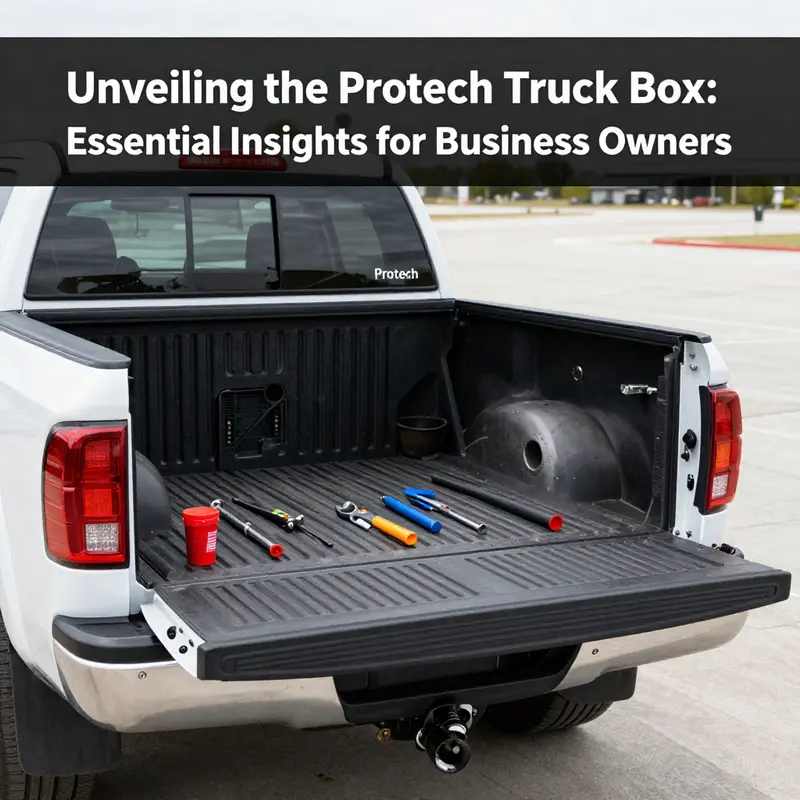
Across the fleet landscape, a quiet evolution has taken shape beneath the truck chassis, where storage units tuck themselves under the body rather than sit exposed in the bed. These under-body truck boxes are more than containers; they are deliberate design choices that shape how a fleet operates, what gear travels with the vehicle, and how quickly crews can respond to the next job. In transportation networks that prize reliability, protection, and speed, the right under-body solution translates to hours saved per week, reduced losses to weather and theft, and steadier maintenance cycles. The logic is straightforward: a rugged, weatherproof enclosure that is easy to access and hard to tamper with can turn scattered tools into a governed inventory and a routine repair into a smooth, predictable operation.
Placement matters. By aligning storage with the frame and tucking it under the body, engineers reclaim precious bed space for large payloads while still preserving instant access to the gear that technicians and drivers rely on. This under-body approach isn’t just a clever space saver; it’s a system-level decision that harmonizes weight distribution, docking efficiency, and fleet planning. When mounted flush with the frame, the enclosure minimizes protrusions that can be damaged in busy yards or during tight turns. It also creates a stable, protected home for tools, spare parts, and rescue equipment, shielding them from the knocks of routine service and from the harsh realities of road life.
Security is woven into the core of the concept. The best under-body boxes answer two essential questions before a lid is ever opened: can the items be retrieved quickly when needed, and are they protected from theft during downtime? The answer usually rests on a robust locking system, metal-to-metal latches, and a tight-seal lid that keeps rain, snow, and dust at bay. Reinforced hinges, corrosion-resistant fasteners, and interior organization features help ensure that equipment stays exactly where it’s supposed to be, even after miles of vibration and exposure to the elements. The benefit is twofold: it discourages opportunistic theft and, crucially, preserves the integrity and organization of the gear, so drivers can reach precisely what they need without rummaging through a cluttered trunk or a cramped cab.
Weather resistance is non-negotiable. Materials are chosen for their strength and resilience in challenging climates, and wall thickness is balanced against the need to keep weight manageable. Aluminum alloys stand out for their combination of stiffness, durability, and corrosion resistance, often paired with a protective coating that resists chips and UV degradation. A typical heavy-duty enclosure uses wall thickness in the 2- to 4-millimeter range to deliver rigidity without excessive heft. The lid and gasket system must seal tightly, with raised lips and drain channels that shed water while preventing pooling on the surface. When a box carries tools and spare parts through rain or snow, the difference between a dry, clean interior and a soggy, corroded mess is measured in the maintenance interval and the reliability of every job site visit.
Durability threads through every feature, from the material choice to the hardware geometry. Strength is not just about withstanding one big impact; it’s about surviving daily life on shared roads and in bustling service yards. The T-handle, a small but telling detail, embodies a philosophy of practical reliability. It’s designed for glove-friendly operation, smooth action after thousands of cycles, and robust resistance to jamming in dusty, muddy conditions. Rigorously finished hinges and corrosion-resistant latches keep the enclosure functional regardless of season. Inside, liners and removable trays can keep tools from shifting, with adjustable dividers that accommodate everything from diagnostic kabels to power tools. This combination of durable exterior and thoughtful interior is what turns an under-body box from a mere container into a trusted workshop on wheels.
Accessibility is the practical heartbeat of the design. An under-body box must open wide enough to reveal contents without forcing operators into awkward postures, yet remain compact enough to stay out of the way during busy loading operations. Some configurations offer dual-sided access or gas-assisted lids to enhance reach from multiple angles. Inside, a well-planned layout—bins, removable drawers, and clear labeling—reduces the time spent locating the right part mid-route. In a world where deliveries and field service demand relentless efficiency, even small gains in retrieval speed accumulate into faster job completion, higher on-time rates, and more predictable schedules.
The typical user base for under-body storage spans fleet operators, delivery networks, maintenance crews, and field technicians. For operators, these boxes protect valuable hand tools, diagnostic gear, spare parts, and emergency supplies while keeping access immediate for on-call service rounds. In delivery-focused roles, the ability to carry essential items securely without sacrificing cargo space translates into quicker turnarounds and fewer depot visits. For technicians who move from site to site, a well-organized, secure, weatherproof enclosure under the chassis becomes a portable, reliable workshop—one that supports faster fault isolation and streamlined maintenance tasks. The common thread is clear: when a vehicle is treated as an adaptable workspace rather than a static carrier of gear, the storage system becomes a strategic asset that directly influences uptime, safety, and customer service.
Practical implementation lives at the intersection of inventory discipline and modular design. Start with a precise inventory of the tools and parts most frequently needed away from the depot. Map these items to a modular enclosure with compartments sized for typical toolsets, cables, and small spare parts. Consider compatibility with other vehicle-mounted systems—ladder racks, cargo rails, or power distribution points—to create a cohesive, expandable storage ecosystem. The ability to add or reconfigure interiors without replacing the entire box matters as routes and equipment evolve. The aim is standardization across a fleet so that a maintenance tech, a delivery driver, and a fleet supervisor all understand where to find what they need, regardless of which vehicle in the lineup they are using.
If you want to connect this narrative to broader reading, a related vehicle-storage discussion offers a concise look at how under-body enclosures fit into larger storage ecosystems and maintenance routines. See the overview in the truck storage discussion here: truckboxes.
The broader implications of under-body storage extend beyond the immediate benefits of security and space. They influence safety, risk management, and governance. When tools and spare parts are locked and organized, drivers experience fewer distractions caused by clutter or missing items, reducing the risk of injuries and near-misses. For fleets, standardized storage supports audit trails for tool inventories, simplifies training for new technicians, and tightens maintenance accountability. The disciplined approach to storage thus becomes part of a safety and compliance framework, reinforcing consistent practices across shifts, crews, and vehicles. The result is a more predictable operation, where the storage system supports the daily tempo of routes and service calls rather than becoming a noisy, neglected afterthought.
As transportation demands evolve—toward smarter fleets, better asset visibility, and more modular vehicle configurations—the value of under-body storage design becomes even more evident. Lightweight yet sturdy materials, improved seal technologies, and precision hardware enable enclosures that perform reliably through years of service without demanding excessive replacements. A well-executed under-body box offers a clean exterior and a deliberate interior, signaling professionalism to customers and partners while delivering practical performance to operators. Its understated presence belies a powerful impact: it keeps gear dry, secure, and organized, turning a simple storage unit into a core component of fleet efficiency.
In sum, under-body truck boxes deliver a comprehensive package: secure access, weather resilience, durable construction, and thoughtful interior organization. They align with the daily realities of fleet operations, where uptime matters as much as payload, and where small efficiencies compound into meaningful improvements in service levels and cost control. The boxes may be tucked out of sight, but their influence travels with every mile and every delivery window. The next stage in this evolution may bring enhanced integration with fleet-management tools, enabling real-time inventory telemetry, proactive restocking of spare parts, or modular reconfigurations that adapt to shifting job profiles. For now, the practical virtues remain clear: they are a compact, robust, and intelligent solution that translates cargo capacity into a disciplined workflow on the move.
External reference: https://www.made-in-china.com/products-search/hot-search/Underbody-Truck-Box-Pickup-Storage-Box-Heavy-Duty-Aluminum-Trailer-Box-with-T-Handle.html
On the Move: Redefining Portable Tool Storage with the ProTech Truck Box

The ProTech Truck Box sits at the intersection of mobility and meticulous organization, a niche that has become indispensable for field technicians, mobile repair crews, and service professionals who move as often as they work. In the world of service vehicles, a box that travels with the truck is more than a container; it is a portable workstation, a secure inventory of essential tools, and a strategic companion that shapes the speed and reliability of on-site tasks. The compact dimensions—36 inches in length, paired with a nearly square footprint of 18 inches by 18 inches—are not a cosmetic choice. They reflect a practical calculus: enough storage to keep a well-curated set of tools and spare parts, but not so large that it hinders access, loading, or mounting on a variety of pickups and trailers. This balance matters when a technician must reach for a specific wrench, a diagnostic tester, or a spare connector while the vehicle is in motion or parked in a tight alley. Accessibility is the backbone of field efficiency, and the ProTech design sensibly centers the operator in the workflow. The box is engineered to be opened and accessed quickly, with a design that anticipates the way tradespeople actually work on a job—without fumbling through a maze of compartments. The inclusion of a clearly defined internal layout, modular trays, and a secure locking mechanism helps ensure that the moment the user slides open the lid, the right tool is visible and within reach. In practice, that immediacy translates to fewer trips to the toolbox in the back of the truck, less downtime during a critical repair window, and a smoother handoff when a tech mentor or junior technician joins the job. The emphasis on efficiency is not incidental; it is the thread that weaves together durability, usability, and the realities of the mobile workspace. The box’s design also integrates a robust yet manageable approach to access. A T-handle, familiar to many heavy-duty storage systems, provides a tactile and straightforward means to operate latches and open compartments. The choice of a simple, reliable handle is an intentional counterbalance to the complexity that can arise from over-engineered access solutions. In the field, simplicity often correlates with reliability, especially when weather, dust, and rugged terrain threaten the smooth operation of hardware. The ProTech model appears to harmonize ruggedness with user-friendly operation, a synthesis that supports fast tool retrieval without sacrificing security or long-term durability. The result is a storage solution that complements a technician’s repertoire rather than complicating it. In discussing what makes this truck box particularly resonant for professional use, it’s important to acknowledge the broader material science at play in the category. While the ProTech box is designed for real-world deployment, many heavy-duty truck boxes—especially those targeted at professional applications—employ aluminum or aluminum alloys. The appeal of metal like aluminum lies in its advantageous mix of strength and weight. A 2-4 millimeter-thick aluminum shell offers a robust outer shell that resists impact and weather while keeping weight within a practical range for mounting on trucks and trailers. In the context of the ProTech truck box, this material ethos underpins a sense of resilience: a container that can be banged against a workbench or bumped during transit and still maintain its structural integrity. The aluminum construction, paired with a solid locking system, helps deter tampering and theft in transit, a consideration that matters as work sites push deeper into municipal streets or rural roads. Yet the value of the material extends beyond pure durability. Weight matters in the mobile service equation because the more weight a box adds, the more strain it imposes on the vehicle’s handling, fuel efficiency, and ease of repositioning between tasks. A lighter but equally rugged chassis allows technicians to reposition the box between multiple work areas, load more gear into a truck bed, or swap the box between vehicles as needed. The ProTech unit’s design appears to recognize this balancing act, aiming to deliver a sturdy, secure storage solution without tipping the scales into unwieldy heft. The mobility story continues with wheels and a telescoping handle, features that mobilize the storage unit as a rolling toolbox. When a field crew arrives at a site with multiple service points, the ability to move a fully loaded box from one corner of a lot to another can substantially cut down the time wasted in carrying smaller toolboxes or drifting between workstations. The wheels perform a quiet but essential role: they extend the box’s utility from the shop floor to the street, supporting a fluid workflow in which the technician can pull out the right tray, replace it with a different configuration, or switch the box into a staging position near a vehicle for rapid tool access. With modular trays inside, the ProTech Truck Box becomes more than a static container. It becomes an adaptable platform that can be rearranged to suit the day’s tasks. For mobile repair jobs, technicians often segment their toolsets by trade—meters and testers in one tray, fasteners and adapters in another, and diagnostic cables in a third. The ability to quickly remove or relocate trays without disturbing other tools is a practical feature that reduces the mental load of a busy day and helps maintain focus on the repair itself. This modularity aligns with the broader expectations of field service products, which are tasked with enabling workflows rather than merely storing gear. The comparison with other storage solutions helps illuminate why this approach matters. A gull-wing canopy box, for instance, might offer weather protection and additional overhead storage but can be less optimized for internal organization. The inner area may resemble a more general cargo box than a purpose-built toolkit, diminishing the pace at which a technician can retrieve specific tools. In contrast, the ProTech box emphasizes internal compartmentalization that mirrors a well-organized workshop on wheels. Another common option—front-access chest boxes designed for atop workbenches—offers excellent space efficiency and top-shelf organization when stationary. Yet their mobility is inherently limited by how they are mounted and supported. When a worker needs to move continuity from site to site, a chest box often becomes a staging piece rather than a truly portable solution. The ProTech truck box, with its integrated wheels and handle, bridges this gap by delivering the best of both worlds: the organized certainty of a chest box, and the mobility of a rolling, field-ready system. The implications for workflow are meaningful. A technician can prepare a kit for a specific job by arranging modular trays, lock them in place, and then wheel the entire kit toward the vehicle or toward the client’s site. The immediate accessibility reduces the cognitive overhead of inventory control under pressure. Tools no longer vanish into the bowels of a truck bed, and the risk of misplacing a critical component declines. In practical terms, this translates to faster response times, fewer trips back to the vehicle, and better on-site service quality. The broad rationale behind the ProTech design thus reflects a philosophy: service professionals deserve a tool storage system that travels well, protects its contents, and supports precise, repeatable workflows. The materials and hardware choices—durable aluminum construction, effective locking, modular trays, and a wheeled base—are modest hardware decisions with outsized impact on day-to-day performance. When selecting a truck box for a mobile operation, a buyer should consider the climate, terrain, and typical job sequence. The ProTech model appears well-suited to environments where weather exposure, dust, and vibration are common. Its robust build and secure access help ensure that gear remains protected in transit and ready for immediate use once on site. The price of such reliability is a balanced equation of weight, price, and usability. For teams that rely on fast turnarounds and accurate tool management, investing in a well-conceived mobile toolbox can yield dividends through reduced downtime and improved job outcomes. If you want to explore the design narrative behind the ProTech philosophy further, see how the brand positions its modular toolbox approach here: ProTech boxes. The link offers a window into how modular trays, secure latching, and mobility-oriented design converge in this family of truck storage solutions. As this chapter keeps faith with the broader context of portable storage in the field, the emphasis remains on how form and function come together to support a workflow rather than simply fill space. While the chart of materials, dimensions, and hardware can guide a selection, the true test of a ProTech Truck Box lies in its day-to-day real-world performance: the way it withstands a day’s worth of traffic in a busy shop, how easily a user can reconfigure the interior to fit a new project, and how the box holds up over months of travel and weather exposure. The objective, after all, is clear: to deliver a reliable, organized, and mobile toolbox that travels with the technician, enabling faster, safer, and more precise service delivery across a spectrum of trades. For readers seeking a broader sense of the materials used in heavy-duty aluminum storage solutions and how they perform in demanding environments, this external reference provides useful context: https://www.made-in-china.com/products-search/hot-search/Underbody-Truck-Box-Pickup-Storage-Box-Heavy-Duty-Aluminum-Trailer-Box-with-T-Handle.html
Hidden Vaults on Wheels: Crafting Rugged Under-Body Truck Boxes for Modern Fleets

When fleets push farther, through dust and rain, across unforgiving terrain and days that outstretch the horizon, the reliability of every tool, spare part, and document stored in a vehicle becomes a foundational business asset. The chapter of storage design that often gets overlooked is not the size of the cab or the power of the engine, but the quiet efficiency of the box tucked under the body of a truck or trailer. These are not mere containers; they are purpose-built vaults that must endure corrosion, impact, and incessant vibration while preserving the order of tools, fasteners, and essential equipment. In heavy-duty applications—from construction and mining to long-haul logistics—the demand is clear: storage that stays secure, remains accessible, and preserves payload and stability. The rhetoric around this equipment tends to orbit around toughness, but true ruggedness emerges from a careful synthesis of materials, geometry, and attachment philosophy that respects the vehicle’s dynamics and the operators who rely on it daily.
A practical cornerstone of this design lies in the choice of material and the fine balance between weight and strength. Aluminum, particularly in the 2-4 millimeter range, has become a baseline for serious under-body boxes. It offers a remarkable blend of corrosion resistance, structural rigidity, and lightness relative to steel. The thicker sections can resist dents and deformation when tools shift during transit or when the vehicle encounters rough terrain. Yet, to avoid offsetting the weight advantage with unwelcome bulk, designers optimize thickness where it matters most. The result is a box that feels purposeful in every line and contour, not bloated with superfluous mass. This is not simply about hardware; it is a philosophy of material economy, where every gram earns value through durability and service life.
The opening act of any robust under-body box is a thoughtful access mechanism. A reliably operable T-handle, paired with a weather-tight seal, becomes a lifeline for operators who must retrieve a wrench, a bolt, or a spare filter in seconds, even in rain or dust. The hardware is chosen for resilience and longevity, resisting corrosion and wear from repeated locking cycles. The gaskets and sealing surfaces, carefully molded to deflect water and grit, work in concert with the metal skin to protect contents from the harsh elements encountered on job sites. There is a quiet but essential elegance in a well-tuned latch that feels confident to operate, a little mechanical assurance that the workday will proceed with minimal hesitation.
The geometry of the box speaks to its mission. Low-profile, integrated designs maximize cargo space without encroaching on ground clearance or the vehicle’s stability when cornering on uneven surfaces. The goal is to keep the box out of the crosswinds and off the roughest ground while providing immediate access to the stored items. A well-engineered under-body box also respects the vehicle’s ET (offset) and PCD (bolt pattern) measurements, ensuring a crisp fit with the chassis and mounting points. This precise fit is more than cosmetic; it reduces vibration transfer to the box itself and protects the mounting hardware from undue fatigue. When you consider fleets that clock tens of thousands of miles each year, that stability translates into fewer maintenance events, lower shop costs, and fewer unexpected downtime scenarios that ripple through schedules and budgets.
Material choice and fitment are complemented by attention to protective detailing. The aluminum’s surface can be finished with durable coatings that resist salt spray, mud, and stray gravel, a common triad of assault on a vehicle operating near roads, dumps, and winding mine roads. Inside, the box is partitioned and finished to minimize snag points, with smoothly chamfered edges where tools may bind during fast retrieval. Even the interior coatings contribute to longer life by preventing corrosion from moisture carried into the storage environment by damp tools. These details—though small in isolation—aggregate into a system that keeps contents secure and vehicles operational under the most punishing conditions.
Beyond materials and sealing, the structural attachment of the box to the vehicle deserves careful attention. The under-body location, while protective in terms of payload and access, is also exposed to road debris, splash, and the occasional impact from loose rocks or dropped items. The mounting must absorb and distribute loads without deforming the chassis or creating stress risers that could precipitate fatigue. This is achieved through a combination of robust mounting brackets, corrosion-resistant fasteners, and an alignment that reduces torque transfer on uneven pavement. Fleet operators increasingly value this synergy of attachment and alignment because it yields predictable service life and easier inspection routines during fleet maintenance cycles. The approach embodies a broader design principle: the box should be an extension of the vehicle’s structural system rather than a separate add-on. When the two are harmonized, the total package sustains performance under real-world conditions and supports safer, more reliable operations for drivers.
The conversation about under-body storage would be incomplete without addressing the rising importance of quality standards and traceability. Certifications such as ISO 9001, TÜV, and SGS are becoming standard expectations in the professional procurement landscape. They signal a disciplined quality management system, rigorous testing protocols, and documentation that can be traced from raw material receipts to finished product audits. For fleet buyers, these certifications translate into a measurable reduction in procurement risk. They provide confidence that the box’s corrosion resistance, dimensional stability, and hardware integrity have been validated by independent benchmarks rather than claims from marketing teams. This shift toward accredited workmanship aligns with broader supply-chain priorities, where buyers demand consistent performance across tens or hundreds of units in a fleet and want assurance that replacements, spares, and service parts will perform identically to their predecessors.
In practice, the integration of an under-body box into a heavy-duty vehicle is a collaborative feat. Design teams work closely with chassis engineers, suspension specialists, and shop mechanics to ensure that every choice—thickness of aluminum, sealing method, hinge design, and mounting interface—contributes to a seamless ecosystem. The result is a box that is not only a storage solution but a strategic component in the vehicle’s lifecycle management. Fleet operators gain a tangible advantage: the ability to standardize tool inventories across multiple units, simplify maintenance planning, and streamline insurances and warranties by presenting a consistent, certified product family. The practical implications extend to uptime as well. When drivers can locate the exact tool they need in seconds, time is saved at each stop, work cycles become more predictable, and the overall throughput of a project accelerates.
This integrated view resonates with the broader trend toward modular, low-profile storage that both preserves payload and minimizes the vehicle’s operational burden. The industry’s embrace of designs that maximize space without compromising performance is driven not only by the demands of large fleets but also by the needs of smaller operators who require dependable, affordable, and easy-to-service solutions. The bottom line is simple: by marrying durable materials with precise fitment and a disciplined approach to quality, under-body truck boxes transform from simple crates into resilient, mission-critical tools that help professionals stay organized, efficient, and productive, no matter the job at hand. For readers who want to explore practical examples and maintain a current sense of how this evolution is being discussed in industry content, deeper discussions and case studies can be found in the truckboxes resource hub, which compiles real-world installation insights and maintenance tips. truckboxes.
As fleets continue to optimize every aspect of operations, the under-body box stands as a quiet but decisive enabler of performance. It is a compact, resilient workshop in a fixed position, designed to endure the same rough roads and long hours as the trucks themselves. The most compelling measure of its success is not aesthetic gloss or clever marketing, but the unglamorous steadiness of daily use: contents staying dry, tools staying organized, and drivers returning to the road without delay. In this sense, the under-body box embodies a design philosophy that honors the realities of heavy-duty work—engineering that respects time, terrain, and the unspoken trust placed in those who keep fleets moving.
External resource: https://www.alibaba.com/product-detail/PRO-TECH-TRUCK-BOXES-High-Quality-Truck1600745879534.html?spm=a2700.galleryofferlist.normaloffer_list.2.1b6e6d7aQjWqXg&albcat=Truck+Tool+Boxes&scm=1007.12913.1600745879534.0
Beyond the Review: Real-World Durability and Utility of Protech Truck Boxes

When a storage box rides on the back of a pickup or sits tucked beneath a trailer, it becomes less a luxury item and more a working partner. The public chatter about a brand or model often stops at glossy images and marketing claims. Yet the true test lies in how a box performs in the rough-and-tumble realities of everyday hauling: the repeated cycles of opening and closing under sun and rain, the way it swallows and organizes tools, parts, and small loads, and the way it holds up when road grime and grit try to creep into seams and hinges. For Protech truck boxes, the absence of a steady chorus of user testimonials in widely circulated reviews does not automatically signal a lack of merit. It signals a data gap that professionals fill with two questions: what is the box built to endure, and how does it behave when the job demands become relentless? In this chapter, I trace a careful path between the speculative appeal of “heavy-duty” design and the grounded realities that practitioners rely on when choosing a storage solution for a truck or trailer.
A starting point is the material and construction that underpin durability. The most relevant, widely cited benchmarks for heavy-duty truck boxes describe aluminum walls with substantial thickness, typically in the range of two to four millimeters. That thickness signals a deliberate choice: a balance between rigidity, weight, and resilience. Thick-walled aluminum resists denting from bangs against loading ramps, tools shifting during transport, and the occasional accidental strike from a corner post or a stake. It also resists flexing when a box is loaded near capacity, which matters for maintaining a seal and ensuring long-term performance. The design language that accompanies such construction often includes a robust T-handle or similar access mechanism that remains operable after years of use. A T-handle is more than a basic latch; it is a practical interface that must be smoothly operable with gloves on, in cold weather, or after mud and grit have gathered in the surrounding hardware. The implication for real-world durability is clear: a well-executed combination of thick aluminum, reinforced mounting points, and a dependable locking mechanism can translate into years of functional service, even when the box is subjected to constant exposure to the elements and the unpredictable rhythms of daily work.
Within this framework, the role of weather sealing and corrosion resistance cannot be overstated. Aluminum resists corrosion in most environments, and when paired with protective coatings—powder finishes, anodized surfaces, or sealed internal corners—the box becomes less vulnerable to salt spray, spray from muddy ruts, or damp cargo holds that never quite dry out between trips. A storage box that stays dry inside is an essential factor for preserving tools and parts, especially electronics, batteries, and small components that can suffer in moisture-rich environments. The public-facing descriptions of these aluminum boxes emphasize not only strength but also practical features like drainable corners and gasketed lids. In real use, such details matter because moisture can accumulate at the interface of the lid and the body, and a reliable seal reduces the likelihood of rust, corrosion, or moisture intrusion that could corrode fasteners, seals, or the cargo itself.
The practical implications of a sturdy box extend beyond weather resistance. Consider the user’s interaction with the space: interior space optimization, load distribution, and ease of access. A heavy-duty aluminum box is most valuable when it can be partitioned and organized without sacrificing surface area. Integrated dividers, removable trays, or modular organizers can transform a single large cavity into an efficient workshop on wheels. When a box is opened in tight spaces—on the edge of a trailer, in a crowded workshop yard, or beside a delivery dock—the reliability of the latch, the smoothness of the hinge, and the absence of stray debris in the mechanism are small but decisive advantages. In a practical sense, the T-handle is not just an access point; it is a control point that must resist jamming, freezing, and grabbing by inattentive or hurried hands. If this component fails, even the strongest box becomes a liability rather than a solution.
The matter of mounting and integration follows closely behind these mechanical considerations. A Protech-style truck box is designed to work with pickups and trailers, where mounting surface, chassis geometry, and space constraints dictate the final fit. A robust box is typically engineered for straightforward installation, with mounting holes or brackets that align with standard bed rails or underbody mounting points. The stability of the installation—whether the box is bolted directly to a frame, strapped to a crossmember, or integrated into a bed or trailer setup—affects both longevity and safety. A box that shifts or wobbles under load not only irritates the user but also accelerates wear on latching mechanisms and seals. An optimal installation minimizes vibration, reduces seal wear, and improves theft resistance by making it more difficult to pry the lid or force the box open from a careless angle.
From a risk-management perspective, any discussion of performance must address security features. A storage box is a potential entry point for thieves if it can be easily pried or forced. While this chapter cannot claim universal security features for every Protech-style box, the emphasis on a solid locking system, reinforced hasps, and a weather-tight seal can meaningfully deter opportunistic break-ins. The box’s exterior finish and edge treatments also matter; rounded edges and reinforced corners can limit the risk of glove cuts or snagging on clothing, which are practical accidents that occur in busy work environments. These considerations—security, weather resistance, and ease of maintenance—together define a box that performs well in the field, even if it has not yet earned strong user testimonials in public channels.
One of the compelling reasons to consider a Protech-style truck box is its potential for long lifecycle value. In many trades, the box stays in near-constant use for years, carrying everything from hand tools to spare parts and small consumables. A well-chosen box reduces downtime: fewer trips to fetch tools, less time spent organizing a backpack of loose items, and less frustration during peak workloads. The organization factor matters as much as raw strength. When a box provides clear, logical interior layouts and accessible compartments, it becomes a workbench that travels. The simplicity of operation—opening, locating, and returning items—contributes to overall efficiency on site, on route, or at the job site. A well-designed box also supports the broader ecosystem of gear that often accompanies a vehicle: ladders, rack systems, and auxiliary storage units that must interoperate without conflict. For readers familiar with modular storage ecosystems, the idea is to match a sturdy box with complementary components that preserve space, ease of access, and secure storage.
In the absence of abundant user-generated reviews, professionals should lean on official specifications, dealer guidance, and warranty frameworks to assess suitability. Official specifications—wall thickness, material composition, locking mechanism type, seal class, mounting options, and test results—provide a baseline. A reputable dealer can translate generic specs into real-world performance indicators: how the box behaves under repeated openings in a dusty yard, how it performs after a wet season, or how it handles a full day of tool-heavy use with the lid left ajar for quick access. Warranty coverage—whether it aligns with industrial or consumer-grade expectations—offers another lens through which to judge reliability. A robust warranty, paired with responsive after-sales support, can compensate for the absence of a large library of user reviews by offering recourse if components fail to meet stated standards.
For readers seeking a concrete sense of where this product class sits within the broader ecosystem of truck storage, it helps to reflect on the range of configurations that exist beyond one brand. Utility boxes designed for underbody installation, trailer-mounted storage, or bed-mounted applications share a common core: durable metal, protective sealing, and practical access. Some models emphasize heavier load capacities or more permissive payload allowances, while others prioritize compact dimensions or specialized interiors. The choice hinges on how much weight the setup needs to carry, what type of cargo is most frequently stored, and how the unit integrates with other equipment on the vehicle. When these factors align, a box engineered with the right thickness, the right hardware, and the right seal can remain dependable for many seasons, even as the vehicle and the work it supports evolve.
If you are navigating this space and seeking more direct information on configurations, materials, and real-world compatibility with Protech boxes, a closer look at the brand’s dedicated resources can help. For broader context and additional documentation, see the Protech boxes page, which provides a sense of how these storage solutions position themselves in relation to heavy-duty aluminum trailer boxes and other rugged storage options. This material supports a more grounded understanding of how a storage box can function as a reliable partner in demanding work scenarios.
As a practical matter, the absence of a thick body of user reviews should not deter readers from considering Protech-style storage solutions. Instead, it invites a disciplined approach: verify specifications, inspect mounting compatibility with your vehicle, evaluate the ease of access and organization options, and confirm after-sales support terms. If you are evaluating a box for a particular application—say, a service vehicle that sees frequent ingress and egress and operate in dusty, humid, or salty coastal environments—request a demonstration or a hands-on inspection. The goal is to observe how the latch operates with gloves on, how the lid seals after a rain, and whether the interior remains accessible and dry after a long trip. In many respects, the real story of performance is written in the details: how smoothly the T-handle turns, how well the hinge resists corrosion, and how reliably the seal keeps out the weather after thousands of cycles.
In summary, evaluating Protech truck boxes without an abundance of public reviews requires a shift from relying on anecdotal experiences to interpreting design intent through specifications, build quality, and practical usage scenarios. The thick aluminum construction, robust access mechanisms, and attention to sealing and mounting points create a credible foundation for durability. When coupled with a disciplined maintenance routine and thoughtful integration with the vehicle’s storage ecosystem, these boxes offer a compelling blend of strength, organization, and reliability. For readers who want to explore these concepts further, the linked resources provide a gateway to more detailed discussions and configurations, while the broader field of heavy-duty storage solutions offers a spectrum of options that can be tailored to specific workflows and environments.
Internal reference: For additional context on Protech’s storage solutions and how users discuss their configurations, you can explore the dedicated page on Protech boxes here: Protech boxes.
External reference: For a broader look at heavy-duty aluminum trailer boxes and their typical specifications, see the detailed product overview available at Made-in-China: https://www.made-in-china.com/products-search/hot-search/Underbody-Truck-Box-Pickup-Storage-Box-Heavy-Duty-Aluminum-Trailer-Box-with-T-Handle.html
Final thoughts
In summary, Protech Truck Boxes provide an exceptional solution for business owners who require durable and efficient storage options for their transportation needs. Each feature, from the robust material construction to practical user design, enhances functionality and reliability. The versatility of applications underscores their importance in various transporting scenarios, making them a critical asset for operations. As market trends continue to show growth in the demand for heavy-duty storage solutions, Protech Truck Boxes emerge as an advantageous choice. With positive user testimonials reinforcing their performance, it’s clear that investing in a Protech Truck Box promises lasting value and operational efficiencies for your transportation business.