

Truck caps, a vital accessory for pickup truck owners, serve dual purposes – providing weather protection and enhancing cargo security. For business owners, understanding the value of truck caps can impact profitability and efficiency. This insightful exploration will delve into the functional benefits of truck caps, assess their effectiveness in safeguarding cargo, evaluate market trends and consumer preferences, trace their evolution in trucking culture, and distinguish between truck caps and trucker hats. Each chapter will highlight aspects crucial for businesses considering these investments, ultimately reinforcing the importance of truck caps in maintaining operational integrity.
Guardians of the Load: How Truck Caps Protect, Organize, and Elevate Your Truck Bed

Guardians of the Load: a practical look at truck caps and what they do for a truck bed. Caps rise above the bed like a shield and a smart extension that can change how a vehicle behaves on the road and how its owner uses it for work or adventure. They are not afterthoughts tacked on behind the tailgate; they are systems designed to protect cargo, organize space, and extend capacity. A cap signals readiness for weather, theft protection, and extended storage, turning a pickup into a more versatile tool. The idea of protection, organization, and optimization threads through modern cap design, with a weatherproof shell, sealed interior, and secure latching systems.
Material choices matter. Aluminum offers light weight and corrosion resistance; reinforced fiberglass provides strength and a long life; polyethylene combines durability with budget friendliness. Design styles range from hard-shell caps to soft-shell and modular interiors. The choice reflects a balance of weight, insulation, security, and appearance.
Beyond weatherproofing and security, caps improve durability, protect cargo, and enable vertical storage. Some designs include roof racks or crossbars, which allow ladders, long pipes, or tall equipment to be transported neatly. Aerodynamics and fuel efficiency: contoured profiles can reduce drag and wind noise, contributing to better highway efficiency.
Installation and maintenance are practical realities. Installation is often bolt-on or clamp-on and user friendly, but in some cases a professional mount ensures a proper seal and load distribution. Maintenance includes checking seals, fasteners, and any windows or tinted panels. Drainage channels and joint coatings are important to keep rain out.
Trade-offs include interior height limitations, cost, fit compatibility with bed lengths, and potential added weight. But the long term value can justify the investment through increased uptime, tool protection, and cargo organization.
Compared to tonneau covers, caps provide enclosed vertical space for tall or sensitive items; blended approaches can offer the best of both worlds.
A cap is an instrument of reliability, enabling a vehicle to serve as a mobile workspace. It is a foundation of a storage strategy and a platform for year-round use. For further reading on practical guidelines and performance considerations, you can explore a broader overview at the official guide produced by a major automaker: https://www.chevrolet.com/truck-caps-guide.
Under Cover and In Control: The Weather Protection and Cargo Security of Truck Caps

A cap over the bed of a pickup is more than a stylistic choice; it is a deliberate tool for weatherproofing and cargo protection. When the back of a truck is capped, the vehicle shifts from an open-topped workhorse to a controlled space that guards against rain, snow, dust, and sun while also curbing temptations for theft. This chapter follows those two threads—weather protection and cargo security—into a practical understanding of what truck caps do, how they do it, and why their benefits extend beyond simple enclosure. It is easy to imagine a cap as a rigid shell, but the real story is in the details of materials, sealing, and how the enclosure interacts with a truck’s overall efficiency and daily use. The conclusion, drawn from repeated field experience, is clear: a cap that fits well and seals properly offers tangible advantages on both frontiers of protection and practicality, making it a meaningful upgrade for many truck owners.
Weather protection begins with material choice. Most caps rely on durable, weather-ready substrates such as fiberglass, aluminum, or stainless steel, with variations that include hard-shell designs and softer, more flexible enclosures. Fiberglass presents a rigid, rigidly sealed environment; aluminum delivers lightness and resilience; stainless steel emphasizes rust resistance for harsh climates. Polyethylene or other plastics are also common, especially in softer or more affordable configurations. Each material carries its own balance of weight, rigidity, and sealing behavior, and the choice often hinges on climate, the typical cargo, and how the truck is used day to day. A cap’s ability to seal matters most, and that hinges on more than the shell alone. A well-designed system uses weather-stripping, tight-fitting latches, and a robust seal along the bed’s perimeter to block rain and snow from slipping inside. The result is a dramatic reduction in exposure for anything placed in the bed, from camping gear to sensitive tools, to equipment for outdoor pursuits. The practical upshot is straightforward: with the cap in place, cargo maintains its integrity through sudden showers or a winter drive, and the owner avoids a daily ritual of tarping or rearranging items after every weather event.
Part of the weather story is also dust and debris control. In desert heat or windy backroads, a capped bed acts as a shield against airborne grit that can abrade surfaces, infiltrate tool racks, or degrade electrical connections. The cap keeps moisture out while keeping the interior dry, which matters not just for visibility but for the longevity of stored equipment. A sealed interior often translates into less maintenance, fewer post-trip cleanup tasks, and less time spent worrying about the state of gear after a day on the road. The sealing effort is complemented by design choices that reduce water intrusion at joints, such as overlapping seams, reinforced corners, and drip rails that divert water away from seams during rainstorms. These details can be the difference between a satisfactory cap and one that needs frequent adjustments. The more robust the sealing system, the less one has to fear sudden downpours while the truck is parked or on a cross-country drive.
Security is the other pillar of the truck cap value proposition. An enclosed, lockable space inside a cap means the difference between a momentary inconvenience and a costly loss. When the cargo bed is open, even bulky items can be vulnerable to opportunistic theft or weather-induced damage. An enclosed space, on the other hand, signals a clear barrier to unauthorized access. A solid cap limits prying points and creates a locked, tamper-resistant interior, which deters would-be thieves who might otherwise leverage the openness of an uncovered bed. For owners who transport valuable or bulky items—tools for a service job, outdoor gear, or equipment for a weekend project—the added security can translate into peace of mind and a reduced risk profile for both daily and long-haul use.
This security advantage carries a practical edge in urban and suburban settings, where parking demands and street-side loading are common. When a cap is part of the truck’s configuration, the bed becomes a weatherproof, lockable cargo space rather than an open storage zone. The difference is not merely theoretical. In real-world usage, owners frequently report a quieter, more controlled environment inside the bed, where loose items stay put and weather does not become a constant concern. It is not only about theft deterrence; it is also about preventing accidental spills, weather damage to electronics, or moisture-induced corrosion that can accompany open-bed configurations. The net effect is a more predictable, controllable storage space that aligns with how many people actually use their trucks—weekend projects, camping getaways, or daily trades needing reliable containment.
A further and often underrated benefit relates to aerodynamics and, by extension, fuel economy. A cap creates a more streamlined silhouette than an open bed, particularly at highway speeds where wind forces are most pronounced. The enclosure reduces turbulent air behind the cab, which translates to reduced drag in many cases and a smoother overall aerodynamic profile. The practical implications are modest but not negligible: improved efficiency on long drives, better handling of wind gusts when the truck is loaded, and a more pleasant ride for those who spend substantial time on the road. While the exact numbers depend on the cap design, the bed length, and the pickup’s baseline aerodynamics, the consensus formed from field experience across fleets and individual owners is that a cap can contribute to meaningful, if incremental, fuel savings on sustained highway travel. These gains are additive to the other protections the cap provides, creating a multi-faceted value proposition for owners who use their trucks in varied conditions.
The broader appeal of truck caps also lies in their versatility. They are not merely enclosures; they are modular platforms for the way people live with their trucks. Some caps accommodate interior tie-downs, cargo organizers, or light-duty shelving, turning the bed into a more usable workspace. Others emphasize weather seals that keep spare parts, camping equipment, or seasonal gear dry and organized. The result is a cargo area that remains functional in rain or shine, with the user able to access and inventory gear without exposing it to the elements between trips. This practicality resonates with contractors who haul tools, outdoor enthusiasts who carry equipment on weekend adventures, and urban users who want a secure yet accessible space for personal belongings. In each case, the cap’s ability to protect against weather, while simultaneously deterring theft and improving efficiency, reinforces its role as a versatile upgrade rather than a merely cosmetic add-on.
Of course, any hardware decision involves trade-offs. The addition of a cap adds weight and height to the vehicle, and fitment matters. A cap that does not align precisely with the truck’s bed can compromise sealing and reduce both security and weather protection. Some caps require professional installation, while others are designed for simpler, user-assembled mounting. It is worth considering the long-term maintenance implications as well: seals need periodic inspection for wear, paint touch-up may be needed to preserve the vehicle’s finish, and hardware should be checked to prevent loosening that could create leaks or rattles at highway speeds. These considerations remind us that the cap’s performance hinges on fit, maintenance, and the way the owner uses the truck day after day.
In philosophical terms, the truck cap is a straightforward instrument with a robust purpose: it takes a space that is inherently exposed and transforms it into a controlled, secure zone. The dual focus on weather protection and cargo security is not simply about keeping items dry or locked away. It reflects a broader logic in vehicle ownership: the way people think about space, access, and risk shapes the upgrades they choose. For some drivers, the cap is about preserving equipment and reducing the need to cover and uncover the bed after every job. For others, it is about creating a dependable home base for travel and exploration, where gear can be loaded, protected, and accessed with minimal friction. In either case, the cap is an enabling technology that aligns with the practical rhythms of a modern, mobile lifestyle.
For readers seeking practical guidance on expanding a truck’s capabilities without overhauling the whole vehicle, a closer look at related accessories can be helpful. For example, an overview of practical add-ons can be found here: Accessories for Trucks.
As the discussion of weather protection and cargo security unfolds, it becomes clear that the right truck cap is not a one-size-fits-all solution. It must fit the vehicle precisely, seal effectively, and align with the cargo profile the owner envisions. The best choices balance structural integrity, seal quality, and ease of use, while also considering how the cap will interact with other equipment and routines. A cap that integrates neatly with existing bed features, such as rails or tie-down points, tends to deliver higher practical value. In addition, buyers should weigh aesthetic preferences—color, finish, and shape—against functional needs, since a cap that looks right but leaks or rattles under load will disappoint as quickly as one that looks perfect but fails on weather protection.
Taken together, the weather protection, cargo security, aerodynamics, and versatility offered by a well-chosen truck cap create a compelling argument for many truck owners. The upgrade is not merely about keeping the bed dry or deterring theft; it is about reshaping the relationship between truck and cargo. It is about turning the back of the vehicle into a controlled, reliable workspace and storage zone that remains manageable on a daily basis and resilient on longer trips. In this light, truck caps emerge as practical tools that support a broad range of activities without forcing compromises in usability or security. They are, in short, a meaningful way to extend the capabilities of a pickup, especially for those who depend on their truck for work, travel, and everything in between. For readers who want a deeper dive into the mechanics and performance considerations of truck caps, a more technical exploration can be found at https://www.carinterior.com/truck-caps/.
Guarding Cargo and Crafting Culture: The Economic Trajectory of Truck Cap Covers

The market for truck cap covers sits at an interesting crossroads, where practical utility, cosmetic appeal, and evolving consumer expectations intersect to drive growth. In 2023, the global truck cap cover market was valued at roughly USD 1.25 billion, and stakeholders project a trajectory that could nearly double this size by 2031, reaching about USD 2.5 billion. The anticipated compound annual growth rate, estimated at roughly 12.1 percent from 2024 to 2031, signals more than optimism; it indicates a durable shift in how people think about protecting cargo, securing loads, and presenting a truck as a capable extension of a home or a small business workspace. These numbers do not exist in a vacuum. They reflect a broader economic narrative in which rising disposable incomes and increasing urbanization empower individuals and fleets to invest in accessories that deliver tangible value—protecting inventory, reducing weather-related risk, and enhancing the vehicle’s utility and curb appeal. The result is a market that feels both expansive and mature, with buyers who expect more from a cap cover than a simple shield against the rain.
Two broad forces underpin this expansion. First, households are spending more on durable goods and lifestyle upgrades, and they often view a cap cover as a prudent, long-term investment. The second force is urbanization itself, which changes how people use pickups in daily life and work. In dense, mixed-use environments, the ability to protect cargo from rain, snow, sun, and road debris without compromising access becomes a deciding factor in purchase decisions. The market’s growth also mirrors a larger trend in commercial vehicle registrations. While the data cited in this chapter references historical figures—such as a notable 29.7 percent rise in truck registrations in September 2013 compared with the prior year—the underlying signal remains clear: more trucks in circulation means more demand for accompanying accessories. For buyers and fleets, a cap cover is not merely an add-on; it is a strategic component that contributes to asset protection, operational efficiency, and overall fleet value. As freight expectations rise and urban logistics become more sophisticated, cap covers are increasingly viewed as essential gear rather than optional niceties.
From a product design perspective, the choice of materials and the balance between hard-shell and soft-shell configurations speak directly to customer priorities. Cap covers are manufactured from materials such as fiberglass, polyethylene, and aluminum, each offering a distinct blend of durability, weight, and price. Fiberglass delivers a sleek, seamless look and solid rigidity, but it can carry a higher price and weight. Polyethylene offers impact resistance, resistance to corrosion, and often a more accessible price point, making it attractive for both personal and commercial buyers. Aluminum combines sturdy performance with lighter mass, appealing to owners who want longevity without adding excessive weight. The hard-shell versus soft-shell decision goes beyond aesthetics; it touches on security, weather sealing, and daily usability. A hard-shell cover can provide enhanced theft deterrence and stronger weather barriers, while a soft-shell variant may deliver easier installation and entry for frequent access. In practice, buyers weigh the trade-offs between durability, ease of use, and total cost of ownership, including maintenance and potential resale value.
As buyers navigate these choices, a clear pattern emerges: value is increasingly defined not only by the initial price tag but by the cumulative benefits over time. Installation ease remains a critical determinant of whether a buyer moves forward. Quick, clean mounting with minimal or no drilling, precise fit across a range of bed widths, and durable hardware all contribute to a favorable perception of the product. Buyers are also paying attention to how well a cap integrates with their vehicle’s line and whether it contributes to a cohesive exterior look. The rise of customization options—ranging from color and finish to seal enhancements and locking mechanisms—lets consumers align a cap cover with a truck’s identity and the owner’s lifestyle. In this context, a cap cover becomes a small investment that signals a broader commitment to vehicle care, asset protection, and personal or brand expression.
Market participants have increasingly recognized that the ecosystem around cap covers extends beyond the cap itself. The value proposition grows when manufacturers, distributors, and installers offer complete solutions: weatherproof seals, secure locking systems, and mounting kits that fit a variety of bed geometries. A well-executed installation experience reduces uncertainty and reinforces the buyer’s confidence in the long-term performance of the product. This alignment across product, service, and support is essential as urban buyers demand efficiency, reliability, and ease of maintenance. The market is moving toward a set of standardized specifications that facilitate compatibility across makes and models, while still preserving space for customization and premium finish options. In other words, the cap cover is increasingly viewed as part of an integrated cargo-management system, rather than a standalone accessory.
The economic narrative here also carries implications for retailers and installers. As demand intensifies, there is greater incentive to bundle cap covers with complementary accessories—such as weather seals, secure latching, and mounting hardware—thereby creating a turnkey proposition for buyers who appreciate speed and reliability. The distribution channel matters as much as the product itself. In markets where urban life and small business needs intersect, dealers who can demonstrate fit, finish, and total cost of ownership tend to command higher conversion rates. This is particularly true for buyers who view their pickup as a mobile workspace or a daily workhorse, rather than a weekend toy. The emphasis on functionality paired with customization persuades buyers to consider a range of variants, from straightforward protective covers to modular systems that can incorporate racks, organizers, or other add-ons. The resulting mix expands both demand and the potential revenue streams for channel partners who can efficiently pair products with installation expertise.
A cultural dimension also infuses the market’s evolution. The terminology itself—truck cap cover—touches two distinct worlds: one grounded in practicality, the other in a broader fashion and lifestyle vocabulary. The same linguistic ecosystem that explains how a cap protects cargo can also describe how people curate their personal image through vehicle accessories or even how fashion items like trucker-inspired headwear have captivated casual wear. This duality underscores a broader reality about consumer behavior: people seek devices that are useful, visually appealing, and expressive. For the cargo-focused chapters of this article, the emphasis remains on how the practical device translates into economic value for owners, fleets, retailers, and manufacturers. Yet recognizing the cultural resonance helps explain why demand persists even when technical gains alone might not suffice to sustain growth. A cap has to work well and look right, or it will fail to become a repeat purchase within a family of related vehicle improvements.
Ultimately, the market’s forward momentum hinges on both macroeconomic stability and micro-level product excellence. If raw-material costs stabilize and supply chains maintain efficiency, the price-quality proposition for cap covers strengthens. As disposable incomes rise and more households upgrade to newer pickups or repurpose existing ones for business, the lifetime value of a cap cover increases. In turn, higher upfront costs can be justified when buyers anticipate fewer weather-related incidents, less cargo loss, and reduced maintenance and downtime. The result is a virtuous cycle: better products spur greater confidence, which drives higher adoption, which in turn fuels further innovation and refinement. The cap cover market thus stands as a telling example of how a seemingly narrow accessory can crystallize broader dynamics at the intersection of consumer spending, fleet economics, and urban living.
For readers seeking a broader lens on how truck accessories fit into the larger ecosystem of vehicle enhancements, a concise overview of the Truck Accessories landscape may prove insightful. See Truck Accessories for a contextual backdrop to the themes discussed here. And to deepen the understanding of current market dynamics and consumer behavior, external readers can consult the deeper market analysis available at https://www.linkedin.com/pulse/truck-cap-cover-market-insights-by-type-and-application-xyz/.
Covers, Cargo, and Identity: The Deep Story of Truck Caps on the Open Road

The open road has always carried more than distance; it carries the story of what a driver chooses to protect and to display. Truck caps began as simple shelters for cargo, a practical shield against rain, snow, sun, and the unpredictability of discovery by weather and weathered roads. They evolved from lightweight canvas and makeshift metal sheets to purpose-built enclosures that could be mounted, sealed, and integrated with the truck’s lines. This evolution was not merely a matter of weatherproofing; it was a response to the realities of a vast industry built on timing, security, and efficiency. A cap that fits snugly over the bed becomes part of the vehicle itself, a design element that reduces drag, improves energy efficiency, and quietly affects how a rig meets the highway each day. As trucking grew more complex, so did the demands on the cap. The earliest iterations offered basic protection; later designs addressed cargo security with locking mechanisms and reinforced joints. Materials shifted with technology. Fiberglass provided rigidity without excessive weight, aluminum offered durability, and durable polyethylene became a flexible option for lighter but weatherproof protection. The hard-shell concept, with a defined silhouette, began to take its place alongside soft-shell options, which offered flexibility and speed for seasonal or temporary needs. The shift toward integrated systems represented more than a change in materials. It reflected a broader industry move toward modularity, where a cap could be customized for climate control, cargo monitoring, or even power generation. The modern cap, in its many forms, is a small command center on wheels, a place where weather, access, and cargo condition converge with the rhythm of a long haul.
In the heart of trucking culture lies a different layer of meaning: pride in ownership and a willingness to invest in a vehicle as a personal canvas. As cap designs grew more sophisticated, owners began to personalize their rigs in ways that echoed the broader American tradition of customization. A cap could carry color schemes, murals, chrome accents, or lighting that transformed a utilitarian shell into a moving signboard. The cap became a statement, a reflection of regional roots, personal taste, or the values of a small business. This is where the practicality of protection merges with the human impulse to tell a story through the truck itself. The bed cap thus acts as both shield and signal, a dual role that helps explain why it has endured as a staple accessory for decades. It is easier to imagine a long-distance driver adjusting the cap’s seal at dawn or wiring a small LED light to illuminate the cargo area at night than to picture a modern rig that lacks this small but consequential feature. The cap becomes part of a daily routine, a constant presence that accompanies the wake of dawn, the hum of the engine, and the quiet focus of a driver checking straps and seals before hitting the road again.
Culturally, the cap’s significance grew as drivers found ways to personalize their rigs without sacrificing function. Custom paint, mirrored trim, and even built-in weather sensing systems began to appear, revealing how a practical accessory could become a vehicle for expression. The cap’s silhouette—its lines, its color, and its material—became a way to claim identity within a vast industry. In regions where fleets span hundreds of miles, a distinctive cap design can signal regional roots or a company’s ethos, offering a subtle but powerful form of branding that travels the nation’s highways. The social life of truckers—photos, galleries, and casual show-and-tell about modifications—demonstrates how these caps operate within a larger culture built on independence, responsibility, and shared know-how. The cap is not merely a thing on a bed; it is part of a lifestyle that values resilience, ingenuity, and the steady rhythm of work that defines the road.
Modern advancements have reframed what a bed cap can do. Today’s designs increasingly address climate control inside the cargo space, optimizing temperature and humidity to protect sensitive loads. Innovations now explore smart sensing and remote monitoring, allowing drivers or dispatchers to track environmental conditions, door status, and even continuity of power in real time. The era of passive protection has given way to proactive, data-driven features that support safer, more efficient operations. At the same time, attention to aerodynamics and weight efficiency remains essential, since every extra ounce of mass or air drag translates into fuel costs and performance changes on long routes. The result is a family of caps that balances rugged durability with refined engineering, capable of withstanding harsh weather while integrating with other systems on the truck. The modern cap is increasingly modular, easily reconfigured to accommodate new needs or changing cargo profiles, from seasonal equipment to specialty tools and beyond. This adaptability aligns with the broader arc of vehicle accessories, which aim to extend life, reduce downtime, and improve the return on investment for drivers who depend on dependable uptime.
As the market for truck caps has matured, so has the way drivers discover, compare, and choose. The digital age has turned a once local decision into a nationwide conversation about fit, seal, security, and value. Buyers now weigh weight, insulation, mounting hardware, and compatibility with other vehicle add-ons before making a selection. The rise of online resources and shopping platforms has made it easier to research options, run side-by-side comparisons, and visualize how a cap will look on a particular truck. Yet even as online tools proliferate, the human element remains central. A cap is not a generic part; it is a long-term partner in keeping cargo secure and delivery schedules intact. The best choices reflect a balance of practicality and personalization, a blend of performance data and the driver’s own sense of what makes a rig feel like home on the road.
The broader trends in the market, including steady growth projected into the next decade, underscore the cap’s enduring relevance. Analysts note that demand is driven not only by weather protection and security but also by the contemporary need for efficient space management. More owners are embracing multi-purpose configurations, combining bed caps with roof racks and other elevated storage solutions to maximize carrying capacity without compromising accessibility. For those curious about practical pathways to expand a truck’s utility, guides and ideas on roof racks offer useful templates for integration and layout. A simple, well-placed link to guidance on roof racks helps readers explore how these additional systems can complement a cap’s design and function. roof racks for trucks
Along with practicality, the cap contributes to the evolving aesthetics of the modern fleet. The aesthetics of a truck—its stance, its lines, and the way light plays across its surface—are influenced by every accessory chosen. A cap’s finish, its curvature, and its interaction with weather seal lines can affect the visual balance of the entire vehicle. This is not vanity; it is strategic pragmatism. A well-integrated cap reduces wind resistance and contributes to an overall impression of purpose and reliability. The cultural stories emerge here as well: the cap becomes part of what a driver wants others to see when passing through a town, resting at a rest stop, or pulling into a loading dock. In a world where transportation is a backbone of commerce, a cap that speaks of care, precision, and readiness signals a clear message: this truck is prepared for the road ahead, whatever it may hold.
The trajectory of truck caps, from utilitarian shelter to strategic, customizable platform, mirrors a broader tension in modern work culture—the balance between independence and interdependence. Drivers want gear that can adapt to changing loads, climates, and routes, yet they also rely on a network of supply, maintenance, and shared knowledge. In this sense, the cap is a microcosm of how the trucking world navigates risk, efficiency, and identity. It is a compact unit that encapsulates a philosophy of preparedness and pride. As new materials, sensors, and modular architectures emerge, the conversation around truck caps will continue to intertwine practical engineering with personal storytelling on the road. The result is a durable emblem of the open road: something that protects, something that travels, and something that speaks to the character of the driver who chooses it.
For readers seeking a concise snapshot of contemporary trends in this field, a recent industry article offers a focused look at how cap designs are evolving in 2024 and beyond, highlighting shifts toward integrated power, climate control, and smarter cargo monitoring. This external resource provides a grounded context for the ongoing developments that shape both daily practice and the collective imagination surrounding truck caps on the open road.
Two Caps, One Topic: Distinguishing Utility and Style in the World of Truck Caps
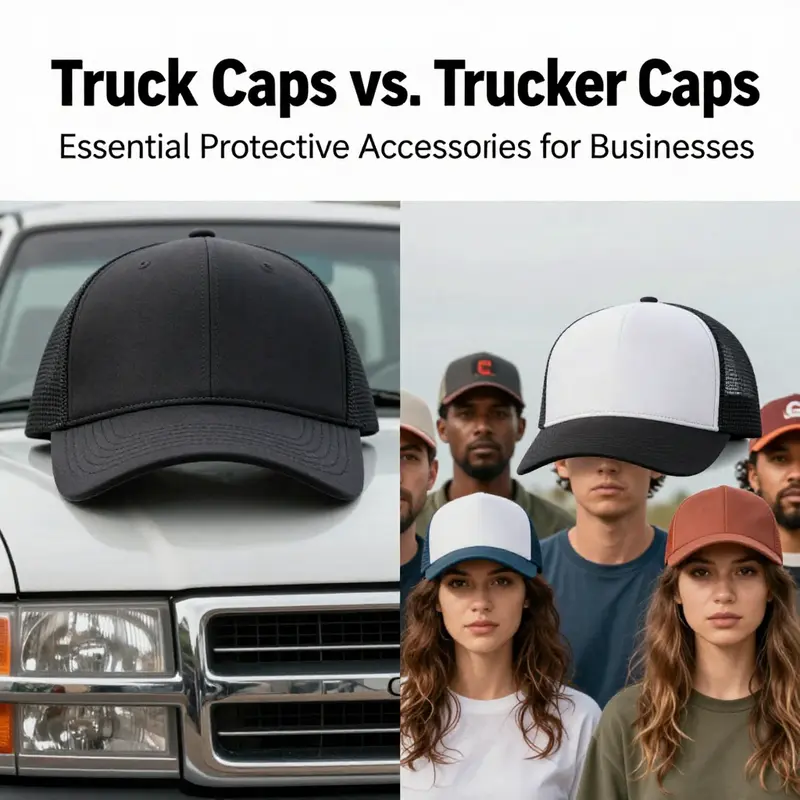
Two caps share a name and a certain cultural resonance, yet they inhabit radically different universes. One sits over cargo with weatherproof intent and a built-in promise of security; the other sits atop the head as a fast-drying badge of casual, practical style. In exploring what a truck cap is, it’s essential to separate the practical, vehicle-centered function from the social, fashion-forward attractor that a trucker cap represents. The conversation that follows doesn’t simply catalog features; it maps how language creates a shared surface that conceals two distinct technologies designed for two different audiences. Far from being a single accessory, the term truck cap folds together a bed cover that transforms a pickup’s utility and a headwear staple that shapes everyday style. This chapter traces that divergence in a way that reinforces the broader theme of the article: truck caps are not monolithic, but the name we attach to them carries weight in how people perceive, use, and value them.
To begin, the bed-mounted truck cap—often called a topper or a cap—appears as a rigid, enclosed shell perched over the truck bed. It is conceived as a weather shield and a storage solution wrapped into a single, durable exterior. The typical construction choices—fiberglass, aluminum, or heavy-duty polycarbonate—each bring a balance of strength, weight, and repairability. A hard-shell design tends to emphasize security and insulation, while a soft-shell approach can offer lighter weight and easier access in certain configurations. What remains constant across these variants is the presence of windows and a rear hatch that enable access to the space within. The cap isn’t just a cover; it is an organized, weatherproof compartment that can keep tools, equipment, and supplies safe from rain, snow, and sun, even when a job or outdoor excursion takes you far from a sheltered workspace.
Material choice matters for practical reasons. Fiberglass provides a sturdy, long-lasting shell that can be molded to match the truck’s contours, potentially improving aerodynamics but demanding more careful installation and occasional refinishing. Aluminum caps strike a similar chord with lighter weight and resilience against corrosion, though their appearance and finish can influence repair costs and upkeep. Polyethylene and other plastics offer flexibility in design and lower production costs, often yielding a lighter, less brittle solution that’s easier to replace or repair after impacts. Each material interacts with weather exposure, temperature fluctuations, and the demands of daily use in distinct ways. In the hands of a contractor, a cap becomes both a toolbox and a weather shield; for outdoor enthusiasts, it is a compact, secure loft on the back of a vehicle that can swallow hiking gear, camping equipment, or fishing nets without compromising the cab’s usability.
Beyond materials, the cap’s design focuses on how it integrates with a truck’s aerodynamics and overall efficiency. A well-fitted topper can reduce drag by streamlining the bed area and sealing the between-bed gaps that would otherwise invite wind turbulence. The practical effect is not merely cosmetic; improved aerodynamics can contribute to steadier highway fuel economy and reduced cabin wind noise. The design also considers access: most toppers feature a rear hatch that opens upward, sometimes paired with side windows or vents to manage airflow and insulation. In professional settings, access is a daily concern. A secure, weather-tight hatch means confining and organizing a portable toolbox, hardware, and seasonal equipment in a way that’s quick to reach, even after long periods of storage. In remote work or rugged environments, these features translate into real-world efficiency, reducing the time spent rummaging in a dented bed while rain lashes the chassis. The topper thus anchors itself in a logic of practicality: more usable space that stays dry, secure, and accessible at a moment’s notice.
The opposite end of the spectrum sits the trucker cap, a fabric-and-mesh headpiece with a storied route from promotional branding to everyday wear. The trucker cap is a baseball-style hat that pairs a structured front panel with a breathable mesh back. This combination creates a balance between form and function: the front panel provides a broad canvas for logos or graphics, while the mesh back promotes ventilation and comfort in warmer weather. The design’s popularity owes much to its origins in mid-20th-century promotional campaigns for the trucking industry. What started as a practical solution for sun protection and head comfort became a cultural icon, spreading beyond the road to casual fashion and even streetwear. The trucker cap’s appeal rests not only in its ventilation and fit but also in its branding potential. The front panel acts as a billboard, turning a simple hat into a mobile canvas for identity, affiliation, or personality. The mesh back, lightweight and airy, ensures that the cap remains comfortable during long days in sun and wind or as a practical add-on during outdoor activities. The result is a wearable product tied to a narrative: one that reflects a work ethic, a sense of camaraderie among drivers, and a broader sense of casual confidence that has no direct relationship to cargo storage.
When these two products sit side by side in conversation, the distinction becomes clear: the truck cap is a vehicle accessory designed to extend utility, protect cargo, and sometimes improve efficiency. The trucker cap is a fashion accessory designed to protect the head, convey identity, and offer comfort in and out of the sun. The overlap is minimal, yet the cross-pollination of ideas is real. A contractor who values secure, weatherproof payloads might invest in a robust cap with a sealed hatch and reinforced hinges, while a road-tripping enthusiast may reach for a trucker cap for sun protection and a nod to a lifestyle that celebrates exploration on wheels. Language mirrors these differences; the shared term creates a momentary ambiguity that invites curious readers to learn more about each product’s unique purpose. The careful reader will note how definitions help clarify misunderstanding. As one reference describes a truck cap as an enclosed unit mounted over the bed, offering a rear hatch and windows for secure cargo access, this is a reminder that the bed cap belongs to the realm of vehicle enhancement, not headwear.
The broader takeaway is not simply a taxonomic distinction but a reminder of how tools and garments evolve within their ecosystems. A truck cap’s value proposition rests on protection, organization, and efficiency, especially in settings where weather and theft are real concerns. It is a modular space that expands what a pickup can do, turning an open bed into a controlled environment that travels with the vehicle. The trucker cap, by contrast, encapsulates a social function: it signals readiness, practicality, and a certain down-to-earth persona. It is a wearable badge of everyday life, capable of transforming a simple outfit into a statement or a casual uniform for outdoor work. The separation of function and fashion here is not merely academic. It informs purchasing decisions, maintenance routines, and even how people narrate their own work and leisure stories around the vehicle they use most.
For readers exploring how caps intersect with broader vehicle life, consider how accessories connect across the truck’s ecosystem. A well-chosen topper can combine with roof racks, tool storage solutions, and protective bed liners to create a cohesive, purpose-built travel system. Likewise, the world of headwear—beyond trucker caps—extends into brand-conscious, outdoor-ready, and sport-inspired options that pair with the wearer’s daily routine and climate. This is where the internal landscape of a vehicle-focused audience meets the personal, everyday identity expressed through clothing. If you are curious about how to position a cap within a larger catalog of gear, a quick look at a general guide on truck accessories can help map out compatible pieces and complementary uses. truck accessories
In weaving together these threads, it becomes clear that a single term can anchor two divergent experiences. The truck cap is about environment and protection—the kind of tool that makes a truck more capable in the harsh realities of work, weather, and remote locations. The trucker cap is about visibility and comfort—the kind of personal gear that makes outdoor time more enjoyable and fashionably expressive. Each serves a distinct need, yet both reveal a shared cultural resonance: vehicles and wardrobes are not separate compartments of life but intertwined spaces where practicality and personality converge. Readers who move fluidly between work sites and weekend trails will recognize how each cap, in its own right, contributes to the broader lifestyle built around mobility and outdoor engagement. The two caps remind us that a name can travel far beyond a single function, carrying with it a history, a set of needs, and a vision of what it means to be prepared, whether you are loading equipment into a bed or lifting a brim toward the sun.
For those who want to ground this distinction in a formal reference, a concise definition exists that helps distinguish the two. The Free Dictionary describes a truck cap as an enclosed unit with windows and a rear hatch mounted over the bed of a pickup truck, highlighting its role as a structural, weather-resistant storage solution. This definition supports the practical frame of reference that guides buyers, installers, and users toward choices that maximize security, usability, and efficiency. See the external definition for a precise description and historical context: https://www.thefreedictionary.com/truck+cap
Final thoughts
Understanding the significance of truck caps reveals their critical role in ensuring cargo protection and operational efficiency for business owners. From weather resistance to security features, truck caps are essential investments that enhance business logistics. Amid evolving trends and cultural significance, recognizing the distinction between practical truck caps and trucker hats further widens the context for business attire considerations. Ultimately, incorporating truck caps into a business strategy not only safeguards cargo but also fortifies a brand’s presence in the market.