
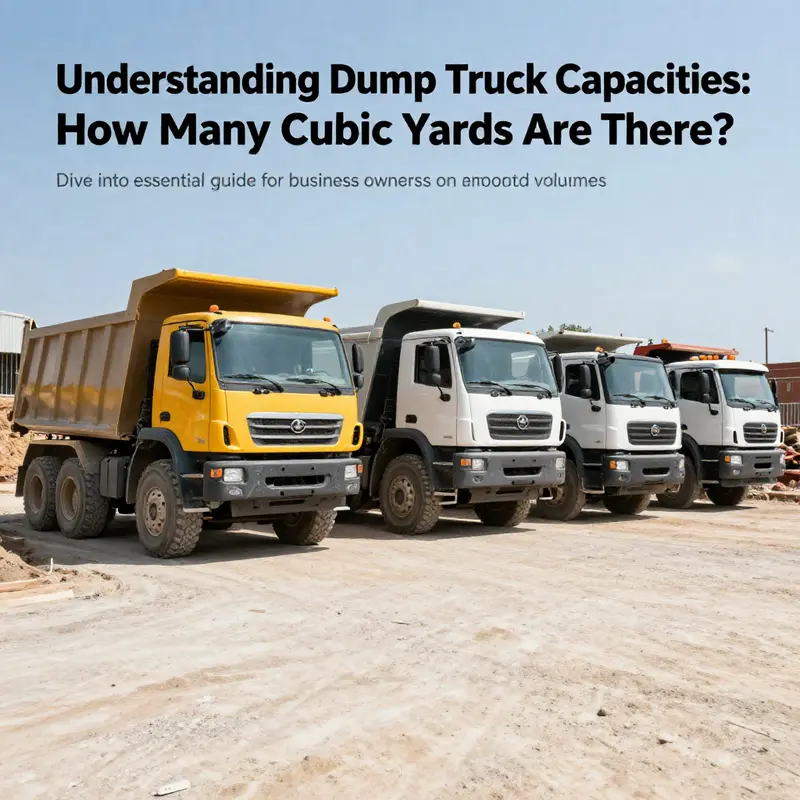
For business owners involved in construction, landscaping, or hauling, knowing the capacity of a dump truck is crucial for efficient project planning and resource allocation. The range of capacities—from standard models holding 15 to 20 cubic yards to larger trucks exceeding 30 cubic yards—plays a vital role in determining how many trips will be needed, the volume of materials that can be transported, and overall operational efficiency. Understanding the key characteristics of different dump truck types, calculating load volumes based on size, and recognizing the implications of these capacities on construction projects will empower business owners with the knowledge to make informed decisions. This comprehensive exploration will guide you through the fundamentals of dump truck capacities and help you choose wisely for your business needs.
Capacity in Motion: How Many Cubic Yards a Dump Truck Can Carry and Why It Shapes Every Project
Capacity in motion is the quiet engine behind every successful haul, a measure that bridges planning with performance. When a site manager maps out dirt, gravel, or debris, the question isn’t merely how big a dump truck looks, but how much cargo it can genuinely carry in a single trip. The bed’s stated volume sets a ceiling, but the reality of loading work often folds in a second constraint: weight. The same truck that can hold twenty cubic yards of gravel might stagger under a heavier load of damp soil, demolition debris, or compacted fill. Understanding this distinction between volume and weight is essential for predicting days’ worth of work, minimizing trips, and keeping crews safe on the road and on the job site. At base, the volume of a dump truck bed is a simple geometry problem: multiply the length, width, and height of the bed. But what matters in practice is how that space translates into real-world payload when the truck moves from the quarry to the site, and back again with a fresh load. The result is a dynamic balance that varies with truck size, material type, and regulatory limits that restrict how much can legally be hauled at once. For many projects, this translates into a need to choose a truck size that aligns with the job’s scale and the crew’s workflow, a choice that will ripple through every subsequent action—from material sourcing to waste disposal and beyond.
Across the industry, dump truck capacity generally falls within a broad spectrum. On the smaller end, compact models often carry around five to ten cubic yards, a fit for tight sites, residential work, or quick-turnaround tasks. Standard, mid-range configurations typically sit between fifteen and twenty cubic yards, offering a reliable balance of load and maneuverability for everyday construction and landscaping projects. At the upper end, larger, heavy-duty units can push toward thirty cubic yards and more, designed for high-volume sites, earthworks, or long-distance hauling where reducing the number of trips is a decisive advantage. These ranges matter because they anchor project budgets and schedules. If a job requires moving significant earth or debris across a campus, a fleet with a mix of mid-sized and large-capacity trucks can optimize cycles and reduce downtime. Yet even within those bounds, operators must constantly reconcile the bed’s nominal volume with the actual payload, a reconciliation that hinges on what’s being hauled and how the truck’s chassis and tires are rated to bear weight.
To read a truck’s capacity as a pure volume figure is to miss a critical element of real-world operation. The bed’s usable volume is shaped by the material’s density, which can vary widely and by moisture content. Dry sand, gravel, and soil each weigh differently per cubic yard, and wet or compacted material can swing the scale considerably. A dump bed that reads twenty cubic yards on a spec sheet may reach its weight limit long before the space is visually filled if the material is dense. In practice, operators monitor both the volume and the weight, ensuring neither is pushed beyond safe limits. These considerations matter not just for ride stability and braking performance, but for legal compliance. Several jurisdictions impose weight limits per axle or on gross vehicle weight. Overloading can invite safety hazards, penalties, and the need for rework, all of which erode the efficiency gains that a higher-volume bed promises. The smarter approach is to plan around both figures: target a volume that suits the material’s bulk and a weight that stays within regulatory and manufacturer guidelines. The result is a predictable payload per trip that helps teams allocate resources, time, and fuel with confidence.
What does this mean when choosing the right truck for a given project? For many teams, the rule of thumb is to align the job scale with a typical mid-range capacity while keeping a contingency for material density. A fifteen- to twenty-cubic-yard bed covers a wide swath of common tasks—from backfilling and trench excavation to site grading and debris removal. For larger jobs, a truck that can carry around twenty cubic yards or more becomes a critical asset, especially when the terrain and distance favor fewer trips. In some markets, a 15- or 16-cubic-meter class of dump truck is common, translating to roughly nineteen and a half to twenty-and-a-half cubic yards. This conversion—where a cubic meter sits at about 1.3079 cubic yards—helps managers compare different sizing standards across regions and supplier fleets. The practical implication is straightforward: higher capacity can translate into lower overhead per cubic yard moved, provided the material’s weight and the truck’s engineering can support the load without compromising safety or regulatory compliance. In other words, capacity is not a single number to chase; it is a balance that must be tuned to the job’s material physics and legal frame.
The bed’s physical design also informs how capacity translates into actual service. A robust chassis, reinforced bed walls, and smart hydraulics enable consistent, repeatable loading and unloading cycles even in tough environments. The more capable the drivetrain and the bed’s construction, the longer a truck can sustain a steady cadence of trips without downtime for maintenance or safety checks. In harsh environments—where dust, moisture, or abrasive materials are the norm—these durability features become a practical dividend. They support continuous operation, reducing the risk that wear will erode capacity over time. There is a subtle art to balancing a vehicle’s power, stiffness, and suspension with the job’s demands. A well-matched truck not only carries material more efficiently but also handles the rough edges of a workday—uneven ground, soft soils, or steep declines—without compromising operator comfort or safety.
Of course, the job’s scale frames the decision in yet another way: the expected number of trips. Fewer trips means less fuel, lower labor costs, and shorter site disruption, but only if the heavier loads stay within the legal and mechanical envelope. Planning thus becomes a dialogue between the site’s material profile and the fleet’s capability. For a landscape project moving topsoil, for example, density and moisture can swing payloads by dozens of cubic yards across a week, making a flexible mix of mid- and large-capacity trucks a prudent approach. Conversely, a site that handles lighter fill or granular material may optimize through more frequent trips with smaller beds. In every case, the central goal remains the same: to harmonize the machine’s capacity with the job’s real-world demands so that each voyage moves more material with less risk and less back-and-forth.
For readers who want a deeper dive into the nuances of performance, there are extended guides that explore the range of configurations and how they map to industrial workloads. These resources walk through material-specific loading considerations, chassis strength, and how capacity interacts with drive cycles in demanding environments. As a practical takeaway, take stock of three elements when planning a load: the bed’s nominal volume, the material’s density and moisture content, and the weight limits that govern your route. When you can predict how these factors interact, you can forecast loads more accurately, schedule fewer trips, and keep the operation moving with greater confidence. If you want to explore related gear and configurations that influence loading and unloading efficiency, see the truckbox resource for a concise overview of cargo compartments and bed enhancements. truckbox
For a broader technical reference on larger-volume dump configurations and their industrial applications, consult a detailed external guide that analyzes performance, properties, and types in this space. External resource: https://www.madisonhill.com/16-cubic-meter-dump-truck-guide-performance-properties-and-types-for-industrial-applications/.
Cubic Yard Compass: Reading Dump Truck Capacity Across Size, Type, and Terrain
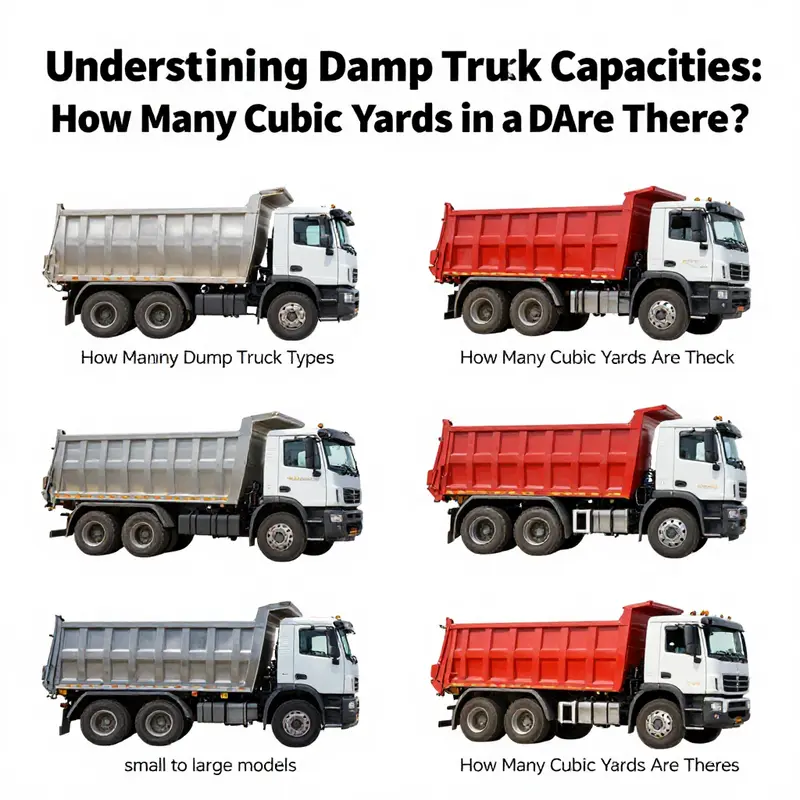
When people ask how many cubic yards a dump truck can carry, they often expect a single, authoritative number. In practice, capacity sits at the intersection of geometry, weight, and the job at hand. A job site’s terrain, the bed’s interior shape, and the vehicle’s chassis all influence what volume translates into a safe, legal load. The term cubic yard is precise, equal to 27 cubic feet, yet translating that volume into real-world payload requires attention to density, compaction, and regulatory limits. The result is not a flat figure but a nuanced capacity that shifts with material, method, and mileage on the road between site and dump or transfer point.
Across the industry, the numbers vary widely. Most everyday dump trucks used in construction and landscaping fall in the mid-range, roughly 15 to 20 cubic yards. Compact models may haul five to ten, while larger, bulk-haul configurations can reach thirty cubic yards or more when built for high-volume work. In practice, you will see a spectrum from five up to thirty, with the exact capacity defined by design philosophy, bed geometry, and intended use. Remember that one cubic yard equals 27 cubic feet, a handy conversion when estimating how many wheelbarrows or shovelfuls will fill the bed. When planning a project, it helps to visualize volume in both units because site conditions and material density can swing the practical load by a meaningful margin.
The bed’s dimensions form the skeleton of capacity. A rectangular cargo area has length, width, and depth, and those three measurements multiply to yield volume. A bed that is 12 feet long, 8 feet wide, and 4 feet deep computes to 12 × 8 × 4 = 384 cubic feet. Dividing by 27 converts that to about 14.2 cubic yards. In real life, walls, tailgate mechanisms, and sloped sides reduce usable volume, while slosh, material angle, and compaction can further alter what actually rides under the tailgate. Conversely, some configurations with taller walls or broader beds push the volume higher without changing the overall footprint. The guiding rule remains simple: volume is a starting point, weight is the governor, and both must be understood together to predict performance on site.
When we categorize dump trucks by type, the capacity narrative moves with the design, yet stays anchored in the same fundamentals. An eight-by-four configuration, a common mid-size option, often offers a cargo box in roughly the 20 to 30 cubic meter range. That translates to about 26 to 39 cubic yards of potential space. An example in this category could reach around 28 cubic meters, which is roughly 36.5 cubic yards. These figures demonstrate how variations in chassis strength, bed shape, and reinforcement translate a given volume into a practical payload. Trucks of this class balance maneuverability with payload, making them versatile for medium-duty hauling across job sites, road maintenance, and general earthmoving tasks. In contrast, larger, heavier configurations push the high end of the yard-range, while compact variants sit toward the lower end, each serving different operational roles on busy sites.
Other configurations, such as heavy-duty eight-wheel or multi-axle designs, push capacities even further. These trucks often cover a broader range, sometimes in the neighborhood of 32 to 52 cubic yards of volume depending on model and configuration. Side-dump designs add another layer of unloading efficiency, tilting the bed sideways to place material with precision without repositioning the vehicle. The point remains that the type and configuration matter as much as the basic volume number, because every altered geometry changes the usable space, the weight you can carry, and the unloading dynamics.
Density matters as much as volume. The same bed emptied of air can hold a generous volume, but when filled with gravel, sand, or soil, weight becomes critical. Material density can swing payload by hundreds or even thousands of pounds per cubic yard. Dense aggregates may weigh roughly two to three thousand pounds per cubic yard, while lighter materials like mulch or organic soils can be in the range of eight hundred to one thousand pounds per cubic yard. In other words, two trucks with identical volumes can carry very different masses if the material differs. On a bustling site, operators routinely balance volume and weight, choosing a target yardage that respects both the vehicle’s payload rating and the local weight limits on the road network.
Legal and practical limits frame every hauling plan. The weight a truck can carry is not boundless; it is bounded by the gross vehicle weight rating and axle weight constraints of the jurisdiction. These limits ensure safety on the road and reduce wear on pavement and bridges. In some cases, weather, road grade, and the truck’s own condition can alter how much of the stated volume is feasible to dump in a single trip. Operators use straightforward calculations to align expected volume with permitted mass, often rounding down a bit to avoid overloading when moisture or compaction increases density. Loading, then, is not about maximizing volume but about maximizing efficient, legal payload for the job at hand. This interplay between volume and weight becomes even more important on mixed-material jobs where moisture levels can swing density dramatically.
For planning purposes, it helps to know how to estimate a load quickly. Start with bed dimensions to compute base volume. Then adjust for expected compaction and the density of the material. Finally cross-check against the truck’s payload rating and any local weight limits. If you want a numerical sanity check in a common scenario, a rectangular bed measuring 12 by 8 by 4 feet yields about 14.2 cubic yards before accounting for walls and obstructions. In real operations, usable volume might be a bit lower. If the material is dense gravel or crushed stone, that same volume could threaten the weight limit even when the bed seems not fully occupied. Conversely, loose topsoil or mulch may fill toward the upper end of the volume range without hitting weight restrictions, provided density stays within allowed bounds.
Manufacturers publish capacities for a reason, and the exact numbers do vary. The bed geometry, chassis strength, and the specific offsets of the tailgate all play a role. Two trucks that look similar on paper can behave quite differently in the field because a few inches of bed height or a different tailgate mechanism can alter the final payload. This is why project planning often involves consulting the official specifications sheet from the manufacturer or relying on a site supervisor’s experience. When you prepare to rent, lease, or deploy equipment, the practical capacity you consider should reflect both the stated cubic yards and the real-world conditions you expect to encounter on site. The goal is predictable performance, not just a high number on paper.
Embedded in these discussions is the subtle but essential idea that volume and weight are two sides of the same coin. Volume tells you how much space the material will occupy, a guide for ramp access, tipping height, and truck scheduling. Weight tells you how heavy that same material will be when loaded, a guide for safety, fuel use, and compliance with road rules. The intersection of these ideas defines the usable payload. By mapping both dimensions—the volume capacity and the weight limit—you can design a hauling plan that minimizes trips while staying within legal and practical boundaries. That balance is what makes the practical capacity of any dump truck a nuanced figure rather than a single, universal number.
As you translate theory into practice, remember to consider how density changes with moisture, compaction, and compaction techniques during loading and unloading. A bucketful of dry soil weighs less than the same volume of damp soil. A yard of wet concrete would be heavier still and might exceed a payload rating if attempted in one go. Each site has its own mix of materials, equipment, and constraints, which is why crews develop simple rules of thumb that mesh with exact manufacturer data, site measurements, and local rules. The beauty of understanding cubic yards in a dump truck is that it connects a distant math concept to a tangible, on-site action. It informs scheduling, budgeting, and the safety culture that keeps everyone moving forward.
For readers looking to go deeper into the numbers behind the bed, the broader literature and manufacturer data highlight a consistent message: size and type matter, but so do the details of density, weight distribution, and unloading geometry. A crate, barrel, or pile of material may look the same to the eye from a distance, yet a few inches of bed height or a different tailgate mechanism can alter the final payload. The mindful operator treats capacity as a starting point rather than a finish line, using it to forecast trips, plan crew hours, and budget dust, noise, and wear on equipment. When you pair recent research with practical field experience, you gain a holistic view of how many cubic yards in a dump truck translate into real-world productivity and safety.
To glimpse how the cargo area can influence overall capacity and to connect with practical bed configurations, see this resource on truck boxes for further context about how cargo spaces are organized and accessed on common truck configurations. truck box.
External reference for deeper specs and model variations: for a detailed specification reference, see a representative dump truck spec sheet from an established manufacturer, which illustrates how bed size, chassis, and load ratings interplay in real operations. https://www.camc-truck.com/
Load by the Yard: How Dump Truck Size and Bed Design Determine Cubic Capacity
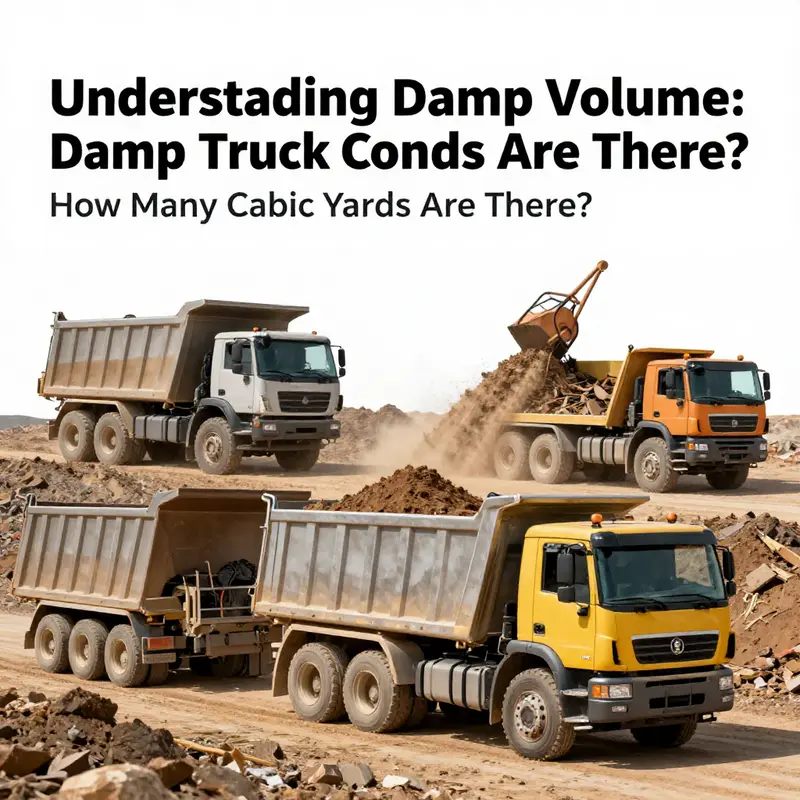
When you think about a dump truck’s capacity, the bed is the heart of the matter. The bed’s dimensions—length, width, and height—determine the bed volume. A longer bed, a wider bed, or a taller bed—all three in combination—increase the space available for material, but the real world of hauling also weighs on this space. A 15 cubic yard dump truck is a common size in many fleets because it strikes a balance between payload, maneuverability, and the ability to transport substantial volumes between work zones without requiring oversized equipment. On the other hand, a truck described in metric terms as a sixteen cubic meter model corresponds to roughly twenty point nine cubic yards. The difference in units is not just a curiosity; it highlights how volume is lived in daily logistics. If you are planning a project that demands large volumes, recognizing that a 16 cubic meter bed can carry approximately 20.9 cubic yards helps you bridge conversations with crew leaders and suppliers who may speak in different measurement traditions. This cross-language of units also emphasizes a practical truth: the same material can fill a bed to a different height depending on how densely it is loaded and whether it is loose or compacted. Density, after all, is the quiet variable that can swing a planned ten-yard load into ten and a half cubic yards or more, depending on the material’s nature and moisture. Material type and density affect not only the possible fill height but also the practical conditions of loading, transporting, and unloading. Heavier materials compress more, reduce effective volume, and impose greater loads on the truck’s frame and tires. Lighter, looser materials may appear to fill the bed higher, but they often settle during transit, reducing the final density. For operators, this means a decision framework built on both geometry and physics: bed size provides the volume, while material density and compaction determine the achievable payload without compromising safety and service life. This interplay is why manufacturers emphasize two things: first, that the bed volume is a useful starting point, and second, that the actual payload must be validated against the vehicle’s weight ratings and the job’s dynamics. Falling back on the manufacturer’s guidelines or tested loading practices is essential because the same bed can carry different volumes with different materials. A trustworthy rule of thumb is to approach the load as volume first, then adjust for density and weight constraints. If your material is heavy and dense, you may not reach the bed’s theoretical volume, because weight will cap the safe fill. If the material is light and loose, you might approach the bed’s volume limit but still must monitor how the load settles or shifts during travel and unloading. It is not uncommon for operators to rely on simple, repeatable checks: measure the bed’s inner dimensions, multiply to get volume, then apply a density-adjustment estimate based on the material being hauled. For many crews, this method reduces surprises on the job and supports more accurate planning for the next trip. To further facilitate planning, fleets often compile a handful of standard figures for common materials and bed configurations. Knowing these figures in advance helps schedule routes, allocate time, and organize equipment so that a single trip can maximize efficiency without risking overloading or unsafe handling. In addition to bed geometry and material density, the vehicle’s design details matter. The chassis, suspension, and rated payload capacity all set hard constraints. A dump truck can have a roomy bed and a high theoretical volume yet be bound by a modest payload rating if the chassis is lighter or there are safety margins hard-wired into the design. Conversely, a robust chassis with a high payload rating can carry heavier material at a slightly lower volume if required by the density of that material. The safest and most accurate path forward is to consult the manufacturer’s guidelines or use reliable conversion tools that translate bed dimensions into predicted loads for specific materials. This approach aligns with the reality that the exact cubic yard figure for a given truck is a function of size, bed configuration, and what is being hauled. A practical takeaway for operators is that volume expectations should always be tested in real-world loading scenarios, with attention paid to how the load behaves as it is moved, jostled, and dumped. When the job demands heavy material flow, many trucks use ancillary features to ease the process and maintain control. Some trucks come with liftgates or bed-side lifts that assist with unloading dense material, reducing the risk of back injuries and speeding up site turnover. For a concise reference on these features, see the discussion on liftgates in industry resources. liftgates. This small enhancement can shift the practical capacity of a dump truck in the field by changing how quickly and safely material can be managed at the destination. In practice, planning a dump run means balancing three levers: bed size, material density, and the vehicle’s payload envelope. The math is approachable once you set the method: measure bed footprint, calculate volume, convert to cubic yards, and then adjust for how compacted or loose the material will be and how much weight the chassis can safely carry. It is a disciplined loop of measure, estimate, and verify that anchors the operation in safety and efficiency. When operators take the time to align these factors—bed geometry, material behavior, and the vehicle’s weight limits—the result is predictable performance. The chapter you are reading now is built to help you translate that understanding into practical decisions on the ground. For more nuanced discussions on the mechanics of hauling and the tools that support efficient dump work, explore related topics in the broader fleet and equipment resources. In this way, you connect the geometry of volume to the realities of daily work, and you gain a clearer picture of how many cubic yards truly fit in a given dump truck, depending on its size, design, and the material you intend to move. External references provide additional context on cross-unit conversions and performance properties for industrial applications, such as the detailed guide and performance properties for a 16 cubic meter dump truck, which helps illustrate how large-volume hauling translates into real-world capacity. External resource: https://www.madisonhill.com/16-cubic-meter-dump-truck-guide-performance-properties-and-types-for-industrial-applications/.
Bulk by the Yard: How Dump Truck Capacity Shapes Construction Pace
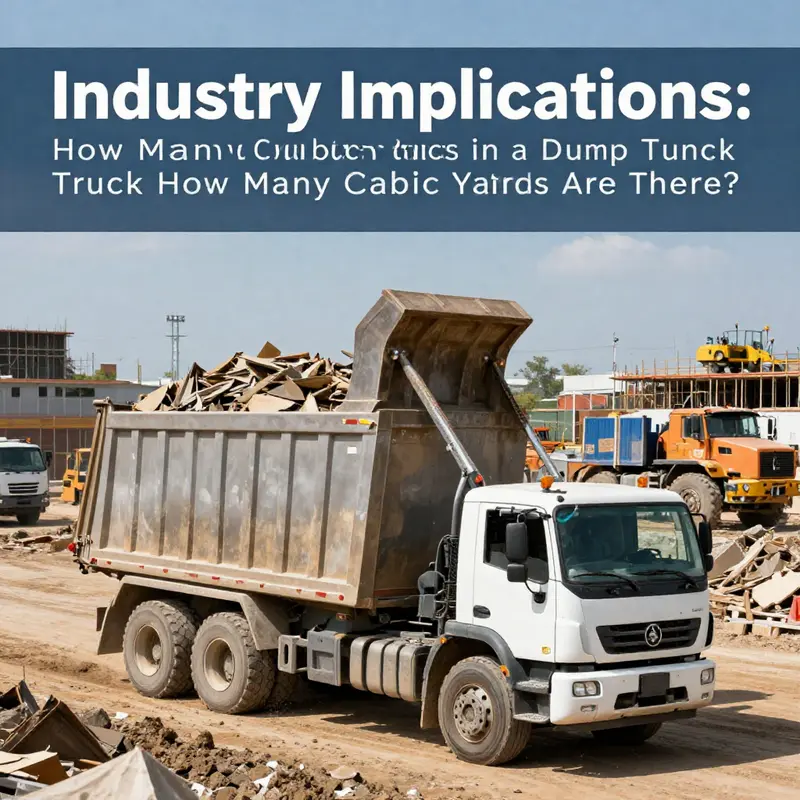
Capacity is more than a number on a spec sheet. In daily site work, the cubic yard rating of a dump truck often governs pace and cost. Larger beds reduce trips and fuel per cubic yard, but only if loading, unloading, and access can keep up. Typical ranges run from about 10 to 30 cubic yards, with common heavy-duty options around 15 to 20 cubic yards. The practical value of capacity comes from matching load size to haul distance, material density, site access, and the project schedule.
Understanding one cubic yard equals 27 cubic feet helps translate bed capacity into real dirt moved per trip. Every extra yard per trip lowers the number of trips and total engine hours, provided unloading and dumping are efficient. Yet bigger trucks can face longer loading times, tighter access, and increased fixed costs, so the optimal choice balances payload with maneuverability and workflow. On short, direct routes a mid-sized truck can outperform a larger one; on long hauls or paving prep, higher capacity often lowers the trip count and keeps the paving train on schedule.
To plan effectively, teams estimate total material, pick a target payload feasible for site constraints and legal limits, and then schedule around loading and dumping times. Equipment that reduces manual handling, such as lift equipment for loading or unloading, can improve cycle times even with very large payloads. The end goal is a predictable rhythm where capacity supports, rather than dictates, the project timeline.
Sizing the Load: How Dump Truck Cubic Yards Shape Efficiency on Site

Capacity sits at the core of every dump truck’s purpose. It is the measure that translates a machine’s size into real-world productivity, yet it’s also a constraint that can stall a project if misunderstood. In construction, landscaping, mining, and waste management, the question isn’t just how fast a truck can unload, but how much material it can carry in a single trip. The cubic yard, a unit that might seem abstract at first glance, is the practical currency of planning, scheduling, and budgeting on a job site. One cubic yard equals 27 cubic feet, a fact that becomes powerful when applied to mass flows, transport logistics, and the rhythm of a workday. When crews grasp what a dump truck can hold, they begin to see why the number on the side of the truck matters as much as the truck’s engine or tires.
The capacity of dump trucks generally spans from about 5 to 30+ cubic yards, a range that mirrors the diversity of chassis, axles, and dumping mechanisms used across the industry. On typical construction or landscaping sites, a midrange solution—roughly 15 to 20 cubic yards—tends to offer a balanced blend of payload efficiency and maneuverability. This size fits well with medium to large projects, enabling fewer trips without overloading the truck or compromising safety. Yet the spectrum doesn’t end there. Larger models can surpass 30 cubic yards, delivering dramatic reductions in the number of trips needed for bulk material moves, while compact or lighter-duty trucks hover near the lower end, around 5 to 10 cubic yards, designed for tight spaces and highly maneuverable work in confined urban areas. The exact capacity is not a generic figure but a specification defined by the manufacturer and tuned to the truck’s chassis, suspension, and intended uses. Dealers, fleet managers, and operators are taught to consult the official data sheets for each model to avoid misinterpreting a truck’s rated payload, a step that protects equipment and prevents safety hazards on the job.
Understanding these numbers isn’t merely academic. The choice of cubic yard capacity directly shapes the number of trips required to move a given volume of material. If the project requires, say, 180 cubic yards of fill, a 15 cubic yard dump truck would need about 12 trips (not accounting for loading time or downtime). A 30 cubic yard model would halve that workload to roughly six trips. The difference translates into fuel costs, labor hours, and overall project duration. Fuel efficiency tends to improve on a per-cubic-yard basis with larger payloads, up to a point, because the engine runs more consistently rather than repeatedly accelerating from empty or light loads. Fewer trips also mean less crew time tied up in loading, unloading, and transit between the quarry or stockpile and the site. In practice, the labor cost per cubic yard can drop as capacity rises, but only if the site conditions, the material’s weight, and the truck’s weight limits permit the heavier payloads. Heavy materials push the vehicle toward its gross vehicle weight rating, so the manufacturer’s specifications and the site’s accessibility must be balanced to avoid overloaded conditions that threaten safety and performance.
The interplay between capacity and site realities becomes even more nuanced when different dump truck designs are considered. Trucks designed for rear dumping remain the most common workhorses, favored for straightforward unloading in open areas. They are reliable, with simple hydraulics that raise the bed from the rear to deposit material in seconds. Side-dump configurations offer distinct advantages when space behind the truck is restricted or when the unloading area is off the main travel path. They reduce the need to back into or circle around obstacles, a benefit in tight job yards or urban sites. A transfer dump, which uses a secondary trailer with its own dump box connected to the primary tractor, can push total capacity well beyond a single trailer’s limit, sometimes exceeding the 30 cubic yard mark when used in bulk supply chains or long-haul operations. Each design carries its own cost and operating considerations: higher upfront investment, maintenance demands, and driver training requirements for specialized equipment. These distinctions matter because the best choice depends less on the theory of capacity and more on how a crew will actually deploy the truck across the sequence of loading, transit, and dumping on a given site.
Beyond the mechanical layout, capacity is also constrained by the physics of the load itself. Not all materials behave the same way when loaded into a truck. The density of the material, compaction of the load, moisture content, and the truck’s own payload rating interact to determine how much volume truly fits within the legal and mechanical limits. A load that seems to fill a 15 cubic yard box could be heavier than a 30 cubic yard load of a lighter material if it’s denser or more compacted. This reality reinforces why operators must reference manufacturer data and comply with weight restrictions to prevent overloading, which can degrade suspension performance, reduce braking efficiency, and increase tire wear. The same principle guides site planning: a large-volume truck is superb for bulk moves, but if the material is dense or moisture-laden, the practical payload may approach but not reach the theoretical volume, especially on slopes or uneven ground where traction and stability come into play.
The chapter on capacity also calls attention to the varied types of projects and the corresponding equipment choices. For short-push operations that require rapid cycles and minimal downtime, a larger capacity truck can flourish, especially when loading tools and stockpiles are within close proximity to the site. Conversely, on constrained sites—where maneuvering room is limited, or where the ground is soft or uneven—operators may opt for smaller payloads to preserve tire integrity and reduce the risk of getting stuck or causing material loss during unloading. The decision isn’t merely a matter of math; it’s a judgment about how equipment, workforce, and location interact. In the end, a well-chosen dump truck capacity becomes a lever for efficiency, lowering total project cost while maintaining safety and reliability.
Of course, the operational strategy must align with a clear understanding of how to estimate and manage volumes. Before the first drum of material is hauled, teams forecast the total material to be moved, then align the truck’s capacity with the expected workflow. The process includes estimating load sizes per trip, scheduling loading and unloading windows, and accounting for downtime caused by terrain, weather, or congestion on the route. A well-planned sequence minimizes idle time, reduces the number of trips, and keeps the project on track. The practical takeaway is simple: know the cubic yard capacity of your typical trucks, understand the material’s properties, and anticipate site constraints. This trio—capacity, material behavior, and site dynamics—drives the efficiency engineers and operators seek every day on the job.
As projects scale, the capacity conversation shifts from individual trucks to fleet strategy. A balanced fleet includes a mix of capacities to cover diverse tasks, from quick site cleanups to bulk earthworks. Operators verify that the fleet’s average efficiency aligns with project timelines and budget targets. They also maintain a forward-looking plan for maintenance and fuel consumption, recognizing that larger trucks may bring savings in trips but impose different maintenance rhythms and operating costs. The net result is a more predictable schedule, better control over costs, and a safer work environment where load limits, dump sequences, and unloading zones are understood by every crew member. In this way, the simple figure of cubic yards becomes a strategic tool, guiding not only the choice of equipment but the entire rhythm of a site’s operations. For broader context on how equipment categories map to payloads, see our discussion on truck boxes.
External resource: https://www.bing.com/search?q=types+of+dump+trucks+and+their+capacity+in+cubic+yards
Final thoughts
Understanding how many cubic yards are in a dump truck is not merely a matter of volume; it is a strategic factor that plays a pivotal role in construction, landscaping, and hauling operations. By grasping the nuances of dump truck capacities, business owners enable themselves to optimize resource management, enhance project efficiency, and make informed purchasing decisions. Whether your projects require the robust capabilities of larger trucks or the agility offered by compact models, recognizing how these capacities align with operational needs will ultimately lead to improved outcomes and success in your business ventures.