

With the recent surge in electric vehicle popularity, the Tesla Cybertruck has emerged as a game-changer for businesses seeking innovative transport solutions. Understanding the costs associated with the Cybertruck is critical for business owners looking to leverage its unique features for enhanced operational efficiency. This article delves into the pricing structure of the Cybertruck, explores its robust features and specifications, and conducts a market analysis to position its cost against competitors, providing you with a comprehensive view of how much Cybertrucks really cost.
null
null
From Armor to Autonomy: How Features Shape the Price of a Futuristic Electric Pickup
Pricing and power have become inseparable in the field of electric pickups that promise rugged utility and modern intelligence. As of early 2026, the maker adjusted its pricing to widen market access and stimulate demand that had lagged behind optimistic forecasts. The base dual-motor all‑wheel‑drive edition now enters the U.S. market at a price point of $59,990. This entry price replaces a previously discontinued rear‑wheel‑drive variant and preserves core performance—two motors, brisk acceleration, and capable handling—while trimming some of the premium touches that defined the most expensive configurations. The revision isn’t cosmetic; it’s a strategic recalibration aimed at moving from a handful of enthusiastic buyers to a broader audience that wants utility, power, and technology in a single, all‑terrain package. At the opposite end of the spectrum, the top‑tier variant also saw a substantial adjustment, with the price trimmed by roughly $15,000 to land at $99,990. Together, these moves reflect a company steering toward higher volume while maintaining a clear ladder of capability for buyers who want more battery range, greater payload, or more ruthless acceleration. In practice, the new price structure is more than a sticker; it’s a signal about value when a vehicle is expected to be used as a workhorse, a daily driver, and a mobile power source for job sites, camps, or homes during outages. The official price remains the touchstone consumers use when evaluating whether the features and performance on offer justify the investment, and it anchors the conversation around how much a modern, high‑tech pickup should cost in today’s market.
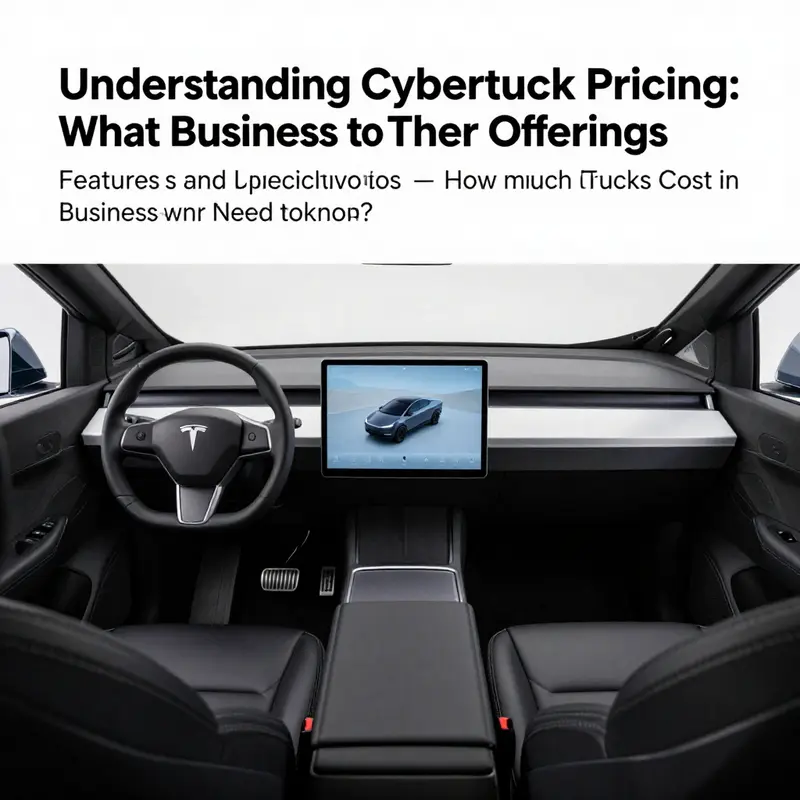
The pricing tiers map directly to a spectrum of capabilities, with the base edition delivering a compelling balance of range, towing, payload, and technology that is tailored for practical work and weekend exploration. The range on the entry platform is competitive for the class, offering roughly 325 miles per charge under typical mixed driving, a figure that stands up to real‑world use and charging habits. Towing capacity approaches 11,000 pounds, while payload capacity sits near 2,500 pounds. This combination of capability is particularly relevant for contractors, tradespeople, and outdoor enthusiasts who weigh the cost of the vehicle against the daily demands of hauling materials, tools, and gear. Ground clearance sits around 16 inches, achieved through an electric damping suspension system that preserves off‑road readiness without compromising on‑road behavior. Inside, two large touchscreens dominate the cockpit, with an additional display at the rear for passengers or work‑site control. A 15‑speaker audio system, wireless charging, and a cabin air filtration system with hospital‑grade filtration add a layer of comfort and safety that is appreciated on longer trips or dusty job sites. Yet, some luxuries that buyers associate with premium packages are not included in the base model. Adaptable air suspension, ventilated seats, and premium audio are among the features that are reserved for higher trims. The cargo bed includes a power outlet that gives users the flexibility to power tools, recharge another EV, or supply electricity to a remote work site. The suspension itself remains adaptive in damping, delivering a balanced ride that can absorb rough terrain while keeping the cabin quiet and controllable.
Climbing the ladder, the mid‑level trim adds a meaningful step in range, refinement, and interior materials. The upgrade is not just about softness of ride or higher‑quality surfaces; it translates into measurable gains in daily usefulness. Range grows as the battery pack is expanded and the control software is optimized for efficiency, contributing to a longer cruising window between charges. The acceleration curve remains strong, but the emphasis shifts toward a smoother, more confident highway profile, where the vehicle can sustain high speeds with less perceived effort. Tow and payload figures stay robust, underscoring that the mid‑tier model remains a practical blend of capability and comfort. The interior materials improve, delivering a quieter cabin with more refined surfaces and a more intuitive control layout. In this tier, the practical friction points—such as insulation, road noise, and seat comfort—are reduced, making longer workdays or longer weekend expeditions a more agreeable experience. The practical value, in other words, grows as the price climbs, but so does the user’s ability to handle more demanding tasks with ease and less fatigue. The line between a work tool and a daily companion begins to blur in a way that makes the upgrade feel more like a strategic choice than a luxury upgrade.
The top end, a high‑performance variant, is targeted at enthusiasts who want blistering speed and peak torque, plus the most advanced packaging and technology the company offers. Acceleration metrics in this level push the envelope, with the figure of merit approaching 2.7 seconds for 0–100 km/h, a pace that places the vehicle among the very quickest in its class when fully loaded with powertrain and software optimizations. While the top tier carries the most aggressive price tag in the lineup, it does so with a slightly reduced range compared with the base model. The trade‑off is intentional: more power, faster acceleration, and deeper integration with the maker’s ecosystem, including software features, over‑the‑air updates, and a broader suite of driver‑assistance systems. For buyers who crave performance as relentlessly as they require the capacity to tow heavy loads or operate on remote sites, the top tier represents a convergence of speed, strength, and intelligent energy management. The price difference between this and the base model is not merely a premium for speed; it reflects the addition of high‑end materials, more capable power electronics, and a more expansive feature set that spans safety, convenience, and energy resilience. The result is a product ladder that makes the math of “how much does this cost” more nuanced: you are paying for a level of reassurance that doors open more easily, power is more readily available on demand, and the vehicle remains capable in conditions where lower trims might struggle.
The pricing shifts across the lineup also speak to a broader market strategy. The base price, once set at $59,990, is now official and anchored as the gateway to ownership. This is important because it frames expectations for buyers who are price‑sensitive yet unwilling to compromise on core performance. The company’s approach to a temporary promotional window in the past—where that $59,990 tag was briefly available before becoming the standard—highlights how promotions can convert curiosity into a commitment. The broader plan is to convert a niche interest into sustained volume, a move underscored by the company’s admission that quarterly volumes were far below the aspirational target of hundreds of thousands. The decision to reframe the price ladder is therefore a tactical maneuver intended to create a predictable, repeatable path for customers. It acknowledges that buyers weighing a long‑term purchase often factor in not just the sticker price but the total cost of ownership, which includes charging infrastructure, maintenance, and potential software subscriptions that can accompany ownership over several years.
Within this pricing framework, the conversation about value also turns to the practical features that may justify the cost for many buyers. The exoskeleton design—an ultra‑hard stainless steel shell intended to resist dents and corrosion without paint—promises durability in a way that can reduce repaint or repair expenses over time in harsh environments. The armor glass, engineered to resist impacts from a fast baseball at high speed or hailstorms, adds an element of battlefield‑grade toughness that can be particularly appealing to fleets operating in rough climates. The vehicle’s power system, which provides integrated outlets for 120V and 240V devices, offers real utility on job sites, at campsites, or during a blackout at home. The cabin air filtration system, capable of removing 99.97% of airborne particles, is another feature with tangible health and comfort benefits, especially for drivers who spend long hours in traffic or dusty environments. The combination of off‑road capability, heavy‑duty towing, and the ability to serve as a mobile power station helps explain why buyers are willing to pay a premium for top‑tier configurations.
As consumers compare prices, it’s useful to reflect on how the price reflects the total package. While the base edition sets a lower entry point, the mid‑tier options increase the sense of long‑term value through improved range and interior refinement. The top‑end variant pushes performance and ecosystem integration to the forefront, delivering acceleration and power that few vehicles in this class can match. The price evolution over time also mirrors a broader trend in the electric‑vehicle landscape: as battery technology becomes cheaper to produce and software capabilities become more valuable, the cost of ownership can become more predictable. Buyers weigh the upfront price against the potential savings from reduced maintenance, lower fuel costs, and the ability to use the vehicle as a portable energy source. In that sense, the question of “how much do these trucks cost” expands beyond the sticker price to encompass how the vehicle’s attributes align with the buyer’s real needs and routines.
For a deeper dive into the maker’s approach to design and ecosystem, you can explore further: Cybertruck Co.. This internal link opens a broader discussion about how the company frames its technology stack, build quality, and forward‑looking features in the context of a tough, modern pickup. The link provides a complementary perspective to the specifications discussed here and offers a sense of how ownership expectations are shaped by the company’s broader design philosophy.
Across markets, the price is not a simple number but a signal of how the brand positions its most capable workhorse in a global context. In the domestic arena, the base price anchors entry buyers in a category where the vehicle serves as both tool and transport. In international markets, price positioning has shown a premium character, reflecting currency dynamics, regulatory environments, and the costs associated with distributing and supporting such a technically advanced vehicle. Reports from 2024 place the vehicle among the best‑selling luxury options in the United States, a surprising achievement for a vehicle that blends industrial design with consumer‑grade software and comfort features. By mid‑2025, the same platform began to appear in other markets through parallel import channels, underscoring the strong demand for a product that promises to redefine what an electric pickup can deliver. In some regions, the price points translated into strikingly high figures when converted to local currencies, signaling both aspirational appeal and the reality of premium market positioning.
The overall lesson for buyers considering the question of price is that the cost is a function of what the vehicle can do and where it can go. The base model offers a strong baseline for those who need a robust work vehicle with respectable range and payload. The mid‑tier upgrade smooths daily use and expands the range, while the top end maximizes performance and integration with a growing ecosystem. Add to that the vehicle’s on‑board energy infrastructure and safety features, and the price becomes a reflection of long‑term value rather than a single performance figure. It becomes a question of whether the buyer values the ability to power tools from the bed, the peace of mind offered by advanced filtration, or the certainty of a platform that can update itself over time. These factors shape how much the vehicle costs in a meaningful sense, not just in the moment of purchase.
For readers seeking a concise summary of the price and what it buys, the official configurator remains the most reliable resource. But the narrative above helps frame the decision: the price is tied not only to performance and range but to the broader utility, resilience, and energy versatility that only a few vehicles in this class promise. The discussion emphasizes that cost is part of a larger equation—one that includes lifestyle, work needs, and the willingness to embrace a vehicle that acts as a mobile hub for tools, energy, and digital services. In that sense, the price reflects a choice about how a modern electric pickup should perform, what it should endure, and how it should integrate into a user’s daily life.
External resource: External specifications page.
Pricing at the Edge: How the Cybertruck Fares Against Its Rivals in 2026
The electric pickup market in 2026 sits at a crossroads where price, performance, and perception collide. Tesla’s recent pricing recalibration for the Cybertruck has done more than adjust sticker numbers; it has signaled a broader strategic bet: make the truck accessible enough to widen the addressable market while maintaining a distinctive identity that still justifies a premium perception in certain corners of the market. The new Dual Motor All-Wheel Drive Cybertruck starts at $59,990 in the United States. This entry point replaces the previously discontinued rear-wheel-drive variant and preserves core performance elements—dual motors, a brisk acceleration profile, and a substantial payload and utility ethos that align with a workhorse persona. Yet, the price cut did not come without tradeoffs. The base model sacrifices several luxuries that enthusiasts might associate with top trims—air suspension, ventilated seats, and premium audio—while preserving adaptive damping suspension and the cargo bed power outlet for V2X PowerShare. In other words, it is engineered to deliver the essential capabilities that define the truck’s value proposition, but without certain high-end refinements that add to the sticker price. Elon Musk framed the $59,990 figure as more than a promo; it was intended as a lasting anchor for a more affordable entry into a lineup that had previously been perceived as aspirational rather than pragmatic for price-conscious buyers. This pricing move sits against a backdrop of slower-than-expected demand, a dynamic Tesla has acknowledged and responded to by both reducing top-end pricing and broadening access to a wider customer base. The company later adjusted the top tier as well, trimming the Cyberbeast’s price from $114,990 to $99,990—a $15,000 reduction meant to restore a sense of pre-2025 pricing reality as the market absorbed the new reality of mass-market electrification.
The effects of these moves are not merely about the numbers on the sticker. They ripple through the perception of value, the decisions of traditional truck buyers, and the calculus of fleet managers who weigh total cost of ownership as heavily as upfront cost. The new balance—lower baseline price paired with a lower-spec interior on the entry model, and a price reset for the flagship variant—illustrates a deliberate attempt to diversify the buyer pool. It is not simply about undercutting a competitor on price; it is about repositioning the Cybertruck as a practical tool for work, recreation, and daily driving, while preserving the aura of durability and off-road capability that has become part of the brand’s narrative.
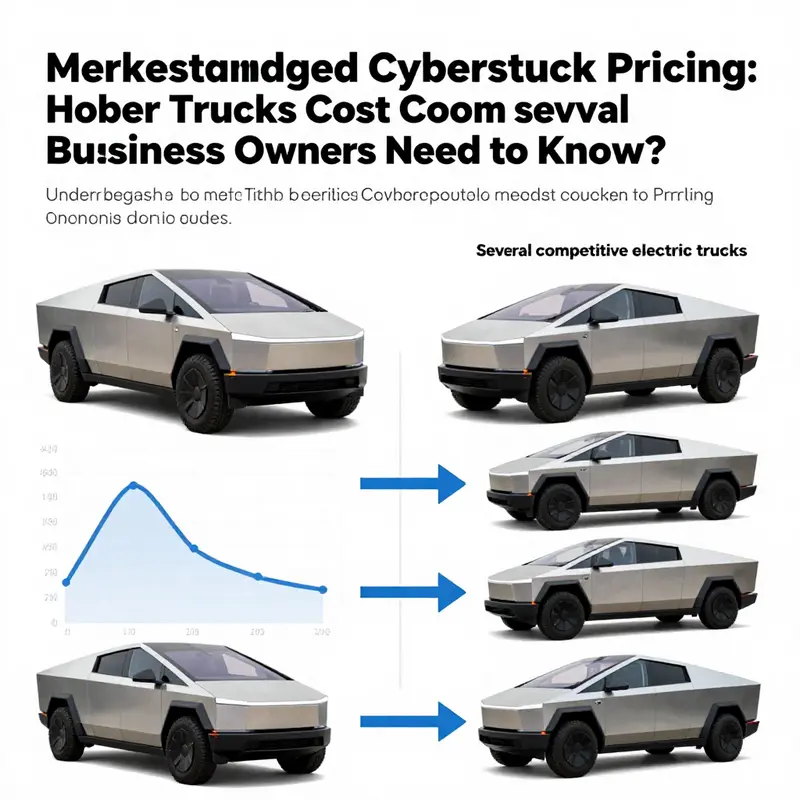
Placed in the context of the broader market, the base Cybertruck’s starting point sits within reach of a prominent rival in the same price neighborhood. The Standard Range AWD version of the traditional pickup from a legacy automaker hovers near the $57,000 mark, offering similar range and towing potential but lacking the Cybertruck’s ultra-rapid aesthetic and some of the more advanced driver-assistance features that marketplace observers now expect in a new-generation truck. The Rivian R1T, meanwhile, sits higher on the spectrum, with a starting price around $75,000 and a focus on interior luxury and off-road capability. It is not simply a price comparison; it is a question of experience, capability, and brand story—how a vehicle feels when you sit inside, how a vehicle handles when the terrain tilts, and how a vehicle fits into your daily life beyond a set of specifications.
The top-end side of the spectrum remains markedly different. The premium-trim strategy for rivals has long relied on technology-laden cabins, dialed suspension systems, and high-end materials as a justification for six-figure price tags. In this light, the new $99,990 Cyberbeast is more of a signal than a solve. It’s a reminder that even a cheaper entry price cannot erase the premium expectations that accompany a flagship model. This kind of pricing symmetry—lowered entry price and a reined-in flagship—reflects a market where cost discipline must balance with a strong sense of identity. While the Cybertruck’s base configuration presses the door to affordable ownership, the high-end variant aims to prove that the brand can still command a premium for capability, exclusivity, and the perception of rugged performance. The net effect is a more nuanced market message: price reductions can expand reach, but they do not automatically translate into universal demand.
A closer look at the competitive landscape in early 2026 reveals price anchors that illuminate the strategic logic behind Tesla’s moves. The Ford F-150 Lightning Standard Range AWD sits at roughly $57,000, presenting a familiar form factor and a practical value equation that appeals to traditional pickup buyers seeking electric propulsion without paying a steep premium for novelty. Yet, beneath the price parity lies a cosmology of differences. The F-150 Lightning emphasizes ease of use, an established service network, and a cargo- and work-friendly footprint, but it may not deliver the same level of bold design or the same targeted off-road personality that the Cybertruck embodies. The Rivian R1T, with its more premium interior and off-road chops, starts higher, signaling a consumer segment that prioritizes interior ambience and brand storytelling. The GMC Hummer EV Premium Edition, often priced above $110,000, represents an extreme position in the market: immense power and range for a consumer willing to invest in a niche, high-visibility vehicle rather than a practical work truck. These contrasts help illuminate a central theme of the market in 2026: price is essential, but it is not the sole determinant of choice. Buyers weigh a trifecta of cost, capability, and identity, and the Cybertruck’s pricing strategy seeks to optimize a balance across that triad.
Even as the numbers move, the headline that appears in multiple quarters is a reminder that price alone rarely moves the needle in a market that remains wary of new ownership costs, reliability, and service continuity. The base Cybertruck’s price, translated to a different currency—roughly ¥415,000 in Chinese yuan—illustrates how global markets still view the vehicle as part of a mid-to-high segment. The geographic translation is not merely academic; it matters for local incentives, import duties, and the broader calculus of ownership expenses, especially for fleets that must account for maintenance, charging infrastructure, and residual value across borders. The global pricing dynamic underscores that even with aggressive reductions at the lower end and pre-2025-price normalization at the top, the Cybertruck must compete in a mosaic of regional realities where incentives, charging networks, and aftersales support vary significantly.
What makes the pricing conversation more complex is the total cost of ownership beyond the sticker. The base model’s reduced feature set translates to differences in comfort, convenience, and perceived convenience over the long haul. Fewer luxury touches can lower the up-front price but may also influence resale dynamics and perceived longevity in ownership. For buyers focused on utility—towing a trailer, running a small business, or simply transporting gear—the core capabilities remain strong. The adaptive damping suspension, one of the few ride-handling features retained at the entry tier, suggests a deliberate effort to preserve ride stability, even as some premium comforts fall away. The presence of the cargo bed power outlet speaks directly to worksite practicality and the evolving concept of a modern pickup as a mobile power platform. These aren’t cosmetic choices; they reflect a deliberate design philosophy about what the market actually needs from a durable, long-lasting work vehicle rather than a showroom centerpiece with fancy trimmings.
From the consumer’s perspective, price is a starting point, not the final verdict. In a market saturated with choices and financing options, buyers evaluate how much they will spend over the life of the vehicle, including depreciation, energy costs, maintenance, tires, and insurance. The cyberpunk-edged silhouette and the brand’s aura add intangible value for some buyers, while others look for a straightforward, no-surprises ownership experience. Tesla’s pricing tactic appears to acknowledge this duality: broaden accessibility while preserving the brand’s distinct advantages. The result is a market where price signals do not exist in a vacuum but interact with brand perception, anticipated reliability, and the practical realities of daily use.
Fleet buyers offer another lens through which to view the price shifts. Commercial purchasers weigh upfront cost against fleet utilization, maintenance cycles, and total days in service. A lower entry price can expand the pool of potential fleet orders, especially for small businesses and regional contractors who require predictable, scalable procurement. Yet fleet decisions hinge on a broader spectrum of considerations beyond the initial invoice. Warranty terms, spare parts availability, service turnaround times, and the ability to source charging and maintenance support across a region can tilt the balance more than any single price cut. In this context, the pricing moves can be read as a signal of Tesla’s intent to broaden market access, while simultaneously revealing the competition’s capacity to respond with a mix of affordability and performance.
For readers looking to connect the pricing narrative with practical references, the internal ecosystems around the Cybertruck provide a practical counterpoint. Communities and content hubs that focus on rugged truck configurations and practical upgrades often debate how price interacts with durability, cargo capacity, and accessory ecosystems. One such resource, Cybertruck Co, has become a waypoint for enthusiasts and professional users exploring how to tailor a Cybertruck to real-world work scenarios. Within those conversations, the price structure is not simply a number on a page but a starting point for a broader discussion about value, resilience, and the long tail of ownership. See Cybertruck Co for a sense of how aftermarket and accessory decisions influence the perceived worth of the platform, beyond the factory configuration.
The broader takeaway from the 2026 pricing pivot is not that one number will decide whether a buyer takes the plunge. It is that price, capability, and identity must align to create real market traction. Tesla’s strategy to lower the entry price while protecting a capable, distinctive baseline is a nuanced approach to a market that has learned to expect both value and character from a truck that aims to redefine what a pickup can be. The price adjustments, in combination with the brand’s ongoing emphasis on software-driven features and a growing ecosystem of charging and power solutions, contribute to a narrative in which the Cybertruck is positioned not merely as a vehicle, but as a modular platform for work, adventure, and daily life.
For readers seeking official data that anchors this analysis, the most accurate and up-to-date information remains on the manufacturer’s pricing and specifications page. The numbers cited here reflect the broader market interpretation of those official figures and the real-world implications of how buyers respond to them. In the end, the question of how much Cybertrucks cost is really a proxy for a larger question: what does a modern electric pickup cost to own, and what kind of ownership experience does it promise over the life of the vehicle? The 2026 pricing moves suggest a industry-wide shift toward broader accessibility, even as the market continues to calibrate the value of a truck that blends rugged capability with an electric powertrain.
External reference: For the official pricing and specs, see the manufacturer’s pricing page at https://www.tesla.com/cybertruck.
Final thoughts
In concluding this exploration into the costs and benefits of the Tesla Cybertruck for business owners, it is clear that this vehicle offers a compelling case for those looking to embrace electric mobility. With its competitive pricing, advanced features, and promising specifications, the Cybertruck represents not just a purchase but an investment in the future of efficient transport solutions. As the market evolves, staying informed about pricing structures and operational advantages can guide your decision-making process effectively.