
Understanding the earning potential of truck drivers in the United States is essential for business owners in the transport sector. As the industry evolves, grasping the average salaries, regional variations, and factors influencing pay can inform strategic hiring and budgeting decisions. The subsequent chapters delve into the average annual incomes, explore how geographic location plays a role, assess the impact of experience and freight types on compensation, and analyze emerging trends that could shape driver salaries in the future. By the end of this article, business owners will have a comprehensive view of how to navigate the complex financial landscape of the trucking industry.
Beyond the Dollar Figure: How Yearly Pay for Truck Drivers Breaks Down Across Roles, Regions, and Pay Structures
Pay for truck drivers is often summarized with a single number, but the real story is far more nuanced. The headline figures you see in salary dashboards come from aggregations that blend long-haul and local routes, regional shorthand and national averages, and both base pay and a spectrum of extras. When you add bonuses, health benefits, retirement plans, and endorsements to the mix, the annual picture shifts from a static line on a spreadsheet to a living, breathing set of possibilities shaped by where you drive, what you haul, and who you work for. In the United States, a widely cited benchmark shows an average weekly pay of about $1,709, which translates to roughly $88,868 per year if you measure pay against a year of 52 weeks. This figure, drawn from tens of thousands of salary postings on a popular job site over a three-year period, reflects a broad swath of trucking roles, from regional runs to specialized freight. Yet it is still an average that hides the considerable range within the industry: entry-level drivers earning less, highly experienced drivers commanding more, and those with certain endorsements or freight types earning premium rates. The reality is that a truck driver’s annual income is as much about the specifics of the job as it is about the road beneath the wheels.
To understand what drives the number, it helps to unpack the different layers that determine compensation. First, the type of trucking job matters. A long-haul driver who spends weeks on the road and sleeps in a truck sleeper berth may be paid differently than a local driver who is home every night. A regional driver, balancing home time with freight responsibilities across nearby states, often sits somewhere in between. Then there is the freight itself. Transporting standard dry goods may come with a different pay structure than hauling temperature-controlled loads, hazardous materials, or oversized freight. Specialized freight tends to command higher rates because it requires additional training, endorsements, or equipment. In practice, drivers who hold endorsements such as hazardous materials or tank vehicles can access higher pay brackets, reflecting the specialized skill set needed to handle risk and regulatory compliance with greater ease. For drivers who accumulate experience, the earning trajectory typically climbs with tenure, the breadth of routes attempted, and the ability to optimize schedules for favorable home time and fuel efficiency.
Regional differences within the United States are another big piece of the puzzle. Metropolitan hubs and freight corridors tend to offer higher wages, but they also come with higher living costs and tougher competition for desirable routes. In contrast, more rural or less densely trafficked regions may deliver steadier work and competitive pay, but not at the same premium as major distribution corridors. The regional pay variance is compounded by state-level differences in driver demand, cost of living, and the concentration of carriers with different pay philosophies. Some employers structure compensation around per-mile rates, others rely more on hourly pay, and still others blend both with bonuses tied to performance, safety records, or on-time delivery metrics. Because these pay structures interact with the geographic landscape, the same driver could see very different annual incomes if they move from one region to another or switch from one type of operation to another.
Experience is a persistent multiplier but not a simple one. An entry-level driver will often start closer to the lower end of the spectrum, particularly if they lack specialized endorsements or a strong training background. As skills accumulate—such as navigation efficiency, fuel management, or the ability to consistently meet strict delivery windows—drivers can negotiate higher base rates or qualify for sign-on bonuses when switching carriers. Endorsements can shave months or even years off the climb to a higher pay tier by opening doors to freight lanes that require extra care and compliance. The value of certifications, however, is not automatic; it depends on demand for the specific freight type and the employer’s willingness to translate that skill into higher compensation. This creates a dynamic where the same endorsement might lift pay for a driver in one market, while in another market it could be offset by competition or the absence of freight incentives.
Beyond the individual path, the overall pay story in trucking has a clear macro dimension. The industry regularly experiences shifts in demand for drivers, which in turn affects wage offers, signing bonuses, and the willingness of carriers to invest in benefits. When demand rises—driven by economic growth, peak shipping seasons, or supply chain bottlenecks—drivers often see more aggressive compensation packages and enhanced incentives to attract and retain talent. Conversely, periods of softer demand can normalize pay and intensify competition for available routes, which can press wages downward unless companies counterbalance with additional benefits or improved scheduling. At the same time, regulatory changes and technology adoption shape both the cost and the value proposition of trucking work. For example, stricter Hours of Service rules or the rollout of electronic logging devices add compliance overhead but can also influence scheduling flexibility and driver preference for certain carriers. Some drivers prize steady routes and predictable home time; others chase premium pay for the privilege of longer hauls and specific freight types. The result is a compensation ecosystem that is highly responsive to external forces as well as the internal economics of carriers, fleets, and owner-operators.
A broader lens shows that the United States is not alone in this complexity. Internationally, pay scales for analogous driving roles reflect different labor markets, cost structures, and cultural expectations around work and compensation. In the United Kingdom, for instance, train drivers are often cited as earning between £50,000 and £65,000 per year, underscoring how skilled transport roles can command higher pay when the job’s skill level and responsibilities are perceived as requiring greater training or union representation. When we translate those dynamics to truck driving in the UK or to other parts of the world, the comparison highlights how buyer power, apprenticeship structures, and regulatory culture shape what a driver can reasonably expect to earn. Across the Atlantic, Australia presents another variant. A specific regional report indicates an average base salary around AUD 38.03 per hour, which, for full-time work at a 38-hour week, translates to roughly AUD 79,000 annually. Currency differences aside, the core takeaway remains consistent: pay for driving jobs is sensitive to local labor markets, cost of living, and the particular freight landscape in each country. The international snapshot enriches the American narrative by reminding readers that “average” is a moving target shaped by policy, market demand, and investment in transportation infrastructure.
Because the numbers we discuss are influenced by more than a single variable, prospective drivers should view annual compensation as a bundle rather than a single line item. Base pay might anchor the figure, but incentives can push total earnings higher. Bonuses tied to safety performance or on-time delivery can add meaningful increments. Health benefits, retirement plans, and paid time off contribute to the long-term value of a job, sometimes eclipsing the raw base pay in terms of real-world security and financial planning. Carriers also vary in how they present pay. Some emphasize guaranteed minimums or per-mile guarantees, while others lean on performance-based pay that rewards efficiency and reliability. The result for any given driver is a personalized equation: the sum of hours worked, miles logged, routes chosen, and the willingness to pursue specialized freight or endorsements, all balanced against the employer’s pay philosophy and the local job market.
For those evaluating whether truck driving is a viable long-term career, the takeaways extend beyond arithmetic. The career path offers a unique blend of independence and teamwork, a consequence of working across long stretches of highway while staying aligned with a dispatching network, timelines, and customer expectations. The pay story interacts with other employment factors: the pace of work, the amount of time spent away from home, the physical demands of the job, and the level of professional advancement available within a preferred carrier or fleet. Some drivers prize the opportunity to run with high-demand freight lanes, which can yield higher annual earnings through both higher pay rates and the ability to accumulate more miles. Others place a premium on predictable home time, safety culture, and employer-provided benefits, choosing a less volatile but steadier earning curve. In either case, the decision often rests on how a driver values time, risk, and the trade-off between quantity of miles and quality of life on the road.
From a practical standpoint, the path to maximizing annual earnings begins with careful research and strategic career moves. Prospective drivers should compare region-specific data, understand the pay structure of potential employers, and ask about the total compensation package rather than focusing solely on the base rate. They should assess how pay scales adjust with tenure, how endorsements translate into wage premiums, and what bonuses or benefits are actually available in practice rather than in marketing materials. Networking with experienced drivers in the regions they intend to work can provide real-world insights into which carriers reward stability, safety, and reliability with higher compensation. Job seekers can also consider the balance between wage growth and living costs. A higher nominal wage in a region with a steep cost of living may be less attractive than a moderate wage in a place where housing and essentials are more affordable. The best decisions come from a clear picture of personal priorities—how much time the driver wants to spend on the road, how far they are willing to travel for higher pay, and what mix of income, benefits, and work-life balance aligns with their goals.
Ultimately, the way truck drivers make a year is a tapestry woven from pay scales, regional markets, experience, endorsements, and the strategic choices drivers make about the type of freight they haul and where they operate. The single figure—whether it is the often-cited weekly average or the annualized total—serves as a starting point, not a verdict. It invites further inquiry into the nuances that determine true compensation across a shifting landscape of demand, regulation, and opportunity. As the industry evolves, drivers who stay informed, pursue relevant endorsements, and select employers with transparent compensation practices are positioned to translate market forces into meaningful, sustainable earnings over the long haul.
External reference for further detail on current regional pay: https://www.indeed.com/career/truck-driver/salaries
Regional Variations in Truck Driver Earnings Across America
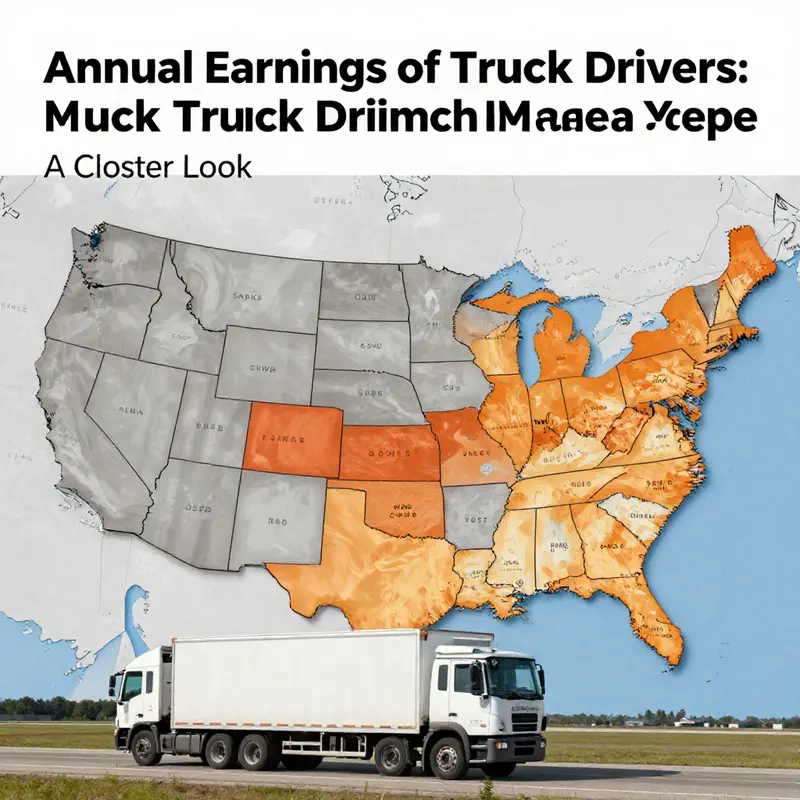
The numbers that ride along with a driver’s paycheck tell a story, but not the whole story. When you extract the national average for truck driver earnings, you glimpse a broad trend, not the daily reality that plays out in every mile of road. Across the United States, regional economies shape what a driver takes home each year. The latest synthesis of wage data shows a clear pattern: regional differences matter just as much as the type of route or the employer’s pay policy. For someone weighing a jump into trucking or a move to a new market, the region can determine whether the yearly total looks closer to the mid-range or climbs toward the upper end of the spectrum. In 2023, the median and the regional highs and lows coexisted in a single industry with constant shifting fuel costs, evolving regulations, and a persistent demand for freight movement that keeps the wheels turning. While the national benchmark gives a starting point, the real map of earnings is drawn by cost of living, local demand, and the infrastructure that keeps trucks and customers connected.\n\nCost of living is the first dial that turns the earnings knob up or down in a given region. Drivers who work in states with high living expenses, such as California and New York, often command higher base wages to offset the cost of housing, groceries, and health care. The logic is simple, even if it can feel counterintuitive: a higher wage floor can be necessary to ensure that a driver’s take-home pay keeps pace with living costs in major metropolitan areas or coastal corridors. Yet a higher base does not automatically translate into a proportionally higher standard of living for every household. Per diem allowances, lodging stipends, and overtime can tilt the balance, but the overall feel of a regional pay package depends on how expenses are structured within a company and what benefits the employer offers. In higher-cost regions, even if the nominal salary climbs, the gap between gross pay and what a driver can actually save or invest may depend on the specifics of the role, whether the driver is on a long-haul cycle that maximizes overtime opportunities, or operating in a local or regional lane with steadier hours but less overtime potential.\n\nOn the other side of the spectrum, regions with lower living costs can present a paradoxical advantage. A driver might accept a seemingly modest base wage in a rural or less economically intense area, yet the cost of housing and daily needs can be so much lower that the overall standard of living remains comfortable or even favorable. The math here is not only about salary; it is about what the paycheck buys in a given community. In practice, that means some drivers in more affordable regions can maintain favorable disposable income with takes-home pay that, when adjusted for living costs, competes with or exceeds what a driver might enjoy in a more expensive urban center — especially when benefits and overtime come into play. The conversation should therefore pivot away from chasing the highest headline salary and toward total compensation and living costs in a specific locale.\n\nRegional demand is the second lever that elevates or dampens earnings. Some parts of the country experience sustained freight activity that translates into competitive pay. The Great Lakes area, a center of manufacturing and distribution, and the West Coast ports, with their massive import-export throughput, often create tight labor markets for long-haul drivers. When demand for drivers is high in a metropolitan logistics hub, carriers compete for qualified operators by offering better incentives, which can show up as higher hourly rates, more generous bonuses, or overtime opportunities that push annual earnings higher. Conversely, rural regions experiencing slower freight volumes or fewer shipping corridors may present a softer wage landscape, even if the role offers stability and predictable schedules. In these environments, employers may lean on other benefits—health coverage, retirement plans, paid time off, or relocation stipends—to make positions attractive.\n\nThe Bureau of Labor Statistics provides the official lens that helps translate regional realities into a national snapshot. The 2023 data show a median annual wage for truck drivers around $50,160, a figure that masks substantial regional disparities. In the most freight-dense metro areas, over-the-road (OTR) drivers can surpass $70,000 when overtime and bonuses are included, reflecting the premium that hubs in Los Angeles, Chicago, Atlanta, and similar markets can command. These figures are not etched in stone; they reflect the balance of base pay, overtime practices, and the varied supplementals that drive total compensation. In more rural or economically modest regions, annual wages can dip below $45,000, though those areas often offer other forms of stability or lifestyle advantages, such as shorter driving cycles, less time away from home, or more predictable schedules. The same wage data also remind us that pay is a tapestry woven from job type, endorsements, and the specific employer’s compensation structure, not a single uniform rate that applies everywhere.\n\nEndorsements and specialized qualifications add another layer to this regional price tag. Drivers with hazmat endorsements, tank endorsements, or specialized freight credentials can command higher pay in markets where demand for these lanes is acute. The logic again circles back to risk, expertise, and the ability to serve more complex client needs. In hubs that specialize in hazardous materials or chemical transport, the premium for qualified drivers can be meaningful, especially when demand outpaces supply. Certifications can shorten training time for newer drivers and unlock higher-paying lanes sooner in a career, which is why many seasoned drivers view endorsements as a strategic lever for regional earnings. In practice, a driver who concentrates on regions with a higher concentration of specialized freight can see a noticeable lift in annual income, provided the role aligns with willingness to handle the extra regulatory requirements and safety obligations that accompany such work.\n\nFor drivers weighing regional options, the decision is rarely a simple one-off choice. It is a recurring negotiation: how to balance base pay, overtime availability, housing or per diem arrangements, and benefits against personal life considerations. Regional markets that deliver higher wages often demand more time on the road, tighter schedules, and a higher tolerance for the physical demands of long hauls or multi-stop operations. In return, these drivers may enjoy faster wage growth, more frequent route variety, and the chance to accumulate overtime hours that significantly bolster annual earnings. Yet the lifestyle trade-offs can be substantial. Time away from home, the rigors of extended trips, and the cost of living in a given metro area can erode the perceived financial advantage if the driver’s priorities emphasize family life, stability, or predictable home time. This is the core tension for many prospective drivers: the math of money meets the math of life in a way that makes the regional question deeply personal, not purely economic.\n\nThe chapter of regional variation also invites consideration of how compensation packages are structured. Pay is never a single line item; it encompasses base pay, overtime or hourly premiums, bonuses, health benefits, retirement plans, per diem, and lodging allowances when necessary. In some markets, drivers may see a higher base rate but fewer overtime opportunities; in others, the base pay might be lower but the overtime multiplier is generous, producing a comparable or higher annual total. A driver who is open to regional moves can harness this by mapping a few likely routes and calculating potential annual earnings under different pay structures. This exercise is more precise than simply choosing a locale based on base wage alone. It also sheds light on what recruiters may emphasize in interviews, since the same region can present divergent opportunities across fleets and carriers. When evaluating offers, the savvy driver will convert promised hourly or daily rates into annual totals that reflect actual workweeks, overtime availability, and the likelihood of bonuses, rather than relying on headline numbers alone. The practice helps illuminate where a region’s cost of living and demand dynamics align to create real earnings power.\n\nBeyond the numbers, there is a culture of work that shapes regional earnings. For some drivers, the region’s logistics ecosystem—its ports, warehouses, and distribution centers—creates a network effect that sustains steady demand and fosters competitive pay. For others, the same ecosystem may yield a patchwork of small carriers that pay well but offer less stability, or larger outfits that promise consistent routes but might have stricter scheduling policies. In practice, these differences influence not just wages but job satisfaction, the rhythm of life on the road, and the opportunity to balance work with personal responsibilities. This is why a driver’s choice of region often hinges as much on career trajectory and lifestyle considerations as on annual earnings alone. The regional picture is not just a portrait of money; it is a map of opportunity that weaves together industry needs, regulatory environments, and a driver’s own priorities.\n\nFor drivers building a long-term career, regional variation also means planning ahead for changing markets. Freight demand can shift with economic cycles, seasonality, and infrastructure investments, so the relative pay landscape is not static. A metropolitan market enjoying a surge in warehouse construction and e-commerce fulfillment might offer high overtime potential for a few years, while other regions adapt to slower cycles. In those transitions, a driver who has cultivated certifications, flexible routing skills, and a willingness to relocate can stay ahead of the curve and ride the earnings wave more smoothly. Employers, too, can leverage this knowledge. By associating pay strategies with regional demand and cost-of-living realities, they can align recruiting, retention, and development programs with the markets in which they most need talent. Transparent communication about how regional factors influence total compensation helps build trust and reduces turnover as market conditions evolve.\n\nAn important takeaway for readers considering a regional move is that the national picture is a starting point, not a final verdict. The actual annual earnings a driver can expect depend on how many weeks on the road, the mix of long-haul versus regional runs, and the ability to optimize overtime and bonuses. Prospective drivers should research the particular region’s freight flow, regulatory climate, and typical pay packages for the lanes they intend to run. They should also seek opportunities that align with their personal life goals, such as home time, family responsibilities, or the desire to grow into more complex freight sectors. This means reading job offers with a granular eye: not only the base salary but also the overtime structures, the availability of night and weekend shifts, the lodging or per diem policy for long-haul routes, and the quality of benefits. The best decision is the one that aligns earnings with the driver’s desired lifestyle and career objectives.\n\nThe practical takeaway is not to chase the highest number in a single region but to consider the total compensation and quality of life a region affords. Americans do not live to work only for money; the regional context determines how sustainable and enjoyable the work is across a career. For those who want to explore more about how equipment and route-specific demands intersect with regional dynamics, see how gear and setup can support efficient regional operations on the site’s roof-focused resources. roof racks illustrate how a well-equipped rig can improve efficiency on diverse regional routes and reduce downtime, indirectly supporting earnings through more predictable schedules and shorter maintenance windows. This kind of practical, field-ready thinking helps a driver translate regional wage data into meaningful, long-term outcomes rather than short-term gains.\n\nIn sum, regional variations in truck driver earnings reflect a complex interplay of cost of living, demand, and the specific compensation structure offered by employers. The national median provides a baseline, but real earnings emerge only when you peel back the layers of a region’s economy, a carrier’s pay policy, and a driver’s own routing preferences and life goals. For drivers, the question becomes less about chasing a universal figure and more about selecting regions that fit a personal balance of money, home time, and career growth. For employers, the challenge is to craft packages that attract and retain talent where it is most needed, recognizing that the market will reward the right combination of base pay, overtime opportunities, benefits, and stability. In so doing, the industry can sustain a robust, dependable workforce that keeps goods moving and communities nourished, coast to coast. For official regional wage nuances and a formal breakdown, consult the Bureau of Labor Statistics data, which provides a comprehensive, nationwide view of how pay aggregates and diverges across the country: https://www.bls.gov/oes/current/oes533031.htm.
Understanding Truck Driver Earnings: Experience, Freight, and Market Dynamics
Truck driver earnings are a product of more than a single salary figure. Published averages reflect miles driven, routes chosen, and the mix of freight. In practice, pay fluctuates with experience, the type of freight, and the market where a driver operates. Understanding these levers helps drivers project annual income more accurately than a single headline number.
Experience shapes earning potential: as drivers log more miles, gain efficiency in routing and risk management, and master compliance, many carriers open access to higher-paying lanes, safer loads, and opportunities for bonuses. Senior drivers may also move into roles with higher base rates, such as dedicated runs, regional fleets, or leadership positions that include dispatch or supervision responsibilities.
Freight type matters: high-value, time-sensitive, or hazardous loads commonly carry premium pay. Perishables, electronics, chemicals, and oversized cargo can command higher rates or specialized bonuses, while general dry goods may pay less despite steady work. The equipment and handling requirements (refrigeration, flatbeds, tankers) often create talent pools that push compensation higher for qualified drivers.
Geography and market dynamics also shape earnings. Regions with higher costs of living or driver shortages tend to lift base pay, while demand spikes can raise overtime opportunities. The employer size and pay architecture (per-mile, hourly, salary with bonuses) affect the annual total and the way overtime and incentives translate into take-home pay. Union presence and benefits further color the overall value of a year on the road by adding retirement plans and health coverage that supplement take-home earnings.
In short, a driver’s yearly income is best understood as a network of scenarios rather than a single figure. By building mileage, pursuing endorsements, targeting profitable freight, and choosing markets and employers that reward performance, drivers can influence their annual earnings within the broader framework of market demand and regulatory conditions.
Rising Pay on the Open Road: What the Next Wave of Trucking Salaries Means for Annual Earnings
When people ask how much a truck driver makes in a year, they often get a snapshot of today’s numbers rather than a sense of what lies ahead. The chapter you’re reading sits at a hinge point in the industry’s timeline. It’s not a simple forecast of higher or lower numbers; it’s a story about how compensation is evolving in a market shaped by chronic driver shortages, the appetite of carriers to win talent, and a set of systemic shifts in how pay is structured. In early 2026, the headlines suggested a notable shift: many new drivers were entering the field with annual earnings that surpassed six figures, a milestone once seen as reserved for seasoned veterans and specialized roles. This shift didn’t appear in a vacuum. It arrived as part of a broader rethinking of what makes a truck driving job attractive to the next generation—location flexibility, earning potential, comprehensive benefits, and a clear path for advancement. As with any such turning point, the real story lies not in a single data point but in the way a patchwork of incentives, policies, and market forces align to lift the typical year-long income into a new, more competitive range.
To understand what this means for someone evaluating a career in trucking, it’s essential to keep two threads in view. First, the industry has moved away from a one-size-fits-all idea of compensation. Pay now comes in multiple forms—base pay per mile, hourly wages for local work, guaranteed minimum income models, and a belt of performance-based bonuses that reward safety, efficiency, and dependable home time. Second, the market has shifted toward prioritizing incentives that reduce the risk and volatility that once characterized trucking pay. Carriers recognize that drivers face a demanding schedule, long stretches away from family, and the day-to-day costs of operating in a highly regulated environment. In response, many employers have designed packages that promise a steadier, more predictable annual take-home, even as the roads themselves still demand hard work and constant vigilance.
The present moment, then, is not the arrival of a universal windfall but the emergence of a new salary architecture that is both more generous and more nuanced. The data points we’re seeing—and that industry observers note with increasing frequency—show that starting salaries for new entrants have risen sharply. In some market segments, first-year drivers are earning well over $110,000 per year. That is not a blanket guarantee for every route or every company, but it marks a measurable re-prioritization by several large carriers who compete aggressively to recruit fresh talent. The reasons are straightforward: the freight economy depends on reliable, timely movement of goods; more miles have to be driven; and the labor pool is shrinking faster than it can be replenished. When you combine that scarcity with the high demands of long-haul or specialized freight, the math becomes persuasive.
Yet context matters. A $110,000 starting figure is paired with a constellation of variables that determine the real, take-home value for an individual driver. The type of freight—hazardous materials, tank loads, temperature-controlled goods, or oversized items—may command higher pay but also carries greater training requirements and regulatory compliance. The region you operate in, the size and policy of the carrier, and the pay structure they adopt all shape your year-end earnings. Some companies lean into mileage-based pay, others into hourly wages for regional or local routes, and still others blend both through guaranteed minimums that aim to shield drivers from lumpy pay cycles during slow periods. In practice, a driver who logs long-haul miles with a high-skill load and a favorable bonus structure can surpass the early six-figure line, while a driver in a different lane may find a more modest but stable yearly figure that aligns with personal preferences for home time and route stability. The overall pattern, however, is unmistakable: compensation is becoming more transparent, more aspirational in the short term, and more structured in a way that helps drivers plan their finances with greater confidence.
The shortage of qualified drivers across North America has become a defining constraint and, at the same time, a lever for pay. Freight volumes require constant, reliable coverage, and fleets are increasingly willing to offer aggressive recruitment packages to secure talent. That includes signing bonuses, guaranteed minimum income models, and a widening array of benefits that enhance total compensation beyond base pay. A well-rounded package now routinely includes health insurance options, retirement plans, paid time off, and sometimes tuition reimbursement or training stipends that enable drivers to advance their qualifications without sacrificing current earnings. In this environment, the most strategic moves for drivers are not only about negotiating a higher per-mile rate but also about maximizing the value of the entire compensation suite.
The role of certifications and endorsements cannot be overstated. Those who add qualifications such as hazmat or tanker endorsements tend to unlock higher pay bands, broader job possibilities, and access to routes that carriers prize for their efficiency or safety profiles. The incremental cost of obtaining these credentials—time, training, and testing—pays off when the eligibility opens doors to higher-paying lanes and steadier work rhythms. The trend toward specialization is a response to both driver demand and the evolving logistics landscape, where precision and compliance reduce risk and create more predictable revenue streams for fleets. In turn, drivers who invest in their own competitive edge often find elevated earnings potential without needing to change employers.
A single dollar amount cannot capture the richness of a modern truck driver’s annual income, because compensation now rests on a mosaic of elements that interact with one another. A base wage or per-mile rate remains foundational, but the premium pay for longer routes, the subsidy patterns for lodging and meals during multi-day hauls, and the occasional, performance-driven bonus all accumulate to shape the final figure. Some carriers have introduced guaranteed minimum income models that ensure a driver can count on a baseline earnings floor, which can be especially valuable in a volatile freight market. Others offer tiered incentives that reward adherence to safety protocols, fuel efficiency, and on-time delivery metrics. The promise of such programs is to convert periods of high demand into sustained earnings, while also buffering the driver against downturns in demand or disruptions in the freight cycle. The net effect is a pay landscape that rewards reliability as much as mileage.
The story of future compensation would be incomplete without considering the living and working conditions that accompany higher pay. The richer pay packages come with more robust benefits: generous health coverage, retirement plans with company contributions, and paid time off that supports a healthier work-life balance. Tuition reimbursement programs expand the appeal of trucking as a career option for people who might otherwise be priced out of industry training. This constellation of benefits helps offset the physical and logistical demands of the job, reducing burnout and increasing the likelihood that drivers remain in the workforce long enough to realize the longer-term returns of their higher starting salaries. If you weigh a six-figure first year against a more modest immediate payout but faster progression, you’re weighing not just dollars but also access to a more sustainable, supported career path.
Within this broader shift, the automation conversation adds another layer of nuance. Technology across the supply chain—routing software, autonomous-leaning concepts, and telematics—promises to reshape how driving work is organized. Yet the core value of skilled long-haul drivers remains clear: human judgment, adaptability, and the nuanced decision-making required in complex traffic, weather, or regulatory environments can’t be fully replicated by machines in the foreseeable future. The industry’s investment in automation is as much about augmenting human work as it is about replacing it. That means the demand for capable drivers is likely to persist even as automation evolves, and compensation will continue to reflect the premium attached to experience, reliability, and the ability to manage exceptional situations on the road.
From a practical standpoint, prospective drivers and current professionals alike should approach the looming future with a deliberate mindset about how to maximize yearly earnings. When evaluating offers, it’s not enough to tally the base pay; one must consider the total compensation picture: guaranteed minimums, mileage or hourly rates, bonuses tied to performance and safety records, benefits, and the intangible but real advantages of better home time and scheduling predictability. It’s about aligning one’s personal priorities with the employer’s system. A driver who values time with family might prioritize guaranteed hours or favorable home-time policies that reduce the cost of long-haul living. A driver who is focused on long-term wealth might chase the endorsements and the more complex freight that pays a premium and opens doors to more lucrative routes. In both cases, the salary is not a single number but a projection of how well the employment package translates into stable, quality income over the course of a year.
Region matters, but not in the way many expect. Some of the strongest earnings opportunities cluster in areas where demand outstrips supply and where carriers are willing to pay a premium to recruit and retain drivers. That correlates with both freight density and the cost of living in a given region, which in turn influences how much a driver must earn to sustain a particular lifestyle. Local and regional drivers can secure generous compensation through hourly schemes and guaranteed minimums that smooth out the ebbs and flows of daily miles, while long-haul specialists can leverage high per-mile rates and exclusive freight lanes. The landscape is shaped by supply chain dynamics as much as by wage laws, and the interdependencies mean that a driver’s income must be read with an eye toward the specific route, the employer’s policy architecture, and the mix of freight handled.
An important practical truth emerges when drivers plan their careers: earnings are most meaningful when they are predictable. A driver who can anticipate a steady annual trajectory—thanks to a guaranteed minimum or a consistent stream of high-value loads—often experiences less stress and better financial planning. The best opportunities blend a solid base with room for upside through bonuses, performance incentives, and the chance to train for a higher credential that unlocks more valuable lanes. The broader market’s shift toward such packages reflects a lessons-from-crisis approach: after years of volatility, fleets want to reduce turnover and improve retention by offering a more secure, transparent, and appealing financial package.
For those considering a future in trucking, the take-home message is not merely about chasing the biggest starting figure. It is about seeking a compensation ecosystem that rewards ongoing commitment, enables professional growth, and aligns with one’s preferred pace of life. Those who pursue additional endorsements, maintain clean safety records, and stay adaptable to the evolving regulatory and technology landscape are more likely to see their earnings rise as they accumulate experience and tackle higher-value freight. There is a real opportunity for newcomers to move beyond a traditional entry-level salary and build a durable, high-earning career that also emphasizes professional development and long-term financial security.
As a practical note for readers who are mapping out the numbers, the modern truck driver’s annual earnings are best understood as the sum of several interlocking parts: a base rate that reflects the labor supplied, mileage or hourly compensation that tracks with the job’s demands, sign-on and retention bonuses that recognize initial commitment, and a spectrum of benefits that contribute to financial stability beyond the paycheck. This modular approach to pay creates resilience in a field traditionally known for its hard miles and extended time away from home. It also means that a driver who negotiates effectively, selects routes that fit personal needs, and invests in credentials can realize a yearly income that consistently outpaces earlier benchmarks.
In short, the future of what a truck driver makes per year is less a single forecast than a projection built from a broader shift in how pay is constructed and how value is created on the road. The most compellingPath forward for those who want to maximize earnings is to think across the entire compensation ecosystem: base pay, incentives, benefits, training, and work-life balance. The industry’s current trajectory suggests that this broader framework will keep elevating earnings, with particularly strong upside for those who embrace specialization, accumulate relevant endorsements, and pursue the most efficient and safest driving practices. While automation and evolving logistics technologies will continue to reshape routes and operations, the enduring human factor—experience, judgment, and the ability to manage complex, time-sensitive deliveries—will keep demand high and compensation competitive.
If you’re weighing the financial options of a trucking career, you can also gauge what those numbers translate to in concrete terms by considering not only the pay you can expect in the first year but the implied trajectory over the next five or ten. A driver who enters with a strong set of endorsements, a clean safety record, and a willingness to pursue high-value freight can see compound benefits in the form of higher rates, better route flexibility, and more robust benefits packages. Conversely, a driver who prioritizes speed over training might reach a comfortable earnings plateau sooner, but with less long-term upside. The key is clarity: understand the compensation architecture, assess how stable and scalable it is, and align it with personal and family goals. The road ahead is not a straight line, but it is increasingly paved with incentives that reward consistency, skill, and strategic decision-making.
For readers seeking a tangible reference as they parse the pay landscape, consider how gear and equipment choices intersect with earnings. Practical investments in the right tools and accessories can improve efficiency, reduce downtime, and lower operating costs, which indirectly support a higher annual take-home. To explore options that many drivers find helpful for maximizing their on-road efficiency and comfort, see our guide to truck accessories. truck accessories guide.
External resources offer a broader perspective on the latest pay trends, especially as markets continue to shift in response to demand and policy changes. For a deeper dive into how pay has evolved into 2026 and beyond, see external analyses that synthesize industry data and career movement across trucking segments: https://www.drivers1st.com/blog/truck-driver-pay-2026
Final thoughts
As the trucking industry continues to evolve, so too do the earnings of truck drivers. Business owners must remain informed about the average annual salaries, regional disparities, and factors that can influence these figures. With shifts in demand, regulatory changes, and the necessity for skilled drivers, understanding these dynamics is critical. By leveraging this knowledge, business owners can make strategic decisions to enhance their workforce, improve retention, and ultimately drive the success of their operations. The future of truck driver earnings will likely be shaped by industry demands, and staying ahead of these trends will position businesses for growth.