
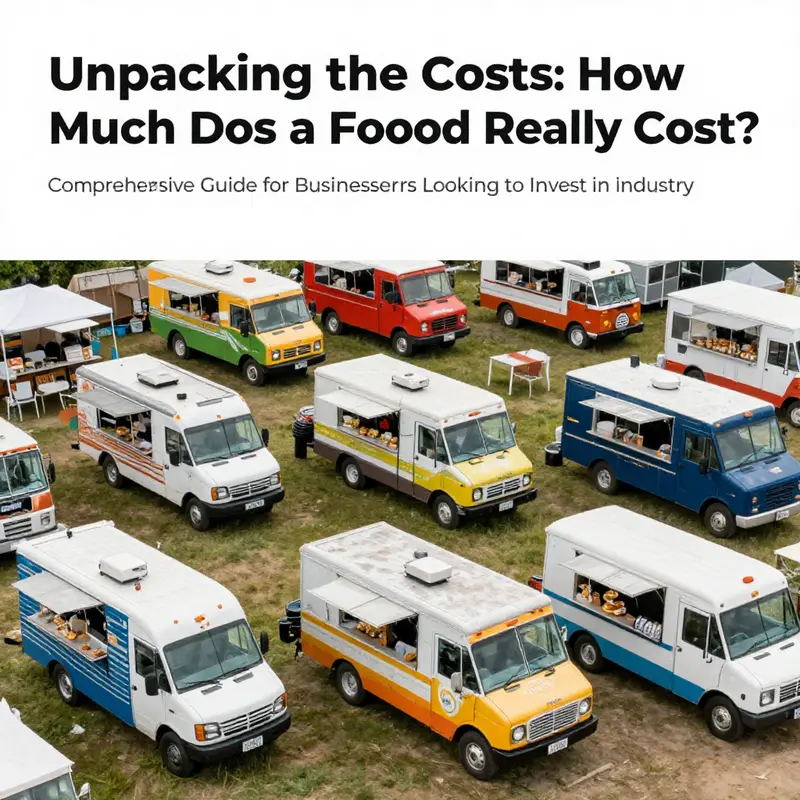
The food truck industry is thriving, but understanding how much a food truck costs is crucial for aspiring business owners. With options ranging from new, used, and rental trucks, each choice presents unique advantages and financial implications. This article breaks down the costs involved in acquiring a food truck, providing critical insights into selecting the right option for your business. From analyzing the price tags of new trucks and exploring budget-friendly used options to considering rental agreements, we’ll guide you through the financial landscape. Additionally, we’ll touch on hidden costs and financing strategies to prepare you for a successful venture in the mobile food industry.
Counting the Wheels: A Thorough Price Map for Starting a Food Truck
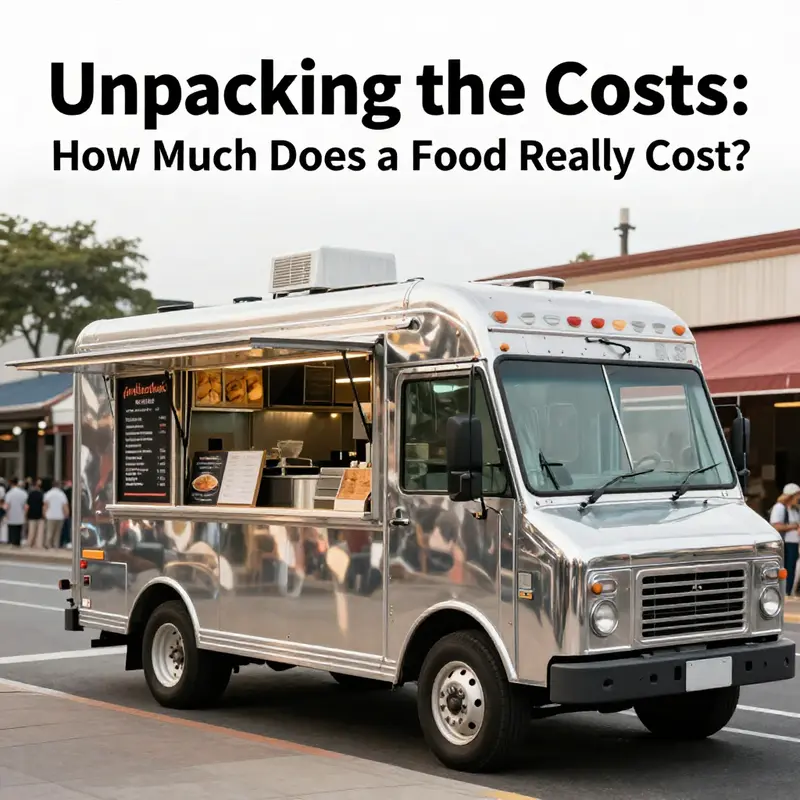
Starting a food truck business begins with a practical question: what will it cost to turn a vehicle into a fully functioning kitchen on wheels? In 2025, the price landscape is wide enough to make any first-time buyer pause. The sticker price on the truck itself varies from roughly $75,000 to $200,000 when you buy brand-new. That range isn’t a single line item but a bundle of options. At the low end you might find a smaller chassis with a compact, efficient kitchen, enough for a limited menu and tight city routes. At the high end you’re looking at a larger footprint, premium appliances, custom finishes, and branding that turns heads as you roll by. The advantage of a new unit is clear: it comes with reliability, minimal early maintenance, and the ability to tailor every feature to your concept, from the layout to the exhaust system, to lighting and branding. But the premium price tag means it’s not the fastest path to cash flow.
A more affordable route sits in the used-truck market. Here the upfront cost drops to about $50,000 to $100,000 for a pre-owned vehicle that still carries the operational backbone required for a busy schedule. For many operators, the sweet spot lies in buying a used chassis and adding a new kitchen setup, a strategy often priced around $85,000 to $115,000. It’s a practical compromise: you can start generating revenue sooner, while still exercising some control over the kitchen’s efficiency and layout. Yet this path carries its own set of risks. A used chassis may have wear and tear, or older mechanical systems requiring inspection and potential retrofits. The decision rests on a careful balance between immediate cash flow and future maintenance costs, a balancing act that becomes central to your early-year budgeting.
If you want the lightest initial hit, renting is a compelling option. A six-month lease typically costs between $2,000 and $3,000 per month, and shorter terms usually come with a higher per-month rate. Renting lets you test your concept in the real world, build a customer base, and refine your menu without committing to a large purchase. It’s also a rapid deployment path, allowing you to enter events, farmers markets, and street festivals with less delay than a custom build. The rent-versus-buy decision is not simply about price, but about risk tolerance, speed to market, and long-term strategic goals. It’s common for fledgling operations to loop back to ownership after a six- or twelve-month trial, once demand, supply chain relationships, and operational rhythms are clearer.
Beyond the ticket price of the truck itself, startup costs accumulate quickly. Permits, licenses, insurance, and initial inventory form a nontrivial baseline that can mirror or exceed the price of the vehicle in the early months. Branding costs—logos, truck wrap, menus, and signage—also contribute but in a way that pays off in visibility, credibility, and customer recall. When you quantify total startup costs, you’re not just tallying present expenses; you’re projecting cash flow across a growth arc that often includes seasonality, event calendars, and the learning curve of a new kitchen on wheels.
This is where the sourcing conversation becomes decisive. The research landscape notes a growing interest in international suppliers, especially manufacturers located near major export ports. In regions like Qingdao, Shandong Province, the industrial ecosystem specializes in stainless steel fabrication, modular kitchen integration, and refrigeration systems. The proximity to shipping channels reduces lead times and squeezes costs, enabling turnkey builds or adaptable templates that still deliver durable, compliant kitchens. The materials—precision-finished stainless steel, robust exhaust fans, and efficient insulation—are chosen to withstand the rigors of daily street service while keeping long-run maintenance manageable. When you’re balancing price with reliability, these verticals matter: the craft of fabrication, the efficiency of assembly, and the predictability of delivery.
The economics are shaped further by scale. Suppliers who produce at high volumes—tens of dozens, sometimes hundreds of units per month—tend to spread fixed costs over more units, lowering the per-truck price without compromising quality. That economy of scale invites operators to compare not just the price of a single truck, but the total package: the integration of a kitchen that meets local health codes, the back-end electrical and plumbing layouts, and the right exhaust and fire-suppression configurations. It’s easy to focus on the sticker price, but the total cost of ownership speaks louder in the long run. A kitchen installation with efficient workflow reduces labor costs, speeds service, and minimizes downtime when equipment fails.
In practical terms, this means you will want to assess how much you’ll invest in essential startup expenses beyond the vehicle: obtaining the right permits and licenses, securing insurance coverage, stocking your initial inventory, and funding branding and marketing launches. Your budget should also account for a modest reserve, because the early months often test your operating margins with irregular demand, weather disruptions, and events that may require flexible scheduling. Even with a well-priced truck, your early months can stretch if you underestimate the speed of credentialing or the time needed to secure event contracts.
To connect these threads: the choice between new, used, or rental isn’t merely a cash question; it’s a strategic decision about speed, risk, and the cadence of your rollout. If speed plus consistency is your priority, a new truck aligns with a well-resourced launch. If you’re willing to trade a bit of reliability for immediacy and a shorter break-even horizon, a used setup—whether a full truck or a chassis with a kitchen—may deliver that balance. If you want to learn, refine, and validate your concept before committing, renting becomes a powerful option. The right choice depends on you, your market, and the confidence you bring to managing the heavy initial outlays.
For readers eager to explore practical add-ons and optimizations, there is a wealth of resources on truck customization and accessories. These are the elements that can transform a basic kitchen-on-wheels into a high-velocity serving platform. As you design the interior layout, you’ll want to think about space utilization, airflow, and ease of cleaning as much as you consider flow of customers. Some operators lean on modular, adaptable designs that can be reconfigured for different events, while others invest in dedicated blocks for specific menu lines. If you’re curious about how to plan these details and want a starting point for equipment lists and layout ideas, a targeted resource on truck accessories can help you map your needs. truck accessories resources.
No chapter on costs would be complete without a note about the ultimate source of budgeting clarity: a dedicated, up-to-date guide that ties these numbers to practical decision-making. For deeper, discipline-driven budgeting benchmarks and real-world examples, researchers often look to comprehensive startup cost analyses published by business magazines and industry outlets. These insights help you frame your numbers within a credible planning framework and avoid common missteps.
External resources can augment your internal estimates and provide a broader sense of market dynamics. A detailed article from a leading entrepreneurship platform offers a structured breakdown of initial investment bands, ongoing expenses, and break-even scenarios across different city sizes and event calendars. While you craft your own plan, you may want to consult that guide to triangulate your figures against real-world cases. https://www.entrepreneur.com/article/446979
As you absorb these threads, remember that the cost conversation is not a single act but a sequence. Your timeline may unfold from test runs with a rented truck to a fully owned unit fueled by seasonally adjusted demand. The numbers, while anchored in real-world ranges, must be interpreted through the lens of your concept, your menu, and your local licensing environment. The path you choose will determine not only the truck’s purchase price but the shape of your early months, the reliability of your service, and the speed with which you recoup your investment. In short, understanding how much a food truck costs is a gateway to a broader, more deliberate approach to launching a mobile dining business.
Beyond the headline figures, there is a world of practical considerations that influence every decision. Consider quality control as a non-negotiable part of cost planning. When negotiating with a supplier—whether in a coastal city or across oceans—you’ll want clear specifications: the grade of stainless steel, the capacity of refrigeration systems, and the efficiency of the ventilation setup. A robust warranty and a responsive after-sales network save money over the truck’s life by reducing downtime and keeping critical systems running during peak seasons. Currency fluctuations and import duties can also change the math of global sourcing. Some operators negotiate bundled pricing that includes installation, training, and staged shipments to smooth cash flow. Others prefer a modular approach, purchasing a core chassis and then adding components as revenue streams grow. Each path requires a different budgeting rhythm and a different view of risk.
The trajectory from concept to street presence hinges on your ability to translate these numbers into a viable operating plan. You’ll map your menu to the truck’s footprint, design your workflow so that it moves as quickly as customers move, and align your branding with the markets you intend to serve. In markets with high competition and diverse consumer tastes, the premium you pay for a turnkey, reliable kitchen can translate into faster service times and higher ticket averages. In smaller or more experimental markets, leaner setups and flexible layouts may prove more resilient, letting you pivot menus and locations with less sunk cost. The core truth remains: cost is not a barrier but a compass. It guides you toward a configuration that balances capability, risk, and revenue potential.
If you’re ready to see how these numbers translate into a concrete plan, the next steps involve aligning your budget with your local regulatory environment, identifying viable suppliers, and crafting a phased rollout that tests concepts while preserving cash reserves. The journey from an initial estimate to a fully operational truck is as much about disciplined financial planning as it is about culinary ambition. By framing the price as a map rather than a single destination, you maintain a clearer sense of how much you need today, what to invest next, and when to scale. That mindset, more than any specific price, defines the probability of turning a mobile kitchen into a sustainable enterprise.
Second-Hand Kitchens, Big Opportunities: How Used Food Trucks Stretch Your Budget and Accelerate Your Launch
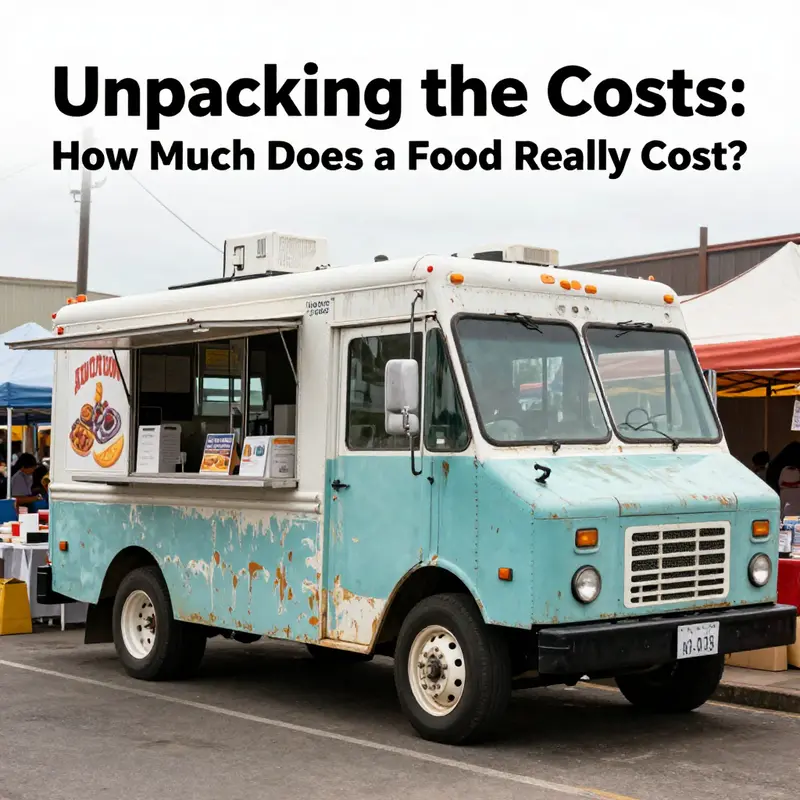
Used food trucks offer a pragmatic doorway into the world of mobile cuisine. For many aspiring founders, the sticker price of a brand-new, custom unit can feel like a wall that blocks entry. A used truck, by contrast, can unlock a faster path to market with a fraction of the upfront outlay. This chapter explores what those costs actually look like in 2025 and beyond, why a used rig often makes sense for those starting small, and the careful steps needed to avoid costly surprises after you roll into your first city curbside. The core reality is simple: you can pay a lot more for a new, fully customized kitchen-on-wheels, or you can invest in a well-kept used truck and reinvest the savings into inventory, licensing, and your first few marketing pushes. The price spread is real, and it matters. Industry data show that pre-owned food trucks typically land in a broad middle ground that most new ventures can afford. The exact figure depends on age, condition, equipment, and location, but a commonly cited range places a used unit well under the price of a new, purpose-built vehicle. This is not merely about sticker price; it is about the total cost of ownership, the time to launch, and the level of risk you’re prepared to manage in year one.
From a financial planning perspective, the argument for used trucks is straightforward. The initial investment can be dramatically lower, which leaves a larger cushion for essential startup expenses such as permits, inspections, initial inventory, and a few strategic experiments with menu and city testing. On balance, entrepreneurs who buy used rigs report a faster time-to-market and, with proper maintenance, a solid runway to profitability. A widely cited benchmark in industry reporting places the average price for a pre-owned food truck in the range of roughly 25,000 to 60,000 dollars, though older vehicles with heavy wear or specialized equipment can tilt beyond that band, and trucks with newer, high-efficiency kitchen setups can push higher. This is still a far cry from the six-figure sums sometimes necessary for a fully customized new unit. The simple takeaway is that the used market provides a wide spectrum of options that fit many concept types and budgets, especially for operators who are flexible about the kitchen layout and branding timeline.
A fundamental caveat accompanies the savings. Used trucks come with their own set of realities, particularly around mechanical reliability and legacy systems. The heart of a successful used-purchase strategy lies in due diligence. Prospective buyers should plan a comprehensive evaluation of the drivetrain, the braking system, tires, and the overall roadworthiness of the chassis. Beyond mobility, the kitchen itself demands scrutiny: refrigeration units, reach-ins, fryers or griddles, exhaust systems, and plumbing must all function at scale and be capable of meeting health code standards. It is not unusual for hidden issues to surface after a test drive or a close inspection, ranging from rust and corrosion to deleterious electrical faults or outdated plumbing configurations. This is precisely where a certified mechanic or an experienced mobile-kitchen technician can bridge the gap between a tempting price tag and long-term operability. The wisdom of bringing a professional to the table cannot be overstated. Having a third party inspect the core systems and provide a repair estimate can save thousands and prevent a late-night, stranded-start scenario after you sign.
Transferability of permits and registrations is another crucial piece of the puzzle. In many markets, permits for a specific vehicle are tied to the unit and may or may not be transferable. Some jurisdictions require reapplication or a new health inspection when a used truck changes hands or a new kitchen configuration is installed. Verifying that all licenses, health permits, and registrations are current, transferable, and compatible with your planned culinary concept is a prudent early step. The legal side of the deal often gets overlooked in the excitement of a lower price, but it can be a decisive factor in whether you can operate on schedule or face months of delay while paperwork is restructured.
From the standpoint of capital allocation, the upside of a used truck becomes even clearer when you align the vehicle with your business plan. By conserving cash on the vehicle itself, you can allocate more funds toward essential operating needs. Inventory procurement, supplier relationships, and staff onboarding take on greater importance when your early days hinge on daily sales rather than depreciation charges on a brand-new asset. A number of small-business case studies highlight how a carefully chosen used rig can become a reliable platform for years, provided the operator maintains discipline around preventive maintenance, regular inspections, and a realistic maintenance budget. The initial savings translate not just into a lower sticker price, but into a more flexible cash flow sequence in the important first year of operation. When market test results are positive, those early dollars can be redirected toward expansion plans or a more ambitious marketing push, rather than being consumed by debt service on a new, custom-built truck.
Navigating the mid-market option of buying a used chassis and adding a new kitchen setup is another common path. This hybrid approach can offer a compelling balance between cost control and modern kitchen efficiency. It often yields a total investment gap that sits between traditional used trucks and brand-new builds, while still delivering modern energy efficiency, updated exhaust configurations, and a kitchen that is tailored to your current menu and space constraints. Real-world ranges for this hybrid path tend to fall in the neighborhood of the higher end of the used spectrum, but with a kitchen that is essentially brand-new inside. In practical terms, that means you can achieve a favorable combination: the reliability and safety of a newer kitchen coupled with a vehicle that has already demonstrated its street viability. It is a nuanced choice that depends on the operator’s appetite for risk, appetite for customization, and the timeline to market.
Of course, the decision to pursue a used truck must be anchored in a solid digital and physical due-diligence process. Start with a detailed inspection of the engine and transmission, the cooling system, and the exhaust setup. Inspect tires for wear patterns that might signal misalignment or prior impacts. Check the refrigeration units for consistency, temperature readings, and door seals. Evaluate cooking equipment for even heat distribution, safety clearances, and compliance with current health standards. Look at the plumbing and electrical systems for leaks, grounding, and code-compliant wiring. If possible, review maintenance logs, service records, and any repair invoices. A vehicle with robust records and recurring maintenance is by far a better bet than a low-price unit with an opaque history. Ask for a test run to gauge how the truck handles heat, altitude, and stop-and-go city traffic. If it passes the practical stress tests, request a professional assessment of the kitchen layout and ventilation, especially in relation to fire suppression and exhaust, to ensure ongoing compliance.
Alongside the physical checks, take a hard look at the total cost of ownership beyond the initial price. Insurance for a used mobile kitchen can be more complex than passenger-vehicle insurance, as providers assess the vehicle’s age, equipment, and the risk profile of your serving area. Maintenance reserves should be set aside for engine wear, refrigeration efficiency, and routine inspections. Fuel efficiency, though often overlooked, can also influence monthly costs, particularly in markets with long driving routes or high fuel prices. In some cases, lenders and investors will want to see a maintenance fund and a contingency plan; demonstrating that you have a realistic financial cushion can strengthen your funding narrative and keep operations from stalling at the first sign of a hiccup.
Equally important is the logistical fit between your concept and the physical footprint of the used truck. A kitchen layout that aligns with your menu’s core processes reduces setup time during service and minimizes waste. If you plan to push a compact menu to high-foot-traffic neighborhoods, you may prioritize a streamlined workflow with efficient cold storage, a compact fry or grill setup, and a headroom-friendly hood system. Conversely, a broader concept with multiple cooking stations might demand a slightly larger foot print, a more robust exhaust stack, and smarter storage solutions. In either case, you will eventually want to contemplate thoughtful storage and organization. For instance, the right storage systems can help keep your ingredients pristine, your utensils easily accessible, and your cleaning supplies neatly contained, all of which contribute to a smoother service and a cleaner kitchen. When outfitting a used rig, consider practical, scalable storage options like modular boxes, pull-out shelves, and leak-proof containers. A good rule of thumb is to invest in durable, upgradeable storage that can adapt as your menu and volumes evolve. For readers who want a concrete starting point on storage and organization, see the truck boxes guide linked here: truck boxes.
In the end, a used food truck can be a powerful, budget-smart entry point if you approach it with disciplined due diligence, realistic cost expectations, and a solid plan for maintenance and growth. It is not a shortcut to instant profitability, but it is a clear, practical route to market that preserves capital for core operating needs. The saving on the upfront vehicle price can be reinvested in testing your concept, refining your recipe, and building brand momentum. It can also buy you time to verify your location strategy, test customer demand, and calibrate your pricing and service model without the pressure of a hefty debt load or a rushed purchase decision. For many entrepreneurs, that balance is exactly what allows a concept to survive the fragile first months and to begin accruing the experiential lessons that separate a hobby from a scalable business.
If you want a broader view of the economics behind starting a food truck, including the nuances of renting versus buying and the specifics of financing a used unit, there are comprehensive resources that compile current market data and practical guidance. These sources offer a wider lens on startup costs and can help you model your own capital plan with greater confidence. External resource: https://www.entrepreneur.com/article/446979
Test Drive on Wheels: Renting a Food Truck to Sharpen Your Cost Estimate and Market Readiness
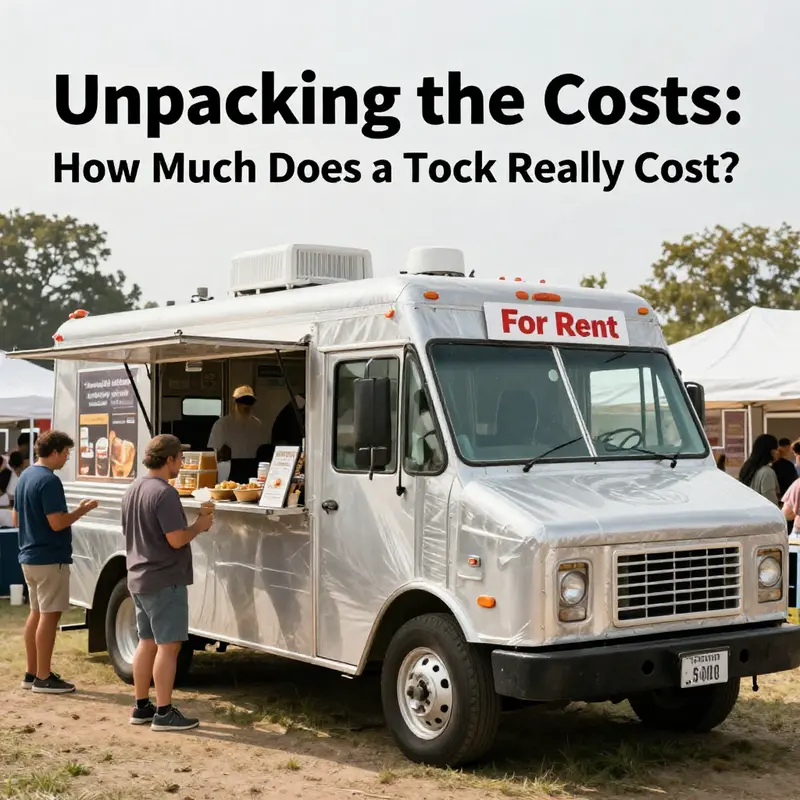
When you begin to think seriously about a food truck, the first question that often loops in your mind is, how much will this really cost? The answer is rarely a single number. It shifts with choices—new versus used, owned versus rented, and how quickly you want to move from concept to actual service. For many aspiring operators, renting a food truck offers a practical way to bridge the gap between idea and income. It provides a hands-on sense of what you’ll be paying month to month, how much you’ll rely on external support, and how the business will behave in the realities of your local market. In 2025 terms, renting is typically a more affordable entry point than buying outright, and it can act as a controlled experiment that helps you calibrate your strategy before you commit substantial capital. The numbers matter, but so do the patterns of cash flow, risk, and learning you gain along the way.
The monthly sticker price for renting a food truck sits in a broad band, largely driven by size, vehicle condition, and location. Industry sources place typical rents from about $1,000 to $3,000 per month, with the average drifting toward the middle of that range for a standard, well-maintained unit in a moderate market. Six-month leases are common, and shorter agreements usually carry higher monthly rates to compensate for the shorter commitment. This structure mirrors the financial psychology of a test flight: you pay a predictable, relatively small amount each month while you observe demand, refine your menu, and learn the rhythms of service. If you want to test a niche in a new neighborhood or compare two concepts side by side, the rental route makes it logistically feasible to sample both without tying up large capital or taking on long-term debt.
Beyond the base rent, there are other lines on the budget that can materially affect your true monthly cost. Insurance, maintenance, and fuel—three categories that can hover in a tight band but still swing your total monthly burden—are frequently bundled by rental firms. Bundled services can simplify budgeting and administration, letting you focus more on cooking and customer service rather than on the mechanics of a separate policy or a la carte repairs. Still, many contracts reserve the right to charge for incidentals or for wear that goes beyond normal use. Understanding what is included—and what isn’t—is essential before you sign.
From an industry standpoint, renting has become a strategic lever for new entrants. A 2024 report from the National Restaurant Association highlighted that rental models helped more than six in ten new food truck operators launch successfully within the first year. Those figures underscore a practical truth: when the upfront risk is reduced and flexibility is preserved, operators can iterate faster, test more locations, and learn which concepts sustain themselves once the initial excitement wears off. The lesson here isn’t that renting is always the best path, but that it offers a disciplined way to learn what it costs to run a real business without prematurely committing to a purchase that could constrain your pivots.
If you plan to try renting, there are important budgeting realities to map out. A common scenario involves a six-month window at around $2,000 to $3,000 per month, depending on the truck’s size and features. Add-ons or premium locations can nudge that upper bound upward. Insurance protection will usually be bundled or quoted as a separate line item, and it’s not unusual to see maintenance included within certain rental packages but billed separately if the unit incurs significant wear or damage outside ordinary use. Fuel remains variable, tied to how often you operate, how far you travel for events, and whether the rental agreement covers fuel costs or leaves you responsible for topping up the tank. In practice, a renting operator may see a predictable core expense—rent plus insurance—plus a variability factor for fuel and any discretionary maintenance you decide to self-manage to maximize uptime.
For those evaluating how renting stacks up against buying, the math is revealing. Suppose you pay $2,500 a month for a six-month rental and add an average $300 monthly for insurance and incidental maintenance not bundled in. That’s roughly $16,800 in six months of rental-driven operations, excluding fuel and any incidentals outside the package. Compare that with purchasing a used unit outright, which can start around $50,000 and scale up to $100,000 or more depending on the condition and the equipment. If you were to buy a certified, fully equipped used truck, your monthly ownership cost becomes a function of depreciation, finance charges, storage, and ongoing maintenance. Even when you spread those ownership costs over a year or two, the upfront hit can be substantial. Renting, by contrast, converts a large capital outlay into a predictable monthly operating expense. If you’re still dialing in your concept, this conversion—capital to operating expense—can make the difference between pressing forward and waiting on the sidelines.
Another practical consideration concerns how a rental arrangement can shape your learning curve. When you lease a truck, you’re often forced to confront real-world constraints—like peak-hour traffic, a busy prep area, or the logistics of restocking at a popular event. These experiences yield data you can translate into menu decisions and price points with far less risk than the unknowns of a brand-new, bespoke kitchen setup. You can gauge how quickly customers move through the line, which menu items spark the most interest, and how your back-of-house workflow stands up under pressure. All of this matters, because the cost story you tell to investors, lenders, or partners depends as much on evidence of demand and repeat traffic as it does on equipment bills.
From a practical standpoint, you’ll want to scrutinize what the rental package covers in terms of speed to service. Does the unit come with a generator, water tank, or wastewater handling? Are there specific requirements for permits, health inspections, or commissary usage that the rental company helps arrange? Some operators choose to begin with a bare-bones kitchen and outfit it gradually as concept validation occurs; others prefer a turnkey setup that hits the ground running but with a higher monthly price. Either path can work, but they do affect your true cost of entry and your time-to-first-sale. If you’re leaning toward a rental to keep the door open while you test, consider a plan that minimizes downtime between events and maximizes your ability to service a predictable schedule.
If you want to explore practical options for outfitting a truck while you rent, you can start by looking at the broader ecosystem of truck accessories and equipment. For example, a curated collection of add-ons—from shelving and racks to safety and branding features—can materially influence how quickly you can present a polished storefront on wheels. A quick way to start is to visit the Accessories page, which gathers ideas and ideas for enabling a rental unit to perform at a high level without requiring a full, brand-new build. Accessories offers a sense of how operators tailor their mobile kitchens and service lines to match demand and branding goals.
Of course, the choice to rent should be weighed against your broader business plan. If you anticipate rapid growth, multiple events per week, or a long-term concept that benefits from a customized, high-end kitchen, ownership may become more attractive sooner rather than later. On the other hand, if your goal is to minimize risk, validate a concept quickly, and maintain flexibility in terms of location, customer segment, and price sensitivity, renting can be the smarter bridge. The beauty of this approach is that you’re not boxed into one outcome. You can renegotiate or relocate after your initial term, pivot toward a different concept, or graduate to purchase once your market clarity has sharpened and profits have built a debt-free runway for investment.
As you weigh renting against buying, it’s helpful to anchor your thinking in a broader money-management mindset. Treat the rental period as a focused market experiment with explicit milestones: number of events, revenue per event, gross margin, and customer acquisition costs. If you reach your milestones and the unit performs reliably, you’ll have a credible case for scaling with either a larger rental footprint or a purchase with financing. If the concept stalls, the exit is cleaner and the sunk cost is limited to the duration of the lease rather than a full capital write-off. This disciplined approach aligns with the broader question at the heart of the article: how much do food trucks cost, in the most practical sense—the true, operational cost of entry, exit, and ongoing running of the business.
For readers who want to explore the broader implications of rental pricing and terms, it’s worth noting that the market has evolved with more flexible contracts and bundled service options. If you’re evaluating rent offers, compare not just the monthly price but the total package: what’s included, what’s excluded, and what happens when you exceed typical usage. You’ll likely find a few operators who are particularly responsive about maintenance Window repairs, or who offer refresh cycles that keep kitchen equipment up to date without forcing you into a new purchase. In the end, the value of renting rests on clarity of the cost structure, reliability of the partner, and your own readiness to learn, iterate, and grow.
External resource: For a broader overview of startup costs and how they factor into one-year and five-year projections, see the external guide on food truck startup costs from Entrepreneur. https://www.entrepreneur.com/article/446979
Beyond the Sticker Price: Navigating Fixed and Hidden Costs in a Food Truck Budget
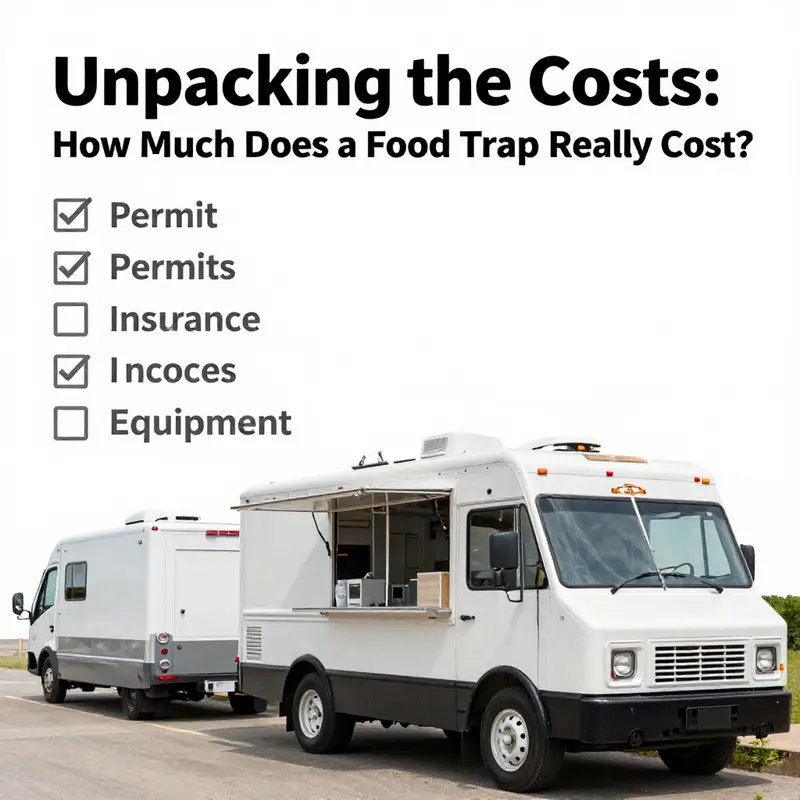
Budgeting a food truck means looking beyond the sticker price. The money you pay to acquire the vehicle is only the opening act. The monthly lease for the truck and the commissary rent are fixed commitments that recur regardless of how many meals you sell. Typical ranges in many markets place vehicle lease around six thousand dollars per month and commissary rent around four thousand dollars. These two line items shape feasibility before taste tests or event pages.
But fixed costs are only the beginning. Variable costs follow the rhythm of daily activity and are the area where disciplined management makes the biggest difference. Utilities scale with hours of operation and how efficiently you use energy. Insurance premiums reflect risk and geography. Maintenance and repairs can spike when refrigeration or heating equipment acts up. Staffing costs rise with open hours, weekend events, and overtime. Inventory costs track with menu choices and waste management. Packaging materials add a predictable line on every order.
Other cost areas that nibble margins include marketing and permits. Even small promotional efforts require a budget, and permits plus inspections are ongoing obligations in many places. Compliance costs can include training and safety audits that keep the operation above board. Seasonal shifts in demand and weather can tilt cash flow, as can fuel and downtime from maintenance or travel between markets. Planning for downtime and supplying a cash buffer helps avoid cash crunch moments.
A practical budgeting approach separates fixed costs from variable costs and ties each expense to a realistic activity level. A solid projection uses a monthly event plan, a forecast of average daily sales, and expected spend per customer to determine a sustainable break even point. The best plans include contingencies for delays, equipment failures, or supplier issues and allocate reserves accordingly.
The takeaway is to treat cost as an integrated system rather than a shopping list. Negotiate favorable terms where possible, select kitchen configurations that balance capacity with efficiency, and build supplier relationships that support predictable deliveries. A disciplined budgeting mindset makes it possible to sustain operations during slow periods and still deliver a reliable experience to customers who rely on your truck.
Financing the Dream on Wheels: Strategies to Cover the Real Cost of a Food Truck

Choosing to start a food truck is as much about finance as it is about flavor. The romance of taking a cart from the curb to a bustling kitchen on wheels can cloud the hard math of what it takes to get there. The truth is simple: the price tag on a food truck shifts with every decision you make about the vehicle, the kitchen, and the level of polish you want. New rigs arrive with the most reliability and customization, but they also demand the deepest upfront investment. Used trucks offer a more approachable entry point, yet they may require more maintenance or incremental upgrades to meet your exact menu and service style. Renting can be an attractive proving ground, letting you test demand before you own a fleet of possibilities. To make this concrete, consider the cost ranges that define the landscape as of 2025: a brand‑new truck with a full kitchen and branding can run from roughly $75,000 to $200,000. A pre‑owned truck typically sits between $50,000 and $100,000, while a used chassis with a new kitchen setup falls in the $85,000 to $115,000 range. If you want the most flexibility with the lowest upfront risk, renting a truck offers a path with monthly costs around $2,000 to $3,000 for a six‑month lease, with higher rates for shorter terms. These figures are not a ceiling or a floor, but a map for planning. They remind us that the real challenge is not only the sticker price but the total cost of ownership over time, including permits, insurance, inventory, maintenance, and the capital you must reserve to weather the early weeks of operation when revenue is still catching up to expectations.
Finance, in this light, becomes a toolkit rather than a single doorway. A pragmatic founder builds a plan that blends cost awareness with execution speed. The most straightforward route is a traditional bank loan, a familiar path that rewards a solid credit history and a credible repayment plan. Banks tend to favor entrepreneurs who can demonstrate a realistic utilization of the truck, a clear menu strategy, and a forecast that shows break-even within a reasonable period. The allure here is stability: predictable monthly payments, structured amortization, and the discipline that comes with debt that is carefully managed. Alongside the bank loan, the Small Business Administration offers another widely used option in the form of SBA 7(a) loans. These programs can provide substantial financing—often up to several million dollars—with repayment terms that can stretch to a decade. This length can dramatically lower monthly outlays, making it easier to cover operating costs in the crucial first year or two while you grow your customer base. The tradeoff is a more involved application process, additional documentation, and a higher bar for financial documentation and collateral.
Charter a path through equity rather than debt, and you enter a different mindset about risk and return. Investors or partners can supply the capital you need in exchange for a share of profits or a stake in the venture’s upside. This approach can accelerate launch timelines and create a built‑in peer network that supports menu development, branding, and menu positioning. Crowdfunding platforms can also be harnessed to test concepts with the public while raising small commitments from many supporters. The beauty of crowdfunding is not just money; it is market validation and a built‑in audience that helps you navigate a concept through the choke points of introduction to the local food scene. Grants and microloans, particularly in cities with small business support ecosystems, can soften barriers for minority owners, women entrepreneurs, or rural ventures. Each of these options carries its own set of expectations, timelines, and governance requirements, but together they create a spectrum of possibilities that can fit different risk tolerances and business models.
Even with financing lined up, the art of reducing upfront costs remains critical. Leasing a truck for a start‑up phase can keep cash in your hands while you pilot your concept. Partnering with an existing mobile vendor to share a platform or operating within events can offer a low‑risk way to test a menu, refine your service pattern, and prove logistics under live conditions. There is also value in choosing events that align with your concept where tented vendors or shared commissaries reduce the need for a fully enclosed, bespoke kitchen from day one. The lesson here is that there are multiple project lifecycles within the broader food truck journey, and the healthiest plans account for a phase in which the business is validating itself before committing to a heavier capital outlay.
A robust financial plan for a food truck must move beyond the initial price tag to include a realistic forecast of ongoing costs. Permits and health approvals are essential every step of the way; they are not optional extras but the legal backbone of operation. Insurance is not merely a compliance item but a safeguard against a broad array of risks—from vehicle damage to third‑party liability—each of which can quickly erode cash flow if left unmanaged. Initial inventory is another hidden cost, one that scales with your menu and anticipated daily volume. Even when your finance plan looks favorable on paper, you must be ready for the variability that characterizes the mobile food space: weather, foot traffic, competition, and the seasonal rhythms of your locale all conspire to influence revenue.
To build a credible financing package, you must prepare a business plan that connects the dots between concept, menu, location strategy, and financial projections. A menu with clearly defined margins helps lenders see how profits will flow. A site strategy that prioritizes high‑visibility, high‑footfall venues can support stronger sales forecasts. A realistic plan for vehicle maintenance, spare parts, and recurring upgrades is crucial to show that you understand the true cost of ownership. The more your plan demonstrates traction—whether through pilot runs, a line of loyal customers, or partnerships—the more comfortably lenders and investors can extend favorable terms. A careful approach to down payments and reserves can also improve terms. A larger down payment reduces the amount financed and often yields lower interest rates, while a cash reserve cushion protects the business during lean periods and supports timely equipment maintenance or replacement when needed.
When you are evaluating options, consider how the choice you make about the truck itself interacts with financing terms. A new truck is often easier to finance with longer terms and lower maintenance risk, but at a higher upfront price. A used truck is cheaper upfront but may require more frequent investments in updates or repairs. A rental arrangement shifts the cost from capital expenditure to operating expenditure, which can be attractive for a short‑term test, but you must price the lease against expected longer‑term returns. The decision should be grounded in your risk tolerance, the pace of growth you expect, and your readiness to assume ongoing maintenance responsibilities. In this sense, the numbers are not simply about getting the truck but about ensuring that the truck can reliably support a sustainable business, a critical distinction that becomes clearer once you begin to map cash inflows to outflows over time.
Another practical lever is thoughtful equipment selection and storage strategy. The scope of kitchen equipment, service counters, cold storage, and food prep areas will impact not only the upfront cost but the daily efficiency of your operation. A compact, well‑organized layout reduces waste, speeds service, and can improve customer experience enough to lift daily revenue. For operators who want to keep future upgrades within reach, focusing on modular, scalable components is wise. In this vein, even the mundane yet crucial elements like tool storage, spice racks, and cleaning supplies demand deliberate planning. For a useful reference on organizing the truck’s interior and equipment management, you can explore practical ideas around truck storage through resources such as the truck box systems described in the industry blogs. truckbox can be a helpful entry point for seeing how smart storage can maximize a small kitchen’s efficiency and reduce the friction of daily prep and service.
It is also worth noting a broader context for these numbers and approaches. Financing a food truck is not just about acquiring a vehicle; it is about building a business that can scale and adapt. The best plans bundle funding with a credible path to profitability. They anticipate competition, leverage data, and build relationships with venues, events, and partners who can drive repeat business. In practice, this means cultivating a brand identity that resonates with a specific audience, refining a menu that balances popularity with cost controls, and choosing service styles—such as a seated service, a grab‑and‑go format, or a hybrid—that align with your location strategy and your capital posture. The result is not a single solution but a portfolio of options that you can rotate based on the market, your results, and your comfort with risk.
As you prepare to pursue financing, keep in mind that the journey is iterative. You may start with a modest truck and a lean operation, then reinvest profits to upgrade equipment, expand the menu, or improve branding. Reinvestment is a common and practical growth engine for mobile food ventures, enabling you to increase capacity without the heavy, debt‑driven leap into a larger vehicle at the outset. The common thread across all these scenarios is clarity: understanding the true cost of ownership, planning for the long game, and aligning your financing choices with your early and midterm growth plans. If you can articulate a credible path to profitability and demonstrate disciplined financial management, you dramatically improve your odds of turning a food truck dream into a durable, delicious business.
In the end, the question isn’t only how much a food truck costs, but how thoroughly you can plan to cover those costs while sustaining the business as it grows. This requires balancing upfront price, financing terms, ongoing operating costs, and the revenue trajectory you expect to achieve in your chosen market. It also means recognizing when to lean on partnerships, when to test a concept with a lighter footprint, and when to commit to a full, branded rollout. The mechanics of money—how you borrow, who you bring on as partners, and how you manage cash flow—are the chassis that hold the whole enterprise together. If you approach this process with a disciplined eye for cost, a clear plan for revenue, and a willingness to iterate, you can move from a blank whiteboard of ideas to a thriving street‑level kitchen that serves both your community and your bottom line.
External resource: https://www.sba.gov/business-guide/plan-your-business/start-your-business
Final thoughts
Ultimately, the cost of a food truck is influenced by various factors, including whether you choose a new, used, or rental option. Understanding these nuances will empower you to make informed decisions aligned with your business goals. Additionally, considering hidden costs and financing options can help ensure that your initial investments pay off in the long run. Investing in a food truck can be a rewarding venture, provided you enter the market armed with detailed insights and a clear financial strategy that fits your unique situation.