
Truck drivers are the backbone of various industries, providing vital services that enable goods to flow across distances. As a business owner, understanding the salary landscape of truck drivers is essential for effective budgeting, attracting qualified drivers, and staying competitive in your market. This exploration will delve into how much truck drivers make across different locations, influenced by their experience and specific job types, as well as how their earnings compare to other professions. This comprehensive overview aims to equip you with the knowledge to navigate the complexities of driver salaries effectively.
Wages on the Open Road: How Truck Driver Pay Shifts by Region, Job Type, and Experience
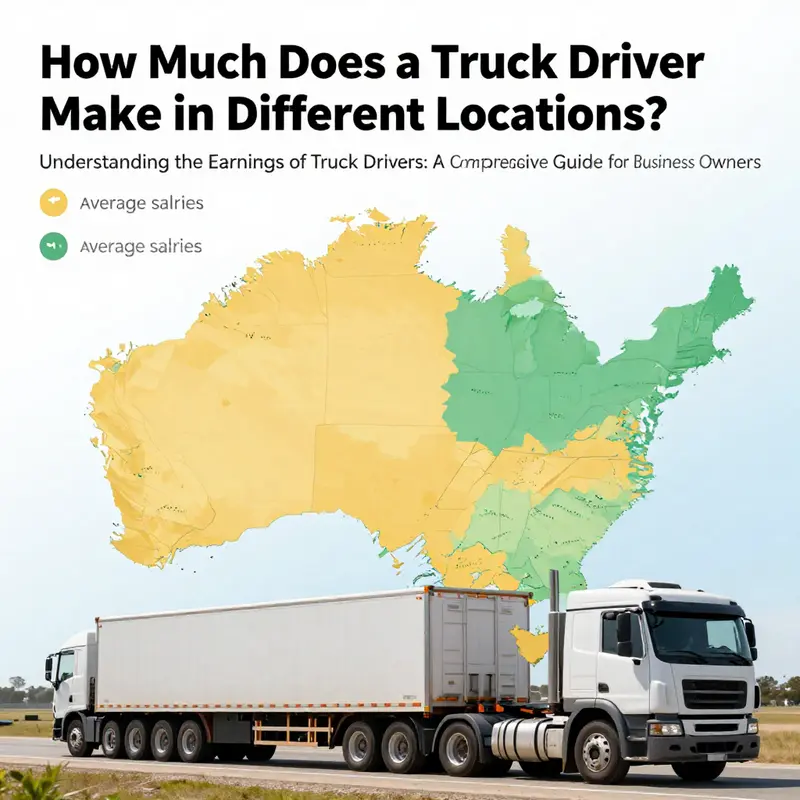
Across continents and road networks, the question of how much a truck driver makes is never identical from one mile to the next. Pay is a living map that shifts with local demand, economic cycles, and the kind of hauling a driver undertakes. When the data are pulled from real-time compensation platforms, patterns emerge that illuminate not just the height of the pay, but the reasons behind those numbers. In this chapter, we weave together regional snapshots, the pull of mining and industrial sectors, and the realities of the United States market to build a clearer picture of what “average pay” might mean in practice for someone considering a life on wheels. This is not a single, static number; it is a dynamic portrait that depends on where you drive, what you drive, and how long you stay on the road.
In Australia, pay tends to reflect both the cost of living in a given region and the level of demand across different industries. One clear thread is the way regional hubs pull higher rates when economic activity roars in a nearby city or resource sector. In Belmont, a suburb of Perth, the latest real-time salary data put the average hourly wage for truck drivers at about $40.23. That figure stands out as roughly 9% above the national average in this country’s context, highlighting how a city tied to a broader mining and logistics corridor can shift the market. It is essential to see Belmont not as an isolated number, but as a baseline in a cluster of nearby communities that together create a wage floor for the region.
Nearby Perth itself offers a window into how metropolitan scales influence pay. Reports from the area consistently show higher-than-average hourly rates, with Perth data peaking in the upper forty-dollar zone for certain driving roles. When you drill into neighboring suburbs, the variation becomes instructive rather than merely decorative: Maddington, for example, features around $40.69 per hour according to multiple reports, while Osborne Park sits a bit lower at about $38.47 per hour in smaller sample sets. These nearby pockets illustrate a principle that matters to any driver weighing options: local market conditions can elevate or suppress the going rate within a relatively short geographic radius. The difference may be more about the volume of freight, the density of distribution networks, and the concentration of heavy-industry employers than about any single employer’s wage policy.
In Carole Park and Darra, two locations within reach of Brisbane’s economic gravity, the data landscape is more patchwork. Carole Park, a logistics and industrial hub, does not always publish precise salary figures in every data source, which means prospective drivers often must use comparison tools to gauge where this neighborhood stands relative to similar districts. Darra, similarly, lacks a consistently published numerical anchor, prompting pay researchers and job seekers to look at the broader Brisbane region to triangulate an approximate range. This kind of data sparsity is not unusual in regional pockets and underscores a simple reality: the most accurate local pay picture often comes from real-time, location-aware comparisons rather than a single published figure. For drivers, that means a practical approach is to check multiple nearby centers—Brisbane, Ipswich, and surrounding suburbs—before settling on a target range. The same logic applies to other places with limited numerical data, such as West End or Port Hedland. Port Hedland, in particular, tends to attract higher salaries driven by mining demand, but precise figures require the latest reports and cross-checking with the current market to capture the full volatility of that market.
The Australian pay landscape also reminds us that experience shapes the shape of the curve. A driver who has spent years in the field, negotiating tight schedules through congested urban corridors or braving remote routes, tends to command a premium. Long-haul routes and regional assignments often come with higher hourly rates to compensate for longer duty cycles, shift work, and the strain of extended time away from home. Yet the converse can be true too: entry-level drivers, while paid at a solid base, may see more rapid progress in rate as they accumulate miles and prove reliability, especially in markets with high demand and tight capacity. The data we have points to a broader truth in the trucking economy: pay is not a single number, but a negotiation that reflects the interplay of region, job type, and tenure.
Across the Pacific and into the United States, the pay story takes on a different texture, shaped by the scale of the road network, the diversity of driving roles, and the regulatory and market environments. Indeed’s data on the United States presents an overall picture of a robust market, with an average weekly salary around $1,717, calculated from more than half a million job postings over the past 36 months. These weekly figures translate into an annualized view that tends to be reassuring to anyone evaluating a career in truck driving: a stable, if variable, income supported by the volume of freight that has to move every week. The strength of the U.S. market lies in the breadth of opportunities—from long-haul cross-country routes to regional and local deliveries. Each segment carries different pay scales, but the presence of a large and persistent demand for drivers makes the base income surprisingly resilient, even as individual job postings show wide dispersion in actual compensation.
To understand the U.S. pay landscape, it helps to separate the raw weekly average from the factors that elevate earnings in particular roles. Long-haul driving often pays more per hour or per mile because it imposes longer time away from home, extended driving periods, and greater responsibility for meeting tight delivery windows. Regional routes may offer more predictable home time but can carry a lower hourly rate in some markets, depending on the density of freight networks and the competition for local work. Local and city routes, with more predictable schedules, sometimes align with higher base pay in markets where the cost of living pushes wages upward and employers compete for scarce labor. These patterns illuminate a balancing act: drivers weigh the trade-offs between home time, route complexity, and the premium they demand for the burdens of the job. Market data in the United States consistently underscored that pay is not simply a function of hours worked but a reflection of the job’s risk, complexity, and time demands.
The comparison between Australia and the United States also highlights how job structure and labor markets shape earnings. In the Australian context, a given hourly rate can be a strong signal of the local cost of living and the demand for cross-border logistics, where a tight market in mining-adjacent regions can push rates higher. In the United States, the sheer scale of freight movement creates a more pronounced divide in pay by route type and by experience. The weekly salary figure from Indeed, derived from a very large sample of postings, demonstrates the overall health of the sector while leaving space for the many drivers whose actual pay diverges from the mean. In other words, a driver may earn more or less than the weekly average, depending on the specifics of the employer, the route, and the region.
Beyond the raw numbers lie the variables that every prospective driver considers. The type of driving job—long-haul, regional, or local—carries different risk profiles and different compensation structures, including base pay, per-mile or per-kayload rates, and overtime considerations. Shifts that push night work, weekends, or holiday periods can add a premium, while routes passing through areas with higher fuel or toll costs may necessitate adjustments to the expected take-home pay. Experience matters, not just in terms of miles logged but in demonstrated reliability, safety records, and the ability to manage complex logistics. A driver with a flawless safety record and a proved ability to hit tight schedules can leverage that pedigree into higher rates, better sign-on bonuses, or more favorable terms with employers who value stability and efficiency on the road.
The dynamic nature of compensation across regions also teaches a practical lesson for job seekers: always verify current figures with live data sources and compare multiple nearby markets. When a region reports higher-than-average wages but cannot sustain that level due to fluctuations in demand, the number may shift quickly. Conversely, a location with modest current data might still offer compelling earning potential for a driver who specializes in high-demand freight or who has developed skills that reduce loading, unloading, or dwell times at facilities. The takeaway is that pay is a living metric, best understood by looking at the broader market context rather than a single snapshot.
What does this mean for someone choosing a career path, or a driver contemplating a move? First, be mindful that the numbers you see are not a single verdict; they are a snapshot of the market at a moment in time. Use a range rather than a point value when planning, and account for the cost of living in the region. A higher hourly rate in one city may not translate into greater purchasing power if living costs are proportionally higher. Second, factor in the stability and scope of job opportunities. Markets with broad freight networks and multiple large employers typically offer more consistent work and less wage volatility, even if the average rate looks modest. Third, recognize that professional development—specialized endorsements, safe driving records, and familiarity with complex equipment—can change the pay trajectory. Individuals who invest in skill development, safety training, and route optimization tend to advance toward higher compensation levels more quickly than those who do not.
Data-driven insight becomes even more actionable when it is presented in a way that drivers can apply in real time. For example, a driver evaluating a potential gig in Belmont or nearby Perth can set expectations using the hourly rates observed in Belmont ($40.23 per hour) and compare them with the surrounding market pockets such as Perth proper, Maddington, and Osborne Park. The aim is not to chase the highest number in a single location but to balance the pay with practical considerations: commute distances, time away from home, and the reliability of the employer to keep consistent hours. This approach mirrors the approach workers use in any field where compensation hinges on several contextual factors rather than a single universal formula. For readers who want to cross-check region-to-region comparisons, online pay comparison tools and official salary pages provide the most current evidence. In Belmont’s case, the official page for Belmont, WA, salary levels acts as a real-time benchmark for the broader region’s wage distribution, allowing job seekers to gauge where Belmont stands in relation to Perth and Western Australia as a whole.
As an integrated measure, consider the way the market aggregates data from different layers—regional clusters, major urban hubs, and resource-rich outposts. A driver may move between Belmont and Port Hedland or between Brisbane’s bayside and its inland industrial nodes, depending on the cargo flows and the mining cycles. In each of these moves, pay reflects not only the base wage but also the volatility of the route, the time away from home, and the availability of alternative employment within a similar distance. The net effect is a labor market that rewards not just endurance but strategic mobility and skill specialization. When a driver is ready to negotiate, presenting a track record that demonstrates on-time deliveries, safety performance, and the ability to manage complex scheduling can shift the negotiation beyond the rate card to a more favorable arrangement.
Within this context, readers should recognize the value of looking at the broader ecosystems around trucking work. The compensation picture includes not only wage rates but also benefits, overtime policies, per-diem allowances, and the potential for variable incentives tied to performance metrics. For job hunters who want to maximize earnings, a careful assessment of an employer’s total compensation package—daily allowances, fuel efficiency bonuses, and overtime practices—can deliver a more comprehensive view of take-home pay than the headline hourly number alone. This is especially important in markets with a high cost of living or a tight labor market where employers can compensate with a richer mix of benefits to improve overall compensation while offering a slightly lower hourly rate.
The data in this chapter further illustrate how pay data should be contextualized with regional living costs and the structure of the job. In the United States, the weekly average salary of around $1,717 suggests a robust ecosystem but also prompts drivers to compare not just the wage, but the number of hours that go into delivering, the length of typical trips, and the risk management required by longer routes. A driver considering a move from a midwestern hub to a coastal market may find the hourly rate higher, but longer dwell times, more complex urban driving, and higher living costs can level the field in practical terms. Conversely, a shift toward shorter, more predictable routes can result in a higher effective hourly pay when the time out of home is taken into account.
For readers who want to pursue a deeper dive into the subject, real-time resources and salary pages provide a useful starting point. A credible reference page for truck driver salaries in Belmont, WA, functions as an authoritative benchmark for the region, including cross-city comparisons, distribution data, and update histories. This resource acts as a touchstone for understanding how Belmont’s wages fit into the larger Western Australia labor market, while enabling a broader sense of how similar markets around the country compare. The structure of such pages—constantly updated and anchored in verified postings—offers a reliable way to calibrate expectations before applying for roles or negotiating offers. The key is to treat this as an ongoing process, checking back as the payroll landscape shifts with market demand, regulatory changes, and the seasonal rhythms of freight.
Readers should also be mindful of the broader narrative about what a driver’s compensation means for life on the road. The pay is not a single fixed target; it is a dynamic outcome of geography, task complexity, and the capacity of the industry to absorb freight volumes. In markets where a greater share of freight is tied to mining or heavy industry, wages can rise in response to the demand for skilled drivers who can operate in challenging environments and meet tight delivery windows. In more dispersed regions with a mix of agricultural, retail, and industrial freight, wages may be steadier but the pay premium for difficult routes remains a critical driver of total compensation. The bottom line is that the money a truck driver makes is shaped by the combination of where they work, what kind of work they do, and how long they are willing to stay on the road.
As you move through this topic, it becomes clear that the real value of a truck driver’s pay lies in its context. The same hourly rate could translate into very different outcomes depending on the route, the home-time balance, and the structural benefits provided by an employer. Those considering a career in trucking would do well to map out their priorities: how much time they want to spend away from home, how far they’re willing to drive, and how much they value job security, benefits, and opportunities for advancement. In parallel, the best approach to researching earnings is to consult multiple data sources, compare adjacent markets, and remember that current data can shift with global supply chains, commodity cycles, and regional infrastructure projects. The road to understanding pay, in other words, is a long one, and the more informed a driver is, the more effectively they can navigate the market to secure a fair and sustainable income.
Internal linking—while maintaining focus on pay and regional differences—offers a practical way to connect readers with related topics on the same site. For readers who want to explore how equipment choices intersect with trucking work, a useful reference point is the article on liftgates for trucks. This piece provides context on how certain end-use requirements can influence job opportunities, maintenance considerations, and the overall logistics solutions that shape the day-to-day realities on the road. The available content in this area situates pay within a broader framework of operational complexity, where the value of a driver is tied to reliability, efficiency, and the ability to navigate a field of dynamic constraints. By bridging pay data with equipment and logistics insights, readers can develop a holistic view of what it takes to earn well while meeting the demands of a modern freight network.
In closing, the pay story for truck drivers is both reassuring and nuanced. It reassures prospective drivers that there is a robust demand for skilled professionals, with potential earnings that reflect route complexity and market conditions. It is nuanced in that the actual take-home pay depends on a constellation of factors—region, job type, experience, and the ability to negotiate a favorable total compensation package. The data points highlighted here—from Belmont’s strong hourly rate to the broader U.S. weekly average—offer a framework for thinking about earnings in a structured way. They invite drivers to investigate local markets, to compare cities within reasonable travel distance, and to consider how their personal preferences align with the realities of the road. This approach helps ensure that the question “how much does a truck driver make?” becomes less about a single figure and more about a well-informed understanding of the income landscape across regions and roles.
External reference: for an authoritative, real-time look at Belmont, WA truck driver salaries and related regional comparisons, see https://www.salaryexpert.com.au/truck-driver-salary-in-belmont-wa.
Pay by Experience and Rig: How Much Truck Drivers Really Earn
How experience and truck type shape pay
Earnings for truck drivers are rarely a single number. Pay reflects experience, the rig you drive, the freight you haul, and the place you work. This chapter explains how those elements interact. It gives clear ranges and practical context. Read it to understand the path from entry-level wages to high-end earnings and to see what choices raise pay fastest.
At the start, wages are straightforward but modest. New drivers typically earn between $35,000 and $45,000 per year. That range is common across regional markets. The low end suits local delivery or short routes with hourly pay. The higher end often reflects per-mile gigs that include minimal benefits. Most entry-level roles are designed to let drivers build hours and endorsements. Expect lower pay when you are training, and plan for steady growth as you log on-the-road experience.
After two to five years, earnings climb noticeably. With that experience, most drivers move into a $45,000 to $60,000 range. This jump occurs for several reasons. Drivers learn efficient route planning, vehicle handling, and time management. They add endorsements that open higher-paid lanes. Employers also prefer experienced operators for long-haul or specialized freight, and they pay a premium. At this stage, it is common to see compensation structures shift. Per-mile rates rise. Bonuses for safety and fuel efficiency appear. Paid detention and layover provisions sometimes start.
Drivers with more than five years on the road can earn substantially more. Many in this cohort report salaries of $60,000 to $75,000 annually. Those figures climb higher for specialists. The U.S. Bureau of Labor Statistics notes a median annual wage of $71,180 for heavy and tractor-trailer drivers. Skilled drivers in the top 10% exceed $97,000. These higher earnings reflect mastery of long routes, hazardous cargo handling, and complex equipment. They also mirror moves into owner-operator status or supervisory roles.
Truck type determines pay in direct ways. Big rigs, long-haul tractors, and vehicles hauling specialized freight pay more than typical local delivery trucks. Tractor-trailers, commonly called “big rigs,” usually command higher rates because they haul heavier loads over longer distances. Long-haul drivers often earn per-mile pay or higher hourly rates to compensate them for nights away from home. Local delivery drivers tend to receive hourly wages and more predictable schedules, with lower base pay but steadier home time.
Specialized truck types require extra skill and certification. Those drivers earn more because employers need their expertise. Hazardous materials drivers, for example, require a hazmat endorsement and careful protocol. That extra responsibility yields above-average pay. Drivers who haul refrigerated cargo, oversized loads, or heavy machinery also draw premiums. The extra training, licensing, and risk justify higher rates. Employers often add bonuses for certain freight types and offer per-load premiums.
How pay is structured matters as much as the total. Drivers can be paid hourly, by mile, by load, or on salary. Per-mile pay is common for long-haul work. It scales with distance and is straightforward to track. Hourly pay better fits local work and short-haul routes. Salaries and guaranteed weekly pay appear in private fleet roles and union positions. Owner-operators set their own rates but face expenses owners cover for company drivers. Those costs reduce take-home income despite higher gross revenue.
Owner-operators headline the top earnings, but not without trade-offs. They can gross significantly more per week. But owners also pay for fuel, insurance, maintenance, permits, and taxes. When those costs are subtracted, net income can fall near company-driver levels. Successful owner-operators maximize equipment uptime, manage fuel wisely, and find high-paying dedicated routes. They often accept longer contracts or specialized freight to justify ownership expenses.
Geography influences pay in obvious and subtle ways. Urban areas with high living costs or congested ports often pay more. Some regions need drivers desperately, so they raise wages to attract talent. For example, in Australia, average hourly wages differ by region: Vincent, VIC reports about $36.20 per hour, while Carole Park, QLD shows roughly $37.71 per hour. In the United States, job listing analysis over 36 months found an average weekly pay near $1,717, based on many postings. Local demand, competing employers, and regional labor laws shape those numbers. Capturing top market rates requires monitoring local job boards.
Benefits and pay packages change total compensation. Health insurance, retirement plans, paid time off, and safety bonuses add real value. Some carriers offer sign-on bonuses and tuition reimbursement for endorsements. Private fleets, such as those owned by large retailers, often provide better benefits. Regional carriers may offer more home time and steady schedules, a kind of non-monetary compensation. When comparing jobs, weigh benefits against base pay.
Accessorial pay and allowances can make a big difference to annual totals. Detention pay, layover fees, per-diem for meals, and fuel surcharges add to the paycheck. Drivers who understand and track accessorials can increase earnings by claiming what they are owed. Companies that handle customer-side loading slowdowns should compensate drivers for waiting time. In long-haul work, per-diem allowances can cover food without being taxed fully, improving net income. Always read contracts to see which accessorials are included.
Certifications and endorsements speed advancement and unlock higher pay. A hazmat endorsement raises the ceiling. Refrigerated cargo compliance and tanker endorsements also improve marketability. Oversize load certification and specialized equipment training increase opportunities. Each endorsement usually requires training, testing, and sometimes a fee. Employers may reimburse costs. The payoff comes in the form of more routes and better rates.
Freight type itself affects day-to-day life and pay. High-value freight often needs extra security and care. Time-sensitive deliveries can pay premium rates. Refrigerated freight needs temperature control knowledge and constant attention. Oversize loads require route planning, permits, and careful driving. Those demands justify higher compensation. Drivers who enjoy higher pay should be comfortable with the added responsibility and the occasional long nights.
Company policies shape what drivers take home. Some carriers pay a straight per-mile rate and include fuel surcharge. Others use a blended pay model. Transparent payroll processes help drivers plan finances. Less transparent carriers can hide deductions in lease agreements or fuel programs. Read all lease and payroll terms carefully. Drivers must ensure their expected net matches what recruiters promise.
Performance pay, safety bonuses, and tenure raises are common. Some carriers reward drivers for fuel efficiency, on-time delivery, and safe driving records. Safety bonuses may be monthly or yearly. Tenure raises often occur at one, three, and five years. These structured increases make staying with a carrier financially appealing. They can move a driver from the middle of a pay band to its top.
Home time trade-offs are central to pay decisions. Long-haul jobs typically pay more per mile. But they require more nights away from home. Regional or local deliveries pay less but allow more regular schedules and predictability. Drivers must balance pay with personal priorities. Many accept lower pay for better home time. Others prioritize earnings and select long hauls or high-demand lanes.
For those planning a career path, the progression is fairly predictable. Entry-level employment is your training ground. Build endorsements and log hours. After two to five years, target regional or specialized roles. This is the period when per-mile rates and accessorials add up. After five or more years, seek top-tier lanes, dedicated routes, or owner-operator contracts if you want them. Move into fleet supervision or dispatch if you prefer to stay off the road while keeping trucking income.
Negotiation works more often than drivers expect. When employers need drivers, they will negotiate pay, home time, or benefits. Use market data and experience to argue for a higher rate. Ask for clarity on detention pay and layover fees. Bring recent pay benchmarks to interviews. If possible, ask for a pay review after a trial period. Small increases compound over time and improve retirement savings and benefits eligibility.
Seasonality and economic cycles can push pay up or down. Demand for drivers rises during busy seasons. Retail seasons, harvest times, and construction booms create spikes. Downturns in freight demand compress rates. Drivers who can move between lanes or take short-term contracts during peak periods will boost income. Flexibility in schedules and freight types is often rewarded with higher temporary pay.
Technology plays a growing role in pay and efficiency. Telematics, route-optimization software, and electronic logging devices change how pay is computed. Some carriers pay bonuses tied to fuel-efficient driving monitored by telematics. Others offer incentives for consistent on-time delivery tracked by software. Familiarity with these systems helps drivers maintain compliance and maximize bonuses.
Practical examples help clarify pay differences. Imagine three drivers: a local delivery driver, a regional hauler, and a long-haul tractor operator. The local driver may make $40,000 yearly, with stable hours and benefits. The regional driver could be in the $50,000 to $60,000 range, with more per-mile pay and occasional overtime. The long-haul tractor operator, with five years’ experience and a hazmat endorsement, might reach $75,000 or more in gross pay, before considering owner costs.
Top-earning drivers do not always work the hardest physically. They work strategically. They pick the right lanes. They master paperwork and accessorial claims. They maintain impeccable safety records to qualify for bonuses. They pursue endorsements that yield the largest pay multipliers. In other words, pay is a mix of skill, choice, and planning.
When evaluating job offers, look beyond headline pay. Ask for sample pay stubs. Confirm how detention and layover are calculated. Ask about fuel surcharges and per-diem policies. Confirm benefits details and retirement match. Determine if the carrier offers tuition aid for endorsements. Compare net pay, not just gross figures. Net take-home after expenses and taxes matters most.
Finally, keep sources current. Wage surveys and job postings change. Use government data and robust job-site analyses for benchmarks. For a national perspective, the U.S. Bureau of Labor Statistics provides wage data for heavy and tractor-trailer drivers, which helps gauge median and top-percentile pay. For hands-on gear-related considerations, drivers often consult resources about truck equipment and modifications that affect job types, such as liftgates. Useful information about such equipment is available at this resource on liftgates for trucks: liftgates for trucks.
For a grounded look at median wages and top pay ranges, see the Bureau of Labor Statistics report on truck driver wages: https://www.bls.gov/oes/current/oes532022.htm
Where Truck Drivers Sit on the Pay Scale: Comparing Their Earnings to Other Careers
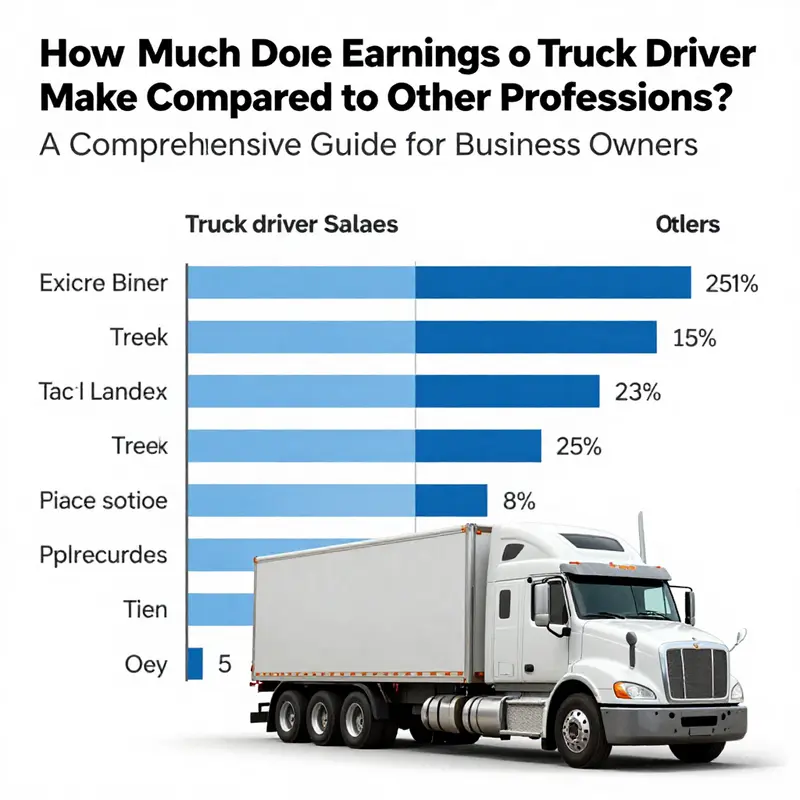
Truck driving often sits in a surprising place on the pay scale. For many people deciding on a career, the question isn’t just how much money a job pays today. It’s how that income compares with other options when education, lifestyle, and long-term stability are factored in. Truck driving answers that question in several distinct ways. It can deliver above-average earnings without a college degree. It can offer peak pay for specialization and experience. And it can sometimes fall behind certain technical trades or salaried professions when benefits and regular hours are considered.
At a glance, recent aggregated data shows truck drivers can earn well. The median and average numbers vary by source and by the type of driving role measured. For instance, an industry snapshot compiled across many job listings shows an average weekly pay figure that, when annualized, places many drivers comfortably above the median household income. Other sources show a national average annual figure that positions truck driving among higher-paid roles in the transportation and logistics sector. These headline numbers tell part of the story, but the real comparison requires looking at structure, costs, and the different flavors of work inside the profession.
Begin with the typical ranges you’ll see when comparing truck driving to common occupations. Entry-level retail sales positions and many administrative roles commonly report salaries in the lower to middle five-figure range annually. Medical assistants and other support roles in healthcare typically land in a similar band. Skilled trades such as electricians, plumbers, and HVAC technicians generally earn more than most retail and administrative work, especially after apprenticeship and certification. Truck drivers, however, often start with pay close to or above these entry-level skilled roles. Experienced or specialized drivers can out-earn many of them. Long-haul drivers, hazardous materials specialists, and refrigerated freight operators frequently earn substantially more. Some experienced drivers and owner-operators report annual pay that surpasses typical earnings for many white-collar jobs.
Why do truck drivers often outperform entry-level office roles? One reason is the compensation structure. Many driving jobs pay by the mile, by the hour, or with a base salary plus incentives. This creates upward mobility through experience and efficiency. Drivers who accept long hauls, irregular schedules, or specialized freight often earn premium pay. Bonuses for safe driving, on-time deliveries, and completing long routes add to take-home pay. In addition, over-the-road roles include per diem allowances and reimbursements that reduce taxable income in many cases. These elements together can elevate the effective earnings of an experienced driver beyond what a straightforward hourly wage would suggest.
Compare that to many office or retail roles, where pay scales are flatter. Administrative assistants and retail staff typically progress through set steps, with raises tied to tenure and formal promotions. For a worker seeking higher pay level quickly, truck driving offers a clearer route: obtain a commercial driving license, gain time behind the wheel, and move into specialized lanes or higher-paying routes. All this often happens without the years of formal education required by many professional careers.
But salary alone does not equal net advantage. Benefits and regularity matter. Many salaried professionals receive predictable health benefits, retirement contributions, and paid leave. These benefits add significant value beyond the paycheck. Some driving jobs offer comparable benefits, especially at large carriers. Other driving jobs, especially owner-operators and independent contractors, shift more costs onto the driver. That includes vehicle maintenance, fuel, insurance, and taxes. Those costs reduce net profitability and can make raw salary comparisons misleading. When comparing job incomes, account for both gross pay and the expenses a role requires an individual to cover.
The trade-offs show up clearly when comparing truck drivers to licensed tradespeople. Electricians and plumbers often earn steady wages with intermittent overtime and strong benefits after apprenticeship. Both fields can match or exceed truck driver pay in many regions. However, those trades require lengthy apprenticeships and certification. Truck driving offers faster entry in many jurisdictions. For someone needing a shorter path to solid earnings, driving can be more accessible.
Education and credentialing change the field significantly. Many high-paying desk jobs require a bachelor’s degree or higher. These roles statistically earn more on average, but they also require time and expense to obtain the required education. Truck driving typically requires training to earn a commercial license and endorsements. This training is relatively short compared with a college degree. The result is a lower barrier to entry for decent pay. For households comparing career paths, truck driving offers a practical alternative to immediate labor market entry without incurring major student debt.
There’s also a spectrum within truck driving itself. Local drivers who return home nightly generally earn less than long-haul drivers. Dedicated route drivers who service the same customers can enjoy predictable schedules and stable pay, often with benefits similar to other full-time roles. Owner-operators can earn significantly more, but they carry full responsibility for equipment and business costs. Specialized lanes, such as hauling hazardous materials, oversized loads, or refrigerated goods, command higher premiums. Drivers who secure these lanes or build a reputation for reliability can see substantial income gains.
Regional differences shape comparisons too. Wages and cost of living vary between cities, states, and countries. In some Australian towns, truck drivers earn hourly wages that are competitive against local occupations. In the United States, aggregated weekly averages show differences across states and between urban and rural markets. When comparing professions, remember to adjust for local living costs and for how many hours a job demands. A higher nominal salary in a high-cost city may not translate to better financial standing than a lower salary in an area with cheaper housing and lower taxes.
Weekly and hourly metrics matter for decision-making. A weekly pay figure offers a snapshot that emphasizes consistency. Annualized averages can obscure large swings in busy versus slow seasons. For example, a driver working steady long hauls at premium pay may see large annual income variance based on market demand and fuel prices. Other professions with set hours and salaried pay provide steadier month-to-month income. If predictability is a priority, weigh that against higher but more variable pay.
Beyond raw income, consider quality-of-life factors. Truck driving often requires long hours and time away from home. For some, that trade-off is acceptable because of higher pay or the autonomy of life on the road. For others, careers that offer regular daytime hours with weekends off are preferable, even at lower pay. When comparing jobs, factor in personal priorities: family time, health implications of irregular schedules, and the desire for routine.
Career mobility and long-term earning potential also differ. Many professions have clear promotion ladders: an administrative assistant can become an office manager; a salesperson can progress to regional management. Driving has paths as well. Drivers can move into fleet management, dispatch, safety instruction, or logistics coordination. Those managerial roles often pay more but may require additional education or experience. Owner-operators who build a successful business can see high financial returns but face entrepreneurial risk. The potential to move from driving into higher-paying logistics roles makes the driving career a stepping stone for some.
Recruiters and companies increasingly use targeted pay to attract drivers. Premiums for difficult routes, sign-on bonuses, and retention incentives can temporarily boost earnings above market averages. These tactics affect comparisons because they raise starting pay for drivers relative to other entry-level occupations. However, bonus-heavy compensation can also be transient, tied to labor shortages or seasonal needs. Long-term comparisons should look at base pay plus average incentives over multiple years.
It helps to examine specific occupation comparisons. Administrative assistants often fall into a median range that truck drivers can exceed once drivers add overtime or incentives. Retail sales roles typically pay less because they are often part-time or commission-based. Healthcare support roles like medical assistants sit close to a truck driver’s entry pay in many areas; yet medical roles may offer more stable daytime hours and structured benefits. Skilled trades, as noted earlier, overlap with some truck driving pay ranges. Teachers and many government clerical roles generally come with stable benefits and predictable raises, though their base pay can be lower than experienced truck driver earnings. In many regions, experienced or specialized truck drivers command higher pay than mid-career teachers.
A final piece in salary comparisons is the effect of supply and demand. Driver shortages have periodically pushed wages up. E-commerce growth, changes in shipping patterns, and regulatory shifts affect how many drivers carriers need. When demand surges, carriers raise pay to attract talent. Those market dynamics can temporarily and sometimes permanently change how truck driver pay compares to other professions.
Practical comparisons should also include a realistic accounting of expenses. Owner-operators must budget for vehicle depreciation, maintenance, insurance, and downtime. Even company drivers may face out-of-pocket costs for certain permits, license renewals, and gear. These costs lower effective earnings. Conversely, company positions that include fully covered benefits, stable schedules, and company-paid training can tilt the balance in favor of employed driving over independent contracting.
When advising someone choosing between truck driving and another profession, focus on the individual’s goals. If rapid entry to solid pay with flexible career paths matters, driving is attractive. If steady hours, predictable benefits, and a low-risk retirement plan are the priority, then many salaried roles may be better. If one values owning a business and tolerates fluctuating income, owner-operator driving can be profitable. If stability and lower day-to-day risk matter most, a trade or office role with strong benefits might be preferable.
Decision-makers also benefit from current, localized data. National averages provide a baseline. Local job postings reveal what carriers actually pay in a region. Industry reports highlight trends like rising demand for refrigerated freight or growing needs in last-mile delivery. For instance, data aggregated from thousands of job postings can show a national weekly average that helps benchmark offers. But to make a fully informed choice, compare that national context with what’s typical in your area. Look at how many miles typical routes cover, what premiums apply, and whether employers offer benefits that reduce personal costs.
Finally, remember that compensation is only one part of a career’s value. Job satisfaction, health, family time, and long-term prospects matter just as much. Truck driving has clear financial upside compared with many entry-level roles and sometimes outpaces middle-skill trades, especially for those willing to specialize or work longer routes. At the same time, the profession requires physical stamina and flexibility with time away from home. Weigh both sides and consult current regional data before making a decision.
For readers who want to explore how vehicle ownership and add-ons can affect a driver’s financial picture, review resources on truck gear and maintenance. Simple upgrades or necessary equipment can add to the cost base early in a driving career. If you want to learn more about outfitting a truck and potential expenses, see this guide on roof racks for trucks.
For a detailed national snapshot of truck driver salary figures referenced here, consult the compiled salary data here: https://www.indeed.com/career/truck-driver/salary
Final thoughts
Understanding the earnings of truck drivers allows business owners to strategize better in hiring and retaining talent in the transportation industry. With salary variations influenced by geographical location, experience level, and job specifics, it’s clear that there is no one-size-fits-all answer. By staying informed on these factors, you can make more strategic decisions regarding compensation packages, enhancing your ability to attract and retain quality drivers.