

For business owners considering relocation or logistics, understanding the cost dynamics of renting a U-Haul truck is essential. Whether you’re tackling an in-town move or planning a long-distance transition, the financial implications can significantly affect your bottom line. This article dissects the various elements of U-Haul truck rentals, from base rates to additional fees, specifically tailored for business needs. Each chapter is designed to deepen your understanding of rental costs, enabling you to make an informed decision while managing your resources effectively.
Rolling the Cost Dice: Understanding the Real Price of Renting a U-Haul Truck for a DIY Move

Choosing to move yourself often feels like a bargain, especially when the sticker price on a rental truck reads low. Yet the final tally is a maze of line items that can swing by dozens or hundreds of dollars depending on where you go, how long you hold the vehicle, and what you add to the deal. The cost structure typically begins with a base daily rate, then grows with distance, duration, and a spectrum of optional charges. For local in-town moves, a small truck can legally be rented for as little as $19.95 per day, a headline number that nearly always hides the real picture once taxes, fees, and required extras are factored in. The math becomes even more complex when you’re coordinating a tight move schedule, factoring in fuel needs, and anticipating the possibility of extra charges for mileage or returning the truck with less than a full tank. That is why careful budgeting usually starts by comparing multiple quotes and by simulating a realistic schedule with loading and unloading time built in. Even a small change in the pickup location or date can nudge the rate noticeably.
Base rental rates are presented as a starting point, but the exact quote depends on the model you choose and the length of the rental window. The smallest trucks can undercut the price, but larger models push the daily rate higher. In practice, the disclosed price is the base, not the final sum. Taxes, environment or inventory fees, and add-on protections can push the total well past the initial number. The key to clarity is using the official pricing tool, which asks for pickup and drop-off locations, dates, and the specific truck size. That tool converts a vague headline into a personalized, apples-to-apples estimate you can trust. Sometimes you’ll see promotional prices that require a specific rental window or a minimum stay, making it essential to read the fine print.
When moving long-distance or one-way, mileage becomes the dominant cost driver. One-way rentals often feature a mileage allowance; exceeding it triggers extra charges, commonly around 85 cents per mile in many regions. A short-sighted choice on distance can erase any advantage from a low base rate. If you expect high mileage, ask about unlimited mileage plans; they exist and can save hundreds by eliminating per-mile fees. The prospect of a high fee is precisely why budgeting for mileage is essential from the outset, not after you’ve already started the drive. If the distance is uncertain, it’s wise to map a probable route and add a buffer in the estimate.
Insurance is another significant fork in the road. You’ll encounter options that add modest daily costs but deliver avoidance of larger, unpredictable charges after a mishap or even a minor accident. A typical decision point is whether to accept a low-cost protection plan or to decline it and risk weathering the bill later. Real-world examples show how quickly the math can swing once a trip ends and a fee is levied for supposed coverage gaps. One Tennessee case, for instance, documented a charge around two hundred dollars after a traveler declined protection on a 40-mile outing. The lesson is practical: even a small daily premium can stabilize a moving budget, especially if you’re carrying fragile items or moving during rush periods. Promotions or discounts can exist for students, military, or multi-week bookings, but they are not universal. If you’re paying out of pocket, weighing the protection against the risk is a personal calculus worth making in advance.
Beyond the vehicle itself, accessories and equipment add another layer of expense. Hitch adapters, towing gear, and other moving essentials may be necessary for your load, and each item carries its own rental or purchase price. The combined effect can surprise first-timers who assume the base rate tells the whole story. The Accessories page can help you distinguish what you truly need from what would be nice to have. See Accessories for a straightforward overview of common add-ons, their purposes, and how they influence the bottom line. Knowing this in advance lets you trim costs without compromising safety or efficiency. Be mindful that some items may incur separate handling or return fees, so confirm what’s included before you sign.
Practically, the numbers aren’t just theory. Real-world quotes often blend the daily rate, miles, insurance, and gear into a single figure. A commonly cited scenario describes a nine-day rental for a large vehicle with the appropriate protections and attachments, landing near nine hundred dollars. That total illustrates how the headline price can mask a much richer reality, especially when the rental period stretches, and when you add the necessary safety equipment and insurance. It also hints at the emotional load: coordinating a move, keeping track of time, and steering through a sea of choices can be taxing as you balance a budget against a moving timeline. In such cases, the care you take in choosing add-ons can be as important as choosing the truck.
Alongside dollars and cents, the value of your own time matters. The labor of packing, loading, driving, and unloading can easily consume dozens of hours. If you price your time at a modest rate, the labor cost might rival or exceed the difference between DIY and professional movers. The math becomes a little starker when you reflect on potential delays, backtracking to reposition items, or trips that require multiple trips because the truck can’t take everything in one pass. This is not just a financial calculus; it’s a judgment about how you want to allocate energy and risk during a stressful period of life change. Where possible, schedule a single, well-planned loading day to minimize repeated fuel stops and reduce fatigue.
To avoid surprises, plan with intention. The accuracy of a quote hinges on the exact distance, the window of rental, and the truck size you select. Enter your pickup and drop-off locations, the dates, and the vehicle type into the official pricing tool to see the breakdown by line item rather than a single lump sum. If you’re moving during peak times or in a region with higher fuel costs, those factors will appear in the estimate. The aim is to create a budget you can defend: a number you can revisit as your plans evolve rather than a vague figure that wanders with the weather and highway conditions. When the long drive is on the table, ask about unlimited mileage as part of the package deal. In many cases, the total cost is a function of risk you’re willing to accept and the value you place on your time.
Ultimately, the decision to DIY or hire professionals rests on more than upfront savings. Pricing complexity is not a barrier but a map that highlights where costs can creep in. The cheapest headline rate may still mean paying for extra fuel, insurance, and gear. Conversely, a higher daily rate can be worth it if it bundles insurance and mileage into one predictable package. The best approach is to compare quotes that reflect all the variables you care about: distance, duration, truck size, mileage limits, and add-ons. With the numbers laid out clearly, you can decide with confidence whether the DIY path fits your timeline and your finances, or if a pro team offers real relief from the logistics.
If you want a practical, real-world sense of the total cost landscape, use the official pricing tool and write down every line item as you go. The goal is transparency: know you’re paying for the truck, the miles, the fuel, the protection, and the gear—not just the visible daily rate. And remember that the clock and the mile markers don’t stop when you reach the destination. For the most current pricing and a personalized quote, see the official pricing tool and official site. External resource: https://www.uhaul.com/Truck-Rental
Beyond the Daily Sticker Price: Decoding Base Rates and the True Cost of Renting a U-Haul Truck
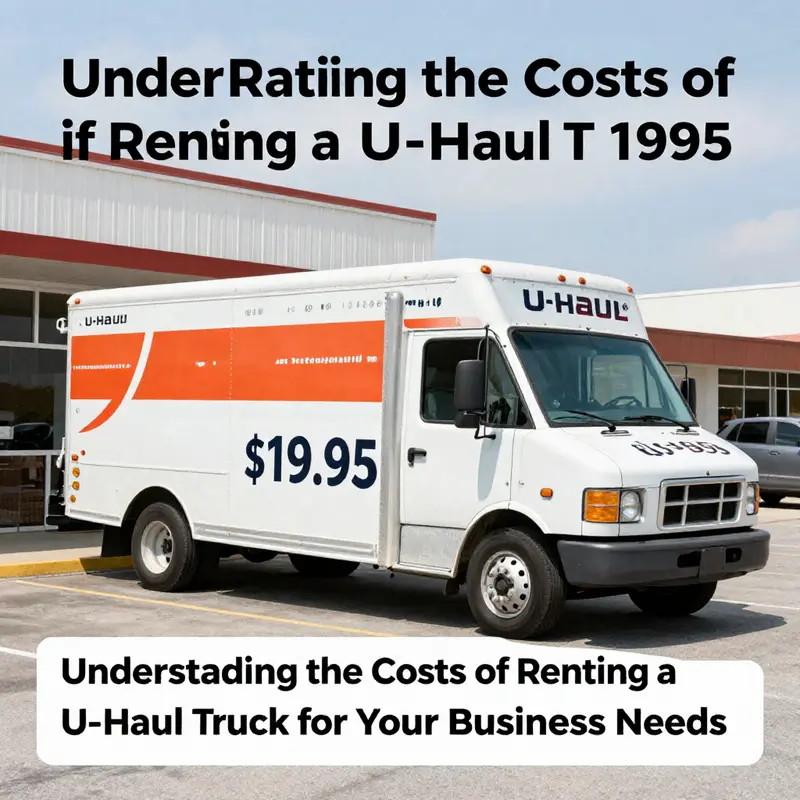
The number you first see when you start planning a move, the base rate, is only a single thread in a larger tapestry that determines what you will actually pay. Base rates set the opening price, but they rarely tell the whole story. For anyone weighing a local move against a longer, one-way journey, understanding how the base rate interacts with mileage, fuel, insurance, and a handful of miscellaneous fees is essential. It is easy to assume that a low daily rate means a bargain, but the way the numbers add up over hours, miles, and a full day of brisk loading and unloading can surprise even the most careful planner.
As of early 2026, base rates reflect the distinction between two broad rental categories: local moves and one-way moves. For local moves, the base rate generally lands in a range that some customers might consider a practical everyday price, roughly $25 to $40 per day for a standard pickup-sized truck. Those numbers, however, are just the starting point. A local move may lure with a seemingly friendly daily tag, yet the clock keeps running as you accumulate time behind the wheel and in the cab. The one-way rental, by contrast, carries a higher daily baseline because the vehicle must be repositioned at the end of the trip. In those cases, a typical base rate starts around $35 to $50 per day, again before the add-ons, taxes, and fees that accompany any longer or more complex relocation.
Why the gap between local and one-way rates? The answer lies in the logistics of fleet management. A one-way rental must be planned with a different end point in mind. The company has to account for returning the truck to a designated location, often far from the pickup site, which adds administrative work and vehicle repositioning costs. The larger the truck, the more the base rate tends to reflect the size of the vehicle in daily terms. A smaller, city-friendly truck might hover near the lower end of the local-range spectrum, while a bigger option or a higher-demand period can nudge the daily base rate upward. Location and season also play a role. In densely populated regions or peak moving seasons, demand for trucks can push base prices higher even before you consider mileage and insurance.
What begins as a daily baseline quickly unfolds into a multi-faceted bill. The base rate is merely the seed of the final amount you’ll owe. Mileage costs are a familiar next chapter. Local moves typically include a mileage allowance, after which each additional mile is charged at a per-mile rate. For one-way moves, mileage is more often bundled into the overall package, but it does not disappear; many plans still enforce a cap on miles, with overage fees if you exceed the allowance. In the simplest terms, you pay for the miles you actually drive beyond the included allotment. In some cases, those overage charges can be around $0.85 per mile, a number commonly cited in industry conversations and reflected in several pricing summaries. This is where careful planning comes into focus: mapping your route, estimating your total miles, and calculating whether an unlimited-mileage option would save money in the long run.
Beyond mileage, fuel is a practical, predictable cost. You must return the truck with a full tank, the same level you had at checkout, or be prepared for a refueling charge plus the cost of fuel to bring it back to that level. This rule, simple in concept, can have a meaningful impact on your final bill if your move involves backtracking, detours, or an unexpectedly lengthy loading window. Then there is optional liability insurance and other coverages. Insurance is not mandatory in all cases, but it is a common add-on that can significantly influence the day-to-day total. You may also see additional services tied to a move—supplies like moving blankets, ropes, dollies, and even delivery services—as part of the rental package. Each of these adds a line item to the invoice and can accumulate into a noticeable difference even if the base price looks modest.
The interplay of these elements matters most when you are comparing quotes. A quoted base rate that seems low can still yield a higher final amount if the mileage, fuel, or insurance components are not aligned with your actual needs. Conversely, a slightly higher base rate might be offset by generous mileage allowances or bundled services that reduce per-mile charges and the costs of last-minute supplies. The practical takeaway is that you should read the entire quote carefully and model your move with your pickup and drop-off dates, the chosen truck size, and the intended travel distance in mind. If you are planning a long-distance move, you might encounter unlimited mileage plans designed to curb fearsome overage bills. The language in the pricing tool or the rental agent’s explanations can toggle between “unlimited miles” and “per-mile after allowance,” and the distinction is exactly what can swing the bottom line.
To ground this discussion in a forward-looking sense, consider using the online reservation tool to obtain a personalized price. By entering your pickup and drop-off locations, dates, and the truck size you think you need, you generate a precise estimate that incorporates all the moving parts: base rate, mileage, fuel, insurance, and any optional services you intend to include. The online process often highlights whether unlimited mileage is available for long-distance moves, a valuable feature if your route involves many miles or uncertain detours. Even with a clear plan, you will want to confirm the feasibility of a specific rental window. If your move extends beyond the initial booking, rental extensions can cascade into additional daily charges and fees, reinforcing the importance of locking in a realistic timeline.
In the broader landscape of moving, the numbers can feel abstract until you translate them into a concrete scenario. A typical local move with a smaller truck may begin at the low end of the local base-rate spectrum, yet the clock, mileage, and fuel accumulate quickly during a busy day of loading and unloading. A longer, one-way journey will almost inevitably carry a higher daily base rate, with the potential for an even larger final bill if mileage and extra services push past your planned thresholds. The takeaway is simple: base rates are the door, but the daily reality of a rental truck is the entire hallway—the sum of time, distance, and the practical costs of getting your possessions from point A to point B.
As you navigate these considerations, you may also want to think ahead about accessories and add-ons that can influence handling and transport efficiency. If you plan to customize the move with tools, boxes, or specialty gear, you can consult internal resources that cover a broad range of moving-related equipment. For example, the internal guide on accessories provides practical tips on how to optimize space and safety during a move, helping you decide what items are worth renting or purchasing for your specific route. This resource is designed to complement the base-rate decision, not replace it; it helps you assemble the right combination of truck size, distance planning, and practical gear to minimize surprises at checkout. accessories
Ultimately, the horizon of cost for renting a truck comes into focus when you compare apples to apples across quotes, considering the totality of daily rates, mileage, fuel, insurance, and services. It is also worth noting that the official pricing landscape is dynamic, shifting with regional demand, vehicle availability, and policy adjustments. For the person who wants a clear, verifiable anchor, the best practice is to run a precise quote through the rental company’s pricing tool and review the breakdown line by line. If you want a direct, authoritative source on current pricing and truck sizes, the official site offers a comprehensive overview and a calculator to tailor a quote to your exact route. For additional context on the official pricing structure and vehicle options, see the external resource below.
External resource for official pricing and truck size guidance:
For the official pricing and truck size guide, visit the official provider’s site at https://www.uhaul.com/trucks/.
If you want to explore practical intra-site guidance on accessories that can accompany a rental and help optimize your move without inflating costs, you can also check an internal resource focused on moving gear and equipment here: accessories.
Mapping the True Cost of One-Way Moves: How Far It Really Buries the U-Haul Bill
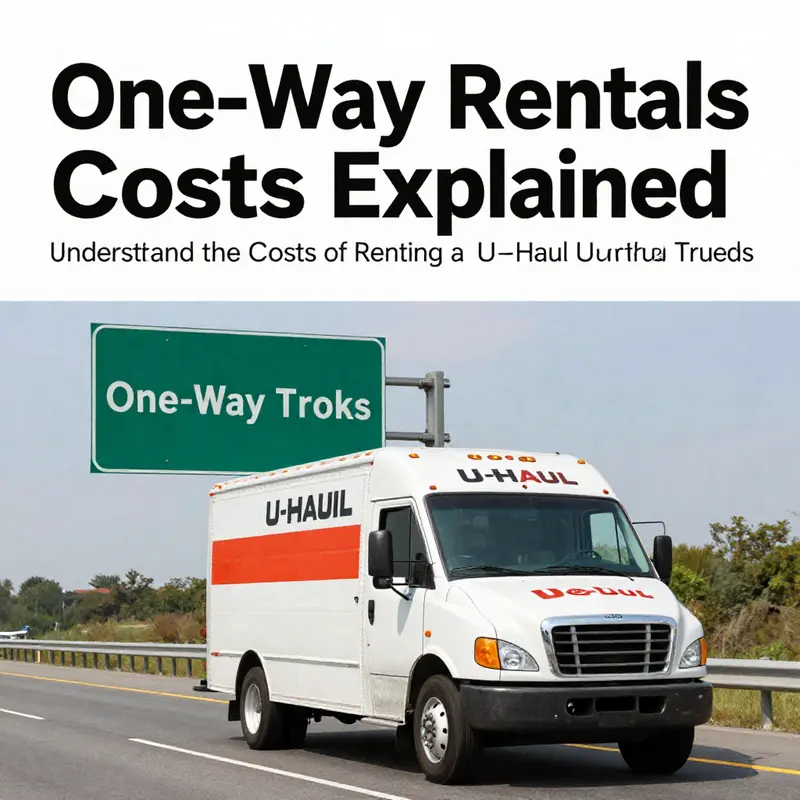
Choosing a one-way rental means choosing a flexible path to a new home, yet it also means tracking a price that grows with distance and the decisions you make along the way. The sticker price you see at the outset is only the first beacon in a sea of charges that can be hidden in plain sight if you don’t map them carefully. This chapter follows that map, tracing how a one-way U-Haul rental is priced from the moment you click to reserve until the truck returns to base. The journey begins with a base rate that can feel almost reassuring in its simplicity, but it quickly reveals itself as the opening line of a longer ledger.
Base rates exist, most often starting at $19.95 per day. This figure is widely cited for the smallest trucks used in local moves. But it isn’t the price for a one-way cross-country haul. For a one-way, the daily rate is just part of the engine that drives the total cost. The distance adds a second engine: the mileage charge that can accumulate rapidly when the trip stretches across multiple states. The combination of daily rate plus mileage, taxes, and optional insurance can produce a bill that surprises the unwary. In practice, the daily rate is the invitation to the ride, and the mileage and ancillary charges are the real toll that follows you across the map.
An illustration from the current pricing landscape makes the complexity clear. A one-way rental of a 10-foot or 15-foot truck might be quoted around $19.95 per day, but this is only the base price. For longer distances, such as moving across state lines, the cost can become substantially higher. In a notable example from recent years, a one-way move from the San Francisco Bay Area to Salt Lake City produced a quote of about $1,240 before tax and insurance. When liability coverage and taxes were added, the total rose to nearly $1,500. At that point, the effective rate began to approach two dollars per mile, far beyond what local rates would imply. These numbers underscore a crucial reality: distance does not simply add hours; it adds miles, and miles come with their own price tag. The exact figures vary by location and truck size, but the pattern remains consistent: the base daily price is only the preface to a longer sentence that keeps adding words with every mile.
Where the cost truly diverges is mileage. One-way rentals typically carry mileage allowances, and when you cross that threshold, the per-mile fee can be as high as eighty-five cents or more. For short local moves, you might not notice the cap, but for a cross-country journey, that same per-mile charge accumulates quickly. If you already know your route and distance, you can estimate the mileage charges by multiplying the miles by the per-mile rate and adding that to the daily base. And there are occasionally restrictions on total miles included in the rental period. If you exceed them, the overage can push the price well beyond the initial quote. Some buyers find it helpful to ask about unlimited mileage options for long moves; if offered, these plans can save hundreds by removing per-mile penalties from the equation.
Beyond the basic price and miles, there are other costs that creep into the ledger. Liability insurance is not always optional in the sense of adding protection, and it can add a noticeable amount to the final total. Fuel is another fixed cost: you must return the truck with a full tank, and that requirement can add a buffer to your fuel budget if you underestimate usage. Depending on the rental term and location, you may also encounter administrative or environmental fees that appear as separate line items on your quote. The result is a sum of many small charges that, when lumped together, can significantly exceed the baseline price of $19.95 per day for the smallest truck. The overarching lesson is that the price of one-way rental is a composite figure, not a single line item.
To navigate these waters effectively, use the online pricing tool offered by the rental company. Enter your pickup and drop-off locations, your dates, and the truck size you plan to use. The tool will generate a detailed quote that aggregates the daily rate, mileage charges, and all applicable fees. This is also a good time to check for any optional add-ons you might need. The narrative of a one-way move often includes a trip to the hardware store for moving supplies, ramps or rope, or even protective padding and tie-downs. In some cases, these extras can be bundled into a package with the rental, which can be convenient but sometimes more expensive than buying separately. If you browse to an accessories page—Accessories—you may find useful items to consider, such as moving dollies or cargo covers that can fit a rental truck. The note here is to compare the total cost of each option rather than the sticker price alone. When you look at a single line item that reads “extra insurance” or “environmental fee,” it can be easy to dismiss. But in the grand ledger, those items often determine whether the move stays within budget or blows past it.
Historical context helps set expectations. A widely cited example from 2017, a one-way move from the San Francisco Bay Area to Salt Lake City, started with a base price of around $1,240 and climbed to nearly $1,500 after adding liability insurance and taxes. The per-mile component in that quote is a critical lever, illustrating why the price for a long-distance, one-way rental can feel almost decoupled from the base daily rate. The economics of a one-way truck rental are skewed toward distance because the cost structure is designed to recoup travel across the country, not just the logistics of loading and unloading a small apartment.
Comparing options is essential, though the landscape rarely offers a perfectly identical package. While one provider may cast a wide net with a broad fleet, the price structure can hide behind a generous daily rate. The market includes other nationwide rental options that may offer newer vehicles or more predictable pricing, but with a different footprint of mileage allowances and fees. The prudent mover will request quotes from multiple sources, tally the daily rates, mileage caps, and every extra fee, including insurance and fuel, to see which plan truly makes sense for their route and timeline. The goal is transparency in the total cost rather than chasing a deceptively low daily rate that becomes expensive once mileage and fees accumulate.
Practical advice to keep costs in check is simple but effective. Start with a clear sense of your route and the miles you expect to cover. Then, model your quote by separating the daily rate, the mileage charge, and the other line items. If your distance is long, push for an unlimited mileage option or for a flat-fee package that covers travel beyond a threshold. When you’re compiling receipts and budgets, don’t forget the need to return the vehicle with a full tank and to carry adequate liability protection as required by the rental agreement. Factor in potential penalties for late return or extended rental periods, which can be surprising if your move runs over the expected date. In short, the price of a one-way rental is not fixed; it is a negotiation between distance, duration, and the many add-ons that accompany the journey.
Ultimately, the practical takeaway is to approach pricing as a composite story rather than a single line. The base daily rate is a starting point; the true cost emerges when you add miles, insurance, fuel, and the sometimes-unseen administrative fees. A careful shopper will simulate several scenarios—short-distance moves with low mileage, mid-range cross-country trips with modest distances, and long-haul itineraries with generous contracts—to understand where their budget sits. The same approach applies to local moves as well, where the base rate may be competitive, but the total can still grow if you opt for extra insurance or premium add-ons that you don’t actually need. By documenting your distance and rental duration, and by reading the fine print on mileage restrictions, you can prevent a small oversight from turning into an unwelcome surprise at pickup or return.
External reference: For the most current, personalized pricing and to explore official terms, you can review the one-way rental pricing page from the provider here: https://www.uhaul.com/rentals/moving-trucks/one-way-rental/.
Miles That Matter: Decoding Per-Mile Charges and Mileage Plans in U-Haul Rentals
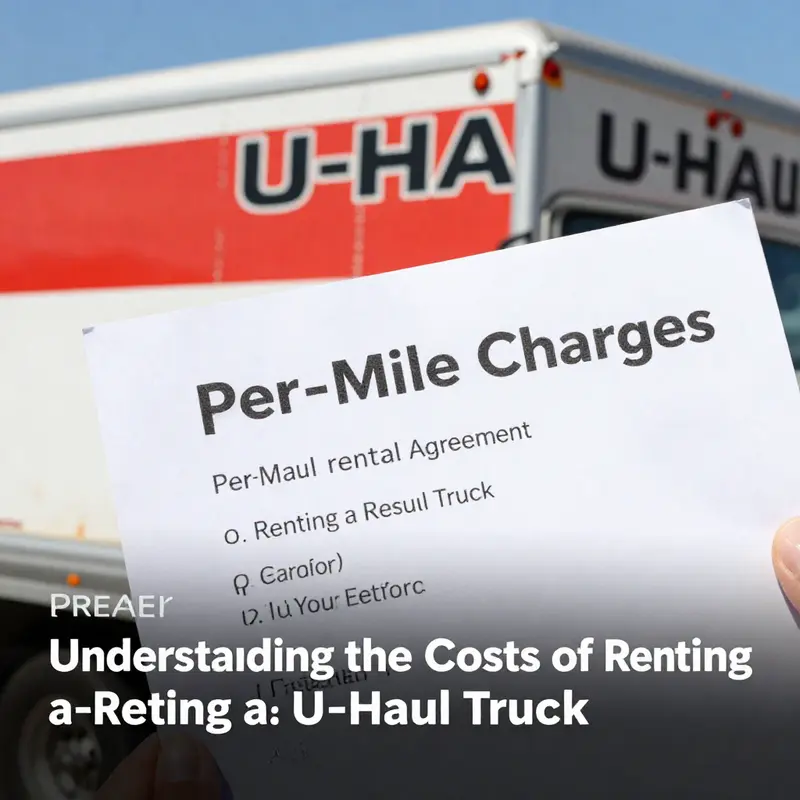
When you start planning a move, the numbers can feel like a tangle of daily rates, mileage caps, and a handful of wonky fees. The truth is that the final price to rent a U-Haul truck hinges on a cluster of decisions you make about distance, duration, and the level of coverage you’re comfortable with. For anyone budgeting a move, understanding how miles are counted—and how you can shape that count—keeps the project from turning into a money pit. At the core of the pricing puzzle is the mileage rule: you pay for every mile you drive beyond what your rental agreement allows. In practice, that overage is not just a line item; it acts as a constraint on how you design your move. If you’re planning a local, in-town haul, the emphasis lies on daily rates and the size of the truck. If you’re moving across state lines or across the country, mileage becomes the central lever you pull to keep costs under control. Either way, the per-mile charge exists to cover wear and fuel costs on a vehicle that’s going to be driven a lot more than ordinary daily use. The typical scenario you’ll encounter is that the base daily rate gets you a truck for a set number of miles each day. Any miles beyond that limit are billed at a per-mile rate. In many places that rate hovers around a dollar per extra mile, though some locations quote slightly different figures depending on demand, taxes, and whether you’re booking a local or one-way move. That difference in cents might not sound like much, but it compounds quickly when you’re responsible for hundreds of miles. For a long move, the math becomes even more delicate: a few hundred extra miles can swing the total by hundreds of dollars. And because it’s not just the miles that cost you, the base daily rate, plus a fuel refill, plus insurance or liability coverage, plus any incidental fees, comes together to form the bottom line. The idea of a straightforward price won’t always hold. It’s not rare for a quoted amount to shift when you add days, switch truck sizes, or adjust your pickup and drop-off points. That’s why the online pricing tool offered by the rental company is your best compass. Input your exact pickup and drop-off locations, the dates of your move, and the truck size you’re considering. The tool will present you with a price that reflects both the daily rate and the mileage allowance, plus any applicable taxes and fees. It’s also common to see a daily rate like nineteen dollars and ninety-five cents for the smallest trucks in-town, followed by tiered pricing as you scale up to larger options. Yet even these seemingly modest daily rates can morph into a larger bill once miles begin to accumulate beyond the agreed limit. A long-haul example often cited in budgeting circles involves a 10-foot or 15-foot truck where the base rental can sit around the low thousands when you factor in the mileage, taxes, and insurance, depending on the route and duration. The picture becomes clearer when you compare two fundamental choices: local in-town moves versus long-distance one-way moves. Local moves, resolved within a few hours to a few days, typically spotlight the daily rate and the truck’s size. For many people, the allure is a predictable per-day expense with fewer miles to chase. Long-distance moves, on the other hand, shift the emphasis toward miles and the total trip length. You’ll likely see mileage caps with overage charges that can prompt you to consider options like unlimited mileage. If your plan involves substantial travel between your origin and destination, unlimited mileage can be a cost-saver that offsets the higher base rate of a larger truck. It’s not unusual for a long move to push your expenses into the upper range of several thousand dollars, especially when you add fuel, taxes, and optional liability coverage. Speaking of coverage, think of the insurance or liability options as a way to protect yourself from the financial shock of an accident or damage. Insurance is not mandatory in every case, but it is often bundled into the overall quote as an optional add-on. The price of insurance varies with the level of protection you choose, yet the absence of insurance revenue helps the rental company cover damages that are more likely to occur during a move. Fuel policy is straightforward: you must return the vehicle with a full tank. If you don’t, the cost of refueling plus a service fee may be added, potentially inflating the price for someone who forgets to top off the tank. Beyond the obvious travel costs, there are always little fees that creep in—the one-time clean-up charge, the late return fee if you’re running behind, and taxes or regional surcharges that differ by state and locale. The best way to see the true scope of your spending is to harness the pricing tool and run a few scenarios: a one-day local move in a small truck, a weekend-local job with a mid-size truck, and a longer, one-way move spanning several states. Each scenario will reveal how much of the total is tied to the daily rate, how much to the miles, and how much to the ancillary fees. When you begin to assemble a budget, remember to account for the full-tank fuel policy, the potential for unlimited mileage, and the possibility of several days if your schedule allows for a slower, more deliberate loading and unloading rhythm. If you’re shopping with an eye for efficiency, you’ll want to factor in packing strategies that minimize the time behind the wheel. The more you consolidate into fewer trips, the more you capitalize on a smaller mileage tally and fewer daily rental charges. In this sense, the art of moving becomes a balance between planning the route, choosing the right truck size, and weighing the value of unlimited mileage versus a leaner but more constrained plan. If you’re curious about specific configurations and how they translate into your bottom line, consult the pricing tool for a personalized quote. A practical tip is to consider how you’ll load and unload. Efficient packing reduces the time you spend driving and the number of miles you accumulate. For those who like a bit of extra support, there are truck accessories that help with organization and protection. For example, you might explore sturdy truck boxes as a way to secure tools and gear without multiplying the trips you take between the truck and the job site. Truck Boxes are one option to keep items organized and contained, potentially trimming the time you spend loading and unloading. By carefully planning and comparing the options, you’ll see that the price to rent a U-Haul truck isn’t fixed. It moves with your decisions about distance, duration, and the willingness to invest in mileage plans that fit your itinerary. The key to avoiding sticker shock lies in the numbers you confirm before you sign: how many miles are included, what the per-mile rate is for overage, and whether unlimited mileage is worth the extra upfront cost for your route. For the most current and personalized pricing, you can also visit the official pricing page of the rental provider. It’s not just about the headline daily rate; it’s about the total package of miles, days, fuel, insurance, and any taxes that apply to your state. Official pricing details are available here: https://www.uhaul.com
null
null
Final thoughts
In conclusion, renting a U-Haul truck encompasses various facets, particularly for business owners who must manage expenses carefully. By comprehensively understanding base rates, one-way rental costs, per-mile charges, and additional fees, businesses can navigate the complexities of truck rentals more effectively. Thorough planning and awareness of potential costs can lead to significant savings and smoother logistics for your operational needs. Move forward with confidence and clarity as you incorporate this knowledge into your moving strategy.