
When business owners need to transport goods, choosing the right rental truck can greatly impact their logistics and budgeting. Among the popular options is U-Haul, known for its versatile selection of trucks. Understanding how much it costs to rent a U-Haul truck allows business owners to plan more effectively and maximize their efficiency. This guide delves into key aspects such as the base rates, factors influencing daily costs, mileage fees, the distinctions between local and one-way rentals, and available optional add-ons. By exploring these chapters, you will be equipped with the knowledge to make informed decisions, ensuring your business moves remain seamless and cost-effective.
Decoding the Base Rate: What It Really Costs to Rent a U-Haul Truck for Local and Long-Distance Moves
Renting a moving truck is rarely a single number slapped on a receipt. The base rate, that starting price many renters first notice, serves as the anchor for a total that grows with distance, vehicle size, and a handful of optional extras. In many markets, the local or round-trip rental begins at about $19.95 per day. That figure is the door the rental company opens with, not the final price you’ll walk out with. Behind that daily fee sits a second, driving factor: mileage. Most trucks accrue roughly $0.85 per mile, give or take a few tenths depending on the exact model and location. The twin variables—time and distance—shape the overall cost, and the way they interact differs if you’re planning a short local move versus a longer one-way transfer to a new city. What begins as a modest daily rate can balloon once you multiply it by the miles you’ll cover, especially if the move veers into hundreds of miles or more.
The base rate itself isn’t a flat, universal number. It shifts with the truck size you choose, from compact pickups used for small studio moves to larger cargo boxes that can carry the furniture of a multi-bedroom home. It also shifts by pickup location, since regional pricing, demand, and taxes vary. The base rate is intended as a starting point, a framework within which the rest of the charges are added. Before committing, you should forecast your needs carefully: how many days you’ll need the truck, what the actual route looks like, and which truck size makes the most sense for the job. If you’re uncertain about the best fit, a quick call to the local rental center can clarify size recommendations and the likely per-mile costs for your area.
One of the practical realities of planning a move with a rental truck is understanding the difference between local moves and one-way trips. Local or round-trip rentals allow you to pick up the truck, load up, drive to your destination, unload, and then return the vehicle to the original location. In this scenario, the daily base rate tends to be the primary driver of cost, with mileage adding a predictable extra layer. For long-distance moves, many renters face not only higher daily rates for the time the truck is on the road but also the realities of high-mileage charges, fuel costs, and sometimes different insurance or protection options. Some renters discover that unlimited mileage plans exist for longer hauls, a potential way to avoid the per-mile bills that creep up when a route covers hundreds of miles. If you’re moving across multiple states or coast to coast, those plans can shift the math from “pay as you go” to a predictable monthly-feel that reduces the specter of surprise overage fees.
To frame the numbers more clearly, consider a couple of scenarios that reflect typical planning approaches. Suppose you’re moving a small apartment and opt for a standard pickup truck for a local move. If you need the truck for three days, the base rate of $19.95 per day would amount to $59.85 for the truck itself. Now add mileage: if your move spans roughly 30 miles round-trip, at about $0.85 per mile you’re looking at roughly $25.50 in mileage charges. Together, the truck time and the miles land around $85.35 before taxes, fees, and any optional protections. If you decide to add moving supplies or insurance, the price climbs further, though those items can be critical for protecting your possessions and ensuring the move proceeds smoothly.
For a longer, one-way move, the math shifts again. The daily rate can be similar, but the mileage charge becomes far more consequential because the miles accumulate over days of driving. In some cases, the company may cap certain charges under an unlimited-mileage plan, which can translate into meaningful savings for a cross-country relocation. It’s not just the distance that matters—timing can influence price as well. Weekends, peak moving seasons, or holidays often bring higher demand, which can drive up both daily rates and the cost of premium add-ons. If you’re flexible with your pickup or drop-off dates, shifting to a midweek window could yield a leaner price without compromising your schedule.
Another critical piece of the pricing puzzle is the optional add-ons. Insurance protections, road assistance, moving aids like dollies or moving blankets, and supplies such as boxes and packing tape all land on the bill. While these extras add to the total, they can be invaluable for safeguarding your items and reducing the risk of damage during loading and transport. The base rate plus mileage provides a transparent core, but the final receipt often reads like a menu of extras that you chose or needed for the move. It’s worth weighing the value of each add-on against the risk of handling items without protection, especially for fragile belongings or unusual access conditions at your destinations.
When planning, it helps to keep in mind Taxes and local fees. These charges can vary by location and may apply to the daily rate or the total rental, depending on jurisdiction. The best way to avoid sticker shock is to talk through the entire cost structure with the local center before you reserve. Ask about any current promotions, seasonal discounts, or bulk booking deals for multi-day rentals. Some centers also offer vehicle choice packages or bundled supplies that can bring the per-item cost down when you’re stocking up for a move. While the base rate remains the anchor, the final price is the sum of several moving parts that require careful forethought.
For those seeking a clearer, more hands-on approach to cost estimation, it’s helpful to map out a quick worksheet. List the truck size you expect to need, the planned duration, and an approximate number of miles. Multiply the daily base rate by the number of days, then add the mileage charge. Include any expected extras—insurance, moving supplies, equipment. Don’t forget to factor in taxes and any depot fees, which can vary. This simple calculation yields a practical estimate you can compare against other providers’ quotes or against a precise quote from the local center. It also highlights how small changes in days or miles can ripple through the total, guiding decisions about pickup timing or the use of an unlimited-mileage option if available.
As you refine your plan, you may want to explore resources that discuss the broader ecosystem of moving gear and equipment. If you’re assembling a toolkit for the move, a comprehensive catalog of accessories can be a useful companion. From protective blankets to tie-down straps and helper devices, the right accessories can save time and minimize damage. For a focused look at such items, you can explore an extensive collection of moving-related accessories and equipment that many renters find helpful during a relocation. Accessories can be a practical touchpoint when you’re calculating how much to allocate for the move beyond the truck itself.
Ultimately, the base rate is not the entire story. It is the foundation on which mileage, location, vehicle size, and a carefully chosen set of add-ons build your final bill. A transparent approach requires you to look at the numbers in total, not in isolation. If you want the most accurate and up-to-date pricing for your specific move, visit the official pricing page of the rental provider. While you weigh your options, remember that prices shift with demand, seasonality, and local market conditions, and the best plan is the one that aligns closely with your move timeline and your tolerance for risk.
External resource: https://www.uhaul.com
Beyond the Sticker Price: How Time, Distance, and Size Shape U-Haul Truck Rentals
Renting a moving truck is rarely a single price tag you can lock in at the counter. The number you see online is important, but it’s only part of the total cost. The actual amount you’ll pay hinges on a cluster of variables that shift with truck size, how you move (local versus one-way), how far you travel, and how long you keep the equipment. Understanding those factors helps you separate the base daily rate from the mileage, insurance, and add-ons that quietly climb into the final bill. The starting point for most local moves is a modest daily base rate for the smallest truck. In practical terms, that base often sits around a low two-digit figure, but you must add mileage and any optional protections to reach the true daily cost. The bigger the truck, the higher the daily rate tends to be, and the more miles you plan to log, the more mileage charges accumulate. This interplay between size, distance, and duration is what shapes the final cost more than any single number can convey.
The first variable is the type and size of the truck. A compact 10-foot model carries a lower daily price and uses less fuel, but it can only handle a limited load. A 26-foot moving truck, by contrast, can haul the contents of a small to mid-size home in one trip, which saves time but costs more per day and per mile. The size decision should reflect both how much you’re moving and how efficiently you want the process to unfold. It’s common to overestimate capacity because the visibility of a larger truck can feel reassuring. Yet that extra space comes with a steeper daily charge and higher fuel usage. The right choice balances the risk of underpacking with the burden of paying for unused space. A practical approach is to inventory your belongings and estimate a conservative load, then size the truck accordingly. If you’re unsure, a quick check of your items against a floor plan of your new space can help you pick the most cost-effective option while still meeting your needs.
Beyond size, the distinction between local (round-trip) and one-way rental profoundly influences the price. Local moves, which return the truck to the starting location, typically carry a lower overall risk and cost. One-way moves add the complexity and logistics of repositioning the vehicle to a different city or state after you unload. That added logistics translate into higher base charges and sometimes higher mileage rates. The one-way scenario often introduces a premium that some renters don’t anticipate, especially when the destination is far away or in a high-demand corridor. In both cases, the rental company still expects you to cover the miles you drive, but the way those miles are bundled and charged can differ. When planning, it’s essential to confirm whether your quote assumes a local round-trip or a one-way arrangement, and to understand the included mileage allowance for your chosen truck.
Distance matters in two distinct ways. First, most rentals come with an included mileage allowance in the base price. The miles you drive during loading, transport, and unloading beyond that allowance are billed at a per-mile rate. That per-mile rate varies by location and vehicle size, but a common figure is around a dollar per mile, with some companies hovering near $0.85 per mile in practice. Second, the distance you travel influences fuel costs, which are not always included in the base rate. A longer journey means more fuel burn, and fuel prices themselves can swing with market conditions. For local moves, the distance factor often translates into a relatively modest bump, but for longer interstate trips, the mileage charges can become a dominant portion of the total cost. It’s worth modeling a few scenarios: a short local move with modest miles, a longer local haul that pushes the mileage allowance, and a one-way trip that travels hundreds of miles. In each case, this exercise reveals how sensitive the total price is to distance and route choices.
The duration of the rental also plays a crucial role. The daily rate can shift with longer rentals due to tiered pricing or promotions, but more importantly, longer bookings multiply the base daily rate. If you keep the truck for several days, you’ll accumulate daily charges, even if the miles stay within the included allowance. In practice, many moves stretch across two or three days, especially when access to loading windows or elevator times is a factor. Insurance coverage, roadside assistance, and moving supplies can be added on, often as a package or a la carte options. Each add-on elevates the everyday cost, but they can also offer peace of mind and protect your belongings. The decision to include protections or to rent moving supplies should align with your risk tolerance, the value of your possessions, and how comfortable you are handling a larger vehicle. If you decide to add protection, store a clear record of what is covered and what isn’t, so expectations stay aligned when you review the final invoice.
Location, too, leaves a fingerprint on price. Prices can vary significantly across cities and regions due to local demand, fuel costs, taxes, and operational overhead. If you’re moving from a high-demand metro area, you might see higher daily rates and mileage costs than in a smaller town. Seasonal fluctuations can also push prices up or down, with peak moving season often signaling tighter availability and higher rates. The practical impact is simple: two renters in neighboring states could face different total costs for the same truck model on the same day purely because of regional pricing dynamics. The important takeaway is to use the official online calculator to capture the exact combination of factors for your route. Only then can you compare apples to apples across truck sizes, rental durations, and origin-destination pairs. For a realistic projection, assume you’ll need a couple of hours for loading and unloading, add a buffer for traffic or loading delays, and then input those variables into the calculator to see where the price lands.
Optional add-ons deserve their own careful look. Insurance or protection plans can reduce the financial risk of accident or damage, but they also add to the daily cost. Moving pads, dollies, ramps, and specialty tie-downs contribute to the bottom line as well, yet they can make the move smoother and safer. If you’re transporting valuable or fragile items, those extra protections may be worth the price; if you’re moving a simple, sturdy load, you might opt to skip some add-ons. When budgeting, it helps to itemize potential add-ons and assign a value to the protection they provide. This lets you decide whether the added cost yields meaningful savings in stress, time, or potential repair bills. And because every move is different, it’s wise to re-check the calculator after you finalize your packing plan and loading sequence. You may discover that a smaller truck, used for a longer local window with an adequate miles allowance, delivers the best balance of convenience and cost.
To keep this planning grounded, consider how you’ll approach the pricing process. Start with the smallest practical truck and a local round-trip scenario if that’s your move type. Then test a larger size and a one-way arrangement to see how the math shifts. Don’t forget to account for distance and duration together, since the miles you drive accumulate costs in two places: the per-mile charge and the extended rental time. A rough budgeting rule is to cap the daily base rate at a modest upper limit while allowing a comfortable margin for mileage, fuel, and add-ons. In practice, many movers find that the final bill sits somewhere between the tiny base and the full, all-inclusive quote when they optimize truck size, duration, and route. For readers who want a quick, practical touchpoint during planning, exploring the moving accessories page can be helpful as you assemble packing materials and equipment that minimize loading time and prevent damage moving accessories page. This small step often reduces the need for last-minute purchases and helps keep the total cost predictable.
Ultimately, the most reliable way to understand the price of renting a U-Haul truck is to run the numbers through the official online calculator. It accounts for truck type, local versus one-way, distance, duration, location, and any chosen add-ons, providing a tailored quote rather than a generic estimate. This is especially valuable if you’re comparing multiple rental days or considering a two-move plan that involves a temporary storage period between stages of the trip. By entering realistic figures—your load size, anticipated miles, and the typical window for pickup and drop-off—you’ll gain a transparent view of how each variable changes the total. The calculator also makes it easier to experiment with different combinations without committing to any one option, so you can find a balance between convenience and cost that matches your budget.
When you sit down to finalize a move, rely on the numbers, not the impressions. The daily rental rate is the starting point, but the final total will reflect the miles you drive, the length of the rental, the truck size, and any protections or supplies you add. A careful plan reduces surprises and helps you move with confidence. If you want to dive deeper and see the exact figures for your route, consult the official pricing tool and compare scenarios side by side. For the most up-to-date pricing and to tailor a quote to your moves, visit the provider’s site. The external resource for this chapter’s pricing reference is the official calculator: https://www.uhaul.com.
Beyond the Sticker Price: Mileage Fees and the Real Cost of Renting a U-Haul Truck
When people start planning a move, the first number they notice is often the daily rental rate. It can seem straightforward: pick a truck size, lock in a date, and pay the base price. But the real cost of renting a U-Haul truck rarely stays at that base rate. Mileage fees—the charges for every mile you drive the truck—tend to be the loudest driver of the final bill. They can easily outweigh the advertised daily price, especially on longer local moves or one-way trips that stretch over multiple days and routes. Understanding how mileage fees work, and the other ancillary costs that accumulate, is essential for anyone aiming to move efficiently and avoid sticker shock on moving day.
To appreciate the full picture, it helps to start with the base costs, which vary by the size of the truck and by whether you’re moving locally (round-trip) or making a one-way rental. In practical terms, the smaller vans and trucks come with modest base prices, while larger models carry a heftier starting point. For example, a compact 10-foot van might begin around the low twenties per day, a 15-foot truck closer to the upper thirties, a 20-foot truck near forty dollars, and the largest 26-foot option hovering around the fifty-dollar mark. These figures reflect base rental costs, before any mileage is added and before taxes and fees. The key point to grasp is that the base price provides only part of the story. The total depends heavily on how far you drive and how long you keep the vehicle.
Mileage is where the math really shifts. The standard mileage rate breaks down as a per-mile charge that compounds quickly as the distance grows. A typical rate—one that applies to several truck sizes, including the 15-foot model—is around $1.79 per mile. This means that a move covering 100 miles would incur about $179 in mileage fees, a sum that can easily double or triple the base rental cost once you factor in insurance and taxes. Some scenarios may also offer or require different mileage terms; if more mileage is needed beyond what’s included in your plan, the incremental charge can be around $1.00 per additional mile. These per-mile charges are the primary cost driver for many moves, and they’re the aspect renters should scrutinize first when budgeting.
Beyond mileage, a handful of other fees can accumulate and shift the total, sometimes by a noticeable margin. Insurance, often optional, typically runs in the neighborhood of $15 for many moves. It’s worth weighing whether you want that coverage based on the risk you’re carrying and the value of your belongings. If the move crosses a full day or more and you’re using a one-way rental, expect to see extra days charged, commonly around $40 per day. That daily fee can add up quickly if you’re navigating a longer haul or a multi-day schedule. There can also be ramp fees, depending on the truck model you choose, and taxes and local fees that vary by location. The interplay of these costs—the base rate, the mileage, the insurance, the extra days, and the taxes—creates the final price you’ll pay at pickup.
To make this concrete, consider a 100-mile move with a 15-foot truck. Start with the base price of about $30. Add the mileage: 100 miles at $1.79 per mile equals $179. Include optional insurance at $15. Taxes, which vary by location, might add roughly 6 to 10 percent of the total, though the exact percentage depends on where you’re moving. When you do the math, the total lands in a range roughly from $224 to $250, depending on the precise tax rate and any location-specific fees. That range illustrates how quickly the cost can scale when mileage is a significant portion of the equation. It also underscores why the oft-cited “low daily rate” can be misleading if a move requires substantial driving.
The challenge for many renters is not just calculating the base and mileage but anticipating the total with all the add-ons and operational realities of a real move. One practical approach is to use the official cost estimator tool available from the rental provider. This interactive tool prompts you for pickup and drop-off locations, vehicle size, expected mileage, and dates, and then returns a detailed, location-specific estimate that includes taxes and fees. The estimator helps you see how a slight change in truck size or route can shift the overall total and highlights where spending can be optimized. It’s a powerful resource for planning and can prevent surprises on moving day by giving you a clear, itemized projection before you commit to a vehicle.
As you weigh your options, you may also want to consider add-ons that can simplify the move or better protect your belongings. Insurance is only one of several potential add-ons; you might also explore moving supplies, blankets, dollies, or loading ramps for certain truck models. These accessories can be convenient, especially if you’re juggling stairs, tight doorways, or bulky furniture. They might also reduce risk, potentially saving you from damages that could cost more than their upfront price. If you’re browsing the broader landscape of moving equipment and cargo solutions, you’ll often encounter a range of options designed to work with rental trucks to keep items secure and manageable during transport. For a sense of practical cargo solutions that are commonly paired with truck use, you can explore the concept of truck boxes as a useful option for organizing and protecting tools and belongings during a move. Truck Boxes can help you think through how to maximize space and safeguard valuables, even if they’re not strictly a rental requirement.
Another important consideration is how you plan the move logistically. Local moves that stay within a short radius can often be priced more favorably than long-distance or one-way moves that necessitate return logistics and additional services. If you know you’ll be moving again in the near future or if you have the flexibility to adjust pickup or drop-off times, experimenting with different combinations of vehicle size and rental duration can yield meaningful savings. The estimator tool can also reflect these scenarios, letting you compare a handful of alternatives in one sitting rather than guessing which option will be cheapest once you’re already committed to a date. The key, once again, is to enter realistic mileage estimates and to be transparent about your expected use so the system can calculate an accurate total without unpleasant surprises.
In practical terms, renters who want to keep the price under control should focus on a few strategic moves. First, select the smallest truck that can safely carry your belongings. A smaller truck reduces both the base rate and the mileage risk, especially if you can efficient-load items to minimize the number of miles driven. Second, map your route to minimize backtracking and deadhead miles; a direct, planned path will shrink the mileage bill and keep the total closer to the initial estimate. Third, consider scheduling an inscription window where the truck can be picked up and returned within a tight timeframe; longer rentals often incur not just daily rates but extended-day charges that compound over time. Finally, use the official cost estimator early and iteratively—adjust truck size, dates, and locations to observe how the total shifts. This proactive planning helps you align your move with your budget rather than letting the math dictate it after the fact.
For readers who want a more tactile sense of how this pricing ecosystem works, it’s helpful to visualize the breakdown not as a single number but as a blend of components that respond to distance, duration, and risk coverages. The base rental is the skeleton, but mileage is the heartbeat—pulsing in step with the miles you actually drive. Insurance and incremental days flesh out the body, while taxes and fees tint the final figure with the hue of local policy. When all these parts come together, the total price becomes a story about distance, planning, and the choices you make along the way. The more intentional you are about route planning, truck size, and timing, the more control you retain over that story and its end.
External Resource: For a detailed, interactive approach to estimating mileage fees and total costs, consult the official mileage-fee estimator provided by the rental provider: https://www.uhaul.com/estimating-miles-fees/
Decoding Local vs One-Way U-Haul Truck Rentals: How Distance, Duration, and Details Shape the Real Moving Price
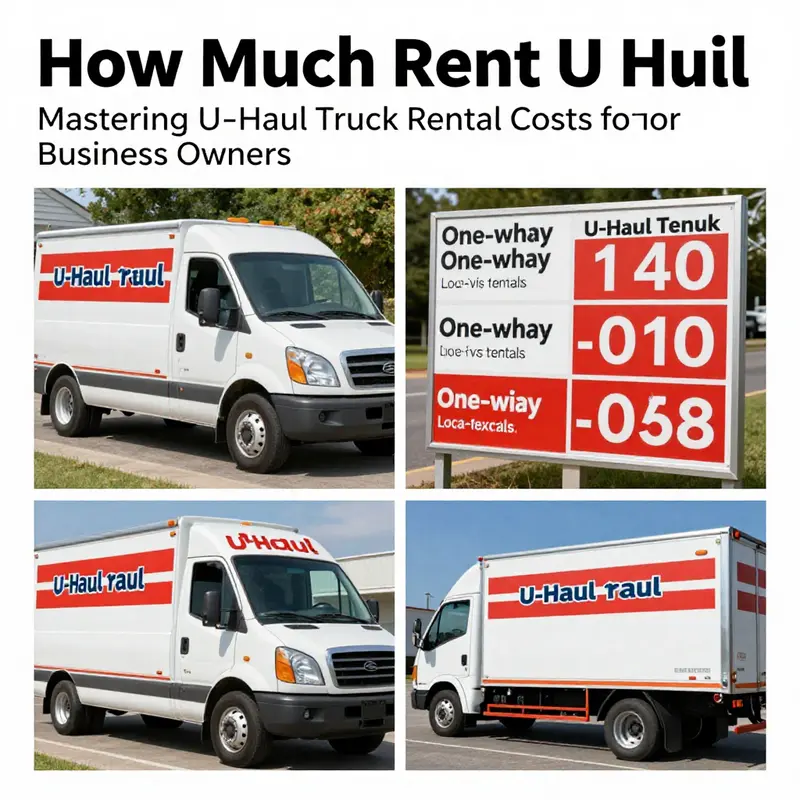
Ask someone planning a move about how much a U-Haul truck will cost, and you’ll quickly discover that the price isn’t a single number but a structure. The sticker price you see online is a headline, the starting point for a formula that blends daily rates, mileage, location fees, and the choices you make about insurance and gear. The local vs one-way distinction matters as much as the vehicle size. A local, round-trip rental centers the cost on how long you keep the truck and how far you drive around town. A one-way rental shifts the focus to distance and depot fees, because the truck has to be repositioned back to its home base after you finish. You’ll also see that the model you choose whether it’s a compact pickup-size truck or a full-size moving truck can nudge the daily rate by a thin margin, and add-ons like ramps, moving blankets, or an extra dolly can tilt the bottom line by a noticeable amount. The upshot is simple: the headline rate is only a gateway to the real, all-in total you’ll pay once you factor distance, duration, add-ons, and taxes. For the most accurate quote, you need to simulate your exact move with the numbers you know the pickup and drop-off locations, the number of days, and the miles you expect to cover. The online calculator provided by the rental company is designed for that purpose, stepping you through the variables that determine the final price rather than leaving you to guess at hidden fees.
Local rentals are the most forgiving for many quick moves. The base rate commonly appears around $19.95 per day, a price point that makes these trips attractive for short moves within a city or nearby region. The rate is not a pure rental; it is a package that usually includes a set number of miles per day, say 30 to 60. If you stay within that mileage envelope, your daily cost stays close to the base figure. The danger comes when you realize you’ve used more miles than included. Each extra mile adds fees, and those charges accumulate quickly if your move includes long days or wandering errands. In addition to mileage, you’ll encounter local taxes, insurance options, and sometimes environmental or processing fees that vary by city or state. These small charges are easy to overlook when you focus on the $19.95 headline, but they become meaningful when you tally your total. The advantage of local rentals is the flexibility you gain by staying close to home. You can return the truck at the same facility after your local run, and you can plan around a single trip rather than coordinating drop-offs and pickups across multiple cities. The net effect is a cost curve that rises gradually with miles and days rather than in dramatic leaps.
One-way rentals shift the calculus. Because the truck must be transported to a different city and then repositioned, the company’s logistics create additional layers of cost. The base daily rate can look similar to local offers, but the total can rise with per-mile charges designed to cover cross-country repositioning and depot-to-depot costs. A common rule of thumb is that one-way mileage charges average around $0.85 per mile, but the exact figure depends on your route, ramp-up fees, and distance between pickup and drop-off points. If your plan spans several hundred miles, the per-day rate may still be modest, but the mile charges will push the total far above a comparable local move. Seasonal demand and the geographic spread of pick-up locations also matter. Weekends and holidays can carry premium fees as supply tightens with high moving demand. If you’re evaluating between local and one-way, the key question becomes this: does the distance you’ll travel and the need to end at a different location justify the extra logistics fees, or can you rearrange your trip to fit a local return while achieving your moving goals? The calculator helps you answer that, but you must be explicit about your route and timing to avoid sticker shock when you reach the final screen.
Let’s sketch two practical scenarios to anchor the idea. Scenario A is a local move within the city over two days with modest loading and unloading. You pick up a truck on Friday morning, drive a few miles to your apartment, load, drive a few more miles to storage, and return the truck to the same place on Saturday. The base daily rate, advertised at $19.95, times two days comes to about $39.90 before taxes. Suppose you also drive 50 miles on each day, for a total of 100 miles beyond the included mileage. If the local mileage fee is, say, roughly a few cents per mile (exact figures vary by location and vehicle), the extra miles might tack on around $5–$15 or more to the bill. Add applicable taxes and any optional insurance, and the total might settle near the low hundreds, depending on the protections you select and the time of year. Scenario B stretches across two states with a one-way return strategy. You pick up in City X, drive to City Y, and the truck is then repositioned to a depot near City Z after you’re finished. The base daily rate might still be similar to Scenario A, but you’ll accumulate miles well beyond the included allotment. If you log 400 miles in the trip, the $0.85-per-mile rate pushes the mileage charges into hundreds. Combine that with a possible one-way surcharge and any drop-off fees, and the total could leap into the mid to high hundreds or beyond, even with a seemingly reasonable daily rate. These hypotheticals aren’t warnings; they’re reminders to examine the entire bill and to use the calculator with your exact route. In real life, your numbers will hinge on the precise pickup and drop-off locations, the truck class, and the days you need it.
To bring clarity, consider the non-move variables that creep into the final invoice. Insurance protection—ranging from basic liability to fuller coverage—adds a predictable line item. If you carry valuable items, you’ll likely choose higher protection, which increases the daily cost. Packing supplies such as moving blankets, shrink wrap, ramps, dollies, and rope also show up as add-ons; each item adds a small to moderate daily increment but can save you time and prevent damage during loading and transport. Fuel costs, while sunk at the end of the run, can affect the included mileage if you’re returning the truck with a lower fuel level than at pickup. Taxes and other location-specific charges can differ significantly from city to city, sometimes creating a noticeable delta between a neighboring facility and your actual pickup point. If you’re working within a tight budget, ask whether any location-specific promotions or weekend deals apply to your window. It might be possible to shift your move to a different pickup date or choose a truck size that aligns with your actual loading needs to keep the price within a predictable range. The art of price management here is not pulling all levers at once but prioritizing the big-impact choices: local or one-way route, a reasonable truck size, and essential protections rather than every optional add-on.
An efficient path to the final number is using the online calculator. It standardizes how you input the route, miles, and duration, and it projects the total with included miles and overage charges. It can also display optional insurance and packing equipment costs. The clarity gained from a precise quote helps you compare options without second-guessing. Before you finalize a booking, re-check your move’s schedule for any potential adjustments—shifting a day or half a day can alter the overall cost by changing rate tiers or weekend premiums. If you’re flexible about delivery windows, you may find a more favorable combination of price and timing. When in doubt, gather two or three quotes for the same route and date, then compare the bottom-line totals rather than the headline daily price.
Finally, every successful DIY move benefits from smart loading solutions. The right gear reduces trips and protects your items as well as the truck itself. For readers planning their own kit, exploring reliable storage and loading gear can help you stay within budget and on schedule. A quick guide to gear such as truck boxes can be found here: truck boxes.
For the most up-to-date, authoritative pricing and terms, consult the official moving-truck page from the rental company. The posted rates fluctuate with demand, location, and vehicle availability, so checking the live quote is essential. See the current pricing and options at the official site: U-Haul moving trucks.
Beyond the Daily Rate: Unpacking Add-Ons and How They Shape the Cost of Renting a U-Haul Truck
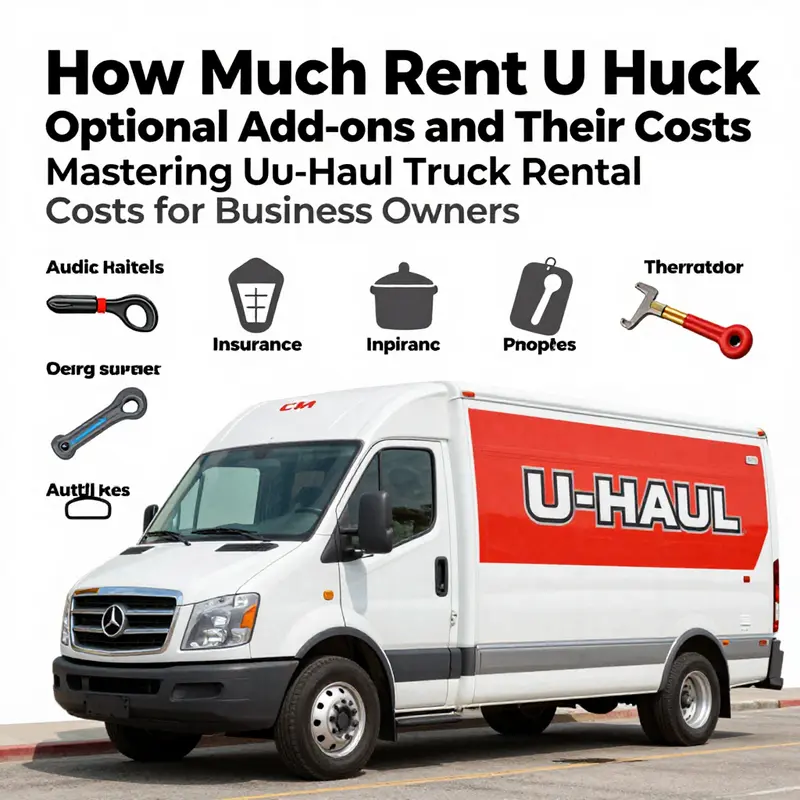
The sticker price you see when you start planning a move is only a starting point. The base daily rate for a local U-Haul pickup or similar rental is advertised as the entry price, often around the mid-teens per day, but that figure is rarely the whole story. Mileage charges come into play quickly once you leave the lot, and the exact amount you owe hinges on where you pick up the truck, how long you need it, and which model you choose. In practice, the total becomes a layered calculation: the daily base, the miles driven, and a spectrum of optional add-ons that can push the final bill up or down depending on your needs. One-way rentals, in particular, tend to carry higher price tags than local round trips because of the extra logistics involved in returning the vehicle to a different location. To get the most accurate and up-to-date pricing for your specific move, it’s best to consult the rental site directly and review the fine print for your location, duration, and vehicle type.
Beyond the base daily rate and mileage, the available add-ons can alter the financial picture in meaningful ways. The common extras fall into a few practical categories. You might consider towing accessories if you plan to haul a trailer or car behind the truck. Moving blankets can protect your furniture and glass, while dollies help you move heavy items without straining your back. There are also specialized pieces of equipment that address niche needs, such as storage or vehicle maintenance during a move. While these items can be indispensable for certain moves, they are not without cost. It helps to understand what each add-on costs and how it might fit into your move plan.
From a budgeting perspective, two examples of specialized equipment illustrate how add-ons can move the total price. A compact emergency tire repair kit, for instance, can come with a price tag that hovers around the mid-fifties in the right market, while a portable tire compressor with a high-pressure rating can run well into the mid-hundreds. These figures are not universal; they reflect location, demand, and the rental duration, but they serve as a concrete reminder that the seemingly small items can accumulate quickly when you’re piecing together a move. In context, you may find that a set of blankets and a couple of dollies add modestly to the total, whereas the more specialized gear can push the bill into a higher range. The key is to forecast what you actually need for your load and route, rather than assuming every add-on will be necessary.
What makes add-ons particularly important is the timing of their inclusion. The extras are typically offered during the reservation process, right alongside choices for rental duration (whether you’re counting hours, days, or weeks) and vehicle type. This integration is convenient because you can see how each choice affects the overall cost in real time as you build your plan. If you are methodical about your move, you can compare the incremental cost of each add-on against the risk or effort it saves. For example, if your route includes rough roads or stairs in a building, protective measures like moving blankets may be worth their price. If you’re navigating a longer haul or a difficult loading scenario, dollies and straps can reduce the risk of damage to your belongings and to the truck itself.
To give readers a clearer sense of the arithmetic behind the total, consider a practical approach to cost estimation. Start with the base daily rate and multiply by the number of days you expect to keep the truck. Add the mileage charges, which are calculated per mile and vary by location and rental type. Then add the cost of any add-ons you plan to use, keeping a separate line for each item. Finally, factor in taxes, insurance options, and any environmental or facility fees that may apply at pickup or return. If you anticipate a one-way rental, allow for the higher rate and possibly a higher mileage cap or different pricing structure. By laying out costs in this way, you can determine where savings might be found—perhaps by consolidating into a shorter rental window, removing nonessential add-ons, or choosing a more compact truck that still accommodates your load.
Someone planning a move can gain substantial clarity by exploring the range of accessories and equipment that can be rented alongside the truck. A single-page catalog or reservation screen often highlights items such as blanket sets, moving straps, dollies, and towing-related gear. The goal is to align the inventory with the actual move plan. If your load includes fragile items, you may decide that blankets and padding are non-negotiable. If you’re transporting a heavy sofa or a bulky bookshelf, a couple of dolly platforms may be well worth the investment. Conversely, for a small apartment move with minimal furniture, you might skip bulky gear and rely on basic padding and careful packing.
As you map out your budget, it’s helpful to keep in mind that the specific truck model can influence both the base rate and the availability of certain add-ons. Some locations stock a broader array of accessories and equipment, which can affect both the price and the ease of acquiring what you need at the reservation stage. The pickup location, the day of the week, and even seasonal demand can swing the numbers in subtle ways. It’s not unusual to find two nearby locations advertising different prices for the same service or to see a noticeable shift in total cost between a weekday pickup and a weekend one. In short, flexibility in the plan can yield meaningful savings, but only if you know what to adjust and what to lock in early in the reservation process.
For readers who want a deeper dive into the range of common accessories, see the Accessories section of the blog for practical guidance on what to consider and how to prioritize based on your move. Accessories
When you finally arrive at the point of decision, the total cost you present to yourself should reflect not only the numbers but the risk-reduction and time-saving benefits those add-ons provide. A well-chosen kit of essentials can prevent last-minute scrambles, reduce the likelihood of damage, and keep the move moving smoothly. It’s also wise to plan for contingencies. If you encounter delays or require extra time on the road, you’ll want to know in advance how that extension will be priced and whether there are grace periods or penalties. The documentation you receive at pickup typically outlines these terms, including any incremental rates for additional hours or days and the method by which mileage charges are calculated.
Finally, for readers seeking official references and current pricing, consider checking the official vehicle accessories page of the rental company’s site. It provides a comprehensive overview of what is offered, current prices, and any location-specific variations that might apply to your move. While the exact numbers may differ by market, the principle remains constant: add-ons exist to support safe, efficient movement, and their costs are part of the total you must plan for when budgeting a move. For the official catalog and current pricing, see the official vehicle accessories page.
Final thoughts
Understanding the various elements that contribute to U-Haul truck rental costs can significantly enhance a business owner’s logistical planning. From comprehending the basic rental rates to evaluating additional fees such as mileage and optional add-ons, being informed can lead to smarter financial decisions. Local versus one-way rentals further exemplify the need for strategic thinking in budgeting, especially for moves of different lengths and purposes. As you navigate the complexities of truck rentals, remember that thorough research and understanding of your specific needs will pave the way for a successful and cost-effective transport experience.