
For business owners in the trucking industry, understanding the pathway to becoming a truck driver is crucial not just for sourcing skilled drivers but also for enhancing overall operational efficiency. From meeting basic eligibility requirements to securing a Commercial Driver’s License (CDL), passing essential medical and background checks, and maintaining qualifications, each step plays a vital role in shaping a competent workforce. This guide will walk you through these key areas, ensuring you are well-equipped to assist potential candidates and make informed hiring decisions.
Clearing the Gate: The Core Eligibility Path to Becoming a Professional Truck Driver
A career behind the wheel of a heavy vehicle begins at a gate—an eligibility threshold designed to ensure safety, accountability, and reliability on the road. In China, as in many places, this gate is defined by a set of fundamental criteria that must be met before one can operate commercially. These requirements shape not just who can drive, but how prepared a driver must be to take on the responsibilities of moving people and goods across vast distances. While regional rules vary, the underlying purpose remains consistent: to verify that a driver possesses the right mix of legal standing, physical fitness, technical knowledge, and a documented credential that certifies readiness for professional operation. This chapter surveys those core elements, weaving them into a coherent path that aspiring truck drivers can follow without losing sight of the larger picture—the safety of road users and the efficiency of freight networks that rely on skilled, trustworthy operators.
The journey begins with a valid license, the nonnegotiable first step on the road toward professional driving. In the Chinese system, this starts with licenses that correspond to the vehicle type you intend to handle. A C1 license is the entry point for light trucks with a total mass of four and a half tons or less, often described in practical terms as the blue plate category. A B2 license, by contrast, covers large trucks and heavy freight vehicles. The distinction is not merely bureaucratic; it reflects the different skill sets needed to control significantly heavier machines and to manage the loads, braking dynamics, and longer stopping distances that come with greater mass. For cargo drivers, the requirement is straightforward: hold a valid license of the appropriate category. However, there is an important nuance in the regulation that governs the duration of holding a license before advancing to more demanding qualifications. For passenger transport, a minimum period of one year with the license is typically required, signaling a measured path toward higher responsibilities. For cargo drivers, the rule is less prescriptive about duration beyond the license’s validity; the emphasis remains on possessing a valid license that aligns with the category of vehicle intended for operation. This distinction underscores a broader truth: mastery grows not only from time spent on the road but from intentional preparation for the specific demands of the job you pursue.
Beyond the license itself lies the question of age. A practical ceiling of sixty years old governs the ability to obtain a truck driver’s qualification certificate. This ceiling applies uniformly across passenger, cargo, and hazardous materials transport, underscoring the idea that long-term safety and the physical demands of heavy vehicle operation are best matched with a window of career longevity that supports ongoing training and regular health evaluation. It is essential to recognize that age rules are designed to align with the typical lifecycle of safety training, medical assessment, and skill refresh cycles. While sixty may feel restrictive to some, it reflects the empirical judgment that sustained driving performance benefits from a period of peak physical condition, mental acuity, and experience accumulated through years on the road.
Medical and physical fitness requirements form another critical pillar in the eligibility framework. The health standards are not cosmetic; they are calibrated to detect factors that could compromise performance under demanding driving conditions. A meticulous health profile is required, covering several domains. Height thresholds are used to ensure ergonomic compatibility with vehicle controls, seating, and sightlines. The minimum height is 155 centimeters for large vehicles such as buses, tractors, and heavy freight trucks, while a slightly lower threshold of 150 centimeters applies to medium-sized buses, reflecting practical considerations of vehicle access and line-of-sight. Vision is equally exacting: a visual acuity standard of 5.0 on the decimal chart, whether viewed with or without correction, is expected for most vehicle types. Color vision must be normal, with no red-green deficiency that could hinder the rapid recognition of signals and indicators—critical in complex traffic scenarios. Hearing must be adequate for sound direction detection at close range, a test that ensures a driver can respond to sirens, horns, and other auditory cues. The anatomy of driving ability is examined through limb function, with both hands required to have at least three functional fingers and both lower limbs fully operational, with no more than a slight difference in limb length (up to five centimeters). Neurological health is also screened; conditions that impair motor control or pose a risk of sudden impairment—epilepsy, Parkinson’s disease, dementia, or similar disorders—are disqualifying. Taken together, these health criteria define a baseline standard that supports the dynamic, long-haul demands of professional trucking and helps to protect both the driver and the public on the road.
A clean background and a responsible driving record are essential components of eligibility. Applicants are required to demonstrate a history free from major traffic violations over a defined period. The standard emphasizes risk reduction: there should be no major or above-level traffic accidents within the past three years. Certain transgressions carry permanent consequences. Hit-and-run incidents resulting in criminal charges and drunk driving that leads to fatal accidents permanently bar an applicant from obtaining the license. A record of drug use or addiction, particularly within the last three years, can also render a candidate ineligible. These provisions reflect the high stakes of operating heavy vehicles and the need for drivers whose behavior aligns with public safety expectations over time. The emphasis on a clean record reinforces the broader message: professional trucking is a vocation built on trust, discipline, and accountability, qualities that a solid driving history helps to demonstrate.
Education and knowledge requirements are the intellectual counterpart to physical fitness. The path to qualification expects a solid grounding in road transport laws and regulations, vehicle maintenance basics, cargo loading and securing procedures, and, for certain roles, emergency response and first aid skills. The depth of knowledge can vary with category, but the core expectation remains consistent: a driver should understand the legal framework governing road transport, know how to recognize and respond to vehicle system issues, and be capable of applying safe loading practices to prevent shifting cargo and compromised vehicle handling. For those moving hazardous goods, the training becomes more specialized. Understanding hazard properties, packaging rules, and emergency handling is mandatory. This emphasis on knowledge is practical, because information and decision-making under stress are central to safe driving. In this regard, a professional driver’s competence is not merely a function of skill behind the wheel; it rests on a broad, foundational literacy about the rules of the road, the physics of heavy vehicles, and the safeguards that protect people and cargo.
Cumulative certification marks the culmination of this eligibility journey. After meeting the license, age, medical, background, and knowledge prerequisites, candidates must pass a formal examination administered by the relevant regional authority. In China, this culminates in the Road Transport Professional Qualification Certificate. The examination process comprises a written test that assesses knowledge of road transport laws, vehicle maintenance basics, cargo handling procedures, and emergency response concepts. Passing the written component is the gateway to the certificate, which then legally authorizes the driver to operate commercially. There is a provision that reflects practical sensitivity: for certain categories or under specific conditions, endorsements or exemptions may apply, such as for non-commercial use of lighter vehicles. The emphasis remains that the certificate is not merely a credential but a legal instrument granting the right to engage in professional freight and passenger transport. This layered assessment—license category, age, health, record, knowledge, and formal certification—creates a robust framework that supports reliability across the industry while ensuring that only those who meet stringent standards take to the roads.
Looming over these steps is the recognition that regulatory landscapes differ across regions. The Chinese model described here embodies a comprehensive, safety-focused philosophy common to many jurisdictions: the driver must possess appropriate authorization, meet health expectations, demonstrate reliability through a clean history, hold relevant knowledge, and obtain a formal credential. Yet the specifics—license categories, the precise health metrics, age ceilings, and the structure of the qualification exam—vary. For a reader planning a career in trucking, it is essential to consult the local regulatory authority and the official regulatory texts to translate this template into a concrete plan within their own jurisdiction. What remains constant is the cadence of readiness: study, discipline, assessment, and certification. These elements, when assembled, create a credible pathway from aspiring driver to professional operator.
In practical terms, the eligibility pathway points new entrants toward a disciplined preparation routine. Begin with a clear understanding of the license category you need and the corresponding vehicle weight and type. If your goal is to drive heavy freight, prepare for both the theoretical and practical aspects of the B2 category. Move on to the health prerequisites by arranging a medical assessment with a certified practitioner who understands the specific demands of heavy-vehicle operation. This is not a one-time screen; expect periodic reviews to confirm continued fitness for duty as regulations evolve and as you gain experience. Maintain a clean driving record by choosing safe habits, complying with traffic laws, and seeking feedback from mentors or supervisors about how to improve risk management on the road. Build the knowledge foundation through structured study of transport laws, cargo safety practices, and basic vehicle maintenance. For hazardous materials routes, pursue the specialized training needed to understand hazardous properties and emergency response procedures. As you approach the certification exam, organize your study plan around the core domains tested in the written assessment, and approach the test with the same diligence you would apply to a critical delivery route.
Throughout this journey, practical references can help connect theory to practice. For example, when you consider how to secure cargo or optimize loading for stability, you can explore practical references like the truckbox resource from industry content hubs. This kind of resource does not replace formal training, but it can illuminate real-world considerations—from secure packaging to the selection of appropriate tie-downs and restraints that minimize cargo movement during transit. See the linked resource for a tangible look at cargo containment practices and equipment, which complements the formal knowledge you will acquire in training and the licensing process. truckbox.
In closing, the basic eligibility framework for becoming a professional truck driver is a structured gate built from several interlocking requirements. A valid license tailored to the vehicle category, a capped age window to align with safety and training cycles, comprehensive medical and physical fitness standards, a clean and responsible driving history, and a solid base of knowledge culminate in a formal professional qualification. The result is a credential that confirms you meet a standardized threshold of readiness to operate a vehicle of significant size and responsibility. Though rooted in a particular regulatory context, the principles translate across borders: safety-first screening, competency-based assessment, and a credential that reflects genuine readiness. This approach not only protects the driver but also the public, the freight customers, and the broader transportation system that relies on dependable, well-prepared professionals.
External resource: Ministry of Transport of the People’s Republic of China – Road Transport Personnel Management Regulations (last updated July 2024): https://xxgk.mot.gov.cn/jigou/ysjglj/202407/t20240718_4297231.html
Charting the CDL Course: A Practical Path from Eligibility to Endorsements on the Road to Becoming a Truck Driver
Taking the wheel of a big rig is a decision that carries both responsibility and possibility. The journey from a dream of the open road to the first miles behind the wheel is a carefully choreographed sequence of steps that blend legality, health, training, and a steady commitment to safety. For someone aiming to become a professional truck driver, the path begins long before the first hour behind the wheel and continues long after the first mile is logged. It is a voyage of preparation that turns a basic driver’s curiosity into a credentialed, career-ready skill set. The roads you intend to drive on demand not only practice and discipline but also an understanding of how the system works: the eligibility gates, the training landscapes, the medical standards, the testing culture, and the ongoing obligations that keep drivers compliant and roadworthy. Each stage is interwoven with the others, so the story of obtaining a Commercial Driver’s License (CDL) reads less like a checklist and more like a careful construction project where every element supports the next.
Eligibility is the framework that sets the tone for everything that follows. In most states, if you want to drive commercially across state lines, the clock starts at age twenty-one. Within a single state, the age threshold for intrastate driving might be lower, sometimes eighteen, but even then you are stepping into a system designed to ensure that drivers are mature enough to handle the complex responsibilities of a heavy vehicle. Beyond age, legal presence is a non-negotiable gate. A driver must have the right to work in the United States, whether through citizenship, permanent residency, or another valid status that permits employment in this occupation. A valid non-commercial driver’s license (Class C) is the first credential you carry before you even consider a CDL. This is not merely a formality; it is the doorway through which every future step must pass. The practical reality is that a clean driving record and a solid legal standing provide the foundation for the more demanding examinations that follow. In this light, your journey begins with honest self-assessment. Are your records clean? Is your status secure? Are you prepared to commit to the training that will lead to a professional credential? These questions guide the decision to pursue a CDL and shape the choices you make along the way.
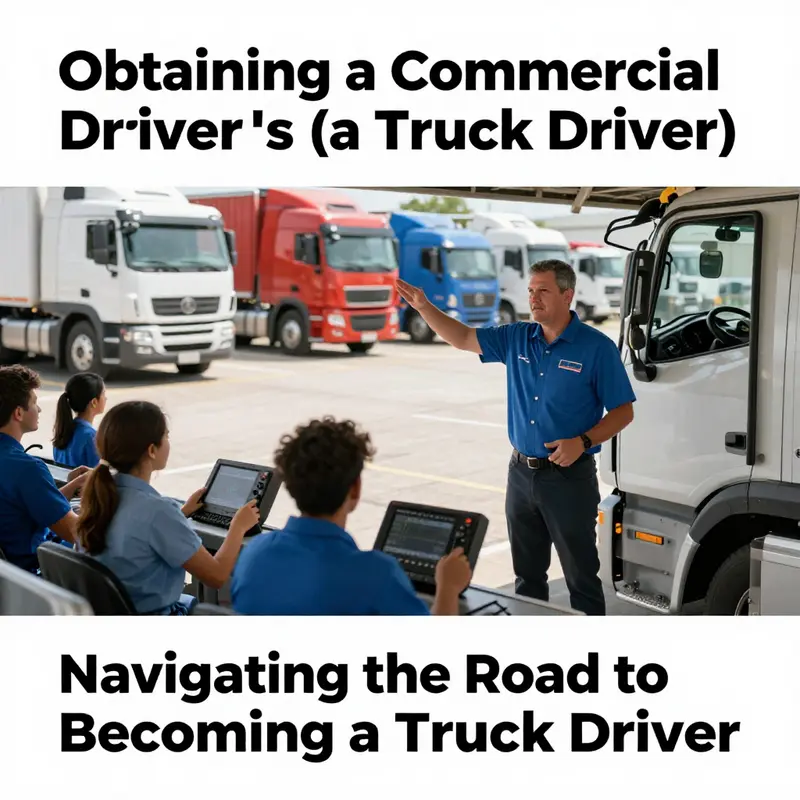
With eligibility established, the next phase is formal training. A reputable CDL training school is more than a place to earn passing marks; it represents a bridge between theoretical knowledge and practical, real-world operation. These programs organize a blend of classroom instruction and hands-on driving that covers federal and state regulations, safety procedures, vehicle systems, and the cognitive load of managing a heavy vehicle in traffic, weather, and varying road conditions. Classroom time familiarizes you with the regulatory landscape—the rules that govern hours of service, inspection routines, and the logic behind how motor carriers evaluate risk. The behind-the-wheel component builds muscle memory for managing a tractor-trailer, an endeavor that requires precision in pre-trip inspections, smooth gear transitions, and deliberate, controlled decision-making under pressure. The value of this training lies not only in preparing you to pass the exams but in instilling a safety-first mindset that becomes second nature when you are miles from the nearest shelter and responsible for cargo, equipment, and the safety of others on the road. The process culminates in two parallel but distinct examinations: a written knowledge test that assesses your grasp of the rules and a skills test that verifies your practical ability to operate the vehicle. Passing the written exam requires a solid comprehension of topics ranging from basic control to vehicle inspection and safe driving practices. The road test, on the other hand, validates your capacity to perform routine operations, execute maneuvers, and demonstrate the discipline needed to respond to evolving traffic scenarios. It is a comprehensive check on how well you can translate classroom learning and on-the-road practice into reliable, safe performance in real traffic.
Beyond training and testing, medical and background checks form a crucial layer of verification. The Department of Transportation (DOT) requires a medical examination conducted by a certified medical examiner. The certificate produced by this exam attests to your health and fitness to operate a commercial vehicle. Vision, hearing, cardiovascular health, and other health markers are evaluated to ensure that the driver can perform essential tasks safely. The health standard is not merely about avoiding medical claims down the line; it is about ensuring that the driver can maintain consistent attention and physical control during long hours and across demanding routes. A clean medical profile is complemented by a clean background profile. A thorough background check helps verify identity and guard against disqualifying criminal history. While this screening can feel intrusive, it is the framework that protects both the driver and the traveling public by reducing risk factors that could compromise safety on the nation’s highways. The interplay between health and background checks underscores a broader principle: the CDL is not just a license to drive; it is a credential grounded in accountability and reliability.
As the medical and background hurdles are cleared, you reach the licensing stage itself. The CDL is issued by the state’s Department of Motor Vehicles (DMV) once you have met all tests and checks. Endorsements demand additional attention and, in some cases, more rigorous background checks. The most common endorsements—Hazardous Materials (HazMat), Tank Vehicle (T), and Double/Triple Trailers (D)—open specialized work, transporting dangerous goods, and handling more complex trailer configurations. Each endorsement expands the range of roles and cargo you can take on, but each also carries its own training and testing requirements. HazMat, for example, typically requires a more stringent background check and a separate knowledge test in addition to the standard CDL. Tank endorsements relate to specific vehicle configurations and cargo, while Double/Triple endorsements recognize the additional skill and safety concerns involved in managing longer combinations of trailers. Guidance from licensing authorities emphasizes that endorsements should align with job duties and cargo types. If your career path involves hazardous materials or specialized equipment, pursuing these endorsements early can be a strategic move, but only after you have established your core CDL credentials and demonstrated solid driving habits.
Understanding the structure of CDL classes helps illuminate the scope of your options. Class A covers combination vehicles with a gross vehicle weight rating that exceeds 26,001 pounds, typically pulling a combination of tractor and trailer. Class B applies to single vehicles over 26,001 pounds, including straight trucks and large buses. Class C addresses vehicles not covered by Class A or B but used to transport hazardous materials or more than 16 passengers, depending on the state. Some states also offer programs or testing pathways for automatic transmission vehicles, which can reduce barriers for new drivers and gradually ease them into the occupation as demand grows. It is worth noting that a driver who takes the skills test in an automatic transmission may receive a restriction on the CDL—often noted as an “E” restriction—signaling that the holder is qualified to operate automatic transmissions but not standard manual units. This distinction matters for those aiming to drive varied equipment or to maximize long-term flexibility on the road. A practical takeaway is that while the barrier to entry can feel steep, the CDL is designed to be flexible enough to accommodate different career tracks, ranging from simple point-to-point operations to long-haul, multi-state assignments.
Once you hold a CDL, the road ahead becomes a balance between ongoing qualifications and practical experience. The medical certificate that accompanies your CDL needs renewal—typically every two years, though certain health conditions may require annual updates. Maintaining a safe driving record is paramount; traffic violations, accidents, or repeat concerns can lead to penalties, insurance rate changes, or even CDL suspension. The maintenance of qualifications extends beyond the physical certificate. Continuing education, staying up to date with safety regulations, and regularly reviewing best practices in vehicle inspection and operational procedures are essential for long-term success. The discipline of ongoing learning aligns with a broader industry shift toward safer roadways and more efficient, compliant trucking operations. As you advance, you will also begin to see how endorsements and class choices interact with the availability of jobs, the types of routes you want, and the equipment you enjoy working with.
The broader policy and regulatory landscape also shapes your journey. In the Detailed Research Results, the process is framed within a context that includes evolving debates around immigration status and licensing. A notable point is that proposals have surfaced in national discussions that would affect CDL issuance for individuals who are not legally present in the country. These conversations underscore the serious nature of the CDL as a credential tied to public safety and legal eligibility. The central message remains: meeting the legal presence requirements and passing the required health and background checks are non-negotiable for real, lasting access to professional driving work. While policymakers debate how best to balance safety, security, and labor needs, the practical path for aspiring drivers stays clear: pursue legitimate licensing through established channels, complete the required tests and medical checks, and maintain a commitment to safe, responsible driving. This stability can be especially meaningful in an industry that thrives on consistency and reliability, where employers seek drivers who demonstrate steady performance, a clean record, and the judgment to handle the complexities of modern trucking.
As you consider the practicalities of this journey, a quiet, often underestimated layer emerges. The training experience you choose can either accelerate or slow your progress depending on how well it aligns with your learning style, your schedule, and your long-term goals. A strong program not only covers the mechanics of the vehicle but also builds cognitive resilience—the ability to stay focused on long trips, respond to dynamic environments, and manage fatigue and stress in a high-stakes occupation. It also cultivates professional habits: pre-trip inspection routines that become automatic, a disciplined approach to hours of service, and an understanding of how to communicate effectively with dispatchers, customers, and fellow drivers. The road to a CDL is not just about passing exams; it is about cultivating a professional identity that you will carry onto every load, every mile, and every shift. In that sense, your CDL becomes more than a credential—it becomes a framework for professional growth, a commitment to safety, and a pathway to a career that, for many, offers stability, opportunity, and a sense of independence on a large, ever-changing landscape.
If you are standing at the threshold of this path, a practical step is to map out the journey in concrete terms. Identify a reputable training program, schedule your DOT physical with a certified examiner, and plan for the written exams by collecting the necessary documentation and studying the relevant regulations and safety practices. When you move toward the skills test, proceed with deliberate practice: start with the pre-trip inspection, master the basics of vehicle control, and then build toward confident performance on the road. Consider the strategic value of endorsements that align with your intended cargo and routes, knowing that some endorsements may require additional time and background checks but can open doors to specialized positions that command higher pay or more diverse opportunities. And as you prepare, keep in mind that the CDL is a living credential. It demands ongoing attention to health, compliance, and safe driving performance. A driver who embraces continuous learning, who maintains a clean record, and who remains engaged with regulations and best practices sets a foundation not only for passing the exam but for sustaining a long, successful career behind the wheel.
In the meantime, you can start to imagine the everyday realities of life as a professional driver. The work can be demanding, with irregular hours, extended time away from home, and exposure to the elements as you navigate urban streets, rural corridors, and long interstate stretches. Yet it also offers autonomy, travel, and the satisfaction that comes from moving goods that keep communities alive. The process of becoming a CDL holder is a structured apprenticeship in responsibility—an apprenticeship that teaches you how to blend skill with judgment, how to respect regulations while keeping efficiency in mind, and how to balance the demands of cargo, equipment, and customers with your own well-being. If you treat the training and licensure journey as a professional project—setting clear milestones, pursuing practice with intent, and maintaining steady progress—you will emerge not only with a license but with a set of habits and skills that serve you well on every trip you take.
As you reach the later stages of preparation and move toward the licensing milestone, you might also consider practical ways to support your upcoming career from day one. For example, as you begin to assemble or refine your driving toolkit and cab organization, you can explore efficient, durable storage solutions that help you stay prepared and focused on the road. A well-organized truck, including reliable storage for documents, inspection tools, and essential safety equipment, contributes to smoother trips and fewer frustrations on the road. For drivers who plan to customize their rigs, a practical approach to outfitting a vehicle can blend with the broader ethos of professional driving: preparedness, reliability, and a respect for safety and policy. In this spirit, while you pursue the CDL itself, you can begin curating the practical elements of your future daily routine, ensuring that your equipment and your habits align with the standards that make you a dependable member of a truck-driver workforce. A single, meaningful step can be exploring options such as a compact, sturdy storage solution that you can rely on as you embark on your first long-haul experiences. In this journey, even small decisions matter, because they contribute to the overall reliability and efficiency that define successful drivers.
To circle back to the big picture: the CDL is the gateway to professional trucking, but it is also an ongoing commitment to learning, compliance, and continuous improvement. The process, while structured, is designed to adapt to a changing industry that values safety, efficiency, and accountability. The path you choose—how you train, how you prepare for tests, how you manage health and records, and how you pursue endorsements—will shape the early opportunities you receive and the long arc of your career. The steps are clear, the requirements transparent, and the rewards substantial for those who approach them with focus and perseverance. And as you start stepping through the gates toward licensure, remember that this journey is not a sprint; it is a measured ascent toward a professional identity built on skill, safety, and a deep respect for the road you will share with countless other drivers. When you finally hold that CDL in your hand, you will not only possess a credential; you will carry a map for a future on the highways—a map that began with eligibility, training, and the sober commitment to operate a vehicle that is as much about stewardship as it is about movement.
For readers seeking practical guidance on related equipment and organization as they prepare for life on the road, explore the broader resources that address how a driver can equip and optimize their truck for better efficiency and safety. One helpful point of reference is the topic of truck box options and related storage solutions, which can support a driver’s readiness and focus on the job. You can delve into those ideas at the linked resource: truckbox.
External resource: For official guidance and regulatory details, consult the Federal Motor Carrier Safety Administration and related licensing authorities at https://www.fmcsa.dot.gov/.
Gatekeepers of the Road: How Medical Fitness and Background Checks Shape Your Path to Becoming a Truck Driver
Entering the world of professional trucking means more than choosing a truck and learning to steer. It begins with a set of gatekeepers that ensure every driver on the road is physically capable and ethically suitable to handle long hours, tough conditions, and the heavy responsibility of moving people’s goods safely. The medical and background checks are not mere hurdles; they are the foundation of a safety culture that keeps drivers, other road users, and communities secure. When you understand why these checks exist and how to navigate them, you transform a potential obstacle into a clear, actionable pathway toward a steady career behind the wheel.
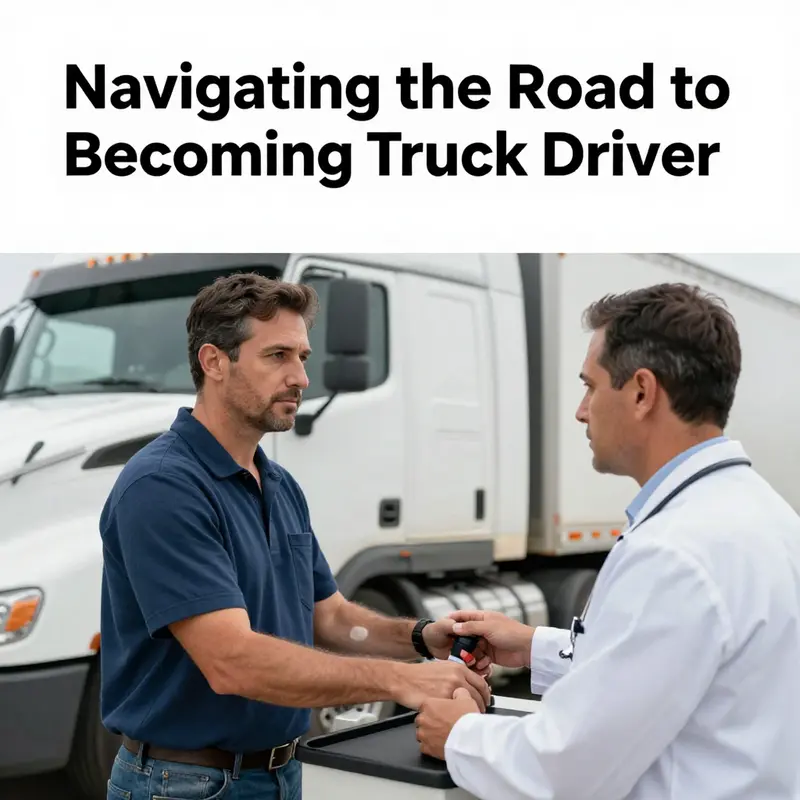
The medical requirements center on a single but expansive idea: whether a person can perform the essential functions of operating a commercial vehicle without placing others at risk. The core mechanism is the medical examination conducted by a certified medical examiner listed on the FMCSA National Registry. This registry exists to standardize care and ensure that every examiner is up to date on the latest safety thresholds and regulatory expectations. The exam itself is comprehensive and focused on real-world driving demands. Vision and hearing tests check the most basic perception skills that underlie every subsequent maneuver on the road. Small lapses in sight or sound can cascade into dangerous outcomes when a driver spends hours navigating traffic, weather, and fatigue. Beyond senses, cardiovascular health takes center stage. Hypertension, obesity, heart rhythm issues, and other chronic conditions are among the health concerns that require careful evaluation because cardiovascular events are among the most serious risks for long-haul operation. The exam also scrutinizes mental and neurological health, recognizing how stress, sleep disorders, and cognitive function can influence reaction times, judgment, and the ability to stay focused through hours of monotonous driving blended with sudden hazards.
This medical assessment is not a one-and-done gatekeeping step. The certificate you receive—often referred to as the medical examiner’s certificate or MEC—expires on a defined schedule, typically every two years. In many cases, the clock runs shorter if a health condition is present that warrants closer monitoring or more frequent re-evaluation. The two-year horizon is designed to catch developments early, because effective safety management means catching problems before they become problems behind the wheel. Even when the exam grants a clean bill of health, drivers are responsible for maintaining their health between certifications. This means adhering to treatment plans, managing chronic conditions, and staying within medically advised limits for medications that could impair driving performance. A driver who develops a health condition that could affect safety may be required to seek follow-up examinations sooner than the standard interval, and in some instances, temporary restrictions or accommodations may be put in place to preserve safety while the condition is monitored.
The process for obtaining the medical certificate begins long before a first day on the road. Prospective drivers schedule an appointment with a CME, prepare by gathering medical history, current medications, and documentation of any prior conditions. The examiner reviews medical records, conducts the physical, and may request additional tests or information if needed. The result is not a vague pronouncement but a concrete determination of fitness for duty with or without restrictions. In some cases, the examiner may approve a standard MEC, while in others there might be conditions or restrictions to accommodate specific health realities. Importantly, the medical process is designed to be fair and evidence-based. It weighs the driver’s overall health trajectory and the ability to perform the essential tasks with safety, rather than relying on a single snapshot in time.
As with any regulatory system that intersects with health, transparency and honesty are essential. Full disclosure of medical history and current treatments helps prevent later disqualifications or complications. If a course of treatment or a newly diagnosed condition emerges, proactive communication with both the medical examiner and potential employers can help preserve career momentum. It is also worth noting that the medical evaluation in the United States operates within a broader safety framework that can appear unfamiliar to individuals coming from other countries. The basic principle is universal: a driver must be capable of safe operation, with health checks designed to reflect the realities of long hours on demanding routes. For context beyond the United States, some regions maintain different thresholds or scheduling intervals, but the core aim remains consistent—protect the driver, passengers, and the public.
Once the medical certificate is in hand, the next layer of gatekeeping unfolds: the background checks. While medical fitness focuses on health, background screening concentrates on history and behavior that could compromise safety and reliability. Employers typically review a driver’s motor vehicle record, a detailed archive of past traffic violations, accidents, license suspensions, and related incidents. The MVR is a window into driving habits and risk patterns. A clean history signals reliability and consistent adherence to safety rules; repeated violations or serious accidents, especially those involving reckless behavior, can trigger closer scrutiny or delays in hiring. The MVR is not a verdict in itself; rather, it informs a company’s risk assessment and decisions about training, supervision, and ongoing monitoring.
Criminal history is another crucial element. Employers look for offenses that could indicate risk to safety or trust, particularly violent crimes or drug-related charges. The standards vary by company and by jurisdiction, but a clean record is generally favorable, whereas serious offenses can delay entry into the field or disqualify a candidate entirely. It is important to understand that many trucking jobs involve continuous monitoring and periodic checks. Even after employment begins, a driver can be subject to routine background verifications as part of compliance with federal and state requirements, which underscores the ongoing nature of safety governance in trucking.
Drug and alcohol testing forms a pillar of federal and employer-driven safety programs. Pre-employment testing is standard practice, designed to prevent unsafe practices from starting on the job. Beyond initial testing, random drug and alcohol testing is a mandated reality in much of the industry. The random nature of the program means that drivers must remain in a state of readiness, with procedures in place to address testing without compromising privacy or professional standing. The testing regime is known for its rigor and for its role in deterring impairment while on the road. Logistics companies can and do enforce consequences for positive tests or for violations of testing protocols, ranging from mandatory retraining to dismissal, depending on the severity and recency of the infraction. Drivers are advised to consult medical professionals about any prescribed medications to understand how they may interact with driving duties. Some medications carry side effects that could impair alertness, reaction times, or judgment; discussing these openly with medical professionals and employers ensures the safest possible path to employment and career longevity.
A driver’s credentials form the other half of the background picture. Verification of a valid commercial driver’s license and any endorsements is essential. CDL accuracy matters because an expired or misclassified license signals a mismatch between qualifications and the job’s demands. Endorsements, such as those for hazardous materials or tank vehicles, add layers of responsibility. They often require additional tests and stricter background checks, reflecting the higher stakes associated with these specialized loads. Maintaining current endorsements means ongoing training, record-keeping, and compliance with the latest regulations. The combination of medical clearance and clean, verifiable background credentials creates a composite profile of a driver who is not only capable of performing the daily tasks on the road but also committed to the legal and ethical standards that govern the profession.
The interplay between medical fitness and background integrity is more than a bureaucratic sequence. It is a safeguard that shapes hiring timelines, training pathways, and even the long-term viability of a trucking career. A driver who passes the medical exam and demonstrates a clean, responsibly managed history stands to begin with greater confidence from the employer and easier access to consistent work, which is critical in a field where shifts, routes, and demand can fluctuate widely. Conversely, health concerns or red flags in the background are red flags that can slow progress, necessitate rehabilitation, retraining, or alternate career planning. The goal is not to deter aspiring drivers but to align qualifications with the reality of the road: fatigue management, impairment prevention, responsible decision-making, and adherence to a robust safety standard that protects everyone on and around the vehicle.
To place this in a broader context, it is helpful to acknowledge how these standards function in practice. A driver might start with a clean slate, but life happens. A new diagnosis, a lapse in judgment, or an inadvertent violation can trigger a cascade of checks and potential adjustments to a career plan. The system, however, is designed to adapt. Medical management plans, targeted coaching, or time-limited restrictions can often restore eligibility in a manner consistent with safety. Background concerns can be addressed through counseling, rehabilitation, or evidence of sustained compliance. The overarching message is that medical and background checks are not punitive endpoints but rather ongoing, proactive instruments that help drivers maintain high performance and protect communities they serve.
The guidelines and expectations articulated here are rooted in regulatory and industry practice. The FMCSA website houses the official framework for medical certification, including who can certify and what standards apply. Similarly, carriers outline their internal requirements, which align with federal rules yet reflect the practical realities of carrier operations, fleet safety programs, and route structures. For anyone pursuing a career in trucking, understanding these requirements before stepping into a clinic or applying for jobs can save time and reduce uncertainty. It means entering training with a realistic plan for health maintenance, medication management, and a strategy for clear, honest communication with medical professionals and potential employers.
As you prepare to embark on this journey, consider the two essential rhythms of the process. The first rhythm is proactive health stewardship. This means keeping weight near healthy ranges, maintaining cardiovascular health through exercise and diet, getting regular checkups, and managing chronic conditions under medical supervision. It also means staying mindful of medications and their effects on alertness and reaction time. The second rhythm is rigorous honesty in disclosures and documentation. Full transparency about medical history, medication use, and driving-related incidents enables your medical examiner and prospective employer to assess safety precisely and fairly. When these rhythms work in tandem, you create a strong, credible profile that clears the gatekeepers and keeps the wheels turning toward steady, compliant work behind the wheel.
The road ahead after the checks is not a straight line, and it is certainly not a solitary journey. A professional driver knows that ongoing maintenance of health and a clean, traceable record are as important as skill behind the wheel. Regular renewals of the DOT medical certificate, consistent adherence to driving regulations, fluency with the rules of the road, and a commitment to continuous improvement all contribute to a durable career. The gatekeepers may be strict, but they exist to ensure that trucking remains a safe, reliable, and sustainable vocation, capable of supporting families, businesses, and communities that rely on this essential service. With preparation, honesty, and a focus on safety, the path through medical and background checks becomes less about fear of a hurdle and more about fulfilling a professional mandate with integrity.
External resource note: for a detailed description of the medical certification process and the regulatory framework, you can consult the official FMCSA medical page. This resource provides authoritative guidance on who can certify, what the exam covers, and how certification validity is determined. External URL: https://www.fmcsa.dot.gov/medical
null
null
Final thoughts
The journey to becoming a truck driver is multifaceted, with clear eligibility criteria, licensing demands, rigorous health checks, and rigorous standards for ongoing training and compliance. For business owners, leveraging this knowledge means not only finding the right drivers but also fostering a safe and compliant workforce that keeps your operations running smoothly. By guiding your prospective hires through this process, you’ll reinforce your organization’s reputation as a reliable employer, ensuring your trucking business flourishes in a competitive market.