
Starting a food truck business requires more than just culinary skills; it mandates a solid understanding of the regulatory landscape, food safety laws, and effective operational strategies. This guide will provide the essential knowledge you need to navigate the complexities of business registration and licensing, comply with food safety regulations, and achieve operational success through smart financial planning and marketing. By focusing on these three critical areas, you can turn your passion for food into a viable and profitable venture that resonates with your target audience.
From Paperwork to Pit Stops: Navigating Registration, Licensing, and Compliance on the Road to a Successful Food Truck
A food truck is more than a kitchen on wheels; it is a system of permits, registrations, and inspections that keeps customers safe, operators compliant, and the business moving. This chapter sits at the heart of that system: the paperwork that powers practical decisions from forming a business to parking at a busy corner. A clear map of registration, licensing, and compliance helps you avoid fines, informs budgeting, and shapes how you design your menu and footprint in the city’s markets. The process can feel daunting, but when read as a connected narrative rather than a checklist, the path becomes navigable and empowering.
The journey begins with business formation. Should you register as a sole proprietor, form an LLC, or choose another structure? Each option carries implications for liability, taxes, and accounting. The goal is a recognizable legal shell that allows you to operate publicly, hire staff, open a bank account, and file taxes. This step usually requires basic identification, proof of address, and a description of activities. In many places, online registration can be completed in hours, with some jurisdictions requiring additional steps such as local commerce or market supervision filings.
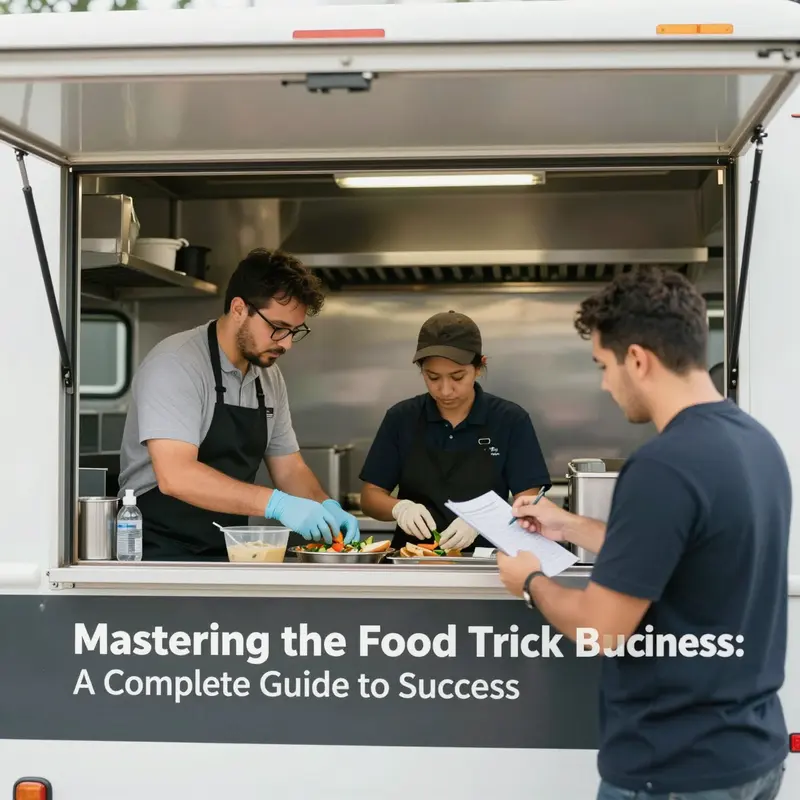
Next comes the Food Service License (or Food Operation Permit). This credential shows you meet food safety laws and public health standards. A complete application typically includes a form, a layout of the truck showing zones for cooking, storage, and sanitation, an equipment list, and a written food safety plan. Some places require a site inspection to verify layout, separation of raw and cooked foods, ventilation, cleanable surfaces, waste disposal, and hygiene practices. A well-prepared plan can make approval feel achievable rather than nerve-wracking.
Health is central to food operation permissions. The Health Certificate (or Health Permit) confirms that staff handling food are fit for work. It often requires renewal on a schedule set by the health authority and can influence hiring, onboarding, and scheduling. The practical effect is to produce a reliable, health-conscious team that can adapt to fast-paced service.
Vehicle compliance and registration connect licensing to daily operations. If your truck is built from a modified van or truck, you’ll need commercial registration and modifications that comply with safety standards. You may also need a special operating permit recognizing your vehicle as a mobile food unit. At the same time, safe refrigeration, waste disposal, and ventilation matter for inspections and customer safety.
Municipal permits for fixed or designated locations determine where and when you can operate. Permits specify operation areas, hours, and fees, balancing vendors with city needs like cleanliness and noise. Securing a permit may involve a competitive process or a simple application. Operating without one can lead to fines or shutdowns. Map high-traffic windows and align your permit strategy accordingly, as conditions shape your business model and pricing.
Tax registration follows the license. Open a tax account and choose a regime; some operators favor small-scale schemes, others a general taxpayer status. Keep books that track location-based revenue, costs, labor, and overhead, then translate these into monthly cash flow. Good tax planning from day one pays off as you scale or run multiple locations.
Operational planning and cost management tie licensing steps into a launch plan. Core categories include the truck build, essential equipment, initial inventory, and licensing fees. Build a baseline revenue model to answer: how much must you sell daily to cover fixed costs? How do labor and equipment upgrades affect margins? A practical framework helps avoid overreach while you learn market dynamics.
Menu design and location strategy stay aligned with compliance. Limit the core menu to a few signature items to ensure quality and reduce waste. Use a triangular positioning approach—focus on high-footfall zones like offices, schools, and transit hubs—while staying mindful of competition. Price to protect margin (often 35–45%), and ensure packaging, allergen labeling, and hygiene meet local rules. The synergy between compliance, menu, and location turns forms into an actionable operating blueprint.
Grounding these ideas in practice means treating steps as an integrated lifecycle: formation, licensing, health, vehicle, and location permits. A prepared file with layouts and certificates speeds inspections and launch. Financial forecasting becomes sharper, and feedback from customers and staff can refine your menu and service model for future markets. Compliance becomes a compass, not a cage, guiding responsible growth.
For further practical context, TruckBox offers hands-on insights into equipment planning and how it intersects with licensing and safety. See TruckBox resources at https://trucksdiy.com/blog/truckbox/ for a concrete lens on safety, efficiency, and service speed in real-world kitchens.
null
null
Operational Momentum: Finances, Strategy, and Brand That Drive Your Food Truck Startup
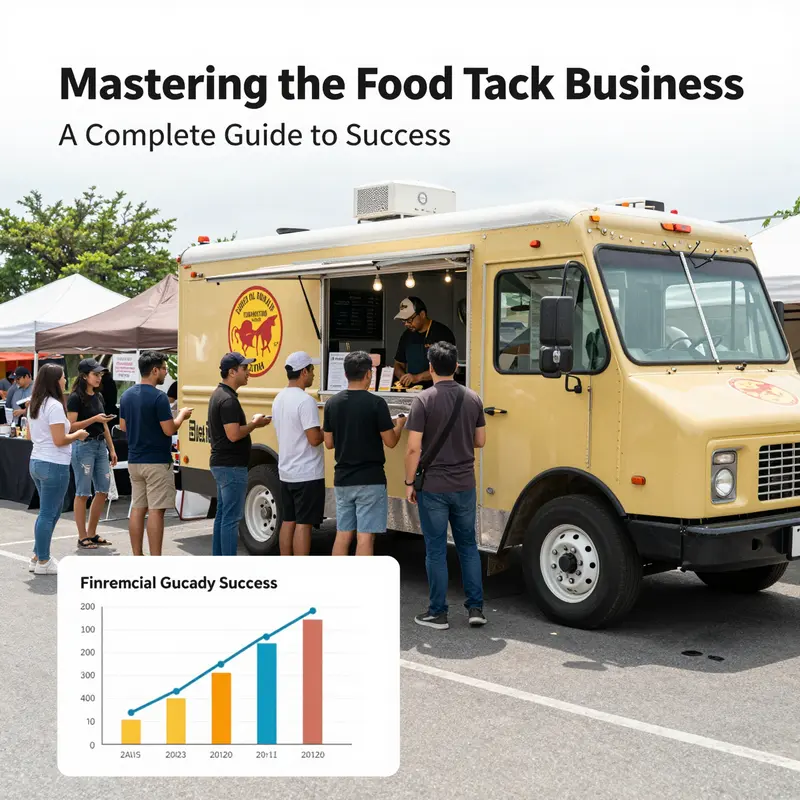
When you finally roll your permit through the city, pin down a location, and load your first bag of ice into the cooler, the hardest work often shifts from getting licensed to getting paid. A food truck lives at the intersection of quick-witted operation, disciplined money management, and a brand that people want to chase down the street. It is possible to launch a truck with a vivid menu and a bold idea, but sustainable success hinges on a careful harmony of financial planning and marketing strategy. This is not just about staying afloat for a few months; it is about creating a repeatable model that turns daily traffic into reliable cash flow and a loyal customer base. To build that momentum, you need a plan that translates the regulatory steps you’ve already completed into a living, breathing engine of revenue, margins, and growth.
Begin with the budget as a living document rather than a one-time checkbox. Start by naming the big-ticket costs that anchor your launch. The truck itself represents the largest line item, whether you lease, buy, or retrofit a used vehicle. Equipment—the fridge, the stove, the grill, the hood, the fire suppression system—should align with a menu of 3 to 5 signature items that you can consistently prepare in a compact space. Licenses, insurance, and initial inventory are not afterthoughts; they are the gatekeepers that ensure you can operate legally and with confidence. In this context, the numbers you were shown in the planning phase matter. If you’re following a common budgeting framework, you can model startup costs in the neighborhood of a fixed core plus contingency for the first 90 days of operations. A representative sketch might place startup costs around a total near the low six figures in local currency when you include vehicle modification, essential equipment, licensing, and initial stock. The exact figures will vary by city, by the scale of your truck, and by the level of outfitting you choose, but the discipline is universal: be precise about what you invest upfront and capture every outgoing expense in a schedule that you review monthly.
From there, turn to ongoing operational expenses. A fleet of numbers becomes your compass. Fuel, maintenance, and insurance are predictable costs you can model with historical data from similar operations in your city or, if you’re starting from scratch, a conservative estimator based on your planned routes and hours. Staffing is more than wages; it’s the glue that holds your service level together. If you’re starting with a small crew, identify whether you’ll rely on part-time workers at peak times or a core team with flexible hours. Include payroll taxes, benefits where applicable, and any scheduling software or point-of-sale fees that affect margins. Ingredient costs, or the cost of goods sold, should ideally align with a target range that keeps your gross margin within a comfortable band. A practical target is a food cost in the mid-30s percentage range, with labor and overhead occupying a similar share, but your numbers must be tuned to your menu, your market, and your operating tempo. When you build these projections, do not assume a smooth month from the start. Plan for seasonality, local events, and the inevitable hiccups that can tighten cash flow. The more transparent you are with these variables, the easier it becomes to adjust pricing, menus, or locations before an imbalance becomes costly.
The real power of a well-crafted financial plan, however, lies in its ability to illuminate the break-even point—the moment when revenue covers all operating costs. A cash-flow-driven forecast helps you see where the truck starts producing profit on a daily basis and, crucially, how long it takes to reach that moment after launch. Break-even analysis is not merely a math exercise; it is a practical tool for decision-making. It tells you how many meals you must sell on a typical day, in a typical week, at a given price, to cover costs. If you find the break-even line towering over your expectations, you have a signal to reexamine your menu, your labor model, or your top operating hours. Conversely, if you hit break-even quickly, you gain the flexibility to accelerate growth—perhaps by extending hours or adding a second location, if permitted. In either case, you gain clarity that reduces the fear that often accompanies the earliest days in food service.
A realistic revenue model becomes the backbone of your marketing strategy as well. The classic recipe—high-quality food, a memorable brand, and smart pricing—needs structure to convert interest into actual purchases. One practical approach is to frame your week around core locations and peak windows rather than chasing every available event. The idea is not to avoid opportunities but to prioritize those that deliver the best balance of high foot traffic, manageable competition, and favorable permit requirements. In this regard, a technique often described in industry playbooks is to map the “triangular” movement of customers: anchor your truck near a combination of office districts, schools, and transit hubs, while avoiding direct competition within a short radius. This strategic positioning reduces head-to-head battles with other vendors and increases the likelihood that people will discover your truck on days when they are hungry and time-constrained.
Pricing, too, deserves the same disciplined lens. Rather than chasing the lowest price in town, calibrate your prices to reflect value while preserving healthy margins. A practical rule of thumb is to price items at a level that sustains a 35% to 45% gross margin, taking into account waste, spoilage, and the costs of run-and-gun preparation in a mobile kitchen. You can blend this with a market-responsive approach—pricing that nudges mid-day traffic with promotions and preserving higher-value offerings for dinner crowds or special events. The key is to keep your pricing simple and understandable for both customers and staff. Menu design supports this by limiting complexity: a small set of signature items simplifies cooking and inventory management, reduces waste, and speeds up service, which in turn improves throughput and customer satisfaction.
In the realm of marketing, a durable brand is built through consistency, storytelling, and an omni-channel touchpoint that makes your truck memorable. A brand is not just a logo; it is the intersection where color, language, and experience converge to create recognition. The physical presence—the truck design, the uniforms, the packaging—must reinforce the same story that you tell online and at events. A cohesive branding strategy makes it easier for people to remember you, revisit you, and recommend you to friends. The social layer should be intentional rather than accidental. Create a light but sustainable social presence that showcases your menu and the people behind it. Use platforms to reveal daily specials, share behind-the-scenes moments, and celebrate your team’s commitment to cleanliness and quality. A strong social presence amplifies the effects of your in-person interactions and can drive a steady stream of customers during off-peak hours.
Your marketing strategy should also extend into community engagement. Participation in local events can yield high visibility and valuable feedback, but it requires preparation. For example, rather than saying yes to every festival, assess each opportunity against your cost of participation, expected foot traffic, and the likelihood of converting those visitors into repeat customers later. A well-timed appearance at a school fundraiser or a neighborhood market can anchor your brand in a community corridor that becomes a reliable source of steady customers. The beauty of community-driven marketing lies in its potential to grow through word of mouth, which is often the most cost-efficient form of promotion for a small operation. Collect feedback on each appearance, track which items perform best, and apply those insights to refine both your menu and your service pace for the next event.
The digital feedback loop is an essential companion to the physical presence. Collect customer data with consent, observe which items travel best, and analyze peak times. Your goal is not to chase every trend, but to understand which trends align with your brand and your cost structure. Data should inform not only product selection but also scheduling and location. If a menu item becomes a consistent crowd-pleaser, you may scale its production and rotate other items to manage waste. If a location consistently underperforms, you adjust by adjusting hours, subbing items, or moving to a different venue while staying aligned with permits and safety requirements. This is where the synergy between financial discipline and marketing intelligence becomes most powerful: when you know what drives revenue, you know where to invest your time and resources.
Among the practical tools that help keep the plan alive is a simple, repeatable workflow for inventory and procurement. A weekly replenishment cycle tied to your menu reality reduces waste and protects margins. You should also standardize your sanitation and food safety practices, because any lapse here erodes trust and invites costly penalties. The management of risk overlaps with marketing: a well-run operation conveys reliability, which encourages customers to rely on you during regular lunch hours or at a recurring weekly market.
When it comes to equipment and outfitting, the choices you make today influence the feasibility of every future adjustment you might want to make. A practical reference point is to consider the logistics of storage, cooking, and service within your truck’s limited footprint. You may want to consult a practical guide on truck boxes to ensure you choose configurations that support fast assembly and consistent line flow. For a concise overview of what to consider in containerized storage and modular layouts, you can review a focused resource on the truck boxes, which provides concrete ideas for where to place cooling units, dry storage, and prep space while maintaining safe, efficient workflows. This kind of reference acts as a bridge between your financial plan and your day-to-day operations, ensuring that your investment yields tangible returns rather than collecting dust in a corner.
As you calibrate your plan, keep a living calendar of milestones. The initial weeks demand tight control of costs and rapid learning about customer preferences. By the end of the first quarter, you should be able to point to measurable indicators: daily sales, average order value, item popularity, peak hours, and the margin you are achieving on each ticket. If this early data suggests you are not reaching targets, you still have time to pivot. You might adjust the menu to bake in more high-margin items, shift hours to match foot traffic patterns, or explore a few new locations with permitted hours that align with your existing customer base. The most resilient operators treat their business model as a continuous experiment rather than a fixed plan. They iterate, measure, and reallocate resources in response to what the data reveals, maintaining the agility needed to thrive in a crowded street-food market.
In all this, remember that the goal is not to conquer every street corner on day one. It is to build enough momentum to sustain the business, maintain compliance, and gradually expand your footprint in a way that preserves quality and profitability. The relationship between finance and marketing is not a series of independent steps; it is a feedback loop that, when tuned correctly, accelerates growth. A well-financed launch reduces the stress that can derail a fledgling operation, while a coherent marketing plan ensures that the money you spend yields customers who return and spread the word. The path from budget to bite is a journey of disciplined execution, deliberate branding, and a readiness to learn from the market and from your customers. If you carry these elements forward with care, every day on the curb becomes not just a service moment but a proof point that your food truck is a viable, valued part of the local dining scene.
As an ongoing touchstone for readers who want a practical, actionable framework, consider a structured budgeting model that integrates your startup costs, fixed and variable expenses, and a forecast of revenue across typical week patterns. Such a model helps you articulate a credible plan to lenders or partners, while also guiding daily decisions around menu design and staffing. And because a truck operates at speed and scale, your branding must be legible in a single glance, your pricing should be transparent and fair, and your food should be consistently excellent. A strong brand that people recognize, a sound financial plan that protects margins, and a flexible, data-informed marketing approach together create a durable engine for growth. In short, you build momentum not by a single stroke of luck but by a disciplined cadence of planning, testing, and refining. The city’s streets reward operators who show up prepared, who treat customers with respect, and who balance speed with quality. When you do, your food truck becomes more than a business—it becomes a reliable, beloved part of the urban palate.
For readers who want to explore a practical reference on financial planning specifically tailored to food trucks, a credible starting point is a detailed guide that outlines budgeting, forecasting, and cash-flow management in actionable terms. This resource helps translate the concepts above into templates you can adapt for your own launch. You can also find a broader discussion of marketing strategies for small food businesses that emphasizes brand storytelling, social engagement, and event participation as driver of repeat business. As you proceed, keep in mind that every city has its own quirks and requirements; you should verify local policies and permit structures as you refine your plan. The real reward comes from turning the plan into consistent practice—every week, every shift, and every interaction on the curb strengthens your business foundation and accelerates your ability to scale.
Internal link reference (for readers who want a practical equipment perspective): truck boxes guide.
External resource for further reading on financial planning: https://www.thebalancesmb.com/food-truck-financial-plan-4158037
Final thoughts
Launching a successful food truck business is a multifaceted endeavor that requires understanding the legal landscape, prioritizing food safety, and implementing solid operational strategies. By diligently following the steps laid out in this guide, from navigating the complexities of business registration and food safety regulations to focusing on sound financial planning and effective marketing techniques, aspiring food truck owners can establish a thriving enterprise. Remember, compliance with regulations not only protects your business but also builds customer trust. Embrace your culinary passion, stay committed to excellence, and your food truck journey can lead to lasting success.