

In today’s competitive business landscape, operational flexibility is a critical asset. For businesses that rely on transporting equipment, such as contractors, outdoor enthusiasts, or delivery services, investing in a modular roof rack system can greatly enhance logistics and efficiency. A modular roof rack provides a customizable framework that can be adapted for various uses, allowing you to easily switch between carrying bikes, cargo boxes, or other gear. This article will explore the numerous benefits of modular roof racks, delve into material considerations for their design, evaluate load capacities and performance options, discuss installation and customization processes, and examine current market trends and innovations that are shaping the future of modular roof racks.
Rugged Versatility: Redefining Cargo Freedom with Modular Roof Racks

Across the vehicle landscape, modular roof racks have emerged as more than a cargo carrier. They are a flexible framework that shapes how people think about space on four wheels. Rather than a single fixed tray, these systems invite a dialogue between your vehicle and your gear, letting you swap, add, or remove components to match the week’s plan. The result is a quiet shift in how one experiences travel, from a weekend escape with bikes and camping gear to a weekday commute that doubles as a delivery run. What makes this approach compelling is not just the ability to carry more, but the ease with which the system can be tuned to carry exactly what is needed, when it is needed, without compromising the vehicle’s core balance or its efficiency on the road.
At the heart of modularity is adaptability. The core is simple: a couple of transverse bars across the roof, plus a well-engineered set of mounting points, quick-release clamps, and issue-spotting accessories. From the first installation, it becomes clear that the system is designed to respond to real-life rhythms. A rider who spends Saturdays cycling can attach a bike carrier with minimal fuss, then switch to a cargo box or a ski rack as the season changes. A family planning a road trip can transform the same setup to accommodate suitcases, tents, and gear for a week away. This isn’t about owning a single solution; it’s about owning a framework that morphs with purpose. The modular approach makes sense for anyone who tries to balance a busy schedule with a desire to venture outside the daily routine.
The practical appeal of adaptability extends beyond mere variety. When a system is designed with interchangeability in mind, load management becomes a matter of deliberate choice rather than compromise. The weight distribution on a roof matters for handling, especially at highway speeds or on winding roads. A modular rack enables thoughtful distribution: heavier items can sit lower and closer to the vehicle centerline, while lighter accessories are placed toward the edges to preserve balance. This thoughtful placement reduces the risk of sway and preserves predictable steering behavior. It also means the vehicle remains stable when braking or cornering, which is essential for safety on long journeys or when negotiating unfamiliar terrain on a weekend excursion. The system’s designers emphasize how even weight distribution improves overall handling, not just cargo capacity. In practice, that translates to fewer surprises when the road dips or climbs, and more confidence during a spontaneous detour.
Aerodynamics does not disappear with a rugged framework, but it is addressed through a carefully engineered profile. Modular systems today aim to slip through the air with minimal drag, using streamlined crossbars and attachable components that sit flush with the roof line. The goal is to reduce wind resistance without sacrificing utility. For frequent travelers who log long miles, even modest improvements in drag translate into measurable fuel savings over time. Those gains compound with the weight savings from lighter materials, which further enhance performance. It is a reminder that modularity can harmonize with efficiency, not stand in opposition to it.
Installation and removal are where many would-be adopters decide whether a system is right for them. A truly modular rack is purposely designed to be user-friendly. It should require only basic tools and a short sequence of steps to attach, reconfigure, or remove components. The emphasis is on speed and simplicity, enabling daily commuters to switch from “geared up for the weekend whim” to “clear the roof for a quiet weekday drive” without turning the process into a chore. The modular approach also reduces the habit of leaving gear mounted when it isn’t needed, which protects the roof surface and minimizes the risk of damage from wind gusts or road debris. In a sense, such a system becomes a daily helper rather than a weekend luxury, offering a practical path to keep a vehicle’s standard form while expanding its function.
Durability is another pillar of this design philosophy. Materials selected for modular racks balance strength with manageable weight. Aluminum, often treated for corrosion resistance, provides a robust option that resists the elements while helping keep weight down. Some systems use advanced composites or reinforced alloys to maintain stiffness and durability under load while resisting flex and sag under long-haul journeys. The construction emphasizes rugged joints, secure fasteners, and protective finishes that guard against road salt, rain, and sun exposure. A rack built with this mindset not only withstands the rigors of outdoor use but also holds its shape and performance after years of frequent assembly and reconfiguration. When combined with solid mounting hardware and dependable accessory interfaces, the result is a reliable workhorse that remains easy to operate regardless of the weather or the miles logged.
Integral mounting points are the hidden strength of modular racks. These interfaces are designed to accommodate a broad range of accessories—from bike carriers and ski racks to cargo boxes and specialty trays—without forcing users into a single accessory family. The beauty of this system lies in its compatibility with a growing ecosystem of add-ons, enabling users to tailor their setup for specific activities and seasons. The mounting points are positioned to maximize stability while preserving roof-line aesthetics, so the rack does not look like an add-on but rather a purposeful extension of the vehicle’s design. With this approach, users can build a multi-objective transport solution that aligns with a trip’s demands, whether it’s carrying gear in one season or streamlining groceries in another.
A common question concerns load capacity. Modular racks are built to accommodate high payloads, and many systems offer options capable of handling substantial weight for adventurous use cases. While exact figures depend on the model and the vehicle’s roof structure, there are configurations that support hundreds of kilograms when paired with appropriate mounting and weight-distribution strategies. This level of capability enables serious outdoor adventures, such as extended expeditions or rugged trips that involve bulky gear. Yet it remains equally important to respect the vehicle’s own limits and local regulations. A thoughtful approach to capacity means choosing a rack intended for the expected load, using correct distribution, and ensuring that the vehicle’s roof rails or mounting surface is rated for the combined weight of rack and cargo. The result is a system that expands capability without compromising safety, a core promise of modular design.
Real-world usage often reveals the true value of modularity. Consider a weekend itinerary that includes mountain biking, a picnic, and a portable tent. A modular rack makes it simple to switch from bike carriers to a robust cargo box, freeing interior space and preserving cabin comfort. The same system can reappear a few weeks later for a family ski trip, where skis, boots, and winter garb demand different geometry. After the trip, components can be removed or stowed away, leaving a clean roof and a vehicle that drives like it did before. For the daily driver who toggles between errands and excursions, this adaptability translates into time saved, fewer compromises, and a vehicle that truly adapts to the owner’s life. The design philosophy resonates beyond the garage; it touches the rhythm of daily travel, the cadence of weekends, and the ambition of longer journeys.
For readers seeking practical mounting considerations and deeper technical context, there is a wealth of guidance that extends beyond the immediate purchase. A deeper dive into roof-mounted systems and how they integrate with existing roof structures can be found in an in-depth resource on roof racks. This guide offers practical insights into fit, compatibility, and ongoing maintenance that complement the high-level benefits described here. To explore more on this topic, you can visit the detailed overview at roof racks.
As the landscape of outdoor equipment evolves, modular roof racks stand out by offering a scalable solution aligned with how people live and travel. They invite experimentation, encourage efficient use of space, and empower vehicle owners to embrace a wider range of activities without owning a dozen separate carriers. The idea is simple yet powerful: a modular system grows with your needs, helps you distribute weight wisely, and keeps the adventure within reach—whether you are chasing a distant peak, chasing a timeline, or simply chasing the next weekend escape. In this light, modular roof racks are less a single product category and more a philosophy of transport that respects safety, efficiency, and the endless variety of our everyday journeys. For those who want a reliable, configurable way to extend a vehicle’s utility, the modular approach offers a clear pathway to more capable, more adaptable travel. For a more technical examination of the practical specifications and real-world performance, a respected automotive resource provides detailed context on how these systems are evolving and how they perform in demanding conditions.
Material Alchemy for Modular Roof Racks
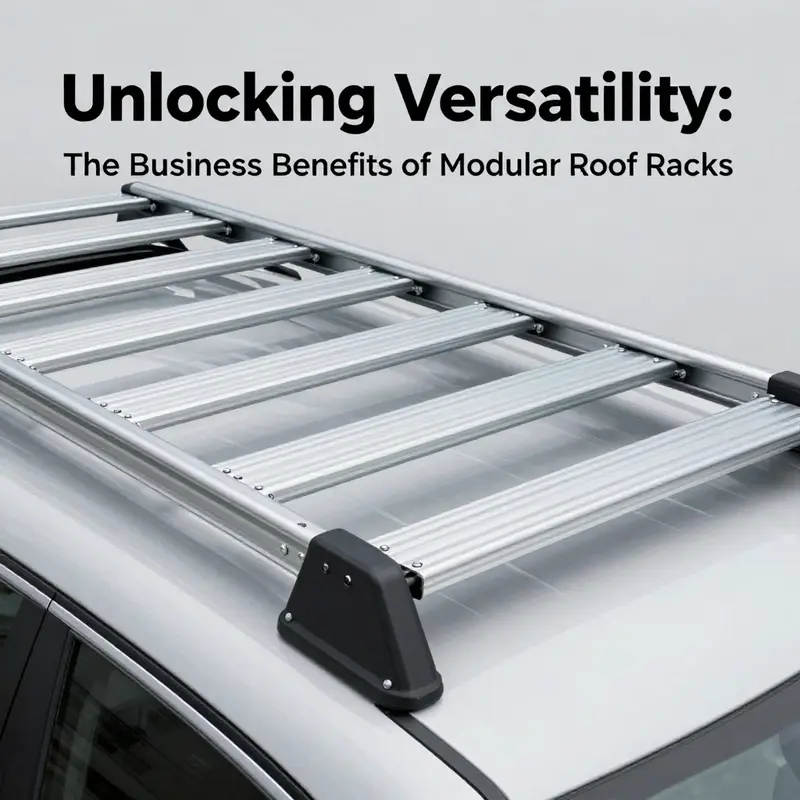
Material choice is the quiet engine behind every modular roof rack system. It determines how much gear can travel with you, how smoothly the system can be reconfigured for different adventures, and how long your rack will stand up to the road, the weather, and the occasional mishap. A modular rack is not just a single rigid frame; it is a family of interoperable components that must work together to handle varying loads, dynamic forces, and aerodynamic demands. The material at the heart of that system influences every interface: the crossbars that bear the weight, the mounting clamps that attach to the vehicle, the channels that guide modular add-ons, and the protective coatings that resist corrosion. In practice, the material sets a boundary around what can be done with interchangeability, what kind of loads can be carried safely, and how efficiently the system behaves at highway speed.
Aluminum alloys are the most common starting point for modular roof racks. The appeal is straightforward: a high strength-to-weight ratio means you can keep the weight aloft without adding excessive load to the roof. The lighter profile translates into better fuel economy and reduced stress on the vehicle’s roof structure over long trips. Aluminum also offers excellent corrosion resistance, a critical factor for gear that spends time in rain, snow, salt, and humid environments. From a manufacturing perspective, aluminum is relatively forgiving to machine and form, enabling tighter tolerances for modular joints, clamps, and quick-release interfaces that are central to a rack’s reconfigurability. Within the frame of a modular system, aluminum often supports integrated features such as track-based or clamps-based attachment points, which allow accessories to slide in or be swapped out with minimal tools. The material’s malleability also supports low-profile, aerodynamically minded geometries that help keep wind noise down and drag modest—qualities that compound the long-distance efficiency benefits of modular designs.
For heavier-duty use cases, high-strength steel remains a strong option. Steel’s edge lies in its robust load-bearing capacity and high impact resistance. In environments where a rack must endure rugged handling or frequent heavy-duty cycling—think long-haul work fleets or expedition-style setups—steel can provide an extra margin of safety. While heavier, proper steel construction can resist deformation and fatigue better in certain dynamic scenarios. The trade-off is not trivial: increased weight imposes a higher static load on the roof and can slightly worsen on-road efficiency. In modular systems, steel is often reserved for critical load paths, quick-release mechanisms, and anchor points that must tolerate repeated, high-stress cycles. The result is a hybrid approach—aluminum where weight and corrosion resistance matter most, steel where strength and persistence under stress are paramount.
Composite materials, including fiberglass-reinforced polymers, are quietly reshaping the conversation about modular racks. Composites can deliver impressive weight savings and excellent environmental resistance, offering corrosion-free performance that can outlast traditional metals in certain climates. The energy of a frugal, weight-conscious design often flows well with composites, enabling intricate shapes that minimize drag while preserving strength. Yet composites bring their own realities: higher material costs, more specialized manufacturing, and repair or replacement considerations that can complicate field service. In a modular system, composites can be superbly suited for specific modules—curved panels, streamlined end caps, or lightweight accessory carriers—where the goal is to shave every gram without compromising rigidity. The design challenge then shifts toward ensuring joint resilience, predictable behavior under cyclic loads, and long-term environmental stability.
Beyond the raw properties of each material, standards and regulations shape how designers translate those properties into safe, reliable systems. In the European context, compliance with regulations that govern roof rack safety, crash behavior, and load distribution pushes engineers to validate how every material choice translates into real-world performance. In North America, guidelines focused on dynamic and static loads help ensure that racks behave predictably under gusts, road shocks, and vehicle maneuvers. Material selection is inseparable from these standards because the way a rack dissipates energy, distributes weight, and resists deformation under crash-like scenarios depends on the exact combination of alloy, thickness, coating, and connection geometry. The interplay between material science and regulatory expectations is not a theoretical concern; it is a practical driver of how modular systems are designed to protect both the vehicle structure and the payload.
From a design standpoint, modularity hinges on standardized interfaces. The goal is to allow a single frame to accept a suite of accessories—bikes, boxes, tents, and more—without compromising strength or aerodynamics. Standardized mounting interfaces, whether they rely on universal crossbar systems or rapid-release clamps, support true interchangeability. Integrated features such as lockable clamps, weather seals around joints, and well-tuned tie-down points enhance security without creating drag or complexity. A well-thought-out material strategy underpins these interfaces: aluminum’s lightness makes frequent reconfiguration feasible; steel’s durability guarantees long service life at critical joints; composites can optimize contours around the most aerodynamically sensitive areas. In practice, the strongest modular systems weave material choices into every bolt, every clamp, and every carrier slot, so that swapping a bike rack, a cargo container, or a rooftop tent does not compel a full teardown and rebuild.
For readers considering how to choose or configure a modular system, a practical first step is to imagine the typical use case: how often the rack is reconfigured, what loads are most common, and the environmental context. If the priority is maximizing payload without compromising vehicle dynamics, a design that uses aluminum for the mainframe with steel reinforcements at critical joints can offer an efficient compromise. If the mission profile includes repeated heavy-duty cycling and rugged terrain, steel-focused constructions or reinforced composites in the most stressed regions may be warranted. Conversely, if weight savings and long-term corrosion resistance are paramount, composites can be employed in secondary structures or in non-load-bearing enclosures where rigidity is still essential. The beauty of modular design is that it does not force a single material choice onto every function; it enables a tailored blend that respects both performance and practicality.
Engineering Strength and Flexibility: How Load Capacity Shapes the Performance of Modular Roof Racks
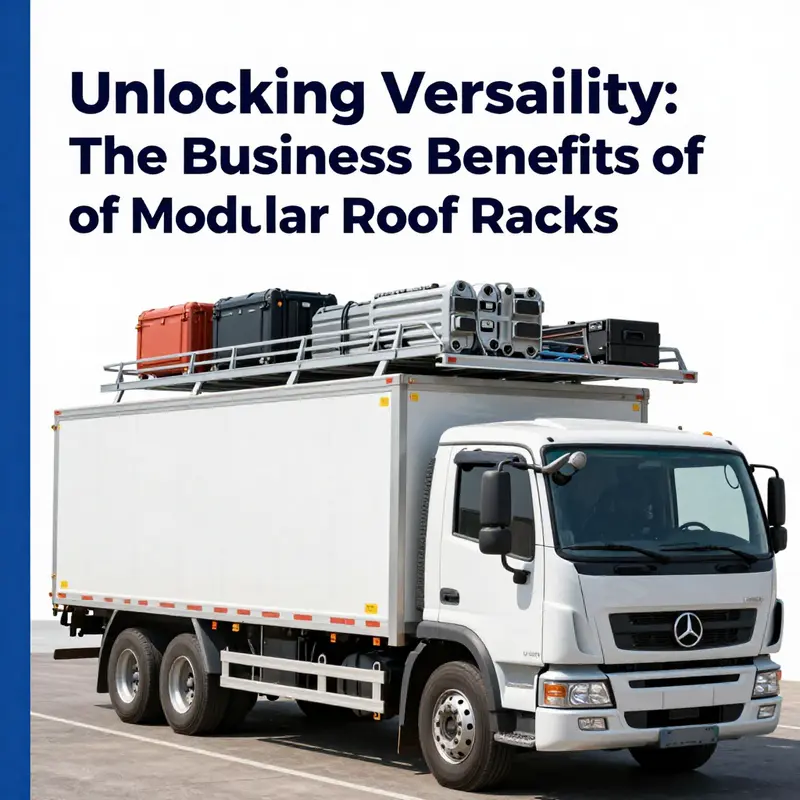
Modular roof racks are more than a bundle of crossbars. They are a framework that reshapes how a vehicle carries gear, turning a basic roof line into a scalable cargo platform. The essence of their value lies in load capacity and how that capacity is realized during movement. A system designed to be reconfigured allows a user to tailor the rack for a kayak one day, a ladder the next, or a camping setup with rooftop storage the following afternoon. That adaptability, however, does not come without careful engineering. Strength must be balanced with weight and with the vehicle’s own dynamics. Aerodynamics can’t be ignored, because every kilo of payload interacts with wind and drag. In practice, the best modular racks treat load as a distributed effect rather than a single point of stress. They channel weight through multiple contact points, across different rails and crossbars, so gusts and bumps don’t suddenly magnify forces on a small area. This careful distribution is what lets a rack remain stable without sacrificing handling or fuel economy during long trips or rugged trips alike. A well-tuned modular system thus reads as a living compromise between capability and restraint, offering room to grow without demanding a compromise that undermines the vehicle’s integrity.
Load capacity figures for modular racks typically span from 75 kg to 150 kg, depending on a design’s geometry, mounting method, and how weight is distributed across the roof. Those numbers are not arbitrary window-dressing; they reflect both test conditions and practical experience. The rating assumes an even spread of load across crossbars and anchor points. When weight concentrates on a single corner or is stacked unevenly, stress concentrations rise and the safe limit can shrink quickly. This is where the art of loading becomes as important as the science of the rack itself. Vehicle designers and rack engineers count on a predictable load path—gear resting on a basket, secured with ties and pins, and the coupled crossbars transferring force to the roof rails, then into the vehicle’s structure. When users respect that path, the system behaves as intended, with stability that remains consistent from highway speeds to coarse gravel. Conversely, disregard for distribution, or underestimating how dynamic forces work at speed, can erode the margin of safety that the rating implies.
Material choice plays a decisive role in how a rack meets its stated capacity and how it ages under exposure. Aluminum frames offer a favorable combination of strength and lightness, reducing the payload penalty on the vehicle and diminishing the inertia that needs to be managed during acceleration and braking. Steel frames can deliver higher stiffness and potential load margins, but they bring additional weight and potential corrosion concerns unless protected by coatings. The modular concept tends to favor crossbars with well-engineered profiles and robust fasteners that promise secure clamping and repeatable assembly. Integrated locking mechanisms contribute not only to theft deterrence but to the integrity of the load path itself, since a secure attachment resists micro-movements that could loosen clamps over time. The capacity of a system depends on how well each component tolerates fatigue, jackknifing in corners, and thermal cycling. In other words, the rack’s real-world performance emerges from the harmony of materials, geometry, and the quality of the connections that bind every piece together.
Fitment with the host vehicle becomes more nuanced as the system grows more modular. Roof rails or tracks must accommodate a spectrum of attachment options, and the spacing between crossbars matters as much as the crossbar strength. Correct alignment with the vehicle’s roof contours facilitates even load transfer and reduces the risk of leaks at mounting points. Aerodynamics play a quieter but important role: a rack that minimizes wind separation and uses slender, well-contoured crossbars will tend to add less drag and wind noise, preserving a more comfortable ride. The design ethos favors components that tuck into the roofline when not carrying bulky gear, yet still allow quick and reliable reconfiguration when the adventure shifts from a canoe trip to a workday ladder swap. A thoughtful modular system effectively becomes an extension of the vehicle’s existing architecture, rather than a bulky afterthought that fights the car’s own form and function. In this light, the best racks invite users to plan configurations with a view toward distribution, stability, and economy, rather than simply chasing higher numbers on a spec sheet.
The practical range of configurations is what gives modular racks their real-world value. Cargo baskets widen the deck to keep small items secure and accessible, while side-mounts and ladder supports reallocate load to safer regions of the roof and away from delicate roof components. Add-ons like solar panel mounts or auxiliary lighting bring new demands on the load path and require careful weighing of both tool weight and wind area. Each accessory changes the overall wind drag and center of gravity in measurable ways, so industry leaders emphasize modularity that does not force users into a single, static topology. The most capable systems provide clear guidance on maximums for each configuration and offer straightforward means to switch from one setup to another without compromising fasteners or seals. In other words, modularity here is not just about swapping parts; it is about maintaining a coherent, repeatable, and safe load path as the rack morphs to meet evolving needs.
Installation quality is inextricably linked to performance. A rack marketed as a simple bolt-on upgrade gains actual value only when installation follows precise steps: proper torque on fasteners, accurate alignment with the roof line, and verification that the roof structure can sustain the intended loads. Different mounting strategies—whether clamp-based, track-based, or bolt-through—shape how weight travels from the gear to the roof itself. Ongoing maintenance becomes part of the routine: inspect fasteners for loosening, check for corrosion on metal surfaces, and ensure seals around attachment points remain intact to prevent water intrusion. In harsh environments, checks should become more frequent, since sun exposure, road salt, and off-road vibrations can accelerate wear. The modular design invites experimentation, but it also commands disciplined practice. The strongest configuration is the one that survives both miles of highway and miles of rough terrain, verified under real conditions rather than just in laboratory tests. This is why the chapter on load capacity remains tightly tied to installation technique and ongoing care, because neither dimension exists in isolation.
From a user perspective, performance translates into predictability. Adventurers want confidence that gear will stay put during off-road angles and windy straights alike. Fleet operators demand a consistent payload profile that does not degrade handling or increase maintenance costs. The modular approach excels when the user population rotates between activities and need states—camping, work, and sport—so swapping attachments becomes routine rather than disruptive. With well-designed interfaces, users can reconfigure gear without re-torquing all fasteners or re-checking weight distributions from scratch each time. This is where modular systems prove their value: the capability to adapt to a changing plan while preserving the integrity of the load path and the vehicle’s safety margins. In the broader arc of this article, the discussion of load capacity thus feeds into how designers create a coherent ecosystem of components that can be trusted on long journeys and in demanding environments. For readers seeking a practical orientation on mounting options and configurations, our roof racks guide offers a structured overview of the available approaches and how they relate to different vehicle platforms. roof racks
External reference: https://www.thule.com/en-au/vehicles/toyota/hilux/roof-racks
Foundations in Focus: Installing and Personalizing Modular Roof Racks for Flexible, Safeguarded Cargo

A modular roof rack offers more than extra space; it provides a flexible philosophy for how a vehicle carries gear. The core idea is simple yet powerful: a sturdy crossbar framework forms a reusable backbone that can be reconfigured with a growing library of accessories. Instead of a single, bulky basket that dictates what you carry, a modular system invites you to tailor the cargo solution exactly to today’s mission. This makes sense for anyone who spends a lot of time on the road, bouncing between daily commutes and weekend expeditions, because it preserves the vehicle’s profile and preserves interior space when the roof is clear. Installation centers on a few reliable touchpoints: secure mounting to the factory roof system, a robust, corrosion-resistant frame, and a smart harmony between load distribution and aerodynamics. When these pieces align, the system feels almost invisible while performing at a high level, and that balance matters as much as raw capacity.
The installation landscape for modular racks is designed to be approachable without sacrificing safety. Most systems are built around crossbar rails that anchor to factory points or existing roof rails. The emphasis is on compatibility—OEM brackets and clamp-based fittings that avoid drilling or permanent modifications. This preserves both warranty and structural integrity, letting a vehicle owner experiment with layout and gear without permanent commitments. For a broad range of pickups and sport-utility platforms, the goal is to mount a solid foundation first, then add components as needed. The experience is as much about confidence as capability: you want to hear a quiet, deliberate click as clamps seat, and you want torque values to be a clear part of the routine. Tightening to manufacturer-recommended specifications, often with a torque wrench, is not merely pedantry; it’s the safety margin that keeps everything from shifting during sudden stops or gusts of wind.
Material choice also shapes the installation and performance equation. Aluminum is the most common answer when weight matters as much as strength. It resists corrosion and keeps the overall mass down, which helps with handling and fuel efficiency. Composite or mixed-material rails can offer a different balance of stiffness and cost, but the overarching rule remains the same: select a system engineered to work with your vehicle’s roof geometry and intended load spectrum. In practice, this means choosing crossbars with a tested load rating and a design that minimizes flutter at speed. A well-engineered modular rack doesn’t just hold cargo; it behaves, from the driver’s seat, like a natural extension of the vehicle.
From a fitment standpoint, modular crossbars are most often designed to align with familiar roof rail grids or fixed mounting points across a wide range of vehicles, including mid-size pickups and larger SUVs. The aim is a predictable base that you can count on in varied conditions. Installation begins with a careful assessment of roof geometry: confirm the distance between rails, check for any contour channels, and ensure that the surface is clean and dry. Then line up the crossbars so that weight is distributed evenly and the front-to-rear alignment respects the vehicle’s aerodynamics as well as the cargo you plan to haul. The process is procedural but not rigid; it’s about maintaining a steady rhythm: position, secure, torque, recheck. The end result should feel solid to the touch and stable in motion, with no unusual creaks or flex under load.
Customization is where modular racks truly come alive. A core advantage is the ability to attach a broad spectrum of accessories directly to the crossbars. A weatherproof roof box can turn the top of the rack into secure, protected storage for clothes, camping gear, or emergency supplies. Bike carriers are a natural pairing for cyclists who need a simple, quick-release system that protects both the rider and the bike. For water enthusiasts, kayak or canoe carriers offer a secure cradle that keeps gear off the glass and away from the interior. Ski and snowboard racks with padded clamps and aerodynamic covers can minimize wind noise while keeping delicate equipment protected. And for loose or oddly shaped items, cargo baskets or nets on the periphery of the crossbars help tame the chaos of a busy weekend. The breadth of options means you don’t have to own a single mission to justify the carry system; you can tailor the setup for each adventure, then strip it back down when it’s not needed.
The process of selecting and attaching accessories is not about chasing the highest capacity at all costs. It’s about balancing load with safety and efficiency. The rated weight you see on a component matters, but so does weight distribution along the rails. A common mistake is loading unevenly or placing heavy items too far forward or aft, which can alter handling and travel dynamics. The modular approach helps here because you can reconfigure in minutes to rebalance. It’s also practical to prioritize items that nestle into existing shapes or mount points—keeps the profile lower and reduces potential drag. For many drivers, a practical rule of thumb is to start with a primary accessory (such as a weatherproof box or a bike carrier) and build outward, testing each addition for stability and clearance. If you’re new to the system, it’s worth reviewing the installation guide for your vehicle’s roof rail geometry and the accessory’s mounting pattern; many kits have subtle but important fit notes that prevent common conflicts, like rail-to-box interference or clamp misalignment.
A note on integration with vehicle features: modern roof rails and mounting systems are designed to work with existing car features such as door seals, gutters, and sunroofs. The line between structure and style can blur when the rack is installed. A thoughtfully configured modular system respects these boundaries, preserving seal integrity and minimizing the chance of wind noise or turbulent flow. The payoff shows up on the highway where the system, if properly installed, behaves as a quiet, predictable platform rather than a disruptive appendage. When it comes to maintenance, periodic checks matter as much as the initial setup. Re-torquing bolts after the first few drives, inspecting clamps for signs of wear, and ensuring the crossbars remain parallel to the roof are simple steps that pay dividends in reliability. A quick wipe-down to remove salt or road grime also extends life in exposure-prone environments.
This approach is particularly relevant for readers who want to translate modular principles into real-world routines. For daily commuting, the modular rack remains mostly out of sight but ready to reintroduce capacity when needed. On weekend trips, it becomes a dynamic platform that supports different cargo envelopes—whether that means a robust set of outdoor gear, a cargo solution for a car camp, or a combination of both. For those who pursue more ambitious overland adventures, modular systems shine by allowing a staged build: start with essential gear, then incrementally add specialized components as routes and priorities evolve. The result is a flexible, resilient cargo architecture that respects the vehicle’s core design while extending its practical reach.
To connect these practicalities to a broader, user-oriented context, consider that this chapter sits within a larger conversation about adaptable vehicle equipment. The modular rack is not just a product; it is a philosophy of transport that prioritizes removable, reconfigurable, and scalable solutions. For more on practical accessory ecosystems and how a modular approach can be integrated with broader loading strategies, you can explore related discussions in the roof-rack space. See the overview of roof racks for trucks to understand common interfaces and mounting concepts that underpin these designs. roof racks
For readers seeking a concrete external reference that dives into official guidelines and installation sequences, the industry-standard cautions and torque specifications are summarized in professional maintenance and installation resources. An authoritative external resource offers detailed procedures and safety considerations that complement hands-on experience with DIY setups. External reference: https://www.toyotapartsandaccessories.com/fj-cruiser-roof-rack-installation
In the end, the modular roof rack embodies a practical balance between rigidity and flexibility. Its elegance lies in the simple truth that cargo methods should adapt to the user, not the other way around. The right combination of crossbar geometry, connector hardware, and accessory layout makes the system feel almost invisible while delivering a tangible boost in capability. When done well, installation never reads as an afterthought, but as a deliberate sculpting of space that respects the vehicle, the driver, and the gear. The result is a versatile platform that grows with the owner’s ambitions, turning every trip—whether a weekday commute or a weekend escape—into a manageable, purposeful journey.
Raising the Roof: How Modular Rack Systems Forge Smarter, Greener Vehicle Storage
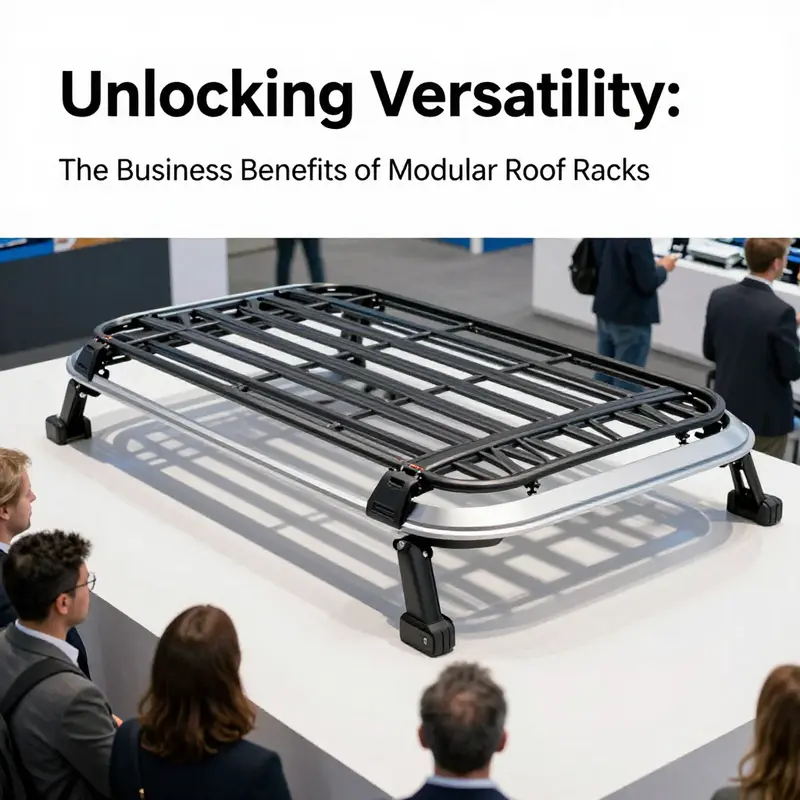
A modular roof rack is more than a bundle of crossbars and clamps. It is a living framework that grows with a user’s needs, echoing a broader shift in how people conceive of built environments. In the automotive world, the roof is no longer just a surface to pack gear; it is a dynamic platform that can be reconfigured, upgraded, and even integrated with energy and sensing technologies. This chapter traces the current currents shaping modular roof rack design and the market forces pulling them toward greater resilience, efficiency, and intelligence. It is a story of additive adaptability that connects the practicalities of daily use with the sweeping changes already transforming construction, manufacturing, and urban living. The essence is simple: when the rack on top of a vehicle can be rapidly adjusted to carry bikes, cargo boxes, skis, or specialized equipment, the vehicle becomes a more capable extension of a user’s life. Yet the real transformation lies in how these modular systems are conceived, produced, and certified to meet a future in which performance, sustainability, and data-driven maintenance matter as much as raw strength. At the heart of this evolution is modularity as a design philosophy. Rather than a single, monolithic assembly, modern roof racks are composed of standardized, factory-fabricated elements that can be shipped to a site and assembled with minimal on-site labor. The benefits are as pragmatic as they are powerful: construction timelines shrink, and quality control tightens because each component is manufactured under uniform conditions. The result is a system that can be tailored in minutes instead of weeks, allowing a user to swap from a bike carrier to a cargo box or add a ski rack with little more than a few connectors. In a broader sense, this mirrors a general industry move toward module-integrated metal roofing and similar prefab concepts that are reshaping how people think about space, cost, and deployment speed. The implications for vehicle mounting are meaningful. For fleets and individual owners alike, modularity translates into fewer inventory constraints, easier customization for seasonal needs, and a lower friction path to compliant configurations that respect load limits and safety standards. The road to higher performance, then, is paved not with heavier components but with smarter connections, lighter yet stiff materials, and reconfigurable layouts that minimize downtime. The choice of materials is a critical lever in this equation. Aluminum alloys with high strength-to-weight ratios are increasingly favored for crossbars, clamps, and rail systems because they resist corrosion while keeping overall weight manageable. In the push toward more durable, long-lasting systems, aluminum-magnesium-manganese alloys stand out for their combination of rigidity, impact resistance, and lightweight character. This class of materials helps maximize payload capacity without sacrificing fuel efficiency or handling, a consideration that looms large for any user who drives frequently with a fully loaded rack. Alongside these material choices, the industry is not standing still on energy. Solar integration, once the province of architectural roofs, is migrating into roof structures in a form that supports self-sustaining operation and reduces the environmental burden of travel. Conceptually, the idea is straightforward: by embedding photovoltaic elements into or alongside the roof rack framework, a portion of a vehicle’s energy use can be captured in places where roofs are already exposed to sun. This is not about replacing the engine’s power source but about offsetting peak daytime consumption for ancillary systems, charging auxiliary batteries, or supporting portable power needs on weekend expeditions. While specific product names are not the focus here, the trajectory is clear: roof systems are increasingly designed with energy capture and management in mind, turning the roof into a small, efficient energy platform that complements the vehicle’s core capabilities. The third strand of current innovation is sensing and smart diagnostics. The modern roof rack is becoming part of a networked ecosystem that can monitor its own health and performance. Embedded sensors collect data on load distribution, impact, temperature, and potential leaks or structural strain. Pairing this hardware with AI-driven diagnostics and drone-assisted inspections enables predictive maintenance with a precision once reserved for industrial plants. In practical terms, this means a rack can alert a user or fleet manager to signs of wear before a problem becomes visible, allowing preemptive reinforcement or replacement. The promise is not only greater safety but a significant reduction in long-term operating costs, because preventive care is cheaper and less disruptive than reactive repairs. The market supports this vision through a broader emphasis on sustainability and lifecycle accountability. Green-building standards and environmental reporting have become central to procurement decisions, even in the context of mobile storage solutions. In the last few years, the global modular building market—an umbrella category that includes roofing systems—has been forecast to grow substantially, underscoring a trend toward methods that shorten project timelines, reduce on-site waste, and lower carbon footprints. The implication for roof racks, transposed to the automotive and light-duty sectors, is clear: modular, prefabricated components with sustainable materials, longer lifespans, and smarter maintenance routines will be favored by consumers and businesses alike. Standardization and certification play a crucial enabling role in this environment. When universal criteria govern connection points, load ratings, and safety testing, manufacturers can expand into new markets with less friction, and customers gain confidence that a system will perform as promised. In North America, the involvement of recognized testing and standards bodies and the growing visibility of industry expos help accelerate adoption and knowledge transfer. Events that showcase innovations—ranging from self-healing materials to advanced drainage and weather-resilience solutions—provide essential platforms for cross-pollination and learning. For readers who want a quick entry into current configurations and installation options, a practical gateway is the Roof Racks resource, which offers accessible overviews and guidance. Roof Racks is a concise reference point, linking practical how-tos with real-world setups. As these systems converge with the broader shifts in architecture and construction toward prefabrication, digitalization, and sustainable design, the modular roof rack becomes a microcosm of a larger transition. The same drivers that are pushing modular, factory-fabricated roofing and smart diagnostics in buildings are influencing how we think about storage on top of vehicles. In a way, the roof rack is a portable, adaptable scaffold that travels with the user—capable of reconfiguration as needs evolve, capable of integrating energy and sensing technologies, and designed to endure through changing weather and usage patterns. This coherence across form, function, and longevity is what makes the modular approach so compelling. It also explains why the market expects continued growth, even as preferences shift toward lighter components, easier assembly, and smarter maintenance workflows. The industry’s momentum toward sustainability does not come at the expense of performance. Rather, the data show a complementary arc: stronger materials enable higher loads; smarter systems reduce the risk of failure; and prefabrication shortens lead times while cutting waste. Combined, these factors deliver a rack system that is not only more capable but also more responsible in its environmental and economic footprint. The aim is not to prescribe a single path but to illuminate a spectrum of compatible trajectories—each one aligning with the shared objective of safer, more efficient, and more adaptable vehicle storage. In the end, the modular roof rack is a practical embodiment of a broader shift in how we build, move, and sustain our daily lives. It speaks to a future where the roof becomes a flexible platform for mobility, energy, and intelligence. As demand grows for faster, smarter, and greener buildings, the same logic applies to the space above our heads when we travel. The result is not a luxury feature but a foundational element of modern mobility—one that will continue to evolve as materials advance, as sensing and AI improve, and as standardization lowers the barriers to innovation. External insights from industry gatherings and forward-looking research illuminate the path ahead, reminding us that the best solutions will blend utility with responsibility, speed with precision, and modularity with durability.
External resource: https://www.internationalroofingexpo.com/
Final thoughts
Adopting a modular roof rack system is a strategic move for business owners aiming to enhance their transportation capabilities. These versatile systems allow for simplified changes in configuration depending on the equipment being carried, promote safer transport with optimized load capacities, and offer robust customization options for various vehicle types. As market trends continue to innovate around materials and designs, investing in a high-quality modular roof rack will not only streamline operations but also improve overall efficiency. The future of business logistics looks brighter with adaptable solutions today.