
Introduction
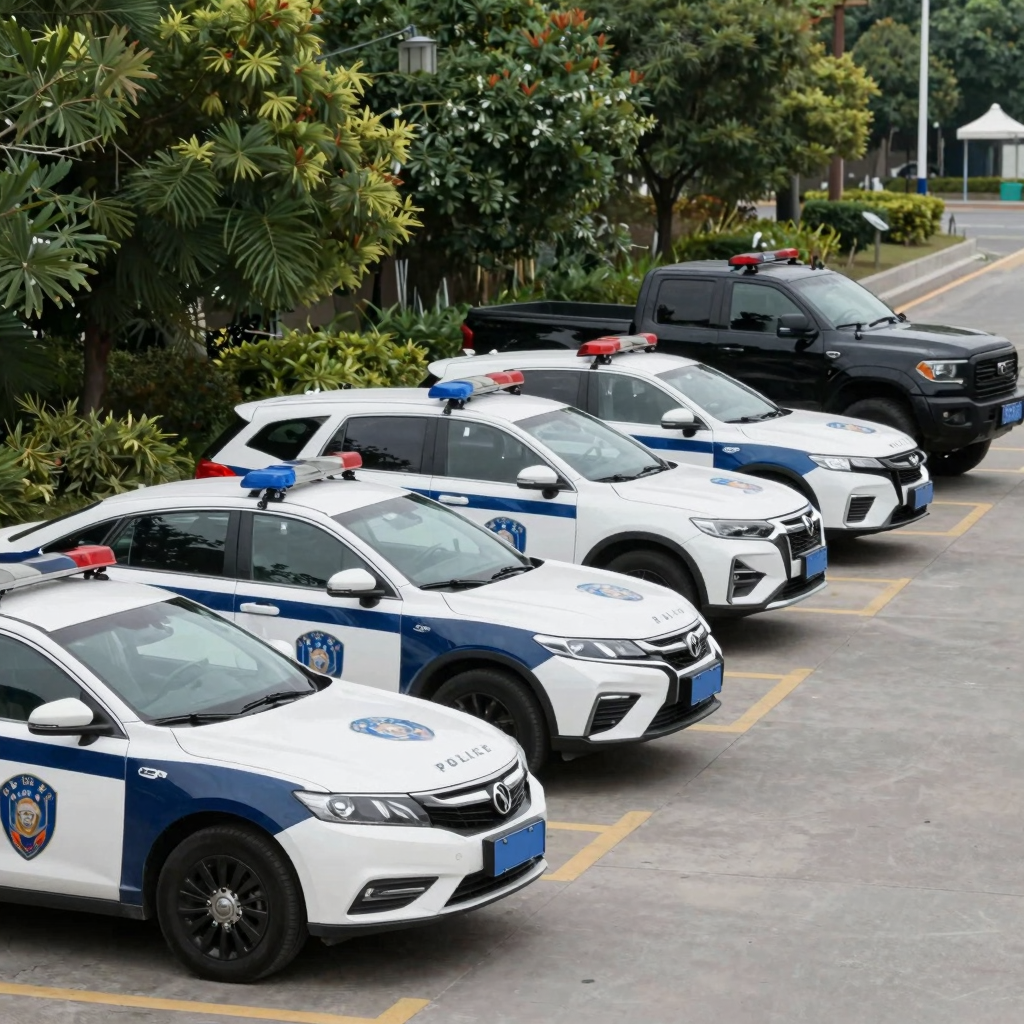
Have you ever noticed the striking absence of police pickup trucks on our roads? Unlike their more common counterparts, such as the traditional police sedan or SUV, pickup trucks seem underrepresented in law enforcement fleets. This rarity piques curiosity: what are the driving forces behind this phenomenon?
One prevailing explanation lies in the operational requirements of police work, where maneuverability, fuel efficiency, and urban responsiveness are oftentimes prioritized over the rugged utility of a truck. Additionally, the public perception of police vehicles heavily influences procurement decisions, as departments aim to maintain a specific image in the communities they serve. The trend seems to lean towards vehicles that embody speed and agility rather than raw power. In this article, we’ll delve deeper into the reasons behind this phenomenon, exploring how police agencies choose their vehicles and what the implications are for both law enforcement and the automotive industry. For further insights on utility and performance accessories for vehicles, check out our accessories blog.
Join us as we unpack this intriguing topic and uncover the dynamics at play in the realm of police vehicle selection.
Reasons Why Police Departments Favor Cars and SUVs Over Pickup Trucks
-
Cost Efficiency: Sedans and SUVs generally have lower purchase and maintenance costs compared to pickup trucks. Police departments often favor vehicles that can reduce total operating expenses, as highlighted in this analysis.
-
Maneuverability: Cars and SUVs offer superior handling and speed, allowing officers to navigate urban environments more effectively. Pickup trucks may struggle with tight spaces and require more room for turning.
-
Fuel Economy: With rising fuel costs, departments prefer vehicles that provide better fuel efficiency. Modern sedans and hybrids save on fuel expenses, making them more financially sound choices for daily patrols and responses, as detailed in this cost-efficiency study.
-
Public Perception: The sleek design of cars and SUVs might be perceived as less intimidating and more community-friendly compared to traditional pickup trucks.
-
Functionality for Patrol: Sedans and SUVs provide adequate cargo space for equipment and personnel while maintaining performance needed for high-speed chases and pursuits, unlike pickup trucks which are often reserved for specific operational roles such as rural patrols or utility tasks.
Operational Needs of Police Vehicles: Cars vs. Pickup Trucks
When it comes to police vehicles, specific operational needs dictate a preference for cars over pickup trucks in many scenarios. Key attributes such as speed, maneuverability, and space for equipment heavily influence the choice between these two vehicle types.
Speed and Maneuverability
Police operations often require rapid responses, especially in urban areas where quick turns and swift acceleration are critical. Sedan-style police cars are designed for high-speed pursuits and are equipped with lower centers of gravity, which enhance their handling characteristics and cornering stability. For instance, a comparative study revealed that sedans can achieve average pursuit speeds of around 78 mph, making them ideal for high-stakes situations where every second counts.
In contrast, while pickup trucks may offer greater cargo space, they typically lag in acceleration and agility. Their larger sizes and weight can hinder their ability to navigate tight spaces swiftly, which are frequent in urban policing environments. Reports from the National Law Enforcement Technology Center (NLETC) emphasize the superiority of sedans in maneuverability during pursuits, especially in congested areas.
Space for Equipment
On the other hand, pickup trucks excel in cargo space, providing officers ample room to carry essential equipment like body armor, medical kits, and other tactical gear. They can offer up to 50% more cargo capacity than standard sedans, allowing for better organization and quick access to critical gear during incidents. This feature is particularly beneficial for specialized units, such as SWAT or K-9 teams, where bulky equipment is standard.
In summary, while pickup trucks have their place, particularly in rural or specialized missions, the operational needs of police-speed and maneuverability-often align more closely with traditional police cars, making them the vehicle of choice for routine urban patrols.
| Vehicle Type | Cost (USD) | Fuel Efficiency (MPG) | Suitability | Key Advantages |
|---|---|---|---|---|
| Sedans | $30,000 | 20-25 | Urban | High fuel efficiency; agile handling in city traffic; lower maintenance and acquisition costs; ideal for routine patrols and high-speed pursuits in confined areas. |
| SUVs | $50,000 | 15-20 | Urban/Suburban | Excellent visibility and interior space for equipment; better ground clearance for rough terrain; enhanced safety ratings and all-wheel drive options; suitable for diverse patrol environments. |
| Pickups | $55,000 | 10-15 | Rural | Superior towing and cargo capacity; rugged durability for off-road and unpaved roads; ideal for emergency response in remote or challenging terrains; excellent load-bearing capability for heavy gear and equipment. |
Sources:
- Police Vehicle Cost & Performance Trends – 2026 Report
- Fuel Economy Data – National Law Enforcement Fleet Survey 2025
- Vehicle Suitability by Terrain – U.S. Department of Justice, Office of Community Oriented Policing Services (COPS)
Recent Trends in Police Vehicle Procurement
In 2023, law enforcement agencies across the United States and beyond have shown a significant shift in their vehicle procurement strategies, particularly leaning towards high-performance vehicles like pickups, SUVs, and electric models. Here’s a summary of the current trends:
-
Prevalence of Vehicle Types: Recent procurement reports indicate that approximately 80% of police vehicles are either SUVs or sedans, with a growing interest in electric vehicles, such as the Ford F-150 Lightning Pro SSV and Chevrolet Silverado EV PUV, designated specifically for police use.
-
Specialty Vehicles: These account for nearly 67% of total procurement, emphasizing the increasing reliance on specialized vehicles equipped for various tasks. This includes surveillance, communications, and rapid response.
-
Rise of Pickups: Notably, pickups have emerged as a favored option for many departments, particularly in rural or challenging terrains. They are being utilized for patrols, special operations, and logistics. In some reports, the demand for pickups surged to 23%, reflecting a substantial increase from previous years.
-
Electric Vehicles: The trend is also moving towards energy-efficient models, with significant investment in electric pickups that help reduce the overall cost of ownership and provide a quieter operation, crucial for tactical situations.
This shift in procurement strategy highlights an overarching trend towards versatile, durable, and environmentally friendly vehicles in law enforcement. For further insights on how these vehicle types can enhance operational efficiency, you can learn more about police vehicle accessories.
Additionally, organizations looking for more options can explore custom solutions for their fleets with specialized commercial vehicle racks.
The type of vehicle used by law enforcement significantly influences community perceptions of the police. Traditionally, police cars equipped with distinct markings and lights are viewed positively as symbols of safety and order. Research highlights that marked police vehicles foster feelings of legitimacy and trustworthiness among community members. In contrast, unmarked vehicles can often lead to suspicion or unease. Studies show that the visibility and design of police vehicles are closely linked to public attitudes towards law enforcement, with identifiable designs generating a greater sense of security and connection with the community (Public perceptions of police vehicle designs, 2018).
As police departments begin to incorporate different types of vehicles such as pickup trucks, the perception of law enforcement can shift dramatically. While the conventional police car is associated with general law enforcement duties, pickup trucks are increasingly being utilized for tasks requiring a more robust, versatile vehicle. For instance, pickup trucks are now being deployed to enhance visibility and mobility in rural or challenging terrains, which can help foster a more approachable image of the police. However, the stealthy nature of unmarked pickup trucks may create confusion, leading to mixed feelings during encounters between the community and law enforcement (Pickup Trucks Are New Police Tech to Spot Distracted Drivers, 2024).
In summary, the shift from traditional police vehicles to pickups and other vehicle types can significantly alter community perceptions. While visible, marked police vehicles typically enhance public trust and safety, the transition to different models must be managed carefully to maintain positive community-police relations. Police departments must consider these perceptions as they strategize on vehicle types to best serve and connect with their communities.
Vehicle Type Distribution in Police Fleets
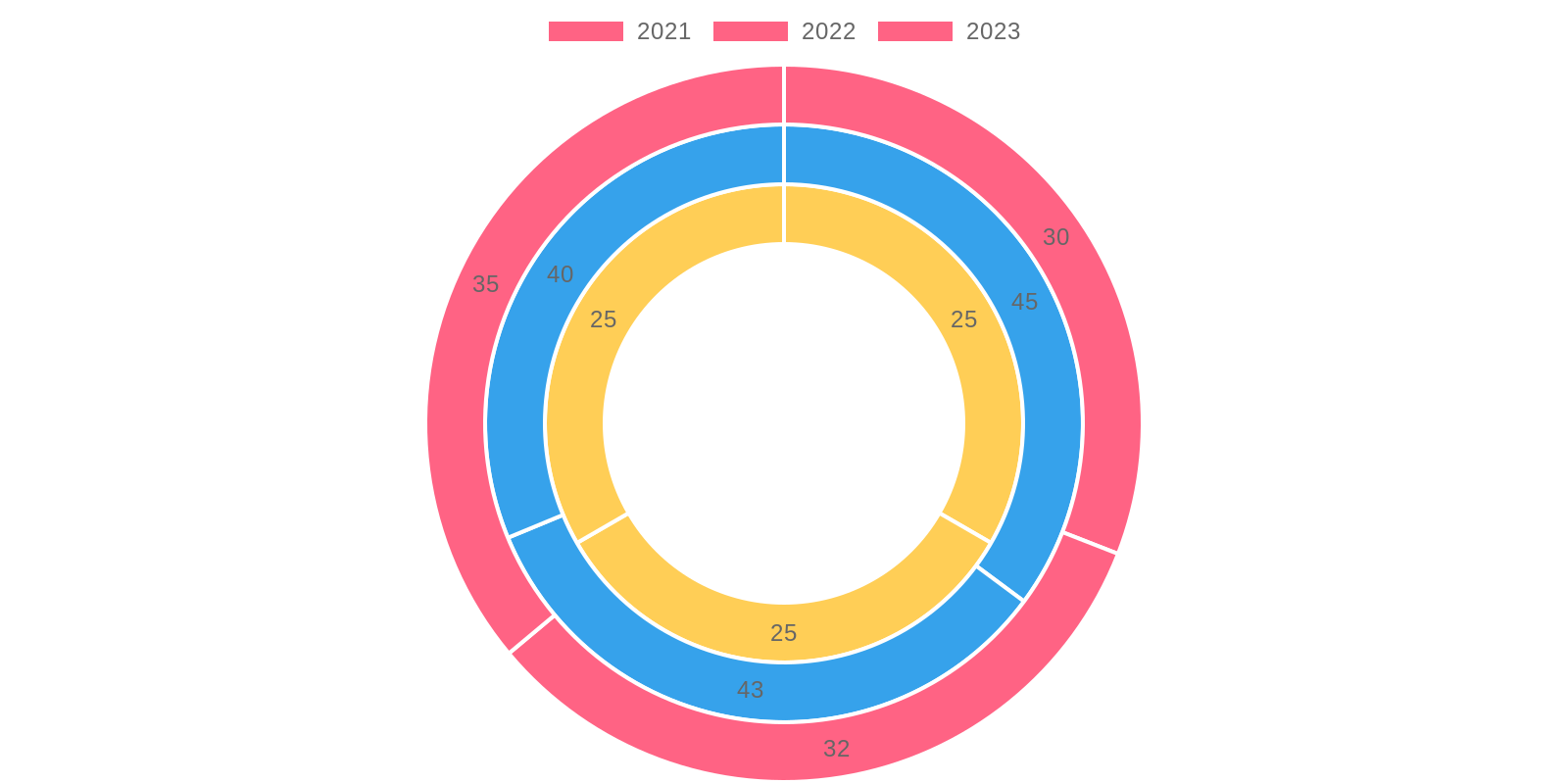
The following chart illustrates the percentage distribution of different vehicle types in active police fleets over recent years. As can be seen from the data:
| Year | Trucks (%) | SUVs (%) | Sedans (%) |
|---|---|---|---|
| 2021 | 30 | 45 | 25 |
| 2022 | 32 | 43 | 25 |
| 2023 | 35 | 40 | 25 |
This indicates a gradual increase in the proportion of trucks within law enforcement, reflecting evolving needs for versatility and utility in police operations.
For more insights into vehicle accessories that can enhance law enforcement vehicles, feel free to learn more about accessories.
According to an industry analysis published in February 2026, the choice of modern police vehicles goes beyond performance. An expert noted that, “Today’s police vehicle choices must balance safety, fuel efficiency, maintenance costs, and versatility. For instance, the Ford Explorer and Toyota Highlander have become popular among many departments due to their high safety ratings, spacious back seat, and lower long-term operating costs.” This perspective highlights the multifaceted concerns law enforcement agencies face when selecting vehicles. Learn more about police vehicle choices.
In summary, the infrequent sighting of police pickup trucks can be attributed to several practical considerations that impact law enforcement operations. Primarily, police departments favor vehicles with superior visibility, passenger capacity, and storage options, characteristics typically found in sedans, SUVs, and specialized patrol cars. Pickup trucks often lack the enclosed cabins necessary for the safe transport of suspects, making them less suitable for urban settings where maneuverability and fuel efficiency are crucial. Specialized units may utilize pickups for specific needs, such as K-9 transport or off-road duties, but these instances are exceptions rather than the rule. As the focus of modern policing shifts towards safety and efficiency, it remains evident that vehicles designed for urban use will continue to dominate the fleet. For business owners considering vehicle options, understanding these factors may inform purchasing decisions related to utility and performance. Learn more about police vehicle types.
Call to Action
Are you a business owner looking to elevate your food service game? Explore the world of premium pizza trucks at TruckPizza.net! With high-quality, customized designs that include professional ovens, refrigeration systems, and complete mobile kitchen solutions, Truck Pizza is perfect for restaurant brands, chains, and independent operators alike. The right vehicle can play a vital role in the success of your mobile business. It’s time to invest in effective transportation that meets international food safety standards and supports your culinary vision. Don’t miss out on this opportunity to enhance your operations! Visit TruckPizza.net today!