

Roof racks are indispensable tools for business owners looking to optimize their logistics and service capabilities. Whether you operate a delivery vehicle, manage field teams, or engage in outdoor activities, the use of a roof rack can significantly increase your vehicle’s load capacity. By understanding the various types of roof racks, their compatibility with different vehicles, and their impact on fuel efficiency, business owners can make informed decisions that enhance productivity and reduce costs. This article explores these essential aspects to provide a comprehensive guide for utilizing roof racks effectively in your business.
Raising the Roof: A Deep Dive into Roof Rack Types, Their Roles, and How They Enable Your Next Adventure
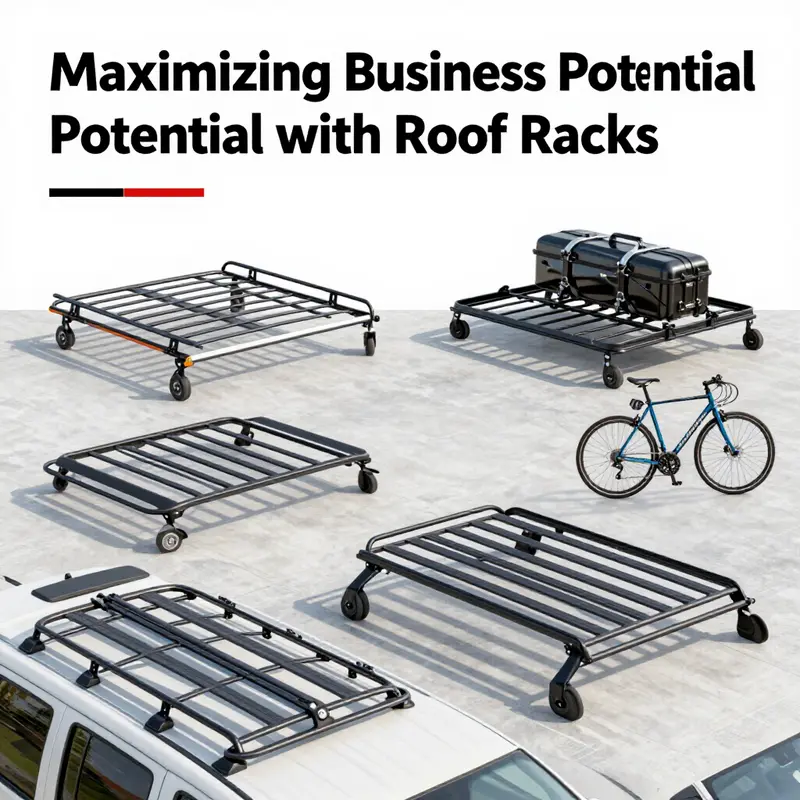
A roof rack is more than a rack. It is a philosophy of travel, a modular platform that lets a vehicle shed the limits of its interior where space is scarce and turn the roof itself into a capable cargo chamber. In the open air, where wind becomes a companion and horizons widen with every mile, the right roof rack system translates intention into capability. The conversation around roof racks often begins with size and weight, but it quickly moves toward how you live with your vehicle on the road. Are you a weekend camper who needs a roof box for extra gear, or a professional who must haul equipment with reliability and speed? The choices you make about cross bars,Can you imagine a system that adapts as your needs shift? The answer lies in understanding the primary types of roof racks and recognizing the way each type aligns with vehicle architecture, load characteristics, and the rhythm of your journeys.
The mechanical heart of a roof rack is simple in concept but powerful in consequence: a base that anchors securely to the vehicle and a set of rails or bars that distribute weight across a wide area. Across models and uses, these elements translate into a spectrum of configurations. First you have cross bar systems that span the roof and provide a universal base for a constellation of attachments. Next there are permanent, fixed racks welded or bolted into the roof structure, designed for durability and high load capacity. Detachable racks offer a middle ground, combining security with the freedom to remove when not needed. Finally, for trucks and heavy use, there are roof rack canopies or truck canopies that extend over the bed and act as weather shields and mounting platforms in a single, integrated unit. Taken together, these options form a toolkit for expanding what a vehicle can carry without sacrificing safety or efficiency.
The cross bar roof rack stands as the most versatile and commonly encountered arrangement. Two parallel bars run across the roof, creating a robust platform that many a passenger car, SUV, or van can accommodate with relative ease. What makes cross bars particularly appealing is the breadth of compatible accessories they unlock. A wide range of attachments — from rigid roof boxes that cradle soft goods and lightweight gear to bike carriers that lock bikes in for long hauls, to mounts for kayaks, surfboards, or even rooftop tents — can be mounted onto this foundation. The beauty of this system lies in its adaptability. Load versatility is the name of the game, and the cross bar system is the rolling statement of that motto. It welcomes frequent load-type changes, enabling a family packing for a weekend escape just as readily as a weekend warrior seeking to move a canoe and camping gear en route to a remote shoreline.
To see the practical impact of this setup, imagine a vehicle cruising along a scenic highway with a cross bar base supporting a weatherproof roof box on top and a pair of bikes perched at the rear set of anchors. The box expands cargo capacity without infringing on cabin space, while the bikes offer a swift, clean option for flexible outdoor itineraries. The cross bar approach also tends to be friendly to a wide range of vehicle geometries because the bars can be mounted to factory rails or aftermarket mounting points that exist on many different makes and models. The key is to respect the weight distribution and the manufacturer’s guidance, ensuring that the rails and anchors themselves are rated for the load you intend to carry and that the dynamic effects of wind and vehicle speed are accounted for. A well-engineered cross bar system becomes almost invisible in daily driving, but its influence is felt whenever you reach for the car keys with a plan to collect kayaks, a tent, or a load of gear that would otherwise crowd the cabin.
Another major category, the permanent or fixed roof rack, speaks to a different sentiment. When a system is permanently attached to the roof structure, the stakes for durability and load-bearing capacity rise accordingly. These racks are built to withstand long-term use and rough conditions, making them an attractive choice for professionals and serious enthusiasts who routinely transport heavy or bulky items. The rigidity of fixed racks contributes to stability in wind and vibration, which translates into less energy lost to oscillation and a steadier haul when hauling large cargo boxes, rooftop tents, or even small watercraft. The trade-off, of course, is permanence. Once installed, removal requires tools and time, and you may find yourself planning around the rack rather than the other way around. For the user whose pattern of trips includes repeated heavy loads, the fixed system offers a dependable backbone that remains in place, enabling predictable performance and, over the long run, cost efficiency if the rack is designed to endure.
Detachable roof racks bring a different dimension to the discussion. They combine the security and performance needed for regular use with the flexibility to disappear when the roof is not needed for extended periods. The design usually emphasizes straightforward installation and quick release mechanisms, simplifying the transition from load-ready to load-free. For drivers who value the freedom to reclaim their aerodynamics and fuel economy during ordinary commuting days, a detachable system is a compelling choice. The typical user is someone who carries various gear types but does not require year-round roof storage. The detachable approach can also be a practical solution for small or mid-size vehicles where a permanent rack could overwhelm the roof silhouette or complicate storage in a garage. Quick-release features, ease of mounting, and a balanced approach to weight capacity make detachable systems a practical middle path between permanence and flexibility.
For a different class of work and purpose, roof rack canopies extend the concept of roof storage into a broader, more protective domain. In the realm of trucks, canopies cover the bed and serve both protective and mounting functions. These structures distribute loads across a larger surface and are designed to withstand weather exposure while supporting additional racks and accessories. They are common in commercial settings, where shielding cargo from sun and rain matters as much as creating a stable platform for equipment deployment. The canopy approach is not merely about carrying capacity; it is about creating organized, weather-resistant storage and a base that can accommodate a suite of tools or equipment in field operations. In settings such as construction or emergency services, the canopy becomes part of a workflow, a modular stage for cargo handling that travels with the vehicle and keeps materials in order under demanding conditions.
With these distinctions in mind, choosing the right roof rack system becomes a matter of aligning vehicle architecture with anticipated loads, usage patterns, and long-term goals. Compatibility is the first gate to pass. Some roofs come with factory rails designed to accept cross bars or side rails with integrated clamps. Other vehicles rely on aftermarket mounting systems that adapt to a diverse range of roof shapes and curves. The installer must confirm that the weight rating published by the vehicle manufacturer is not exceeded and that the rack itself is rated to carry the intended load. The dynamic nature of loading matters as well; air resistance, wind noise, and the subtle drag created by a rack interact with speed to affect fuel efficiency and comfort. While a roof rack can feel like a small always-on addition, its effects at highway speeds are real enough to influence fuel economy and interior noise, particularly on longer journeys. When not in use, removing the rack is a savvy move to reduce drag and preserve efficiency, a practice that many seasoned travelers embrace as a routine part of road life.
Weight distribution is a central thread that ties the types together. A roof rack is only as good as its ability to keep cargo secure without inviting instability. A common heuristic is to keep the heaviest items low and centered along the car’s longitudinal axis, avoiding side-to-side asymmetry that can alter handling. Boxy loads should be restrained with appropriate tie-downs and, if necessary, with additional attachment points that the system supports. The potential for aero-induced sway grows with speed, and a well-fitted rack minimizes that risk through proper mounting hardware, tensioned straps, and an unobstructed path for air to flow over the roof. This is where the expertise of installation becomes crucial. It is not enough to own a rack; you must set it up with accuracy and diligence. The instructions that accompany any system outline weight limits, recommended riding positions, and the correct sequence of attachment and tightening to ensure that the load remains secure in a variety of driving scenarios.
Design philosophy matters as well. A cross bar system emphasizes modularity and interchangeability. It invites users to rethink what counts as cargo based on the day’s plan, moving seamlessly from a pair of bicycles to a canoe, or from a travel case to a rooftop tent. A fixed rack, by contrast, is a commitment to long-term performance under consistent load types, fostering a sense of reliability. A detachable system embraces flexibility without sacrificing safety, offering a compromise that suits people who travel irregularly but want the option to carry more when needed. And the canopy approach reimagines a truck bed as a sheltered, organized platform capable of withstanding the elements while providing a sturdy base for mounting a toolkit of accessories. In practical terms, these design choices shape not just what you carry but how you carry it: the cadence of setup and break down, the ease of changing configurations, and the mental clarity that comes from knowing the system is built to handle your expected loads.
In this landscape, the decision often boils down to a few guiding questions. How often will I use roof storage, and how varied are the items I carry? Do I need to maximize payload or minimize wind noise? Is quick removal essential for daily driving, or is a permanent frame more valuable for heavy, repeated use? How close are I to a storage or workspace ecosystem that demands weather protection and organized mounting? The answers begin to unfold in the space between the vehicle, the rack, and the items that travel with them. It is a conversation that you have with your vehicle identity, with the geometry of your rooflines, and with the practicalities of your trips. The goal is not simply to add space but to create a reliable, adaptable backbone for all manner of journeys.
For readers seeking additional practical directions, the road ahead invites exploration of related storage ecosystems. A linked resource on effective cargo management can illuminate how to pair a roof rack with a purpose-built truck box and other storage accessories to achieve a streamlined, ergonomic loading process. See the truck box guide truck box for considerations on maximizing protected capacity and organizing gear within a compact footprint. This partnership of systems demonstrates that the whole exceeds the sum of its parts when cargo management is approached as a cohesive, modular workflow rather than a collection of disparate components.
The broader arc of roof racks is about enabling mobility without surrendering control. It is about giving vehicles the utility of a portable storage system while preserving handling, safety, and efficiency. When you step back from the specific shapes of cross bars, fixed rails, detachable assemblies, and canopy structures, the reader sees a single throughline: a roof rack is a tool for intentional travel. It invites the driver to anticipate needs, to plan for contingencies, and to adapt equipment to the road ahead. In that sense, racks do more than expand cargo capacity; they expand the horizon of what a vehicle can accomplish on any given day. The chapter you are reading connects the craft of selecting a rack to the art of driving with confidence, to the discipline of securing loads, and to the joy of discovering new places with the practical wisdom to carry everything that discovery requires.
As you continue through this article, you will encounter more about the instruments of selection, the maintenance routines that keep racks performing, and the emerging ideas around aerodynamics and noise reduction. The intent is to provide a clear, steady framework for evaluating options, understanding trade-offs, and choosing configurations that align with a personal map of adventures. The chapter that follows will ground these ideas in real-world decision points, helping you translate your travel style into a rack system that is both robust and adaptable. Until then, imagine the possibilities: a roof rack that makes a weekend completely different because it allows you to move from base camp to trailhead with the gear you trust, without compromise. That is the promise of roof rack versatility, a promise that grows stronger the moment you install a system that matches the rhythm of your journeys.
External resource for further safety and use guidelines: https://www.nhtsa.gov/road-safety
Fit, Form, and Function: Navigating Roof Rack Compatibility with Your Vehicle

A roof rack is more than a simple add-on; it is the hinge between what you own and how you use your vehicle on the road. When a family packs for a cross-country camping trip, or a cyclist stows gear for a weekend escape, the success of that journey often hinges on a quiet, unseen truth: compatibility. The rack must speak the same language as the car, the weight limits must be respected with discipline, and the overall design must harmonize with aerodynamics and everyday handling. Compromise here can mean skinned paint, roof panels warped by excessive load, or a wobble that makes the ride feel unsettled at highway speed. The opposite is also true. When compatibility is understood and applied with care, a roof rack becomes a seamless extension of the vehicle’s purpose, expanding capacity without eroding safety, efficiency, or peace of mind. This chapter unpacks what compatibility means in practical terms, weaving together structure, load-bearing reality, attachment methods, and the subtle physics of airflow so that owners can navigate choices with clear sight and steady hands.
The most fundamental axes of compatibility begin with the roof itself. A vehicle’s roof is not a flat stage where a bar simply rests; it is a system engineered to transfer loads into the chassis, to distribute forces during wind gusts and cornering, and to preserve the integrity of panels, seals, and safety features. Modern cars, SUVs, and crossovers typically arrive with one of two setups: factory-installed roof rails or track systems integrated into the roof, or a bare roof that invites aftermarket crossbars and carriers through a variety of mounting methods. The rails or tracks are where most adapters anchor; they are not optional embellishments but structural channels that determine what can be mounted, how securely, and with what long-term reliability. The difference between a roof that simply holds cargo and a roof that safely carries it rests on how those rails align with the vehicle’s internal reinforcements and what the rack manufacturer specifies for installation. If a rack is attached to a roof without real structural support, the consequences extend beyond cosmetic scratches or loud wind noise. The combined weight of cargo, rack, and attachments can stress the roof beyond its intended limits, risking deformation or failure that compromises occupant safety. This is why the first litmus test of compatibility is inspecting the roof’s structural framework and confirming that there is a published pathway for rack installation—whether through permanently mounted rails or a carefully engineered non-permanent option. In all cases, the owner’s manual and the rack’s installation guide should be consulted in tandem. Those documents describe not only the number of points where the system must be fastened but also the sequence, torque, and sometimes even the weather conditions under which installation should occur.
Weight capacity is the second pillar of compatibility. It operates on a simple premise: the rack and its cargo must stay within what the vehicle roof and the rack itself can bear. Every crossbar or track system carries a maximum load rating, typically specified as a static limit (when the vehicle is stationary) and a dynamic limit (while driving, which accounts for movement, vibration, and wind pressure). It is tempting to think of these numbers as abstract figures, but they are a codified safety boundary. Exceeding them can cause metal fatigue, distortion of the mounting points, or balance changes that degrade steering and braking response. Likewise, the vehicle itself has a roof load rating, which is commonly found in the owner’s manual or on a placard inside the door jamb. The sum of the rack’s own weight and the cargo must stay under both the rack’s rating and the vehicle’s rating; otherwise, you are operating outside the design envelope. The precise math can be straightforward or nuanced, depending on the rack’s geometry and the vehicle’s roof profile. The key is to treat the rating as a hard constraint rather than a guideline, and to account for any additional accessories you may add—such as a roof box, cycling mounts, or ski carriers—that contribute to the overall mass. Some users underestimate the cumulative effect of accessories. A well-designed rack can carry a surprising amount, but the dynamic load moves as you drive; a heavy box perched far forward or a pair of bikes mounted at extreme angles can magnify stress on the rails. When in doubt, distribute weight evenly across the crossbars and keep the load as low and central as possible to preserve aerodynamics and handling.
The type of roof rack matters almost as much as the roof itself. There are several families of rack systems, each with its own compatibility profile. Fixed crossbar systems are often favored for vehicles with standard rails, offering robust support and predictable behavior. Removable crossbars provide flexibility but require secure fastening every time they are used; they appeal to owners who want a cleaner look when the rack is not needed. Track-based systems can offer clean aerodynamics and strong integration, but they may demand specific hardware matched to the vehicle model and a precise installation procedure. Flat roof carriers address vehicles without traditional roof structures, broadening the range of compatible options. Beyond the basics, there are more nuanced adaptation challenges: curved or panoramic glass roofs, irregular roof contours, or unusual roof shapes can limit fit. In such cases, the recommendation is not a generic solution but a model- or vehicle-specific rack designed to accommodate the unique geometry. This is a reminder that compatibility is not just about mounting hardware aligning with rails; it is about how the entire system integrates with the vehicle’s architecture. The result is simple to sum up but hard to achieve: a setup that stays tight, quiet, and predictable at speed, while still delivering the capacity you need for gear, passengers, and safety equipment.
Aerodynamics and fuel efficiency round out the core considerations. An efficient roof rack is a thoughtful one. A bulky, poorly contoured rack increases drag, pulls on the vehicle at speed, and imposes a penalty in fuel economy, wind noise, and even stability in high winds or when overtaking large vehicles. Compatibility thus includes choosing a low-profile, streamlined design that complements the roof’s lines rather than fighting its shape. When fast highway cruising is part of the intended use, cargo boxes, bikes, and other accessories should be positioned to minimize wind disturbance. The concept may sound secondary, yet it is practical: a rack that integrates gracefully with the vehicle’s silhouette reduces drag and keeps cabin noise at a level comfortable for long drives. Additionally, because air sharpens at high speeds, the distribution of weight becomes even more important. A front-loaded rack, where heavier cargo sits toward the front, can modify the center of gravity in a way that affects steering feel. Balanced loading—heavy items centered and aligned with the vehicle’s longitudinal axis—helps preserve predictable handling. In cases of wind shear or sudden gusts, a harmonized system reduces the chance of a destabilizing lift or a subtle flutter that annoys occupants and irritates drivers’ sense of control.
The installation journey, though technical, is fundamentally about verification and discipline. Compatibility is built on a chain of checks that begin with the vehicle’s documentation and extend to the rack’s own specification sheet. The process often proceeds in a loop: confirm roof structure, check weight limits, choose the rack type that matches the roof, assess aerodynamics, and then perform a precise installation that adheres to torque values and alignment guidelines. A recurring theme in this journey is alignment. Some vehicles have oddly curved roof lines or sloped tails that shift the position of crossbars relative to the doors or the tailgate. Achieving precise alignment ensures even load distribution and reduces the risk of crossbars imposing uneven stress on a single point of the roof. It is not uncommon for a minor adjustment in the mounting angle or a shift in bar spacing to yield a sizable improvement in stability and noise reduction. Once installed, the system deserves a period of testing in a controlled environment. A short drive with a partially loaded rack allows the driver to notice subtle changes in feel—how the suspension responds, whether wind noise increases with certain speeds, or if there is any perceptible sway when changing lanes. If any anomaly appears, it is a signal to recheck the torque settings, the fit of attachment points, and the overall configuration before resuming normal use. In this sense, compatibility is not a one-off purchase but an ongoing condition of use. It requires periodic checks, especially after off-road trips, high winds, or when the vehicle undergoes routine maintenance that could affect the roof’s sealing and the rails’ integrity.
To illustrate the lived reality of compatibility, imagine a family planning a cross-country adventure with a mix of luggage, sports gear, and a couple of foldable bicycles. The vehicle chosen has a conventional roof with crossbars installed by the manufacturer. The family’s approach begins with a careful assessment of the weight of each item and how it is distributed along the crossbars. The luggage is placed in a way that leaves the cabin space undisturbed, and the bikes are secured using straps that apply even pressure across the top tubes without deforming any structural elements. A roof box is added to increase interior capacity, but its dimensions and mounting points are chosen with attention to the rack’s load rating and the vehicle’s own roof load limit. Throughout the trip, the family keeps an eye on weather conditions and makes a habit of removing the roof rack when not in use or when the route is expected to be free of long stretches of open road. This practical discipline is exactly what compatibility looks like in the real world: it is the quiet, consistent observance of limits and the informed choice to optimize for safety and efficiency rather than convenience alone.
If you are exploring the broader ecosystem of vehicle accessories and how to weave them into a coherent setup, the topic of compatibility intersects with other considerations about lightening the load on the interior or exterior of the vehicle. A well-thought-out approach considers not only the rack itself but also how it interacts with accessories such as internal storage, cargo nets, and weather protection. The goal is to achieve synergy rather than a patchwork of add-ons that compromise either safety or handling. The same attention given to weight distribution and a cautious approach to aerodynamics should be extended to other equipment. It is a collaborative formula where each piece complements the others, creating a unified system that serves the driver’s needs without inviting risk. For readers who want to explore a broader range of accessory options and see how these pieces can be integrated with roof-mounted systems, there is a helpful overview in the Accessories section that presents a general framework for thinking about mounting and compatibility within a larger vehicle setup. Accessories provides a starting point for those who are curious about how the components relate to each other and how to approach a staged upgrade of a vehicle’s outdoor readiness.
As this chapter progresses, it becomes clear that compatibility is not a mere checklist but a philosophy of aligning function with form, weights with capabilities, and speed with safety. The vehicle is not just a chassis carrying a rack; it is a partner with a structure that deserves respect, restraint, and thoughtful optimization. The rack, in turn, is not a generic scaffold but a carefully engineered system designed to attach to a vehicle in a way that preserves the roof’s integrity while expanding its potential. The balance among these elements is what makes long journeys feel easy and spontaneous weekends work smoothly. A thoughtfully chosen, properly installed roof rack can extend the vehicle’s utility in meaningful ways, enabling families to pack more gear, adventurers to travel with confidence, and every trip to feel less compromised by constraints of space. In this light, compatibility becomes not a constraint but a gateway: a dependable framework that lets the vehicle live up to its intended purpose without asking the driver to accept compromises that undermine safety or efficiency.
For those who want to dive deeper into the practicalities of selection and installation, the literature consistently emphasizes precise alignment, adherence to manufacturer guidelines, and a conservative mindset about weight limits. The best outcomes come from systems that are designed with the vehicle in mind, not retrofitted as an afterthought. If a rack is chosen for a specific roof type, it is worth taking the time to verify that every mounting point, every tube, and every strap is correctly seated, and that the overall assembly remains within the published boundaries during every phase of travel. This approach pays dividends in reduced wind noise, stable handling, and the confidence to push a vehicle closer to its true utility without crossing lines that compromise safety.
In the larger arc of ownership, compatibility also plays a role in the vehicle’s resale value and long-term maintenance. A roof and mounting system that has been well cared for, properly installed, and periodically checked tends to age well. It does not require constant replacement or quick, reactive fixes after a long trip. Instead, it provides a quiet assurance that the vehicle, the rack, and the load are aligned and predictable. Maintenance can be as simple as inspecting rubber seals around the attachment points for signs of wear, checking for rust or corrosion on metal components, and ensuring quick-disconnect mechanisms continue to function smoothly. On a practical level, this means a few minutes of monthly checks can prevent expensive repairs and protect the investment in the vehicle and its gear.
To close, compatibility is a holistic discipline that weaves together roof structure, load capacity, mounting design, aerodynamic behavior, and ongoing maintenance into a single, coherent practice. It is about respecting the limits that keep people safe and about exploiting the vehicle’s design to the fullest, without inviting inefficiency or risk. The story of a roof rack, then, is a story of becoming familiar with a vehicle’s architecture, learning how to distribute weight responsibly, and cultivating a careful, proactive approach to road travel. It is the difference between a rack that simply carries gear and a rack that enhances the journey, quietly, reliably, and with grace. As you continue to think about roof racks, carry with you the idea that compatibility is not a barrier to adventure but a bridge to it—one that invites you to explore more, carry more, and travel farther with confidence. For readers seeking a broader perspective on how this concept fits into a wider ecosystem of vehicle accessories and mounting strategies, a comprehensive external reference that examines the mechanics of roof racks, their function, and the criteria that guide their selection can be found at the following resource: https://www.caranddriver.com/features/a25743898/roof-racks-how-they-work-and-what-to-look-for/
Wings on the Roof: A concise exploration of roof racks and fuel economy
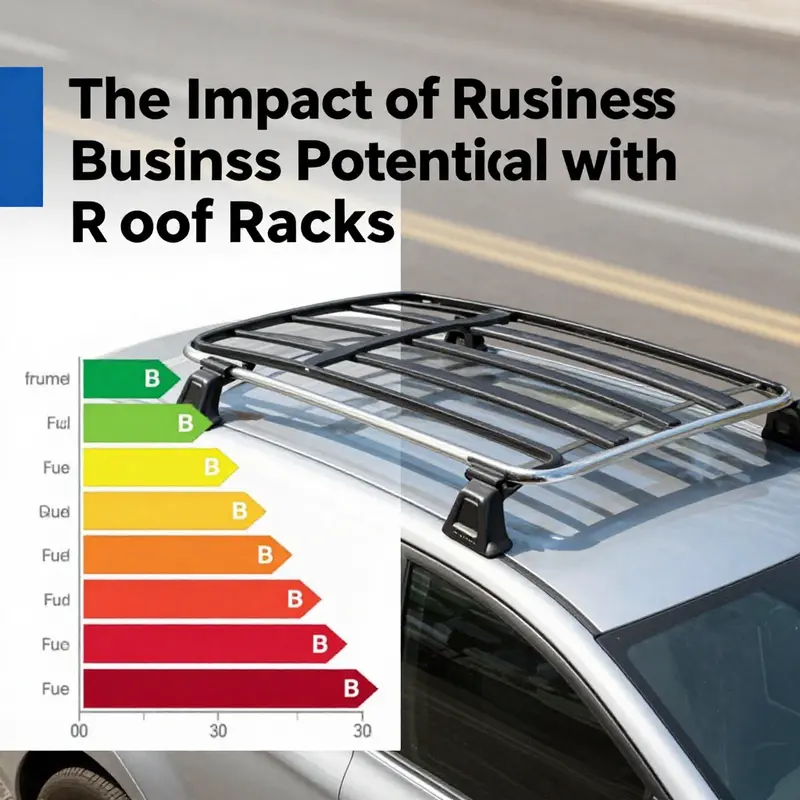
Roof racks affect aerodynamics and fuel economy. This chapter explains the physics of drag, the typical fuel penalties, and practical ways to minimize the impact. Removing the rack when not in use is the simplest step. When cargo must be carried, choosing aerodynamic shapes, keeping the load low and centered, and considering hitch-mounted carriers can help reduce drag. Driving behavior also matters, with smoother acceleration and steady speeds yielding better efficiency. While roof racks enable greater cargo capacity and flexibility, they should be used thoughtfully to balance adventure with conservation of fuel and emissions. The goal is practical guidance that helps travelers plan trips that respect both capability and efficiency. For further reading, see studies on roof racks and fuel consumption.
Final thoughts
Incorporating roof racks into your vehicle can transform operational capabilities, making it easier to transport equipment and goods efficiently. By selecting the right type of rack, ensuring vehicle compatibility, and understanding the nuances of fuel efficiency, business owners can vastly improve their logistic performance. As the needs of your business evolve, so too should your vehicle modifications—consider investing in roof racks as a viable solution for enhanced productivity and operational longevity.