
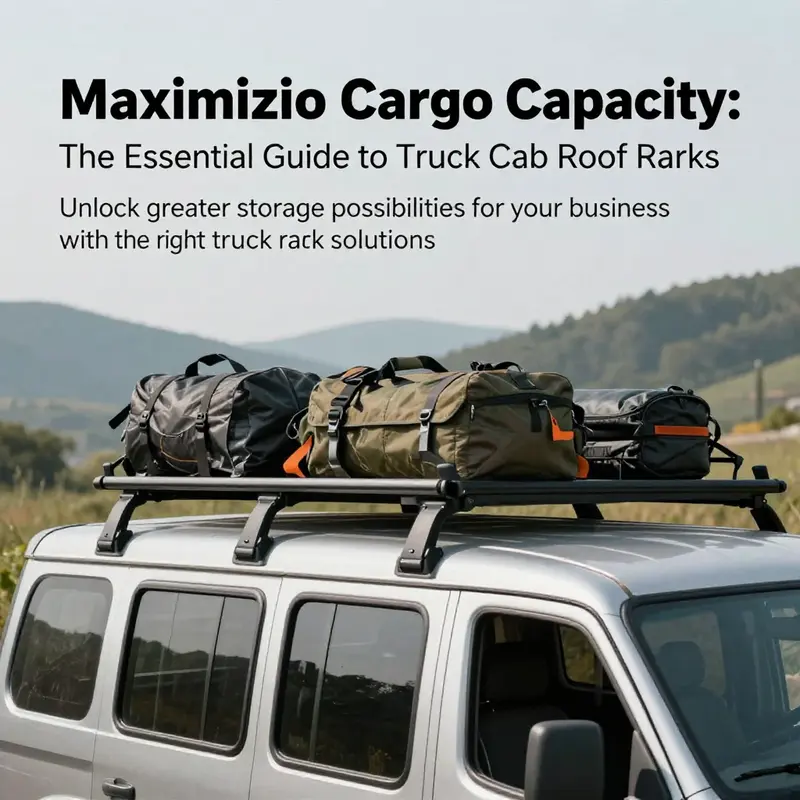
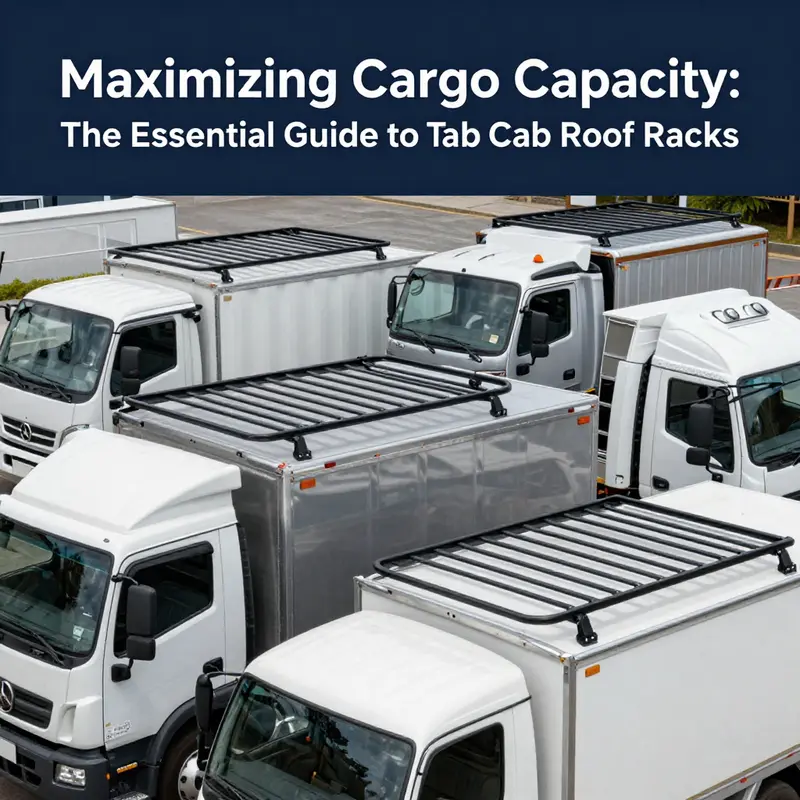
Truck cab roof racks offer an innovative solution to businesses looking to optimize their transport capabilities without compromising valuable cargo space. Designed to fit securely atop various truck models, these racks provide a practical platform for additional storage and equipment transport. With options ranging from crossbar systems to cargo baskets, understanding the different types of roof racks is crucial for selecting the right equipment tailored for your business needs. This guide will delve into the various types of roof racks available, their materials and design standards, essential safety considerations, and the latest market trends, ensuring your investment is both savvy and secure.
null
null
Built to Endure on the Roof: Material Choices and Design Standards for Truck Cab Roof Racks
Built to Endure on the Roof: Material Choices and Design Standards for Truck Cab Roof Racks
Truck cab roof racks are not an afterthought. They are engineered as an integral extension of the vehicle’s structure, meant to carry payloads that would otherwise crowd the cab or the cargo bed. The choice of material and the discipline of design are what separate a rack that simply sits on top from one that preserves safety, performance, and longevity across seasons, climates, and miles. When the eye is drawn to a rooftop platform, it conceals a carefully balanced conversation between strength, weight, aerodynamics, and resilience. Engineers weigh these factors against the realities of field use: long haul runs across salt-sprayed highways, frontier tracks with uneven surfaces, and the rhythmic vibrations of highway tarmac. The result is not merely a platform for luggage; it is a tuned system that must respond to static loads, dynamic shocks, wind pressures, and temperature swings without fatigue or failure.
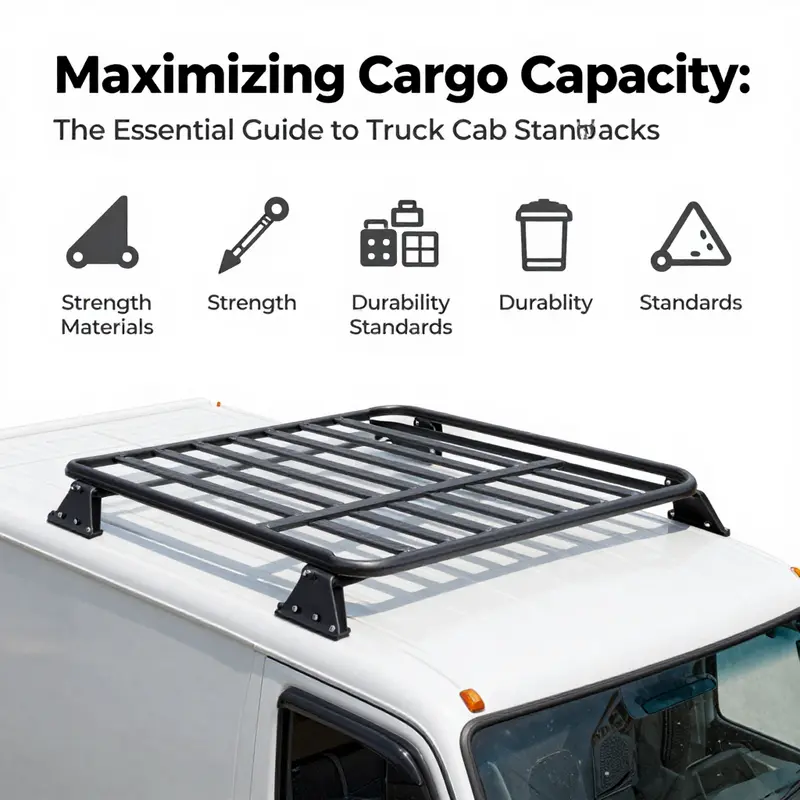
Materials form the backbone of this balancing act. High-strength aluminum alloys have become an industry favorite because they deliver a favorable strength-to-weight ratio. Lighter weight on top translates to better fuel efficiency, and the reduced inertial load helps the vehicle maintain steering and braking performance under load. Aluminum also offers superior corrosion resistance, a practical advantage when exposure to rain, road salt, or coastal air becomes routine. Yet aluminum is not the only option. Galvanized steel remains a reliable workhorse for heavy-duty scenarios where maximum load capacity is non negotiable. It provides exceptional durability and stiffness, ensuring that a heavy tool kit or winter gear does not bend a rail under a sudden lane change or a ramp-up on a steep grade. The tradeoff is weight. A steel rack tends to push vehicle weight higher and can impact fuel economy over long distances, particularly when the rack runs above the roof without the benefit of aerodynamic optimizations. It is here that modern design often blends materials, using aluminum for the bulk of curtain-rails and steel where mounting hardware and anchors demand extra reinforcement.
Composite materials and reinforced plastics add another dimension to the material palette. Soft-shell canopy systems or lightweight cover modules may use fiberglass or advanced polymers to provide structural stiffness with a modest weight penalty. The reinforcement often comes in the form of internal foam inserts or tensioned fabric structures that distribute load without creating a bulky silhouette. This approach suits scenarios where a vehicle operates near urban limits or in environments where the payload sits inside a protected, low-profile envelope. Composites also open pathways for corrosion resistance in environments that would challenge metal rails. The choice among aluminum, steel, or composites is not merely a guess based on price; it is an assessment of how and where the rack will be used, what it will carry, and how long it must perform without maintenance.
Design standards anchor these material choices in measurable performance. The industry works within a framework of safety and performance criteria defined by standards bodies and engineering practice. For light-duty vehicles, the design problem is to guarantee that the rack can safely carry its rated load across a spectrum of conditions, while preserving the vehicle’s structural integrity and its aerodynamic and noise characteristics. The loads speculated in the design are not composed solely of static mass. A rack endures cyclic loads as the vehicle crosses potholes, curbs, and washboard roads. It experiences gusts of wind at speed and the vibrations that accompany engine mapping and highway resonance. In response, manufacturers specify test methods and acceptance criteria that evaluate material endurance, fit precision, and long-term reliability. The testing plans align with the broader goals of the SAE J2346 standard, which sets performance requirements and test methods for roof rack systems on light-duty vehicles. Adherence to such standards is essential because it provides a common language that experiences in the field can be compared to in lab settings. It makes it possible for a rack designed for a compact pickup or compact SUV to be assessed by the same yardstick as a larger, more demanding system.
From an engineering perspective, weight capacity matters, but so does how that capacity is distributed. The typical rating range covers modest to substantial loads, often expressed as a nominal maximum payload such as 100 to 200 kilograms, depending on the model, vehicle compatibility, and mounting geometry. In practice, engineers design crossbars to distribute weight along longitudinal rails, rather than concentrating it at a single point, thereby reducing the risk of localized deformation. This distribution is why crossbar configurations remain the most common form in many markets. The crossbar system allows for a modular approach to loading and attachments. It makes it possible to add a rooftop cargo box, a bike rack, a kayak carrier, or a panel of boards, all while preserving a reasonable wind profile and predictable center of gravity. The cargo basket variant answers scenarios where the payload is bulky and irregular in shape. It relies on a stiffer frame and a deeper basket to maintain load stability under movement. The canopy or sheltered roof options extend the usable envelope of the rooftop space while protecting sensitive gear from precipitation and sun. Each form has its own implications for weight, wind drag, and mounting points, and the design must harmonize with the vehicle roofline, the roof rail system, and the door sealing lines so that water infiltration and wind noise remain within acceptable limits.
In the realm of standards and testing, the rules are not only about raw strength. They cover the integrity of installations and the ability of the roof to absorb and damp vibrations without loosening the system. The installation process matters as much as the raw material. Factories and certified installers follow mounting procedures that specify the torque to be applied to each fastener, the sequence of tightening, and the use of anti-corrosion coatings at joints. These installation practices anchor the rack to the vehicle’s structural points rather than relying on aesthetic mounts or adhesive holds that could fail during a rough maneuver. The goal is a robust, repeatable attachment that can endure repeated cycles of loading and unloading without wobble or drift. In addition, since roof racks operate at the top of the vehicle, the interplay between rack geometry and aerodynamics becomes a daily consideration. The drag coefficient, base pressure distribution, and airflow separation around crossbars influence overall vehicle efficiency and cabin noise. Designers run wind tunnel tests and computational simulations to optimize rails and attachment ports so that the benefits of extra cargo space do not come at the cost of excessive fuel consumption or fatigue on the structural roof.
Beyond the engineering and testing, the standards also speak to reliability and maintenance. The long-term behavior of fasteners and anchors under salt spray, temperature cycling, and UV exposure is a practical concern for fleets working in coastal regions, winter climates, or desert environments. Corrosion protection, galvanization, anodizing, and protective coatings are not cosmetic features in the rack world; they are essential to prevent micro-cracking, bolt loosening, or rail fatigue that would degrade performance after months of exposure. In this sense, materials are part chemistry, part geometry, and part service life. The modern rack design looks for a balance between stiffness and weight, corrosion resistance and cost, modularity and simplicity. A clever geometry, such as optimized ribbing and hollow sections, can increase stiffness without adding significant mass. Finite element analysis supports these decisions, revealing how a small change in crossbar diameter, rail curvature, or mounting pad spacing influences the entire system under real-world vibration patterns. The design must also be forgiving in manufacture; tolerances must be tight enough to preserve fit and seal while not inflating production costs or introducing brittle brittle points that are prone to cracking under impact.
The conversation about materials and standards is also a conversation about the people who use roof racks in the field. A planeload of gear for a winter sports expedition, a contractor’s toolbox and ladder, or a camper’s inventory of cooking gear and solar panels all press different demands on the same rooftop platform. The rack needs to be resilient across these contexts, and the engineering behind it reflects this versatility. The choice of surfaces, textures, and deterrents against slipping is partly about protecting gear, partly about protecting the roof. Some racks feature textured finish and non-slip strap options that help stabilize items that might otherwise slide during dynamic driving. Others integrate weather-protective features that shield the load from rain and snow, expanding the envelope of what can be carried on a routine trip or a remote job site. The ability to remove or fold components without specialized tools is also part of the design equation, as it affects the speed of deployment and the likelihood of improper use by non-expert operators. In environments where frequent changes in payload are the norm, the modular approach becomes a natural choice because it reduces the likelihood that a single attachment method will handle every situation.
As the chapter draws these threads together, it is important to emphasize a practical takeaway: the materials and standards are not abstract; they directly shape safety, performance, and value. The use of aluminum alloys reduces mass and enhances corrosion resistance, but it relies on design details to keep fasteners from failing and to avoid denting the rails in ways that could compromise mounting points. The steel option offers durability and higher stiffness, but the extra weight requires careful consideration of the vehicle’s steering and braking under load. Composite systems offer tailored stiffness with a lighter footprint, often at a higher cost and with different aging characteristics. The standardization that underpins these choices gives vehicle owners and operators confidence. It means that a rack chosen for one vehicle can be analyzed, tested, and modeled against a common benchmark, enabling easier cross-compatibility and safer upgrades.
This is the context in which the broader article about truck cab roof racks sits. The chapter anchors the technical with the practical, linking theory to on-the-ground realities. It helps readers understand that the decision to use a canopy, a basket, or a set of crossbars is not a casual preference; it is a function of materials science, machining precision, aerodynamic optimization, and the discipline of safety testing. It also highlights the role of maintenance and inspection. Regular checks on mounting points, fasteners, and seals become a habit that preserves the system’s integrity over time. When the vehicle endures long-distance journeys, the rooftop setup must be a predictable, stable platform that does not become a source of vibration or a point of failure. The chapter thus serves as a bridge between the design room and the roadway, guiding readers toward choices that align with their usage pattern, environmental exposure, and the life cycle expectations of their rack system.
For readers seeking practical, scenario-based guidance, the next step is to connect with the community knowledge base and the hands-on examples that show how different environments strain or support a rooftop system. The emphasis remains on a coherent approach to material selection, engineering discipline, and safety compliance, rather than on quick fixes or ad hoc modifications. The design story, when told with care, reveals a logic that makes rooftop cargo a reliable ally rather than a risk. For a concise overview of how roof racks are organized and how to think about their installation, consult the roof racks guide. The chapter uses this reference point to illustrate that a well-chosen rack is not a burden but a carefully engineered tool that expands a vehicle’s capabilities while maintaining the integrity of the vehicle itself. See here: roof racks.
In closing, the material and design standards of truck cab roof racks form a quiet but powerful backbone for mobility and exploration. They ensure that when a driver leaves the city for a field site, a campsite, or a family road trip, the rooftop system is able to carry the load with confidence. They ensure that corrosion and fatigue do not erode the rack or the roof. They recognize that the mass of the rack itself matters just as much as the cargo it supports. And they insist on a design language that respects both the vehicle’s aesthetic and its aerodynamics, because the cost of neglect is measured in noise, drag, and risk. This is where engineering meets practicality and where the roof truly becomes an extension of the vehicle rather than a separate accessory. It is in this fusion, and in the ongoing dialogue between materials, testing, installation, and real-world use, that truck cab roof racks earn their reputation as reliable partners for work, adventure, and everything in between.
External standards reference: SAE J2346 standard.
Safety Considerations for Truck Cab Roof Racks: Balancing Utility and Safety
A roof rack over the cab of a truck is more than a storage accessory; it is an extension of the vehicle’s payload capacity. When used thoughtfully, it unlocks new possibilities for work crews, outdoor enthusiasts, and travelers who need to carry gear without encroaching on valuable cabin or cargo space. When used carelessly, it introduces risks that can ripple through every moment on the road. The core truth is simple: every roof rack carries both cargo and responsibility. The way it is installed, loaded, and monitored determines whether it serves as a practical advantage or a source of hazard. This chapter moves through the safety landscape in a steady, practical rhythm, aiming to keep your focus on three pillars: proper setup, secure operation, and ongoing vigilance. It treats safety not as a constraint, but as a framework that preserves balance between utility and the vehicle’s dynamics, especially at highway speeds, on uneven terrain, or in sudden weather shifts.
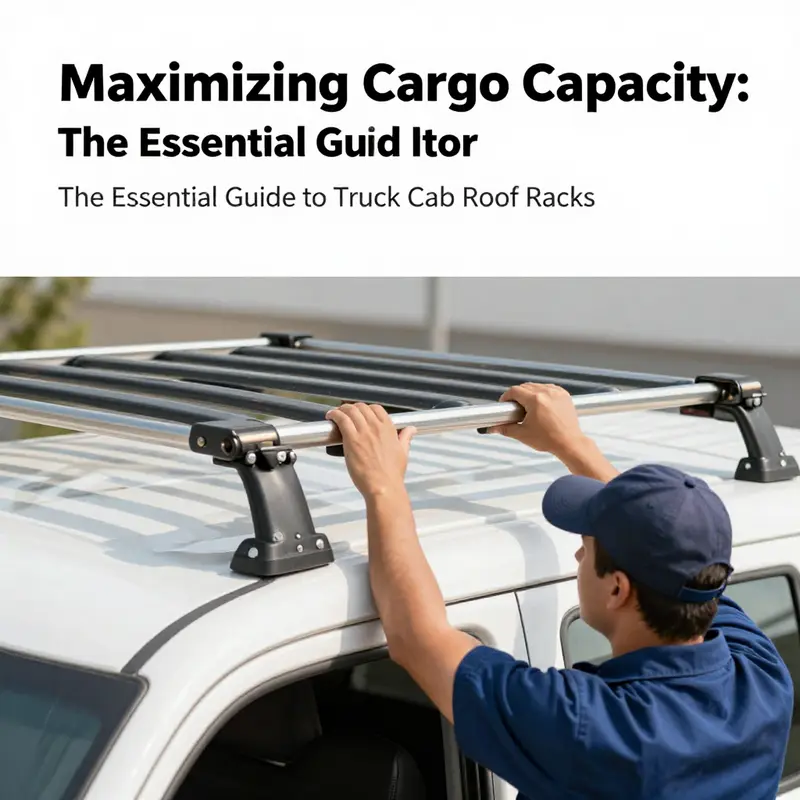
The first pivot point is installation and weight limits. Roof racks are designed to augment capacity, but their strength is not unlimited, and the vehicle itself has structural boundaries. To respect these boundaries, always start with the manufacturer’s instructions for installing the rack. The mounting points on the roof are often engineered to bear specified loads only when the rack is correctly fastened to them. This means choosing the right bolts, brackets, and mounting hardware, and ensuring that every attachment point is tight and uncompromised. It also means recognizing that the rack’s maximum weight rating is not a stand-alone number but a limit that integrates with the vehicle’s roof structure, rails, and sealings. Exceeding either the rack’s rated load or the vehicle’s own payload recommendations risks deforming the roof, loosening fasteners, or compromising weather sealing, which can precipitate corrosion and leaks. The prudent path is to document the total load, including the rack itself, and to stay well below the combined thresholds. If a rack design requires drilling or permanent mounting modifications, prefer professional installation or a system that uses the vehicle’s existing rails without altering the roof’s integrity. A careful, methodical approach to installation reduces the chance of a sudden detachment or shift that could be catastrophic on the highway or in crosswinds. When in doubt, revisit the installation steps and verify every fastener’s torque with a calibrated tool. A good rule of thumb is to treat the rack as part of the vehicle’s structural system, not as an add-on that can be ignored at the first sign of convenience.
Securing cargo is the second critical pillar. The risk from a roof rack almost always arises from cargo that is not properly restrained or balanced. Items placed on the rack should be firmly secured with appropriate straps or tie-downs before any trip. The goal is to eliminate movement under all foreseeable conditions, which means choosing straps rated for dynamic loads, using corner protection to prevent strap fraying, and applying multiple anchor points to minimize lift and shift. Loose cargo can become a dangerous projectile in abrupt braking, sharp turns, or a collision. It can also create sudden lateral shifts that destabilize the vehicle’s handling, especially at higher speeds or when the rack carries uneven loads. Centering the load is essential: heavy items should sit lower and toward the center of gravity, lighter items should fill the perimeters in a manner that prevents overhang and wind uplift. If items protrude beyond the rack’s footprint, they should be marked and, if possible, counterbalanced to avoid asymmetrical drag that can nudge the vehicle off its lane. A well-balanced, restrained payload preserves predictable steering, braking, and cornering responses even when the road throws a curveball. For drivers who plan to carry especially tall or bulky gear, consider strapping strategies that keep the center of gravity as close to the vehicle’s centerline as possible. Remember that the rack itself can magnify wind forces on the cargo; the more exposed the load, the more careful the tie-down strategy must be. For additional guidance and design ideas, readers can explore the overview at Roof racks for trucks.
Aerodynamics and fuel efficiency form the third pillar of responsible use. A loaded roof rack disrupts the vehicle’s smooth airflow and increases drag. This is not merely a theoretical concern; it translates into measurable changes in fuel economy and stability. At highway speeds, the rack and the cargo create a larger wind-catching surface, and crosswinds can exert sideways forces that require more steering input to maintain a straight path. The effect is more pronounced when the load is tall, irregular, or loosely secured, because gusts can cause flutter or lift. To mitigate these effects, many operators prioritize lower-profile rack designs, use a basket or cargo box that keeps weight tight and centered, and remove unnecessary gear during long highway stretches. If on a long journey the rack must stay on the vehicle, regularly reassess the load’s security as wind and temperature can alter strap tension or buckle strength. The result is a safer journey with less fuel penalty and a reduced chance of cargo movement that could surprise a driver during passing maneuvers or lane changes. It is worth noting that aero-conscious loading not only protects the vehicle and passengers but also contributes to a better driving experience by reducing unpredictable handling quirks that can appear after a big gust.
Visibility and clearance deserve equal attention. A roof rack increases the vehicle’s overall height, and that extra height can collide with overhanging branches, parking garage beams, or garage doors—often in unexpected moments when you are in a hurry. Before each trip, it is prudent to assess the route for clearance limitations and to account for any height-sensitive obstacles at entry points like drive-throughs or fuel stations. In addition, a backpacking rack or cargo basket should not obscure taillights, turn signals, or antennas, nor should it block cameras, parking sensors, or proximity alerts if the vehicle is equipped with them. A misaligned rack can cast shadows that reduce visibility of the road or confuse other drivers who depend on your signals. Practically, this means choosing a rack that aligns with the vehicle’s dimensions and ensuring that the cargo does not extend beyond the rack’s set boundaries. If you regularly navigate urban canyons or tight environments, the safer course is to remove the rack when it is not needed or to opt for a design that integrates a quick-release or easy-remove feature without compromising the system’s integrity when reinstalled. The safety equation here also includes a habit of checking lights and sensors for obstruction, so a routine pre-drive scan becomes part of safe operation rather than a tedious afterthought.
Regular inspection is the fourth pillar that solidifies safe roof-rack usage. Pre-trip checks should be deeply practical: examine every attachment point for signs of wear, corrosion, or loosening. Look at the rack rails, crossbars, clamps, and any mounting hardware. Mk sure that fasteners, bolts, and brackets are properly torqued to the manufacturer’s specifications. If you notice frayed straps, cracked rubber, or metal fatigue around anchor points, address the issue before hitting the road. The dynamics of a moving load—vibration, wind, and rough terrain—can slowly degrade fasteners, so a proactive approach to maintenance pays off in the long run. The rate of wear can vary with weather, road quality, and mileage; a disciplined inspection routine helps you catch problems early and avoid an in-trip failure that could endanger passengers or other road users. In the end, safety comes from consistent, deliberate care rather than reactive fixes after an incident. For those seeking a broader understanding of general safety considerations and the formal guardrails around vehicle modifications, the National Highway Traffic Safety Administration (NHTSA) offers guidelines and resources that apply to roof-rack installations and other aftermarket alterations. Their official site is a reliable reference point for recognized standards and recommendations. External safety resource: https://www.nhtsa.gov.
In practice, turning these pillars into reliable daily habits requires thoughtful planning and a clear sense of purpose about what you carry and why. Start with a load-out plan that reflects your typical journeys. If you frequently move bulky gear like bicycles, tents, or winter sports equipment, sketch a layout that keeps heavy items low and centered while light components fill the edges to even out wind forces. When you select a rack, prioritize compatibility with your vehicle’s roof rails or mounting points, and insist on high-quality fasteners and corrosion-resistant materials. If more than one person in your household or team uses the vehicle, document the loading protocol so all operators follow the same rules, from securing gear to re-checking straps after rough stretches or steep grade descents. Practically speaking, a routine like this reduces the cognitive load on the driver during critical moments and enhances overall safety. As you progress, you may identify scenarios where removing the rack between trips is advantageous—for urban driving, for example, or for short hops where cargo needs are minimal. The ease of removal, combined with a robust rack design, improves both safety and convenience.
A note on knowledge sources helps anchor these practices in a broader safety culture. The guidance above aligns with widely accepted safety norms across the industry, and it is complemented by authoritative resources from safety organizations. For readers seeking more detailed procedural guidance on installation and checks, the vehicle’s owner’s manual remains the foundational reference, and manufacturer-specific documentation should be consulted for any design nuances. The goal is to make safety a natural part of your routine rather than a checklist you only consult in rare circumstances. In short, a roof rack is a powerful enabler when used with discipline and forethought, yet it can become a liability if installation, loading, or maintenance are treated as optional. The practical takeaway is clear: plan carefully, secure firmly, drive attentively, and inspect regularly.
To explore specific design variations and how they influence safety considerations, readers may refer to broader discussions on roof rack configurations and accessories, such as the overview available at Roof racks for trucks. This resource can help clarify how crossbar systems, cargo baskets, and canopy options influence load behavior and mounting strategies, which directly tie into the safety considerations outlined here. By connecting practical use with structural awareness, drivers can tailor their roof-rack setup to their needs while maintaining responsible, predictable vehicle performance. For a broader sense of how these systems fit into modern trailer-free transport and off-road versatility, readers can also consult related topics on the site that discuss accessories and modular solutions without veering into overly generic advice. The aim is to keep safety at the center of every choice—from the initial installation to the last strap tightened at the trailhead—and to ensure that the rack remains a reliable ally on every journey.
Rugged Evolution: How Market Trends and Customization Are Shaping Truck Cab Roof Racks
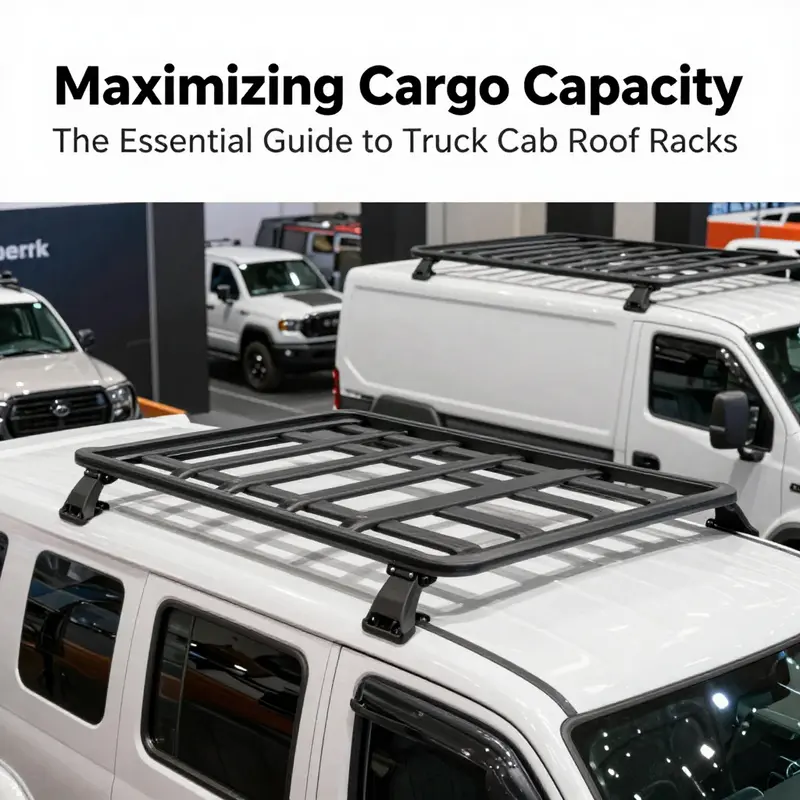
The market for truck cab roof racks is less a single product category than a signal about how people reuse and reimagine their vehicles. It reveals a shift from simple, utilitarian add-ons to integrated systems that balance durability, aesthetics, and adaptability. As outdoor recreation, overland exploration, and work-at-height tasks demand more from a single transport platform, roof racks have emerged as essential enablers of versatility. The momentum behind this evolution comes from a confluence of durable materials, smarter manufacturing, and a consumer appetite for goods that work with a vehicle’s design rather than against it. In broad terms, the market is expanding at a pace that makes roof racks a significant category within the broader automotive accessories landscape. Analysts project a steady compound annual growth rate in the mid-single digits, with the market approaching or surpassing several billion dollars over the next decade. This growth is not random; it is tethered to the way people live, travel, and work today. More and more households nurture a culture of weekend adventures that involve bikes, kayaks, skis, or camping gear. More fleets require reliable solutions to move tools, spare parts, or emergency equipment without occupying interior space. The result is a demand for systems that can handle heavy and awkward loads, endure exposure to sun and salt, and blend with a vehicle’s lines rather than fighting them. The scale of this shift is evident in the way the industry talks about design language, fitment, and warranty compatibility, signaling a move toward OEM-level expectations for aftermarket products. Rather than an afterthought, the roof rack is increasingly viewed as a critical interface between the vehicle and its user, one that must reflect the vehicle’s structural integrity while offering real-world utility. The market data reinforces this view. In comprehensive market studies, the global automotive roof rack segment is anticipated to grow at a notable rate, with a forecast value pushing into the billions by the early 2030s. The numbers are not simply about weight capacities and millimeters of clearance; they capture consumer confidence in products that promise to protect, organize, and extend a vehicle’s capabilities. This confidence is rooted in quality signals—materials that resist corrosion, coatings that endure harsh climates, and welds or joinery that hold steady under vibration and wind at highway speeds. A central theme in recent analyses is the demand for factory-compatible, OEM-matched designs. Consumers are no longer content with generic fits; they want racks that align with a vehicle’s silhouette, preserve warranty terms, and integrate with factory roof rails or mounting points in a way that feels seamless. The market’s sophistication on this front owes much to manufacturing ecosystems that can deliver high-performance, weather-resistant solutions at scale. In practice, this means a robust supply chain featuring specialized proficiency in aluminum alloys, precision extrusion, and protective finishes. In particular, the use of aircraft-grade or near-aviation-quality aluminum alloys, tempered for strength and light weight, emerges as a common thread. Crossbars and load-bearing components are often produced from T6-tempered 6061 or 6063 aluminum, chosen for their strength-to-weight balance and corrosion resistance. The tensile requirements and fatigue characteristics matter when a rack must withstand long highway stretches, off-road chatter, or winter salt spray. The importance of durability is underscored by the routine specification of salt spray or similar weathering tests that mimic extended exposure. For buyers in harsher climates or coastal regions, these tests become a baseline expectation, not a niche credential. A second key trend centers on customization as a core value proposition. The market is moving beyond one-size-fits-all solutions toward vehicle-specific configurations that promise an OEM-like fit. This is not merely about clamps and mounting feet, but about engineered integration with roof geometry, load distribution, and aerodynamic performance. Vehicle-specific crossbars, optimized for popular platforms, are proving especially popular on online marketplaces and direct-to-consumer channels. The promise of “OEM-level fit” and “no-drill installation” resonates with buyers who value time, ease of installation, and respect for the vehicle’s original design. Customization in this space extends to load capacity and accessory ecosystems. Users increasingly seek modularity—sliding or adjustable crossbars that can accommodate different types of gear, as well as built-in attachment points for lighting rigs, cameras, or power systems. The ability to seamlessly attach a solar panel or a high-powered light bar, and to do so without compromising wind noise or fuel efficiency, translates into tangible benefits in field use and daily driving alike. Seasonal variations further shape customization decisions. In winter, the market gravitates toward low-profile, aerodynamic configurations that minimize drag and preserve fuel economy while still enabling ski stacks or boards. In summer, high-capacity cargo solutions with secure locking systems take precedence, recognizing the need to secure equipment from the sun and from theft during long road trips. The interplay between seasonality and customization pushes suppliers to maintain flexible production lines, with the capacity to pivot quickly between different geometries, coatings, and accessory arrays. E-commerce has accelerated how these trends play out in the real world. A surge in online shopping has broadened access to a wider array of options, allowing smaller brands and customization-focused manufacturers to reach global audiences. Buyers benefit from more choices, faster turnarounds, and the ability to compare configurations side by side. Yet the online landscape also intensifies competition on features, price, and service. In this environment, differentiating factors such as easy installation, modular design, and robust after-sales support become decisive. For instance, the ability to choose an OEM-matched profile, combined with a straightforward, no-drill installation process, becomes an important selling point for both buyers and retailers. The broader ecosystem—from product pages to instructional content and warranty terms—shapes the consumer’s perception of value and reliability. The rise of cross-brand compatibility with common mounting standards contributes to a more cohesive market, where accessories such as cargo baskets, bicycle racks, or protective canopies can be integrated with multiple roof rack systems. This interoperability reduces the perceived risk of modifying a vehicle and fosters a sense of confidence among buyers who may be trying a new configuration for the first time. The e-commerce landscape also emphasizes the importance of credible information. Buyers want clear data on load capacities, wind resistance, and fitment compatibility. This need has driven a push toward more transparent documentation, including installation guides, torque specifications, and validated performance metrics. The net effect is a more educated consumer and a more deliberate purchase path, guided by the promise that a given roof rack system will perform as advertised across a range of road conditions and weather scenarios. The manufacturing response to this demand is equally telling. There is a clear move toward vertical integration and enhanced quality assurance. Suppliers in major manufacturing hubs—regions with strong capabilities in CNC machining, aluminum extrusion, and powder coating—are investing in automated processes to ensure precision and repeatability. The strategic aim is to deliver stable, repeatable products that fit a spectrum of vehicles with minimal adaptation. This approach benefits both the producer and the buyer, reducing order variability and ensuring that even highly customized configurations can be produced to consistent standards. Materials are selected not only for strength but also for longevity. The sand-blasted, powder-coated finishes and galvanic protective layers contribute to a rack’s resilience in salt spray, humid environments, and high-velocity wind. The end result is a product that looks and feels like it belongs on the vehicle it was designed to complement, not something tacked on after purchase. In practice, this means a growing emphasis on design language that complements the vehicle’s original styling cues. A rack must read as an extension of the roof line rather than an intrusion into the visual silhouette. This aesthetic alignment matters to buyers who see their vehicle as a platform for exploration and lifestyle, not merely as a tool for transport. The market’s attention to form is not cosmetic; it carries implications for aerodynamics and noise. Subtle shaping, streamlined crossbars, and carefully chosen attachment points can reduce wind-induced drag and rattling. The result is a more comfortable, quieter ride at highway speeds, with improved stability when laden. The cumulative effect of these trends—factory-compatible design, customization, and a refined balance of form and function—points to a future in which roof racks are increasingly viewed as integrated systems rather than add-ons. For buyers, the decision matrix is evolving. It is less about choosing between a bare rack and nothing at all, and more about selecting a system that aligns with the vehicle’s identity, the owner’s usage patterns, and the expectations of long-term reliability. For manufacturers and distributors, the imperative is to deliver solutions that are demonstrably compatible with a broad range of vehicles while preserving the integrity of the car’s warranty and its warranty terms. In other words, the bar has risen from “will it fit?” to “will it fit well, last, and look right while performing as needed over years of service?” This shift opens opportunities for nuanced offers, including vehicle-specific configurations, configurable load ratings, aerodynamic optimization, and accessory ecosystems that extend the rack’s utility without complicating installation. In the broader narrative of automotive accessories, roof racks embody a philosophy of modularity and purposeful design. The best options acknowledge the vehicle as a framework for activities rather than a passive carrier. They anticipate varied loads—luggage, bikes, snow gear, tools, and portable power solutions—and provide a consistent experience across those loads. They also respect safety and regulatory expectations by maintaining stability at high speeds, resisting corrosion, and allowing for secure locking and easy access to the vehicle’s interior. Buyers are increasingly conscious of these attributes when browsing. They look for clear compatibility statements, reinforced mounting points, and documented performance data that can be trusted for the life of the vehicle. They also expect reliable after-sales support and straightforward warranty terms, which are no longer mere afterthoughts but essential components of the value proposition. In the end, the trajectory of market trends and customization options for truck cab roof racks is a story about alignment—alignment between vehicle design, user needs, and manufacturing capabilities. It is about turning a simple roof into a strategic platform that supports a lifestyle and a work routine as much as a road trip. The consequence for readers and practitioners is twofold. First, there is a clear invitation to engage with the catalog of options in a way that respects the vehicle’s existing architecture and the owner’s long-term goals. Second, there is a reminder that the most enduring solutions will be those that balance performance with predictability: predictable fit, predictable durability, and predictable service. For those exploring the practical side of this balance, a convenient starting point is to examine how roof racks can integrate with a vehicle’s roof rails and mounting points, and how an aftermarket system can be aligned with the vehicle’s warranty expectations while still delivering modularity and scope for growth. If you want to see how these ideas translate into real-world configurations, you can explore roof racks that emphasize compatibility and upgradeability in a format that is easy to navigate and compare. The conversation around customization is not about gimmicks but about durable, thoughtful engineering that respects both vehicle architecture and user ambition. In this sense, the market trends are less a trend and more a signal of what drivers and workers already know: a vehicle is a platform, and the right roof rack is the engineering that unlocks its full potential. For readers who want a deeper dive into the practicalities of fit, mounting options, and accessory ecosystems, the detailed discussions available on roof racks for trucks offer a practical lens into the current state of the market. Roof racks for trucks. External perspectives from established industry resources also illuminate the broader shifts occurring in this space. External resource: https://www.thule.com/en-us/
Final thoughts
In conclusion, utilizing truck cab roof racks represents a strategic investment for businesses aiming to enhance their transport efficiency. By understanding the various types available and their specific applications, selecting appropriate materials, ensuring safety compliance, and exploring customization options, business owners can optimize their operations significantly. A well-chosen roof rack not only maximizes cargo capacity but also contributes to a more organized and professional appearance on the job. Invest in the right roof rack today to elevate your business performance to new heights.