
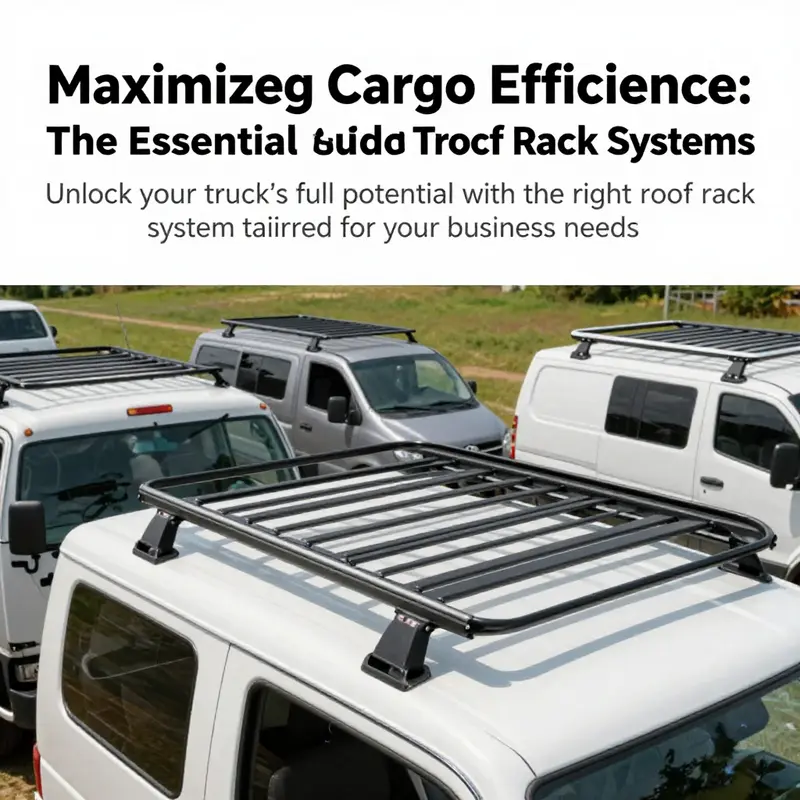
In the world of logistics and outdoor adventure, maximizing the cargo-carrying capacity of trucks is essential. Roof rack systems have emerged as indispensable tools for business owners, enabling efficient transportation of bulky items like equipment, materials, or recreational gear. Understanding the various types, materials, and installation processes involved in these systems is key to selecting the right one for your vehicle. This guide will explore the fundamental aspects of truck roof rack systems including the differences between temporary and permanent racks, the advantages of aluminum versus steel construction, the benefits of modularity, installation guidelines, and essential safety considerations. Each chapter is designed to equip business owners with the knowledge to make informed decisions, ensuring optimal performance and reliability.
Temporary or Permanent: A Practical Guide to Expanding a Truck’s Carrying Power with Roof Rack Systems
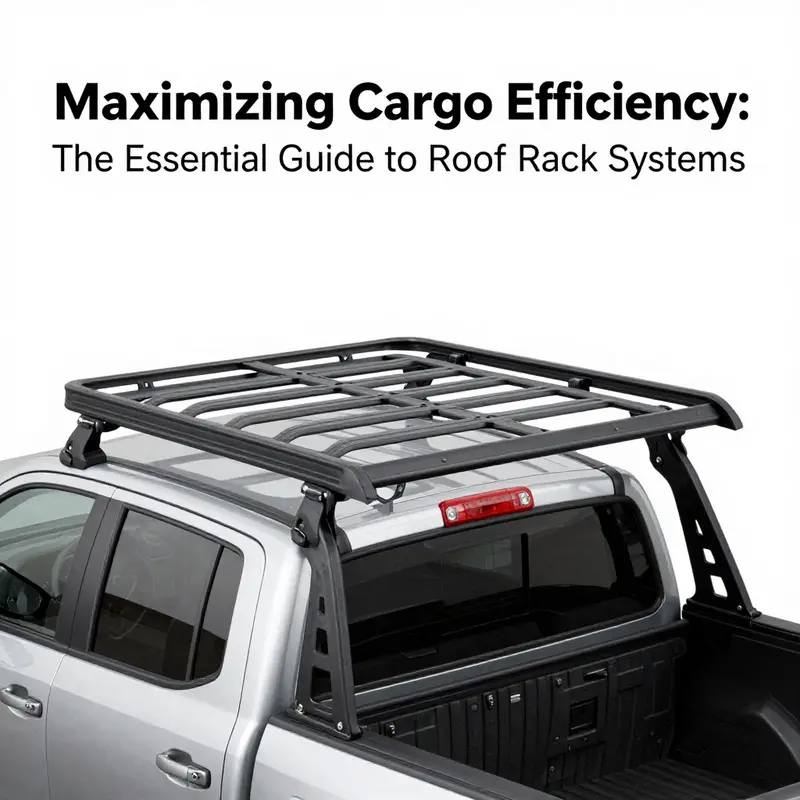
Choosing between a temporary and a permanent roof rack changes how your truck carries gear and how it feels on the road.
Temporary racks offer quick setup, lightweight construction, and the freedom to remove them after trips.
They work with clamps or non permanent mounts and tend to reduce wind drag only a little when not in use.
They are ideal for weekend trips and gear where occasional use is enough.
The trade offs are lower load capacity, attachment points that need regular checks, and a bit more wind noise and vibration on the highway.
Permanent racks are bolted to the roof and designed for long term use and high loads.
They stay in place through miles of driving and off road use and often deliver better aerodynamics because they fit the roof contour.
The downside is higher upfront cost and more complicated removal if you change vehicles or configurations.
Material choices matter too; aluminum saves weight and provides corrosion resistance while steel offers higher durability.
A modular approach can blend both worlds by using a fixed base with upgradeable attachments.
The best choice depends on how often you need space, how heavy your loads are, and whether you value permanence over flexibility.
Metal at the Edge: How Aluminum and Steel Shape Truck Roof Rack Systems
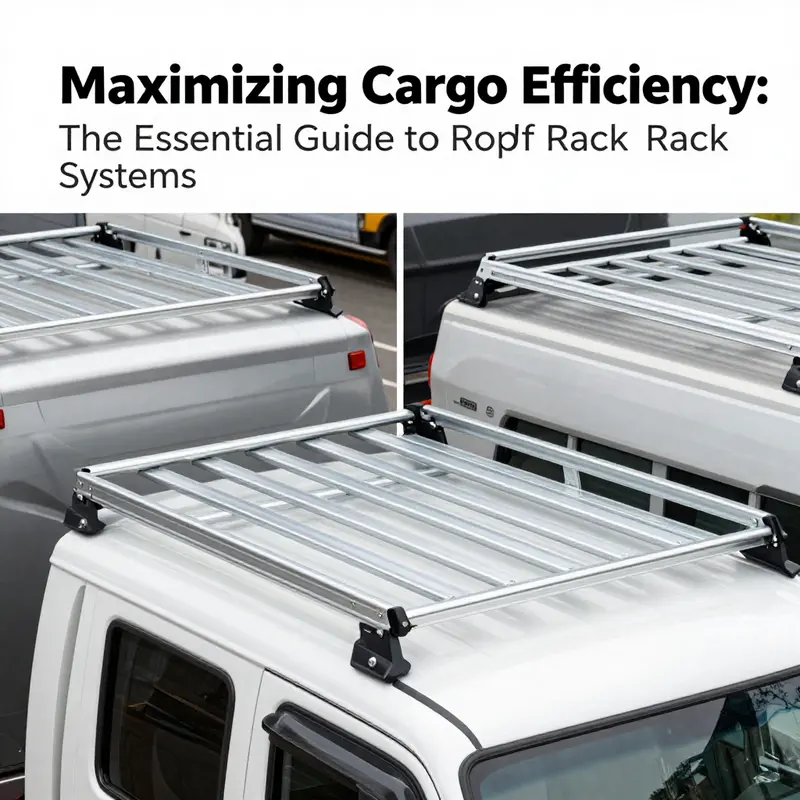
A roof rack system sits at the edge of a vehicle, yet its material choice ripples through every part of its performance. The decision between aluminum and steel is not merely about color or feel; it shapes weight, load capacity, longevity, and even how you experience fuel economy on long trips. In the broader arc of optimizing a truck for outdoor work or exploration, the material at the rack becomes a quiet but constant partner in how efficiently gear travels, how confidently you can secure it, and how the system ages under sun, rain, and road salt. To grasp the practical implications, it helps to start with the core trade that guides almost every choice: weight versus strength. Aluminum shines when keeping mass down is a priority. Steel offers rugged reliability when the rack must bear heavy, bulky cargo with minimal deflection and without frequent worry about denting or fatigue. This tension between lightness and toughness guides not only what you can carry, but how you mount it, how you secure it, and how you maintain it over years of use. Above all, the material informs the daily experience of loading and unloading, of highway miles and off-road stints, and of the subtle ways a rack eats into or saves fuel depending on its weight footprint and aerodynamic profile. The conversation about aluminum and steel thus becomes a conversation about real-world usability and long-term value rather than abstract lab specs.
Aluminum is a standout for drivers who want to keep the roofline lean and the vehicle’s handling crisp. Its density is roughly one-third that of steel, meaning a rack made from aluminum adds much less weight to the roof when you load up with climbing gear, kayaks, or camping equipment. That lighter base translates into meaningful improvements in handling, especially at highway speeds or when negotiating gusty crosswinds. More practically, lighter racks reduce the moment the roof must resist during turns and braking. This can lessen wear on suspension components over time and marginally improve fuel efficiency, an especially welcome benefit on longer trips where every mile matters. The lighter architecture also makes installation and removal easier for those who need a temporary, reconfigurable setup. Beyond weight, aluminum brings impressive corrosion resistance. A natural oxide layer forms on aluminum surfaces, providing a protective shield against moisture, salt air, and harsh weather. In outdoor environments where gear is exposed to rain, humidity, and road spray, this resilience helps maintain a clean, relatively maintenance-free surface that resists pitting and rust. Those properties align with a common use case: professional or recreational itineraries where exposure is frequent and maintenance time is limited. When aluminum is paired with proper coatings and compatible hardware, a system can look sharp for years while remaining functional and easy to care for.
Yet aluminum is not a universal remedy. It carries a higher upfront cost per unit of strength than steel, and the long-term picture must account for the loads you actually carry. While aluminum handles typical outdoor gear with ease, extremely heavy bundles or rigid, bulky cargo placed high on the rack can push the material toward its own limits. The key is to balance the expected load with the rack’s structural design. Aluminum sections are often extruded into hollow profiles that provide reasonable stiffness while keeping weight down. The downside is that, under extreme bending or concentrated loads, aluminum can deform more readily than steel. For this reason, some users who regularly haul heavy or unusually awkward items may opt for steel or a mixed-material design that leverages aluminum where weight matters most and steel where high load resistance is essential. In any case, the choice should be anchored in real-world loading scenarios rather than assumptions about strength alone.
Steel, by contrast, is prized for its sheer rigidity and high strength-to-weight ratio when you translate strength into load-bearing capacity. A steel rack can support heavier cargo with less visible flex, a trait that matters when transporting bulky items like long ladders, lumber, or large tools. The confidence that comes from steel’s robust presence is especially appealing to professionals who rely on a dependable, long-lasting rack for daily use. Steel also tends to carry a lower upfront price than aluminum on a weight-for-strength basis, which can be a decisive factor for fleets, commercial operators, or individual buyers who prioritize budget transparency and predictable maintenance costs. However, steel’s Achilles’ heel is its susceptibility to corrosion if left unchecked. Salt spray, winter road salts, and humid environments can accelerate rust, especially on exposed edges or where coatings wear thin. The antidote to this risk lies in protective finishes, galvanizing, or stainless variants, alongside ongoing inspections and touch-up care. Without diligent protection, steel can corrode and require more frequent maintenance than aluminum, especially in marine or winter climates. Even so, with proper coating and periodic care, steel racks deliver long-lasting reliability and high-load performance that many users value for mission-critical transport.
The cost story deserves careful attention because total ownership hinges on more than the sticker price. Aluminum racks typically cost more upfront, but their lighter weight can translate into tangible savings over time. You may see modest improvements in fuel economy, especially on vehicles with smaller engines or those already carrying heavy payloads. The lighter system also puts less stress on roof structure and crossbars, potentially extending the life of mounting hardware and reducing the likelihood of fatigue-induced issues after years of use. Steel racks begin with a lower purchase price and offer unsurpassed strength, which appeals to heavy-use owners who regularly haul demanding loads. The long-term costs then shift toward maintenance—protective coatings, rust prevention, and periodic inspections to catch corrosion early. In a sense, aluminum favors efficiency and low-maintenance operation; steel favors rugged resilience and upfront savings in some use cases. The ideal selection, again, aligns with how the rack will be used, how often it is taken on and off the vehicle, and how much emphasis is placed on economy versus maximum payload.
Beyond the metal itself, the design and integration of the rack influence how material choice translates into performance. A given roof is not an empty plane; its strength, rigidity, and mounting points interact with the rack to determine load distribution and stability. Proper mounting, including secure fasteners and evenly distributed tie-downs, is critical for safety and longevity regardless of whether the rack is aluminum or steel. A robust system will pair with a vehicle’s roof structure to minimize vibration, reduce noise, and prevent deformation during high-speed travel or off-road traversal. Aerodynamics also plays a role. Although the material dictates weight and strength, it is the crossbar geometry, the relative smoothness of the rails, and how the rack integrates with roof rails or flush-mounted mounts that shape wind resistance. Even at highway velocity, a well-designed aluminum or steel rack can maintain stability if the engineering accounts for airflow and load spread. The balance between strength and aerodynamics often comes down to careful engineering rather than a single material choice alone.
For owners who want versatility, modern roof racks under either material category often embrace modular systems. Modules can be swapped or reconfigured to accommodate skis, bikes, kayaks, or storage boxes without requiring a new backbone. The modular approach benefits more from good engineering than from any single metal, but it does interact with material decisions. Lighter aluminum modules can be swapped with minimal disturbance to the roof’s elevation, while heavier steel components can offer extra rigidity where it counts. Regardless of the material, the effective use of load bars, wheel saddles, and securing clamps is what keeps gear secure on long trips. A critical, often overlooked detail is load distribution. Uneven weight across the crossbars can create twisting forces that stress mounts and, over time, compromise the roof or the rack itself. The safest practice remains to spread weight evenly and to secure gear with multiple tie-down points, adjusting for wind and vibration as you drive.
When choosing, assess the compatibility of the rack with your vehicle model, roof strength, and the specific loads you plan to carry. Vehicle-specific design considerations matter, because some trucks have roof profiles and reinforcement that respond differently to aluminum versus steel. The mounting hardware should be designed to work with your roof’s construction, whether it relies on clamps, bolts, or integrated mounting plates. Even if you lean toward aluminum for its lightness, you should verify that the hardware and attachment points can handle the intended loads without stressing the roof’s skin or frame. Conversely, if you expect to haul heavy or irregular cargo, steel may provide a more forgiving long-term stability margin, provided that you maintain protective finishes and monitor for any signs of wear.
The ultimate choice often rests on a clear picture of how you live with your truck. If you routinely chase long weekends with a kayak, a canoe, multiple bikes, and a cargo box, the strength and reliability of steel can be a compelling argument. If your routine includes quick, seasonal gear changes, light touring, or frequent rack removal for work use, the reduced mass and corrosion resistance of aluminum can offer practical advantages. In both cases, the supporting cast of components—crossbars, clamps, threaded eyebolts, and compatible mounting feet—plays a decisive role. The better system integrates smoothly with the vehicle’s roof and makes gear handling straightforward rather than a chore. Importantly, maintenance remains a shared responsibility. Regular inspection for loose fasteners, signs of corrosion on steel, or coatings wear on aluminum keeps the system performing well and extends its life.
For readers seeking a practical starting point in this material choice, a thorough overview on roof racks for trucks provides a grounded sense of how different configurations interplay with the vehicle’s roof and the kinds of loads typical users expect to carry. You can explore that guide to connect the theoretical material discussion with concrete, real-world setups and installation considerations. roof racks for trucks
In sum, aluminum and steel each offer compelling advantages depending on your priorities. Aluminum yields lighter mass, better corrosion resistance, and easier handling, making it well suited to frequent reconfiguration and efficiency-minded usage. Steel delivers higher load capacity, greater rigidity, and often a more budget-friendly upfront path for tough-duty applications, provided you invest in protective coatings and maintenance. The best path is a deliberate match between how you use the rack, the loads you expect, and the climate conditions you face. When the choice is paired with thoughtful installation and management, the material becomes less a constraint and more a driver of reliability and satisfaction across seasons and miles. For deeper technical insights into how these materials perform in automotive contexts, see the detailed resource on aluminum use in automotive applications.
External resource: Aluminum Use in Automotive Applications provides a broader, technically grounded look at how aluminum behaves in vehicle structures and components, including roof systems. https://www.energy.gov/eere/vehicles/articles/aluminum-use-automotive-applications
Flexible Carriage: How Modularity and Versatility Shape Modern Truck Roof Rack Systems
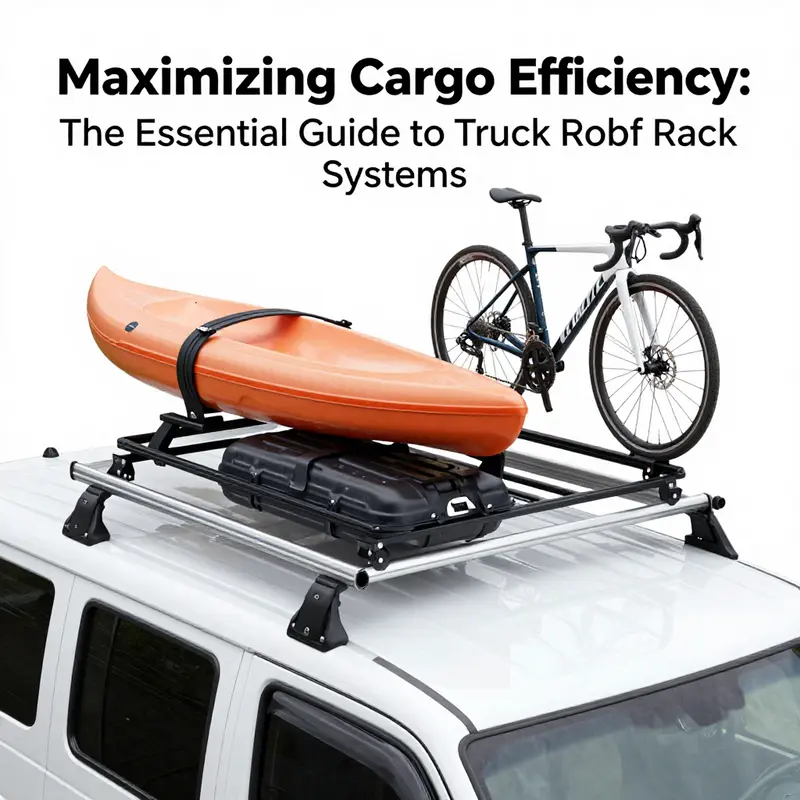
A modern truck roof rack system is less a single accessory than a modular ecosystem designed to adapt to shifting work and lifestyle demands. The idea of modularity in this arena is simple on the surface: take a base set of crossbars and mounting points and mix in interchangeable components that can be swapped, added, or removed without tearing the entire setup apart. Yet the practical implications run deeper. They change how a vehicle is used, how quickly it can be repurposed, and how efficiently a crew can deploy its cargo-carrying capacity for a given task. In the narrative of cargo transport, modular roof racks are not just a convenience; they are a framework that aligns performance goals with real-world workflows, from weekend expeditions to on-site professional tasks. The result is a system that can be tailored to the day’s demand without sacrificing the stability and safety that heavy loads require.
At the heart of modular roof rack design is the recognition that cargo needs are rarely static. A weekend paddle trip may require a kayak carrier and a gear box, while a weekday project may demand a ladder rack and storage crates. Modular systems meet these varying needs by offering a repertoire of crossbars, mounting hardware, and accessory carriers that can be configured in multiple ways. This intercompatibility is not purely about convenience; it shapes the vehicle’s practical envelope. By enabling rapid reconfiguration, these racks reduce downtime between jobs and trips, allowing more time to focus on the task at hand rather than on gear organization. Aluminum emerges as the material of choice for many modular lines, thanks to its favorable strength-to-weight ratio and corrosion resistance. Aluminum components contribute to keeping the overall weight of the system sensible, a crucial factor when every kilogram translates into minor but cumulative impacts on fuel efficiency and handling. In scenarios where durability and higher load ratings are non-negotiable, steel variants may be offered, though their heavier mass and potential rust risk demand more careful treatment and maintenance.
The crossbar itself is the backbone of modularity. Crossbars provide the anchor points for every accessory and every load. In a modular setup, the crossbars are engineered to accept a broad spectrum of attachments—cargo boxes, bike carriers, kayaks, skis, and even rooftop tents. The real engineering feat lies in the mounting interface: standardized rails, clamps, and thread patterns that can securely accept a range of add-ons without the need for custom fabrication. When these interfaces are thoughtfully designed, a user can go from a loose collection of parts to a fully integrated system in relatively short order, with confidence that each piece is secured in a manner that distributes weight evenly and avoids point-by-point stress concentrations. This is where the idea of even load distribution becomes not just a loading instruction but a design philosophy. The system is built to respond to a shifting center of gravity as gear is added or removed, and it uses geometry and properly rated fasteners to keep that center of gravity stable through varied driving conditions.
For many users, the most attractive feature of a modular approach is ease of installation and removal. Unlike some factory-installed or OEM racks that are integrated with the vehicle’s roof in a more permanent fashion, aftermarket modular systems are designed with user installation in mind. Quick-release mechanisms, standardized mounting points, and non-destructive attachment methods mean that you can adapt a single vehicle to different seasonal needs without committing to a single configuration. A non-permanent approach also appeals to fleets and contractors who service multiple vehicles. The ability to reassign components between trucks without specialized tools or permanent alterations translates into tangible time savings and greater operational flexibility. In practice, a team might leave the heavy, all-purpose crossbars in place and simply swap out an accessory for a particular job—moving a ladder rack from one truck to another, or installing a cargo box for a weekend move, then returning to a bike rack for a weekend road trip.
Accompanying these practical installation benefits is a broad ecosystem of compatible accessories. A modular system can support a range of carriers and storage options, from sealed cargo boxes and soft bags to rigid ladder racks, bike carriers, ski and snowboard racks, and even rooftop tents for overland adventures. The versatility stems not only from the number of accessories but from the design language that governs all of them. When a manufacturer uses uniform mounting points, compatible hardware, and standardized load-rated interfaces, each accessory becomes a drop-in part of a larger system. The result is a highly customizable cargo configuration that a user can tailor to the current mission without buying a separate rack for every application. The trade-off, of course, is cost. A modular, accessory-rich system typically commands a higher upfront price because it incorporates more engineering, higher-grade materials, and more sophisticated hardware. In exchange, users gain long-term adaptability and the potential to future-proof their investment as needs evolve.
Two-door roof rack configurations illustrate a more specialized pathway for modular design. Off-road and compact two-door platforms present unique challenges and opportunities. Engineers take pains to preserve structural integrity while engineering for aerodynamics and weight distribution in a space that has less roof real estate to work with. The payoff is in optimized performance and a sleeker ride at speed, where wind resistance and rumble can otherwise erode fuel efficiency and stability. These dedicated, two-door systems show how modular thinking can still embrace precision engineering: combining a lightweight frame with a low-profile footprint while preserving the ability to mount a diverse range of gear. The premium in these cases often reflects factory-level integration that optimizes fit and minimizes wind noise. For users operating in high-speed travel or long-distance performance regimes, such integration converts modular flexibility into measurable gains in efficiency and control, a value proposition that becomes especially relevant for professional operators who log significant road hours.
Yet modularity is not simply about chasing performance metrics. It also reflects a philosophy of safety and longevity. The architecture of a modular roof rack system emphasizes balanced load paths and robust fastening strategies. An essential practice is securing threaded eyebolts and ensuring that each load is anchored to distributed contact points across the crossbars, so no single fastener becomes a failure point. Even load distribution helps prevent distortion of the roof, reduces stress on mounting points, and maintains proper door seal integrity, especially when the system is heavily loaded. The emphasis on even distribution becomes a habit, a procedural discipline that complements the science of materials and geometry. Vehicles have roof strengths and weight limits that must be respected; modular systems must operate within those boundaries while offering the flexibility to push toward practical maximums with safe margins.
In industrial and commercial contexts, modular roof racks add a layer of operational efficiency that goes beyond personal convenience. The ability to reconfigure a vehicle to align with a specific job—whether transporting bulky hardware, fragile equipment, or bulky furniture—can cut down downtime and reduce the need for multiple specialized vehicles. The modular paradigm also encourages smarter inventory management of accessories. A centralized pool of crossbars, carriers, and boxes can be allocated as projects require, reducing redundancy and enabling faster response times for urgent tasks. The focus remains on practicality: equipment is accessible, redundancy is minimized, and the system behaves like a workspace extension rather than a static add-on.
A practical takeaway for anyone evaluating modular roof rack systems is to consider the full lifecycle of use rather than a single application. Think about how the vehicle will be employed across seasons, how often you will reconfigure the setup, and how much weight you expect to carry on a given trip. Consider the vehicle’s roof structure and the rated limits with every planned accessory. In the end, the true value of modularity lies in its ability to support a broad spectrum of tasks without forcing compromises in safety or performance. When you can switch from hauling ladders to bicycles to kayaks without a tools-heavy overhaul, you unlock a more versatile vehicle and a more capable workflow.
If you are exploring options and want to see how others thread different needs into a single system, a practical starting point is the general overview of roof racks that covers the breadth of configurations and use cases. For readers seeking deeper exploration of practical options and installation tips, this overview provides a helpful context that complements the discussion here. See more about roof racks in this resource: https://trucksdiy.com/blog/roof-racks/. For a broader, external technical guide on modular truck roof racks, consult this detailed resource that connects design intent with performance outcomes: https://www.roofrack.com/guide-to-modular-truck-roof-racks.
Securing the Skyline: Installation, Compatibility, and the Quiet Language of Truck Roof Rack Systems
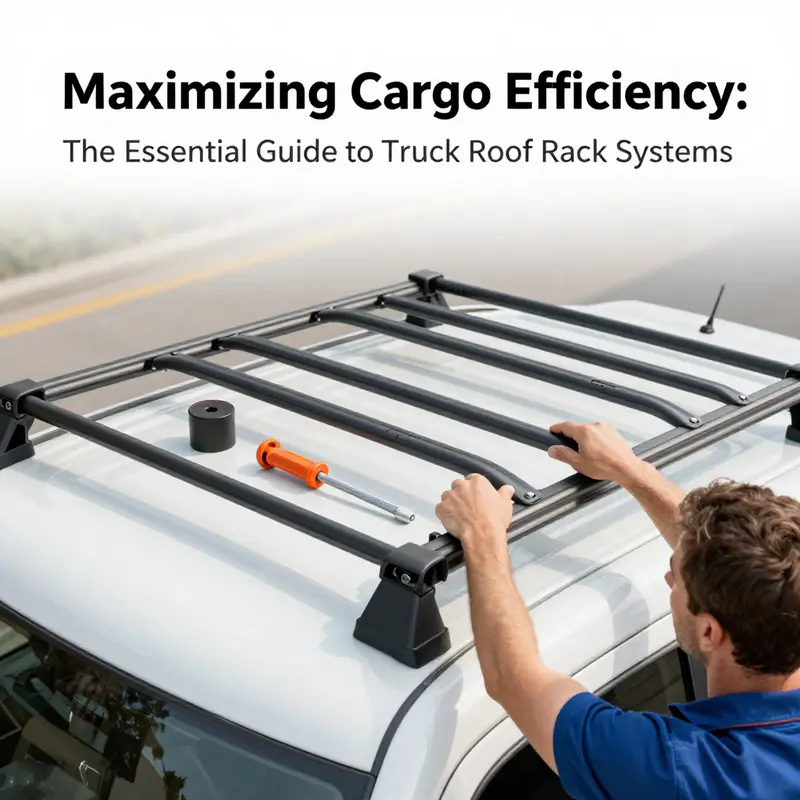
A roof rack system is more than a bundle of crossbars and brackets. It is a conversation between the vehicle’s structure, the rack’s geometry, and the gear that must ride above the cab. The installation challenge is less about sheer strength and more about harmonizing load paths, roof integrity, and wind forces. When done well, a rack system disappears into the vehicle’s silhouette, enabling you to carry ladders, boards, bikes, boxes, and tents with confidence. When done poorly, even small misalignments can cause uneven wear, marginal handling, or unsafe loads that threaten both the rack and the vehicle it adorns. The core of a successful roof rack experience is compatibility—how well the system fits the truck’s make, model, year, cab style, and roof configuration—and how carefully it is installed to respect the vehicle’s limits and the user’s practical needs.
Compatibility begins with a precise match to the truck’s roof. Many modern pickups and SUVs offer factory mounting points or tracks that streamline attachment and provide a secure anchor. Those pre-installed points are a powerful advantage: they establish a known reference for load distribution and reduce the risk of shifting under dynamic driving conditions. Vehicles without such points complicate matters. In these cases, aftermarket solutions may rely on clamps, captive fasteners, or drilled mounts that interact with the roof structure. Drilling into a roof is not a decision to be taken lightly; it can affect warranty coverage and water sealing if not executed to specification. Always consult the owner’s manual and the rack manufacturer’s installation instructions before committing to penetrating hardware. A responsible approach treats compatibility as a two-way street: the vehicle should guide the rack’s mounting strategy, and the rack should be selected with the vehicle’s roof profile, stiffness, and intended loads in mind.
The cab’s size and roof style matter just as much as the truck’s year. A full-size crew cab, a compact single cab, a sunroof-equipped roof, or a curved roof edge all impose unique attachment challenges. Roof systems are designed around specific geometries, including the spacing of mounting feet, the maximum spread of crossbars, and the potential interference with door seals, sunroofs, or roof vents. Even when a rack claims broad compatibility, the real-world fit depends on the precise dimensions of the roof in question and how the mounting feet sit in relation to gutters, rails, or curvature. This is why manufacturers emphasize checking compatibility notes for your exact vehicle configuration and why technicians often verify fit with a physical mock-up before drilling or tightening.
Beyond the vehicle’s profile, the weight budget is a decisive factor. The roof bears a dynamic load that changes with speed, wind, and the type of cargo. The rack’s own weight is part of that equation, and it, too, must be considered in the overall payload calculation. A common rule is to stay within the vehicle’s designated roof load limit, subtract the weight of the rack itself, and account for the anticipated cargo. Overloading can impair handling, affect braking, and elevate the risk of roof-mounted gear shifting during cornering or gusty conditions. For frequent or heavy-duty use, a permanent, vehicle-specific mounting approach often provides the strongest, most stable solution. It delivers a lower center of gravity, better aerodynamics, and a more predictable performance under load. Conversely, a temporary or clamp-based system offers flexibility and ease of removal but may deliver less rigidity and a different wind profile than a fixed installation.
The materials chosen for the rack are not merely about corrosion resistance or appearance. Aluminum systems typically strike a favorable balance between strength and weight, preserving fuel economy and handling while resisting the wear of road salt and moisture. Steel systems tend to offer greater raw capacity and durability, but their heavier mass and potential for rust—without proper coating and maintenance—must be weighed against the owner’s climate and care routine. Lightweight aluminum rails, robust clamps, and corrosion-resistant fasteners contribute to a system that remains functional after years of exposure to sun, rain, and road spray. The choice of materials also informs long-term maintenance. A rack that’s easy to inspect for loosened fasteners, bent feet, or worn rubber pads will stay safer longer and require fewer surprises on the next trip.
Internal design features further influence installation ease and performance. Many modern racks are modular, allowing for a mix of crossbars, mounting feet, and accessory rails that can be tailored to the owner’s activities. A modular approach reduces the amount of hardware needed for a given configuration and simplifies future changes. For drivers who regularly swap gear—from ladders to bikes to a rooftop tent—the ability to reconfigure without a full disassembly is a practical advantage. The fit is also enhanced when the system is designed with vehicle-specific compatibility in mind. Certain foot systems align with precise anchor points, providing a more secure engagement and minimizing the risk of shifting under load. A thoughtful design also considers ease of use: some racks offer simplified tensioning, automatic securing features, or tilt-free handling of long items, all of which reduce the risk of improper loading and improve user safety.
When contemplating installation, it is sensible to start with a clear assessment of your typical loads. If your routine involves carrying long items such as ladders or boards, a rack that supports long-object mounting with even load distribution becomes particularly valuable. For frequent travelers who carry gear like bikes, skis, or camping equipment, the system should accommodate quick accessory changes without compromising integrity. The goal is to achieve secure engagement with the vehicle, even as you add or remove gear across seasons or projects. The importance of even load distribution cannot be overstated: uneven loading can create torsion forces on the roof, stress mounting points, and alter the vehicle’s handling characteristics. A well-balanced load helps maintain steering response and minimizes the risk of wind-induced sway at highway speeds.
In practice, the installation pathway follows a careful sequence. Begin with a clean roof surface and inspect for any damage to weather seals around potential mounting points. Then verify the roof’s structural capacity for the envisioned loads, using the manual’s guidance and manufacturer specifications. If the system uses pre-installed anchors, align the feet with those points and snug the fasteners to the recommended torque. For non-prepped roofs, ensure that any drilled mounts are installed using proper safeguarding techniques, including weatherproof sealing and corrosion protection. It is common to encounter a moment where the crossbar span must be set to achieve the correct balance between stability and wind resistance. The moment you have a secure baseline, you can add accessories in a stepwise fashion, verifying each item’s attachment as you go. The process becomes a disciplined routine: check, align, secure, recheck, and test the system under a short drive to confirm no movement or unusual noise.
Even with a robust installation, proper usage remains critical. A rack should be treated as part of the vehicle’s suspension and handling system, not as a decorative addition. Road conditions, speed, and weather all influence performance. The aerodynamic drag introduced by a roof system can impact fuel efficiency, particularly on long trips. Careful loading and secure fastening help preserve stability and minimize noise. If you anticipate frequent changes in cargo type, a modular solution offers a practical path to continued safety and efficiency. For those who want to explore a broader range of compatible options and installation considerations, see the overview of Roof Racks, which provides a broader sense of how different trucks and configurations influence rack choice and installation strategy. Roof Racks.
The installation landscape also benefits from credible, vehicle-specific guidance. Manufacturer documentation and professional installers provide crucial details about mounting geometry, recommended torque, and the risks of improper installation. In particular, installation guidance often highlights the importance of even torque application to all mounting points and the avoidance of over-tightening which can damage mounting surfaces. Where warranties exist, following the approved procedures is essential to preserving coverage. A careful reader of both the vehicle manual and the rack manual can anticipate issues before they arise, reducing the chance of post-install surprises and ensuring the system meets both safety standards and personal expectations.
From a practical standpoint, the compatibility story is ultimately as much about usage as it is about fit. A compatible system that is easy to use will encourage regular checks and adjustments, extending the life of both rack and cargo. The most dependable setups are those that combine a vehicle-specific approach with a modular, adaptable design. They deliver secure mounting, predictable handling, and a straightforward pathway to upgrading or reconfiguring gear as needs evolve. When you step back and consider the broader picture, the goal is to have a roof rack that integrates seamlessly with the vehicle’s architecture while offering the flexibility to grow with the owner’s changing adventures. For reference on how modular aluminum designs can be implemented to maximize practicality and safety in ladder transport or long-object routing, you can consult a representative overview of modular roof racks.
External resource: https://www.prime-design.com/en/products/roof-racks/ergorack
Balancing Strength, Stability, and Safety: A Comprehensive Look at Performance in Truck Roof Rack Systems
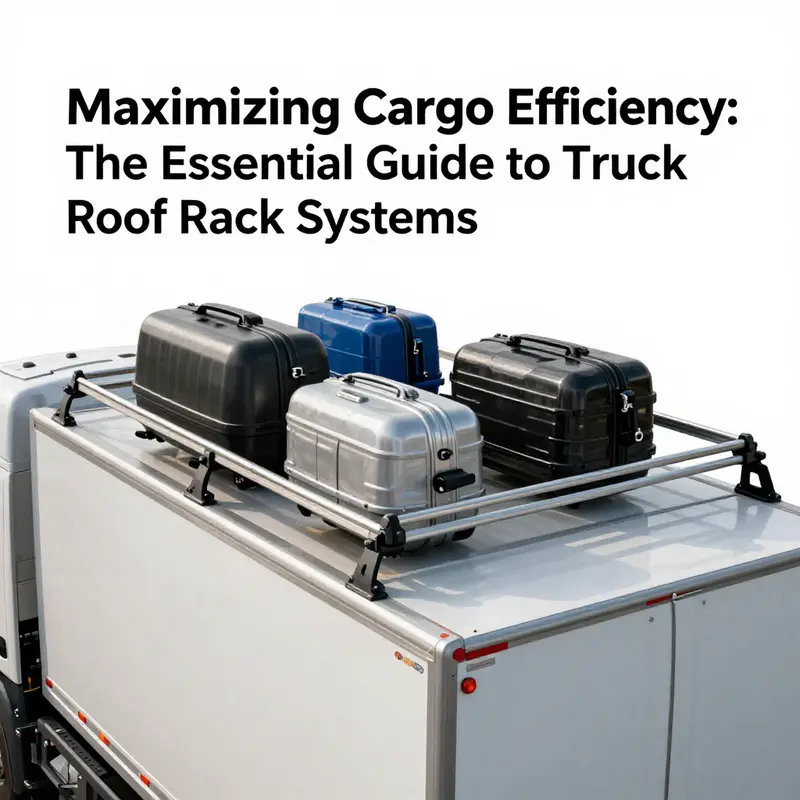
The performance of a truck roof rack system hinges on a careful balance between strength, stability, and safety. When a system is chosen, its real value emerges not in raw capacity alone but in how well it harmonizes with the vehicle, the kind of gear carried, and the conditions under which it operates. A roof rack is a modular platform for extension, but its value is only realized when the load is managed with discipline and forethought. A robust rack can multiply the usefulness of a pickup, transforming it from a simple hauler into a versatile work and adventure machine. Yet that same system, if misapplied, can undermine handling, increase fuel burn, or worse, compromise safety. The road between capability and reliability runs through a few core decisions: compatibility, weight, installation method, and ongoing maintenance, all of which interact with your specific vehicle’s roof structure and the kinds of loads you plan to transport.
Compatibility sits at the heart of performance. A rack must fit the vehicle’s roof and, critically, align with the weight-bearing capabilities of the roof itself. Most racks are designed to support a defined range, often around 150 to 200 pounds, including the rack’s own weight in some cases. The temptation to push beyond that limit is strong when you haul bulky or heavy equipment like a canoe, a stack of camping gear, or a set of bicycles. But exceeding the recommended limit invites a cascade of risks: the rack components may deform, fasteners can loosen, and the vehicle’s handling can become unsettled under gusty crosswinds or uneven surfaces. The safest approach is to know the exact model you intend to mount, verify the roof’s load history and any caps or toppers that might alter the load path, and respect the published rating. A correct match not only protects the rack but preserves steering feel, braking dynamics, and tire wear, which can be subtly but meaningfully affected by high, unbalanced loads.
Weight capacity is only one side of the equation. Where the load sits matters as much as how much it weighs. A well-planned arrangement keeps the heaviest items as low and as close to the vehicle’s centerline as possible, distributing weight evenly along the length of the rack. When heavier gear is placed toward the middle, it helps maintain a predictable center of gravity, reducing the tendency of the vehicle to pitch or yaw during corners or during sudden maneuvers. Conversely, placing a lot of mass toward the front or rear edges can magnify wind forces and create a kind of fulcrum effect that reduces stability. This is where the design of the rack—whether it uses rail-based systems, clamps, or bolt-on mountings—plays a decisive role. Rail-based configurations can offer continuous adjustment along the roof, enabling precise weight distribution and more nuanced alignment with crossbars. Clamp-on solutions are often favored for temporary needs because they can be removed without modifying the vehicle. Bolt-on installations, while more permanent and often more rigid, require careful alignment and a reliable mounting pattern to ensure even load transfer and long-term integrity.
Material selection directly influences performance under pressure. Aluminum racks are widely favored for their strength-to-weight ratio and corrosion resistance, which helps preserve fuel efficiency and handling while resisting the wear of exposure to road salt, rain, and spray. Steel racks offer exceptional durability and higher raw load capacity, but their greater weight and susceptibility to rust if not properly treated can complicate long-term maintenance. The optimal choice often comes down to the expected duty cycle: regular, heavy use in all-weather conditions may justify a steel or aluminum alloy system with robust coatings, while lighter, intermittent use paired with a focus on fuel economy may point toward aluminum with thoughtful design geometry to minimize aerodynamic drag. In all cases, the system should be compatible with the vehicle’s roof structure and the existing mounting points. A roof rack that integrates smoothly with the vehicle’s design, optimizing both fit and function, contributes to stable handling and reduces the likelihood of wear that can arise from complex or ill-suited attachment schemes.
Installing a rack is not a one-and-done task but a maintenance routine. The installation method—bolt-on, clamp-on, or rail-based—affects both ease of use and long-term stability. Bolt-on systems, when executed with proper hardware and torque specs, typically deliver the greatest rigidity and predictable load transfer. They demand careful drilling and alignment, and the process usually benefits from professional installation if the roof structure is not clearly accessible or the vehicle is under warranty considerations. Clamp-on solutions excel for temporary use and for owners who switch configurations seasonally. They can be installed with less labor and without drilling, but they require vigilance to ensure clamps remain tight and do not creep with vibration. Rail-based systems offer the most flexibility, allowing frequent repositioning of crossbars and accessories without disassembling major components. They require precision to maintain even load distribution and to prevent stress concentrations along the roof seam.
The material choice intersects with ongoing safety checks. Regular maintenance becomes a safety habit, not a chore. After rough or off-road use, or after carrying bulkier loads, it is prudent to inspect fasteners, springs, and clamps for signs of loosening or fatigue. Vibrations can loosen fittings over time, especially on longitudinal trips through washboards, gravel, or sections of road with many potholes. A quick pre-trip check—visually inspecting mounting points, wrenches on bolts, and the overall evenness of the load—serves as a preventive measure that often prevents a larger issue on the road. It is also important to assess for roof surface damage such as scratches or dents, which can occur if a heavy object shifts or if mounting hardware bears directly on painted surfaces without proper padding. Even well-designed racks can become a source of risk if mounting hardware contacts the vehicle’s roof or if items such as kayaks or boards catch wind in a way that creates sudden loading on one side. A careful check helps avoid cosmetic damage and potential structural concerns.
To appreciate the practical implications of performance and safety, consider dynamic realities during travel. A well-rigged system that supports a balanced load improves aerodynamics, reduces wind noise, and stabilizes the ride. It also reduces the chance of gear shifting during braking or cornering, which can be dangerous if unsecured. For the contractor or adventurer who uses a roof rack daily, this translates into more predictable handling and less fatigue, because the driver does not have to compensate for unexpected gear movement. The performance equation thus becomes a mix of precise fit, robust materials, and disciplined operation. Even routine launches—like heading to a remote site with a toolbox, ladder, or a set of outdoor gear—can become a more efficient and safer experience when the rack is designed, installed, and used with attention to load distribution and condition monitoring.
A final consideration is how to make an informed decision that aligns with both current needs and future opportunities. Manufacturer specifications provide the baseline, and real-world user reviews shed light on how systems perform under typical conditions. The best choice often blends a strong, corrosion-resistant construction with a mounting approach that fits the vehicle and the intended use, while offering reasonable ease of adjustment or removal when the load changes. Informed decisions also involve an understanding of how different configurations affect fuel efficiency, aerodynamics, and overall vehicle dynamics. An owner who plans frequent, heavy-duty use for overland trips will place greater emphasis on durability and rigidity, while someone who migrates gear seasonally may prioritize modularity and ease of removal. Regardless of emphasis, the goal remains the same: maximize functional capacity without compromising safety or the vehicle’s fundamental handling characteristics.
For readers seeking practical, experience-based guidance in mounting solutions and compatibility, see Roof Racks for Trucks. This resource provides a grounded perspective on how various mounting approaches translate to real-world use, including the steps that help ensure even load distribution and secure attachment across a range of vehicle types. As you assess options, keep in mind that the right system is not merely the one with the highest rating or the lightest weight; it is the one that integrates with your vehicle’s architecture, carries the gear you need with confidence, and remains safe and reliable under the conditions you expect to encounter. Making an informed choice requires patience, careful measurement, and honest appraisal of how your hauls will evolve with time as your needs shift—from daily jobsite essentials to weekend explorations.
To support a practical path forward, consult reputable sources for installation guidance and performance expectations, balance your load for stability, and commit to ongoing maintenance. This approach ensures the rack enhances your vehicle’s capability rather than becoming a constraint. For a broader safety-focused context, the official roof rack safety guide offers detailed considerations on capacity, fastener maintenance, and load distribution that are worth reviewing as part of your planning process. External resource: https://www.autoracksystems.com/truck-roof-rack-safety-guide
Final thoughts
Understanding truck roof rack systems is pivotal for business owners seeking to optimize their cargo capabilities. By choosing the appropriate type of rack—whether temporary or permanent—and selecting the right materials like aluminum or steel, you can enhance your vehicle’s efficiency and functionality. The flexibility offered by modular systems allows for customization to meet diverse needs. Furthermore, proper installation and adherence to safety practices ensure that your equipment is securely transported, protecting both your cargo and vehicle. Equipped with this knowledge, business owners can make informed decisions that contribute to increased productivity and operational success.