
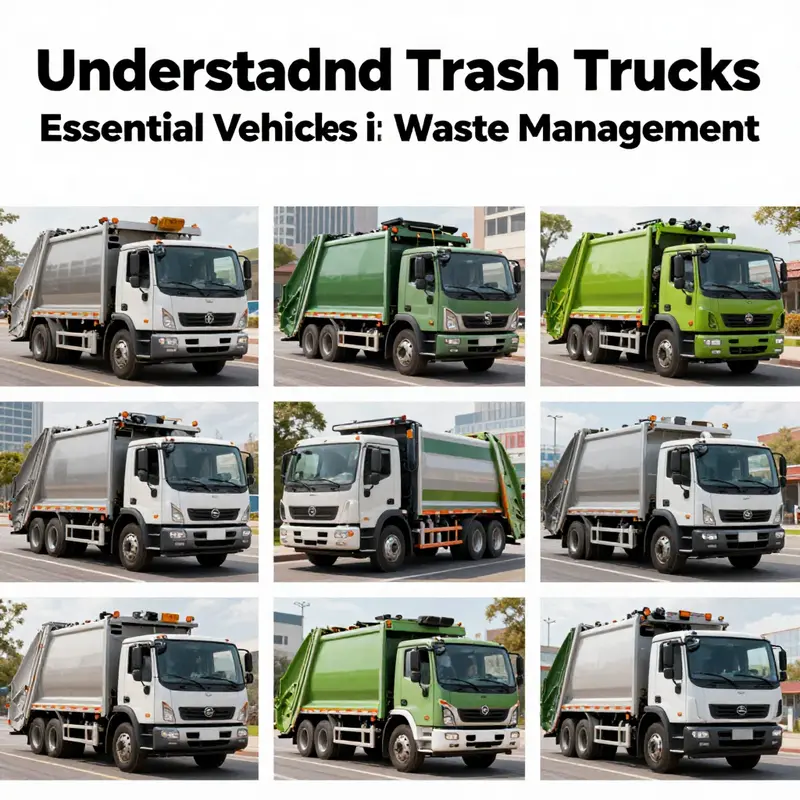
The management of waste is a critical aspect of modern urban living, demanding efficient and effective systems for trash collection. At the heart of these operations are trucks designed specifically for waste transport, commonly referred to as garbage trucks. Understanding the different types of trucks, their designs, and their functions can significantly benefit business owners looking to engage with or improve waste management practices. From compactor trucks that maximize load efficiency to the economic impacts of waste collection vehicles in urban areas, this article will provide a comprehensive overview. We will delve into the technical specifications of compactor trucks, explore their economic contributions, and emphasize the societal importance of sanitation vehicles in promoting public health and environmental management.
The Hidden Engine: How Garbage Trucks Keep Cities Clean
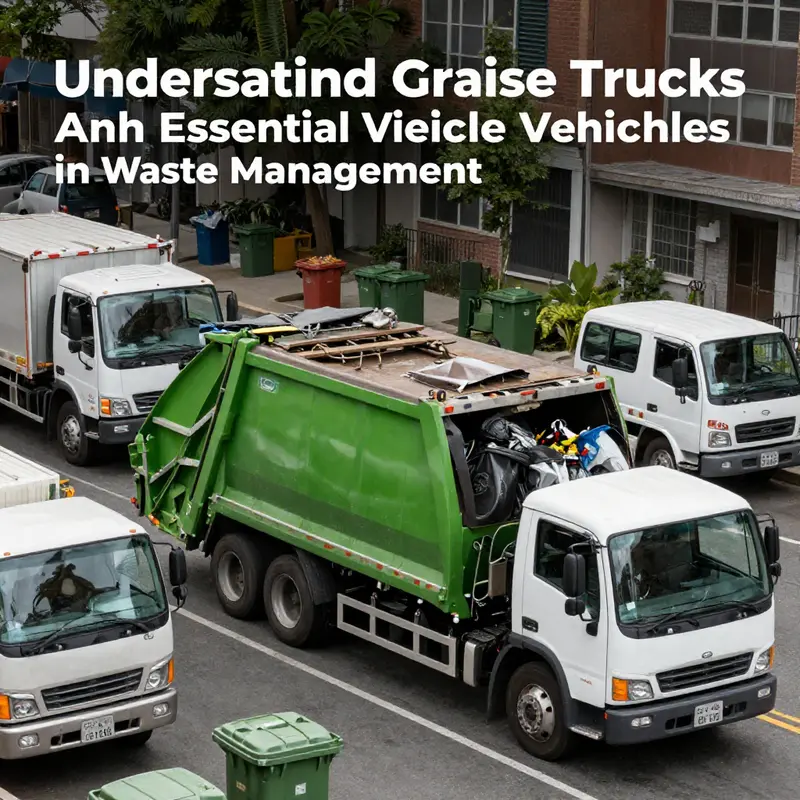
In every city, the early‑morning rumble of a garbage truck marks the start of a complex, invisible system that protects public health and urban livability. These vehicles are far more than simple carts for hauling waste; they are engineered platforms that integrate loading mechanisms, high‑force compactors, powertrains, and safety features to move thousands of kilograms of refuse efficiently and safely.
Types of Loaders
- Rear‑loader – the most recognizable design, with a hydraulic arm that lifts curbside bins into a rear hopper.
- Side‑loader – often automated, the arm extends from the side, allowing the truck to stay in one lane and avoid reversing.
- Front‑loader – used for large commercial dumpsters, employing a front‑mounted lift that tilts the container into the hopper.
Each loader type influences route planning, crew ergonomics, and the speed of collection. Municipal fleets typically operate a mixed fleet so they can match the loader to the local container standards and street geometry.
The Compaction Core
Inside the body, a powerful compactor crushes waste, dramatically increasing payload capacity. By reducing volume, trucks need fewer trips, which cuts fuel consumption, emissions, and road wear. Modern compactors are synchronized with the loading bay, providing smooth, controlled compression that protects both the vehicle and the waste stream.
Cleaner Powertrains
Environmental pressure has driven many cities to adopt alternative fuels. Biodiesel, natural‑gas, and even electric drivetrains are entering municipal fleets, paired with advanced engine management and regenerative braking. These technologies lower particulate emissions, reduce greenhouse‑gas output, and can lower long‑term operating costs.
Body Architecture & On‑Board Storage
A durable, easy‑to‑clean body is essential. Trucks often feature modular storage compartments for tools, personal protective equipment, and spare parts. This organization minimizes downtime and keeps crews safe by reducing the need to carry equipment in the cargo area.
Adapting to Waste Streams
Urban waste is heterogeneous: organics, recyclables, and residuals each have different container sizes and handling requirements. Side‑loaders may include separate bins for recyclables, while rear‑loaders often rely on a single compartment with a sorting step at the transfer station. Flexibility in container handling ensures the fleet can comply with local recycling mandates and seasonal variations.
Safety & Human Factors
Safety systems such as reflective markings, audible alarms, backup cameras, and ergonomic cab designs protect both workers and the public. Automation of the lift arm reduces manual lifting, decreasing the risk of musculoskeletal injuries.
The Bigger Picture
Garbage trucks are a critical node in the urban sanitation network. Their design reflects a balance of mechanical robustness, environmental stewardship, and human‑centered operation. As cities evolve, trucks will continue to incorporate smarter data collection for route optimization, stricter emissions controls, and more sophisticated automation, all while keeping the streets clean and the air healthier.
Internal link: for a practical look at on‑board storage, see the concept of the truck box (https://trucksdiy.com/blog/truckbox/).
External reading: a standards‑based overview of modern garbage trucks is available at https://www.example.com/garbage-truck-standards.
Rumbling Giants of the Route: A Thorough Look at Trash-Collecting Trucks and Their Roles
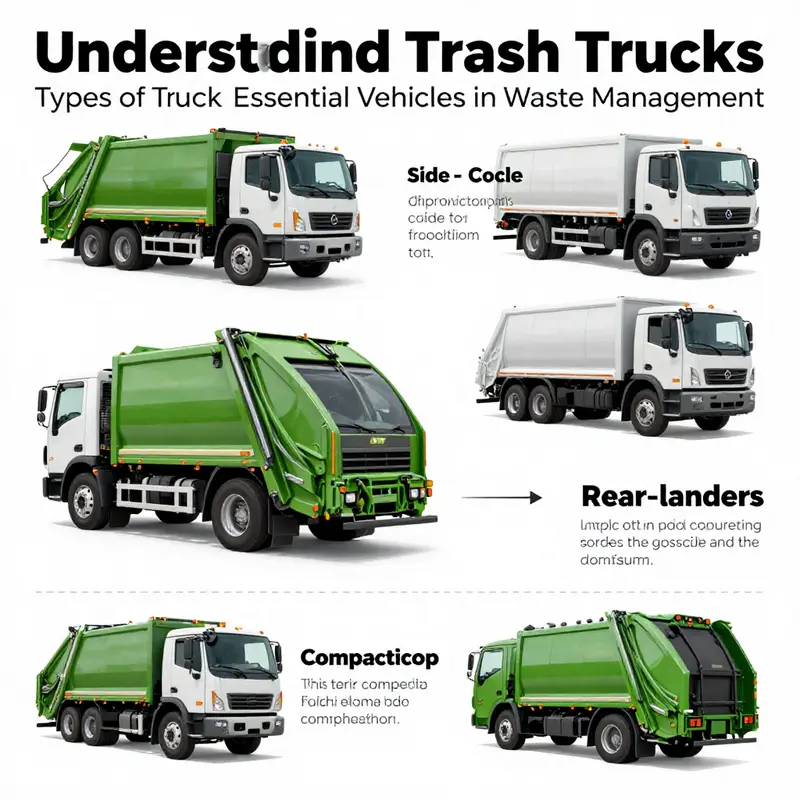
In cities around the world, a surprisingly diverse fleet of heavy-duty vehicles works at dawn and dusk to keep streets clean and neighborhoods healthy. These workhorses are not just big metal boxes on wheels; they are purpose-built systems that translate an abstract need—portable waste management—into precise mechanical action. The vocabulary surrounding them shifts by region and use, but the core concept remains consistent: a truck designed to carry trash is not one-size-fits-all. Some collect from residential curbs while others hoist and haul from industrial loading docks; some compact waste to fit more in a single run, others emphasize speed and automation to minimize human labor. The result is a spectrum that mirrors the density and diversity of the urban environments they serve. To truly understand how these trucks function, it helps to start with the basic question of how waste enters the vehicle, how it is stored, and how the vehicle moves that waste toward processing facilities or transfer stations. In practice, the most common terms you’ll hear—garbage truck, waste collection truck, or compactor truck—offer a general sense, but the details behind each label reveal different design priorities and operational profiles. The differences may seem subtle on paper, yet they shape everything from daily routes to city budgets and environmental outcomes.
Rear-load compactors sit at the heart of many municipal and commercial operations. Their design centers a rear hopper that accepts waste from the back, where a powerful hydraulic ram compresses material into the main body. This arrangement optimizes cargo capacity and fuel efficiency, allowing crews to cover long routes with fewer trips. The rear-loading mechanism often integrates automated or semi-automated features, such as loading arms that reach into commercial bins or onto loading docks, and safety interlocks that help prevent accidents during the compression cycle. The result is a workhorse capable of handling high volumes, suitable for office campuses, shopping centers, schools, and hospitals with steady streams of refuse. The trade-off is that the compacting process, while efficient, is most effective when the waste stream is relatively uniform and dense, which is why rear-loaders have become a mainstay for heavy, predictable waste flows.
Side-load hopper trucks, by contrast, are engineered with residential routes in mind. The hallmark of these vehicles is the side-mounted hopper and lifting mechanism that can automatically lift standardized curbside bins, tilt them over the hopper, and dump their contents into the truck. This arrangement reduces manual handling for workers, increasing safety and lowering the physical toll of routine daily pick-ups. Side-loaders are particularly well suited to lower-density, high-volume residential routes, where the bins are standardized and frequent stops are the norm. While their automatic side-rate lifting is a major labor saver, their capacity for on-board compaction is typically less than that of rear-loaders. Still, the efficiency gains in urban neighborhoods—fewer lifts, quicker conversions, and smoother customer service—make side-loaders a dependable workhorse in many municipalities.
Front-load garbage trucks represent another end of the spectrum: they are built for large, commercial, or industrial waste streams that come in big, standardized containers. Their front-mounted hydraulic arms clamp onto dumpsters or large refuse bins, lift and dump entire containers into the bed, and then return the container to the curb. This design is prized for rapid loading and minimal manual labor, allowing crews to service hospitals, hotels, large campuses, and manufacturing facilities with brisk service cycles. Front-loaders are typically paired with heavy-duty chassis and larger bodies to accommodate the bigger containers and higher payloads that mark commercial waste streams. While they demand robust infrastructure to manage heavy containers, their efficiency in fast-paced commercial settings makes them invaluable in dense urban cores and corporate districts.
A specialized branch of the front-loader family is the self-loading, or pull-off, truck. In these systems, the vehicle not only lifts a container but is designed to detach from the container after loading. This detach-and-go capability enables rapid container replacement without lengthy on-site handling, a feature that proves especially beneficial in busy commercial districts or recycling centers where turnover is critical. The pull-off configuration exemplifies the ongoing push toward operational efficiency, where the goal is to reduce crew time on each stop while preserving safety and reliability across shifts.
Advancing from these baseline designs, automated side-load (ASL) trucks take a further step toward minimizing driver involvement in the loading cycle. ASL trucks deploy fully automated bin lifting, tipping, and return—driven by a network of sensors and controlled by precise onboard systems. The automation reduces the physical demands on operators and can improve route consistency and safety. In many cities pursuing modernization and sustainability goals, ASL trucks symbolize a shift from manual labor to technology-assisted operations. The trend toward automation is intertwined with broader fleet-management strategies that emphasize data collection, predictive maintenance, and real-time monitoring, turning a simple collection route into a dynamic, responsive operation.
Beyond the mechanics of loading and hauling, the ethical and environmental dimensions of these vehicles are increasingly central to their design. Electric and hydrogen-powered waste trucks illustrate how waste collection is aligning with climate and air-quality objectives. Electric models bring quiet operation, no tailpipe emissions, and the promise of lower maintenance costs, while hydrogen fuel cell designs offer rapid refueling and longer ranges that can support longer routes with fewer interruptions. In practice, fleets are exploring phased transitions, testing the economics of electricity and hydrogen against traditional diesel, while also considering charging infrastructure, service intervals, and the reliability of on-board systems that monitor battery health and fuel cell efficiency. These zero-emission options do not merely reduce pollution; they also redefine the rhythm of routes, often enabling quieter operations during early morning or late-night collection windows and improving the urban environment for residents and workers alike.
Some operations still rely on sealed or open-top dump configurations, which play a distinct role in bulk waste handling. Sealed dump trucks minimize dust and debris during transport, a feature that matters in construction debris removal and certain regulated waste streams. Open-top variants, while less protective of the environment during transit, serve needs where rapid unloading is essential and containment can be managed through careful site practices. In this wider ecosystem, each truck type is not a standalone solution but part of a coordinated fleet that matches route complexity, waste streams, and local regulations. The aim is to balance capacity, speed, and safety with the environmental and financial realities of city administration.
Operationally, the choice among these designs hinges on a few practical questions: What kind of waste is being collected—residential trash, commercial refuse, industrial byproducts, or a mixed stream? How dense is the route, and what are the typical container sizes and weights encountered along the way? How important are labor savings, safety, and the potential for automation? And crucially, what environmental standards must be met, from local air-quality rules to broader goals for fleet electrification? Each answer nudges fleets toward a different blend of truck types, body configurations, and loading mechanisms. In the hands of planners and crews, these choices manifest as a rhythm of operations that keeps communities clean, minimizes nuisance, and supports broader urban sustainability objectives.
Integrated design considerations extend beyond the chassis and loader arms. The body itself—its shape, its wall thickness, and its internal baffles—determines how effectively waste is compacted, how easy it is to unload, and how efficiently the vehicle travels between stops. Many fleets also rely on standardized containers and corresponding lifting mechanisms that harmonize with the truck’s geometry. For example, the same side-load approach used to lift curbside bins can be paired with a modular storage area inside the body that accommodates different bin sizes and waste densities. In practice, this level of interoperability reduces downtime and simplifies maintenance, which translates into steadier service and fewer route interruptions. For readers who want to see how these practical storage and container considerations look on a real vehicle, a dedicated resource on truck storage solutions provides a detailed picture of how compartments, boxes, and external fixtures integrate with the primary waste-carrying body. TruckBox
As the landscape of urban waste collection evolves, the vocabulary and the mechanics behind trash-carrying trucks will likely continue to shift. Yet the core insight remains steady: these are purpose-built systems that optimize how cities move waste from curb to treatment, and the choices behind them reflect a balance of capacity, speed, safety, and environmental responsibility. The conversation around these vehicles now frequently encompasses automation, electrification, and smarter fleet-management practices, all aimed at reducing costs while improving service reliability and public health. The next chapters will explore how these trends shape maintenance regimes, driver training, and the governance frameworks that steer fleets toward cleaner, safer, and more efficient operations. In the meantime, recognizing the spectrum—from rear-loads to ASL shuttling—helps illuminate why different neighborhoods receive different trucks on different days, and how those choices ripple through urban life.
For a closer look at the practical storage and container integration that accompanies many of these trucks, explore the concept of truck storage solutions and the role of dedicated storage boxes in strengthening loading efficiency and safety on the road: TruckBox.
External reference for deeper technical context: a comprehensive dumpster truck guide that covers grades, specifications, and applications offers an expert overview of how these vehicles are engineered to handle diverse waste streams and regulatory demands. https://www.wastemanagementtech.com/technical-guide-to-dumpster-trucks-grades-specifications-applications/
The Engineering Behind Compactor Trucks: How They Turn Trash Into Payload
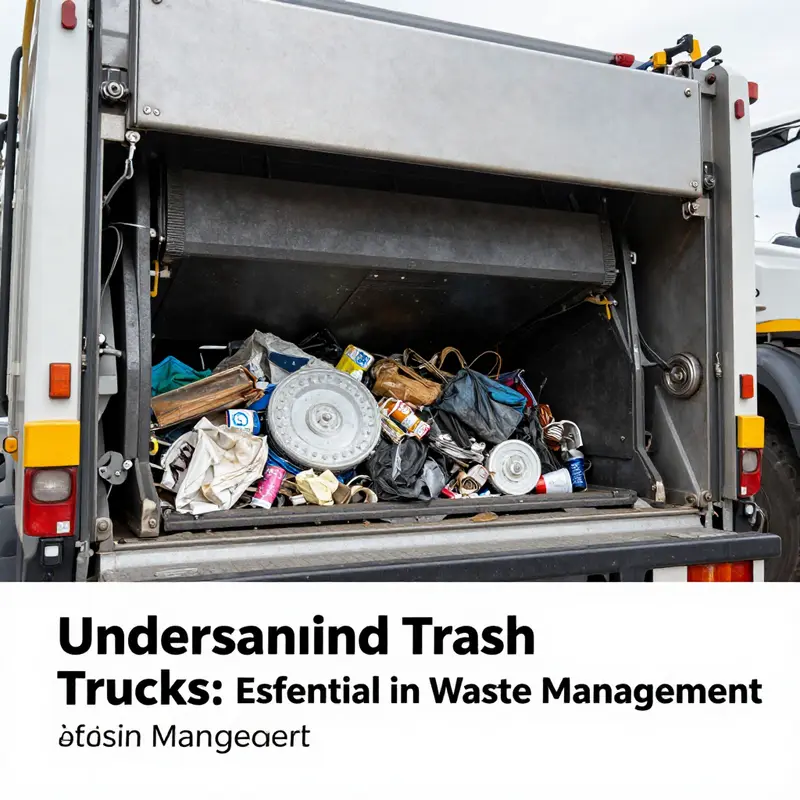
Compactor trucks are the workhorses of urban waste management, combining robust mechanical design with sophisticated hydraulic systems to squeeze large volumes of garbage into a compact, transport‑ready load. At the heart of every unit is a hydraulic compaction cylinder that delivers tens of thousands of pounds of force, driving a piston that presses waste down into a reinforced steel hopper. This compression not only maximizes payload—often doubling the amount of material a standard dump truck could carry—but also stabilizes the load, reducing shifting and improving vehicle handling on narrow city streets.
The body of the truck is engineered for durability and space efficiency. High‑side walls, a narrow overall width, and a low‑profile cab allow the vehicle to navigate tight alleys and curbside pickups while preventing debris from escaping during transit. The chassis is typically a heavy‑duty frame with reinforced cross‑members that absorb the repeated shock of compaction cycles and the weight of densely packed waste.
Loading mechanisms vary by application. Side‑loaders feature a robotic arm that lifts residential bins from the curb and empties them directly into the hopper, letting the driver stay inside the cab for safety and speed. Front‑loaders use a larger hydraulic grapple to lift commercial dumpsters, feeding material into a wide funnel before compression. Both systems are synchronized with the compaction cycle; sensors detect when the hopper is full enough to initiate a press, ensuring a smooth flow and minimizing jams.
Driver ergonomics are a key design focus. Low‑step cabs, adjustable seats, and intuitive control panels reduce fatigue on long shifts. Integrated diagnostics monitor hydraulic pressure, temperature, and component wear, alerting the crew to maintenance needs before a failure disrupts routes.
Fuel efficiency and emissions are addressed through optimized powertrains—often diesel engines paired with automatic transmissions tuned for the stop‑and‑go nature of waste collection. Some newer models incorporate hybrid or electric drive systems, leveraging the frequent idle periods to recharge batteries and reduce overall fuel consumption.
Maintenance access is built into the design: removable panels expose hydraulic hoses, cylinder seals, and electrical modules for quick inspection and replacement. A robust filtration system keeps hydraulic fluid clean, extending component life and preserving consistent compaction force.
In practice, the synergy of these subsystems—hydraulic compactor, loading arm, reinforced body, ergonomic cab, and smart diagnostics—creates a vehicle that reliably turns scattered trash into a dense, manageable payload. This efficiency cuts the number of trips to transfer stations, lowers operating costs, and keeps urban streets cleaner. For fleets seeking to improve performance, focusing on the integration of these engineering elements is the path to a more productive, safer, and environmentally friendly waste‑collection operation.
The Economic Lifecycle of Urban Waste-Collection Fleets: Costs, Choices, and Change
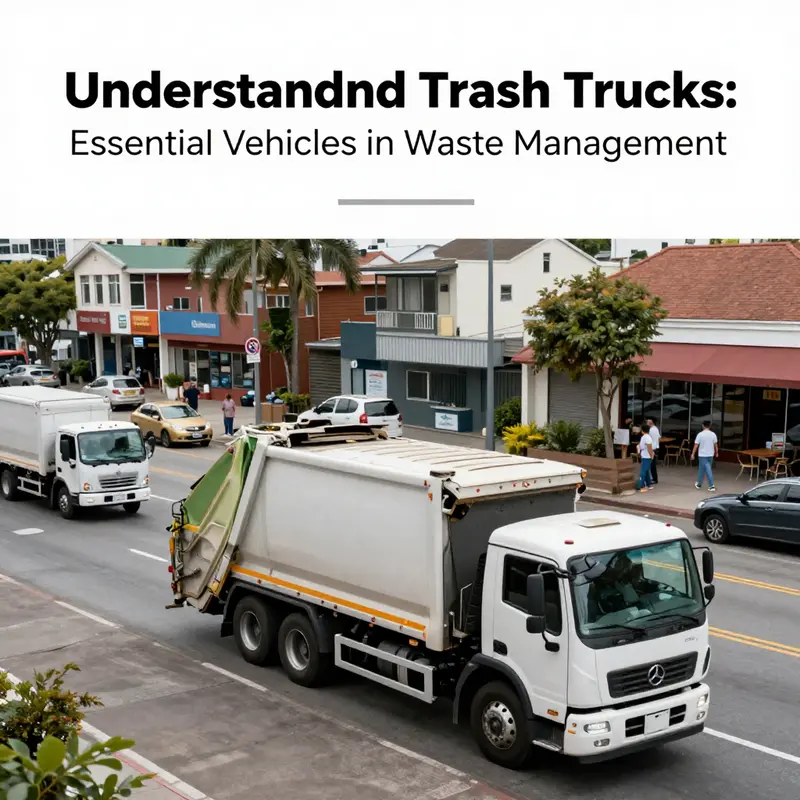
Waste-collection fleets are the quiet engines of urban hygiene, shaping how cities breathe, move, and budget for essential services. Their economic footprint extends far beyond the price tag of a single vehicle. In dense urban environments, where every mile matters, the way a fleet is designed, operated, and renewed determines not only the cost per stop but also the quality and reliability of sanitation for residents and businesses. At their core, these trucks are specialized machines built to collect, compact, and transport waste with efficiency and safety. They come in a family of designs—rear-loader, side-loader, and front-loader configurations—each optimized for different waste streams and collection patterns. These distinctions matter economically because the loading method, payload capacity, and maneuverability influence labor time, fuel use, maintenance needs, and the durability of specialized components in urban circumstances. The economic story of these vehicles, then, is a story about how cities translate a service into a budget line, how fleets balance service levels with costs, and how new technologies can bend both curves without compromising reliability.
A foundational economic consideration is the capital expenditure required to acquire a fleet capable of meeting city service standards. Municipal programs often plan multi-year procurement cycles that align with depreciation schedules and debt-management strategies. But the price of a single vehicle is only one piece of the puzzle. Constructors tailor compaction systems, hydraulics, and chassis durability to expected duty cycles. Heavier payloads and more aggressive compaction raise upfront costs while potentially lowering per-ton transport costs through higher usable capacity. The calculus then extends to lifecycle management: how long a vehicle stays in service, how often it is refurbished or rebuilt, and how its resale value evolves as technology and regulatory expectations shift. In practice, these decisions ripple into debt service, insurance costs, and the ability to fund adjacent infrastructure, like transfer stations or maintenance depots, which themselves affect total cost of ownership.
Operating costs form the other side of the ledger. Fuel or energy consumption dominates the recurring expenses for urban fleets, especially in cities with frequent stop-and-go duty cycles. The distance covered per household served, the weight of loads, and the cadence of routes all feed into fuel burn and engine wear. Maintenance expenses follow closely, driven by the demanding urban environment that subjects hydraulics, compaction blades, and hoists to frequent stopping, starting, and heavy loads. Downtime for repairs, even brief, translates into missed collections or late pickups, which in turn can trigger penalties, overtime, or overtime-labor costs. The labor component itself is intricate: in many jurisdictions, crew composition and shift patterns are constrained by labor rules, safety requirements, and union agreements, making workforce planning as critical as mechanical reliability. When fleets operate with lean staffing, every missed stop or mis-timed route reverberates through service quality and public perception, which in turn feeds political pressure and budget adjustments.
Beyond these direct costs lies the matter of efficiency. Traditional route planning, with fixed schedules and predictable sectors, can yield surprisingly wasteful mileage if loaded capacity is not fully utilized. A city that runs a fleet with underutilized capacity will face higher per-ton costs and more emissions per load. The 2024 study Trash talk: Five ways to reduce the cost of urban waste collection highlights the leverage points that move the needle: optimize routes to eliminate backtracking, align load goal with stop cadence, and maximize fleet utilization by balancing vehicle size with daily tonnage. In practical terms, these strategies translate into shorter average trip lengths, fewer empty miles, and less time spent on each stop. The economic payoff is not just lower fuel bills; it also means reduced maintenance cycles, longer vehicle life, and improved service reliability. This logic encourages municipalities to invest in planning, data, and training alongside their trucks, because the real dollar savings come from smarter dispatch rather than simply buying more or bigger vehicles.
The shift toward smarter fleets is increasingly inseparable from sustainability considerations. As urban policy increasingly prizes lower emissions and cleaner air, the economic narrative accommodates not just cost but carbon and health externalities. The move toward electric or alternative-fuel fleets promises lower fuel costs and quieter, less polluting operations in dense neighborhoods. Yet the initial capital outlay for such technology is higher, and the economics hinge on longer-term savings in energy, maintenance, and regulatory compliance. A growing body of techno-economic analysis suggests that while upfront costs can be steep, the total cost of ownership declines with higher efficiency, lower maintenance demands, and the potential to participate in carbon-pricing schemes or incentive programs. The challenge for cities is to model these trade-offs over the vehicle lifecycles, purchase timelines, and residual values, so that the long-run budgets reflect not only current prices but expected trajectories of energy costs and environmental regulations.
Another economic thread concerns the end of life for trucks. The urban fleet of today will become the recycling stream of tomorrow, and the volume of end-of-life vehicles is projected to rise substantially in the coming decades. A 2025 analysis indicates that the annual amount of end-of-life trucks is expected to increase nine-fold to 53 million metric tons by 2050. That projection matters economically because it reframes waste management from a one-way outflow to a circular opportunity. Metals, composites, and other materials recovered during recycling can offset some of the initial capital costs of new fleets and support regional industries around reuse and remanufacturing. For cities, this means that asset retirement planning must account for material recovery value, waste-stream management costs, and the investment needed to ensure safe and efficient decommissioning. In this broader sense, the life cycle of a waste-collection truck is part of a larger urban economy where hardware, software, and services converge to create a resilient, adaptable system that can absorb shocks—from fuel price spikes to regulatory shocks—without sacrificing service.
The economic story, however, is not only about saving money. It is also about delivering consistent service quality and maintaining public trust in sanitation systems. The economics of waste collection intersect with labor stability, public health outcomes, and the city’s capacity to respond to growth and density. In megacities and mid-sized centers alike, curbing missed collections and delays has tangible social value, which translates into funding priorities and performance metrics. When fleets demonstrate reliable performance and predictable costs, city leaders can justify investments in complementary infrastructure, such as better transfer stations, streamlined dewatering facilities, or enhanced maintenance hubs. These investments create a virtuous circle: better infrastructure supports more efficient routes and loading, which reduces operating costs and improves service. In turn, improved service supports higher collection productivity, enabling more households and commercial entities to be served within existing budgets.
Within this economic tapestry, one practical lever stands out for fleets aiming to stretch resources without compromising reliability: the equipment and technology that extend the useful life of vehicles and the efficiency of their work. Fleets increasingly rely on modular add-ons and tooling to improve throughput and safety. Even seemingly ancillary choices—like choosing hydraulics with lower wear rates, adopting more durable hopper designs, or selecting lighting and visibility aids for night operations—translate into fewer breakdowns and shorter downtime. In this context, the broader ecosystem of truck accessories and modular solutions—tools that maximize uptime and simplify maintenance—becomes part of the strategic cost management equation. For fleets seeking practical, accessible improvements, the concept of intelligent add-ons is appealing, and a quick glance at industry resources can point managers toward durable, integration-friendly options. A simple introduction to such considerations can be found in the broader discussions about truck equipment and accessories, which offer a gateway to optimizing existing assets without immediate replacement. For readers curious about these practical enhancements, a concise overview is available at truck accessories.
From a policy and planning perspective, the economics of waste collection trucks demand a holistic view that blends hardware, software, labor, and environmental considerations. Data-driven route optimization, for instance, emerges as a cross-cutting strategy with material payoffs in fuel, maintenance, and labor efficiency. Modern fleets increasingly employ telematics and analytics to monitor vehicle health, calculate real-time load factors, and forecast maintenance windows. When fleets run in this way, schedule adherence improves and the probability of unscheduled downtime declines. The net effect is a more predictable cost structure and a more reliable service, which makes it easier for municipalities to forecast budgets and to plan for future expansions or contractions of service areas.
As cities continue to evolve in the face of growth, aging infrastructure, and shifting environmental norms, the economics of waste collection fleets will remain a lens through which public policy, industrial design, and urban planning intersect. The challenge is not merely to buy more efficient trucks, but to choreograph an entire system around efficiency, resilience, and circularity. The end-of-life narrative will increasingly become a thread through which cities catalyze local recycling networks, maximize material recovery, and reuse components where feasible. In practical terms, this means building procurement and retirement programs that internalize the value of durability, service life, and recyclability. It also means recognizing that the most cost-effective solutions may involve a blend of technologies and configurations tailored to a city’s specific geography, density, and waste profile. If a municipality pursues such an integrated approach, it can turn what is often seen as a fixed cost into a platform for broader urban modernization—lower energy bills, cleaner air, and a more resilient public service that still respects taxpayers’ budgets.
External resource: The Energy and Carbon Footprint of an Urban Waste Collection Fleet, Journal of Cleaner Production, 2023. https://www.sciencedirect.com/science/article/pii/S0959652623012789
Carriers of Cleanliness: The Hidden Role of Trash-Transport Trucks in Urban Health and Environmental Stewardship
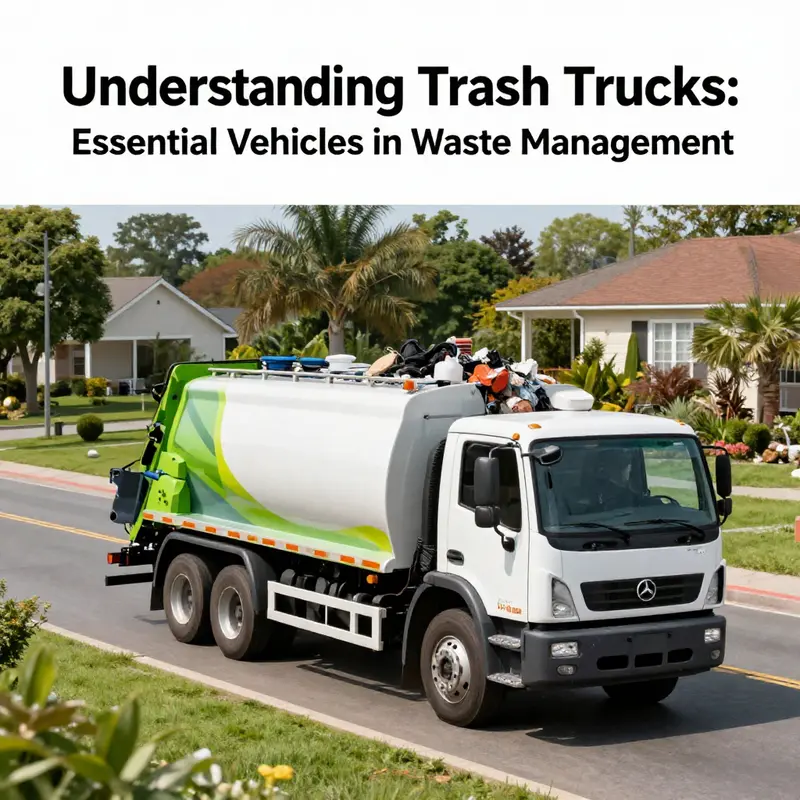
Across cities and towns, the sight of a sanitation truck might seem routine, almost invisible. Yet the quiet work of carrying trash is foundational to public health, ecological integrity, and the everyday functioning of modern life. These vehicles do more than move refuse from curb to dump; they are moving laboratories of sanitation, logistics hubs on wheels, and the frontline operators in a system that protects water quality, soil health, and the safety of crowded streets. In many places they are known by several names, a reflection of design, function, and regional language: a garbage truck or waste collection truck in everyday speech, a compacting workhorse that boosts capacity in dense neighborhoods, or a rear-loader, side-loader, or front-loader depending on how waste enters the body of the vehicle and how it is ejected at the end of a route. Each design tells a story about how cities want to collect, compress, and transport refuse while keeping neighborhoods healthier and streets safer. In some regions, especially where public health infrastructure has deep roots in municipal planning, these vehicles are also labeled sanitation trucks, a term that foregrounds their role in hygiene and environmental cleanup. The language is practical, but the function is profound: sanitation trucks translate the abstract ideals of cleanliness and environmental protection into real, measurable outcomes on the ground. They are the tangible interface between households generating waste and the systems that prevent contamination from spreading through water, soil, or air. The mechanics of these vehicles—how they load, compress, and haul waste—are not merely engineering quirks; they reflect a philosophy of efficiency, reliability, and worker safety. A city facing limited road space and high population density cannot waste time on inefficient routes or broken containers. The trucks, therefore, are designed to optimize every mile: robust hydraulics, durable containment systems, and loading mechanisms that minimize exposure to odors and pests. The choices in design—rear-loader, side-loader, or front-loader—each respond to a different urban reality. A rear-loader typically compacts waste inside a sealed chamber after the crew loads it from the back, using a hopper and a mechanical arm that grips standardized containers. This configuration suits curbside collection and densely built streets where space to maneuver is at a premium. A side-loader, with its side-mounted lifting arm, excels in alleys and tight corners, letting crews access bins from the curb without risking contact with moving traffic. A front-loader is the heavy lifter of commercial and industrial waste, designed to engage large dumpsters and lift them over the cab to deposit contents into the compactor. These designs are guided not only by geography but by policy choices about sanitation access, vehicle size limits, and the degree to which a city wants to automate or preserve human labor in the collection process. The naming conventions also hint at the broader systems in which these vehicles operate. In communities with advanced municipal waste programs, “garbage truck” or “waste collection truck” may be the standard, while in contexts where construction debris and soil are part of the daily load, a broader term like “dump truck” might appear, though specialized refuse collection remains its own domain. The technology inside these trucks—compaction systems, hydraulic rams, streamlined chutes, and sealed cabins for operator safety—speaks to a single aim: maximize capacity while minimizing the risks of handling waste. Capacity matters because urban areas generate waste at a rate that cannot be absorbed by a casually sized fleet. A compactor truck, in particular, presses waste to reclaim space in the tank, allowing a single route to carry more refuse before returning to base. This is not merely a matter of convenience; it is an essential element of environmental stewardship. Fewer trips mean reduced fuel burn, lower emissions, and less wear on road networks. In the dance of urban sanitation, technology and logistics converge. Today, many fleets are augmented by digital tools that track routes, monitor tank levels, and optimize service windows. Global positioning systems guide crews through complex urban grids, while real-time data streams enable supervisors to adjust schedules, respond to breakdowns, and anticipate maintenance needs before a breakdown interrupts service. The shift toward data-driven operations also supports regulatory compliance. Standards governing fuel efficiency, air quality, and waste handling are more easily met when fleets can demonstrate consistent performance, adherence to schedules, and transparent load management. Such transparency fosters public trust, an essential currency for any essential service. The societal importance of these trucks extends beyond the mechanics of loading and unloading. They are key enablers of sustainable urban development. As cities grow, planners must balance density with health outcomes, ensuring that sanitation services scale alongside housing, commerce, and public spaces. The presence of reliable waste collection reduces the likelihood of overflow, which can attract vectors, cause unpleasant odors, and degrade the urban environment. In turn, communities experience improved quality of life, reduced neighborhood blight, and the confidence that sanitation infrastructure will keep pace with growth. The environmental dimension of their work is equally significant. Preventing the overflow of untreated sewage into streams, rivers, and groundwater protects ecosystems and safeguards drinking water sources. The consequences of neglect are visible in polluted waterways, disrupted fisheries, and the spread of waterborne diseases. Sanitation trucks help close the loop between household waste and final disposal or treatment, ensuring that refuse is tucked away securely and transported to facilities designed to handle it safely. In places where sanitation infrastructure remains incomplete, these vehicles become lifelines, bridging gaps between temporary settlements and reliable waste management. They support a pragmatic approach to sanitation that can be a stepping-stone toward broader, more permanent systems. The modern iteration of this work is not just about hauling refuse; it is about integration. The best fleets work with city authorities to standardize practices, align collection schedules with traffic patterns, and coordinate with recycling and composting streams. This integration reflects a growing recognition that waste management is a networked system rather than a single, isolated task. As waste streams diversify—from organics to recyclables to residuals—so too must the vehicles and their workflows. Even within a single fleet, there is a spectrum of roles. Some teams focus on household collection, others on commercial and industrial clients, and a growing subset targets specialized waste streams that require careful handling. In many contexts, sanitation trucks also function in climate-supportive roles: maintaining sanitation services during extreme weather, providing temporary relief in shelters, and enabling rapid cleanup after disasters. The resilience of these vehicles depends on design choices that balance durability with adaptability. A well-maintained truck is a living part of a city’s infrastructure, with predictable performance that reduces the risk of service gaps during peak demand. The human element remains central. Operators carry the training to handle hazardous materials safely, to operate under variable weather and traffic conditions, and to maintain a calm, professional demeanor even when the job is physically demanding. Their safety, and the safety of the communities they serve, hinges on rigorous maintenance protocols, effective protective equipment, and clear operational procedures. The social impact of sanitation trucks also bleeds into everyday life in meaningful ways. Public confidence in the cleanliness of neighborhoods grows when services are reliable and timely. Residents come to trust the routine rhythms of pickup days, knowing that waste will be handled discreetly and without disruption to street life. This trust underpins the broader social license for cities to pursue ambitious environmental goals, such as expanding recycling programs, investing in green infrastructure, or pursuing more comprehensive sanitation coverage in underserved areas. Eco-sanitation concepts—reimagining waste as a resource, recovering nutrients, and reducing chemical inputs—receive practical embodiment in sanitation fleets that can support composting initiatives and waste-to-energy experiments. When fleets optimize routes and maximize container fill while minimizing emissions, the environmental dividend extends beyond sanitation alone. The narrative of these trucks, however, is not static. It evolves with policy, technology, and changing urban form. As cities adopt stricter environmental standards and as sensors become more capable, the fidelity of fleet management improves. This continuous improvement makes sanitation trucks not merely workers of circumstance but instruments of progressive urban governance. For readers curious about the technical backbone that supports these capabilities, the field points toward standardized specifications and ongoing innovation in the design and operation of sanitation trucks—specifications that emphasize safety, efficiency, and environmental performance. If you want a deeper dive into the engineering side of these vehicles, a detailed external resource offers a technical map of sanitation vehicle design and application. Beyond the creak of hydraulic rams and the hiss of compressed air, there lies a broader truth: sanitation trucks are essential to public health and environmental stewardship, woven into the fabric of daily life and long-term city resilience. They translate the complex demands of urban living into a service that is at once practical and principled. In the end, the value of these trucks is measured not only by their payloads but by the trust they cultivate—trust that a city can collect, contain, and convert waste in a way that protects people, preserves ecosystems, and supports sustainable growth. For readers who want to explore a more technical lens on sanitation vehicle design, an external resource provides a thorough overview of specifications and applications. And for an inside look at how fleets organize and optimize their cargo solutions, the concept of integrated equipment and cargo configurations is discussed in accessible detail at truckboxes. This chain of ideas—the design of the vehicle, the choreography of its operations, and the public health outcomes it sustains—forms the backbone of a modern sanitation system that remains largely unseen yet profoundly consequential. External resource: https://www.truckscout.com/technical-guides/lavatory-truck-specifications
Final thoughts
Understanding the variety and functionality of trucks that carry trash is crucial for business owners operating within urban settings. These vehicles not only bind the physical logistics of waste management but also play a vital role in the economic and social fabric of our communities. By investing in appropriate waste collection trucks, businesses can improve their operational efficiency and contribute positively to public health and environmental sustainability. As urban centers continue to expand, the significance of these essential vehicles will only grow, underscoring the need for responsible waste management practices that benefit everyone.