
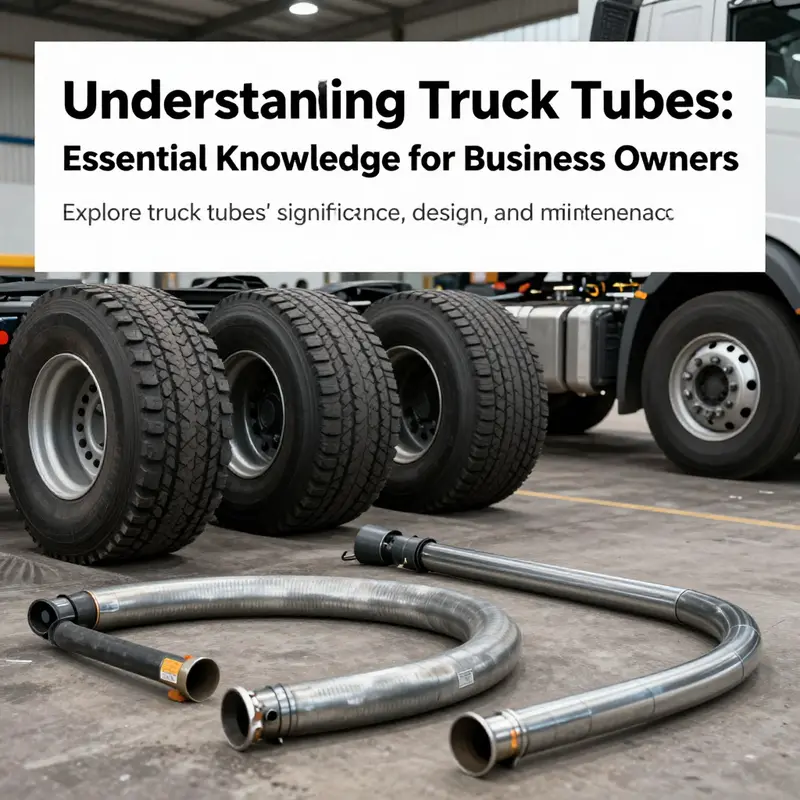
For business owners managing commercial fleets, understanding the components that support vehicle performance is vital. One such critical element is the truck tube—an inner rubber lining that plays a significant role in tire functionality. This article will delve into the definition and functionality of truck tubes, highlight their design and composition, explore their applications in various commercial vehicles, weigh their pros and cons against tubeless tires, and provide essential maintenance and replacement tips. By gaining a comprehensive understanding of truck tubes, you can make informed decisions that enhance vehicle performance and ensure a smoother operation across your fleet.
Inside the Tire: Understanding the Truck Inner Tube and Its Role on the Road
On a long haul across varied terrains, the hum of the engine and the whisper of rubber on pavement set the rhythm of life on the road. Yet there is a quiet workhorse in that system: the truck inner tube. It is not the flashiest component, but it is essential. The tube is a flexible ring placed inside the tire that holds air under pressure so the tire can bear weight and cushion the ride.
Materials and basic science: most tubes are made from butyl rubber or natural rubber. Butyl resists gas diffusion and maintains pressure longer, while natural rubber offers elasticity but can lose air more quickly. The material choice affects how the tube behaves with heat from braking and long highway runs, and how it ages in the presence of ozone.
Construction and fit: tubes are matched to rim diameter, bead seating, and tire cavity. The inner circumference must be correct so the tube does not pinch or stretch excessively. Sizes might be labeled in a code that a technician uses to select the right tube for a specific wheel and tire assembly.
Installation and life: replacing a tube involves seating the tube inside the tire, aligning the valve stem, seating the bead, and then inflating gradually to the recommended pressure. The tube shares the load with the tire and helps preserve air inside; heat, flex, and friction all affect its life. Tubes can be more prone to pinch flats in certain configurations.
Tubeless versus tubes: modern practice increasingly favors tubeless tires for reduced weight and easier repair, but tubes remain common in heavy-duty trucks due to reliability under high loads, field repairability, and fleet costs. The choice depends on equipment, road conditions, and maintenance routines.
Practical notes: routine inspection for aging, cracks, and valve stem condition helps avoid sudden deflation. If the tube is damaged in the crown or sidewall, replacement is usually required; damage near the valve stem deserves quick attention due to the risk of rapid air loss.
Cultural footnote: the term truck inner tube can appear in different contexts, including slang or marketing language. In technical writing, it remains a critical, precisely defined component of the wheel and tire system.
null
null
Inside the Tire: The Hidden Lifeline of Truck Tubes in Commercial Vehicle Operations
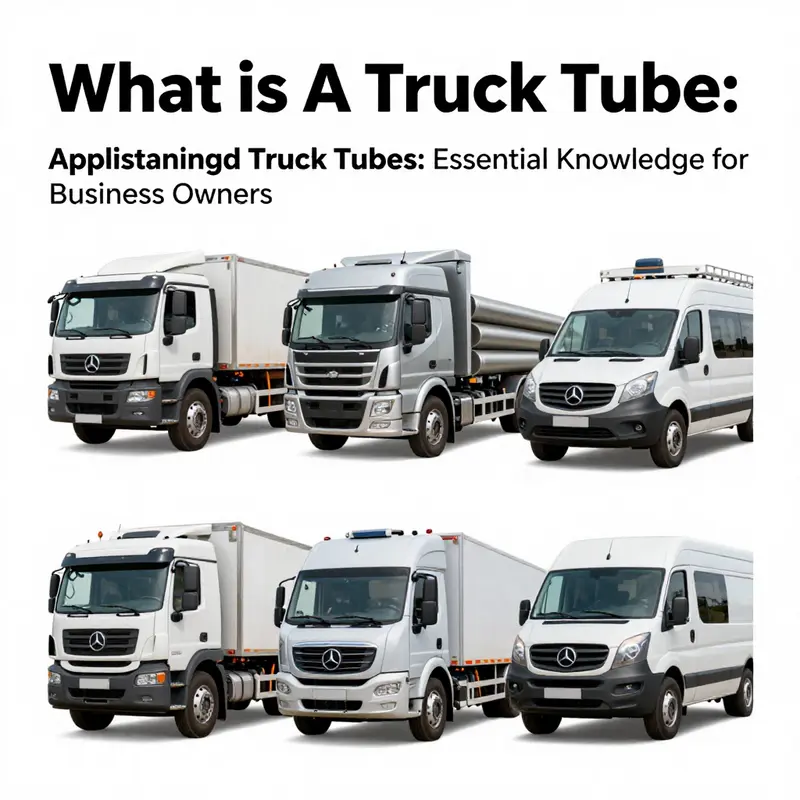
A truck tube is more than a simple, overlooked component tucked inside a tire. It is the rubber-lined chamber that holds the air pressure essential to a vehicle’s load-bearing performance. In commercial workhorse applications, where long hours on highways or rough job-site routes demand reliability, the inner tube plays a pivotal role in keeping a tire inflated, maintaining shape, and supporting the weight of heavy cargo. Understanding what a truck tube does helps explain why certain fleets still rely on this traditional technology even as tubeless systems proliferate. The tube’s primary function is deceptively straightforward: it forms a sealed pocket of air inside the tire. When inflated, the tube presses outward against the tire’s inner surface, distributing the load across the tire carcass and wheel assembly. This pressure helps the tire maintain its intended profile under a wide range of temperatures, speeds, and road conditions. In the harsh rhythm of regional freight or urban deliveries, where tires endure rapid elevation and drop-offs in road quality, the tube’s integrity becomes a factor in fuel efficiency, vehicle safety, and service intervals. The tube is designed to adapt to the tire’s inner contours, conforming to beads and shoulders while staying seated inside the casing. A well-chosen tube minimizes air leakage and cushions minor deformations caused by everyday operation. It is this cushion that helps prevent the tire from collapsing into the wheel well under heavy loads, at least for a period, which can be critical during extended trips with limited downtime for maintenance. Although tubeless tires and run-flat technologies have gained traction in modern fleets, traditional truck tubes persist where durability and cost-effectiveness under extreme conditions are a priority. In many older models or specialized heavy-duty configurations, the tube remains a proven design that pairs well with robust tire carcasses and rim systems. When a puncture occurs, the tube’s presence can slow the rate of air loss versus a fully tubeless setup, buying precious minutes for a driver to pull safely off the road. The tube can also be replaced selectively, enabling fleets to swap damaged tubes without replacing an entire tire—a factor that can reduce maintenance costs and downtime in certain circumstances. Yet this resilience comes with trade-offs. The most commonly cited drawback is the risk of pinch flats, a condition where the tube gets pinched between the wheel rim and an obstacle such as a curb or pothole. Pinch flats are more likely in tube systems than in tubeless designs because the tube is a discrete, compressible element that can be caught in tight spaces. This reality informs vehicle choice in different operating environments. In urban settings with tight loading docks and frequent curb encounters, for example, the possibility of pinch flats may steer fleets toward tubeless configurations or toward tubes with meticulously matched rims, beads, and tire widths, along with careful mounting procedures. The complexity of choosing the right tube involves matching the tube’s specifications with tire size, rim diameter, and the vehicle’s intended operating envelope. Common specifications for truck tubes include sizes that align with the dimensions of large commercial tires. You will see sizes such as 1000R20, 1100R20, 1200R20, and 1400R20 routinely listed in supplier catalogs. These numbers hint at a family of tubes designed to fit heavy-duty tires used across urban delivery fleets, regional freight operations, construction equipment, and specialized cargo applications. The practical takeaway is that the tube must match the tire’s air volume and the rim’s bead seat to maintain proper inflation and seating. When a fleet sources a high-volume supply, manufacturers and distributors often emphasize production capacity that can accommodate substantial daily outputs—an important factor for bulk procurement and minimizing stockouts on busy job sites. Reports of production capacities approaching tens of thousands of pieces per day reflect the scale at which the market can operate to support large commercial operations. The logistics surrounding minimum order quantities and shipping efficiency also come into play. A well-structured order plan reduces handling complexity and cost, ensuring that fleets receive tubes that fit a range of tire sizes without tying up warehouse space with excessive SKUs. The material composition of truck tubes is another cornerstone of their performance. High-quality butyl rubber is the standard for inner tubes in heavy tires because it offers excellent air retention and resistance to heat buildup. In the demanding environment of long-haul transport and heavy loads, heat buildup is not a minor concern; it is a core factor in tire life and maintenance cycles. Butyl’s elasticity and impermeability help maintain pressure even as tires heat up during extended runs, supporting consistent tire geometry and load distribution. The tube’s durability translates into safety margins at a moment when vehicle stability is essential for both driver safety and payload integrity. A stable tire pressure profile reduces rolling resistance and can contribute to fuel efficiency, an important consideration for fleets measuring total cost of ownership. The tube also behaves as a buffer in terrain that ranges from slick highway sections to rough construction lanes. In these contexts, the tube’s resilience helps prevent rapid pressure losses that would otherwise necessitate urgent tire repairs or swaps in less hospitable locations. Despite the tube’s advantages, drivers and fleet managers must acknowledge that not all operational scenarios align with tube-based solutions. Tubeless tires, with modern sealants and reinforced sidewalls, offer improved resistance to punctures and lower risk of pinch flats in some configurations. They remove the discrete air-filled chamber from inside the tire and rely on the tire’s seam integrity and sealant systems to hold air in after certain types of punctures. In extreme off-road or highly congested urban environments, tubeless systems can provide different maintenance economics: fewer tube replacements and simpler mounting in certain tire sizes. The choice between tube and tubeless configurations is not merely a technical preference but a strategic decision. It hinges on factors such as the vehicle’s mission profile, climate and geography, maintenance infrastructure, and the fleet’s tolerance for downtime. For operators who prioritize rapid field maintenance and straightforward component replacement, tubes offer a familiar workflow. For others who emphasize minimal air loss risk and a broader puncture resistance profile, tubeless arrangements may present a more attractive long-term balance. In terms of manufacturing and supply chains, the truck-tube ecosystem sits within a broader dialogue about material quality, scale, and logistics. The production of high-performance butyl tubes is typically coupled with tight tolerances for fit with the corresponding tire sizes. When a customer places bulk orders, the supply chain can deliver in formats that align with the fleet’s testing, stocking, and rotation programs. This scalability helps ensure that even large fleets can maintain consistent inventory without excessive warehousing, while still meeting demands during peak seasons or regional fluctuations in tire usage. The practical upshot for the fleet manager is clear: a well-mitted tube strategy supports consistent inflation, predictable maintenance cycles, and a reliable wheel-tire assembly under varied service conditions. It also reinforces the idea that even as new technologies emerge, the durable, time-tested design of a truck tube remains relevant for many commercial operators. To deepen a reader’s sense of the broader context, the discussion can connect to the wider literature on tire technology, including the technical overview materials that describe how inner components interact with tire carcasses, rims, and pressure-control systems. While a general audience might not need every nuance, understanding the tube’s role helps illuminate why maintenance practices emphasize correct mounting, proper tube sizing, and careful inflation management as part of an overall strategy for vehicle reliability. The subtle truths of this topic emerge when one follows the thread from material choice to on-road performance. Butyl rubber provides the core capability; the tube’s shape and volume determine how well air is retained; a careful match to tire dimensions prevents misalignment that could lead to early wear or pressure loss. User experience across fleets shows that routine checks of inflation pressure, valve condition, and mounting integrity remain essential. Drivers who know their tire and tube pairing is correctly matched tend to experience fewer roadside interruptions and smoother operation across demanding routes. In many ways, the inner tube embodies a practical engineering compromise: a straightforward, replaceable component that, when correctly chosen and maintained, delivers reliable performance across the demanding spectrum of commercial transport. The chapter’s thread returns to the central question by turning attention to how the tube’s presence shapes the vehicle’s daily rhythm. The tube’s role in stabilizing tire behavior, supporting heavier loads, and enabling straightforward replacement intersects with maintenance schedules, safety considerations, and the economics of fleet operations. These are the real-world dimensions of what might otherwise seem like a niche topic. For readers seeking a broader view of the ecosystem surrounding tire components and related equipment, a quick exploration of the general guide on truck accessories provides useful context and links to related topics that expand on how a wheel-tire assembly functions within a larger vehicle system. truck accessories. In sum, the truck tube, with its durable butyl composition and carefully matched size offerings, remains a robust option for many commercial operations. Its advantages—consistent air retention, easy field replacement, and compatibility with a wide range of heavy-duty tire designs—continue to make it a practical choice for fleets that value proven performance and predictable maintenance cycles. The narrative around truck tubes is not a single verdict but a spectrum of trade-offs shaped by operating conditions, maintenance capabilities, and strategic objectives. As technology evolves and alternative tire systems continue to mature, the tube’s enduring relevance will be tested, yet it will likely persist in contexts where reliability, cost-effectiveness, and straightforward service remain paramount. External reference: https://www.alibaba.com/product-detail/Good-Quality-Butyl-Truck-Tube-1000r20-1100r201600739582857.html?spm=a2700.productlist.0.0.3a7c3b7f9f4d4d
Inside the Tire’s Heart: Understanding the Truck Tube and Its Real-World Trade-Offs
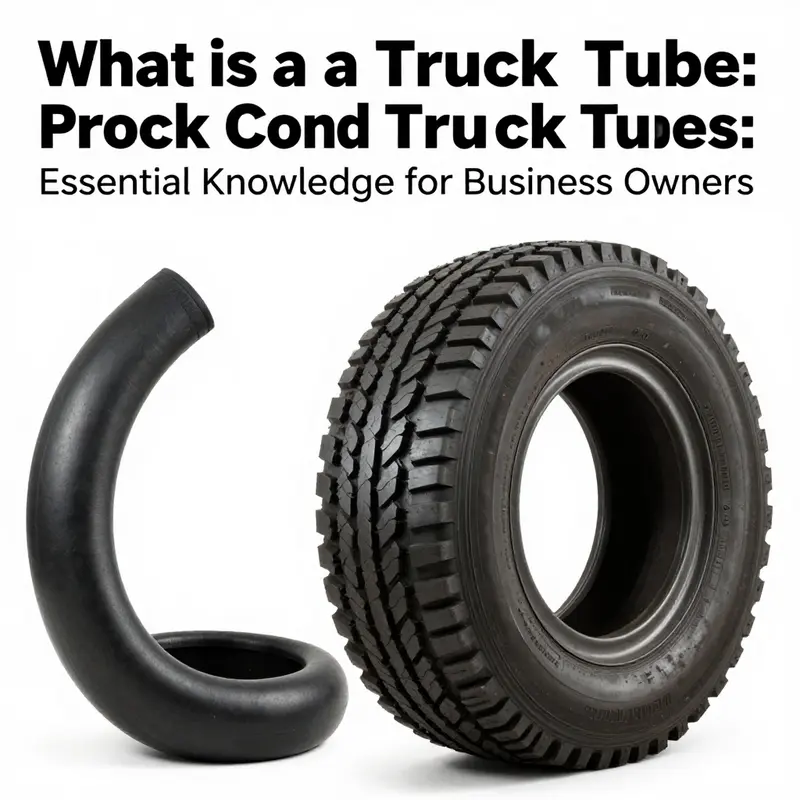
When a driver thinks about a tire, the tread’s grip, the pattern, and the depth often crowd the mind. Yet beneath that visible surface lies a quieter, equally important component: the truck tube. This chapter looks beyond the outer surface to explore what a truck tube really is, how it functions inside the wheel, and why it remains a practical option in certain fleets even as tubeless systems become the default in many markets. The tube is a rubber bladder that lives inside the tire carcass and serves a single, stubbornly simple purpose: to hold air. It seals the space between the tire’s inner lining and the rim so that air remains pressurized and the tire can support the vehicle’s weight. In older or non radial designs, the tube’s job is indispensable, forming a barrier that preserves inflation even as the tire flexes under heavy loads and rough road conditions. As trucks travel across long hauls, muddy grades, or construction zones, the tube’s resilience is tested in ways modern tubeless systems rarely confront. It is the part of the tire that bears the brunt of inflation pressure while also accommodating the dynamic response of the tire under changing loads. The tube’s life begins the moment air is pumped in. It expands to fill the tire’s hollow interior, pressing outward against the tire’s inner surface. This outward pressure, in concert with the tire bead seated on the rim, creates the airtight seal that keeps the system from losing air. In practice, the tube works with bias-ply or non radial tires that rely on a different construction philosophy than many modern radial tires. The bias-ply design uses layers that run at angles to the wheel, which can benefit from the tube’s ability to conform to varying internal pressures. The practical implications are clear: the inner tube is not a one-size-fits-all solution, but a targeted technology that fits specific tire architectures and operational demands. Its availability historically made it a straightforward choice for fleets that valued repair simplicity and parts interchangeability. Indeed, the tube’s greatest strength may seem modest: it is widely available and easy to replace. In a shop or roadside setting, a punctured tube can be swapped with a fresh one relatively quickly, and this simplicity translates into shorter downtime for a stuck vehicle. This ease of replacement is often framed in the language of spare parts inventories and maintenance planning; a tube is something a technician can pull from the shelf, mount inside the tire, and reflate with minimal specialized tooling. In practice, this translates into what you might call the toolbox reality of truck operations. A driver or mechanic can carry a spare inner tube among other essential truck accessories, a pragmatic approach that reduces the risk of extended immobilization. The reality of the road has always rewarded solutions that can be deployed quickly, and the inner tube exists squarely in that tradition. But the tube is not without its drawbacks, and understanding the balance of pros and cons is essential for fleets weighing tire architectures. One clear disadvantage is rolling resistance. An inner tube within a tire introduces additional friction as the tube moves slightly against the tire interior during rotation. This friction translates into extra energy loss, which, over the long miles of highway and the steep hills of delivery routes, can slightly erode fuel efficiency. The heat that accompanies this extra friction also becomes a concerns point. Heat is the enemy of tire life in heavy trucks, and any design that elevates internal temperatures has to be watched closely. The tube can contribute to higher heat generation when the vehicle is driven at sustained speeds or under heavy load for extended periods. Higher heat can, over time, affect the tire and tube materials and increase the risk of failure if cooling and pressure management are not carefully handled. The risk of pinch flats is another critical consideration. Pinch flats occur when the tube is pinched between the wheel rim and the tire bead, typically during mounting or if the tire is run with insufficient seating or incorrect inflation. This physical vulnerability—where the tube’s rubber is compressed at the rim or by a sharp edge on the wheel—can lead to rapid air loss and sudden deflation. It is not simply a theoretical hazard; it is a real operational risk, particularly on rough terrain, off-road segments, or when the tire is mounted on rims with slight imperfections. The tube’s vulnerability extends to speed and pressure limits. In many modern trucking contexts, high-speed or high-pressure operations push toward tubeless configurations that offer safer handling, better heat dissipation, and improved efficiency. Tubeless tires reduce the risk of pinch flats by eliminating the tube altogether, since the airtight seal is achieved through beads and rim interfaces without a separate bladder inside. That combination lowers rolling resistance and enables more predictable heat management. Yet tubeless systems demand compatible rims, careful maintenance, and sometimes more complex roadside repairs. In more remote areas or in fleets that prioritize simplicity and redundancy, a tube may be preferred precisely because it can be replaced with standard parts from a broad network of suppliers. The choice hinges on a fleet’s operational profile. For example, some heavy-duty or off-road applications still rely on bias-ply tires with inner tubes because the tubes handle flex and uneven load distributions differently. The tube’s ability to flex under varying loads and terrains is a practical advantage in environments where road conditions vary drastically. In contrast, tubeless systems excel where long-term efficiency, heat management, and reduced maintenance frequency are paramount. The conversation about tubes versus tubeless is not just about the components themselves; it is about the broader logistics of trucking. Tubeless tires demand careful attention to rim compatibility, bead seating, and sealing practices. They can be more efficient but may require more specialized tools and parts when a repair is needed away from a full-service shop. On the other hand, tubes simplify certain roadside challenges. When a puncture occurs, replacing a tube or a portion of the tire can circumvent more extensive damage that might occur with a tubeless setup. The trade-off is a cycle of higher rolling resistance, more heat generation, and a heightened risk of pinch flats if mounting is not handled with care. For fleets that operate in demanding conditions—bulky loads, rough surfaces, or off-road routes—the tube’s performance envelope may align more closely with real-world needs, even as tubeless tires become the default for many on-highway operations. The broader narrative, then, is not a simple good-or-bad dichotomy. It is a question of fit: which design aligns with the tire architecture, the vehicle’s duty cycle, and the maintenance infrastructure available to keep a fleet moving through the longest miles and toughest jobs. A practical takeaway emerges from this balance: the inner tube remains a viable option where specification, availability, and straightforward maintenance intersect with the realities of the road. In many fleets, the tube is treated as a standard among truck accessories, a reliable and familiar part that technicians know how to source and install without specialized wait times or tools. It is an endorsement of practical engineering—the idea that a solution does not have to be cutting-edge to be effective. For those who want to see the topic through a more hands-on lens, the practical maintenance and installation considerations matter as much as theory. Proper seating of the tube inside the tire, careful mounting to avoid pinching, and maintaining correct inflation pressures are the core practices that keep this design safe and reliable. A driver who understands how the tube behaves under load can anticipate conditions that elevate risk and adjust speed, load, and tire pressure accordingly. This is where knowledge meets practice, and the road becomes a classroom. In the end, the choice between tube and tubeless is a reflection of a fleet’s goals: maximize uptime, minimize maintenance complexity, and manage fuel economy without compromising safety. The inner tube’s story is one of resilience and adaptability, a hinge point between legacy tire designs and the journey toward more modern configurations. As technology evolves, the tube’s role may shrink, but its presence in certain segments remains a testament to why engineering is sometimes a matter of choosing the right tool for the right job rather than chasing the latest trend. For those seeking a practical deeper dive into the topic, a detailed guide on choosing and installing truck inner tubes safely can be found in external resources that map out the installation steps, safety considerations, and common pitfalls. Internal links to practical resources also help situate this topic within the broader ecosystem of truck maintenance and parts selection. If you are exploring how these components fit into the larger world of vehicle upkeep, you might encounter sections on everyday truck accessories that emphasize a pragmatic approach to keeping fleets moving. For readers who want to explore further, a reputable starting point that outlines the core considerations and step-by-step instructions is available online, underscoring that knowledge and preparation are as important as the hardware itself. External reference: https://www.carinterior.com/truck-tube-guide/.
Inside the Inner Circle: The Role, Care, and Replacement of Truck Tubes in Heavy-Duty Tires
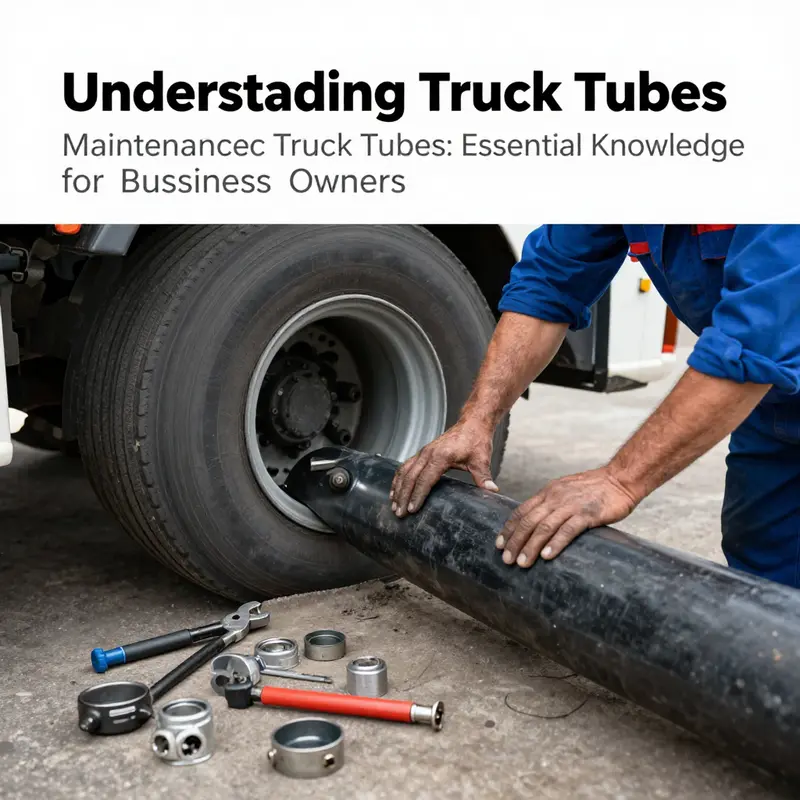
Hidden inside a truck tire, where only the rhythm of road noise reveals its presence, the inner tube is a compact but essential component. It is the air chamber that holds pressure, supports weight, and helps stabilize handling for heavy-duty tires. Unlike tubeless configurations, the tube provides a dedicated air reservoir that requires careful sizing, installation, and maintenance. Proper tube life depends on correct tire size, clean mounting, and correct valve stem seating. Pinch flats are a common risk with tube-type systems, so technicians inspect for bead seating and avoid pinching during mounting. Regular inspections, proper lubrication with talc, and controlled inflation are key to preventing leaks. When replacement is needed, the tube must match the tire size printed on the sidewall; the wheel is deflated, the tire is separated from the rim, the old tube removed, and a new one installed with care to avoid twists. Butyl rubber is a typical material for inner tubes due to air retention and heat resistance, contributing to service life when properly serviced. Tube sizes commonly seen in heavy-duty tires include 1000R20, 1100R20, 1200R20, and 1400R20, and choosing the correct size is critical for safety and performance. In fleet maintenance, tubes are valued for their reparability and straightforward replacement, but they require discipline: inspect the tube and tire interior, verify correct seating, and recheck bead seal after inflation. For readers seeking deeper context, reference to industry resources such as the Tire Society’s materials on truck tire technology can link hands-on tasks to engineering rationale. External references and supplier guidance support a cycle of inspection, replacement, and documentation that keeps heavy-duty wheels moving with minimal downtime. If you want even deeper context, you can explore the Tire Society’s overview of truck tire technology at https://www.tiresociety.org/education/resources/truck-tire-technology-overview
Final thoughts
In summary, truck tubes are a foundational component in many commercial vehicle operations. Understanding their definition, design, applications, advantages, and maintenance practices not only empowers business owners to optimize their fleets but also ensures safety and performance on the road. By keeping your truck tubes in top condition, you make informed decisions that contribute to the reliability and efficiency of your trucking business.