
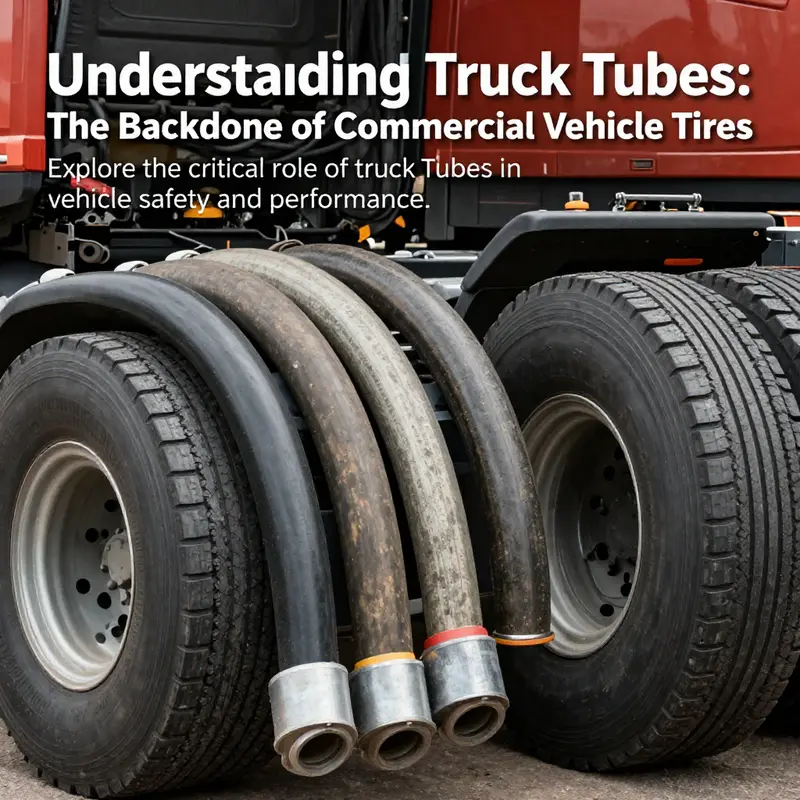
In the commercial transport sector, ensuring the reliability and efficiency of vehicles is paramount. Truck tubes, crucial components designed for large vehicles like trucks and buses, play a significant role in this endeavor. These air-filled chambers are essential for maintaining proper tire form and vehicle weight support, and are made from durable materials designed to withstand heavy loads and harsh conditions. This article will provide a comprehensive understanding of truck tubes, beginning with their fundamental definitions and functionalities, followed by an exploration of various types and specifications, the importance of these tubes in vehicle performance and safety, and lastly, a look at modern innovations and materials that enhance their durability and reliability.
The Hidden Cushion Beneath Heavy Wheels: A Deep Dive into Truck Tubes and Their Role in Haulage
Beneath every heavy truck’s whistle and growl on the highway lies an unsung hero of motion and safety: the inner tube that lives inside the tire. It is not the most visible component, yet it plays a pivotal role in how a rig carries weight, absorbs shocks, and maintains control through rain, dust, or frost. A truck inner tube is a flexible, airtight bladder placed inside the tire’s outer casing. When air is pumped into the system, the tube expands to form a stable air column that supports the vehicle’s weight, shapes the tire’s contact patch with the road, and cushions the ride. This simple idea—an internal reservoir of air—has a profound impact on handling, wear patterns, and even fuel efficiency. The tube’s performance threads through every mile of a truck’s journey, linking raw physics with everyday road reality in a way that drivers and fleet managers rarely pause to acknowledge, even as the benefits become unmistakable in the quiet, steady roll of a long-haul night shift or a citybound delivery run.
Material choice sits at the core of how effectively a truck tube performs under diverse conditions. The inner tube is typically formed from durable rubber compounds, with butyl rubber often favored for modern tubes. Butyl offers superior air retention and heat resistance compared to natural rubber or simple blends. These properties matter, because as a tire spins and flexes at highway speeds, heat builds inside the tire. If air leaks or the material fatigues, pressure can drop and the tire’s shape can deteriorate, reducing traction and increasing wear. Butyl’s impermeability helps it hold pressure longer and resist gradual loss through diffusion. Some formulations blend natural rubber for flexibility or incorporate reinforcement layers to resist punctures and tears. The manufacturing process—curing, vulcanization, and testing—hardens these materials into a tube that can bend, stretch, and recover without losing integrity. The result is a component that remains pliant under load, yet resilient enough to withstand the rigors of heavy-duty duty cycles, often over thousands of miles and through seasonal temperature swings.
Sizing is the language by which technicians ensure a tube will seat properly inside a given tire and rim combination. Truck tubes are not one-size-fits-all; they come in a spectrum of sizes designed to align with wheel rims and tire types. Common notations include 1000-20, 1100-20, and 1200-20. The first number refers to the nominal width of the tire in millimeters, while the second indicates the rim diameter in inches. This pairing guides a precise fit, because a tube that is too tight can pinch or fail at the bead, while a tube that is too loose may shift, leading to air loss and unpredictable handling. Correct sizing becomes especially critical when fleets upgrade to wider tires for improved load distribution or when adapting to different road profiles. The sizing system is also a reminder that the tube’s purpose is not to replace the tire’s outer structure but to complement it with a stable, sealed air space that can endure the rigors of heavy transport.
The tube’s primary function is straightforward in concept but nuanced in practice. It is an air-retaining vessel that guarantees a consistent internal pressure, enabling the tire to maintain its designed shape under load. As air pressure increases, the tube expands, pushing outward against the tire’s inner wall and the bead area. This interaction preserves the tire’s geometry, ensuring that the tread maintains uniform contact with the road. A well-inflated tube helps stabilize the wheel under dynamic conditions, improving steering response, cornering stability, and straight-line tracking. The tube’s elastic wall is also a buffer for road shocks, spreading the energy of impacts over a longer arc rather than allowing a sudden, localized stress that could crack the tire or damage the rim. In addition to these performance aspects, the tube acts as a secondary defense line. If the outer tire is compromised by a puncture or sharp object, the inner tube slows the air escape, giving the operator a window to react—whether that means re-inflating, patching, or replacing the tire assembly before a dangerous deflation occurs on the highway.
Protection goes beyond maintaining air pressure. The tube’s presence helps preserve the integrity of the tire’s inner liner by acting as a buffer against sharp objects that might otherwise flaw the liner and accelerate air loss. This secondary barrier contributes to tire longevity because it reduces the likelihood that a minor road hazard becomes a full-blown tire failure mid-journey. In practice, fleets that frequently operate on uneven surfaces, rural routes, or winter roads with hidden debris often rely on the tube’s resilience to keep tires intact and serviceable longer between changes. The combined effect of air retention and added protection translates into more predictable maintenance schedules, fewer roadside incidents, and, ultimately, safer miles for drivers and cargo alike.
Despite the enduring utility of inner tubes, the industry increasingly shifts toward tubeless tire systems for heavy vehicles. Tubeless tires seal directly between the tire and rim, which eliminates the need for a separate inner bladder in many configurations. The appeal of tubeless setups includes simpler maintenance, reduced rotational mass, and the potential for rapid sealant-based puncture management. Tubeless designs can also improve heat management and fuel efficiency in certain conditions by reducing the energy spent in moving air within a tube. Yet this broader trend does not erase the tube’s relevance. In older fleets, in retrofitting projects, or in situations where tubeless installation faces practical constraints, inner tubes remain a reliable, cost-effective solution. They provide a straightforward replacement path when a tire experiences damage or when field repairs must be performed quickly with limited tooling. Understanding the tube’s place in the ecosystem helps fleet managers weigh the pros and cons of tubes versus tubeless configurations for their specific routes and maintenance profiles.
From a manufacturing perspective, inner tubes begin as a rubber compound that is processed into sheets or continuous forms, then formed into tubes of specific diameters and thicknesses. The bead areas—the regions that grip the wheel rim—receive reinforcement features to resist pinching and to maintain airtight seating against the rim. The curing and vulcanization steps give the tube its elasticity, enabling it to stretch during mounting and rebound when inflated. Quality-control checks verify air retention across a range of temperatures and pressures, ensuring the tube’s performance under real-world highway conditions. The end product is a carefully balanced compromise: a tube that remains flexible to accommodate bending and riding dynamics yet tough enough to resist punctures and heat buildup across thousands of miles. The engineering discipline behind tubes underscores how even apparently simple components are engineered for reliability within the demanding context of commercial transport.
Mounting and maintenance are practical arts in their own right. Installing a truck inner tube must be done with care to avoid twisting, pinching, or stressing the tube at the bead. The tube is sized to fit the chosen tire and rim so that it seats evenly and remains stable as pressures rise. After seating the tire, technicians inflate to the recommended pressure, then listen for hissing or check for visible leaks. Routine maintenance goes beyond inflation checks; it includes inspecting for aging material or cracks that arise from repeated flexing, heat exposure, or chemical attack from road salts and oils. Fleet operators rely on regular inspection cycles, aligning tire inspections with wheel rotation schedules to ensure uniform wear and to catch issues early. In practice, a well-maintained inner tube contributes to steadier ride quality, longer tire life, and fewer unplanned stops due to punctures or slow leaks.
The decision between a tube-based system and a tubeless one is seldom binary. It is a decision that weighs experience, route profile, and economic considerations. A properly inflated inner tube helps preserve the tire’s shape, stabilizing the contact patch and improving traction in varied conditions. This stability translates into more predictable braking and acceleration, which is especially valuable when a heavy load is part of the equation. On rough roads or in remote locations, the tube’s cushioning effect can reduce the perceived harshness of the ride and lessen chassis vibrations that could loosen fittings or fatigue components. Conversely, when a tubeless tire is a feasible option with reliable sealants and patching strategies, some fleets find reductions in weight and downtime compelling. The bottom line is that the tube remains a viable, sometimes optimal, choice depending on the wheel design, tire structure, and the operator’s maintenance philosophy. The inner tube thus persists not as a relic but as a robust element within a broader spectrum of tire technologies that together deliver safety, uptime, and cost efficiency.
For readers who want to connect this deeper into practical resources and further explorations of truck components, our broader catalog of topics on truck accessories provides a useful gateway. You can explore related discussions and guides in the Accessories section, which covers items that complement tire and wheel systems and contribute to overall vehicle readiness. Accessories offers context on components that interact with tire systems, such as rims, bead locks, and mounting tools, helping readers understand how a tube fits within a wider maintenance and upgrade strategy.
In sum, the truck inner tube is a deceptively simple device with outsized influence on performance, safety, and economics. It is a resilient air bladder that partners with the tire and rim to translate raw air pressure into controlled, predictable motion under load. Its material science—quietly sophisticated—ensures air retention and thermal resilience; its sizing discipline guarantees proper seating; its protective role contributes to tire longevity; and its ongoing relevance in certain fleets and applications confirms that there is still a meaningful place for the tube in a world where tubeless systems are increasingly common. Recognizing the tube’s function helps drivers appreciate the many moving parts beneath the wheel that make long-haul journeys feasible and reliable, mile after mile, season after season.
External resource: For a detailed technical reference on sizing, materials, and practical considerations related to inner tubes, you can consult technical listings and product details provided by manufacturers and suppliers. See the example listing here: https://www.alibaba.com/product-detail/Truck-Tire-Inner-Tube-1000-20-1100-20_1600754938322.html
Inside the Wheel: Understanding Truck Inner Tubes, Their Types, and Their Role in Heavy-Duty Tire Performance
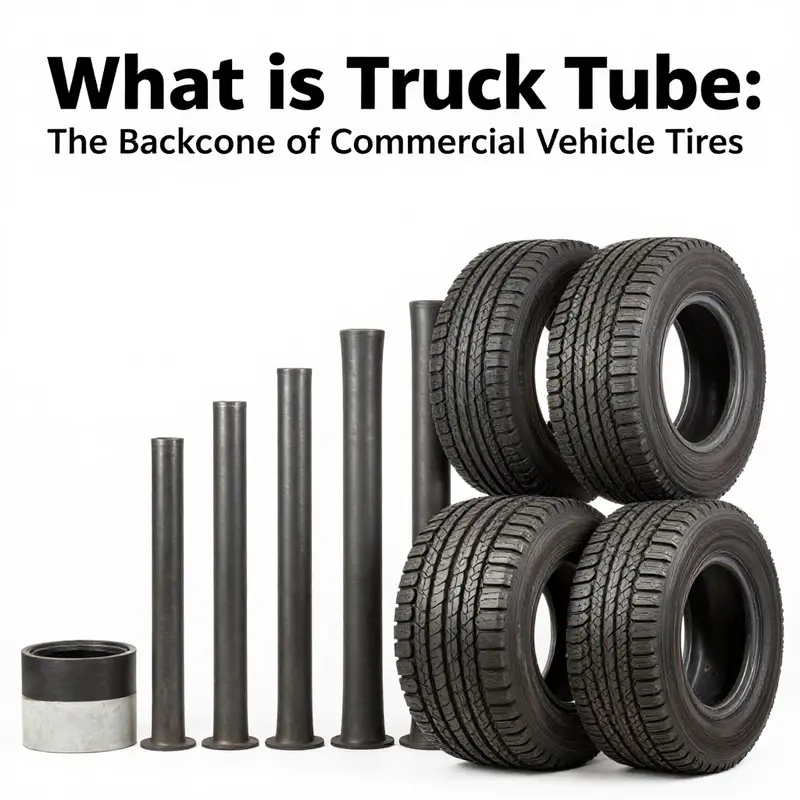
In essence, a truck inner tube is a sealed, air-filled cavity that sits between the tire and the rim. When inflated, it presses outward against the tire’s inner surface and, by extension, against the wheel. The tube’s elasticity and resilience allow the tire to retain air even as it deforms under load. This is critical for large vehicles that routinely operate under heavy weights, varying temperatures, and long service hours. The role of the tube is twofold: it preserves the tire’s shape to maintain an even contact patch with the road, and it provides a reliable barrier against air loss that would otherwise compromise handling, traction, and fuel efficiency. In practice, the tube’s performance translates into safer braking, steadier steering, and a more consistent ride under demanding conditions. Because trucks travel extended distances and endure different climates, tube design emphasizes durability, heat resistance, and long service life. The tube is a dynamic partner to the tire, not a passive insert; its condition and integrity directly affect how well the wheel can perform when it matters most.
The material choice for truck inner tubes has a decisive impact on air retention, aging, and puncture resistance. The most common modern choice is a butyl rubber compound, celebrated for its low permeability and robust performance under heat. Butyl tubes are designed to minimize slow leaks and to resist heat buildup that can accompany high-speed operation and heavy loads. The advantage is clear: less frequent topping up of air, more stable inflation, and a reduced risk of sudden deflation that could jeopardize a vehicle in motion. For fleets concerned with long-haul reliability, butyl tubes offer a practical balance of durability and cost. In older or lighter-duty applications, natural rubber tubes may still be found. Natural rubber provides good elasticity and flexibility, which can be advantageous in certain service conditions. However, natural rubber generally exhibits poorer air retention and is more susceptible to degradation over time, especially when exposed to heat and ozone. Smart fleet decisions often favor the long-term stability of butyl for heavy-duty use, while acknowledging the existence of alternative materials for niche applications.
Even within the same broad family, truck inner tubes come in a spectrum of sizes and specifications that align with tire width and rim diameter. Many of these specifications follow a standard format that pairs a tire width with an accompanying rim size, expressed in millimeters and inches respectively. Common examples include 1000-20, 1100-20, and 1200-20. In each case, the first number signals the nominal width of the tire in millimeters, while the second indicates the rim diameter in inches. These pairings reflect the practical reality of modern heavy-duty treads and the need to match tube dimensions precisely to the tire’s inner cavity. The system is not arbitrary; it ensures the tube can align with the tire bead and rim seating so inflation creates a uniform, stable seal. The 12.00R20 designation, which you may encounter on radial tire configurations, points to a larger, more demanding sizing scenario that still requires careful selection of a compatible inner tube. Other, smaller forms such as 750-16 or 6.00/6.50-16 illustrate how the same sizing logic extends to light-to-medium commercial applications that still benefit from a robust tube, particularly in fleets that require faster turnaround on maintenance or a simpler repair pathway.
The practical consequences of choosing one size over another cannot be overstated. An ill-fitted tube can inflate but fail to seat properly, creating slow leaks, uneven wear, or, in the worst case, a catastrophic tire failure during operation. For this reason, the market Standardizes sizes not only by how wide a tire is, but also by the rim diameter. The choice is driven not only by the tire’s physical dimensions but also by the vehicle’s load profile, operating temperature range, and driving duty cycle. In the realm of heavy trucks and buses, the most common configurations—such as wider tubes paired with large rims—support higher load ratings and sustain stable inflation under the heat generated by long miles. Still, tubeless tire systems have grown in prevalence, bringing benefits like reduced overall weight, improved heat dissipation, and simpler maintenance in some contexts. When tubes are required—such as in certain repair situations or on vehicles designed for older tire architectures—the same fundamentals apply, and the tube must be specified to fit the tire’s inner diameter and the rim’s seating characteristics.
What does this mean for maintenance and operation? It means that inflation pressure must be monitored carefully and maintained within the stated range for the tire and tube combination. The tube cannot replace the tire’s internal sealing function, but it must complement it by holding air steadily and resisting the heat and flex that come with heavy use. Regular inspection becomes crucial: look for bulges along the tube area, signs of bead seating issues, or slow leaks that can indicate a compromised tube. Temperature variations, road debris, and exposure to harsh operating conditions can amplify wear and degrade the tube’s performance over time. A tube that has aged or suffered micro-cracks due to heat or ozone exposure is more prone to punctures and leaks. Fleets often implement preventative measures such as routine tire inspections, careful mounting practices, and adherence to manufacturer-recommended replacement intervals.
From a manufacturing perspective, high-quality tubes are built with attention to material consistency, dimensional accuracy, and robust bead reinforcement. Modern production lines employ blending machines and precision molding to ensure that each tube matches the specified dimensions across batches. The beads—the areas that grip the rim—are engineered to resist creeping and to maintain a secure seal under motion. Reinforced beads and extra-thick sections in high-stress zones contribute to longevity, especially where heavy loads and high speeds generate peak pressures. In a competitive market, suppliers emphasize customization, offering OEM services and the ability to tailor tube dimensions, materials, and even packaging to meet customer needs. Some producers can deliver substantial volumes—tens of thousands of units per month—addressing fleet-scale requirements with reliability and consistency.
The practical implications extend beyond raw materials and dimensions. A tube’s performance has direct consequences for fuel efficiency, tire wear, and overall vehicle economics. A stable inflation profile reduces rolling resistance and helps the vehicle sustain efficient fuel consumption. It also lowers the risk of heat-related tire damage, which is a frequent cause of performance losses and safety concerns in heavy-duty operations. For buses and urban fleets that accumulate many miles in stop-and-go patterns, a consistent tube and tire combination contributes to better tire life and predictable maintenance costs. In agricultural and construction sectors, where terrain and loads can be highly variable, tubes that can withstand repeated flexing and temperature swings play a pivotal role in minimizing downtime.
In practice, fleets often consider not just the material and size, but also ancillary factors that influence performance. Some tubes are offered with additional features such as specialized compounds to enhance heat resistance or reinforced bead configurations that improve mounting stability. Others may be designed to tolerate minor impacts from road hazards or to maintain integrity when a tire experiences flex under heavy braking. The trade-off often centers on cost versus performance and lifecycle considerations, with the choice reflecting the fleet’s operating profile and maintenance philosophy.
For readers who are outfitting a fleet or simply curious about the ecosystem around truck tubes, the broader landscape includes related components and accessories that support tube performance and tire longevity. For related hardware and add-ons that commonly accompany inner-tube setups, see the Accessories page. Accessories. This internal reference points to a broader suite of products and guidance that help technicians and fleet managers plan and execute tire maintenance with confidence, ensuring that tube sizing, mounting practices, and inflation procedures align with the specific tire and vehicle configuration.
Ultimately, the decision to use a tube, the choice of material, and the precise size are all anchored in the vehicle’s application. A long-haul tractor-trailer, a regional delivery rig, or a bus operating in urban traffic each have distinct demands. The tube must fit within those demands without becoming a bottleneck—whether that means resisting heat during sustained highway speeds, enduring rapid temperature swings, or maintaining air under conditions of heavy load. When these conditions are met, the truck inner tube supports a safer, more predictable ride, preserving tire integrity, stabilizing handling, and contributing to the efficiency that fleets rely on daily.
As with many components of heavy-duty transportation, knowledge matters. Understanding the basic function of a truck tube, the materials that best serve its mission, and the conventions of sizing helps operators avoid common pitfalls. It clarifies why a tube might be chosen in some fleets and not in others, and it illuminates how a relatively simple interior element can shape overall performance. The interplay between tube and tire, while quiet, is essential to keeping heavy vehicles moving reliably through long distances, varied terrain, and demanding schedules.
External reference: For a detailed look at manufacturer-focused material composition and performance data, see the Maxtop Truck Inner Tube Product Page: https://www.maxtoptire.com/truck-inner-tube
The Quiet Core of Heavy-Duty Tires: Decoding What a Truck Tube Is and Why It Matters
Behind every heavy truck tire sits a hidden, resilient chamber that keeps the vehicle moving when the road throws its harshest challenges. This is the truck tube, an inner component designed specifically for large commercial tires. It is more than a hollow ring of rubber; it is the sealed air-filled heart of the tire system that preserves form, carries weight, and shapes the balance between performance and safety on every mile of a demanding journey. The tube acts as a dedicated air chamber that maintains the pressure required to support substantial loads. When the outer tire endures cuts, punctures, or heat buildup, the inner tube continues to hold air and preserve the tire’s basic geometry long enough for the vehicle to reach a safer stop or a repair facility. In that sense, the inner tube is not just a helper but a crucial guardian of continuity for fleets that must keep moving through long hauls, urban delivery corridors, and rugged rural routes alike. The tube also serves as a safeguard against rapid pressure loss, which can transform a minor tire issue into a dangerous event at highway speeds. In the dim inner workings of a tire system, the tube’s role becomes especially palpable when a truck crosses rough terrain or heavy loads settle into road gradients; the tube cushions pressure variations and helps keep the wheel and tire aligned with the hub, the bead, and the rim, even under demanding conditions. This alignment is essential because misalignment can lead to uneven wear, compromised steering response, or, in worst cases, a blowout. The tube’s ability to sustain pressure improves rolling resistance characteristics and thereby supports fuel economy. When inflation is maintained at the correct level, a tire behaves more predictably: the tread wears evenly, heat buildup is controlled, and braking performance remains within expected thresholds. It is a subtle but meaningful contribution to performance, especially in fleets where uptime, turnaround times, and predictable maintenance windows are key to profitability. This relationship between air pressure and vehicle performance is not an abstract idea; it translates into real-world outcomes, such as steadier handling in curves, steadier cornering on grade changes, and smoother acceleration under heavy load. In the context of safety, the tube’s seal is not solely about preventing leaks; it’s about preserving stable contact with the road. A tire that maintains its pressure better under marginal damage prevents sudden deflation from turning a routine trip into a hazardous emergency. A brisk example helps crystallize this point: a tube can hold air at a functional level even if the outer surface experiences minor puncture effects, whereas a tubeless setup might lose pressure more rapidly in similar circumstances. In such cases, the inner tube’s integrity reduces the likelihood of a dramatic loss of control, giving drivers crucial seconds to slow down, maneuver, and seek assistance. The tube’s protective function extends to safety margins for braking and steering geometry, where consistent tire pressure supports predictable response. It also plays a role in maintaining the tire’s footprint under the load, ensuring that the contact patch remains within expected bounds and that traction is preserved under acceleration, deceleration, and cornering. For heavy-duty operations, this stability contributes to safer lane changes and better control when encountering crosswinds or uneven pavement. Beyond the immediate driving experience, the tube’s presence influences maintenance planning. Fleet managers know that accurate tire pressure monitoring reduces unnecessary tire rotations, extends tread life, and minimizes unplanned downtime. Properly inflated tires, aided by robust inner tubes, reduce fuel burn by minimizing rolling resistance, a factor that compounds across hundreds or thousands of tires in a fleet. The practical impact becomes most evident in long-haul operations, where every mile becomes a data point in risk assessment, maintenance scheduling, and cost control. The design and material choices behind truck tubes respond to the heavy demands of commercial use. Most tubes are manufactured from durable rubber compounds, with butyl rubber standing out for its air retention and resilience. Butyl’s properties include low gas permeability, good elasticity, and resistance to heat-induced degradation—qualities that matter when a tire faces sustained highway speeds and roasting sun on tarmac. The combination of a robust material and careful vulcanization contributes to a tube that can resist gradual air seepage, pinch flats, and minor surface abrasions that would otherwise compromise pressure. The tubing itself is engineered to fit a range of wheel rims and tire dimensions. Common size designations such as 1000-20, 1100-20, and 1200-20 indicate nominal tire width in millimeters alongside the rim diameter in inches. These numbers are not mere trivia; they encode the essential compatibility between the inner chamber and the wheel assembly. The width of the tire and the diameter of the rim determine how the tube stretches, how it seats within the tire bead, and how it interacts with the rim’s internal geometry during mounting and operation. The goal is a balance: a tube wide enough to fill the tire cavity without excessive stretching, with beads and edges that remain sealed under substantial load and heat. In practice, manufacturers may introduce refinements to the tube to handle demanding service regimes. Some tubes feature reinforced beads or specialized formulations that tolerate rapid changes in pressure or high-speed operation. These features help prevent bead slippage, reduce edge wear, and maintain a stable seal in the presence of vibrations and road irregularities. While the tube and tire are connected in a delicate, interdependent relationship, the tube remains the most direct actor in maintaining air pressure. It is the element that breathes life into the tire’s ability to hold shape and weight, to convey traction to the road, and to absorb the micro-instabilities that come with heavy payloads. The tube’s quiet steadiness underpins the vehicle’s overall safety profile. It supports predictable braking distances, steadier steering input, and steadier load distribution across the tire footprint. When a tube is well-matched to the tire and the wheel, a truck can deliver consistent performance across a spectrum of operating conditions—from urban stop-and-go to high-speed highway cruising on mountain grades. The importance of this component is underscored by industry guidelines and technical references that emphasize air retention, material integrity, and proper sizing as core performance levers. References in technical guides and manufacturer publications illustrate the continuum from material choice to real-world outcomes. They discuss how the chosen rubber compound, process controls during production, and adherence to strict dimensional tolerances come together to yield a tube that behaves predictably under load, heat, and vibration. This is not just about engineering elegance; it is about reliability in environments where tire failures are not merely inconvenient but potentially catastrophic. In that sense, the inner tube is a kind of safeguard woven into the tire system, working behind the scenes to keep the vehicle traveling along a path of safety, efficiency, and predictability. For readers seeking a deeper technical dive into tube characteristics, standards, and performance benchmarks, one authoritative source provides a rigorous overview that ties material science to practical outcomes. Its guidance helps fleet operators and technicians translate formulation into on-road behavior and safety margins. If you want a broader look at how this piece fits into the wider ecosystem of truck components, consider exploring the truck accessories landscape, which contextualizes the tube within the broader toolkit that keeps fleets prepared and resilient. Truck Accessories. The nuanced interplay between the inner tube and other tire and wheel components is a reminder that the full value of a truck tube emerges only when it functions in concert with inflation management, wheel design, and tire selection. When you assess a heavy vehicle’s tire system, you are evaluating a chain of interdependencies that begins with air pressure and ends with stability and safety on the road. The tube is the quiet, continuous thread through that chain, a reminder that some of the most consequential engineering feats are those that operate out of sight, patiently delivering reliability mile after mile. For readers who want to explore further technical nuance or related equipment considerations, see the Truck Accessories guide linked above. External resources can illuminate how standards and practical design choices come together in modern commercial tire assemblies and why agencies emphasize careful maintenance and monitoring. For deeper technical detail on performance metrics, material composition, and industry applications, a respected reference in the field emphasizes the fundamentals of duty truck tube characteristics and standards. This broader context helps connect the everyday experience of driving a truck with the science that underpins tire integrity and road safety. External reading: https://www.macktrucks.com/truck-tube-guide
Inside the Pressure Vessel: Modern Materials and Innovations in Truck Tubes
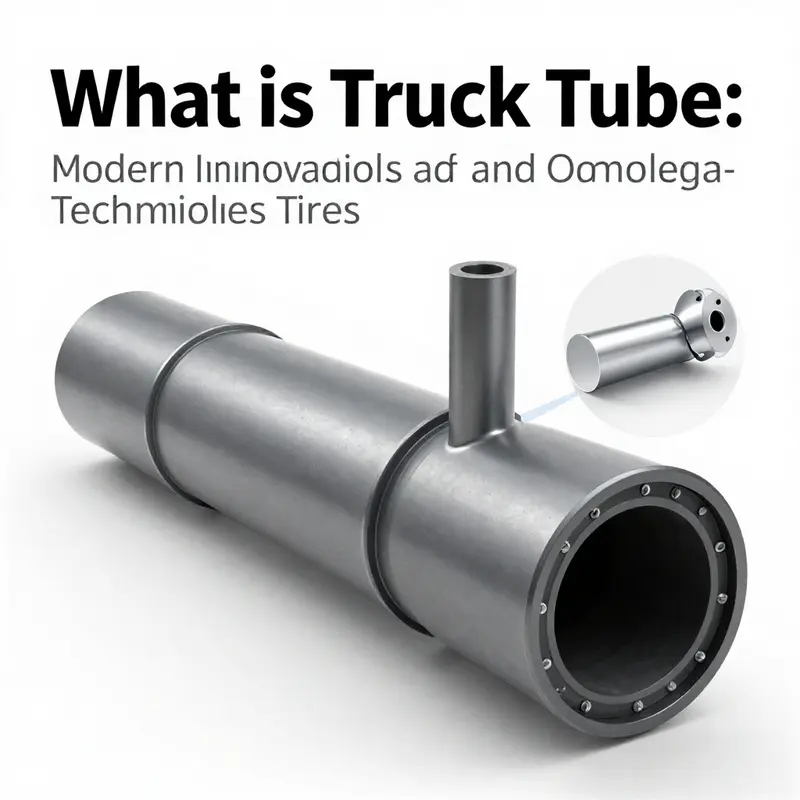
Truck inner tubes are essential components inside the tire assembly. They provide an airtight chamber that supports the tire’s shape and helps maintain consistent inflation pressure. In heavy-duty trucking, tubes must withstand high loads, temperature variation, and road debris while remaining flexible enough to follow the tire and wheel geometry. Modern tubes rely on advanced elastomer chemistries and processing methods to improve air retention, durability, and efficiency.
Core materials include butyl rubber for low permeability and good aging characteristics, often paired with chlorobutyl to boost heat and ozone resistance. These base polymers form a matrix that resists gas diffusion and maintains elasticity under the demanding conditions of highway miles and curb impacts. Nanocomposite fillers and other nano-scale additives are increasingly used to tailor friction, puncture resistance, and rolling resistance, delivering small but meaningful gains in fuel economy and tire life.
Manufacturing advances focus on precision vulcanization and rigorous quality control. Uniform curing temperatures and thickness control reduce the risk of weak spots and bead failures. Non-destructive testing and seam integrity checks help ensure long service life across sizes and rim configurations. Size matching and reinforced bead designs support a reliable seal with the rim, minimizing leaks and bead-related damage.
Heat management is a recurring theme, since heat accelerates aging and can soften the rubber in hot conditions. Materials with robust thermal stability and low permeability help maintain stable pressure, which translates into steadier handling and more predictable tire wear. In fleet operation, small improvements in tube performance compound across thousands of miles, reducing maintenance downtime and improving fuel efficiency.
Looking ahead, the industry is exploring smarter materials and tighter manufacturing tolerances. Nanocomposites, advanced fillers, and improved inspection technologies promise tubes that resist punctures without sacrificing flexibility. As tire systems become more integrated with sensors and telematics, tubes will remain a critical link in the overall performance of heavy vehicles.
Final thoughts
In conclusion, truck tubes are indispensable components of commercial vehicles that significantly impact both performance and safety. The understanding of their functionalities, variety of types, and importance in maintaining optimal tire pressure is essential for any business owner involved in logistics or transportation. Staying abreast of modern innovations and materials can lead to better decision-making concerning the purchase and maintenance of these crucial parts, ultimately enhancing the reliability and efficiency of your fleet.