
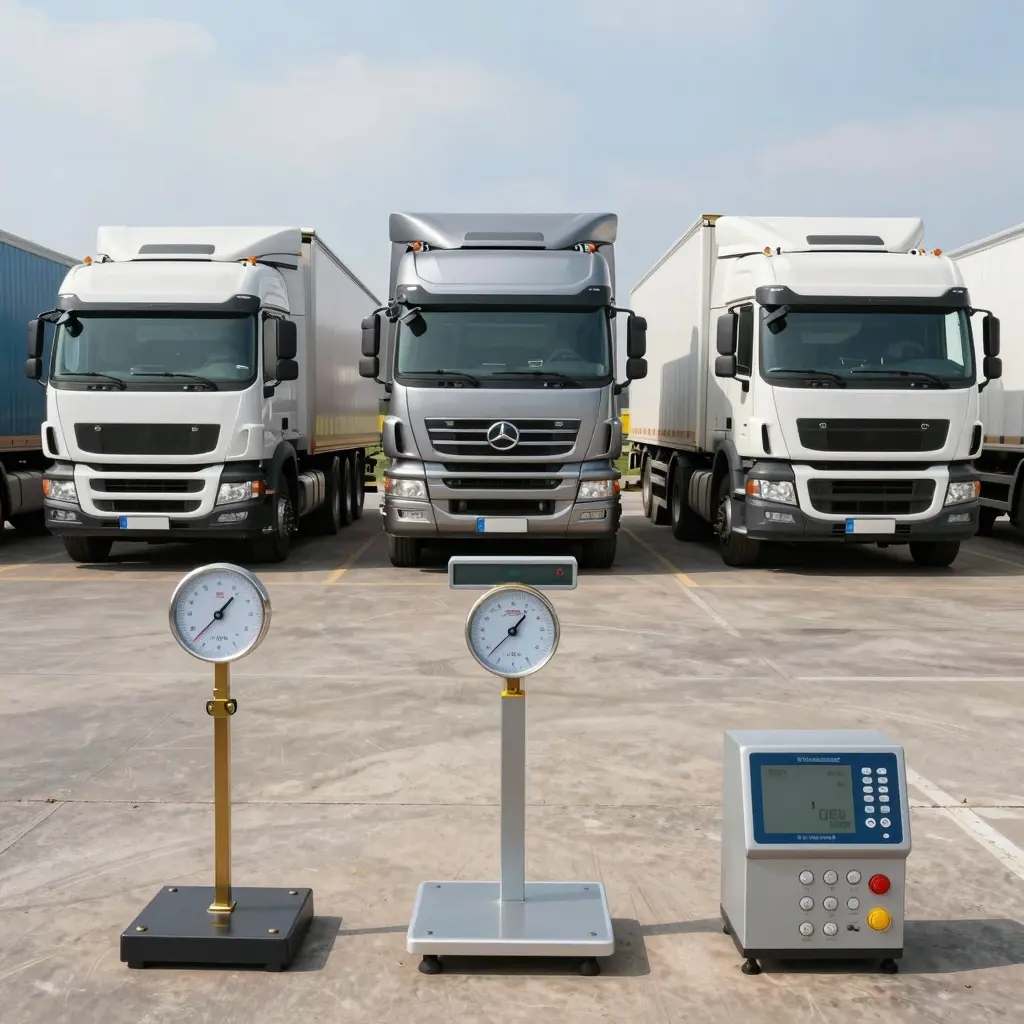
In the dynamic landscape of the trucking industry, understanding weight is not merely an operational detail-it’s a fundamental aspect that influences legal compliance, costs, and efficiency. For business owners, knowing how much a truck weighs is crucial for navigating the complex web of transportation regulations, which vary from state to state and dictate permissible loads. Failing to adhere to weight restrictions can result in hefty fines and operational disruptions, impacting your bottom line. Moreover, the weight of a truck directly affects fuel efficiency; a well-balanced load can lead to reduced fuel consumption, ultimately lowering transportation costs. Additionally, understanding vehicle weight informs better decision-making regarding logistics, fleet management, and maintenance strategies. As you delve into the intricate relationships between weight, regulations, and operational performance, you’ll discover insights that can enhance your business’s efficiency and profitability in the competitive trucking industry. For tips on optimizing your truck setup, check out our guide on essential accessories. Understanding your truck’s weight can also help improve handling and extend its lifespan, which is essential for business longevity. Join us as we explore how truck weight impacts your operational strategies in detail.
Understanding Average Truck Weights
When it comes to selecting the right truck for your business, understanding the average weights of different types of trucks is crucial. The classification of trucks can broadly be divided into three categories: light-duty, medium-duty, and heavy-duty. Each class has distinct weight ranges that affect their suitability for various tasks.
Light-Duty Trucks
Light-duty trucks are designed primarily for light hauling and are used extensively for personal and light commercial use. The weight of these trucks is generally classified as follows:
- Weight Range: Typically less than 10,000 pounds (lbs).
- Examples: Pickup trucks such as the Ford F-150 or Chevrolet Silverado.
- Configurations: Common options include standard cabs, crew cabs, and different bed lengths which can slightly alter the weight.
Medium-Duty Trucks
Medium-duty trucks are often used for larger commercial purposes, suited for towing and hauling heavier loads:
- Weight Range: Between 10,001 and 26,000 lbs.
- Examples: Common models include the Ford F-650 and Chevrolet Silverado 4500.
- Configurations: These may have different chassis configurations, such as box trucks or flatbeds, affecting overall weight based on body styles and equipment.
Heavy-Duty Trucks
Heavy-duty trucks are built for significant payloads, often utilized in heavy construction, long-haul trucking, and various industrial applications:
- Weight Range: Exceeding 26,001 lbs.
- Examples: Freightliner Cascadia, Volvo VNL, and other large tractor-trailers.
- Configurations: These include various setups such as 18-wheelers and specialized trucks with larger cargo areas, contributing to their increased weights.
Weight Variability
The weight of trucks can vary significantly based on:
- Body type and material: Aluminum bodies are lighter than steel.
- Add-on equipment: Additional features such as tool boxes, lift gates, and extra axles can increase weight.
- Load considerations: The Gross Vehicle Weight Rating (GVWR) must account for both the truck’s base weight and its maximum payload, influencing operational capacity.
In summary, understanding average truck weights is essential for business owners to ensure compliance with regulation, optimize hauling capabilities, and manage operating costs. For more information on truck accessories and modifications that can further enhance your vehicle’s performance, check out our truck accessories blog.
Conclusion
Each truck class has its advantages based on weight capacity, usage, and operational requirements. As you navigate the choices available for your business, consider how these weights impact your logistical and day-to-day needs.
For a deeper dive into truck specifications and how they align with your business, learn more about truck modifications and capabilities.
Factors Influencing Truck Weight
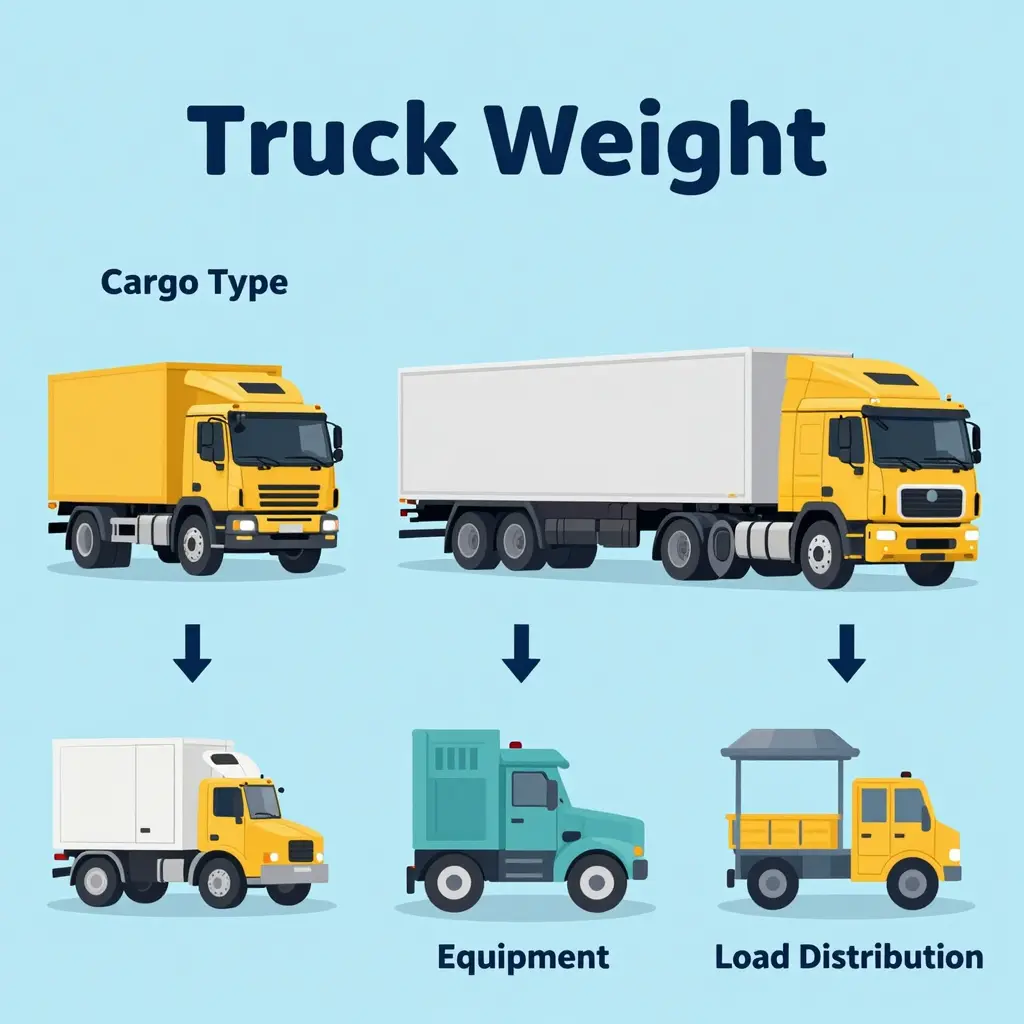
The weight of a truck is determined by various factors, which are crucial for business owners to consider. Here’s a breakdown of the primary influences:
- Cargo Type: Different materials and goods vary in density and weight, significantly impacting the total weight when loaded.
- Truck Model: The design, size, and features of the truck inherently affect weight. Heavy-duty models, for instance, are built to carry more load compared to light-duty ones.
- Additional Equipment: Modifications like lift gates, toolboxes, and roof racks can add extra weight. Check out various truck accessories that might impact weight.
- Load Distribution: How weight is allocated across the truck affects not just weight but also handling and safety.
- Modifications: Any alterations made for customization, such as engine upgrades or reinforced frames, can influence overall weight.
Understanding these factors is essential for optimizing performance and ensuring compliance with weight regulations, especially considering that the average loaded weight of a truck can range significantly, often reaching up to 80,000 pounds depending on its classification and cargo.

Legal Weight Limits Imposed on Trucks
In the trucking industry, understanding legal weight limits is crucial for business owners as it directly affects operational efficiency and compliance. Legal weight limits refer to the maximum weight a truck is allowed to carry, regulated by federal and state laws. In the United States, the federal law sets the maximum gross vehicle weight (GVW) at 80,000 lbs for trucks operating on interstate highways. This includes specific axle weight limits of 20,000 lbs for single axles and 34,000 lbs for tandem axles. However, variations exist as states can impose stricter regulations or have specific exemptions.
Variations by State
Most states adhere to the federal limits, but some, such as Colorado, allow a higher maximum GVW of 85,500 lbs. Here’s a snapshot of weight limits across several states:
| State | Maximum Gross Vehicle Weight (GVW) | Single Axle Weight Limit | Tandem Axle Weight Limit |
|---|---|---|---|
| Federal (USA) | 80,000 lbs | 20,000 lbs | 34,000 lbs |
| California | 80,000 lbs | 20,000 lbs | 34,000 lbs |
| Texas | 80,000 lbs | 20,000 lbs | 34,000 lbs |
| Florida | 80,000 lbs | 20,000 lbs | 34,000 lbs |
| South Carolina | 80,000 lbs | 20,000 lbs | 34,000 lbs |
| New York | 80,000 lbs | 20,000 lbs | 34,000 lbs |
| Oregon | 80,000 lbs | 20,000 lbs | 34,000 lbs |
| Colorado | 85,500 lbs | 20,000 lbs | 34,000 lbs |
| Alaska | 80,000 lbs | 20,000 lbs | 34,000 lbs |
| Washington | 80,000 lbs | 20,000 lbs | 34,000 lbs |
Implications for Business Owners
For business owners, the implications of these weight limits can be profound:
- Compliance Costs: Failing to adhere to weight limits can result in fines, lawsuits, and increased liability insurance costs. Many operators may invest in scales and monitoring systems to ensure compliance.
- Fleet Management Decisions: Weight limits influence decisions around vehicle selection and load management. Trucks weighing less can offer better payload performances, allowing companies to operate more efficiently within the legal limits.
- Economic Impact: According to a report by FleetOwner, fleet managers propose that raising weight limits could enhance productivity while addressing safety and environmental concerns. This raises questions among operators about how they approach fleet management, especially regarding the cargo types they choose to transport and the routes taken.
Overall, understanding and managing legal weight limits is essential for optimizing fleet operations and ensuring compliance with highway safety regulations. For more information on the various accessories that can help manage these loads, check out our post on truck accessories. Also, for insight into specialized equipment for transporting loads, visit our article on lift gates for trucks.
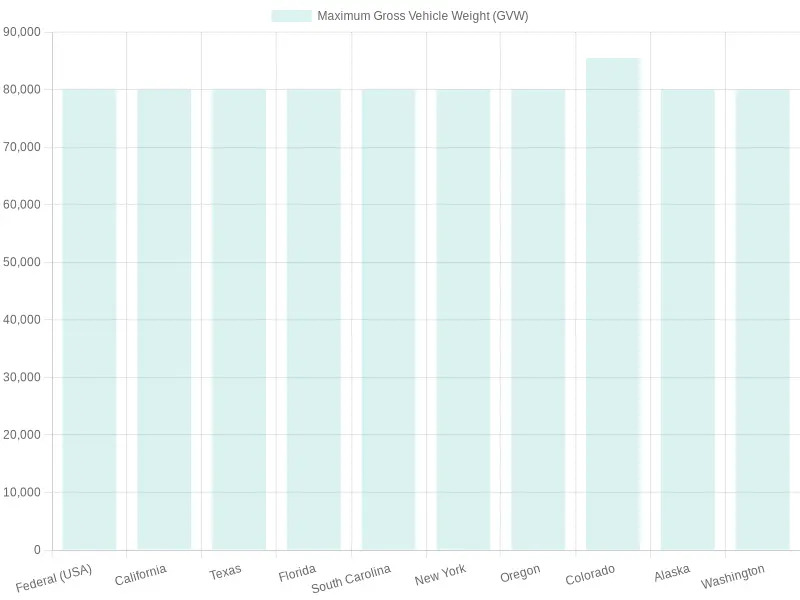
Track legal weight limits to streamline operations and avoid costly infringements.
Conclusion
In conclusion, adhering to legal weight limits is vital for the efficiency and legality of trucking operations. Business owners should stay updated on regulations across different jurisdictions to make informed decisions for their fleets.
Truck Weight Limits by Class
| Truck Class | Weight Limit (lbs) | Description |
|---|---|---|
| Class 1 | Up to 6,000 | Light trucks such as passenger vehicles and small pickups. |
| Class 2 | 6,001 to 10,000 | Light-duty trucks including heavier pickups and small vans. |
| Class 3 | 10,001 to 14,000 | Medium-duty trucks, such as larger vans and commercial vehicles. |
| Class 4 | 14,001 to 16,000 | Trucks like cutaway vans and larger pickups. |
| Class 5 | 16,001 to 19,500 | Standard heavy-duty trucks and small buses. |
| Class 6 | 19,501 to 26,000 | Medium-duty trucks, including city delivery trucks and bus chassis. |
| Class 7 | 26,001 to 33,000 | Heavy trucks, including large delivery and garbage trucks. |
| Class 8 | Over 33,000 | Commercial trucks, typically tractor-trailers, with a maximum federal weight limit of 80,000 lbs (potentially up to 88,000 lbs on designated routes in places like Florida). |
It’s essential to note that the federal limit for most tractor-trailer combinations is 80,000 pounds, while specific states permit exceptions under certain conditions learn more about FMCSA guidelines.
As a business owner in the trucking industry, understanding these classifications and weight limits is crucial for compliance and efficient operational planning.
If you’re looking for more insights into truck accessories that can enhance your operations, check out our accessories blog.
This table serves as a quick reference for the different truck classes and their weight limits, providing you with the essential information needed to navigate weight regulations effectively.
Understanding Weight Compliance in the Trucking Industry
The trucking industry is fundamental to the transportation of goods within the United States, handling about 72.2% of the nation’s freight by weight and contributing over $700 billion annually to the economy (Yuma Truck Driving School). However, maintaining compliance with weight regulations is crucial for safety and operational efficiency.
Compliance Statistics
Recent statistics from various sources shed light on the importance of weight compliance:
- 12.6% of trucks were ordered off the road during a recent enforcement blitz due to violations, particularly focusing on weight compliance (Land Line).
- The Department of Transportation has increased fines for violations to address ongoing issues with compliance (Commercial Carrier Journal).
A significant challenge in the industry lies in the fact that weight regulations can vary from state to state, complicating compliance efforts for truck operators. The enforcement of these regulations is vital not just for the safety of the vehicles but also for the infrastructure that supports freight transport. Violations often stem from factors such as:
- Overloaded Trucks: Exceeding weight limits set by federal and state laws.
- Improper Load Distribution: This can lead to safety hazards and damage infrastructure.
Common Violations and Their Impact
The historical data aligns with contemporary issues; truckers must be diligent in adhering to weight regulations to avoid fines and operational disruptions. Compliance with these regulations not only mitigates legal risks but also reduces the overall operational costs associated with potential violations.
Given these challenges, it’s vital for business owners in the trucking sector to stay informed about regulations and invest in technologies and practices that ensure compliance. This can include utilizing accurate weight measurement systems and scheduling regular compliance audits.
To learn more about maintaining compliance with various regulations and understanding how your trucking operation can benefit, explore the truck accessories necessary for optimizing performance.
The Impact of Truck Weight on Business Operations
Understanding the impact of a truck’s weight is crucial for business owners, as it directly influences three main areas: fuel efficiency, maintenance costs, and delivery schedules.
Fuel Efficiency
Truck weight significantly affects fuel efficiency. Heavier trucks require more energy to operate, leading to increased fuel consumption. For example, a truck weighing 26,000 pounds may get approximately 6.5 miles per gallon (MPG), whereas a lighter truck weighing 13,000 pounds could achieve 10 MPG. This discrepancy underscores how weight management is essential for reducing fuel costs over time. By optimizing payloads and choosing lighter materials for cargo transport, businesses can enhance their fuel efficiency.
Maintenance Costs
Increased weight translates to greater wear and tear on truck components. Heavy-duty trucks incur much higher maintenance costs compared to lighter vehicles. The average annual maintenance costs can vary widely by weight class:
| Weight Class | Average Maintenance Cost (per year) |
|---|---|
| Light Duty | $5,000 – $8,000 |
| Medium Duty | $8,000 – $12,000 |
| Heavy Duty | $12,000 – $20,000 |
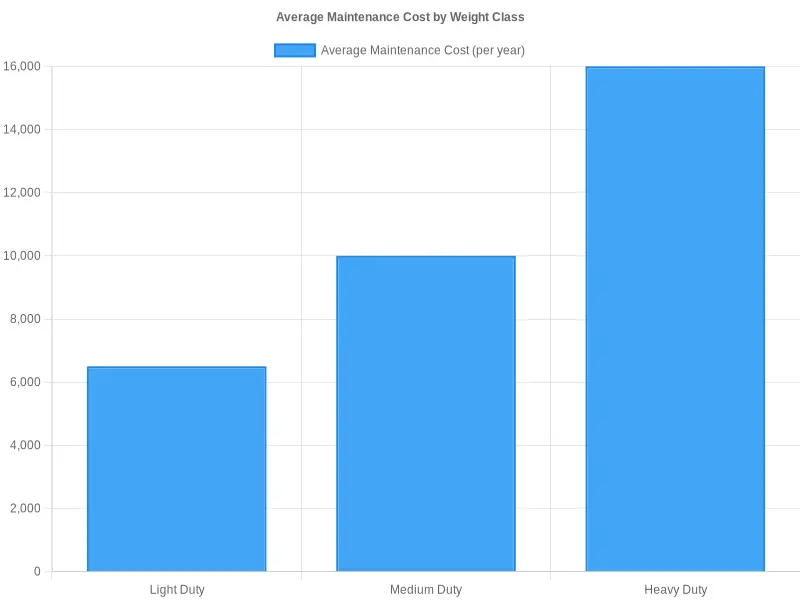
Understanding these costs based on the weight class can assist business owners in budgeting and maximizing the operational lifespan of their fleet. Regular inspections and timely repairs are vital to maintaining performance and minimizing unexpected breakdowns.
Delivery Schedules
The weight of a truck also impacts delivery schedules. Heavier trucks may be subject to stricter highway regulations and weight limits, leading to longer routes or required stops for efficiency. For instance, a delivery route that works well for a lighter vehicle may not be feasible for a heavier one, which could lead to increased delivery times. Planning around these limitations is essential for timely service and customer satisfaction. For further guidance on optimizing your delivery logistics, consider this resource.
Conclusion
When considering truck weight, business owners must assess the implications on fuel efficiency, maintenance costs, and delivery schedules. By strategically managing these factors, companies can improve overall operational efficiency and reduce expenses in the long run.
Understanding the Relationship Between Truck Weight and Fuel Efficiency
When it comes to trucks, one of the most significant factors that influence fuel efficiency is their weight. Generally, heavier trucks tend to consume more fuel, leading to decreased miles per gallon (MPG). The following chart illustrates this inverse relationship clearly:
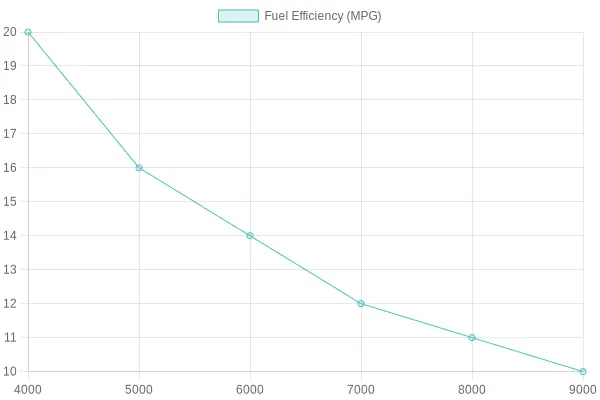
| Truck Weight (lbs) | Fuel Efficiency (MPG) |
|---|---|
| 4000 | 20 |
| 5000 | 16 |
| 6000 | 14 |
| 7000 | 12 |
| 8000 | 11 |
| 9000 | 10 |
As seen in the chart, the heavier the truck, the lower the fuel efficiency becomes. This trend is crucial for business owners to consider when selecting vehicles for their fleets, as operating costs can drastically increase with heftier models. For more tips on enhancing your truck’s performance, feel free to learn more about accessories or check out various options at Merritt for optimal fueling strategies.
Conclusion
Understanding truck weight is essential for business owners operating in the transportation, logistics, and delivery sectors. The weight of your truck not only affects compliance with local and federal regulations but also plays a significant role in ensuring safety on the roads. Overweight trucks can lead to hefty fines, potential accidents, and operational inefficiencies that can hinder your business’s success. Reports indicate that approximately 22% of loaded tractor-trailers exceed state weight limits, which underlines the importance of adhering to established weight classifications and regulations to avoid penalties and legal implications. Moreover, knowing the Gross Vehicle Weight Rating (GVWR) helps in selecting the right truck for your specific hauling tasks, ensuring you optimize both safety and performance. For a deeper dive into maintaining compliance and improving the efficiency of your trucking operations, check out our related articles on truck accessories and lift gates.
Call to Action
If you are considering starting or expanding your mobile food business, why not explore innovative options such as a pizza truck? Visit truckpizza.net to discover a variety of pizza truck solutions tailored for your business needs. Don’t miss the opportunity to combine delicious food with business success; get started today!