
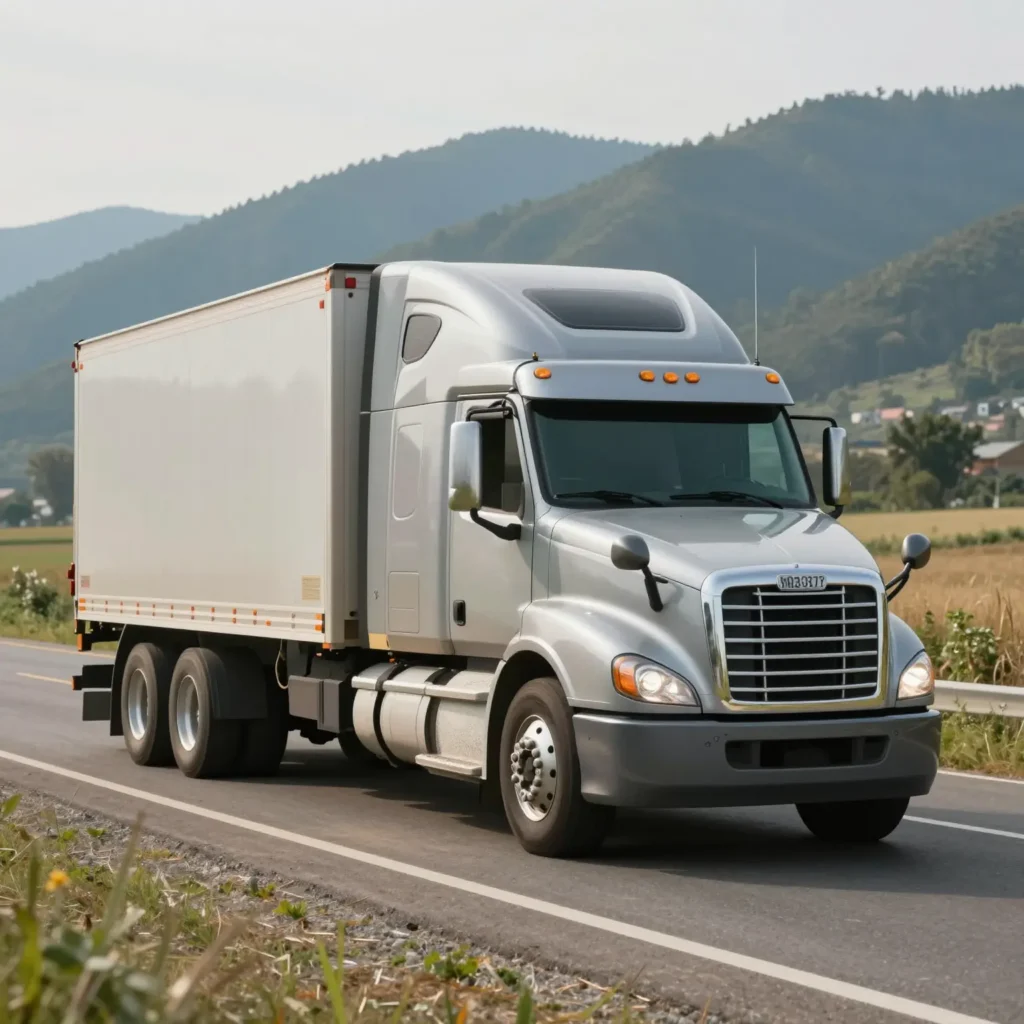
In the vast world of logistics and transportation, the term ‘semi truck’ evokes a sense of power, efficiency, and unparalleled capability. But why is it called a semi truck? The answer lies in its unique design and function: a semi truck, often recognized as an articulated vehicle, consists of a tractor unit that can detach and connect to various trailer configurations. This flexibility is not just a design choice; it plays a critical role in streamlining operations for business owners who rely on efficient transport solutions. Semi trucks are the backbone of freight transport, adept at navigating different terrains and capable of carrying hefty loads across vast distances. Their engineering focuses on optimization, making logistics smoother for companies by reducing transit times and enhancing cargo safety. Understanding the nuances of semi trucks is essential for those looking to improve their fleet or transport capacities effectively. For more insights on enhancing trucking efficiency, explore truck accessories that can maximize your vehicle’s potential.
The Importance of Semi Trucks in Business Logistics
“Semi trucks are the backbone of our logistics system, enabling timely deliveries and efficient supply chain operations.” – DHL
This quote emphasizes the crucial role semi trucks play in business logistics. They are essential for ensuring that goods are moved efficiently, providing the necessary speed and reliability in the supply chain.
To delve deeper into the logistics sector, you can explore this comprehensive guide that discusses the fundamentals of logistics and the vital role of vehicles like semi trucks.
Understanding the Term ‘Semi Truck’
The term “semi truck” is derived from the configuration of the vehicles that it describes. Traditionally, a semi truck consists of a tractor unit and one or more semi-trailers that carry cargo. This combination allows for an efficient means of transporting goods, distinguishing it from other types of trucks, such as box trucks or flatbeds. The “semi” in semi truck indicates that the trailer is not a complete trailer itself, but instead relies on the truck for support and towing. This nomenclature began appearing in the early to mid-20th century, aligning with advancements in transportation technology and logistics industries.
Historical Context and Evolution
Historically, the evolution of semi trucks has been tied to the growth of the trucking industry in the United States. As infrastructure improvements, such as highways and interstates, were developed in the post-World War II era, the demand for efficient freight transportation surged. As a result, semi trucks became the backbone of the logistics sector, facilitating the transportation of goods across long distances. Over time, the vehicles evolved in design and technology, enhancing their payload capacities and fuel efficiency.
The term itself has evolved to encompass various types of trailers and configurations, from refrigerated units for perishable goods to flatbeds for heavy machinery. As the industry matured, semi trucks also became synonymous with long-haul trucking, where drivers transport freight across states, often over extended periods.
Significance in the Trucking Industry
For business owners in the trucking industry, understanding the significance of semi trucks is pivotal. These vehicles are not only essential for the movement of goods but also represent a substantial investment. Here are some key points highlighting their importance:
- Versatility: Semi trucks can accommodate a wide array of cargo types including bulk products, vehicles, and perishable items, making them an indispensable asset in diverse industries.
- Efficiency: They are designed to haul larger loads compared to conventional trucks, which translates to lower transportation costs per unit of cargo. This operational efficiency can improve profit margins for business owners.
- Regulatory Compliance: Business owners must also navigate regulations specific to semi trucking, including weight limits and safety standards, which have become more stringent over the years to ensure road safety and environmental sustainability.
- Market Presence: Companies leveraging semi trucks have a stronger presence in logistics and supply chains. The capability to deliver products quickly and efficiently can enhance customer satisfaction and drive repeat business.
For those exploring the trucking industry, it is wise to familiarize oneself with various trucking strategies and logistics options. For business owners keen on enhancing their operations, learning more about accessories for trucks can also provide insights into optimizing their equipment efficiency.
Understanding the historical and operational significance of semi trucks empowers business owners to make informed decisions, fostering growth and continuity in their ventures within the trucking industry.
Truck Type Comparison Table
Understanding the strengths and features of different types of trucks can help business owners make informed decisions tailored to their operational needs. Below is a comparison of three common types of trucks: semi trucks, box trucks, and flatbed trucks.
| Truck Type | Key Features | Common Uses | Benefits for Business Owners |
|---|---|---|---|
| Semi Truck | – Large cargo capacity – Typically designed for long hauls – Requires a CDL to operate |
– Freight transport – Long-distance hauling |
– High payload capacity – Fuel-efficient for long trips – Versatile for different freight types |
| Box Truck | – Enclosed cargo area – Easy to load and unload – Various size options available |
– Local deliveries – Moving furniture/appliances |
– Ideal for city deliveries – Provides protection from weather – No special license needed for most sizes |
| Flatbed Truck | – Open bed design – Allows for loading oversized items – Easy access for loading/unloading |
– Construction materials transport – Heavy equipment hauling |
– Flexible loading options – Less restrictive for cargo types – Suitable for a range of industries |
For more detailed information on compatible truck accessories, visit this guide on truck accessories and to understand various truck types, check out this resource on choosing the right commercial truck.
Semi trucks, an indispensable part of the freight transportation industry, are engineered with specific design features to maximize efficiency, safety, and functionality. Understanding how these features work together can help business owners make informed decisions regarding logistics and transportation.
Design Features
-
Cab Design:
-
Aerodynamics: The cab of a semi truck is designed to minimize air resistance, which enhances fuel efficiency. This aerodynamic shape reduces drag, allowing for faster travel.
-
Comfort and Visibility: The driver’s area is ergonomically designed, with ample space, comfortable seating, and a dashboard that offers good visibility and access to controls.
-
Safety Features: Equipped with advanced safety mechanisms such as stability control systems, low-emission engines, and reinforced structures, the cab is designed to protect the driver in case of accidents.
-
Trailer Design:
-
Variety of Types: Trailers come in various designs (flatbeds, refrigerated, dry vans, etc.) to accommodate different types of cargo. This versatility allows for transporting everything from perishables to construction equipment.
-
Weight Distribution and Stability: Each trailer is engineered to distribute weight evenly for stability during transport. This includes using suspension systems that absorb shock and maintain traction.
-
Loading and Unloading Flexibility: Many trailers are designed with features like ramp systems or liftgates that facilitate easy loading and unloading of goods, enhancing operational efficiency.
How They Work Together
- Connection Mechanism: The cab and trailer are connected by a fifth wheel hitch, which allows the cab to pivot while towing the trailer. This flexibility is crucial for maneuverability on roads and tight spaces.
- Powertrain Interaction: The cab’s engine powers the trailer through the drivetrain, which is designed to handle varying loads efficiently. This synergy between the two components is crucial for optimal fuel consumption and maintaining speed.
- Communication Systems: Modern semi trucks integrate electronic logging devices and GPS systems that enable real-time communication and navigation, ensuring timely deliveries and efficient route planning.
Understanding these design and function aspects is essential for business owners who rely on semi trucks for logistics. By selecting the right type of semi truck, they can enhance their operational efficiency and ensure safe transport of cargo. For further details on truck features and enhancements, you can explore various accessories or learn about specific trailer types.
This section is a concise overview of semi truck designs, focusing on the functions that make them an essential part of transportation logistics.
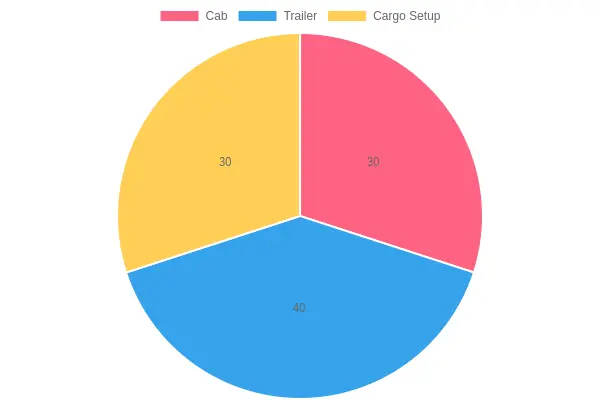
This image shows a semi truck highlighting its major components such as the cab, trailer, and their cargo setup. By visually understanding these parts, business owners can make informed decisions about transportation logistics and vehicle maintenance.
For more information on truck accessories, check out this resource.
If you’re interested in various utility setups, learn more about van technology.
Economic Impact of Semi Trucks on the Logistics Industry
Efficiency and Cost-Effectiveness
-
Transportation Backbone: Semi trucks are a crucial component of the logistics network, representing approximately 71% of total freight tonnage moved in the United States. They facilitate the movement of goods across long distances efficiently, making it feasible for businesses to maintain lean inventories and reduce costs.
-
Cost Efficiency:
- Lower Transportation Costs: According to the American Trucking Associations, the average cost of trucking is significantly lower than that of air and rail transport for freight movements. Trucking significantly reduces the costs associated with logistics management.
- Fuel Efficiency: Modern semi trucks are built with advanced technologies that improve fuel economy. The average semi truck in 2020 achieved about 6.5 to 7.0 miles per gallon, representing an increase over past decades. This fuel efficiency directly translates into lower operational costs for businesses.
-
Economic Contribution: The trucking industry contributes $796 billion to the U.S. economy, representing about 8% of the country’s gross domestic product (GDP). The efficiencies gained through semi trucks help in keeping prices lower for consumers and businesses alike.
-
Job Creation: The trucking industry supports over 7 million jobs, including drivers, mechanics, logistics managers, and administrative staff. This impact on employment contributes further to the overall economy, as these jobs create a ripple effect in various sectors, bolstering local businesses.
-
Flexibility and Reliability: Semi trucks provide businesses with considerable flexibility in route options and have proven to be reliable for time-sensitive deliveries. This reliability contributes to greater customer satisfaction, ultimately benefiting businesses that depend on timely deliveries.
Conclusion
The economic impact of semi trucks is profound and multifaceted. Through their role in improving efficiencies, lowering costs, and supporting substantial employment, semi trucks are foundational to the logistics industry. They not only drive business success but also influence overall economic conditions.
For business owners seeking more insights on enhancing logistics operations, exploring additional resources on trucking accessories and tools can further streamline operations. You can learn more about truck accessories that can optimize transport.
This summary provides an overview of the importance of semi trucks in the logistics industry, focusing on their efficiency and cost-effectiveness.
The economic contributions of semi trucks reflect not just operational benefits for companies, but also broader roles in employment and stability within the supply chain.
Learn more about logistics optimization strategies for your business.
When entering the trucking industry, it’s crucial for business owners to understand the various regulations and compliance requirements that govern semi trucks. These regulations focus not only on weight limits but also on safety protocols. Compliance with these rules can significantly impact operating costs and ensure the safety of both drivers and other road users.
Weight Limits
One of the main regulations affecting semi trucks is the weight limit set by federal and state authorities. Generally, the federal weight limit for a semi truck is 80,000 pounds for the total combination of truck and trailer, while individual axle limits are established as well. These limits are designed to prevent road damage and ensure safe handling characteristics while on the highway.
State limits may vary, so it is essential to check local regulations before transport. For example, certain states may allow heavier loads for specific types of trucks or routes. It’s critical for trucking companies to remain compliant to avoid hefty fines and penalties.
Safety Protocols
In addition to weight limits, safety protocols are integral to the trucking industry. The Federal Motor Carrier Safety Administration (FMCSA) outlines several key requirements that drivers and trucking companies must adhere to, including:
-
Regular Inspections: Semi trucks must pass regular inspections to ensure that they meet all safety standards. This includes checks on brakes, lights, tires, and other essential components.
-
Driver Qualification: Driver qualifications are strictly regulated. Drivers must hold a valid Commercial Driver’s License (CDL) with specific endorsements for the type of cargo they are transporting.
-
Hours of Service: Regulations regarding Hours of Service (HOS) dictate how long drivers can operate their trucks without taking a break. This is crucial for reducing fatigue-related accidents and ensuring highway safety.
-
Electronic Logging Devices (ELDs): ELDs are required for most commercial trucks to automatically record driving hours, which helps enforce HOS regulations.
Understanding and complying with these weight limits and safety protocols is vital for trucking business owners. For more information on how to equip your truck properly and comply with regulations, check out our guides on truck accessories and safety equipment.
Compliance with these regulations not only helps in avoiding legal issues but also contributes to a safer driving environment on the roads, ensuring that business operations run smoothly.
Growth of the Trucking Industry
The trucking industry has experienced significant growth over the last decade, driven by a number of economic and logistical factors. Here’s a line chart that illustrates this growth, highlighting key metrics relevant to business owners:
Freight Data Overview
This chart provides a visual representation of the trucking industry’s annual growth in terms of revenue, number of freight trucks, and total freight volume. As you can see, the trucking sector is crucial to the economy, contributing about $800 billion annually and transporting approximately 70% of all freight across the U.S. This highlights the market potential of utilizing semi trucks in logistics operations.
To learn more about enhancing your trucking business, check out our articles on truck accessories and lift gates.
In conclusion, the significance of semi trucks cannot be overstated for business operations, particularly in the transportation and logistics sectors. These vehicles provide essential capabilities that enhance efficiency, flexibility, and productivity, enabling businesses to meet customer demands promptly. Understanding the mechanics of semi trucks, including their name origins and how they function, can empower business owners to make informed decisions in their operations. If you are considering venturing into the realm of mobile food services or catering, take the next step in your entrepreneurial journey by exploring pizza truck options at truckpizza.net. Discover how a semi truck could enhance your business model and serve delicious pizza on the go!