
Introduction to Semi Truck Heights
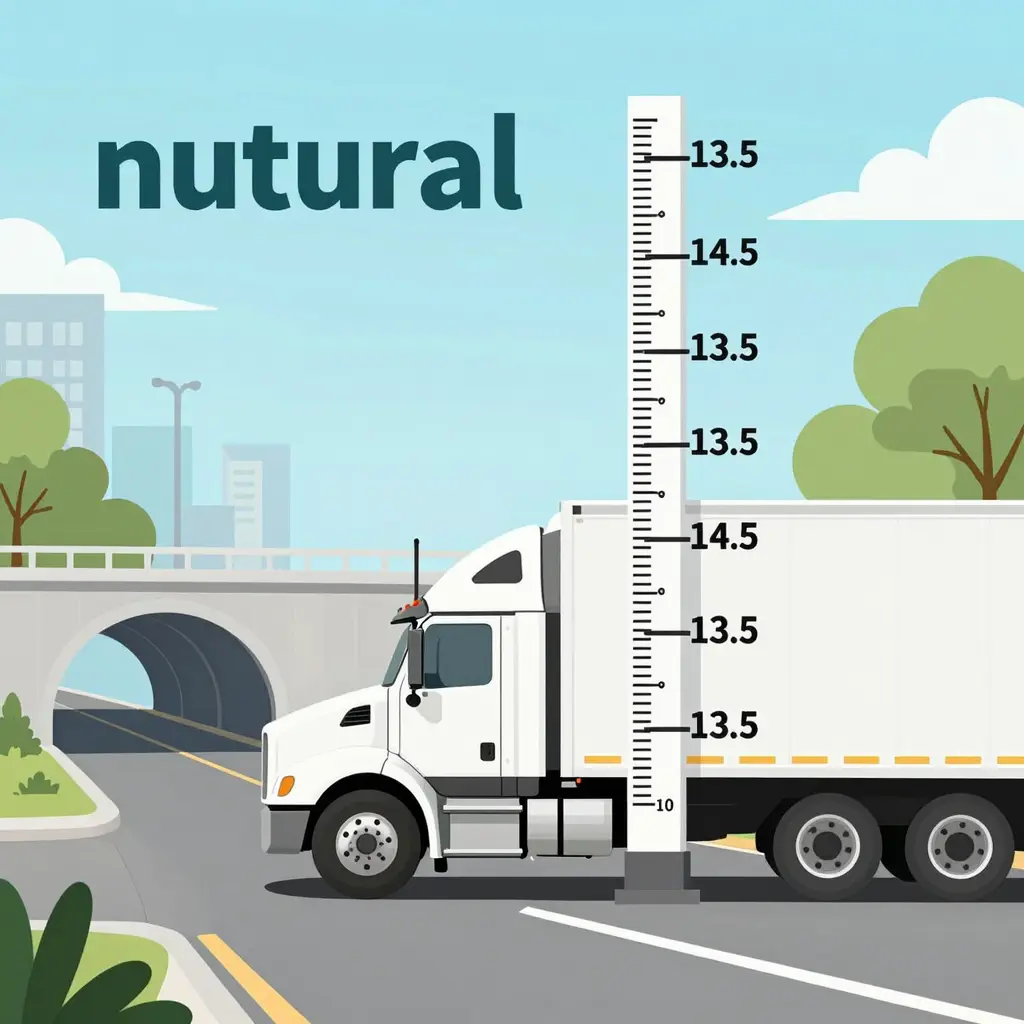
Understanding the height of semi trucks is essential for business owners in the transportation sector, particularly those managing logistics and freight operations. Most semi trucks in the United States stand approximately between 13.5 and 14 feet tall, with a common regulatory limit of 13.6 feet. This height can significantly impact routing decisions, especially when navigating urban environments with low-clearance bridges and tunnels. In fact, failing to account for these heights can result in costly accidents and delays, not to mention potential fines due to violating clearance laws.
For transportation professionals, knowing the dimensions of their vehicles is not just a matter of compliance; it’s also crucial for maximizing efficiency and safety. Additionally, factors such as load height and modifications, like enhanced roof racks, can further influence overall vehicle height. Understanding truck dimensions can also guide decisions on accessories like liftgates or loading equipment, ensuring a smooth operational flow in your logistics chain. In essence, as the transportation industry continues to evolve, staying informed about vehicle specifications like height becomes increasingly relevant for effective business management.
Average Height of Semi Trucks
When considering the average height of semi trucks, the measurements typically range from 13.5 to 14.5 feet. These values represent the vertical distance from the ground to the highest point of the truck and trailer. The standard maximum legal height for semi trucks in the United States is generally 13.5 feet, a height that allows for safe navigation under bridges and other overhead structures.
Variations Based on Regulations and Types
Several factors can influence the height of a semi truck, including:
- Type of Trailer: Different trailer configurations can lead to variations in height. For example, flatbeds, refrigerated trailers, and tankers can have varying heights and designs, affecting the overall truck height.
- Load Configuration: The weight and structure of the cargo can also impact the overall height, particularly if oversized loads or unique structures are involved.
- Local Regulations: States may have their own rules regarding height limits, which could slightly differ from federal standards. In some regions, trucks may be permitted to use an additional inch depending on the road conditions or design specifics.
This height precision is crucial not just for safety but also for compliance with transportation regulations. Failing to adhere to height restrictions can result in penalties, damage to the infrastructure, or accidents.
For businesses operating semi trucks, understanding these height regulations is vital. It ensures not only legal compliance but also optimizes logistics and prevents unnecessary delays due to clearance issues on routes.
For more information on various truck accessories which can help enhance bridges and road navigation ease, check out our guide on truck accessories.
Furthermore, for additional details on various truck types and their specifications, you might find value in our article on vantech truck types.
How Tall is a Semi Truck?
Understanding the height specifications of various semi truck models is essential for business owners looking to optimize their fleet. Here’s a comparison of some popular semi truck models and their corresponding heights:
| Truck Model | Height (feet) |
|---|---|
| Freightliner Cascadia | 13.5 |
| Kenworth T680 | 13.6 |
| Peterbilt 579 | 13.5 |
| Volvo VNL | 13.6 |
| International LT | 13.5 |
This table illustrates the typical heights for these models, which generally range from about 13.5 to 13.6 feet. Understanding these specifications can help ensure compliance with height regulations on roadways.
For detailed specifications on these models, you can check on Freightliner, Kenworth, Peterbilt, Volvo, and International sites.

Impact of Height on Trucking Operations
The height of semi trucks is a crucial factor that affects various aspects of trucking operations, from route planning to compliance with regulations. On average, semi trucks measure around 13.5 feet tall, allowing them to navigate most roadways and clear many structures, although some states allow heights up to 14 feet. Understanding these dimensions is imperative for business owners managing transportation logistics.
Route Planning
When planning routes for semi-trucks, understanding height restrictions is essential to avoid costly delays and compliance issues. Many highways and bridges have stipulations regarding maximum truck height, which can vary by state. For instance, while most states maintain a height limit of 13 feet, 6 inches, ignorance of local regulations can lead to serious incidents like trucks getting stuck under bridges. Such accidents not only disrupt schedules but can also result in significant damages and fines. For more detailed information, refer to Truck Height Restrictions and Bridge Clearance.
Compliance with Regulations
Compliance with height regulations is non-negotiable. Transportation agencies impose stringent limitations to ensure public safety and infrastructural integrity. In states like Florida, trucks can exceed this height slightly, but operators need to obtain special permits for loads that surpass the typical limits. For business owners, staying informed about these restrictions is crucial, and failing to comply can lead to legal penalties and increased operational costs. To learn about the nuances of trucking regulations, check out 2024 Trucking Regulations Roadmap.
Ultimately, the height of semi-trucks is more than just a number; it is a significant operational parameter that holds great value in terms of logistics, safety, and legal compliance.
Checklist for Choosing a Semi Truck
When selecting a semi truck, business owners should take into account several critical factors to ensure they make the best choice for their operational needs. Here’s a handy checklist to guide your decision-making process:
- Purpose of the Truck: Determine what the primary use will be (e.g., freight type, payload requirements).
- Height Restrictions: Verify height limits for roads and bridges. Typically, maximum height is 13 feet 6 inches.
- Weight Capacity: Understand the Gross Vehicle Weight Rating (GVWR), which is usually around 80,000 pounds including cargo.
- Truck Weight: Know the weight of the truck itself to ensure it aligns with payload expectations.
- Payload Capacity: Check the truck’s payload capacity, which is crucial for calculating how much cargo can be transported without exceeding legal limits.
- Engine Type: Evaluate whether a diesel, electric, or alternative fuel engine meets your operational and environmental needs.
- Fuel Efficiency: Consider the fuel costs and overall efficiency of the truck. Higher efficiency can lead to significant cost savings over time.
- Safety Features: Look for advanced safety features such as lane departure warnings, automatic braking, and other technologies that can enhance safety.
- Dealer Reputation: Research and choose a trustworthy dealer, and consider reviewing the truck’s repair history if it’s used.
- Post-Purchase Costs: Budget for long-term maintenance and insurance costs.
For more detailed insights into semi truck specifications, including height and weight limits, check out this informative article on payload capacity. Also, understanding the variety of trucks available can help you make a more informed choice. Explore types and calculations in this types of trucks guide.
State Regulations Regarding Truck Height
Truck height regulations vary significantly across the United States, impacting how businesses operate and plan their logistics. While the standard maximum height for semi-trucks is generally 13 feet 6 inches (4.11 meters), many states have their own specific regulations that can allow heights of up to 14 feet or more in certain areas. Below is a summary of crucial aspects regarding these regulations:
Key Height Limits by State
- General Limit: Most states uphold the 13 feet 6 inches restriction for highway travel, emphasizing the need for compliance.
- State Variations: Some states may permit greater heights, especially on specific routes or for specialized trailers. This variance necessitates route planning to avoid low-clearance bridges or structures.
- Local Permits: In cases where a vehicle exceeds the 13 feet 6 inches standard, businesses must often apply for special permits, which can involve additional fees and adherence to specific guidelines.
Importance of Compliance
Compliance with state truck height regulations is not merely a matter of legal adherence; it is crucial for several operational factors:
- Avoiding Fines and Legal Issues: Overheight violations can lead to significant fines and legal challenges, impacting a business’s revenue and reputation. For example, states can impose hefty penalties for exceeding the maximum allowable height, emphasizing the importance of measurement and compliance.
- Infrastructure Safety: Non-compliance can lead to accidents and damages, with studies indicating that adherence to height regulations helps reduce infrastructure damage-saving businesses from costly repairs. The importance of compliance with truck height regulations cannot be overstated in maintaining road safety and operational efficiency.
- Logistical Efficiency: Understanding height regulations enables better route planning, which can improve logistical efficiency and minimize delays caused by unexpected road restrictions.
For business owners in the trucking industry, maintaining compliance with regulations around truck height is not just about avoiding fines; it is about ensuring smooth operations and fostering a safe transportation network.
User Quotes and Testimonials on Truck Height Decisions
“When we were looking to expand our fleet, the height of the semi trucks was a critical factor in our decision. We found that a truck height of around 13’6″ worked perfectly for our needs, allowing us to transport goods without worrying about clearance issues on major routes.”
- Mark Thompson, Owner of Thompson Logistics
“Some clients specifically require that we use trucks that fit under certain height regulations, especially when delivering to urban areas. Knowing the city’s height limits helped us choose vehicles that minimized our headaches later on.”
- Jessica Lee, CEO of Urban Transport Services
“One of the challenges we faced was fitting our trailers under certain height restrictions at loading docks. We learned quickly that having low-profile trailers significantly eased our operational flow.”
- Tom Rivera, Operations Manager at XYZ Freight
“Selecting trucks with adjustable heights has given us flexibility in handling various cargo. It’s crucial that we can adapt to different job requirements while ensuring compliance with local laws.”
- Kelly Fernandez, Fleet Manager at Delivery Solutions
These insights highlight the importance of considering truck height not just from a regulatory perspective, but also for operational efficiency and client satisfaction. For further information on truck accessories that could aid with height management, check out our comprehensive resources on truck accessories.
Future Trends in Semi Truck Design
As we look towards the future, several notable trends are emerging in the design and functionality of semi trucks. These trends are primarily influenced by advancements in technology, sustainability initiatives, and evolving regulatory landscapes. Here are some key aspects to consider:
1. Electric and Hybrid Models
With growing environmental concerns and stricter regulations, the shift towards electric and hybrid semi trucks is accelerating. Electric models not only reduce carbon emissions but also benefit from government incentives aimed at promoting sustainable transportation. For instance, according to SHARERIG, the future of electric semi trucks is increasingly bright, with innovations that enhance their viability for long-haul routes.
2. Aerodynamic Designs
Improved aerodynamic profiles are becoming a standard in semi truck design, allowing for better fuel efficiency and reduced drag. Manufacturers are experimenting with new shapes and materials to optimize airflow and minimize resistance on the road.
3. Advanced Safety Features
The integration of advanced safety technologies, such as adaptive cruise control, lane-keeping assistance, and collision detection systems, is becoming commonplace in modern semi trucks. These features not only enhance operator safety but are becoming a regulatory requirement in many regions.
4. Lightweight Materials
Future semi truck designs are likely to incorporate lighter yet stronger materials, contributing to increased payload capacities and improved fuel efficiency. Reports from Trailer Trading discuss innovations in materials aimed at reducing overall weight without sacrificing durability.
These trends suggest a future where semi trucks are not only taller and more robust but also more efficient, safe, and environmentally friendly.
Truck Height Regulations by State
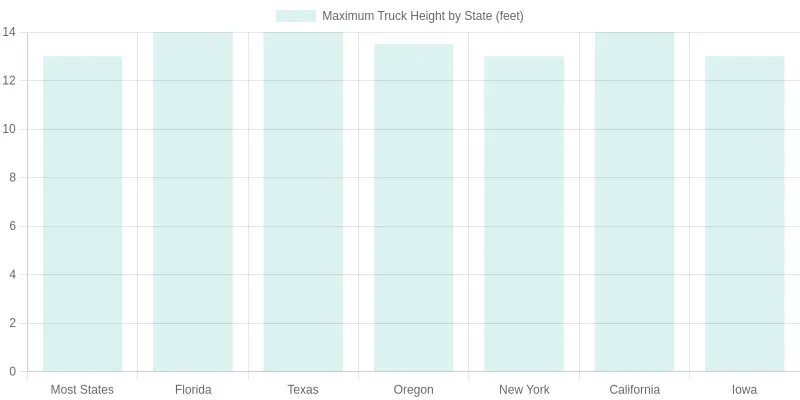
Here’s a quick overview of truck height regulations across various states:
| State | Maximum Height (feet) | Notes |
|---|---|---|
| Most States | 13 | Standard limit for trucks |
| Florida | 14 | State-specific allowance |
| Texas | 14 | Specific to Texas regulations |
| Oregon | 13.5 | Special permit for over-height |
| New York | 13 | Some areas may vary |
| California | 14 | Temporary load permits available |
| Iowa | 13 | Generally standard |
Understanding these regulations is critical for safe compliance when transporting goods. Each state’s regulations can be unique, so it’s wise for business owners to familiarize themselves with them for efficient logistics planning. For more information on accessories that can assist with your trucking needs, check out our blog.
In conclusion, understanding the height of semi trucks is crucial for business owners involved in the transportation industry, as it can affect routing and access to certain locations. The average height generally falls within the 13.5 to 14 feet range, which is important information for logistics planning. For example, knowing this height can help truck drivers avoid low overpasses and navigate through different terrains more safely.
If you are considering investing in a pizza truck or any other mobile food unit, having the right specifications is vital for your operations. For those looking for tailored solutions, TruckPizza.net stands ready to assist. Reach out today for a personalized quote and discover how we can turn your pizza business dream into a reality! Don’t miss the opportunity to serve delicious food on the go with a truck that’s perfectly designed for your needs!