
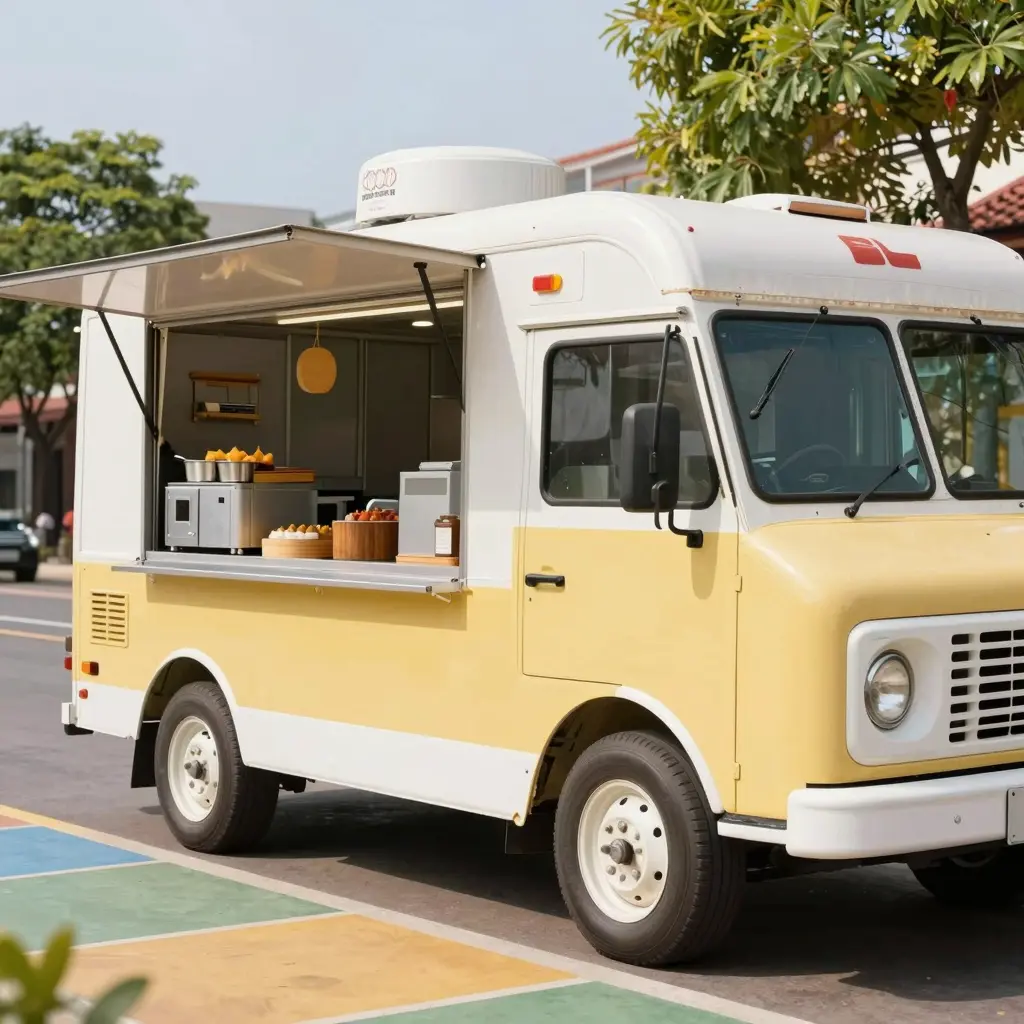
In the rapidly evolving world of business, food trucks have emerged as not just a culinary venture but a viable and lucrative enterprise. As entrepreneurs seek to stand out in an increasingly competitive market, many are turning to lifting trucks to enhance their functionality and visual appeal. This trend not only makes food trucks more eye-catching but also provides the necessary cargo space for a variety of equipment. If you’re a business owner contemplating this upgrade, you may be wondering, how much does it cost to lift a truck? Understanding these costs is crucial as they directly impact your startup budget and overall business strategy. Lifting your truck could not only be essential for improving your food truck’s operational efficiency but also a great way to attract more customers. Let’s delve into the various factors that influence the cost and the potential return on investment this lifting could yield for your business. Discover how lifting can elevate your food truck venture to new heights! Learn more about accessories for lifting trucks and find the tools you need to start your journey.
Overview of Truck Lift Types
When it comes to enhancing the functionality and aesthetics of trucks, lifting is a popular modification among business owners. Two primary types of truck lifts are commonly utilized: suspension lifts and body lifts. Each of these options serves different purposes and offers unique benefits.
Types of Truck Lifts
- Suspension Lifts:
- Description: Suspension lifts involve a complete modification of the vehicle’s suspension system, raising the frame and offering improved ground clearance. This type often includes upgraded shocks and springs, which enhances handling and performance.
- Benefits: Businesses that require trucks for off-road applications will find suspension lifts valuable. Higher clearance allows for navigating rough terrains with ease, and improved shock absorption enhances ride quality, thus enabling better transportation of goods.
- Body Lifts:
- Description: In contrast, body lifts elevate the truck’s body from the frame without altering the suspension system. This type typically involves the installation of spacers and is generally more budget-friendly.
- Benefits: While body lifts do not enhance performance capabilities to the same extent as suspension lifts, they are advantageous for achieving a taller stance and improved visual appeal without extensive modifications. Business owners looking for a cost-effective way to increase height for aesthetic purposes or to fit larger tires often choose this option.
Significance for Business Owners
Understanding the differences between these truck lift types is critical for business owners, especially those engaged in delivery, off-road driving, or heavy-duty applications. The benefits of lifting a truck often include:
- Enhanced Load Capacity: Improved clearance facilitates carrying larger loads.
- Increased Visibility: A higher driving position improves sightlines on the road, enhancing safety.
- Greater Customization and Functionality: Lifting a truck allows for various modifications that can boost operational efficiency.
Ultimately, the choice between suspension and body lifts depends on specific business needs and the intended use of the vehicle. For more insights on accessories that can enhance your truck’s functionality, check out this guide on accessories from Truck DIY. Understanding these lift options will empower business owners to make informed decisions that suit their operational demands and budget.
Comparing Truck Lift Costs
When considering how much it costs to lift a truck, it’s essential to analyze different lift types along with their costs, average height gains, pros, and cons. Below is a detailed comparison, making it easier for business owners to make informed decisions.
| Type of Truck Lift | Installation Costs | Average Height Gain | Pros | Cons |
|---|---|---|---|---|
| Hydraulic Lift | $5,000 – $25,000 | 3 – 12 feet | Fast operation, versatile | Requires maintenance, may have leaks |
| Electric Lift | $4,000 – $20,000 | 3 – 8 feet | Lower operating costs, quiet | Slower than hydraulic, limited capacity |
| Mechanical Lift | $3,000 – $15,000 | 2 – 6 feet | Simple design, low maintenance | Less height gain, requires manual effort |
| Scissor Lift | $3,500 – $18,000 | 3 – 10 feet | Stable, good for lifting heavy loads | Limited horizontal reach, heavier |
| Portable Lift | $2,000 – $10,000 | 2 – 5 feet | Easy to transport, affordable | Lower weight capacity, not for heavy use |
Additionally, you can find more details on different types of truck lifts and their features to make an informed decision.
Cost Breakdown of Lifting a Truck
Lifting a truck involves several factors that significantly influence the overall cost to lift a truck. Understanding these components can help business owners make informed decisions regarding their truck modifications.
Key Factors Affecting Cost:
-
Parts:
The primary cost component is the lift kit itself, which can range widely based on the type and brand: -
Body Lift Kits: $80 – $2,300
-
Suspension Lift Kits: $400 – $4,000
The choice of a lift kit depends on the desired lift height and the specific needs of the truck. For example, a simple leveling kit may start at around $200, while a comprehensive six-inch lift could cost between $4,000 and $12,000. -
Labor:
Professional installation of lift kits can add around $1,000 for labor, particularly for more complex suspension systems. DIY installations may save on this cost, but proper knowledge and tools are essential. -
Additional Modifications:
Sometimes, after lifting a truck, additional modifications might be necessary, such as: -
Upgrading brakes and steering systems
-
Adjusting alignment to ensure safety and functionality
Each of these modifications can add several hundred dollars to the total cost.
Understanding these cost components can assist business owners in budgeting effectively for their truck lift projects. For more insights on accessories that can work with lifted trucks, you can check out our accessories blog.
The Rise of Lifted Trucks Among Food Truck Operators
In recent years, there has been a noticeable trend toward the adoption of lifted trucks among food truck operators and small business owners. This shift is largely driven by the demand for versatility and enhanced visibility that lifted trucks provide. Data indicates that the global food truck market, valued at $2.17 billion in 2023, is projected to reach $3.62 billion by 2032, growing at an impressive compound annual growth rate of 6.49% from 2024 to 2032. This increasing market size reflects a burgeoning interest in mobile food services, which aligns with the simultaneous rise in the use of lifted trucks for commercial purposes.
Lifted trucks offer higher cargo capacities, allowing food truck businesses to transport larger quantities of food and equipment, essential for meeting consumer demands effectively. Moreover, operators often emphasize how important it is for a truck’s design to match their brand, and lifted models tend to attract more attention while driving through neighborhoods or at event setups. This visual appeal can translate into increased customer engagement.
When assessing the cost implications, business owners often wonder, how much does it cost to lift a truck? Typically, lifting a truck can range anywhere from $1,000 to $5,000, depending on the complexity and type of lift kit selected. This investment can significantly enhance the vehicle’s utility and aesthetic appeal, providing a strategic advantage in a competitive market.
For further insights into accessories for lifted trucks, check out our detailed guide on truck accessories.
Financing Options for Lifting Your Truck
When considering options for lifting your truck, business owners have several financing avenues available. Making a sound financial decision is critical, and each option comes with its own set of pros and cons that should be carefully evaluated.
Buying vs. Leasing
One of the primary decisions you’ll face is whether to buy or lease the equipment necessary for lifting your truck. Below are some insights into both options:
Buying
Pros:
- Ownership: Once the truck is fully paid off, you own it entirely. This can lead to higher long-term value, especially if you plan to keep it for an extended period.
- Customization: Owning your truck allows you to tailor it as needed for specific business requirements without restrictions from a leasing company.
- Budget Predictability: Once paid off, your costs stabilize, but initial costs can be high.
Cons:
- Higher Upfront Costs: Purchasing typically requires a significant down payment, impacting cash flow.
- Depreciation: Trucks depreciate over time, which could lead to a lower resale value.
- Maintenance Costs: As the owner, you’re responsible for maintenance and repair, which can add up.
Leasing
Pros:
- Lower Initial Costs: Leasing usually requires lower upfront payments and can improve cash flow, making it easier to acquire newer models without large investments.
- Flexibility: Business owners can change vehicles more frequently, keeping up with the latest technologies and models.
- Tax Benefits: Lease payments can often be deducted as business expenses, providing tax advantages.
Cons:
- No Ownership: At the end of the lease term, the truck is returned, and you have no equity.
- Mileage Fees: Leases often come with mileage limits, and exceeding those can incur extra charges.
- Long-Term Costs: Leasing could be more expensive in the long run compared to purchasing, especially if you continue leasing new trucks.
The Importance of Budgeting
As a business owner, creating a comprehensive budget is essential when deciding how to finance your truck lifting needs. Understanding your business’s cash flow will help determine whether leasing or buying makes the most financial sense. Consideration should also be given to interest rates, which have fluctuated recently. Currently, businesses can access loans with relatively low interest rates through SBA loan programs, making it a feasible time to invest in truck lifting equipment.
Conclusion
Ultimately, the decision to lift your truck should align with your business objectives, financial status, and long-term plans. Evaluating both leasing and buying options alongside thoughtful budgeting will help ensure that the investment supports your business in achieving its goals. For more information about improving your truck’s capabilities with various accessories, check out our guide on truck accessories that can enhance performance and utility.
Investment Outcomes from Truck Lifts
Investing in a truck lift can significantly boost a business’s sales and visibility. Here’s a breakdown of some key statistics that highlight potential return on investment (ROI):
| Statistic Category | Value |
|---|---|
| Increase in sales visibility | 50% |
| Resulting sales increase | 20% |
| Higher business growth with mobile lifts | 40% |
| Break-even point for investment | 6 months |

Key Insights:
- A 50% increase in sales visibility through truckside advertising can lead to a 20% increase in sales.
- Businesses utilizing mobile lifts see a 40% growth within a year.
- The break-even point for investing in a lift is roughly six months based on enhanced visibility and sales performance.
These statistics emphasize the financial benefits that can stem from investing in truck lifts, making it an attractive option for business owners looking to improve their operational effectiveness and sales outcomes.
discover more about truck accessories here and learn how truckside advertising can further enhance sales
By understanding these metrics, business owners can make informed decisions regarding investments in truck lifts and the potential impact on their profitability and visibility.
Considerations Before Investing in a Truck Lift
Investing in a truck lift can significantly enhance operational efficiency for businesses involved in transportation or logistics. However, several critical factors must be considered before making such an investment. Here’s a detailed list of factors to help business owners make informed decisions:
-
Legal Regulations: It is paramount to understand the federal and local regulations that govern truck lifts. Compliance with the Federal Motor Carrier Safety Administration (FMCSA) is essential, as these laws impact how equipment is operated and maintained. Ensure that your operations conform to safety standards and local laws specific to your region, as negligence can lead to hefty fines and liability issues.
-
Insurance Implications: Acquiring appropriate insurance coverage for your truck lift is crucial. Check with your insurance provider to ensure that lifts are covered under your commercial auto insurance policy or business liability policy. This coverage can protect your business from potential accidents or damages associated with lift operations.
-
Operational Requirements: Assess whether your business has the necessary infrastructure and manpower to safely and effectively operate a truck lift. Consider training employees on safety protocols to minimize accidents, which aligns with your obligation to maintain a safe workplace.
-
Long-term Viability: Evaluate the longevity of the truck lift model you wish to invest in. Factors such as maintenance costs, load capacity, and technological advancements should be analyzed to ensure that the lift remains functional and meets your operational needs in the future.
-
Cost-Benefit Analysis: Conduct a thorough analysis of the cost versus the potential increase in productivity that the truck lift could provide. Include not just the purchase price, but also estimates for installation, maintenance, and potential downtime that could affect your bottom line.
-
Market Trends: Stay informed about market trends and innovations in truck lift technology. Being aware of advancements can help in selecting a model that not only meets current needs but is adaptable to future operational shifts.
-
Financing Options: Consider various financing options available for acquiring a truck lift. Look for incentives like tax benefits or grants that might apply to your purchase, which can significantly affect your financial planning.
By taking these considerations into account, business owners can make informed decisions that align with their operational goals and ensure a successful investment in a truck lift.
In conclusion, lifting your truck can significantly enhance its performance, aesthetics, and utility. The costs associated with lifting a truck can vary widely based on the method chosen-whether it’s a suspension lift, body lift, or a more specialized approach. Understanding these costs and the benefits they bring is crucial for business owners who aim to optimize their vehicles for work or personal use. As you consider upgrading your truck, keep in mind the value of investing in quality components and reliable installation.
For those interested in innovative business ventures involving mobile food, check out the exciting possibilities with pizza trucks. Transforming a truck into a vibrant pizza kitchen can not only be a rewarding business opportunity but also a unique culinary experience for customers. Don’t miss out on the chance to explore more about truck accessories and their significant impact to enhance your truck’s functionality.
For quality pizza trucks tailored for success, visit truckpizza.net today. Start your journey into mobile business with the perfect pizza truck!