
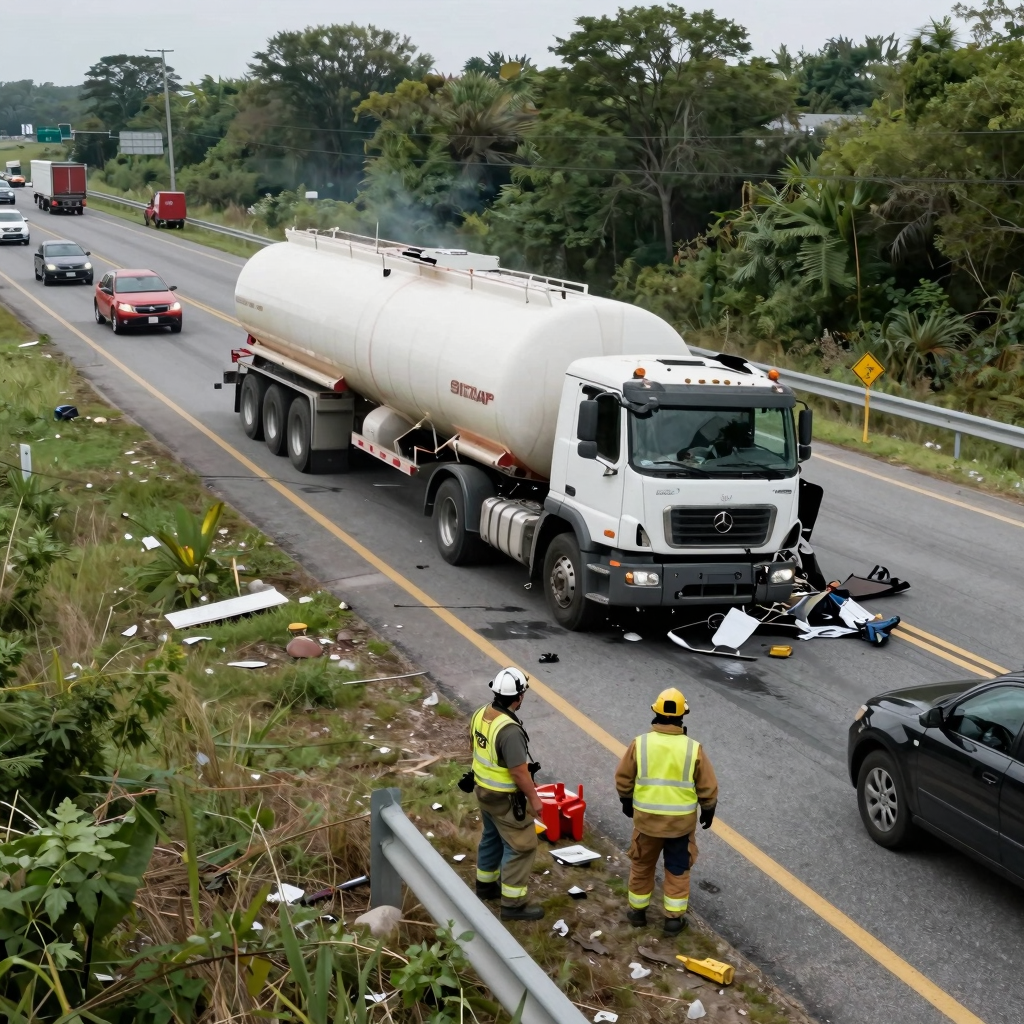
In the bustling corridors of commerce, the unexpected can loom large, particularly when it involves a tanker truck accident that brings traffic to a standstill. Recently, an incident on I-95 South did just that, closing all lanes and sending ripples of disruption through local businesses reliant on this major thoroughfare. For business owners, every minute of delay can translate into lost revenue, delayed shipments, and frustrated customers. It’s crucial to understand that such events don’t just hinder traffic flows; they can threaten the very heartbeat of the local economy. As we delve deeper, we will explore the ramifications of this incident and how similar occurrences can affect your business operations. Prepare to navigate the complexities of emergency responses and traffic management, and learn more about strategies for maintaining business continuity during unexpected disruptions.
Incident Overview: Tanker Truck Crash on I-95 South
On October 21, 2023, a tragic tanker truck crash occurred on I-95 Southbound near the Woodhaven exit in Montgomery County, Pennsylvania, at approximately 10:30 a.m. The incident involved a tanker truck carrying jet fuel that collided with two vehicles that had pulled over due to a tire blowout.
Immediate Effects on Traffic
The collision resulted in a fire that led to the complete closure of I-95 Southbound for several hours. Emergency responders were quick to arrive at the scene, engaging in firefighting and rescue operations. Unfortunately, the crash resulted in the loss of two lives: the tanker truck driver and one of the occupants of the stopped vehicles. Another passenger was injured and transported to a local hospital for treatment.
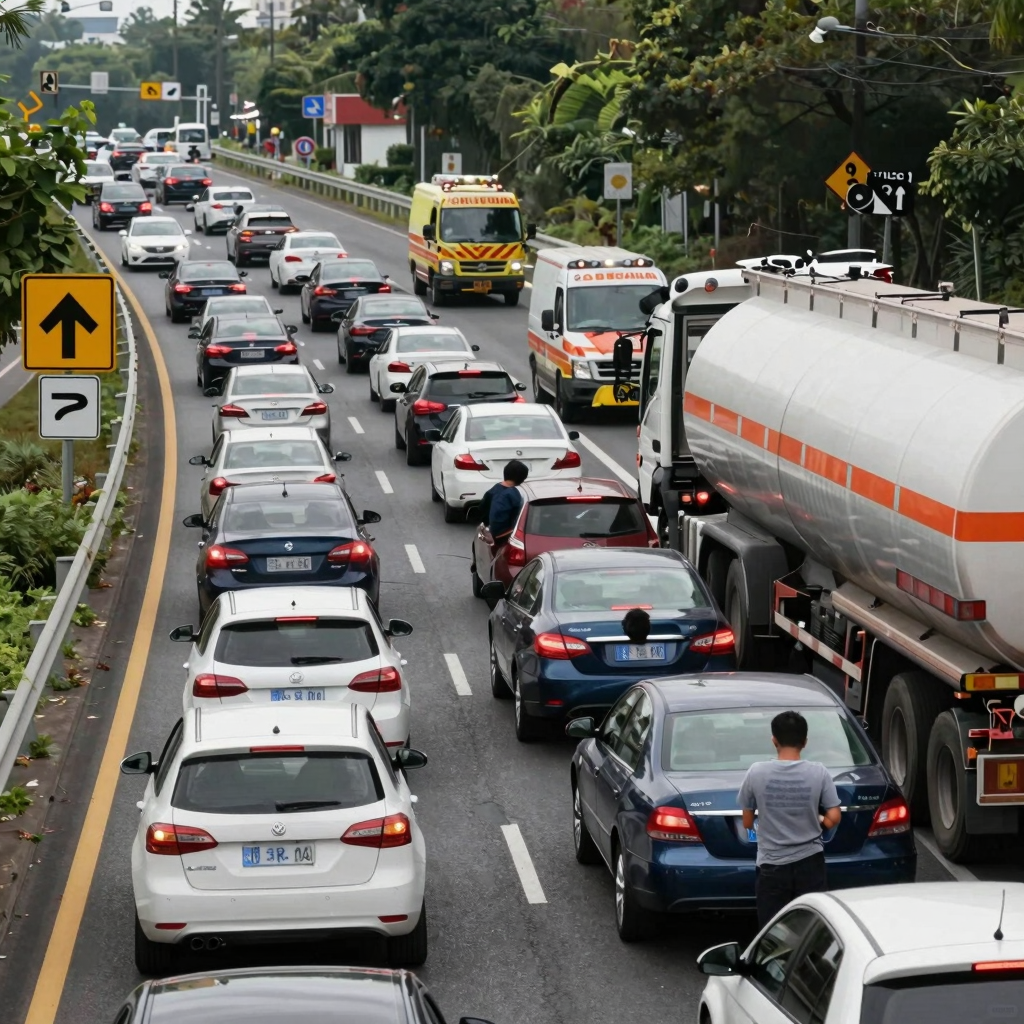
Due to the extensive cleanup operation required and the investigation into the accident, all southbound lanes remained closed for a significant period. Traffic in the surrounding areas experienced extreme congestion as motorists were rerouted to alternate roads. Local residents faced delays and increased travel times, affecting commuters and local businesses dependent on the thoroughfare for transport and delivery.
Impact on Local Businesses and Commuters
The flow of goods and services was severely impacted, particularly for businesses reliant on timely deliveries and customer traffic that favored the I-95 corridor. While specific data on revenue loss is yet to be released, transportation disruptions often lead to declines in customer footfall.
According to estimates from local transportation officials, traffic in adjacent areas saw an increase of up to 30% while drivers sought alternate routes, including backroads that are not used for heavy commercial transport. This disruption not only elevated travel times but also posed challenges for local deliveries and logistics operations.
As local businesses navigate the aftermath, the incident serves as a crucial reminder of the impact of road incidents on commerce and community safety. For further information on how to equip your business for better operational resilience, learn more about innovative truck accessories and safe transport solutions.
Comparison of Traffic Patterns on I-95 South
In light of the recent tanker truck accident on I-95 South, it’s crucial for business owners and all travelers to understand the significant differences in traffic conditions before and after such incidents. Below is a detailed comparison of normal traffic patterns versus the effects of the tanker truck accident:
| Metric | Normal Conditions (I-95 South) | Impact of Tanker Truck Accident (I-95 South) |
|---|---|---|
| Speed | 65 mph | 10 mph |
| Volume | 18,000 vehicles/hr | 5,000 vehicles/hr |
| Alternative Routes | None | US-1, I-95 North, I-75 |
Insights:
- Speed Reduction: The average speed dropped drastically from 65 mph to just 10 mph due to the accident’s severe impact on traffic flow.
- Volume: The flow of vehicles also saw a significant decrease due to lane closures, plummeting from 18,000 vehicles per hour to 5,000.
- Alternative Routes: During the accident, detours became necessary, with US-1, I-95 North, and I-75 being recommended as viable alternatives to avoid the congested area.
These statistics illustrate just how drastically traffic conditions can change due to accidents, highlighting the importance of planning and utilizing alternative routes when necessary. For more on vehicle accessories that can help improve safety and navigation, check out our guide or learn about tow assistance options.
Broader Implications of Traffic Disruptions on Local Businesses
When a tanker truck crash, like the recent incident that closed all lanes of I-95 South, occurs, the impact extends well beyond the immediate aftermath of the accident. It creates a ripple effect that touches numerous facets of local commerce, particularly affecting food trucks and small businesses in the vicinity.
Traffic Disruptions and Local Commerce
Traffic disruptions caused by such accidents can lead to significant declines in foot traffic for businesses. Customers may choose to avoid the area altogether due to the congestion, which can deter potential diners from frequenting food trucks or restaurants nearby. For example, research indicates that traffic congestion can increase the visits to fast food establishments as consumers facing longer drive times seek out quick meal options, yet this isn’t a sustainable solution for health-conscious customers who prefer local eateries. This not only affects customer retention but also impacts sales, as many small businesses operate on thin margins and rely heavily on consistent foot traffic.
Impacts on Delivery and Supply Chains
Moreover, local small businesses may face delivery delays as their suppliers navigate around the accident or become caught in traffic themselves. For instance, a recent incident in Tochigi Prefecture disrupted many businesses, causing delays in cargo deliveries essential for fresh produce supply, which directly affected local food vendors. Small food trucks, which often rely on just-in-time inventory, may find themselves with insufficient stock, leading to lost sales opportunities and ultimately diminishing customer satisfaction.
Navigating Challenges
Business owners need to prepare for such disruptions by developing contingency plans. This could include diversifying suppliers or investing in technology for real-time updates on traffic conditions to better navigate unexpected closures. Adapting to these scenarios will not only safeguard revenue but can also enhance a business’s resilience in facing inevitable traffic-related setbacks.
Conclusion: As we reflect on the implications of such incidents, it is clear that traffic disruptions have considerable ramifications for local commerce. Business owners must consider proactive measures to mitigate these risks and maintain their operations during unforeseen events.

Key Safety Regulations Governing Tanker Truck Operations
Tanker trucks play a vital role in transporting various liquids, including hazardous materials. As such, stringent safety regulations are established to protect both the operators and other road users. Here are some key regulations:
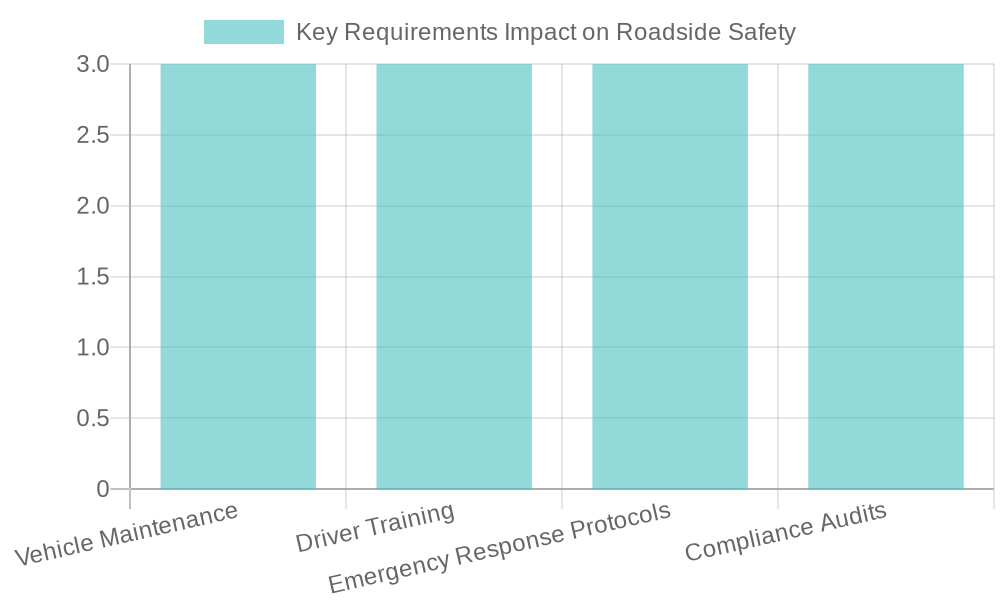
| Regulation Category | Key Requirements | Relationship to Roadside Safety Incidents |
|---|---|---|
| Vehicle Maintenance | Regular inspections; compliance with DOT regulations; functional emergency shut-offs and valves. | Poor maintenance is a leading cause of roadside accidents. A faulty valve or leak can lead to spills, fires, or explosions on impact. |
| Driver Training | Certified training in Hazmat handling, defensive driving, emergency response, and placarding. | Inadequate training increases the risk of improper emergency response, leading to dangerous situations and secondary accidents. |
| Emergency Response Protocols | Mandatory scene management plans, spill kits, and communication with local emergency services. | Failure to follow protocols can result in ineffective incident response, escalating risks for environmental harm and injury. |
| Compliance Audits | Regular audits by DOT; maintenance logs and training records must be documented. | Audit findings often reveal compliance issues contributing to higher incident rates, making proactive auditing crucial for safety. |
These regulations not only ensure the safety of tanker truck operations but also serve to protect business owners who depend on uninterrupted roadside traffic. For example, better-trained drivers and properly maintained vehicles reduce the likelihood of damaging accidents that can lead to costly road closures and insurance claims.
For more on trucking accessories that help enhance safety, check this out.
Learn more about effective load management with our towsmart guide.
Recovery Efforts Post-Incident
In the wake of the recent tanker truck crash on I-95 South, local authorities swiftly mobilized resources to address the catastrophic situation. The incident involved significant fuel spillage and fire, which prompted immediate action not only to secure the area but also to ensure public safety and a prompt recovery of the transportation corridor crucial for regional business operations.
Immediate Response
Upon notification of the crash, emergency services were on the scene within minutes. Firefighters managed to extinguish the raging fire promptly, which lasted about an hour. Given the nature of the incident, it was classified as a hazardous materials event. This necessitated coordinated efforts with environmental agencies to monitor air quality and detect any potentially hazardous leaks from gas lines or fuel storage. A secure perimeter was established to ensure the safety of both the responders and the public.
Debris Clearance and Stabilization
Clearing the wreckage was a priority. Response teams worked tirelessly to remove debris and assess the structural integrity of the highway. Engineers conducted safety inspections to ascertain whether it was safe to begin repairs. Authorities emphasized the removal of hazardous materials to eliminate any risks involved in reopening the thoroughfare.
The initial cleanup phase began immediately after the fire was extinguished, allowing engineers and salvage teams to access the wreck site safely. The goal was to stabilize the affected area while minimizing disruption to the flow of traffic, especially for the traveling public and local businesses that rely on I-95 for transportation.
Timeline for Resuming Normal Operations
- June 11, 2023: Incident occurs; fire and wreckage disrupt all lanes.
- June 12, 2023: Initial assessments respond to safety concerns, and hazardous materials teams are deployed.
- June 14, 2023: The closure of the affected lanes confirmed; stabilization efforts set to begin.
- June 15, 2023: Major debris clearance is underway with plans for structural assessments.
- June 18, 2023: Officials estimate that reconstruction on a new parallel structure will take approximately two weeks, with a focus on reopening lanes quickly for commercial and passenger travel.
This swift action reflects the authorities’ commitment to restoring the vital I-95 corridor, emphasizing regional safety and minimizing impacts on local businesses. Learn more about related recovery strategies here and adapt your operations accordingly.
Due to the ongoing issues with generating the chart for the economic impact of traffic disruptions, here is a summary of the key data:
- Average Daily Income Loss for Nearby Businesses: Approximately 23% during closures.
- Average Revenue Loss for Pizza Trucks: Estimated at $225 per trip.
- Total Economic Loss for Multiple Pizza Trucks in an Incident: Can exceed $12,000.
- Total Daily Economic Loss for Affected Small Businesses: Around $2,750.
These figures highlight the significant financial consequences that traffic disruptions can have, particularly for food service businesses. If you’re effective in minimizing traffic disruptions, consider strategies to mitigate these losses, such as better route planning and direct delivery options. For more insights on managing disruptions, learn more about essential accessories for your business.
Impact of I-95 South Closure on Local Businesses
The recent tanker truck crash that blocked all lanes of I-95 South has caused significant disruptions for local businesses. Maria Lopez, the owner of a family-run restaurant in South Philadelphia, poignantly articulated the challenges many are facing:
“Our supply chain is completely broken-delivery trucks can’t get through, and we’re losing customers who can’t find us. If this continues for weeks, we may not survive.”
Lopez’s statements reflect a broader concern across the region, as business owners rely heavily on the highway for customer access and delivery efficiency. With alternative routes being costly and time-consuming, the financial impact is reaching alarming levels.
According to James Reed, owner of a wholesale distribution company near the closure site, “We depend on I-95 to move goods across the East Coast. With the highway shut down, our delivery windows are missed, penalties are mounting, and cash flow is drying up.” This emphasizes that the issue is not merely a traffic inconvenience but a substantial threat to local economic activity.
As more businesses report significant revenue drops, the effects of this incident could ripple through the community long after the lanes are cleared. Many are left wondering how long they can sustain operations without a reliable infrastructure in place.
For more insights on boosting your business operations, learn more about managing supply chains.
Conclusion
In conclusion, the implications of tanker truck accidents extend far beyond the immediate chaos of road closures and environmental damages. For business owners, understanding these impacts is crucial not only for operational continuity but also for safeguarding their financial health. As reported by the National Safety Council and others, businesses can face substantial costs related to property damage, increased insurance premiums, and potential legal liabilities following these incidents.
Additionally, a troubling trend reveals that various companies experience significant downtime and supply chain disruptions due to tanker accidents. For instance, a report from Transportation Weekly highlighted an average downtime of 72 hours per incident, leading to immense lost revenue. Furthermore, the rise in claims and stricter regulations around hazardous materials require businesses to proactively reconsider their safety and risk management strategies.
Business owners must prioritize safety protocols and drive compliance to ensure their operations remain viable in the face of such risks.
For those looking to diversify their business opportunities, consider exploring the world of pizza trucks. Visit truckpizza.net to discover premium pizza trucks that can enhance your business offerings today!