
Introduction
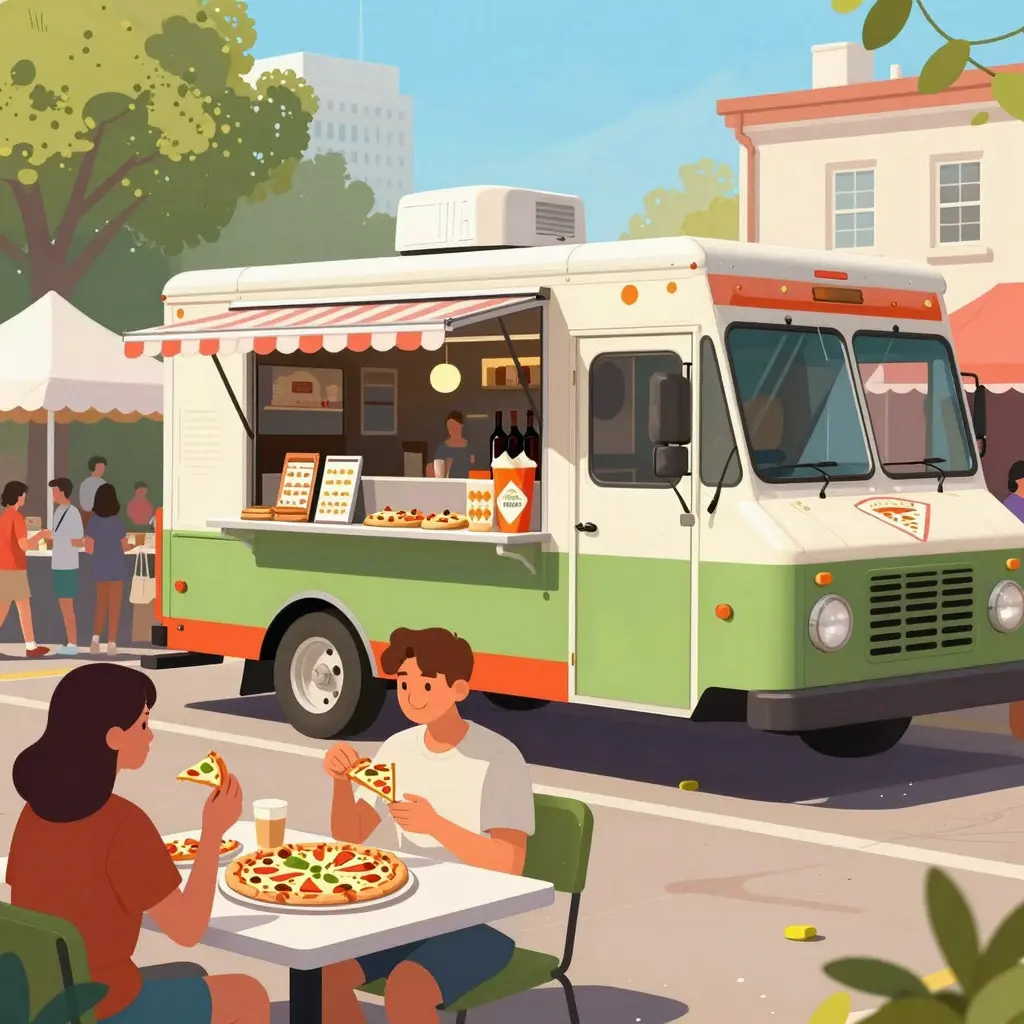
In recent years, food trucks have surged in popularity, transforming the culinary landscape and providing aspiring entrepreneurs with exciting new opportunities. This mobile dining trend offers unique flexibility and a lower barrier to entry compared to traditional brick-and-mortar restaurants, attracting a diverse array of food lovers eager to sample innovative cuisine on-the-go. Among this vibrant food truck revolution, pizza trucks stand out as a delectable niche, combining the classic comfort of pizza with the modern convenience of mobile service. With their ability to cater to events, festivals, and everyday hungry patrons, pizza trucks present an ideal option for business owners looking to enter the food service industry. In this guide, we’ll explore the key steps to launching your own pizza truck business, from choosing the right equipment to mastering the art of pizza-making. For additional insights on essential food truck accessories, be sure to check out our article on food truck accessories. Let’s dive in and ignite your journey toward pizza paradise!
Outline for Starting a Pizza Food Truck Business
Starting a pizza food truck business involves several steps to ensure compliance, operational success, and customer satisfaction. Here’s a detailed outline to guide aspiring pizza food truck owners through the process:
1. Research and Plan
- Conduct market research to identify trends in the pizza niche.
- Analyze the target audience and existing competitors.
- Utilize resources such as Food Truck Fridays for insights on local market dynamics.
2. Create a Business Plan
- Draft a comprehensive business strategy covering:
- Concept and unique selling proposition.
- Detailed budget and funding sources.
- Marketing strategies to reach your audience.
3. Legal Requirements
- Obtain essential permits and licenses, such as:
- Food service licenses and health permits.
- Business licenses specific to food trucks and relevant zoning regulations.
- Refer to MyFloridaLicense.com for state-specific licensing requirements.
4. Choose a Truck and Equipment
- Decide to purchase or lease a truck that complies with safety and health regulations.
- Equip the truck with necessary appliances like:
- Pizza ovens, refrigeration units, and prep stations.
5. Menu Development
- Create a distinctive menu featuring:
- Variety of pizzas, unique toppings, and seasonal offerings.
- Test recipes and gather feedback from friends or potential customers.
6. Sourcing Ingredients
- Establish relationships with suppliers for fresh and high-quality ingredients.
- Explore opportunities to source locally.
7. Marketing and Branding
- Develop a strong brand identity with a memorable logo and engaging truck design.
- Utilize social media to announce your launch and update customers.
8. Launch
- Choose high-traffic locations or events for your first day of sales.
- Focus on operation efficiency and exceptional customer service.
9. Feedback and Adjustments
- Gather customer feedback to improve your offerings.
- Be flexible and willing to adapt your menu and services as needed.
10. Expand
- Once established, consider expansion through catering or partnerships with local events.
- Continuously engage with your customer base to grow loyalty and brand presence.
The Vibrant World of Food Trucks
Food trucks have rapidly become a staple of urban landscapes, offering diverse culinary experiences in a mobile format. Imagining the excitement of a busy food truck in a bustling street illustrates the potential of this business. Investment in food trucks is appealing due to lower overhead costs and the flexibility to change locations based on demand.
They attract a variety of customers including young adults, families, and food enthusiasts, providing unique cuisines that traditional restaurants often can’t match. If you’re interested in starting your own food truck business, check out these essential accessories to get started on the right foot!

The Importance of Market Research for Food Truck Businesses
Starting a food truck business involves numerous decisions, and conducting thorough market research can be pivotal to your success. Market research provides valuable insights into customer preferences, market trends, and competitive analysis. This information is crucial for entrepreneurs looking to make informed decisions about their business strategy. For instance, it can help you identify your target audience, enabling you to tailor your marketing efforts and overcome challenges more effectively.
Understanding target demographics is particularly critical in the food truck industry. Research has shown that millennials and young professionals are key clientele for food trucks, as they often seek quick, flavorful, and convenient dining options. According to a Dummies article on food truck demographics, recognizing factors such as age, lifestyle, and spending habits enables you to create a menu that resonates with your customers.
Additionally, insights from market research can inform your menu planning. With a good grasp of what your target audience craves, you can design a menu that aligns with their tastes and dietary preferences. These early efforts will not only enhance customer satisfaction but also drive repeat business, ensuring your food truck thrives in a competitive landscape.
Engage with the Market
To succeed, food truck owners should continuously engage with their target market through surveys and customer feedback. Regularly updating your offerings based on this feedback can improve customer retention and brand loyalty. In conclusion, investing time in market research before launching your food truck can set a strong foundation for ongoing success.
Food Truck Regulations Comparison
Starting a food truck business, particularly a pizza truck, involves navigating various regulations that differ by state. Below is a summary table comparing key regulations across four states: California, Texas, New York, and Florida. Understanding these rules is vital for compliance and successful operation.
| State | Licensing Requirements | Health Inspections | Zoning Rules | Operational Hours |
|---|---|---|---|---|
| California | Requires a mobile food facility permit and county health permit | Inspections required by the county health department | Local jurisdictions determine zoning | Varies by location |
| Texas | Requires a food truck permit and food handler’s license | Health inspections performed by the local health department | Must comply with city zoning regulations | Typically 24/7, varies by location |
| New York | Must obtain a mobile food vendor license and commercial driver’s license | Regular health inspections by the Department of Health | Local zoning laws may restrict locations | Limited hours in some areas |
| Florida | Needs food vendor license or mobile food establishment license | Health inspections vary by county | Zoning determined by city/county regulations | Open until 2 AM in many areas |
These regulations are crucial for establishing your food truck, ensuring compliance, and facilitating smooth operations. Learn more about starting your food truck.
Creating a Business Plan for Your Food Truck
Starting a food truck business can be a rewarding venture, but a solid business plan is crucial for success. This plan outlines your strategy, helps you secure funding, and acts as a road map for your business. Here are the key components to consider:
1. Executive Summary
The executive summary provides a snapshot of your food truck business. It should summarize your business concept, vision, and mission statement. Depending on the audience, you might also include your unique selling proposition (USP), highlighting what makes your food truck stand out in the market.
2. Market Analysis
In this section, you will analyze your target market, focusing on demographics, market needs, and competition. Understanding your audience will help tailor your offerings:
- Demographics: Identify your ideal customers. Are they college students, office workers, or festival-goers?
- Market Needs: What do they seek in a food truck experience? Gourmet cuisine, fast service, or eco-friendly options?
- Competition Analysis: Analyze local competitors and assess their strengths and weaknesses. Use this insight to carve out your niche (learn more about accessorizing your food truck).
3. Operational Plan
Your operational plan outlines how your food truck will run on a day-to-day basis. Consider including:
- Menu Design: What foods will you serve? Will there be seasonal changes or special items?
- Location Strategy: Where will your truck operate? Are there particular events or high-foot-traffic areas?
- Staffing: Describe the skills and number of employees needed for operations, along with training processes.
4. Financial Projections
Financial projections are essential for understanding the viability of your food truck business. Include a breakdown of startup costs, like truck purchase and kitchen equipment, alongside operational costs. Additionally, project revenue based on estimated sales and customer footfall (learn more about financial models).
Below is a table outlining projected startup costs:
| Expense Category | Estimated Cost |
|---|---|
| Food Truck Purchase | $50,000 |
| Equipment & Supplies | $15,000 |
| Initial Inventory | $5,000 |
| Permits & Licenses | $1,500 |
| Marketing | $3,000 |
| Staffing Costs | $10,000 |
| Total | $85,500 |
Creating a thorough business plan not only keeps you organized but also prepares you for potential challenges and opportunities in the competitive food truck industry. This foundational tool is essential for guiding your business toward success!
Investing in Your Food Truck Journey
Starting a food truck business can be an incredibly rewarding yet challenging endeavor. Entrepreneurs in this field often share their stories of resilience, innovation, and passion, which serve as motivation for those just entering the industry.
One such inspiring voice is that of a successful food truck owner, who emphasizes the core reason behind their success:
“Success is not in what you have, but who you are.” – Bo Bennett
This quote highlights the intrinsic values such as integrity, dedication, and personal identity that play pivotal roles in achieving success in the competitive food truck arena. A strong brand identity and transparent relationship with your customers can set you apart from the competition.
When embarking on your food truck journey, here are key strategies to consider:
- Choosing the Right Cuisine: Your menu should reflect both the trends and your personal flair.
- Understanding Local Regulations: Each location has different food truck regulations, so it’s crucial to be informed.
- Effective Marketing: Social media can be a powerful tool to engage potential customers.
- Learn more about essential accessories that can enhance your food truck’s functionality and appeal.
Remember, the food truck business is not just about food; it’s about creating connections and experiences. This entrepreneurial path requires hard work and passion, but with the right mindset and plans, you can turn your dream into a reality.
Food Truck Market Growth
The food truck industry has seen explosive growth in recent years, making it an appealing investment for prospective owners. In 2023, the global food truck market was valued at approximately $1.3 billion, with expectations for sustained growth in the coming years. This booming market reflects changing consumer preferences that favor mobility and diverse dining options.
Key Trends:
- The number of food trucks and mobile vendors in Malaysia increased by 40% in 2023, showcasing a successful global trend that can be witnessed in various regions.
- Consumers are increasingly seeking unique and gourmet food experiences, which food trucks are uniquely positioned to provide.
Market Growth Visual:
Here is a bar chart representing the food truck market’s growth, with values reflecting a substantial increase over the past years:

This chart illustrates the potential profitability for new entrants into this market. With a growing interest in food trucks, now is a great time to consider starting your own food truck business.
Effective Marketing Strategies for Food Trucks
Marketing a food truck requires a well-rounded strategy that blends digital marketing, local partnerships, and social media engagement. Here’s a closer look at some effective approaches.
Digital Marketing
Digital marketing is essential for food trucks to reach new customers and enhance brand visibility. This approach includes:
- Local SEO: Optimize your website and Google My Business profile to ensure your food truck appears in local searches. Use location-based keywords to attract nearby customers. For more tips on enhancing your truck’s functionality, check out essential accessories for food trucks to maximize your visibility.
- Online Advertising: Invest in Google Ads to target ads based on location and interests. This method helps in reaching potential customers looking for food options nearby.
Local Partnerships
Creating partnerships with local businesses can magnify your outreach. Consider:
- Collaboration with Events: Partner with local events or festivals to increase foot traffic. Setting up at popular venues can help establish brand recognition and expand your customer base.
- Cross-Promotion: Collaborate with local breweries, wineries, or farmers’ markets to create special events. By cross-promoting through each other’s channels, both parties can benefit from increased exposure.
Social Media Engagement
Social media remains a powerful tool for marketing food trucks. Statistics indicate that:
- Facebook, Instagram, and TikTok are the top platforms for food truck marketing, utilized by a vast majority of operators (75%, 68%, 35% respectively)[source].
- Engaging Content: Share real-time updates, menu items, and behind-the-scenes content to build community engagement. Encourage customers to tag your truck in their posts and share their experiences, thus enhancing online visibility.
Implementing these strategies can help food truck owners effectively reach and retain a loyal customer base, supporting long-term business success.
Conclusion: Your Pizza Truck Adventure Awaits!
Starting a pizza truck business is not just a venture; it’s an exhilarating journey that allows you to blend your passion for food with entrepreneurship. With the food truck industry continuously expanding, you’re tapping into a vibrant market filled with opportunity and creativity. Picture yourself serving delicious, mouthwatering pizzas, meeting enthusiastic customers, and building a loyal fanbase on the streets.
As you embark on this journey, remember that the road to success involves planning, dedication, and a sprinkle of fun. Equip yourself with the right tools and knowledge, and you’ll be well on your way to making your pizza dreams a reality. To dive deeper into the food truck world, we invite you to explore Truck Pizza, where you’ll find invaluable resources and a community that shares your passion. Don’t just dream about it-make it happen!