
Introduction
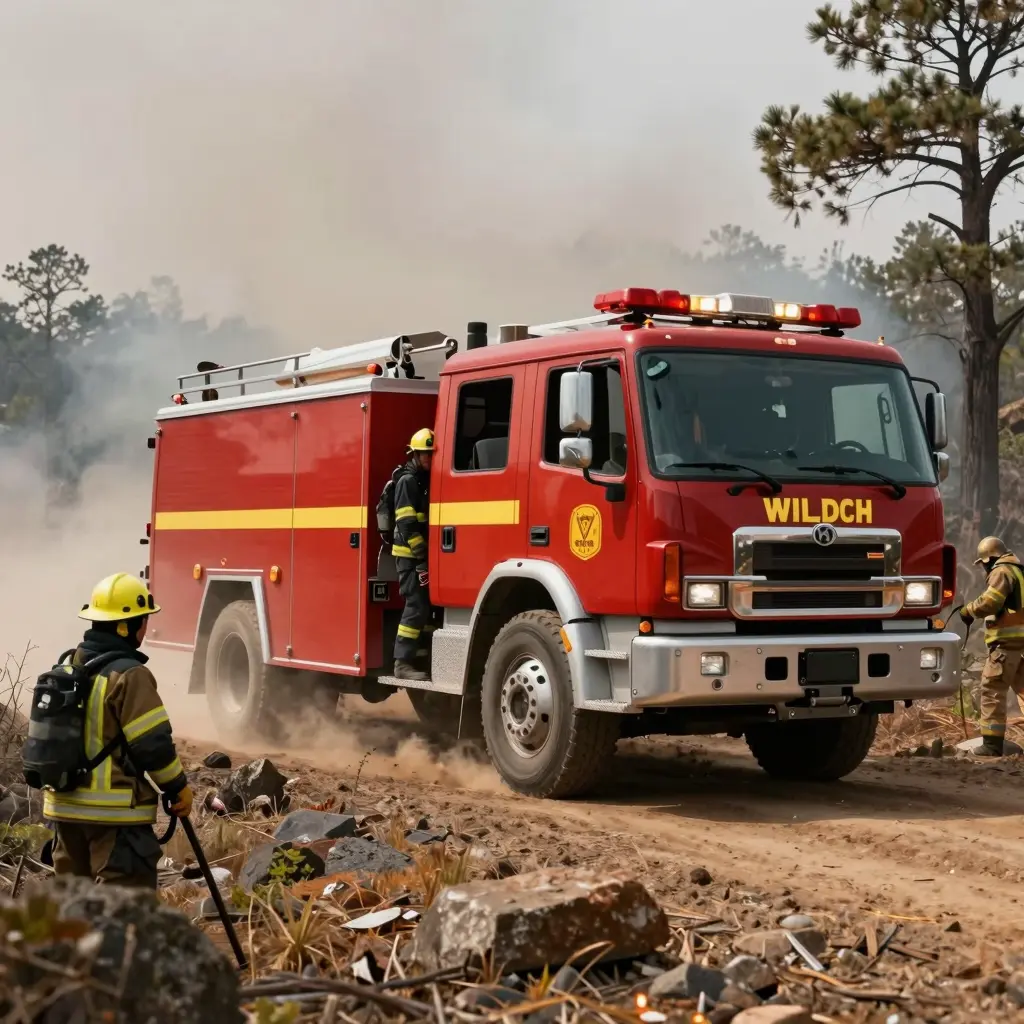
In the fire management industry, business owners face a host of unique challenges that can profoundly impact operational success and public safety. As wildfires intensify due to climate change and expanding urban areas encroaching on natural landscapes, the demand for effective emergency response systems grows. This is where the importance of wildland fire trucks becomes evident. These specialized vehicles are designed to navigate rugged terrains, carry substantial water supplies, and operate efficiently in areas lacking infrastructure, making them essential for rapid response in critical situations. However, the challenges of equipment maintenance, safety protocols, and staying ahead of evolving fire behavior present significant hurdles. Investing in advanced wildland fire trucks enables businesses to enhance their fire management strategies, ensuring that safety protocols are upheld and communities are better protected. By leveraging such technology, fire management companies can not only respond swiftly in emergencies but also adapt to the increasingly complex nature of wildland fires. Learn more about our fire-rescue vehicles and how they can support your operations.
Wildland fire trucks are essential tools in the fight against wildfires, significantly enhancing fire management strategies. These specially designed vehicles are crucial for improving safety, reducing response times, and increasing operational efficiency, particularly in the business sector.
Role in Enhancing Safety
Wildland fire trucks are equipped to operate in rugged terrains and carry significant amounts of water and firefighting equipment. They can access areas that are often unreachable by traditional fire trucks, which is essential for protecting properties and lives in rural and forested regions. For instance, the California Department of Forestry and Fire Protection (CAL FIRE) leveraged these specialized vehicles in 2022, resulting in a 20% reduction in response times during peak wildfire seasons due to their all-terrain capabilities. This capability dramatically impacts community safety, allowing firefighters to quickly address potential fire outbreaks, thereby minimizing damage to local businesses and ecosystems.
Improving Response Times
The efficiency of wildland fire trucks is underscored by their ability to quickly transport firefighters and equipment directly to the fire zone. In many reported cases, fire crews utilized these trucks to reach critical areas that traditional emergency vehicles could not access, thus ensuring rapid intervention. The introduction of high-pressure fire trucks has further transformed firefighting tactics by improving water discharge capabilities and reducing the time needed to extinguish fires effectively. This is particularly valuable for businesses situated near forested areas, where wildfire threats are higher.
Operational Efficiency
From a business perspective, the operational efficiency of wildland fire trucks translates into reduced insurance costs and increased peace of mind for owners. Businesses investing in fire management preparedness, including wildland fire trucks, not only protect their physical assets but also contribute to the overall safety of the community. Reports indicate that municipalities deploying advanced wildland fire management plans are experiencing noticeable improvements in managing wildland-urban interface fires-a growing concern exacerbated by climate change.
Moreover, the market for wildland fire trucks is experiencing growth, with projections estimating a market value of around $2.5 billion by 2023. This burgeoning market reflects the increasing demand for effective firefighting tools as wildfire incidents continue to rise, emphasizing the essential role these trucks play in fire management systems.
Conclusion
As the threat of wildfires increases, so does the importance of wildland fire trucks. Their unique design features enhance safety, improve response times, and maximize operational efficiency, making them a critical asset for businesses and communities alike. Investing in these vehicles not only protects property but also fosters a safer environment, promoting resilience against future wildfire threats.
For those interested in exploring wildland fire truck options, learn more about our fire-rescue vehicles to enhance your firefighting capabilities.
Comparing Different Types of Wildland Fire Trucks
Wildland fire trucks are designed to combat fires in rugged terrain. They come with unique features suitable for different firefighting scenarios. Below is a table comparing various types of wildland fire trucks, highlighting their features, advantages, and typical uses in business settings.
| Type of Fire Truck | Features | Advantages | Typical Use |
|---|---|---|---|
| Type 5 | – 4×4 drive |
- Tank size: up to 500 gallons
- Pump capacity: 50 GPM | – Lightweight
- Highly maneuverable
- Cost-effective | Small wildfires in remote locations
- Rural firefighting |
| Type 6 | – 4×4 drive - Tank size: up to 750 gallons
- Pump capacity: 100 GPM | – Increased water capacity
- Better off-road stability | Wildfire support in medium-sized fires
- Thinner habitats |
| Type 7 | – 4×4 drive - Tank size: up to 1,000 gallons
- Pump capacity: 150 GPM | – Larger water supply
- Enhanced firefighting capabilities | Larger wildfires and prevention control measures
- Hotspot management |
| Type 3 (BME Targhee) | – 6×6 drive - Crew comfort features
- Custom compartmentation | – Suitable for extreme terrains
- Efficient layout for crew organization | Wildland firefighting operations needing crew integration
- Rapid response tasks |
Key Features and Considerations
- Mobility: Most wildland fire trucks come equipped with four-wheel drive systems, essential for off-road accessibility.
- Water Capacity: Varies from 500 to over 1,000 gallons depending on the type.
- Pump Capacity: Ranges from 50 to 150 GPM, allowing for versatility in firefighting capabilities.
For more details on each type of fire truck, you can visit our product category.
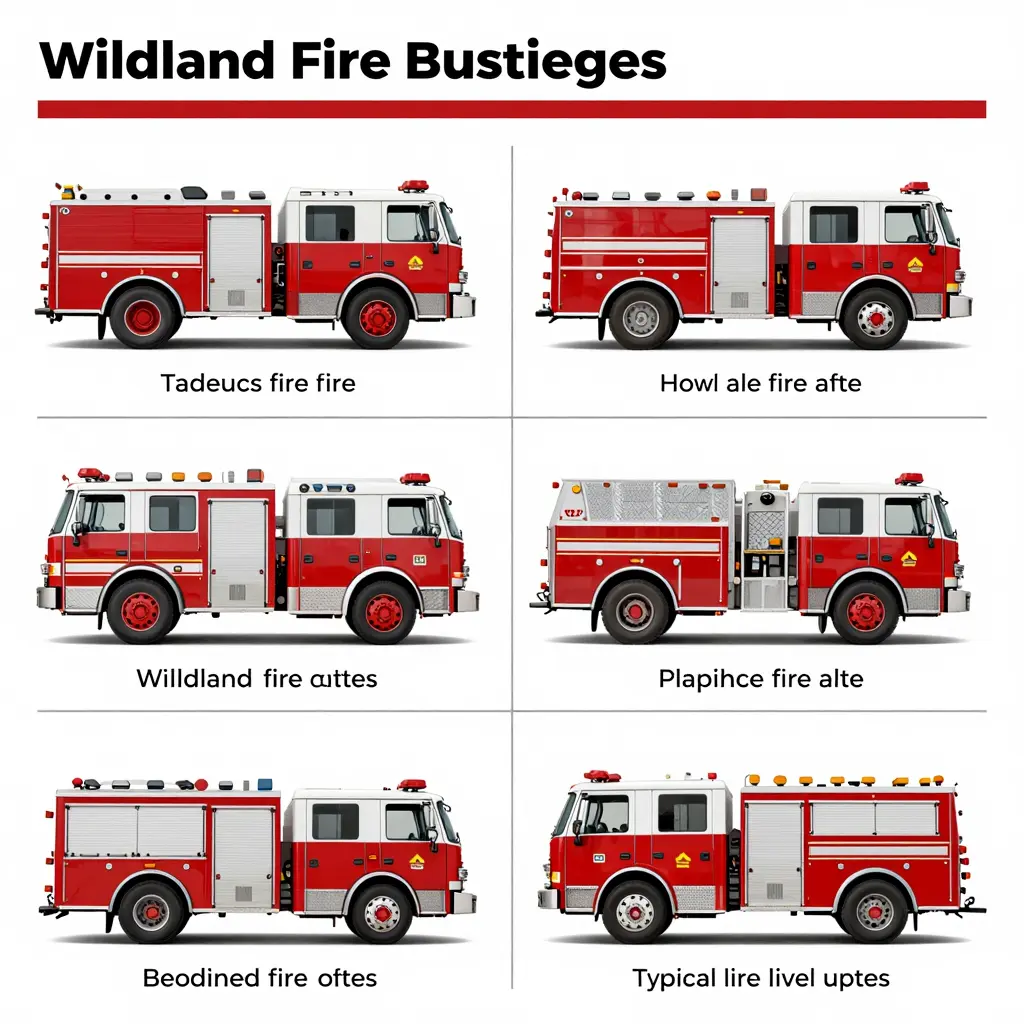
By understanding the differences among these vehicles, businesses involved in firefighting operations can make informed decisions on which type best suits their needs.
Key Technological Advancements in Wildland Fire Trucks
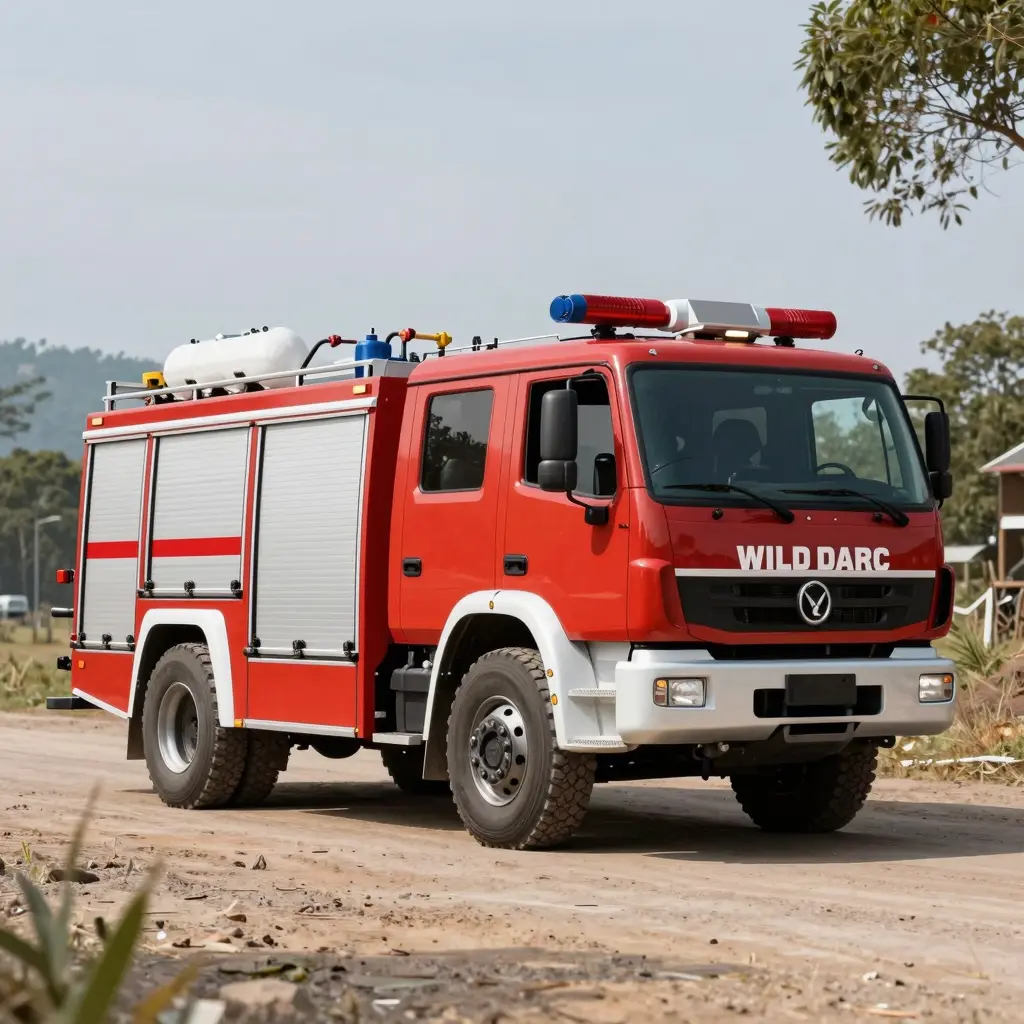
Wildland fire trucks have evolved significantly in recent years, incorporating advanced technologies that enhance their functionality and operational capabilities. These innovations greatly benefit businesses, especially those involved in firefighting and rescue operations.
Advanced Mobility and Design
Modern wildland fire trucks are engineered for rugged terrains. They often feature:
- High-Capacity Water Tanks: Allowing for extended firefighting activities without frequent refills.
- Specialized Firefighting Tools: Tailored for unique environments, thereby improving response efficiency in forested and rural areas. With the integration of 6×6 models, these trucks provide better traction and control during challenging conditions, allowing swift and effective fire suppression. Learn more about models you can consider.
Safety Innovations
Recent trends indicate a shift towards incorporating enhanced safety features, such as:
- Intelligent Traction Control Systems: These allow vehicles to maintain stability and control in adverse conditions, reducing the risk of accidents during operations.
- Automated Safety Alerts: Providing real-time updates to the crew, safeguarding against potential hazards.
Energy Efficiency and Sustainability
The latest advancements include the adoption of electric and hybrid fire trucks. These not only reduce carbon footprints but also offer lower operational costs over time. Businesses benefit from:
- Cost Savings on Fuel: Lowering overall expenses associated with firefighting operations.
- Reduced Maintenance Costs: Electric vehicles generally require less maintenance than traditional diesel models.
Data Analytics and AI Integration
Utilizing data analytics enhances decision-making and operational strategies. These technologies contribute to:
- Predictive Modeling: Allowing for better preparedness and resource allocation during wildfire events.
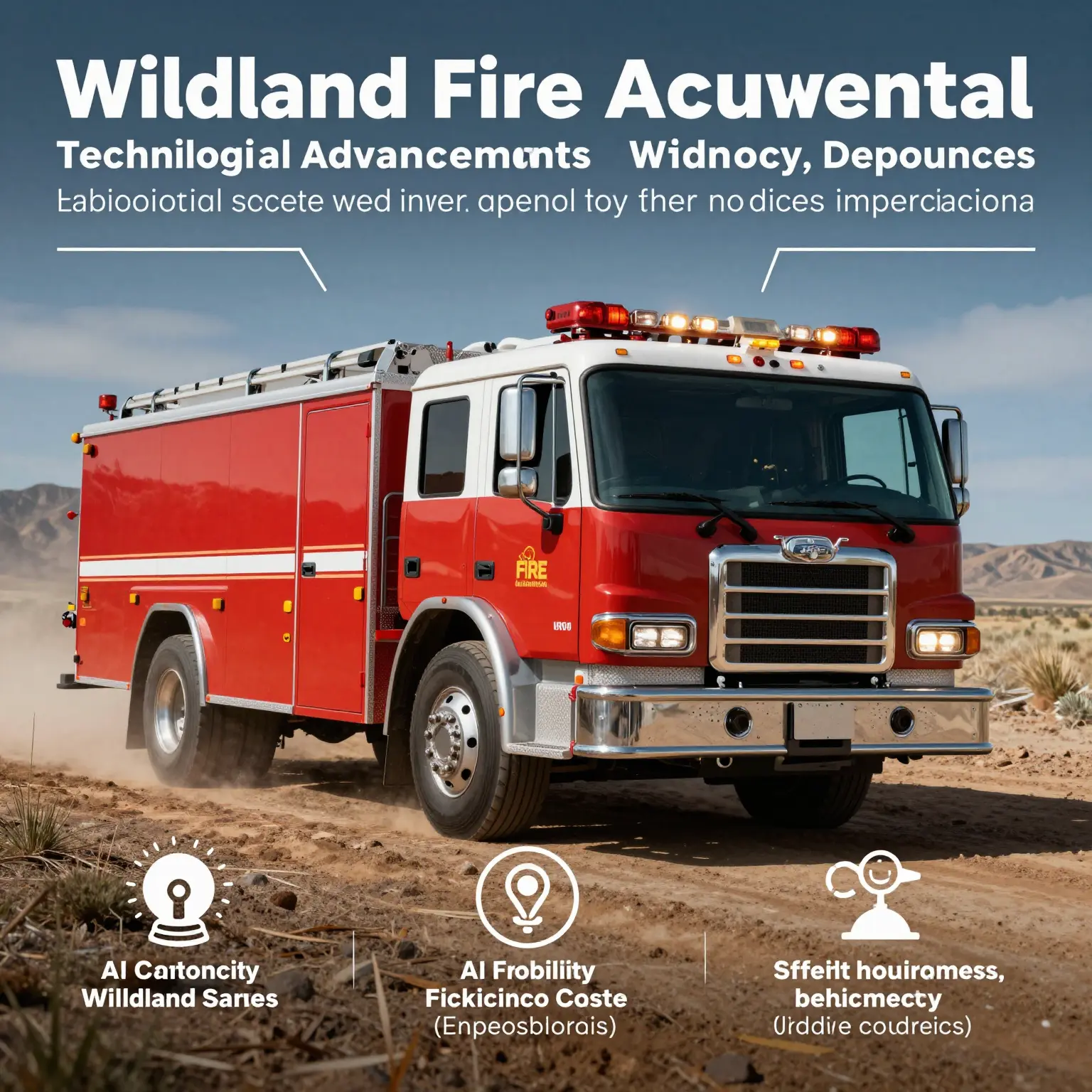
- Optimized Deployment Strategies: Ensuring that firefighting resources are utilized efficiently. Technology such as AI command tools and advanced thermal imaging are revolutionizing firefighting practices and are critical for modern business strategies in this sector. You can explore more on technology impacts here.
Conclusion
The integration of these technological advancements in wildland fire trucks yields substantial benefits for business operations. From improving operational efficiency to ensuring the safety of crews and communities, these innovations are essential for companies focused on wildfire management and response. As the market continues to grow, driven by these advancements, staying updated with the latest technologies will be crucial for business owners looking to enhance their firefighting capabilities.
Top Manufacturers of Wildland Fire Trucks
When it comes to combatting wildfires, having the right equipment is crucial. Below are some of the top manufacturers of wildland fire trucks, distinguished by their unique features and truck types:
| Manufacturer | Truck Type | Unique Features | Source |
|---|---|---|---|
| E-ONE | Wildland Fire Truck | Integrated technology solutions | Learn more |
| Ferrara Fire Apparatus | High-Capacity Units | Innovative designs for rugged terrains | Learn more |
| KME Fire Apparatus | Robust Vehicles | Extensive off-road capabilities | Learn more |
| Howe and Howe Tech | Bulldog 4×4 | Can deliver up to 2,000 gallons of water | Fire Engineering |
| BME Fire Trucks | Type 3 | Tubular constructed body, high performance | BME Fire Trucks |
Summary of Features:
- E-ONE: Known for integrating advanced technology into their wildfire response units, making them efficient and reliable.
- Ferrara Fire Apparatus: Their high-capacity vehicles are designed for extreme conditions, ensuring robustness on uneven terrains.
- KME Fire Apparatus: Offers a wide array of off-road capabilities, crucial during active firefighting operations in wild landscapes.
- Howe and Howe Tech: Their Bulldog 4×4 trucks are engineered to deliver significant water loads, equipped to handle demanding firefighting tasks.
- BME Fire Trucks: Specializes in Type 3 trucks with a tubular construction that enhances durability and performance.
Adding these reliable machines to your fire-fighting fleet can significantly improve your operational efficiency in tackling wildland fires.
Wildland Fire Truck Designs
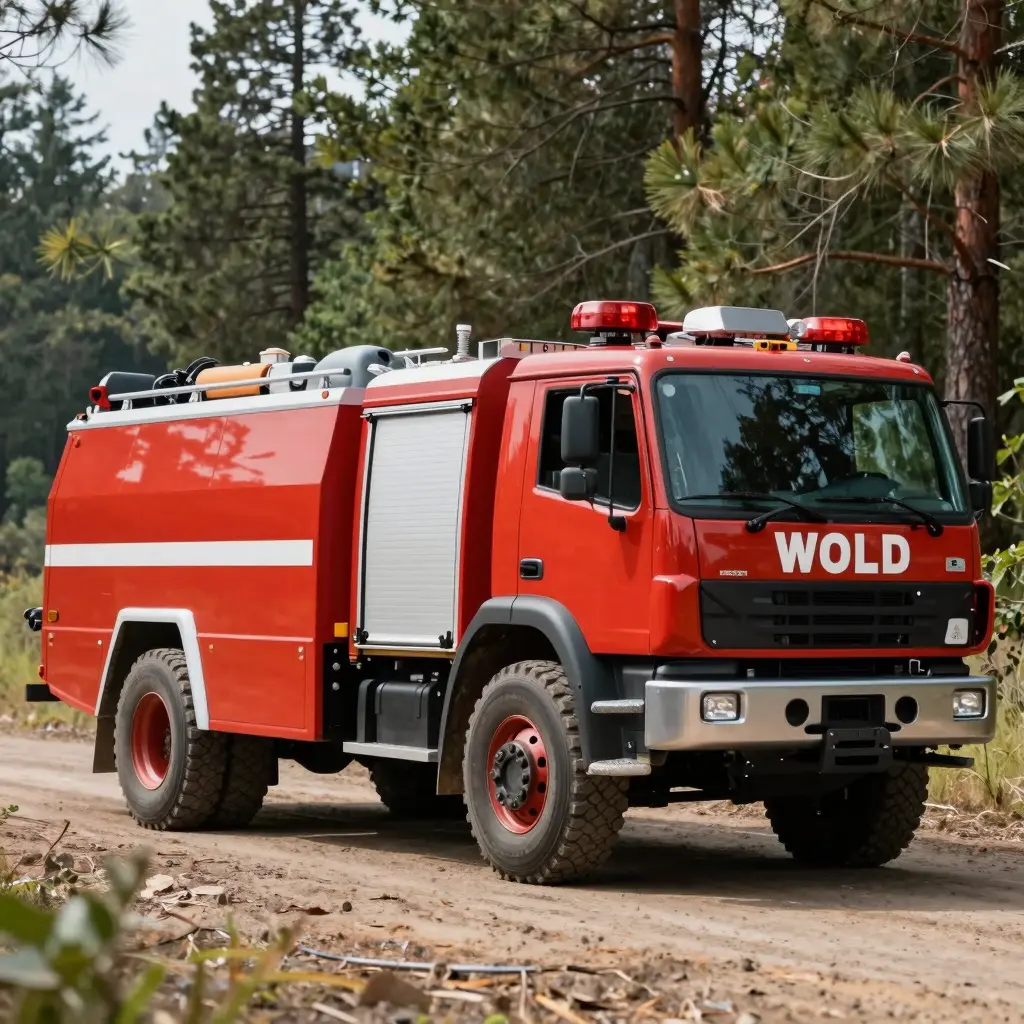
Wildland fire trucks are essential for combating fires in forested and rural areas. These trucks come in various designs tailored to meet specific challenges in wildland firefighting. Here, we showcase different wildland fire truck designs to help you visualize the types that are available in the market.
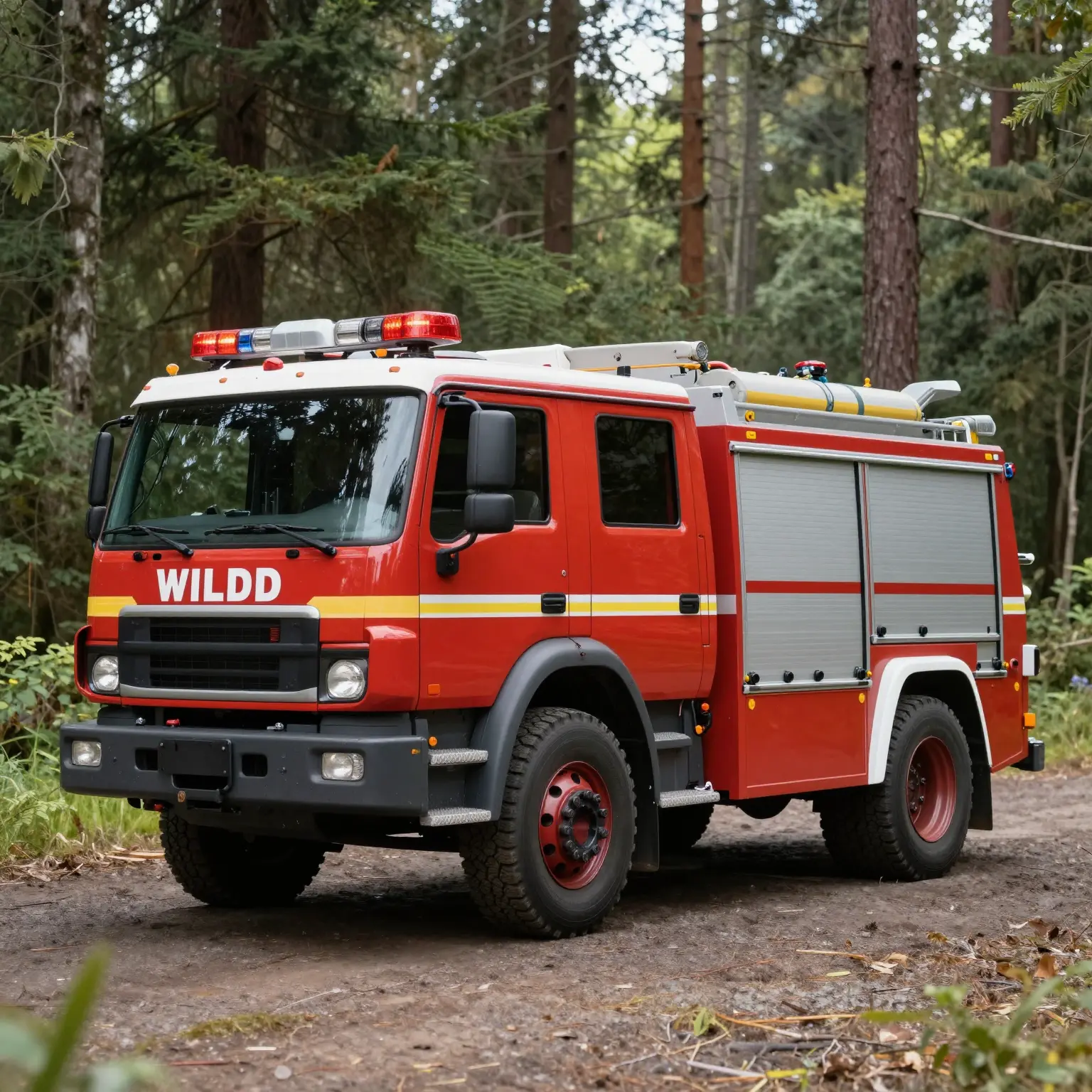
1. Modern Wildland Fire Truck
This design features a rugged look, focused on functionality and efficiency. It includes a robust water tank and fire hoses, making it suitable for immediate firefighting action.
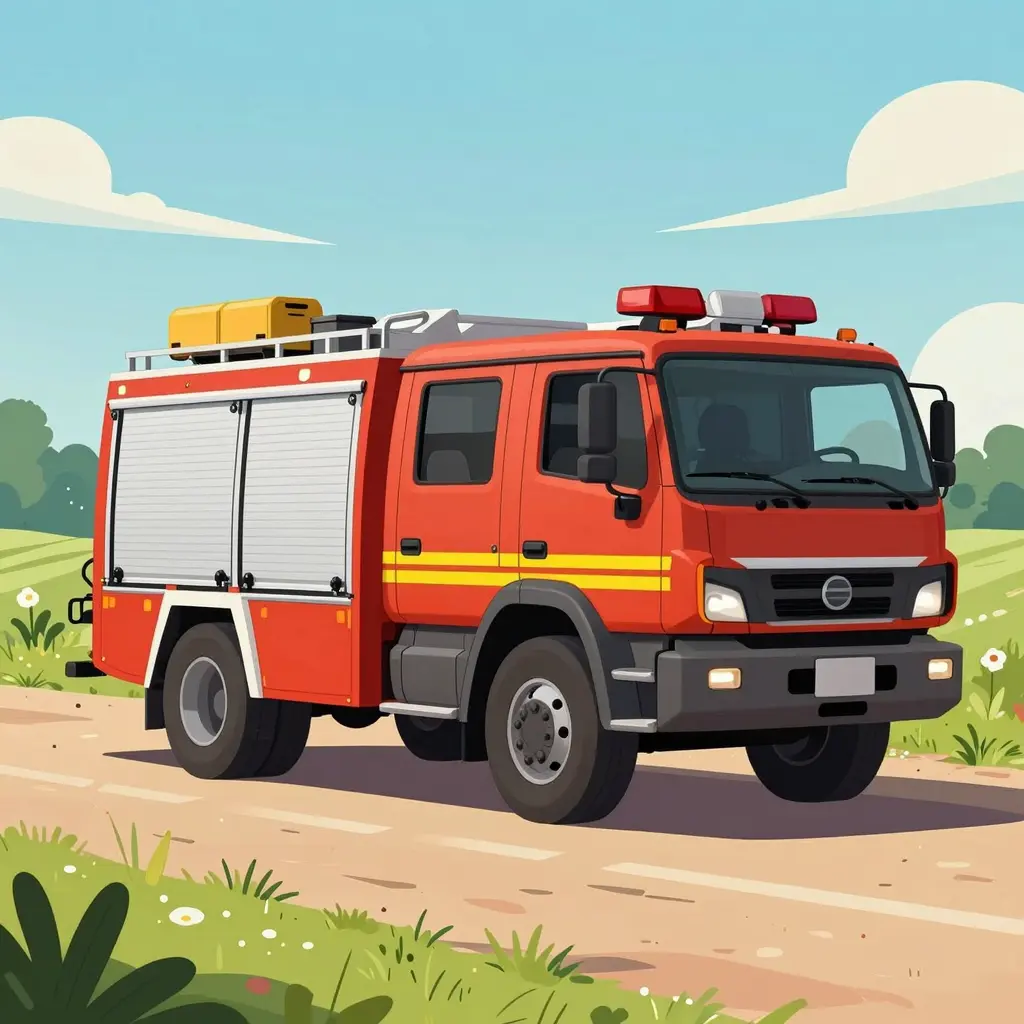
2. Compact Wildland Fire Truck
Ideal for rural settings, this compact truck is designed for mobility and quick responses. It incorporates efficient storage for equipment needed in emergency situations.
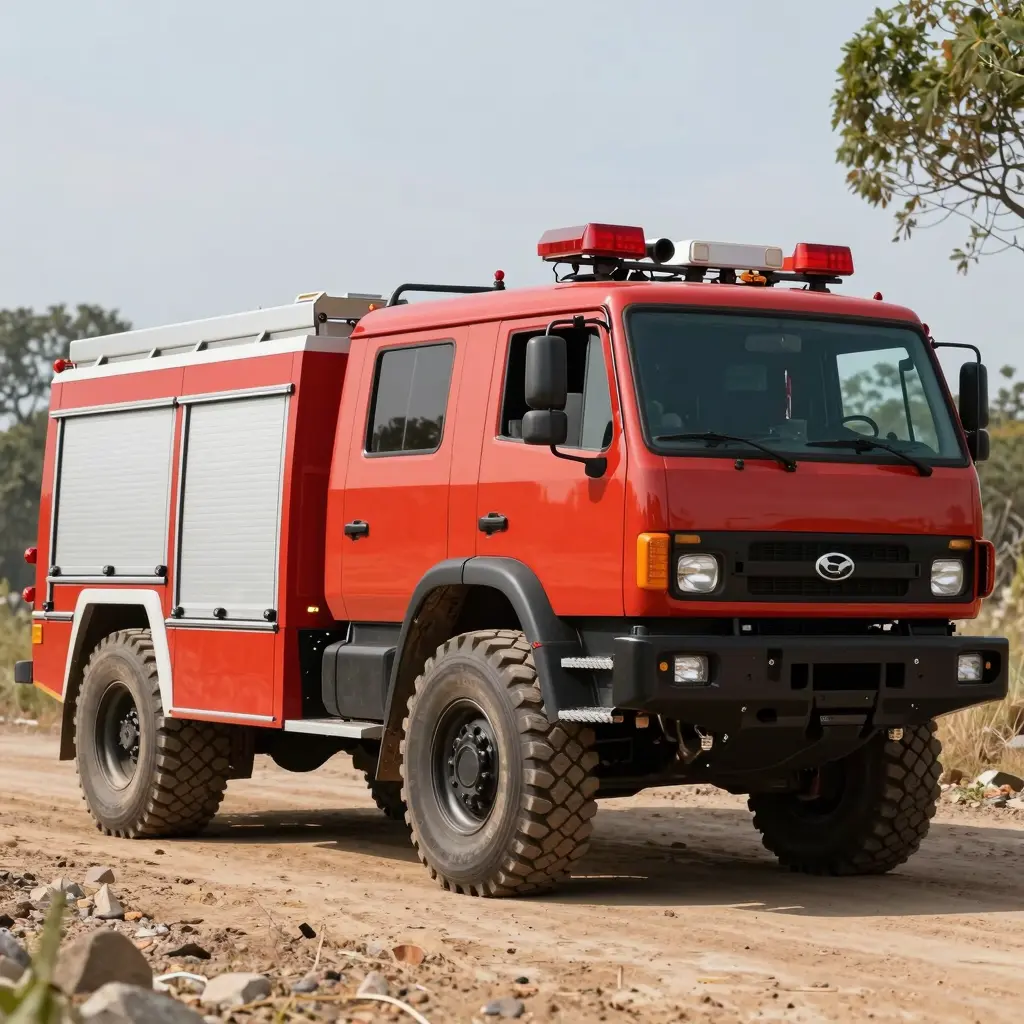
3. Specialized Off-Road Wildland Fire Truck
This type of fire truck features off-road capabilities, designed to navigate rugged terrains. Heavy-duty tires and a reinforced structure allow it to reach remote areas effectively.
For more information on various firefighting vehicles, check out our fire rescue products.
These designs reflect the diversity in wildland fire trucks, catering to different firefighting needs and environments. Understanding these variations can help business owners make informed decisions on which truck model aligns best with their operational requirements.
Regulatory Compliance for Wildland Fire Trucks
When acquiring wildland fire trucks, businesses must navigate a complex landscape of regulatory standards and compliance requirements. These regulations are crucial to ensuring the safety of personnel, protection of property, and overall operational efficacy. Here’s a look at the key considerations for compliance and their implications for business operations.
Key Regulatory Standards
-
Safety Standards: Regulatory bodies such as the National Fire Protection Association (NFPA) set rigorous standards for fire apparatus. This includes specifications for equipment, materials, and design that minimize risks during operations. Compliance with NFPA 1901, which governs automotive fire apparatus, is essential in ensuring that wildland fire trucks are adequately equipped to handle emergencies safely.
-
Environmental Regulations: Businesses must also adhere to environmental regulations concerning emissions and hazardous materials. For instance, the Environmental Protection Agency (EPA) sets guidelines that wildland fire trucks must meet regarding fuel emissions and waste disposal. These regulations ensure that the operation of these vehicles does not harm the environment, aligning with broader sustainability goals.
-
Driver and Training Compliance: The Federal Motor Carrier Safety Administration (FMCSA) mandates that drivers of commercial fire vehicles meet specific qualifications and undergo regular safety training. This training is designed to fortify drivers’ capabilities in managing fire apparatus in diverse conditions, particularly during wildland firefighting operations.
Implications for Businesses
Failure to comply with these regulations can result in severe repercussions, including fines, increased insurance premiums, and potential liabilities. Moreover, non-compliance can jeopardize the safety of firefighting personnel and the communities they serve.
- Operational Efficiency: Ensuring that wildland fire trucks meet compliance standards fosters operational efficiency. Trucks built and maintained according to these regulations are generally more reliable and effective in the field, enabling quicker response times to emergencies.
- Liability and Insurance: Companies that adhere to compliance regulations may benefit from lower insurance rates and reduced liability risks. Adopting these standards not only enhances safety but can also lead to significant cost savings in the long term.
As businesses prepare to invest in wildland fire trucks, understanding and implementing the necessary regulatory frameworks is vital. For more information on compliant fire-rescue vehicles, check out our range of fire trucks. Staying informed ensures that companies not only fulfill legal obligations but also bolster their reputation and operational capacity.
Cost Comparison of Wildland Fire Trucks
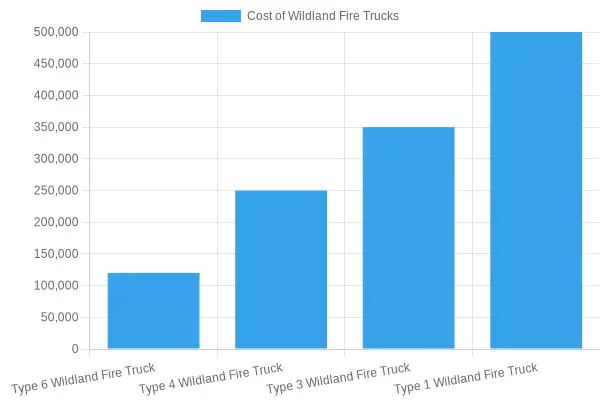
Choosing the right wildland fire truck model is crucial for fire departments and businesses involved in firefighting. The cost of these vehicles can vary significantly based on their capabilities and design. Below is a chart that illustrates the costs associated with various models of wildland fire trucks available in 2023:
| Model | Cost |
|---|---|
| Type 6 Wildland Fire Truck | $120,000 |
| Type 4 Wildland Fire Truck | $250,000 |
| Type 3 Wildland Fire Truck | $350,000 |
| Type 1 Wildland Fire Truck | $500,000 |
This chart enables business owners and fire departments to make informed purchasing decisions based on a clear comparison of features and prices. For more details on specific models and their uses, learn more about fire rescue vehicles.
Conclusion
Choosing the right wildland fire truck is crucial for businesses involved in firefighting and emergency response. These specialized vehicles are designed to excel in rugged terrains, equipped with advanced water systems and tailored firefighting tools that enhance response efficiency. Investing in the right equipment can drastically improve operational capacity, ensuring that fire departments are well-prepared to tackle challenging situations, as highlighted in various case studies, such as Roanoke County’s new firetruck or the advancements in wildland fire management with high-pressure trucks.
Furthermore, the importance of innovation cannot be understated. Collaborative partnerships in the fire and rescue sector not only foster groundbreaking technologies but also enhance safety and operational readiness. For instance, initiatives like the one supported by Norfolk Southern demonstrate how partnerships can lead to significant improvements in training and resources for first responders (read more). As business owners, aligning with innovative partners like CCIG can pave the way for more effective firefighting solutions. Together, we can revolutionize fire safety and efficiency in your operations.
Consider exploring CCIG’s offerings in wildland fire trucks to equip your team with the best tools available in the market.
“Effective wildland fire management requires a coordinated effort that addresses both ecological needs and community safety. Ignoring one over the other can lead to disastrous outcomes.”
- U.S. Department of the Interior
This quote emphasizes the dual focus on ecological management and community safety in wildland fire management, a critical consideration for business owners involved in related services. For those interested in fire protection, exploring the specifics of fire rescue vehicles can provide insight into the resources necessary for effective fire response. Additionally, understanding the challenges posed by increased wildfire frequency can inform better practices and preparedness.
To illustrate the growing prevalence of wildfires, here is a chart depicting the frequency of wildfires in recent years:

Frequency of Wildfires from 2012 to 2022
| Year | Frequency of Wildfires | Factors | Source |
|---|---|---|---|
| 2012-2022 | Increased // Doubled | Climate Change, Underbrush Management | News Detective |
| 2012-2022 | More prevalent and intense | Hot, dry, and windy conditions | Mana Wildfire |
| 2012-2022 | Over half of largest wildfires | Lack of forest management, climate conditions | Think Progress |
| 2012-2022 | 1000% increase in land burned | Climate Change as a primary driver | National Geographic |
| 2012-2022 | Longer wildfire seasons | Increased temperatures, earlier snowmelt | Dear Canada |
| 2012-2022 | Altered precipitation patterns | Prolonged droughts | Toxigon |
Understanding these trends is vital for businesses focused on fire safety and equipment, such as those looking to equip wildland fire trucks appropriately.