Introduction
In the complex operation of airport activities, ensuring the safety of passengers, crew, and aircraft is of paramount importance. This is where airport fire trucks come into play, serving as the first line of defense against potential fire hazards that can threaten the safety and efficiency of airport operations. Equipped with advanced firefighting technologies and significant water capacity, these specialized vehicles are crucial in swiftly responding to emergencies, minimizing potential damage and ensuring a secure environment for travelers. Among the leaders in this field is CIMC Tianda, a notable innovator in manufacturing high-performance airport fire trucks. Recognized for their commitment to quality and reliability, CIMC Tianda designs fire trucks that not only meet stringent international safety standards but also enhance the operational capabilities of airports across the globe. By investing in state-of-the-art firefighting equipment, airport authorities can significantly reduce risks and maintain smooth airport operations. With a variety of firefighting solutions available, including airport fire trucks, CIMC Tianda is setting the standard in ensuring safety at airports, making them a vital partner for business owners in the aviation sector seeking to balance efficiency with safety.
Overview of Airport Fire Trucks
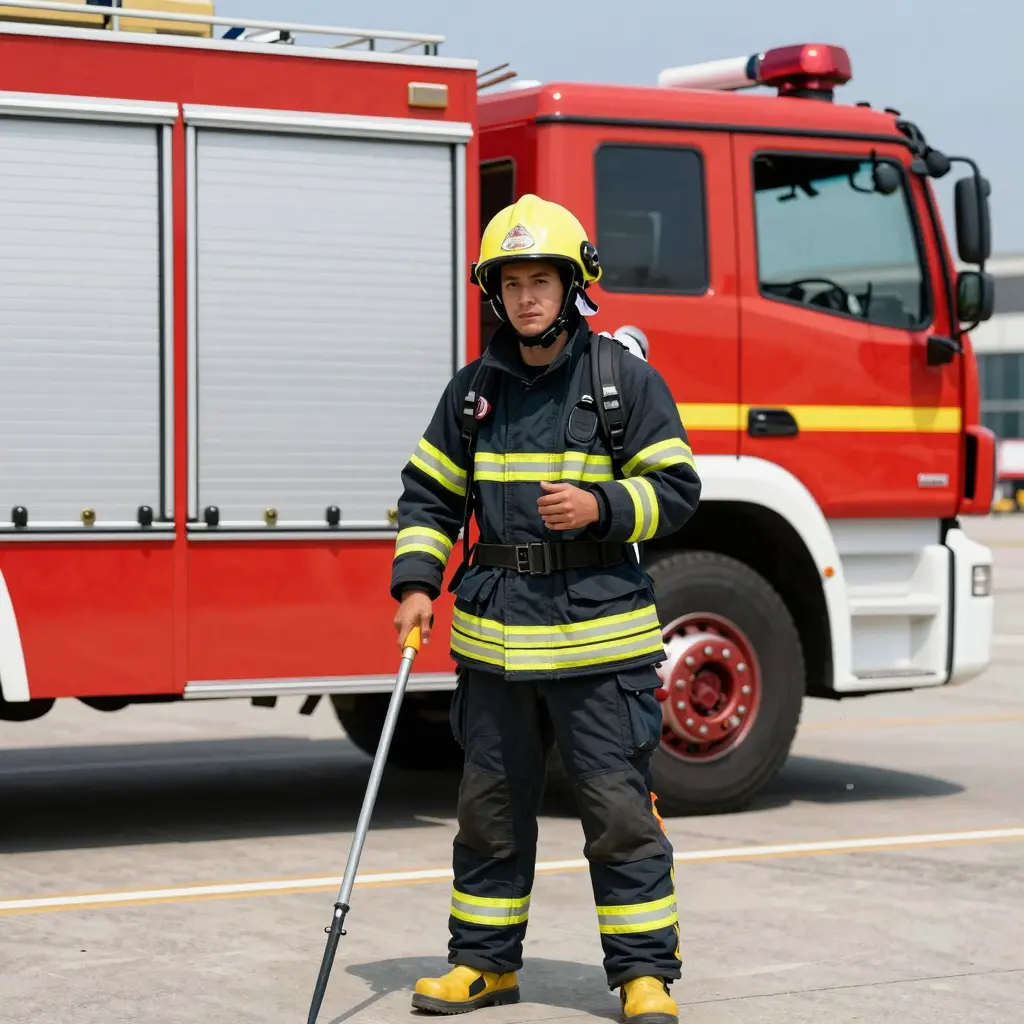
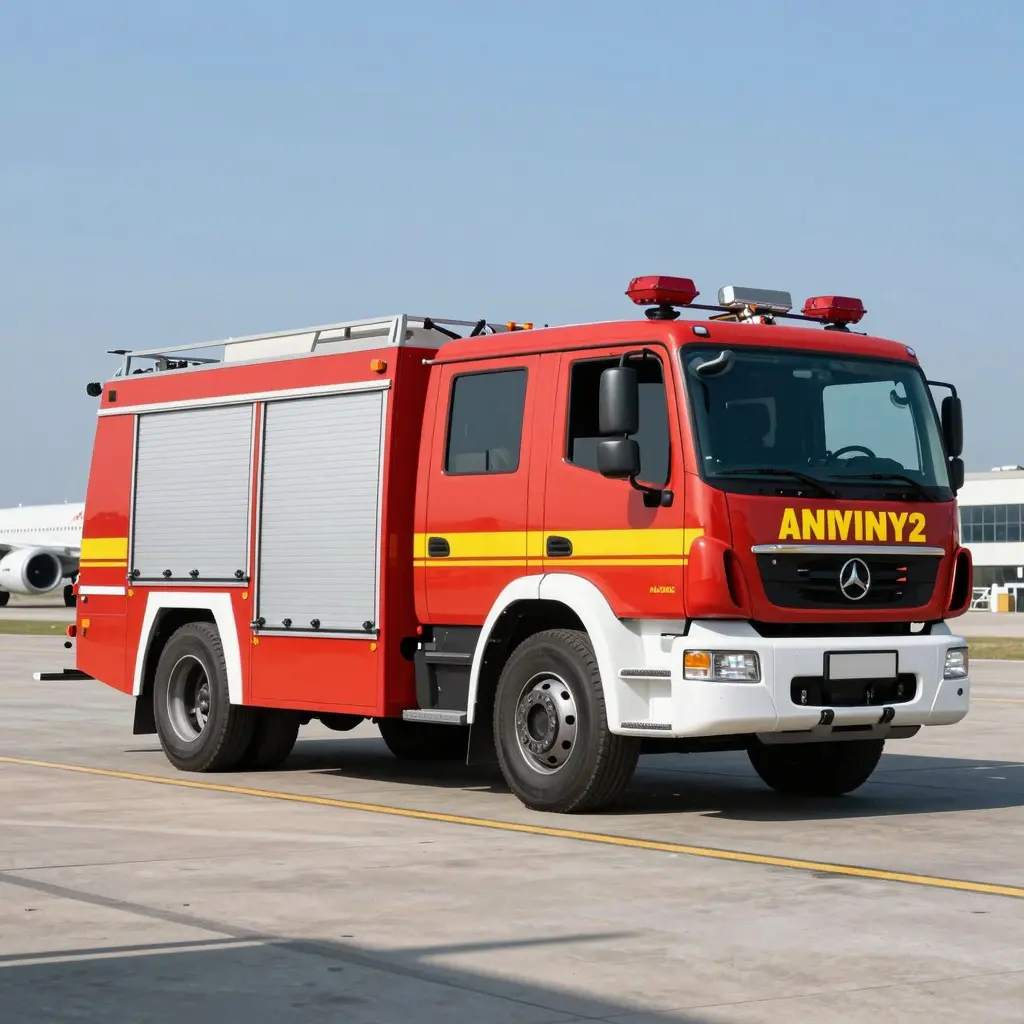
Airport fire trucks, also known as Aircraft Rescue and Firefighting (ARFF) vehicles, are specialized emergency response vehicles designed to combat aircraft-related incidents. Their primary role is to manage the unique challenges posed by aviation fires and emergencies at airports. These vehicles are crucial in ensuring safety and mitigating the impacts of potential disasters, including aircraft crashes, fuel spills, and related fires.
Key Roles of Airport Fire Trucks
- Rapid Response:
- Airport fire trucks are built for high-speed interventions. Their design enables them to traverse rough airfield terrain and reach incidents quickly, often within minutes. This rapid response capability is vital given that every second counts in fire emergencies involving aircraft.
- Specialized Extinguishing Systems:
- Unlike regular fire trucks, airport fire trucks typically feature advanced foam and water discharge systems capable of handling aviation fuel fires, which have different burning characteristics than those found in standard structural fires. These systems are designed to create a foam blanket over burning fuel, thus limiting oxygen and suppressing flames effectively.
- Capacity and Equipment:
- These vehicles are equipped with high-capacity water tanks and foam dispensers, enabling them to extinguish large fires quickly. They may also include front-mounted nozzles that allow them to spray foam or water over extensive areas, which is essential in managing large aviation fires.
- Protection of Personnel:
- Airport fire trucks are designed with specific safety features such as reinforced structures to protect firefighters during high-risk scenarios. This unique design helps mitigate the dangers associated with responding to aircraft emergencies, where rescue operations can be perilous.
Key Differences Between Airport Fire Trucks and Regular Fire Trucks
-
Purpose and Specialty:
-
Unlike regular fire trucks, which are configured for urban firefighting tasks including structural fires, vehicle accidents, and medical emergencies, airport fire trucks are specifically tailored to address the demands of aircraft incidents. Their training and equipment are specialized for aviation scenarios.
-
Speed and Mobility:
-
Airport fire trucks are engineered for speed, equipped with powerful engines that allow them to accelerate quickly to the incident site. They must navigate the airfield without the constraints of urban traffic, which allows them to respond faster.
-
Equipment and Training:
-
Firefighters operating airport trucks undergo specialized training focused on aviation incidents. This training prepares them for managing unique hazards inherent to aircraft firefighting, including addressing hazardous materials and ensuring passenger safety during emergencies.
Conclusion
The roles and functions of airport fire trucks are paramount in today’s aviation industry. With their specialized design and equipment, they stand apart from regular fire trucks, ensuring that airports can handle emergencies efficiently and effectively. For more information on various types of firefighting vehicles, visit CIMC Fire Truck’s airport fire trucks section.
Whether you are in need of commercial solutions or learning about innovations in firefighting technologies, understanding the capabilities of airport fire trucks is essential in enhancing airport safety protocols.
Comparison of Airport Fire Trucks
In the aviation industry, specialized fire trucks are crucial for ensuring safety during emergencies. Below is a comparison table outlining different types of airport fire trucks, their unique features, water capacities, and suitable uses based on the sizes of airports.
| Type of Airport Fire Truck | Features | Water Capacity | Suitable Uses |
|---|---|---|---|
| ARFF (Aircraft Rescue and Firefighting) | – Specialized for aviation incidents – Can navigate various terrains – Equipped with foam and water cannons |
Up to 15,000 liters | Large airports (international) |
| Industrial Fire Trucks | – Standard firefighting capabilities – Used for industrial settings adjacent to airports |
Around 3,000 to 10,000 liters | Medium to large airports |
| Light Airport Fire Trucks | – Smaller size for quick response – Designed for minor emergencies |
1,500 to 3,000 liters | Small airports and general aviation |
For further information on these fire trucks, you can explore our range of airport fire trucks.
Visual Representation
Now, let’s dive into a visual comparison of the water capacities among these fire truck types:
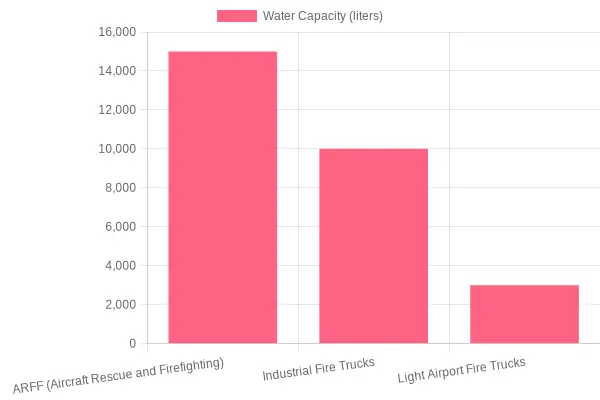
This chart illustrates the significant differences in water capacity, which plays a vital role in managing large-scale emergencies effectively.
Fire incidents at airports are serious occurrences that can lead to significant disruptions and even pose risks to passenger safety. Various incidents have been reported globally, underscoring the need for specialized fire rescue units.
Overview of Fire Incidents
Recent data has illustrated concerning trends regarding fire incidents at airports. For example, multiple incidents have occurred, such as a fire at Abuja airport which caused substantial damage to terminal facilities (source). Additionally, various types of operations, including air crashes and system failures, have contributed to the risk of fire situations (source).
A systematic review of the available statistics highlighted common causes of fire incidents, which range from aircraft accidents, fuel leaks, to electrical faults and structural issues (source). Overall, the statistics indicate a growing number of incidents that directly threaten airport operations and passenger safety.
The Necessity of Fire Trucks
Specialized fire trucks, such as Aircraft Rescue and Firefighting (ARFF) vehicles, are critical in responding to emergencies. These trucks are designed to combat aircraft fires effectively, featuring large water tanks and foam systems to extinguish flames rapidly. The role of dedicated fire trucks is emphasized as they can respond quickly to reduce the severity of incidents, thereby ensuring smooth operations at airports.
In a study discussing the fire safety regulations at airports, it was concluded that several major airports are lacking in adequate firefighting resources (source). This highlights the pressing need for adequate investment in fire management resources.
Moreover, operational issues such as power failures can lead to substantial disruptions as seen during a notable incident that shut down London’s Heathrow Airport, which stressed the need for an efficient firefighting response (source).
Besides operational preparedness, adherence to safety regulations from entities like the National Fire Protection Association (NFPA) demonstrates how vital it is for airports to maintain high standards with their emergency response capabilities (source).
Conclusion
As fire incidents continue to pose significant risks at airports, investing in dedicated fire rescue vehicles is paramount for ensuring both passenger safety and the uninterrupted functioning of air transport systems. Properly equipped fire departments are not just a regulatory requirement but also an operational necessity that can save lives and protect infrastructure.
For further information on aircraft rescue fire trucks and other firefighting solutions, you can check out our ARFF Vehicle Collection or explore our range of Airport Fire Trucks.
CIMC Tianda fire trucks stand out in the firefighting vehicle market due to their advanced features and cutting-edge technologies, which are designed to ensure safety and operational efficiency. Below are some of the significant attributes that make these fire trucks particularly effective for various emergency scenarios.
1. Robust Design and Build Quality
CIMC Tianda fire trucks are engineered with an emphasis on durability and resilience. The trucks are constructed using high-strength materials that withstand severe conditions, making them suitable for diverse environments, from industrial sites to airport operations. Their design also offers superior maneuverability, critical for swift responses in emergency situations.
2. Advanced Firefighting Systems
These fire trucks are fitted with sophisticated firefighting systems that include powerful pumps capable of delivering high flows of water and foam. This capability is essential for extinguishing large-scale fires, especially those involving hazardous materials. The integration of modern CAFS (Compressed Air Foam Systems) enhances foam generation and delivery, ensuring effective fire suppression.
3. Enhanced Safety Features
CIMC Tianda has incorporated state-of-the-art safety features into their fire trucks, such as advanced stability control systems that ensure the vehicle remains grounded during firefighting operations. Moreover, they are equipped with automatic emergency braking systems, which help prevent accidents while responding to alarms.
4. Innovative Technology Integration
The fire trucks come equipped with modern communication and monitoring technologies. This includes GPS navigation systems for rapid route planning and real-time tracking, ensuring that firefighters can reach incident sites faster. Additionally, onboard surveillance systems provide situational awareness, helping crews to make informed decisions in critical moments.
5. User-friendly Operation
CIMC Tianda fire trucks are designed for ease of use, with intuitive controls that allow firefighters to operate the vehicle and its systems effectively. This user-centric design minimizes training time and enhances operational readiness during emergencies.
6. Collaboration with Industry Leaders
CIMC Tianda has partnered with leading companies, such as Daimler Truck, to innovate and enhance firefighting chassis technology, ensuring compliance with the latest safety and performance standards. These collaborations underscore their commitment to producing high-quality, reliable firefighting equipment.
Conclusion
CIMC Tianda fire trucks embody a blend of innovation, safety, and efficiency tailored to meet the unique challenges of firefighting. Their advanced features not only enhance operational effectiveness in emergency situations but also ensure the safety of personnel on the front lines. For more insight into their firefighting solutions, check out the CIMC fire truck product offerings.
This overview highlights how the sophisticated technology and design of CIMC Tianda fire trucks contribute to safer and more efficient firefighting operations, catering to the specific needs of emergency response teams worldwide.
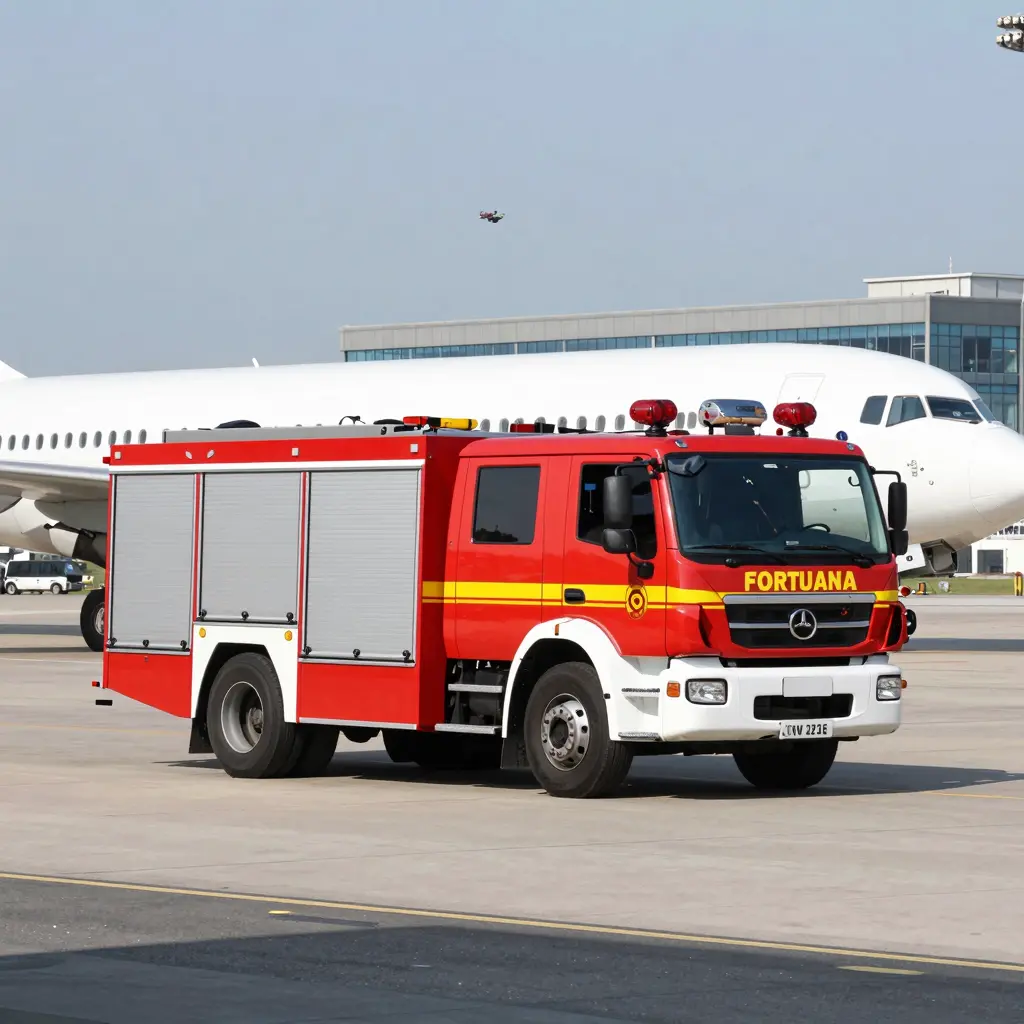
This image illustrates an airport fire truck in action, emphasizing its size and operational context at an airport, an essential aspect for fire safety in aviation facilities.
-
Proven Track Record: CIMC Tianda has over 30 years of experience in fire fighting and rescue equipment, positioning itself as a world leader in the industry. This extensive experience translates into reliable and efficient products tailored for airport operations.
-
Advanced Technology: The company continuously integrates state-of-the-art technology into its fire trucks. Recent collaborations, such as the one with Daimler Truck, enhance their firefighting capabilities, allowing for innovative solutions that improve emergency response.
-
Customizable Solutions: CIMC Tianda offers a range of customizable options to meet diverse airport needs. With various models available, including heavy-duty fire trucks and aircraft rescue fire-fighting units, businesses can select the right vehicle for their specific operational demands. Explore options here .
-
Focus on Safety and Efficiency: Their fire trucks are designed to provide rapid response during emergencies, equipped with features that ensure maximum safety for both crew and passengers. With multifunctional capabilities, they can handle everything from aircraft fires to infrastructure protection.
-
Global Market Presence: The company’s commitment to excellence has led to significant participation in international fire protection expos, demonstrating their products’ reliability worldwide. This presence assures potential customers of their credibility and market acceptance.
-
Ongoing Innovation: CIMC Tianda prioritizes research and development, regularly updating their fleet to include the latest firefighting technologies. This dedication to innovation ensures that their vehicles remain at the forefront of firefighting capabilities in airport settings.
In conclusion, CIMC Tianda’s commitment to reliability, advanced technology, and comprehensive solutions makes them an ideal choice for airport fire truck needs. By investing in their fire trucks, business owners can enhance their emergency response capabilities and ensure the safety of operations at their airports.
Conclusion
In summary, understanding the critical role of airport fire trucks is paramount for any business owner involved in operations near airport environments. These specialized vehicles are designed to address unique firefighting challenges posed by aircraft and associated facilities, ensuring swift and efficient emergency response. From advanced technology to quick maneuverability, modern airport fire trucks play a vital role in safeguarding lives and property.
As we’ve discussed, investing in high-quality fire-fighting apparatus not only enhances safety but also boosts overall operational efficiency. The necessity for reliable fire trucks in minimizing the devastating effects of potential fires cannot be overstated. By ensuring that your organization is equipped with the best emergency response tools, you are not just complying with regulations; you are actively contributing to a safer work environment.
If you’re looking for tailored solutions that meet your specific needs, don’t hesitate to reach out to CIMC Tianda. Our team is dedicated to providing you with the best airport fire trucks and other firefighting equipment designed to protect your valuable assets. Contact us today for a consultation and discover how we can help ensure the safety of your operations. Your safety is our mission!
Advancements in Fire Truck Technology
CIMC Tianda has made significant advancements in fire truck technology over the years, focusing on improving operational capabilities and firefighting effectiveness. Below is a chart illustrating the key technological innovations introduced by CIMC Tianda from 2010 to 2023:

Key Technological Innovations
| Year | Technological Innovation | Description | Source |
|---|---|---|---|
| 2010 | Introduction of CAFS capabilities | The integration of Compressed Air Foam Systems for fire suppression. | CIMC Tianda |
| 2015 | Advancements in automation | Automation technologies introduced for efficient firefighting. | Commercial Fire Trucks |
| 2018 | Improved chassis design with Daimler | Collaboration with Daimler for advanced fire truck chassis. | CIMC News |
| 2020 | Enhanced all-terrain capabilities | Design for operations in difficult terrains and extreme conditions. | CIMC Firetruck |
| 2023 | Launch of modern electric fire fighting trucks | Introduction of electric models for reduced environmental impact. | Global Supply Chain |
These innovations represent CIMC Tianda’s commitment to advancing firefighting technology and enhancing safety in firefighting operations.
Importance of Firefighting Equipment in Airports
Firefighting equipment is vital in maintaining safety at airports, given the unique hazards associated with aviation. Firefighters are trained to handle different scenarios, including aircraft fires, which can escalate quickly. An emphasis on the significance of this equipment is highlighted by industry experts such as James A. McHugh, a noted safety officer, who stated:
“The ability to rapidly respond to an emergency situation at an airport depends heavily on advanced firefighting equipment. It not only enhances response time but also ensures the safety of passengers and ground crew alike.”
This quote underscores the necessity of specialized airport fire trucks and their role in emergency preparedness. Investing in the latest firefighting technology is not just a regulatory requirement but a comprehensive approach to ensuring safety and efficiency in operations.
In addition, adequate maintenance of firefighting equipment is essential, as it can significantly impact the effectiveness of emergency responses. Business owners in the aviation sector must prioritize and regularly evaluate their firefighting resources to protect their interests and uphold safety standards.