
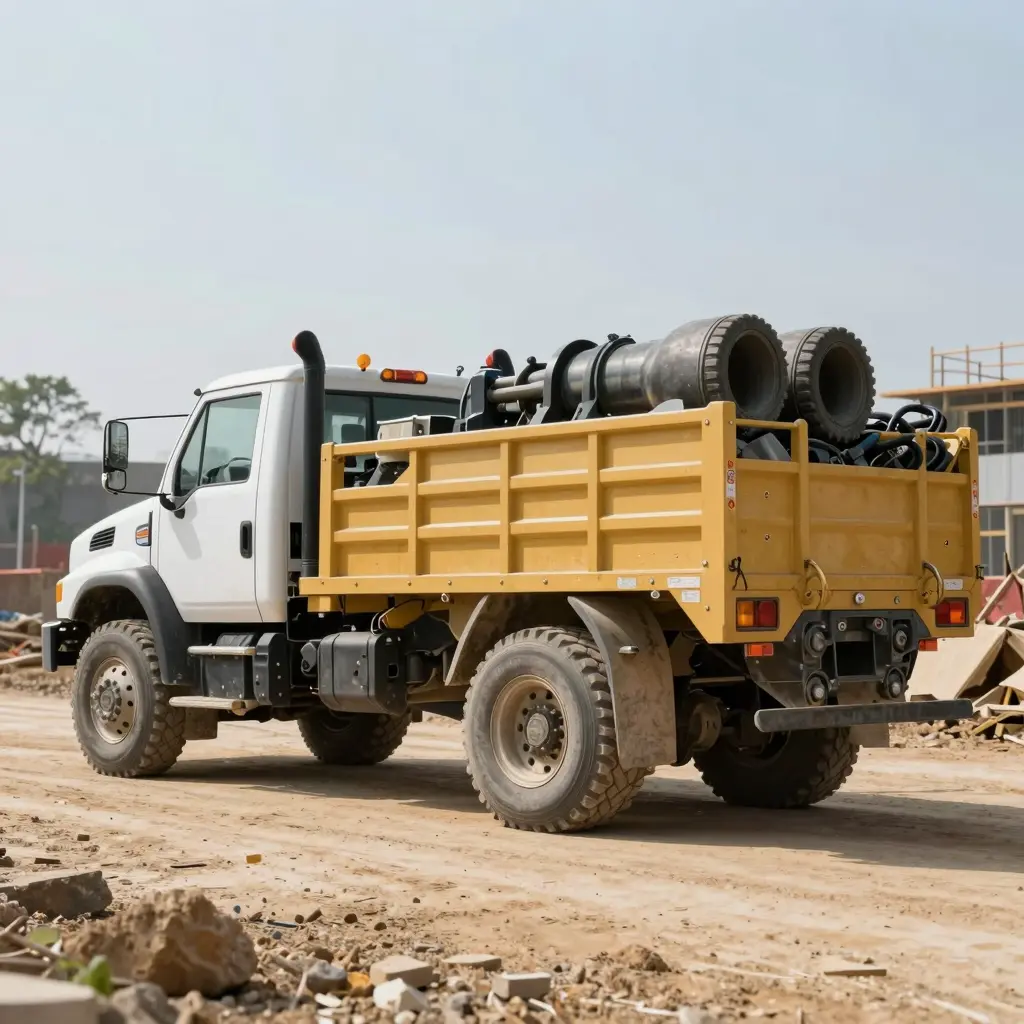
In the world of business, the right vehicle can make or break operational efficiency, and understanding the nuances of 3/4 ton trucks is crucial for any business owner. These heavy-duty pickups are not only designed to handle substantial payloads-typically between 1,500 and 3,000 pounds-but they also offer enhanced towing capacities ranging from 7,500 to 10,000 pounds. This makes them ideal for transporting heavy equipment, tools, and materials essential for various industries. In this article, we will dive deep into what defines a 3/4 ton truck, its key features, and how it can effectively serve your business needs. We will also discuss the benefits of investing in such vehicles and provide insights to help you make informed decisions for your operations. Learn more about truck accessories to enhance your 3/4 ton truck’s utility.
Definition of a 3/4 Ton Truck
A 3/4 ton truck, also known as a three-quarter ton pickup, refers to a type of light truck with a gross vehicle weight rating (GVWR) typically between 14,001 to 26,000 pounds. These trucks are engineered to handle heavier loads and provide superior towing capabilities compared to lighter models, making them ideal for business owners engaged in tasks requiring significant payload capacity and efficiency.
Specifications
- Payload Capacity: 3/4 ton trucks generally have a payload capacity of around 4,000 to 4,080 pounds, allowing them to carry considerable weight without sacrificing performance.
- Seating Capacity: Depending on the model, they can typically accommodate 3 to 6 passengers, with options for configurations such as crew cabs or extended cabs.
- Drive Options: Available in both 2-wheel and 4-wheel drive options, enhancing versatility in different terrains and conditions.
- Towing Capability: Equipped with a receiver hitch for towing, 3/4 ton trucks are capable of handling various loads, making them practical for businesses that need to tow trailers or other equipment.
When considering the right vehicle for your business needs, a 3/4 ton truck provides a powerful solution for those requiring robust performance and versatility. For more insights into optimizing your truck’s performance, check out our accessories blog.
Common Uses of 3/4 Ton Trucks for Business Owners
3/4 ton trucks serve a variety of functions across different industries, making them essential for business owners. Their robust build and high payload capacity allow for efficient transportation of goods and equipment. Here are some common uses:
-
Towing Trailers and Equipment: A 3/4 ton truck can tow trailers weighing between 7,500 to 10,000 pounds, which is perfect for businesses that require transporting heavy equipment such as construction machinery, vehicles, or boats. Learn more about towing capacities.
-
Construction Work: Ideal for construction crews, these trucks can carry heavy loads of tools and materials such as lumber, brick, or concrete without compromising safety or performance.
-
Hauling Furniture and Appliances: Moving businesses frequently utilize 3/4 ton trucks for transporting large, bulky items like furniture and appliances due to their spacious truck beds and strong suspension systems.
-
Landscaping and Lawn Care: Many landscaping businesses depend on these trucks to transport landscaping materials such as soil, mulch, and plants. The power behind them aids in the effective management of on-site tasks.
-
Mobile Businesses: From food trucks to mobile workshops, business owners in various sectors benefit from having a 3/4 ton truck equipped with the necessary storage solutions, tools, and equipment to serve their clients on the go.
-
Delivery Services: E-commerce and logistics companies often choose 3/4 ton trucks to deliver goods efficiently. They can handle heavy loads while maintaining good fuel efficiency for long-distance travel.
-
Utility Services: Utility companies use these trucks for carrying tools, equipment, and materials necessary for maintenance and construction of water, electricity, or telecommunications services.
The versatility of 3/4 ton trucks enables business owners to adapt them according to their specific operational needs, ensuring practicality and efficiency in daily tasks.
Truck Comparison Table
| Truck Type | Payload Capacity | Towing Capacity | Typical Weight Class | Suitable Applications |
|---|---|---|---|---|
| 1/2 Ton | Approximately 1,000-1,200 lbs (450-540 kg) | Up to 8,000 lbs (3,600 kg) | Light-Duty | Personal use, small trailers, light hauling, and everyday workloads. Learn more about accessories for 1/2 ton trucks |
| 3/4 Ton | Approximately 2,000-3,000 lbs (900-1,350 kg) | Between 10,000-12,000 lbs (4,500-5,500 kg) | Medium-Duty | Construction, heavy-duty towing, RVs, farming applications, and businesses requiring muscle. Explore liftgate options for 3/4 ton trucks |
| 1 Ton | Approximately 3,000-4,000 lbs (1,350-1,800 kg) | Up to 15,000 lbs (6,800 kg) | Heavy-Duty | Heavy hauling, commercial use, delivery services, and larger trailers. Find the right toolboxes for 1 ton trucks |
Insights and Discussion
- Payload Capacity:
- 1/2 ton trucks are great for light tasks and personal use but may struggle with heavy loads.
- 3/4 ton trucks excel in applications requiring more strength, offering significantly higher payload options compared to 1/2 tons.
- 1 ton trucks are the heaviest available in this classification, suitable for businesses that need to transport large materials or equipment.
- Towing Capacity:
- The towing capabilities of 3/4 ton and 1 ton trucks make them indispensable for industries like construction or logistics where hauling trailers is commonplace.
- Applications:
- With their design optimized for heavier workloads, 3/4 ton trucks provide a good balance for contractors and businesses engaged in heavier tasks without pushing the limits of a one-ton vehicle.
- 1/2 ton trucks are often sufficient for personal use or small businesses but may require upgrades when heavier demands arise.
Conclusion
Choosing the right truck type depends heavily on the specific needs of your business. If your operations require frequent heavy hauling, investing in a 3/4 ton or 1 ton truck pays off in durability and performance. For lighter tasks, a 1/2 ton truck remains a versatile and economical choice. Discovering the right accessories and configurations can further enhance your truck’s effectiveness for its designated application.
For further reading on how to customize your truck for specific tasks and applications, visit Truck DIY’s accessories page.
What is a 3/4 Ton Truck?
A 3/4 ton truck, typically classified in the intermediate range between half-ton and one-ton trucks, is known for its robust capacity and versatility. These trucks generally have a Gross Vehicle Weight Rating (GVWR) of around 8,500 to 10,000 pounds.
Key Features:
- Payload Capacity: Can typically carry between 3,000 to 4,000 pounds.
- Towing Capacity: Often allows for towing between 10,000 to 20,000 pounds, depending on the model and configuration.
- Engine Options: Usually equipped with powerful engines to handle rigorous tasks, including diesel or high-torque gasoline engines.
Popular Models:
Several manufacturers produce excellent 3/4 ton trucks, including:
- Ford F-250: Known for its performance and durability.
- Chevrolet Silverado 2500: Offers a balance of comfort and capability.
- Ram 2500: Often noted for its high towing capacities and advanced technology.
These trucks are ideal for business owners who need to transport materials and equipment regularly. They can handle heavy loads while providing comfort during long drives.
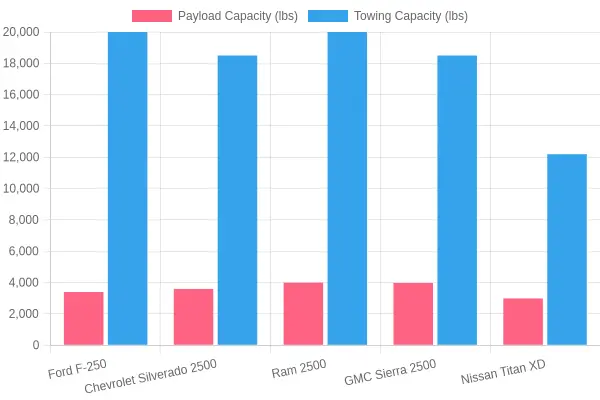
For further enhancements, businesses can consider various truck accessories to optimize functionality and storage.
Advantages of Using a 3/4 Ton Truck for Business
For business owners, choosing the right vehicle is critical, especially when it comes to heavy-duty tasks. A 3/4 ton truck stands out as an exceptional option for various reasons:
1. Higher Payload Capacity
A typical 3/4 ton truck can carry a payload ranging from 1,500 to 4,000 pounds. This capacity is ideal for businesses that require the transportation of heavy materials, tools, or equipment like construction and landscaping businesses. For instance, the Ford F-250 has a payload capacity of 3,325 lbs, while the RAM 2500 can handle approximately 3,160 lbs.
2. Impressive Towing Capacity
3/4 ton trucks are also designed with robust towing capabilities, often able to tow trailers that weigh over 6,000 pounds easily. For example, the towing capacity of the Ford F-250 reaches up to 22,000 lbs. This feature is critical for industries requiring substantial towing for trailers, machinery, and other equipment, providing flexibility and operational efficiency.
3. Durability and Reliability
Crafted for heavy-duty use, these trucks feature enhanced durability due to stronger frames, upgraded suspensions, and reliable braking systems. This durability translates into lower maintenance costs, meaning fewer downtimes and greater productivity for businesses that depend on them. Moreover, they’re built to withstand harsh weather conditions and rugged terrains, making them a trustworthy partner for business operations.
4. Versatility
Finally, 3/4 ton trucks are incredibly versatile. They can serve various purposes, from hauling goods to acting as mobile workstations for different trades. With a variety of accessories available, such as toolboxes and roof racks, these trucks can be customized to meet specific business needs. For instance, you could enhance your vehicle with protech toolboxes for secure transportation of tools and equipment.
In summary, opting for a 3/4 ton truck provides ample advantages for businesses requiring robust payload capabilities, towing efficiency, and versatility, ultimately leading to enhanced productivity and operational effectiveness.
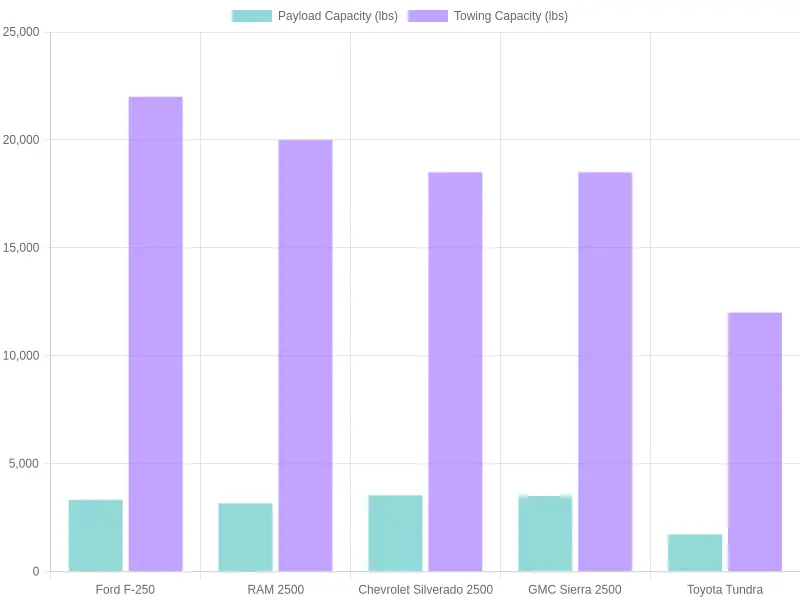
Truck Payload and Towing Capacities for 2023
| Truck Model | Payload Capacity (lbs) | Towing Capacity (lbs) | Year |
|---|---|---|---|
| Ford F-250 | 3,325 | 22,000 | 2023 |
| RAM 2500 | 3,160 | 20,000 | 2023 |
| Chevrolet Silverado 2500 | 3,530 | 18,500 | 2023 |
| GMC Sierra 2500 | 3,500 | 18,500 | 2023 |
| Toyota Tundra | 1,730 | 12,000 | 2023 |
Advantages and Limitations of 3/4 Ton Trucks in Commercial Settings
3/4 ton trucks serve as a vital asset in various commercial settings, providing an ideal balance between performance and capability for business owners. Expert opinions indicate several advantages and limitations of these trucks, which are essential for making informed purchasing decisions.
Advantages:
- Payload Capacity: 3/4 ton trucks offer a higher payload capacity compared to 1/2 ton trucks, making them suitable for transporting heavy loads. For instance, they are preferred for moving construction equipment and materials. Kelley Blue Book discusses how this capacity underpins the truck’s reliability in commercial needs.
- Durability: Built with stronger frames and components, these trucks handle demanding tasks better than lighter models. This robustness contributes to lower maintenance costs over time, as noted by industry experts.
- Towing Capability: Enhanced towing capabilities are another significant advantage. Businesses often rely on 3/4 ton trucks when needing to tow trailers or heavy equipment, which is noted in several Movrify articles.
- Stability: Improved stability while carrying heavy loads makes these trucks safer for transporting valuable materials.
- Versatility: They are versatile enough for diverse applications, from carrying tools to towing trailers, catering to various business needs.
Limitations:
- Weight: The heavier build of a 3/4 ton truck may compromise fuel efficiency, making them less economical than lighter trucks, as expressed in discussions on platforms like YouTube.
- Cost: Higher upfront costs compared to 1/2 ton trucks can be a barrier for some businesses.
- Maneuverability: They may not be as nimble in tight spaces, making them less ideal for urban environments.
Data Visualization
Below is a chart summarizing the advantages and limitations of 3/4 ton trucks in commercial applications, showcasing key points to consider when selecting a vehicle for business needs.
Key Maintenance Tips for 3/4 Ton Trucks
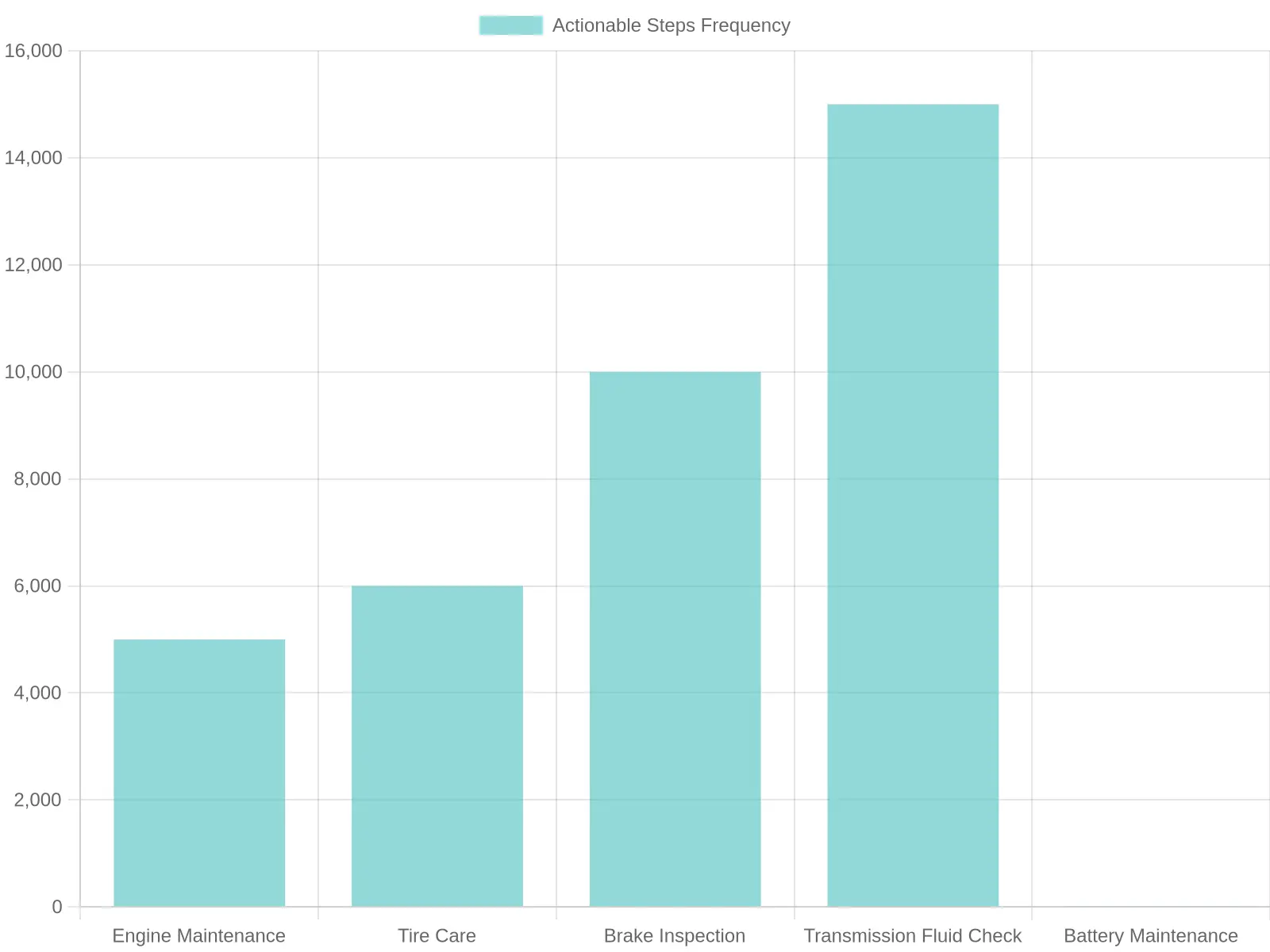
Maintaining your 3/4 ton truck is essential for its longevity and performance, especially for business owners who rely on these vehicles. Here is a chart outlining key maintenance tips and actionable steps:
| Maintenance Category | Actionable Steps | Frequency |
|---|---|---|
| Engine Maintenance | Oil change | Every 5,000 miles |
| Tire Care | Rotate tires | Every 6,000 miles |
| Tire Care | Check tire pressure | Monthly |
| Brake Inspection | Inspect brakes | Every 10,000 miles |
| Transmission Fluid Check | Check transmission fluid | Every 15,000 miles |
| Battery Maintenance | Check battery condition | Every 12 months |
Keeping track of these maintenance tasks can help you avoid expensive repairs and ensure that your truck operates smoothly. For more detailed information, you might find it useful to explore these comprehensive truck maintenance checklists. Regular checks not only enhance performance but also promote safer driving experiences.
Conclusion
In summary, choosing the right truck is crucial for any business owner looking to optimize efficiency and functionality. A 3/4 ton truck stands out as a versatile workhorse that balances payload capacity with towing capabilities, making it an ideal choice for various business needs. These trucks provide sufficient power for hauling heavy loads while also offering a comfortable driving experience that can enhance productivity on the job.
We explored the fundamental attributes of 3/4 ton trucks, highlighting features that cater to the demands of business operations. From durability to towing capacity, these trucks deliver reliability in extreme conditions, which is essential for industries ranging from construction to logistics.
Moreover, customizing your 3/4 ton truck with accessories can further enhance its utility; various options are available, from toolboxes to lift gates, that can improve functionality and ease of use.
As you consider your options, take the time to evaluate your specific business needs, and seriously contemplate the advantages a 3/4 ton truck can offer. Investing in the right vehicle will not only support your operations but can also contribute significantly to your business’s growth and success.
Exploring Premium Pizza Trucks
Are you a business owner in the food industry or looking to explore exciting culinary ventures? Consider investing in a premium pizza truck! These mobile kitchens not only allow you to serve delicious pizzas on-the-go but also provide a unique dining experience that customers love.
With the rise of food trucks, pizza trucks offer flexibility and lower overhead costs compared to traditional restaurants. You can easily set up shop at events, festivals, and busy urban streets, reaching a wider audience. What’s more, the menu can be customized to reflect your culinary style, allowing for creativity and innovation in your offerings.
Ready to explore this delicious opportunity? Discover the wide selection of premium pizza trucks available at truckpizza.net, and take the first step towards launching your successful food truck business! Let your culinary journey start today!