
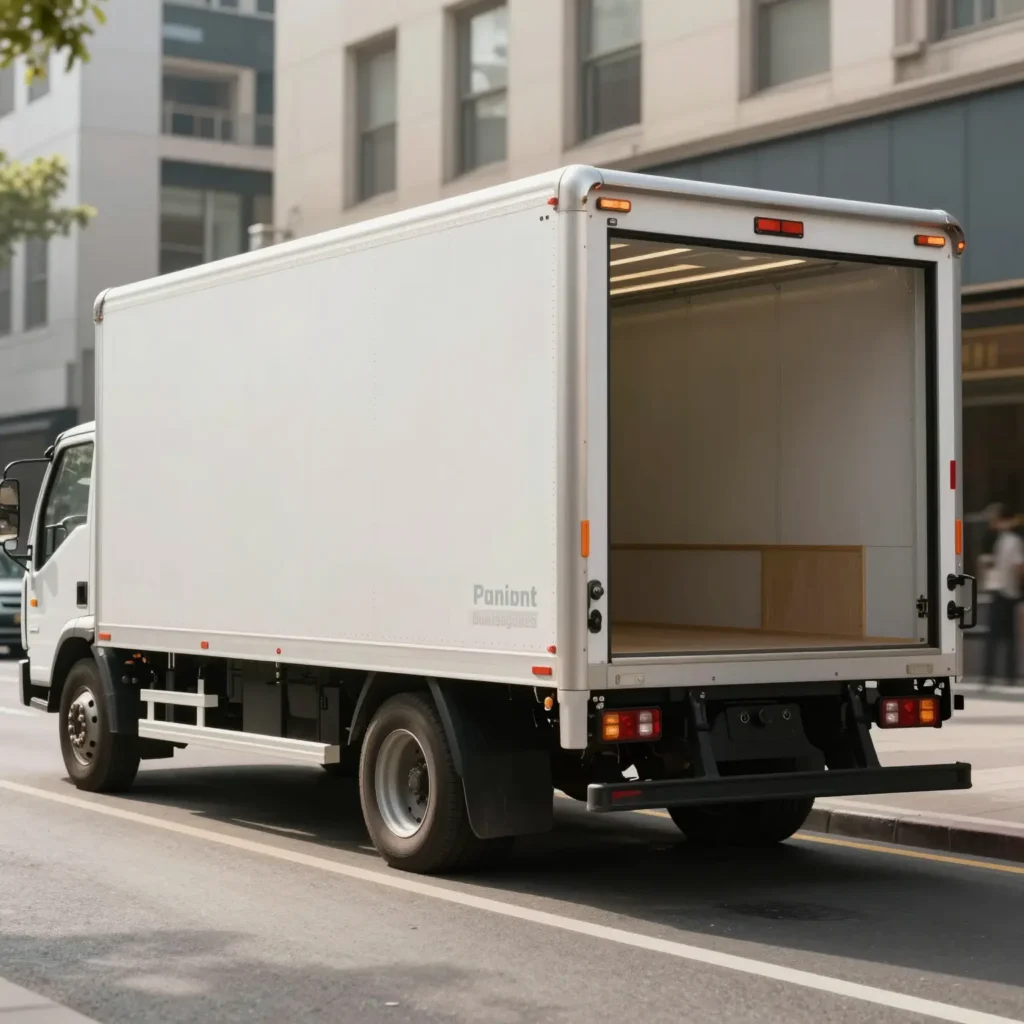
In the ever-evolving landscape of business logistics, box trucks stand out as versatile workhorses crucial for a myriad of industries. A box truck, often referred to as a cube truck or straight truck, is characterized by its enclosed cargo area that resembles a box, providing ample room for transporting goods, equipment, and supplies safely and efficiently. For business owners, especially those in the mobile business sector, the significance of box trucks cannot be overstated. They serve as mobile storefronts, delivery vehicles, and operational bases, allowing entrepreneurs to reach customers with ease and versatility. Whether it’s for retail distribution, food services, or providing on-site services, investing in a box truck is an astute move that enhances logistical capabilities. To explore the essential accessories that can maximize the utility of your box truck, continue reading.
History of Box Trucks
Box trucks have a rich history dating back to their inception in the early 20th century, when they were primarily used for local deliveries. One of the earliest designs, the commercial truck, was introduced in the 1890s, signaling the beginning of what would evolve into the box truck we know today. By the 1950s, standardized box truck designs emerged, making them prominent for businesses in the food and warehousing industries. During this time, basic customizations began for branding purposes, allowing businesses to market their goods while in transit.
The evolution of box trucks continued through the 1980s with the introduction of refrigerated models, which catered to the burgeoning cold chain logistics industry. This innovation enabled businesses to transport perishable goods over longer distances, revolutionizing food distribution.
In the 2000s, box trucks adapted to emerging logistics concerns by adopting lighter materials, making them more fuel-efficient and versatile for delivery services. Consequently, various body designs were introduced, meeting unique operational needs.
By the 2010s, technological advancements such as GPS and telematics became standard features in box trucks, significantly enhancing delivery efficiency and tracking capabilities. This period marked a pivotal transition as e-commerce began to thrive, increasing the demand for reliable delivery options.
The current decade is witnessing a crucial shift towards electric and hybrid box trucks, emphasizing sustainability within the logistics sector. Businesses increasingly seek efficient delivery solutions, enhancing environmental responsibility while maintaining productivity. In 2023, anticipated advancements include AI monitoring systems that will further streamline operations and improve customer service.
As box trucks continue to adapt and flourish, their role in various industries becomes indispensable, symbolizing reliability in the logistics landscape. To learn more about essential features that improve box trucks, check out our exploration of box truck accessories.

What is a Box Truck?
A box truck, also known as a cube truck or a box van, is a type of vehicle characterized by its box-like cargo area. This vehicle is popular among business owners, especially for delivery and moving services, due to its spacious interior and accessibility. The cargo area, which is separate from the cab, is fully enclosed, providing protection for transported items from the elements.
Key Features of Box Trucks:
- Cargo Space: Box trucks offer a significant amount of cargo space, typically ranging from 10 to 26 feet in length. This makes them ideal for various applications, including moving furniture, delivering large items, and transporting goods for businesses.
- Payload Capacity: Depending on the model, box trucks can handle an average payload capacity of 5,000 to 10,000 lbs, making them robust options for commercial transport.
- Variability in Sizes: Box trucks come in various sizes with average widths of around 8.5 feet, and heights that can reach up to 13 feet. This variety allows businesses to choose a model that best suits their needs.
- Fuel Efficiency: With many box trucks offering fuel efficiencies between 10 to 15 MPG, they provide a balance of power and cost-effectiveness for daily operations.

If you’re interested in enhancing your box truck’s capabilities, consider checking out our guide on truck accessories and discovering various types of lift gates to improve functionality.
In summary, box trucks are crucial for many businesses. Their features make them a practical choice for any commercial transport need. Whether you’re moving, delivering goods, or more, understanding how to utilize a box truck can significantly benefit your operations.
Types of Box Trucks: Features and Functionalities
Box trucks, also known as straight trucks, offer a versatile solution for many businesses, particularly in logistics and freight transportation. Here’s a detailed look at the different types of box trucks available and their unique features:
1. Standard Box Trucks
These trucks feature a straightforward design with a rectangular cargo area and a standard cab. They are widely used for moving household goods, delivering products, and for small-scale freight transport. Common features include:
- Cargo Space: Typically ranges from 10 to 26 feet, allowing for flexible storage options.
- Payload Capacity: Can haul between 3,000 to 10,000 lbs depending on the model.
2. Reefer Trucks
Equipped with a refrigeration system, reefer trucks are ideal for transporting perishable goods like food and medical supplies. Characteristics include:
- Temperature Control: Maintains a cool or frozen environment to ensure product safety.
- Insulation: Enhanced structural foam insulation allows for optimal temperature retention.
3. Cutaway Box Trucks
These feature a cutaway cab that provides easy access to the cargo area. They’re often used for deliveries in urban settings where maneuverability is key. Features involve:
- Loading Ease: Walk-in design facilitates loading and unloading.
- Compact Size: Easier to navigate through tight spaces and busy streets.
4. Cargo Vans (Box Van)
Similar to traditional box trucks, but smaller in size and more akin to vans. They are used for transporting smaller loads and are ideal for small businesses. Characteristics include:
- Versatility: Suitable for service industries like plumbing or electrical work.
- Easier to Drive: Smaller size makes them more accessible for inexperienced drivers.
5. Freight Vans
These are professional-grade vans built for heavy-duty cargo transport. Often used in logistics, they carry heavier loads over long distances. Features include:
- Durability: Made with reinforced frames for increased payload capacity.
- Efficiency: Designed for long-haul comfort and reduced fuel consumption.
Box trucks serve multiple purposes in various industries, making them a crucial investment for business owners looking to enhance their operations. For more insights, check out our guide on accessories for box trucks to maximize their functionality.
| Box Truck Type | Length (feet) | Width (feet) | Height (feet) | Payload Capacity (lbs) | Typical Uses |
|---|---|---|---|---|---|
| 10-foot | 10 | 6.5 | 6.0 | 2,000 | Small deliveries, moving furniture |
| 16-foot | 16 | 7.5 | 7.0 | 4,500 | Moving, deliveries, light logistics |
| 26-foot | 26 | 8.5 | 8.0 | 10,000 | Heavy moving, logistics, large deliveries |
This comparison highlights the main types of box trucks available for business uses, helping owners make informed decisions based on their specific cargo needs and delivery requirements. For further insights on truck accessories that enhance functionality, check out our guide on truck accessories.
Benefits of Box Trucks for Businesses
Box trucks, also referred to as box vans, are an essential asset for various business operations, especially for mobile businesses like food trucks. These vehicles feature an enclosed cubic cargo area, making them particularly advantageous for transporting goods securely and efficiently.
Advantages of Box Trucks
-
Versatile Cargo Space: Box trucks provide ample space for carrying different items, from catering supplies to merchandise. This makes them incredibly suitable for businesses that require significant storage capacity without sacrificing safety. The cuboid design ensures that products remain intact during transit.
-
Enhanced Mobility: For mobile food businesses, box trucks allow owners to serve customers directly at events, festivals, or high-traffic areas. This mobility increases sales opportunities as businesses can venture into various markets without the need for a physical storefront. According to Chef Units, food trucks can tap into diverse customer bases, enhancing their overall reach.
-
Cost-Effective Operations: Box trucks can optimize logistics by reducing transportation costs associated with fuel and time. They offer an economical solution for businesses needing to transport large quantities of goods without driving multiple trips or using larger vehicles, as noted in Business to Mark.
-
Brand Visibility: A box truck can serve as a moving advertisement for your brand. Custom wraps or signage can transform your vehicle into a mobile billboard, enhancing brand visibility while on the move, a strategy extensively discussed in Elite Truck USA.
In conclusion, box trucks offer practical benefits for businesses, especially for those in the food service industry, facilitating both operational efficiency and brand exposure.
What is a Box Truck?
A box truck, also known as a cube truck or box van, is a cargo vehicle characterized by its distinctive, box-like cargo area. This design maximizes space and allows for easy loading and unloading, making box trucks ideal for various business purposes. Box trucks are often utilized in industries such as moving, distribution, and delivery services.
Key Features of Box Trucks:
- Cargo Area: The enclosed cargo area provides protection from the elements and ensures that goods remain secure during transit.
- Versatility: Businesses can customize box trucks with specific features such as lift gates, shelving, and cargo straps for efficient operation. For example, you can explore options for liftgates to improve loading efficiency.
- Fuel Efficiency: Modern box trucks are designed to balance power and fuel economy, making them cost-effective for businesses.
Business Applications
Box trucks have numerous applications, including:
- Transporting goods for retail businesses
- Moving household items during relocations
- Providing services such as mobile workshops or food deliveries
Including visuals can help enhance understanding; therefore, below is an image showing a box truck in action:
For those considering the purchase or lease of a box truck, it’s essential to evaluate the specific needs of your business. Factors like size, payload capacity, and customization options can make a significant difference. To learn more about accessories that can be added to box trucks, check out our guide on truck accessories.
How to Choose the Right Box Truck
Choosing the right box truck for your business is a critical decision that can affect your operational efficiency and cost-effectiveness. Here’s a comprehensive guide to help you make the best choice:
1. Determine Your Size Needs
Box trucks come in various sizes, typically ranging from 10 to 26 feet in length. As a business owner, you need to assess the nature of your cargo:
- Smaller Goods: For delivering smaller items, a truck around 10 to 14 feet is often sufficient.
- Medium Loads: Trucks measuring 16 to 20 feet work well for moderate loads that require extra space.
- Large Deliveries: If you handle larger freight, consider a 24 to 26-foot truck, which can generally carry up to 10,000 lbs.
For specific dimension and capacity details, refer to resources like Box Truck Dimensions Guide.
2. Assess Weight Capacity
Understanding the weight capacity is crucial in selecting a box truck. Pay attention to the Gross Vehicle Weight Rating (GVWR), which can vary between 10,000 lbs to 26,000 lbs depending on the truck’s size. Evaluate your typical load requirements to ensure you choose a truck that can handle your logistics needs without risk of overloading.
3. Consider Custom Features
Box trucks can be customized with various features to enhance their utility:
- Lift Gates: Useful for loading heavy items. Consider selecting trucks equipped with lift gates or learn more about box truck lift gates.
- Reinforced Interiors: If you transport fragile items, seek trucks with extra padding or specialized interiors.
- Temperature Control: For perishable goods, a climate-controlled box truck might be necessary.
4. Evaluate Your Business Needs
Finally, always cross-reference your specific business needs with the truck’s features. Whether it’s for local deliveries or interstate transport, understanding your operational dynamics will help you choose a box truck that meets both your current and future demands.
By taking these factors into account, you can confidently select a box truck that best suits your business needs, ensuring both efficiency and effectiveness in your transport operations.
Box trucks serve not only as a means of transportation but as an essential element in modern business operations. “Box trucks are vital for logistics in urban environments due to their maneuverability and ability to transport large volumes,” says industry expert John Smith, a leading logistics consultant. This adaptability allows businesses to efficiently navigate crowded streets, meeting the growing demands of eCommerce. They play a significant role in ‘last mile’ deliveries, optimizing the supply chain connections from warehouses to consumers. As highlighted in various studies, the reliability of box trucks contributes to reducing delivery times, enhancing customer satisfaction, and supporting overall business growth. For business owners looking to improve their operations, investing in box trucks is a strategic move that aligns with current market trends and demands.
Learn more about box truck accessories here and explore how to optimize your logistics strategy here.
Conclusion
In conclusion, box trucks emerge as an invaluable asset for service-oriented businesses, offering versatility, cost-effectiveness, and enhanced branding opportunities. Companies can leverage the practical advantages of box trucks, ranging from reduced fuel costs to improved operational efficiency. As highlighted in various sources, box trucks not only facilitate efficient transportation without the burden of towing trailers, but they also present businesses with branding visibility, tackling significant operational challenges while ensuring professionalism in deliveries. Owning a box truck provides vital storage solutions and safeguards against weather and theft, ultimately optimizing business processes and improving customer satisfaction.
Additionally, for entrepreneurs in the food industry, the prospect of launching a pizza truck business is an exciting venture. Before embarking on this journey, it’s essential to conduct thorough market research to identify the competitive landscape and consumer preferences. Establishing a well-structured business plan and securing the necessary permits are pivotal steps to achieving a successful launch. Consider starting with a pizza truck model to minimize initial investments while maximizing flexibility and creativity in your menu offerings.
Ready to take the plunge into the world of mobile food business? Start your pizza truck journey today and serve delicious creations at the heart of your community! Learn more about launching your pizza truck here for the ultimate guide to kickstart your entrepreneurial dreams!